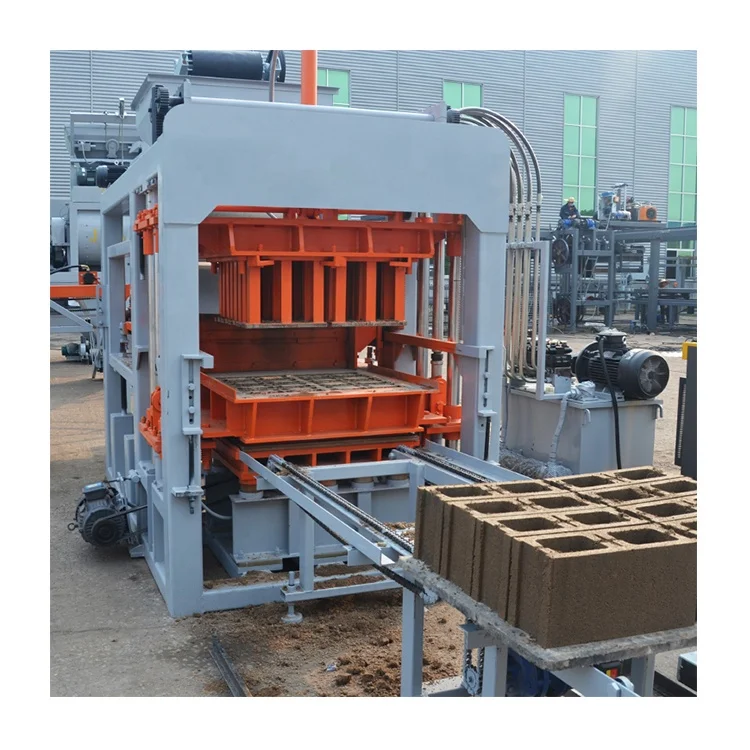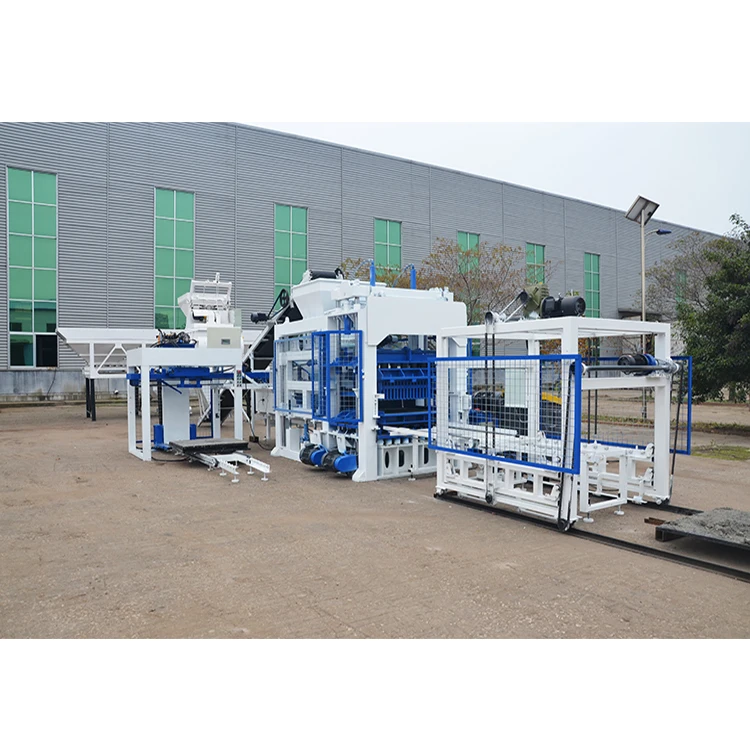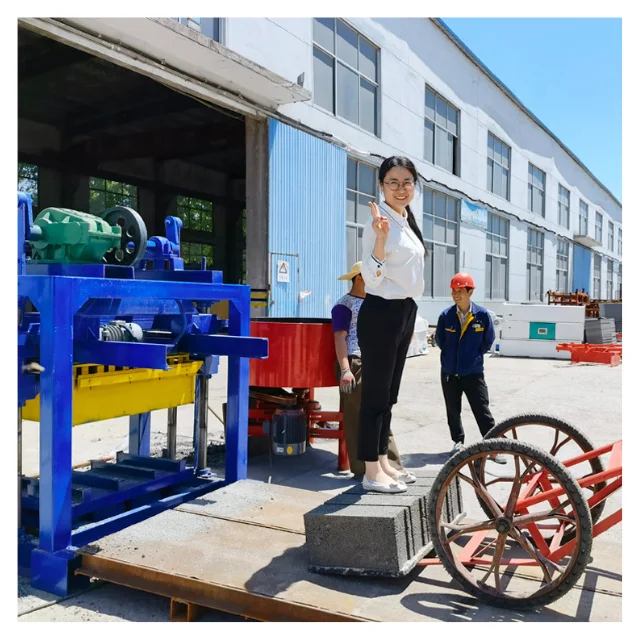
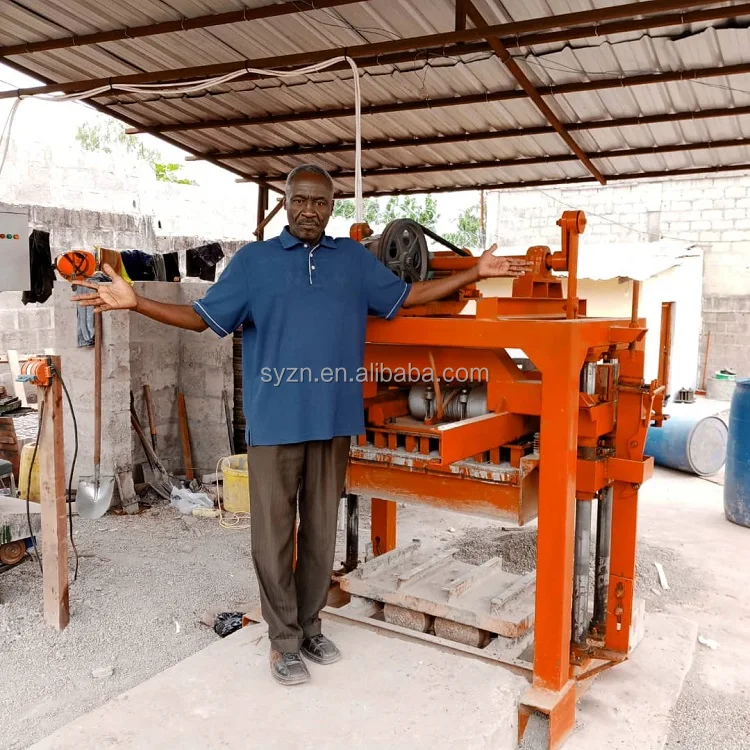
Description
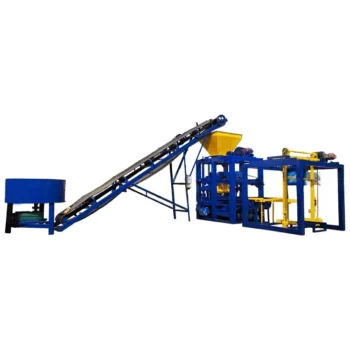
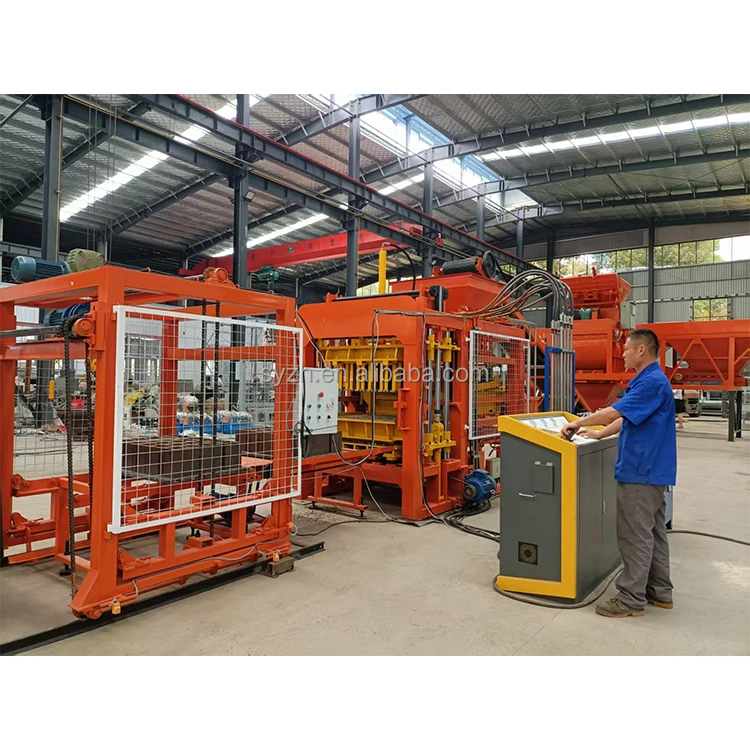
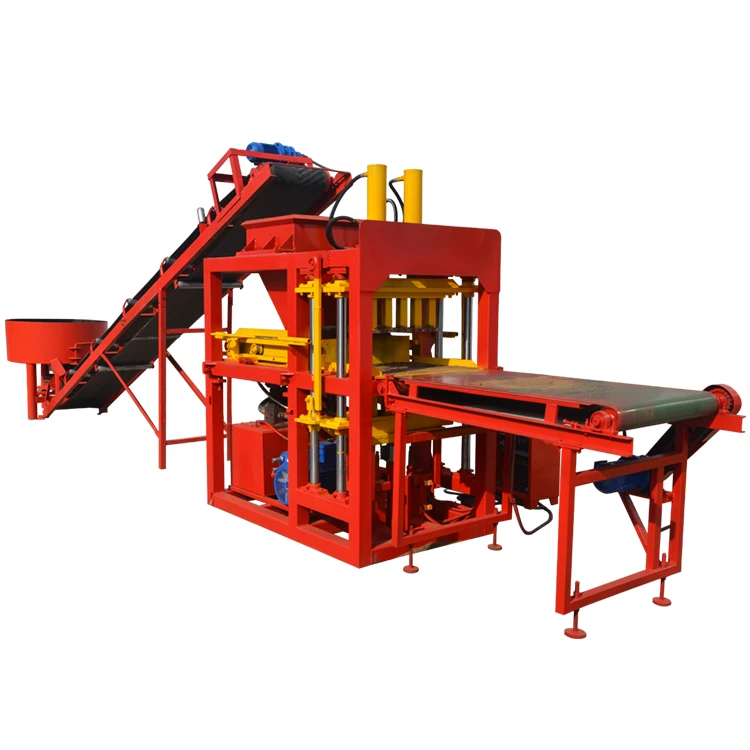
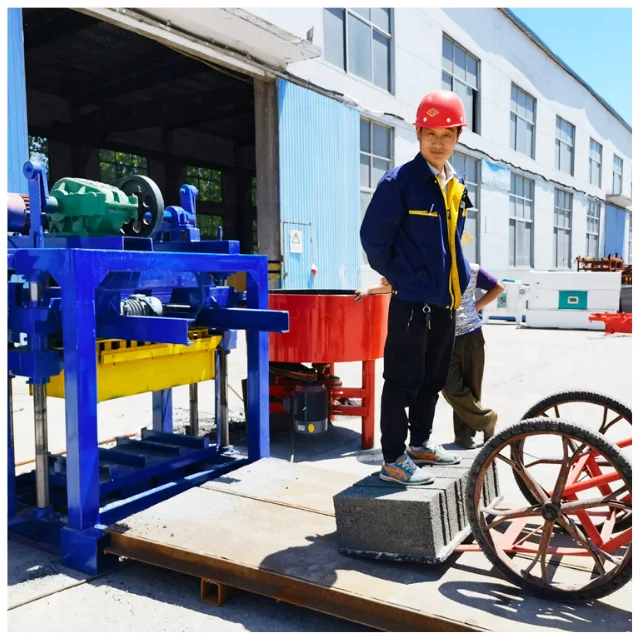
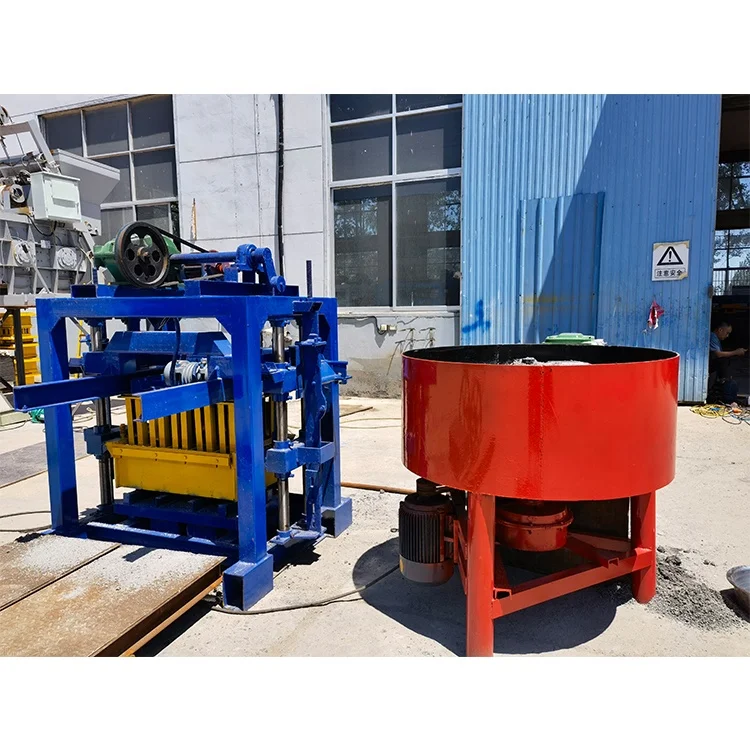
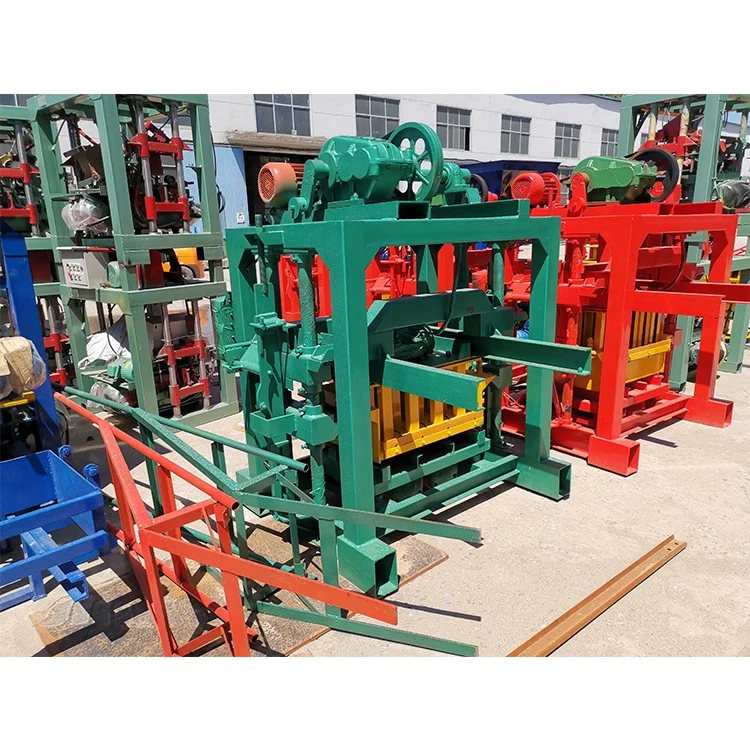
Matched System Sizing — the QTJ4-40 block making machine, mould and 850×450mm pallet are specified together so cycle time per format produces a verifiable output rather than a catalogue guess.
Technical Specifications
| Parameter | Value |
|---|---|
| Product Type | Semi-Automatic Concrete Block Making Machine |
| Model | QTJ4-40 |
| Machine Power | 10.4 kW |
| Molding Cycle | 40 seconds |
| Theoretical Output (400×200×200mm hollow block) | 4 pcs/mould, 360 pcs/h, 2800 pcs/day (basis: 8-hour shift) |
| Theoretical Output (400×150×200mm hollow block) | 5 pcs/mould, 450 pcs/h, 3600 pcs/day (basis: 8-hour shift) |
| Theoretical Output (225×112.5×60mm solid brick) | 9 pcs/mould, 800 pcs/h, 6400 pcs/day (basis: 8-hour shift) |
| Raw Materials | Concrete, sand, cement, fly ash, lime, gypsum |
| Machine Weight | 1 T |
| Overall Dimensions (L×W×H) | 1350×1460×1800 mm |
| Pallet Size | 850×450 mm |
| Vibration System | Bed mould vertical vibration + upper mould compression vibration |
| Mould Operation | Top die push-pull with automatic scraper |
| Automation Level | Semi-automatic |
| Voltage | Configured to local supply (to be confirmed before production) |
Application Suitability
| Application | Material or Output |
|---|---|
| Small-scale hollow block plant | 400×200×200mm or 400×150×200mm hollow blocks from crushed stone, sand and cement |
| Solid brick production for local masonry | 225×112.5×60mm solid bricks from fly ash, lime, gypsum and sand |
| On-site block production for building contractors | Hollow blocks and solid bricks produced directly at the construction site |
| Entrepreneur-led first block plant | Multiple formats on a single 850×450mm pallet footprint |
Why "2500 Pieces per Day" Means Nothing Without the Block Format
Capacity is not a single number — it changes with every mould you put on the press.
A semi-automatic block making machine how to choose question almost always starts with a daily output target, yet most quotations state a single figure without naming the block format behind it. I have seen buyers receive a QTJ4-40 block machine specifications sheet quoting 2500 pieces per day, only to discover on arrival that the number assumed a small solid brick they never intended to produce. Their actual hollow block format yielded closer to 60 percent of the quoted figure, and the curing racks they had already built were sized for a different pallet. [NEED_CITE: common discrepancy between quoted and actual block plant output]
When the format is not declared alongside the capacity, the buyer is essentially purchasing a promise that the machine cannot keep once real production begins.
Cycle Time Is Only Half the Story
The 40-second moulding cycle on the QTJ4-40 governs how fast the press completes one compaction stroke, but total throughput also depends on how quickly the operator feeds the raw mix, removes the finished pallet and positions the next one. In semi-automatic operation, these manual steps sit outside the machine’s timer. Buyers who staff the line with one operator instead of two will see the QTJ4-40 block machine specifications deliver lower real output than the theoretical cycle suggests. Planning labour around the pallet exchange, not just the press stroke, keeps expectations aligned with what the line actually produces.
Pallet Footprint Decides Your Curing Layout Before the Machine Arrives
The 850×450mm pallet is the physical link between the press and everything downstream. Its dimensions determine the width of your curing racks, the fork spacing on your lift truck and the spacing between blocks during air or steam curing. If the pallet is chosen without checking the buyer’s existing yard and handling equipment, blocks may have to be re-stacked by hand after demoulding — adding labour the quotation never mentioned. [NEED_CITE: pallet handling mismatches in small block plants] Confirming pallet size against the curing area and forklift before production avoids a bottleneck that no amount of press speed can solve.
Reading the Specs That Actually Shape Block Quality
Vibration force and hydraulic pressure must work together: the bed mould’s vertical vibration settles the aggregate into the cavity, while the upper mould’s compression vibration densifies the top surface. If the mix design contains a high percentage of fine sand or fly ash, the vibration amplitude needs adjustment so the block does not slump before curing begins. The 10.4 kW motor powers both the vibration and the scraper mechanism; undersized wiring or an unstable voltage supply will reduce effective vibration force and produce inconsistent density across the pallet. The automatic scraper on the top die ensures a flat block surface cycle after cycle, reducing the need for manual trimming downstream. Mould change is a mechanical swap — the operator pulls the existing mould assembly and slides in the new one — so keeping a format list matched to the 850×450mm pallet footprint ensures every mould you order will actually fit the press.
The Cost of Skipping the Mix-Design Conversation
When the machine is configured for a standard mix that the buyer cannot source locally — for example, a graded crushed stone that is unavailable in the region — the operator is forced to substitute a different aggregate after commissioning. The new material responds differently to vibration, producing blocks with variable strength that fail compression tests. Entire batches may need rework, and the mould wear pattern shifts because the substitute aggregate is more abrasive. [NEED_CITE: block strength inconsistency from unverified aggregate substitution] Sharing material photos and a trial mix ratio before the machine enters production allows the vibration settings and mould clearance to be adjusted at the factory, not on the buyer’s floor.
Why Sourcing Through a Single-Focus Block Machinery Supplier Matters
Every QTJ4-40 block machine specifications sheet we prepare states the capacity per block format, not a single headline number, so the buyer sizes the line against the products they actually sell. Mould drawings are confirmed against the buyer’s market demand before production starts, including custom formats drawn to buyer-supplied dimensions. The pallet specification is cross-checked against the curing rack layout and forklift the buyer already operates, preventing a mismatch that would force manual re-handling. Voltage, frequency and control display language are locked in before the machine is built, eliminating commissioning delays caused by an incorrect motor winding or an unreadable interface. [NEED_CITE: export machinery voltage and frequency confirmation process] Wear parts and mould components are listed with the quotation so the first replacement order is already planned, not discovered mid-shift when a worn die shuts down the line.
Documentation & Verification
- Line layout with capacity calculated per stated block format and pallet size
- Mould drawing and format list confirming every included mould dimension
- Pallet specification sheet matched to buyer’s curing rack and forklift
- Voltage, frequency and control language confirmation before production begins
- Factory test record showing cycle time and block dimensions on the buyer’s chosen format
- Operation and maintenance manual with wear parts and mould replacement schedule
Installation, Commissioning & Support
- Foundation pad sized to the 1350×1460mm footprint with anchor bolt template provided before pour
- Dedicated circuit rated for 10.4 kW plus starting surge, with voltage confirmed to local supply
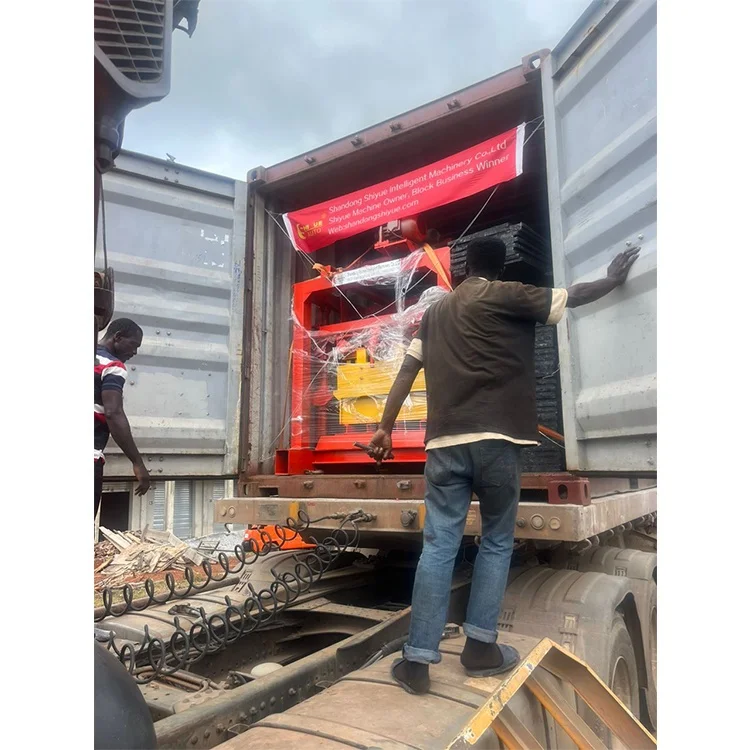
- Machine shipped as a single 1 T unit; pallet and mould crated separately for container loading
- On-site commissioning includes vibration adjustment against the buyer’s actual mix and aggregate
- Operator training covers mould change procedure, scraper adjustment and daily lubrication points
- Wear parts list with reorder quantities covering the first replacement cycle on each mould format
What to Include With Your Inquiry
Send us the block formats your market sells, including dimensions and target daily output for each, along with photos of your local sand, stone or fly ash and any existing mix ratio. Let us know your site voltage and frequency, the pallet size your curing yard is built around, and whether you need moulds beyond standard hollow block and solid brick. The more detail on raw materials and production targets, the closer the QTJ4-40 block machine specifications we return will match what your line actually needs to produce.
Frequently Asked Questions
Q: How is the QTJ4-40 daily output calculated for each block format?
A: Each output figure is based on the 40-second moulding cycle multiplied across an 8-hour shift, assuming a specific block size — for example, 4 pieces per mould of 400×200×200mm hollow block yields a theoretical 2800 pieces per day. Actual output also depends on manual pallet exchange speed, mix feeding consistency and mould change frequency during the shift.
Q: Which mould formats fit the 850×450mm pallet, and how long does a change take?
A: Standard moulds for 400×200×200mm and 400×150×200mm hollow blocks as well as 225×112.5×60mm solid bricks all fit the same pallet footprint. Custom moulds can be designed to buyer drawings within this envelope. Mould change is a mechanical swap performed by the operator; time varies with familiarity and whether the new mould is pre-assembled.
Q: How do I match vibration force to my local aggregate and mix?
A: Share photos and a sample ratio of your sand, crushed stone, fly ash or other aggregate before production. We adjust vibration amplitude and upper mould compression settings at the factory to match the material’s particle size and moisture response, reducing the risk of low-density blocks or surface cracking after demoulding.
Q: What voltage and control options are confirmed before shipment?
A: Voltage and frequency are confirmed against the buyer’s local supply before the motor is wound, and the control panel is labelled in the agreed language. This step is completed during the quotation stage so the machine can be commissioned immediately on arrival without rewiring or panel modification.
Q: Which spare parts should I order with the machine?
A: The quotation includes a wear parts list covering mould liners, vibration springs, scraper blades and hydraulic seals — components that experience regular wear during the first production months. Ordering these with the machine ensures replacements are on site before the first changeover is needed, avoiding unplanned downtime.