Description
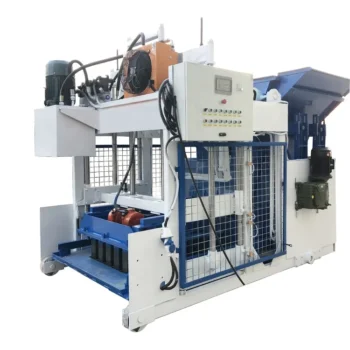
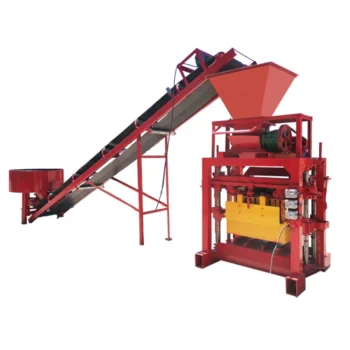
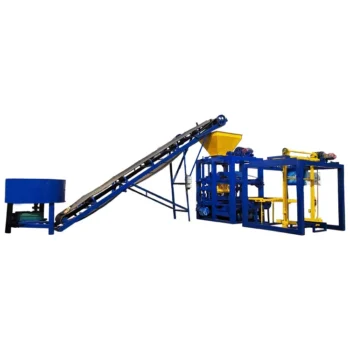
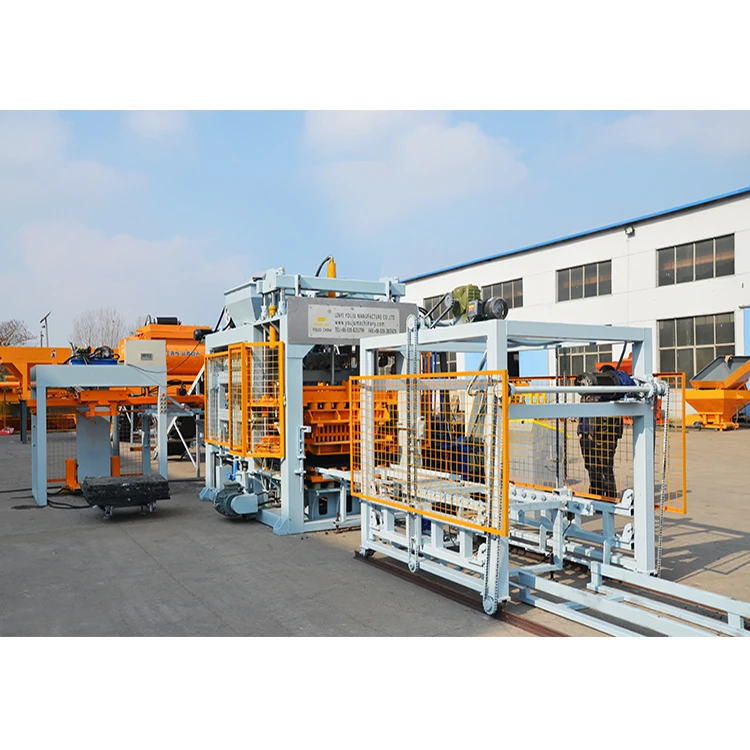
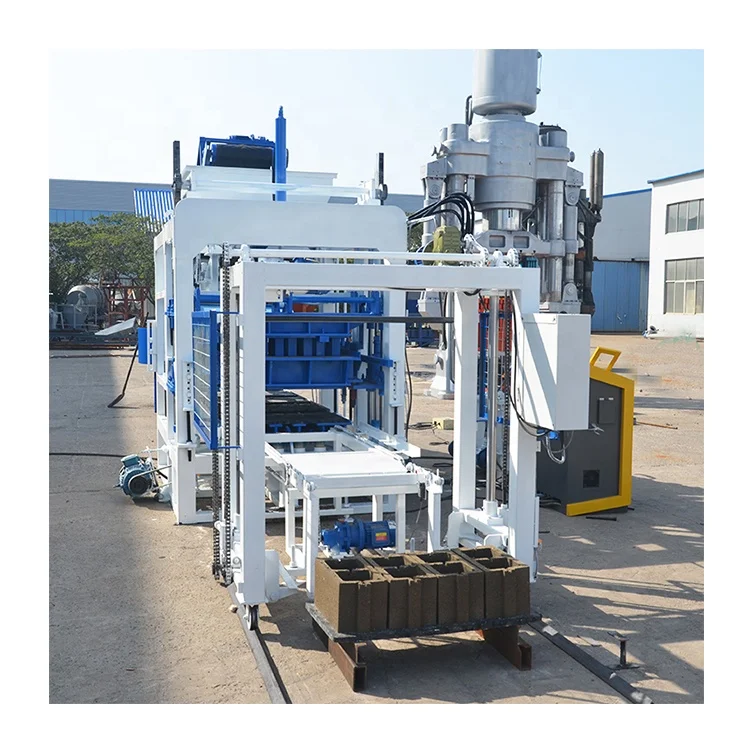
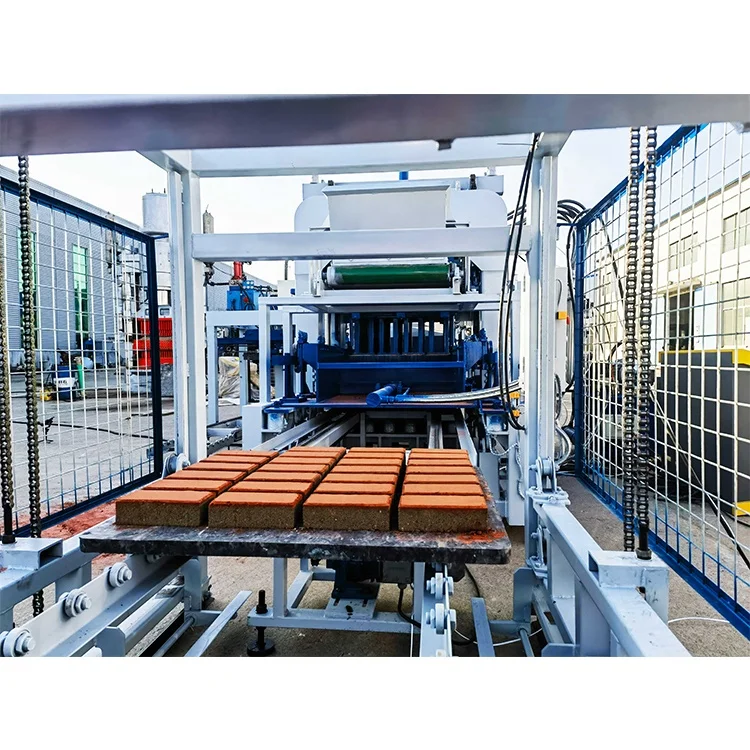
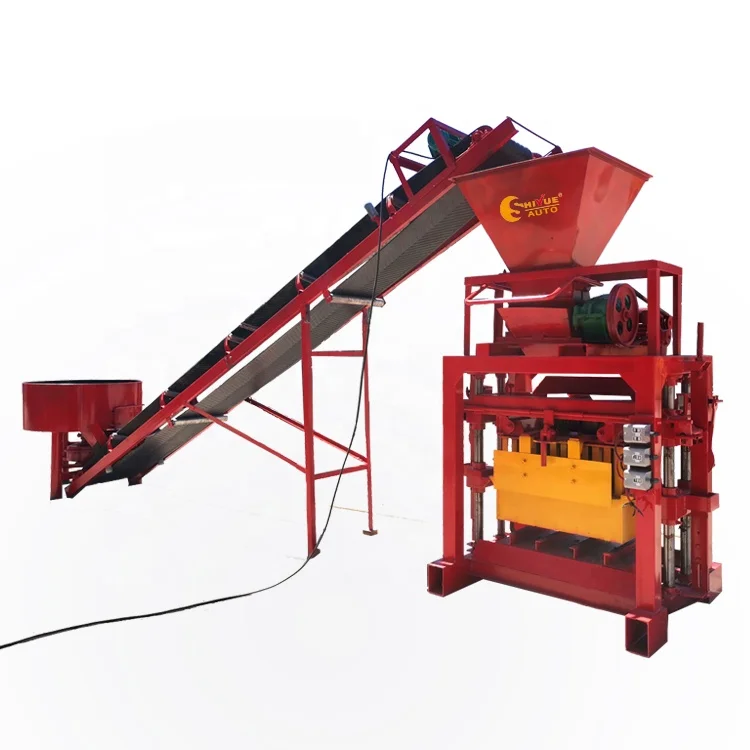
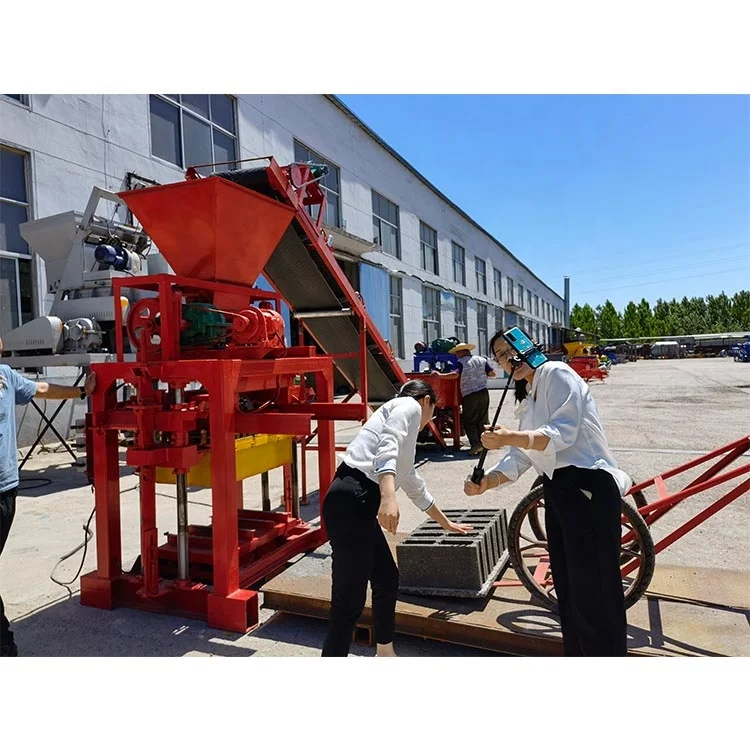
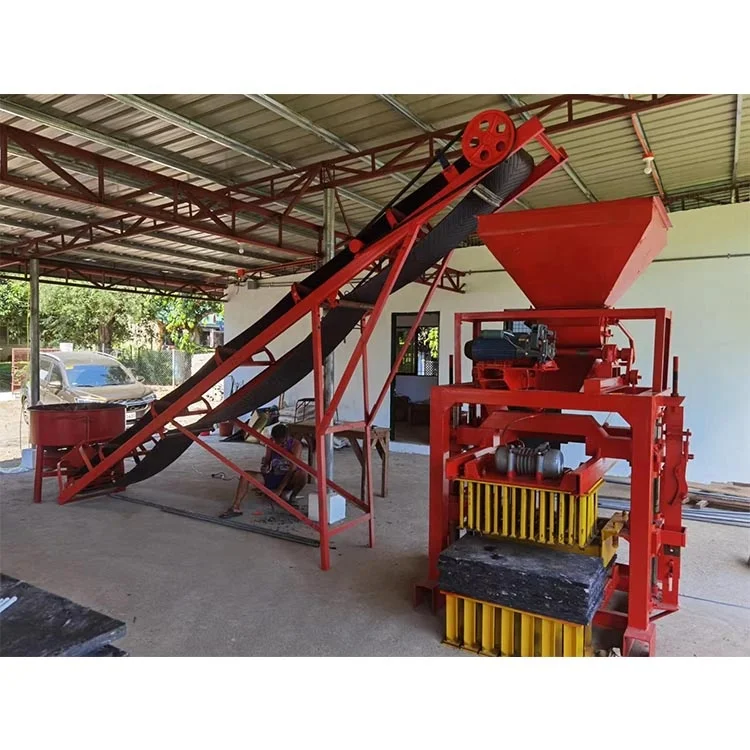
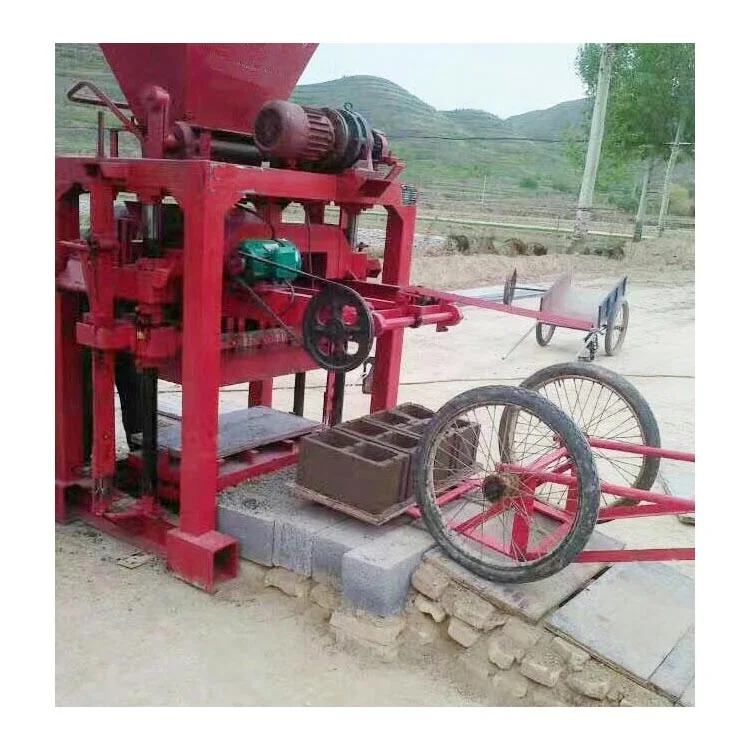
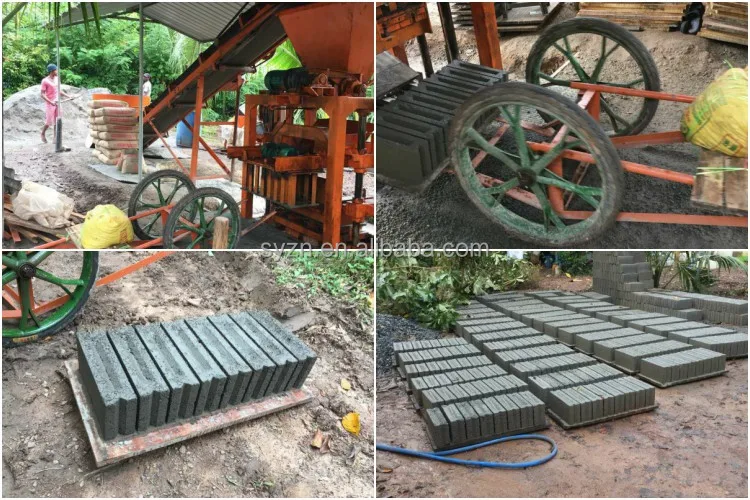
Matched Mould and Pallet System — the QTJ4-35 block machine is specified with the pallet size, vibration force and mould format together so your curing area and handling equipment are confirmed before production starts.
Technical Specifications
| Parameter | Value |
|---|---|
| Model | QTJ4-35 |
| Product Type | Concrete Block Making Machine |
| Overall Dimensions (L×W×H) | 1350×1460×1800 mm |
| Molding Cycle | 35 s |
| Vibration Frequency | 2800 r/min |
| Exciting Power (Vibration Force) | 30 kN |
| Rated Power | 11.15 kW |
| Mixer Model | JQ350 |
| Pallet Size | 850×450×20 mm |
| Net Weight | 1500 kg |
| Applied Products | Concrete hollow blocks (8 inch, 6 inch), solid bricks |
| Raw Materials | Crushed stone, sand, cement, dust, fly ash |
| Output Capacity (400×200×200 mm hollow block) | 4 pcs/mould, 408 pcs/h, 3264 pcs/8 hr |
| Output Capacity (400×150×200 mm hollow block) | 5 pcs/mould, 510 pcs/h, 4080 pcs/8 hr |
| Output Capacity (240×115×53 mm solid brick) | 18 pcs/mould, 2100 pcs/h, 17000 pcs/8 hr |
| Stand Structure | Four-lead channel steel stander |
| Voltage & Frequency | Basis not stated in source — confirm with buyer site requirements |
| Control System | Basis not stated in source — confirm PLC or manual operation |
| Hydraulic Pressure | Basis not stated in source — confirm if hydraulic or mechanical vibration |
| Automation Level | Semi-automatic with manual pallet handling |
| Standards | CE (certificate availability to be verified for this model) |
Application Suitability
| Application | Material or Output |
|---|---|
| Small-scale block plant start-up | Hollow blocks and solid bricks from crushed stone, sand and cement |
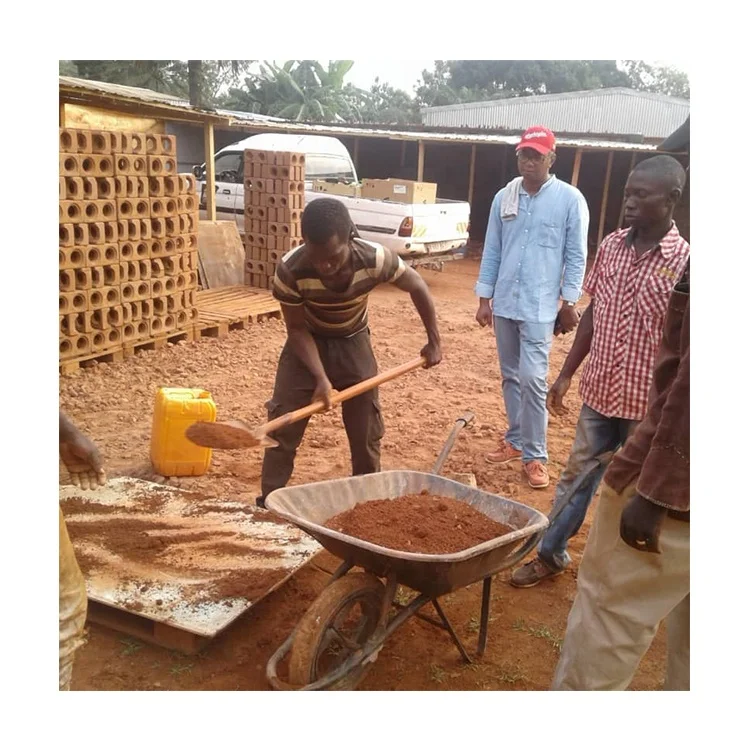
| On-site production for building contractors | 8-inch and 6-inch hollow blocks using locally sourced aggregate |
| Format expansion for existing concrete product makers | Solid bricks 240×115×53 mm alongside hollow block range |
| Fly ash brick production where permitted | Fly ash blended with cement and dust as raw material |
| Low-investment semi-automatic block line | Manual pallet handling with JQ350 mixer feeding the press |
What a "408 Pieces per Hour" Claim Hides About the QTJ4-35 Block Machine Specifications
A capacity figure only means something when the block format and mould behind it are named.
When a supplier quotes cycles per hour without stating which hollow block or solid brick the press is actually producing, the daily output you plan for rarely matches what arrives on your curing racks. I have watched buyers receive a machine rated for impressive hourly numbers, only to discover that figure assumed a small solid brick they never intended to sell. The QTJ4-35 block machine specifications on this page tie every output number to a specific format — 400×200×200 mm hollow block at 408 pieces per hour, 400×150×200 mm hollow block at 510 pieces per hour, and 240×115×53 mm solid brick at 2100 pieces per hour — so the capacity you budget against is the capacity the mould actually delivers [NEED_CITE: honest block machine capacity disclosure practices].
Mould Format Coverage and Realistic Daily Output
The QTJ4-35 produces three standard block formats with the same 35-second molding cycle. Four pieces of 400×200×200 mm hollow block come off per mould, five pieces of 400×150×200 mm hollow block per mould, and eighteen pieces of 240×115×53 mm solid brick per mould. Stating output this way means you can match the machine to the format your local market actually buys, rather than sizing a plant around a headline number that disappears once the first mould change happens.
Matching Vibration Force to Your Local Aggregate
Block strength depends on whether the vibration force and frequency suit the aggregate in your mix. The QTJ4-35 delivers 30 kN of exciting power at 2800 r/min, which works well with standard river sand and crushed stone blends. When a buyer switches to volcanic scoria, lightweight pumice, or a high-fly-ash mix, those same settings may produce weak compaction or surface cracking. That is why we ask for a raw material sample and target block strength before locking the vibration parameters — a step most catalogue quotations skip entirely [NEED_CITE: vibration force and aggregate compatibility in block pressing].
Pallet Size and Curing Area Compatibility
The 850×450×20 mm pallet is the interface between the press and your curing yard. If your existing forklift forks are spaced for a different pallet width, or your curing racks were built around a shorter board, every pallet becomes a handling problem from day one. Confirming pallet dimensions, material and weight against your curing infrastructure before the QTJ4-35 enters production avoids a situation where fresh blocks sit on the wrong board and cannot be moved efficiently. The four-lead channel steel stand keeps the machine stable through each vibration cycle, so the pallet enters and exits the mould area without lateral shift.
Choosing the Wrong Configuration and Its Hidden Cost
Selecting a pallet material without considering the weight of a loaded wet block means forklift operators deal with boards that warp or split within weeks. Sizing the mixer without matching the press cycle leaves the QTJ4-35 waiting for material, cutting actual throughput well below the rated 35-second cycle. Skipping voltage and frequency confirmation before production can delay commissioning by weeks once the machine reaches a site with a different power standard. These are the configuration gaps that turn a straightforward small block plant into an extended troubleshooting project [NEED_CITE: common block machine commissioning delays from unconfirmed site specifications].
Why Source the QTJ4-35 Through This Line
Block machinery is the single focus of this production line, so the press, mould, pallet and mixer are specified as one matched set rather than assembled from separate vendors. The capacity calculation you receive states the block format assumed for each output figure, removing the guesswork that plagues generic quotations. Mould design covers the formats your market sells, with custom drawings available when your local standard differs from the catalogue. Automation level is selectable — a buyer can start with manual pallet handling on the QTJ4-35 and plan an upgrade path later. Factory testing records actual cycle times per format before the machine ships, so what you see in the test video is what arrives on site.
Documentation & Verification
- Line layout showing the QTJ4-35 with JQ350 mixer and pallet flow path
- Capacity calculation sheet stating output per block format and mould
- Mould drawing and format list for hollow block and solid brick options
- Pallet specification confirming 850×450×20 mm dimensions and material grade
- Voltage, frequency and control language confirmation record before production
- Factory test record with measured cycle times for each quoted format
Installation, Commissioning & Support
- Foundation pad sized to the 1350×1460 mm footprint with level tolerance for the four-lead stand
- Dedicated circuit matching the 11.15 kW rated power, confirmed for local voltage and frequency
- Machine shipped as a single skid with mixer, arriving ready for pallet and mould fitting
- Vibration force and molding cycle tuned on site against your actual aggregate and mix design
- Operator training covering mould change procedure and daily lubrication of the vibration assembly
- Wear parts list covering vibration springs and mould liners with recommended replacement intervals
What We Need Before Quoting the QTJ4-35
Send the block format or formats your market requires, along with a sample of your local aggregate and the cement type you plan to use. Confirm the voltage and frequency at your site, the language your operators need on the control display, and whether your curing area can accommodate the 850×450 mm pallet. With those details, the proposal can state honest daily output per format and match the vibration settings to your mix before the machine enters production.
Frequently Asked Questions
Q: How is the capacity of the QTJ4-35 verified for each block format?
A: Every output figure on this page is tied to a specific block size and mould — 400×200×200 mm hollow block at 408 pieces per hour, 400×150×200 mm hollow block at 510 pieces per hour, and 240×115×53 mm solid brick at 2100 pieces per hour. Factory testing records the actual cycle time per format before dispatch, so the capacity you plan against matches the mould you receive.
Q: Which mould formats are available, and how does a changeover work?
A: The QTJ4-35 covers standard 8-inch and 6-inch hollow blocks plus a solid brick format. Mould drawings and a format list are supplied with the quotation so you can confirm which sizes are included. On-site changeover time depends on the mould clamping arrangement and should be confirmed against your production schedule before the order is placed.
Q: How should vibration force be matched to local aggregate for consistent block strength?
A: The 30 kN vibration at 2800 r/min suits standard crushed stone and river sand blends. If your aggregate includes volcanic scoria, pumice, or a high proportion of fly ash, the vibration parameters may need adjustment to maintain compaction density. Providing a material sample and target block strength allows the settings to be calibrated before production begins.
Q: Is the 850×450×20 mm pallet compatible with my existing curing area?
A: That depends on your curing rack spacing and forklift fork dimensions. Confirming pallet size against your handling equipment before ordering prevents a mismatch where loaded pallets cannot be racked or transported efficiently. Pallet material — timber, bamboo, or composite — should also be selected based on your climate and expected service life.
Q: What electrical details must be confirmed before the machine is built?
A: Voltage, frequency and control display language should all be locked in before the QTJ4-35 enters production. Arriving at a site with a different power standard or an unreadable control panel can delay commissioning significantly, so these parameters are verified during the quotation stage rather than left to assumption.