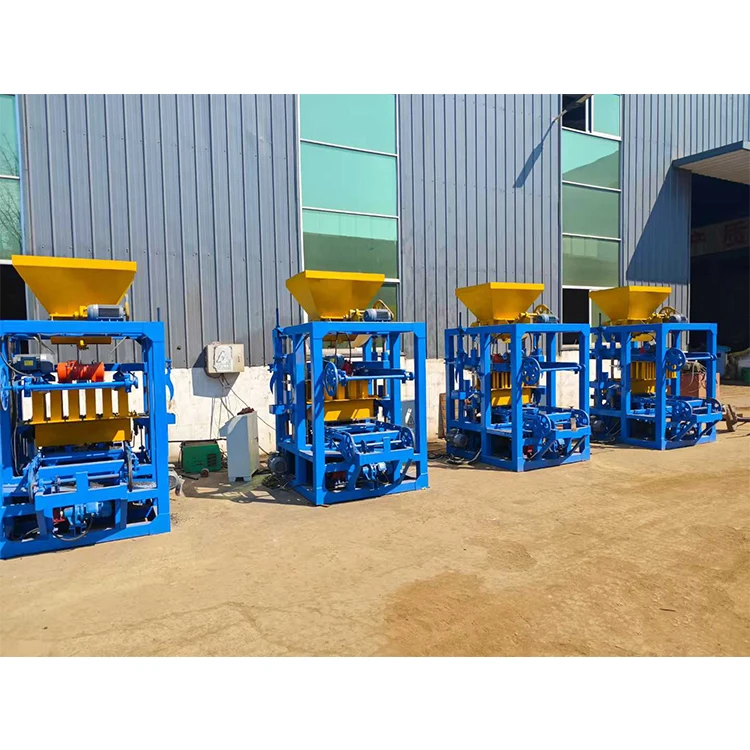
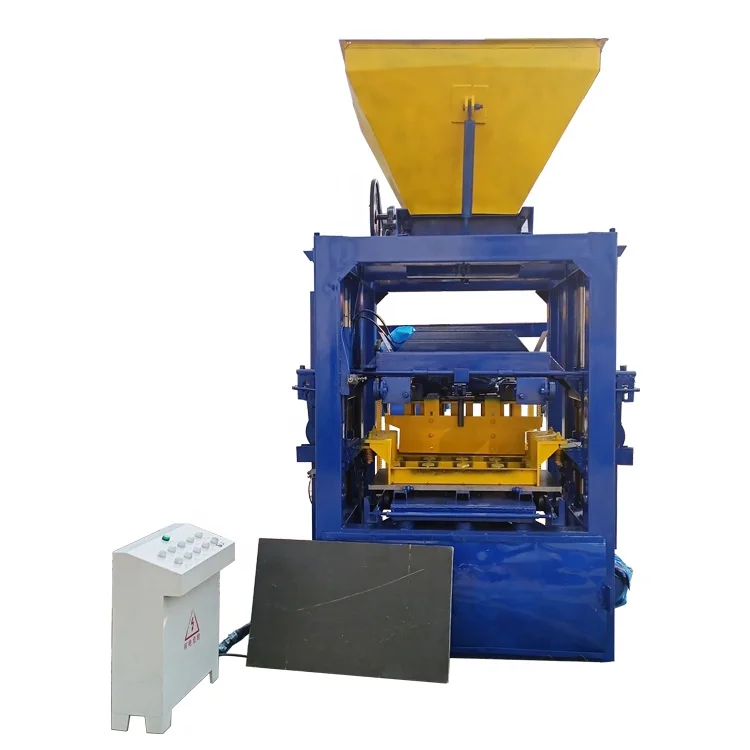
Description
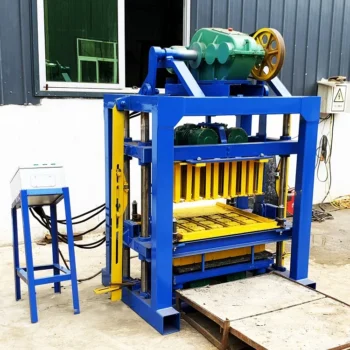
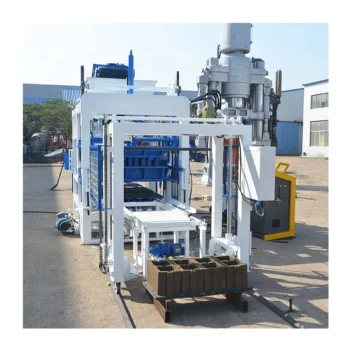
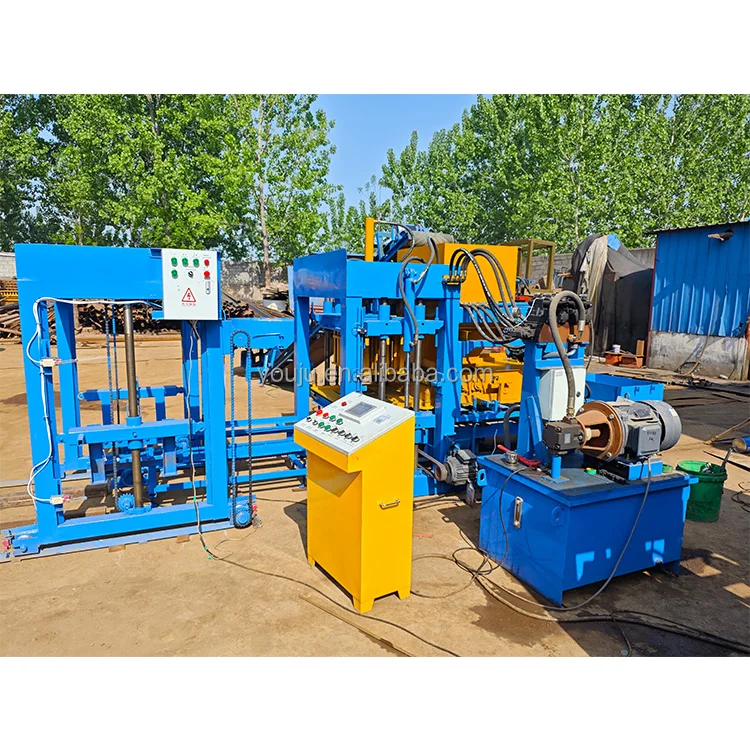
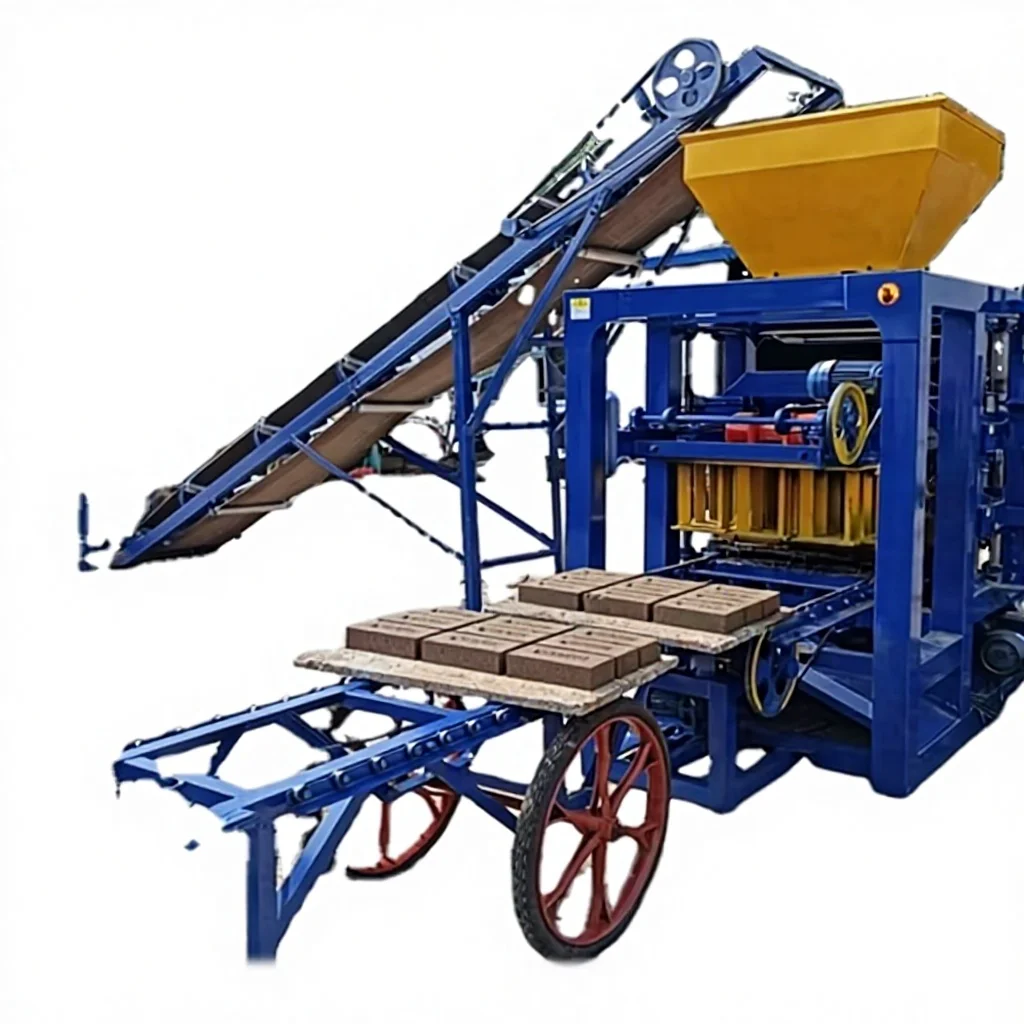
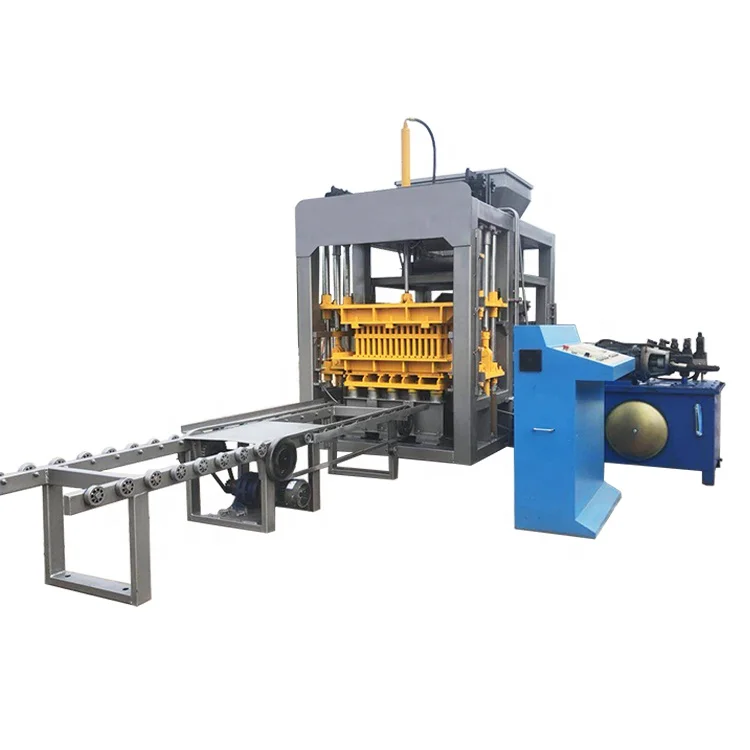
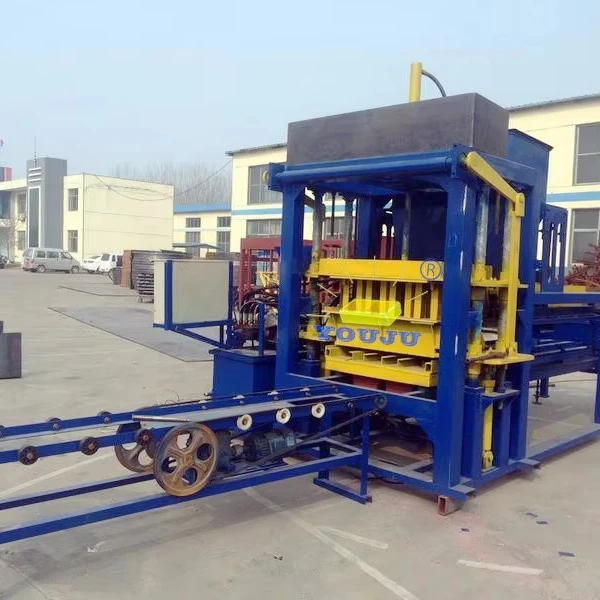
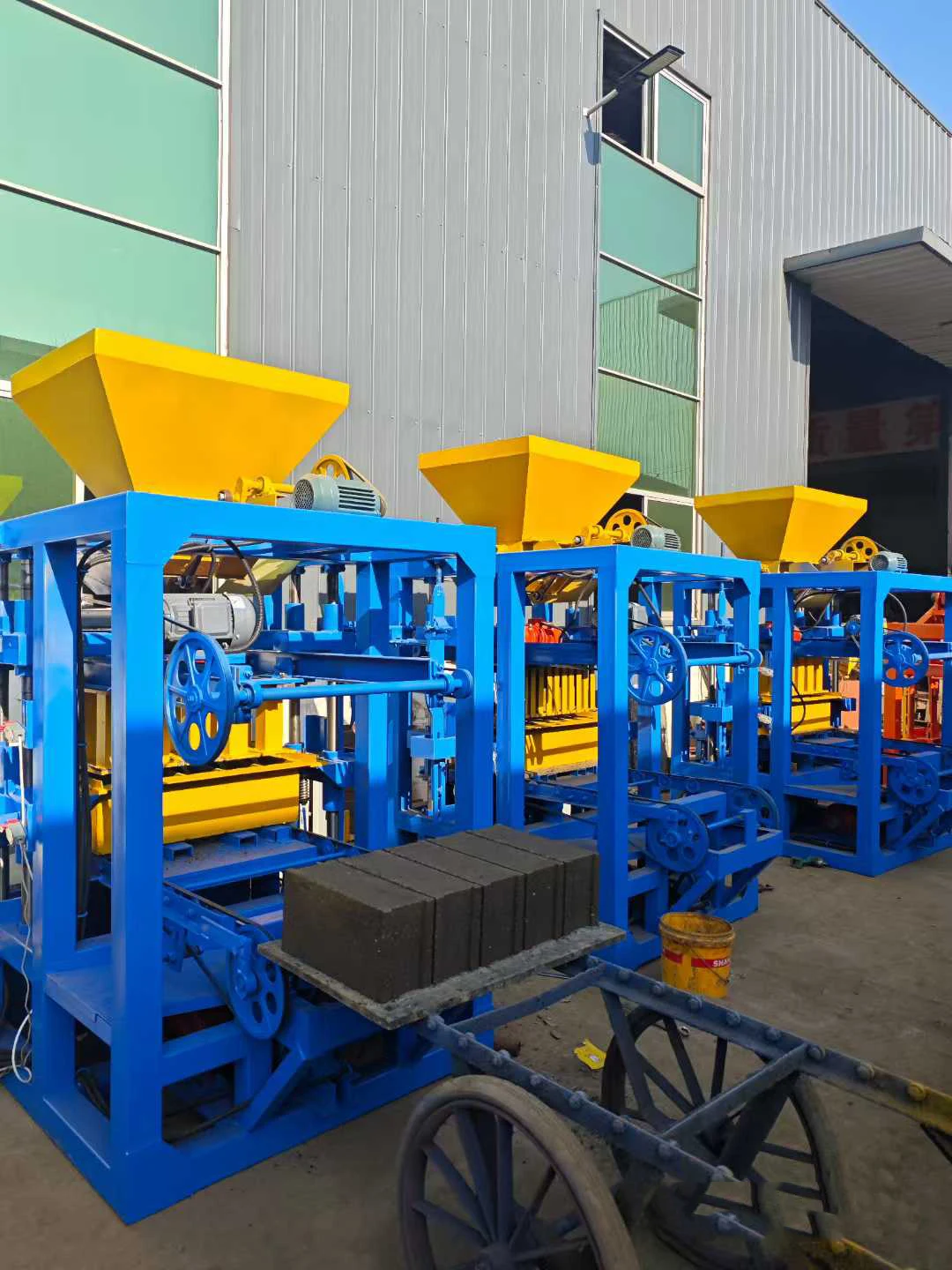
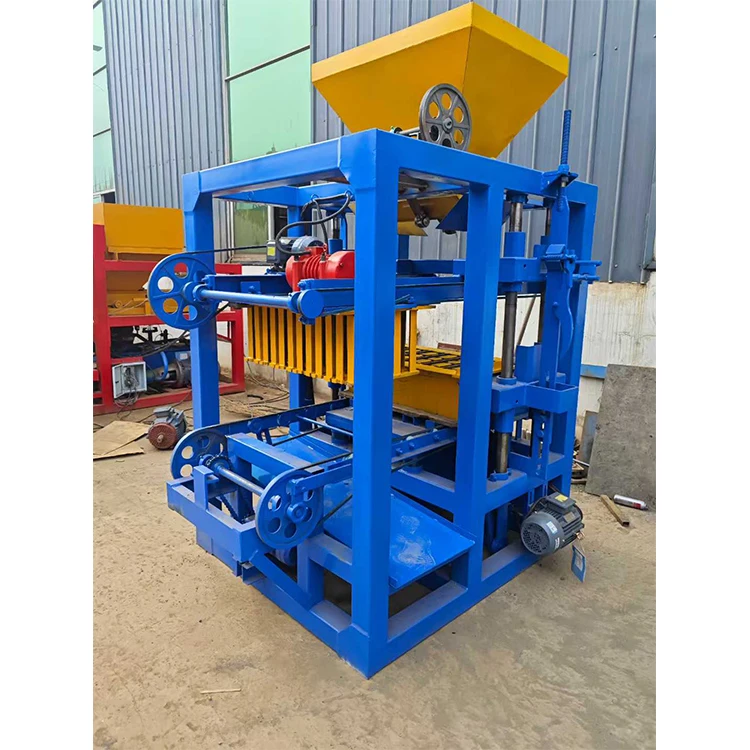
QTJ4-24 Stationary Block Machine | Specifications & Technical Guide
Format-matched capacity planning — Every output figure for the QTJ4-24 is calculated against the specific hollow, solid, or paving format you actually sell, not a generic cycles-per-hour claim pulled from a catalogue default.
Technical Specifications
| Parameter | Value |
|---|---|
| Model | QTJ4-24 |
| Product Type | Automatic Hydraulic Cement Block Making Machine |
| Overall Dimensions (L×W×H) | 3600 × 1700 × 2560 mm |
| Pallet Size | 850 × 450 mm |
| Molding Cycle | 24–26 s (basis not stated in source — format and material to be confirmed) |
| Total Power | 11.95 kW |
| Vibration Force | 45 kN |
| Vibration Configuration | 2 × 3 kW lower vibrators + 2 × 1.5 kW upper vibrators |
| Molding Method | Mechanical (source conflict — title states hydraulic; body states mechanical; to be confirmed) |
| Material Distribution | Full-automatic spiral distribution |
| Reducer (Mold Lifting) | 350-type |
| Raw Materials | Cement, sand, stone |
| Control System | PLC (brand and display language options to be confirmed) |
| Voltage & Frequency | Configurable per destination market (to be confirmed before production) |
| Net Weight | Approximately 2 T |
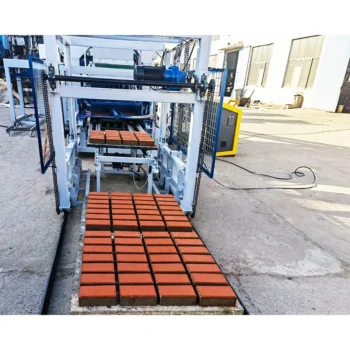
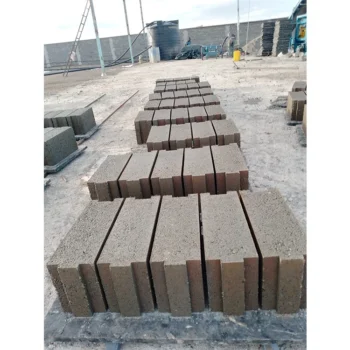
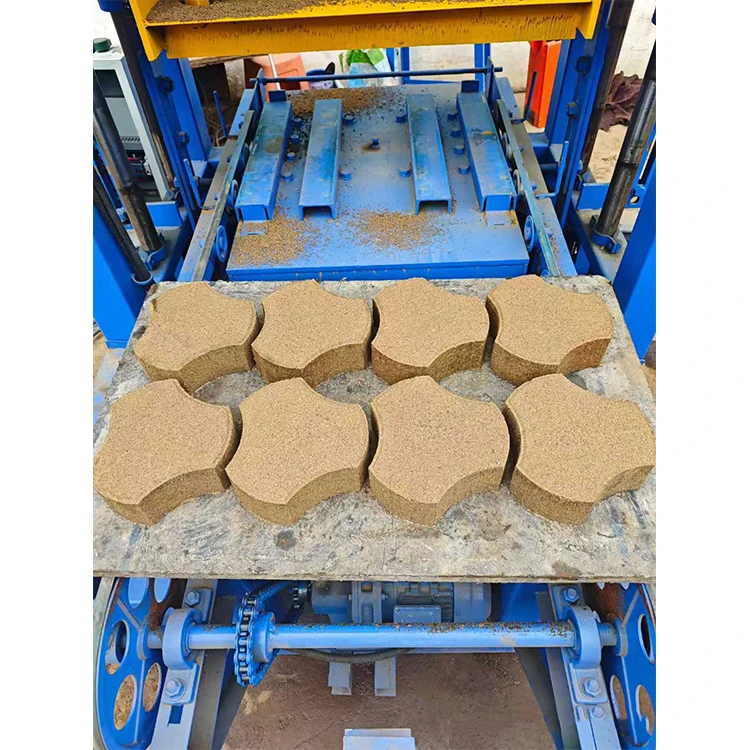
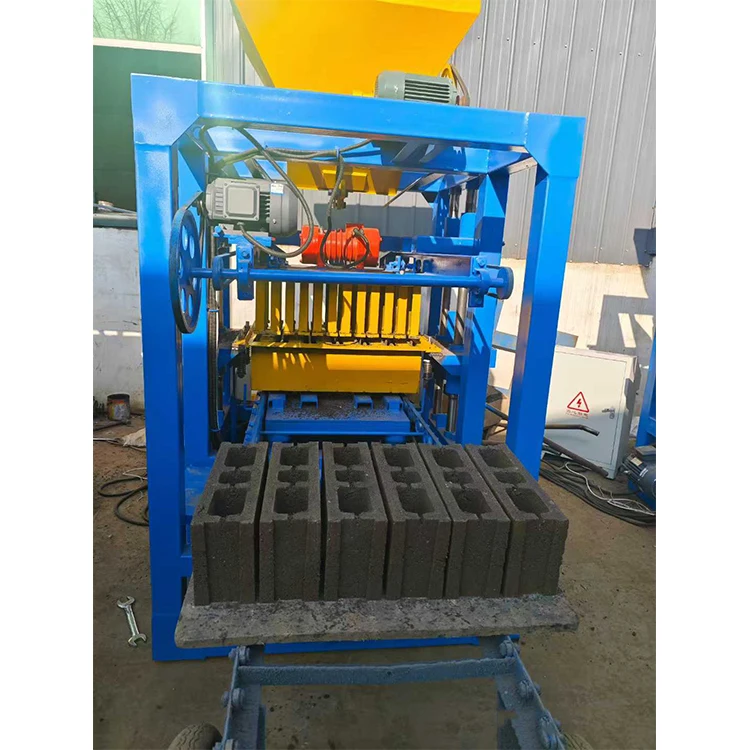
| Mould Formats Supported | Hollow block, solid block, interlocking brick, paving block |
| Warranty | 1 year (whole machine, excluding consumable spare parts) |
Application Suitability
| Application | Material or Output |
|---|---|
| Hollow block production for load-bearing and partition walls | Cement, crushed stone, sand mix |
| Solid block production for foundation and structural work | Cement, coarse aggregate, sand |
| Interlocking brick production for retaining walls and landscaping | Cement, fine aggregate, optional pigment |
| Paving block production for walkways and light-traffic areas | Cement, graded sand, stone dust |
| Small-to-medium block plants serving local construction markets | Multi-format output on single pallet size |
| On-site block production by construction contractors | Portable raw material feed, semi-automatic operation |
| First-plant entrepreneurs entering block manufacturing | Entry-level investment with upgrade path available |
What the 24–26 Second Cycle Actually Means for Your Daily Output
The molding cycle only matters when tied to the exact block format and mould cavity count running on that pallet.
Too many quotations list a single cycle time as though it covers every format equally. A 24–26 second cycle on a four-cavity hollow block mould delivers a very different daily output than the same cycle on an eight-cavity paving block mould. Buyers who sign off on a number without seeing the format-by-format breakdown regularly find that real production falls noticeably short of what they budgeted for. The QTJ4-24 block machine specifications should always be read alongside a capacity table that names the block dimensions, cavity count, and pallet pattern assumed for each row. [NEED_CITE: common discrepancy between quoted and actual block plant output]
How Vibration Force and Mix Design Must Align
The dual upper and dual lower vibrator arrangement delivers 45 kN of total vibration force across the mould cavity. This force was calibrated for a standard cement-sand-stone mix. When a buyer substitutes local volcanic ash, crushed coral, or recycled concrete aggregate, the particle shape and moisture absorption change. If the vibration profile is not adjusted to match, block density drops and compressive strength falls below specification. Sending a sample of local aggregate before final machine configuration lets the vibration amplitude and cycle duration be matched to the actual material.
Pallet Size as a Line Integration Constraint
The 850 × 450 mm pallet is not an isolated choice — it must fit the curing racks already on site and match the fork pocket spacing of the buyer’s existing forklift. A pallet that is too wide for the curing rack forces manual restacking; a pallet whose runners do not align with the forklift tines means every loaded board has to be manhandled. Confirming pallet material, dimensions, and fork entry direction against the buyer’s yard layout avoids a bottleneck that no amount of press speed can fix. [NEED_CITE: pallet handling mismatches in block production lines]
Reading the Core Parameters Beyond the Brochure
Vibration force at 45 kN works together with mechanical pressure to compact the mix into the mould cavity — the balance between these two determines whether a hollow block leaves the press at full dimensional tolerance or requires secondary trimming. The full-automatic spiral material distribution ensures the mix fills every corner of the cavity before vibration begins; uneven feeding produces blocks with soft edges on one side and dense cores on the other. The 350-type reducer dedicated to mould lifting handles the repeated shock load of raising and lowering the mould box thousands of times per shift — undersized reducers in this position are a frequent cause of unplanned downtime on comparable machines. Total connected power of 11.95 kW defines the electrical supply requirement; the buyer must confirm local voltage and frequency so the motor windings and PLC are wound and programmed correctly before the machine leaves the factory.
The Cost of Skipping Configuration Verification
When voltage and PLC display language are left unconfirmed, the machine arrives on site and sits idle while control panels are rewired and HMI screens are reprogrammed — a delay that can stretch into weeks. When the mould format list is not agreed upfront, the buyer discovers that the interlocking brick profile common in their market was never tooled, turning a flexible machine into a single-format press. When pallet specifications ignore the curing yard dimensions, the buyer ends up purchasing new racks or, worse, stacking wet blocks on the ground. Each of these oversights is preventable with a structured pre-production checklist. [NEED_CITE: commissioning delays caused by unconfirmed electrical specifications]
Why Source the QTJ4-24 Through a Format-Matched Approach
Block machinery is the single focus here, which means the press, mould, pallet, and handling equipment are specified as one matched system rather than assembled from separate vendors. Configuration is set against the buyer’s actual mix design and local aggregate, not a catalogue default. Mould design covers the formats the buyer’s market actually sells, including custom drawings when standard profiles do not match local demand. Automation level is selectable — a buyer can start with semi-automatic pallet handling and add automatic stacking later as volume grows. Installation support includes on-site commissioning and operator training so the crew understands mould change procedure and daily maintenance from day one.
Documentation & Verification
- Line layout drawing showing QTJ4-24 footprint, pallet flow path, and curing rack arrangement
- Capacity calculation table stating block format, cavity count, and cycle time for each row
- Mould drawing and format list confirming which profiles are included and which require custom tooling
- Hydraulic and electrical schematic with voltage, frequency, and PLC language noted
- Factory test record run on buyer’s specified block format before dispatch
- Operation and maintenance manual with wear parts list and mould change procedure
Installation, Commissioning & Support
- Foundation pad sized to the QTJ4-24 footprint of 3600 × 1700 mm with anchor bolt template provided
- Dedicated electrical circuit rated for 11.95 kW total draw with voltage and frequency confirmed before wiring
- Machine shipped in dismantled state with reassembly sequence documented in the installation manual
- First-run commissioning includes vibration tuning against buyer’s local aggregate mix
- Operator training covers mould change procedure, spiral feeder adjustment, and daily vibrator inspection
- Wear parts list identifies mould liners, vibrator mounts, and reducer seals with reorder part numbers
Before You Request a Quote
To size the QTJ4-24 to your actual production needs, share the block formats and dimensions your market requires, the local aggregate type and cement ratio you plan to run, and your target daily output per format. Confirm the voltage, frequency, and PLC display language for your site. If you already have curing racks and forklifts in place, send their dimensions so the pallet specification is matched from the start.
Frequently Asked Questions
Q: How is the 24–26 second molding cycle verified per block format, and what does that mean for daily output?
A: The 24–26 second figure is a baseline that shifts depending on block format, cavity count, and mix characteristics. A capacity table is prepared for each buyer that states the exact block dimensions and mould layout assumed, so daily output is calculated per format rather than quoted as a single number.
Q: Is the QTJ4-24 a hydraulic or mechanical press — the title and the spec sheet seem to disagree?
A: The source documentation shows conflicting descriptions. This is clarified with the buyer before production begins so the molding method — hydraulic or mechanical — is confirmed and the correct maintenance schedule is issued.
Q: What pallet material and size come with the machine, and how should I match them to my curing area?
A: The standard pallet is 850 × 450 mm. Material and fork-entry direction are selected based on the buyer’s curing rack spacing and forklift specification so loaded pallets move from press to yard without manual restacking.
Q: How is the 45 kN vibration force adjusted when I use a non-standard local aggregate?
A: Local aggregate samples are tested before final configuration. Vibration amplitude, cycle duration, and feed timing are then adjusted so the mix compacts evenly across the mould cavity, maintaining block strength and dimensional tolerance.
Q: What is involved in changing moulds between block formats, and can I order custom mould profiles?
A: Mould change procedure and time are documented in the operation manual. Custom mould drawings are supported — the buyer provides block dimensions and profile requirements, and the mould is designed and tooled to match local market demand.