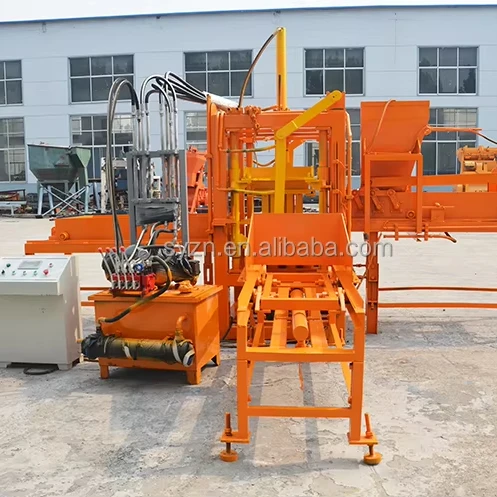
Description
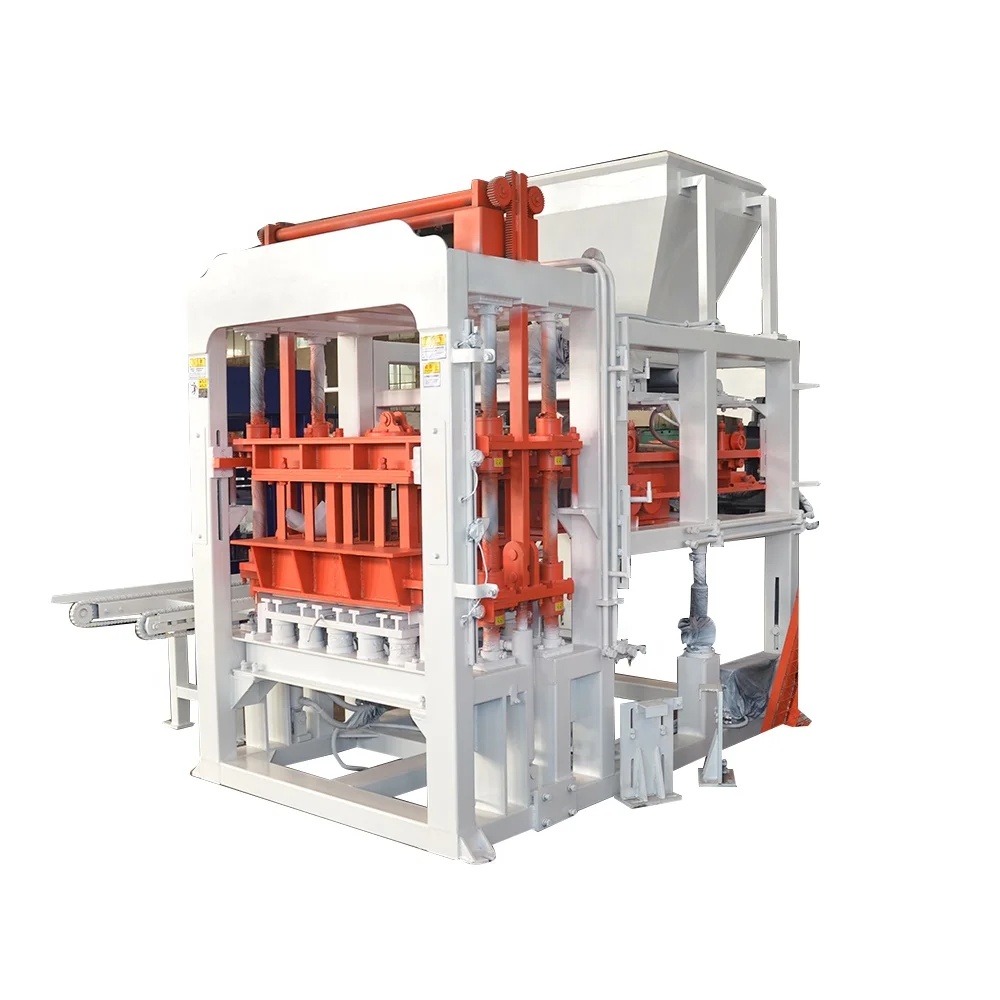
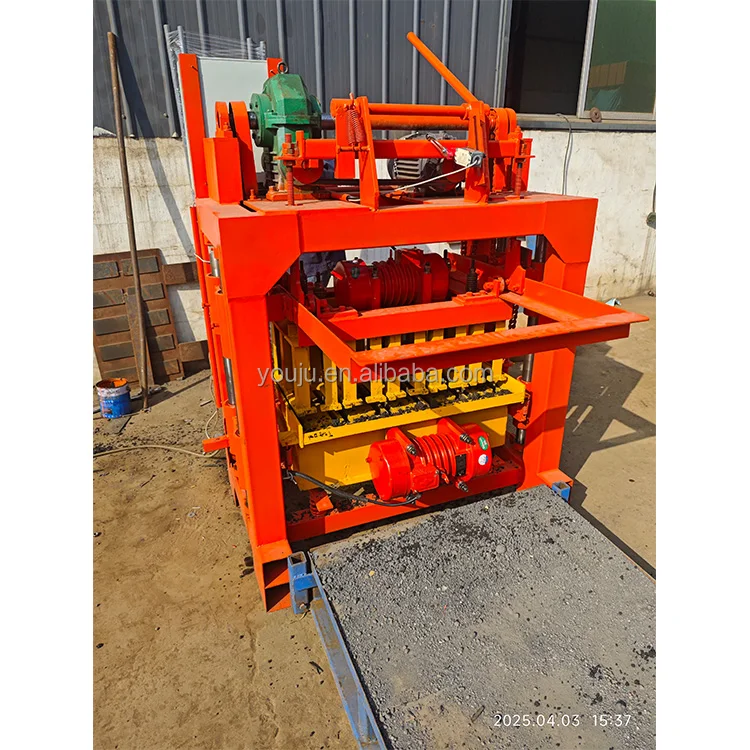
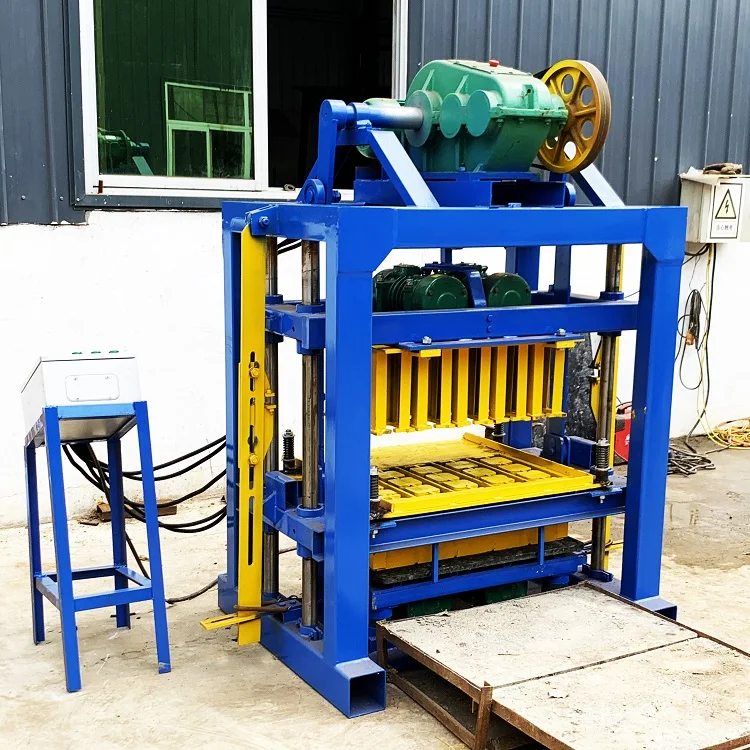
Mould and Format Matching — The QTF3-20 stationary block machine is configured against your actual block format, local aggregate, and target daily output rather than a generic catalogue default.
Technical Specifications
| Parameter | Value |
|---|---|
| Model | QTF3-20 |
| Product Type | Stationary Hydraulic Block Making Machine |
| Overall Dimensions (L×W×H) | 4000×3500×2300 mm |
| Net Weight | 2870 kg |
| Total Power | 17.5 kW |
| Vibration Form | Platform Vibration |
| Hydraulic System | Applied to drive (pressure rating to be confirmed) |
| Control System | Semi-Automatic (PLC options to be confirmed) |
| Output Capacity | 4320 pcs/day (basis to be confirmed — block format, shift length, and mix not stated in source) |
| Raw Materials | Cement, Sand, Fly Ash, Coarse Aggregate, Slag |
| Host Machine Structure | Overall frame, #12 U-bar welding |
| Layer Capability | Double layer (base material and color surface) |
| Proximity Switch | No-contact type |
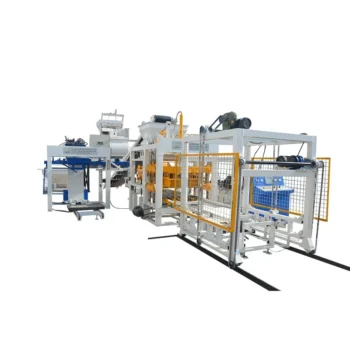
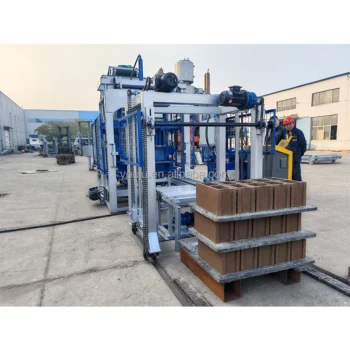
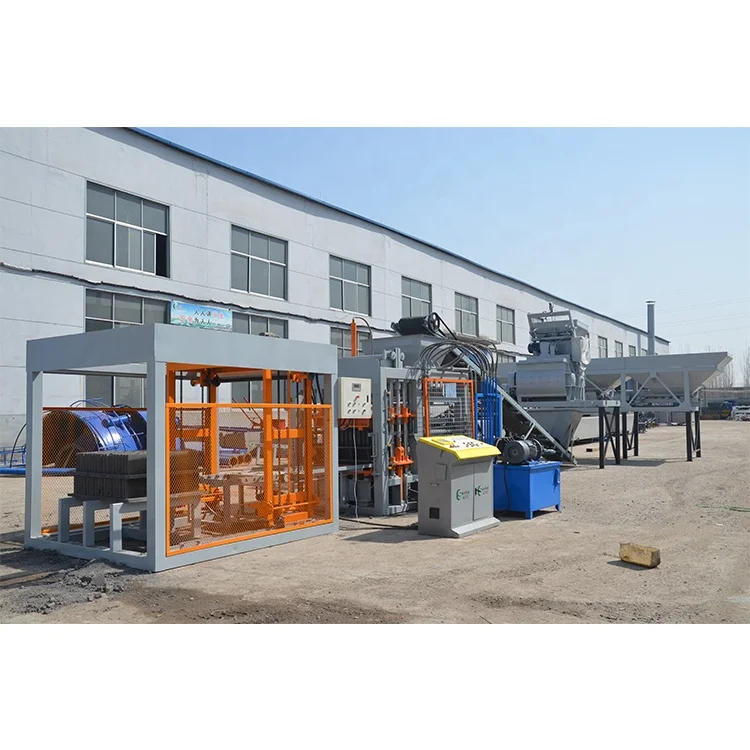
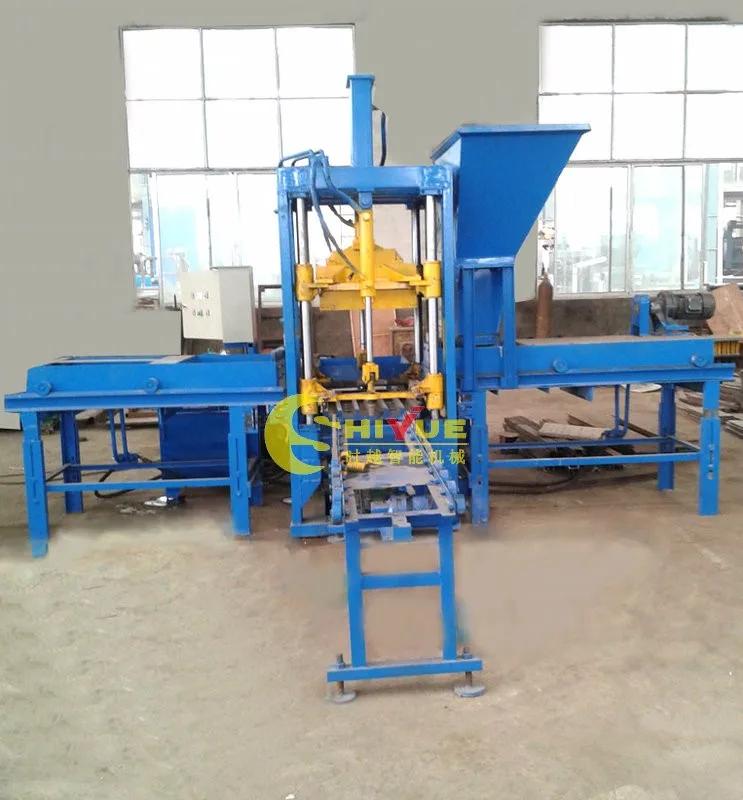
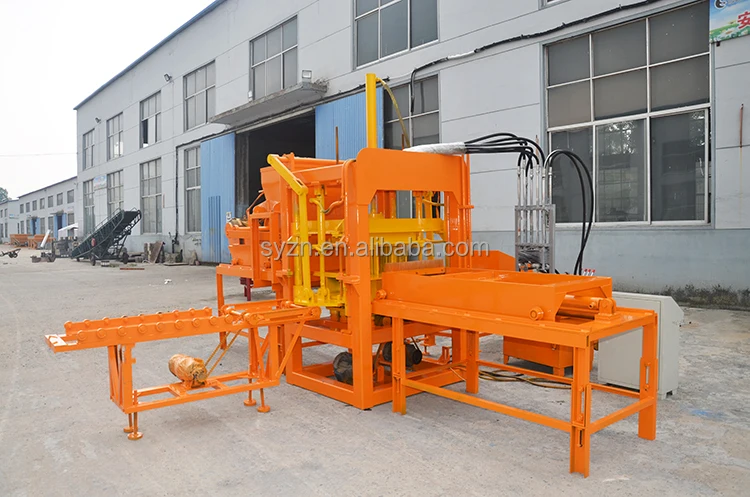
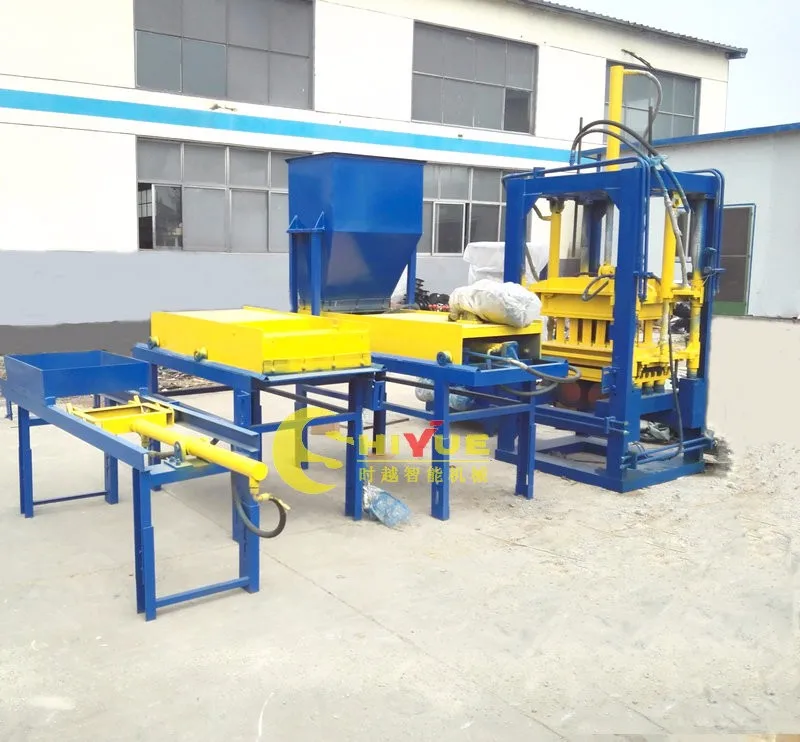
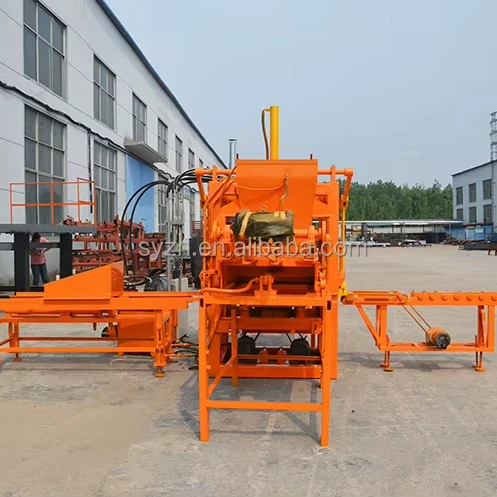
| Line Configuration | Host machine, material feeder, color material machine, pallet feeder, block conveyor, hydraulic station, electricity box; pairs with JQ350 mixer and 8 m belt conveyor |
| Electrical & Hydraulic Components | Sourced from German or Chinese established brands (specific brands to be confirmed) |
Application Suitability
| Application | Material or Output |
|---|---|
| Hollow block production | Cement, sand, coarse aggregate mix for load-bearing and partition walls |
| Solid standard brick | Fly ash or cement-sand blends for masonry units |
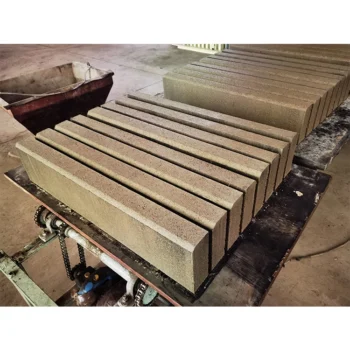
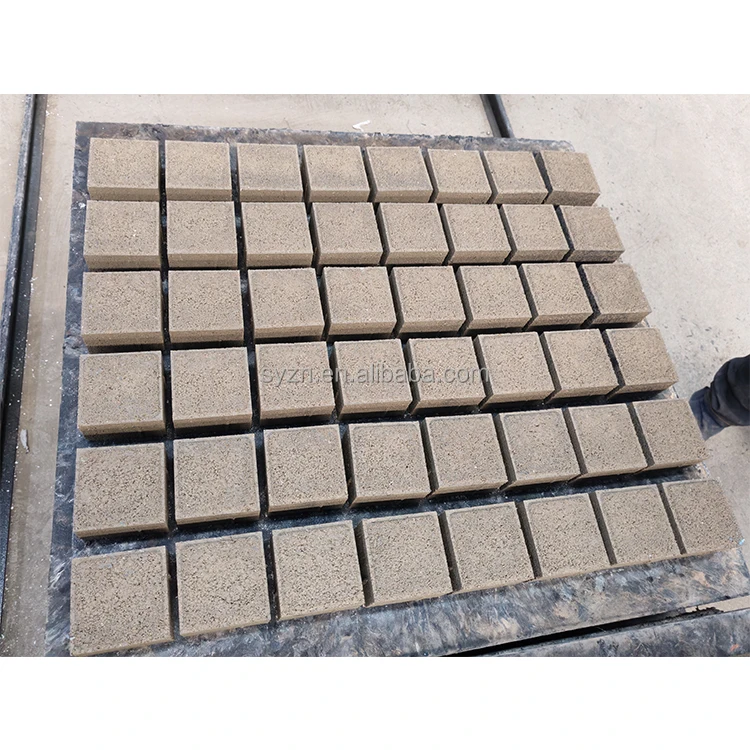
| Color paving bricks | Double-layer feed with pigment surface layer on concrete base |
| Interlocking bricks | Soil-cement or concrete mix for mortar-free wall systems |
| Park grass bricks | Open-cell concrete format for permeable landscaping |
| Porous bricks | Permeable concrete mixes for stormwater management pavers |
| Slope protection bricks | Heavy-duty concrete units for embankment and channel lining |
What "4320 Pieces per Day" Actually Means for Your Block Format
Every capacity figure must be tied to a specific block format, cycle time, and shift length — otherwise it is just a number on a brochure.
I once watched a Middle East client sign off on a stationary block machine based on a single daily output claim. When the machine arrived, the local aggregate had high clay content, cycle times stretched, and actual production barely reached half the quoted figure. The entire line sat idle during a prolonged dispute. With the QTF3-20, the capacity calculation starts from your target block format — whether hollow, solid, or interlocking — and works backward through cycle time and realistic shift hours. [NEED_CITE: how cycle time varies by block format and mix design in stationary presses]
This approach eliminates the gap between what the quotation promises and what the factory floor delivers. The QTF3-20 stationary block machine specifications are documented per format so you can plan procurement, staffing, and curing space with confidence.
Matching the Press to Your Selling Format
Buyers often compare machines on a single headline capacity number, but the block format that sells in your market may not be the one used to derive that number. The QTF3-20 covers hollow blocks, interlocking bricks, color pavers, park grass bricks, and porous bricks — each with a different cycle time, mould cavity count, and compaction requirement. Specifying the machine against the format that actually moves volume in your region ensures the press is neither underutilized nor overstressed.
Double-Layer Color Paving in One Press Cycle
The double-layer feeding system on the QTF3-20 deposits a pigmented surface layer over a standard concrete base within the same moulding cycle. This eliminates the need for a separate coloring line or post-press coating step. For buyers producing color pavers, the result is consistent surface coverage across batches without additional labor or curing complexity. [NEED_CITE: double-layer block press feeding mechanisms for color paver production]
How Vibration Force and Hydraulic Pressure Shape Block Density
Platform vibration combined with hydraulic pressure determines how tightly aggregate particles pack inside the mould. On the QTF3-20, the #12 U-bar frame absorbs and directs vibration energy into the mould cavity rather than dissipating it through the structure. When hydraulic pressure is matched to your mix design — especially the water-cement ratio and aggregate gradation — the resulting blocks achieve consistent density from first press to last. Mismatch these parameters and you get soft edges on one batch and cracking on the next. Pallet size also plays a role: it must align with your existing curing racks and forklift capacity, otherwise freshly pressed blocks bottleneck at the stacking station.
The Hidden Cost of an Unmatched Configuration
Ordering a stationary block machine without confirming pallet dimensions against your curing yard leads to a cascade of problems. Pallets that do not fit your racks force manual restacking while blocks are still green. Unconfirmed voltage and frequency delay commissioning because the control panel cannot power up on local supply. Moulds ordered without considering local aggregate shape result in blocks that fail compressive strength tests. Each of these issues costs weeks of lost production and erodes confidence in the investment. [NEED_CITE: common commissioning delays in exported block making machinery]
Why Buyers Source This Line Here
Block machinery is the single focus of this factory, so the QTF3-20 is specified as a matched system — host machine, mould, pallet, and handling equipment evaluated together rather than assembled from disconnected suppliers. The configuration is set against your actual mix design and target block format, not pulled from a catalogue default. Mould design covers the formats your market sells, including custom drawings when standard cavities do not match. Automation level is selectable, meaning a buyer can start with semi-automatic pallet handling and add automatic stacking later. Installation includes on-site commissioning and operator training so the line runs correctly from the first shift.
Documentation & Verification
- Line layout with capacity calculation stating the exact block format and shift length assumed
- Mould drawing and format list confirming every block type included in your order
- Pallet specification sheet matched to your curing area dimensions and forklift rating
- Voltage, frequency, and PLC display language confirmed in writing before production
- Factory test record demonstrating cycle time and block appearance for your chosen format
Installation, Commissioning & Support
- Foundation plan sized to the QTF3-20’s 4000×3500 mm footprint and 2870 kg static load
- Dedicated electrical circuit rated for the 17.5 kW total power draw with confirmed voltage and frequency
- Machine shipped in dismantled state with reassembly guidance for the host frame and hydraulic station
- First-run commissioning covering mould alignment, vibration tuning, and proximity switch calibration
- Operator training on mould change procedure, daily maintenance, and no-contact switch inspection
- Wear parts list identifying hydraulic seals, vibration springs, and mould liner replacement intervals
Before You Request a Quote
To configure the QTF3-20 accurately, share your target block format with dimensions, the daily output you need per format, and a sample of your local aggregate or a recent material test report. Confirm your site voltage, frequency, and preferred PLC display language. If you already operate curing racks or forklifts, provide their specifications so pallet sizing is compatible from day one.
Frequently Asked Questions
Q: How is the 4320 pcs/day figure calculated, and which block format does it assume?
A: That figure is published without a stated block format, shift length, or mix assumption in the source data. Before ordering, request a capacity calculation document that ties output to your specific format — such as a 400×200×200 mm hollow block — along with the cycle time and shift hours used. This ensures the number you plan against reflects your actual production conditions.
Q: What mould formats are available, and how long does a change take?
A: The QTF3-20 supports hollow blocks, solid bricks, interlocking bricks, color pavers, park grass bricks, and porous bricks. Mould change time depends on the quick-release mechanism fitted and operator familiarity. Ask for a written procedure with measured changeover duration so you can plan format rotation within your shift schedule.
Q: How should the machine be configured for my local aggregate?
A: Configuration starts with your aggregate gradation, shape, and clay content. Vibration amplitude and hydraulic pressure are then adjusted to compact that specific mix without causing segregation or surface tearing. Provide a material sample or test report during inquiry so the QTF3-20 is tuned before it leaves the factory rather than adjusted through trial and error on your floor.
Q: What pallet size does the QTF3-20 require, and how does it affect curing layout?
A: Pallet dimensions must match both the mould cavity pattern and your existing curing rack spacing. A mismatch forces manual restacking of green blocks, risking damage and slowing throughput. Confirm your rack dimensions and forklift capacity during the proposal stage so pallets are ordered as part of the matched system.
Q: What voltage, frequency, and PLC language options are confirmed before shipment?
A: Voltage, frequency, and control language must be agreed in writing before production begins. Supplying incorrect electrical specifications is one of the most common causes of commissioning delay for exported machinery. The QTF3-20 electrical package is built to your confirmed supply standard so the panel powers up correctly on arrival.