
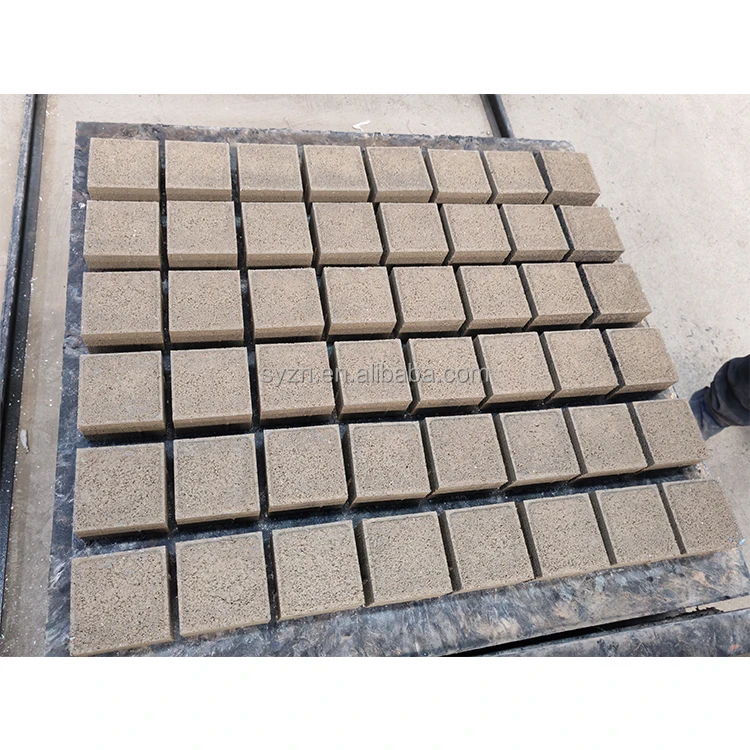
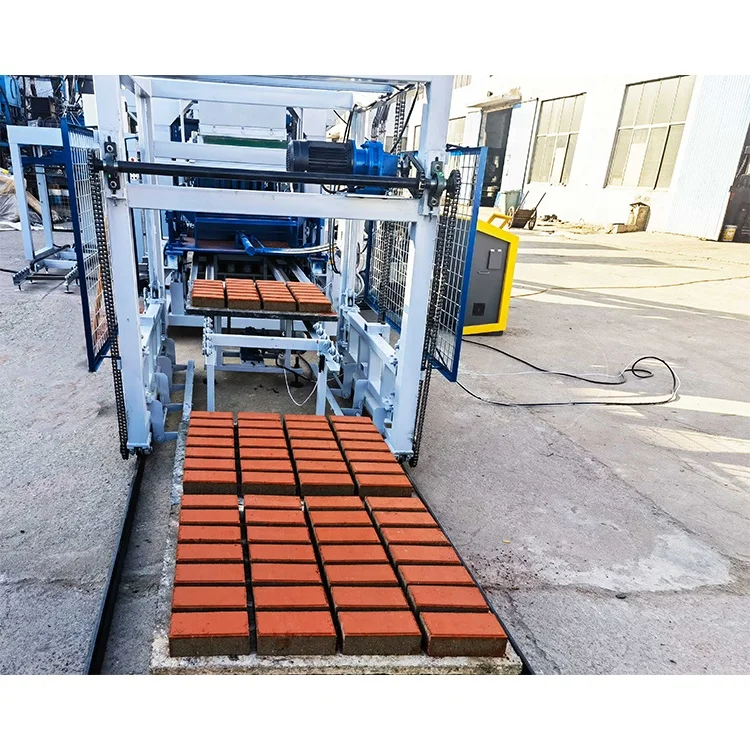

Description
Matched System Design — Machine, mould, and pallet are specified together against your target block format and local aggregate, not pulled from a catalogue default.
Technical Specifications
| Parameter | Value |
|---|---|
| Model | QT8-15 |
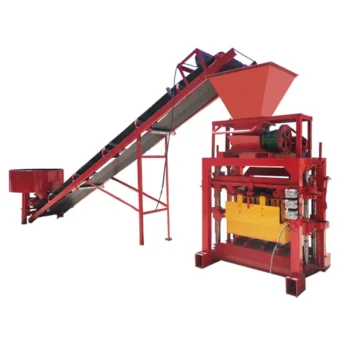
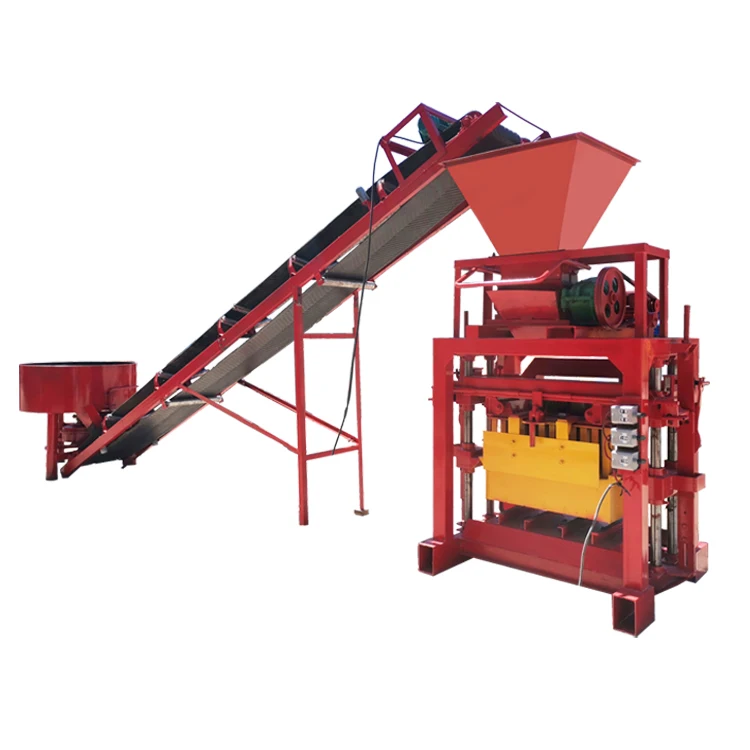
| Product Type | Hydraulic Concrete Block Making Machine |
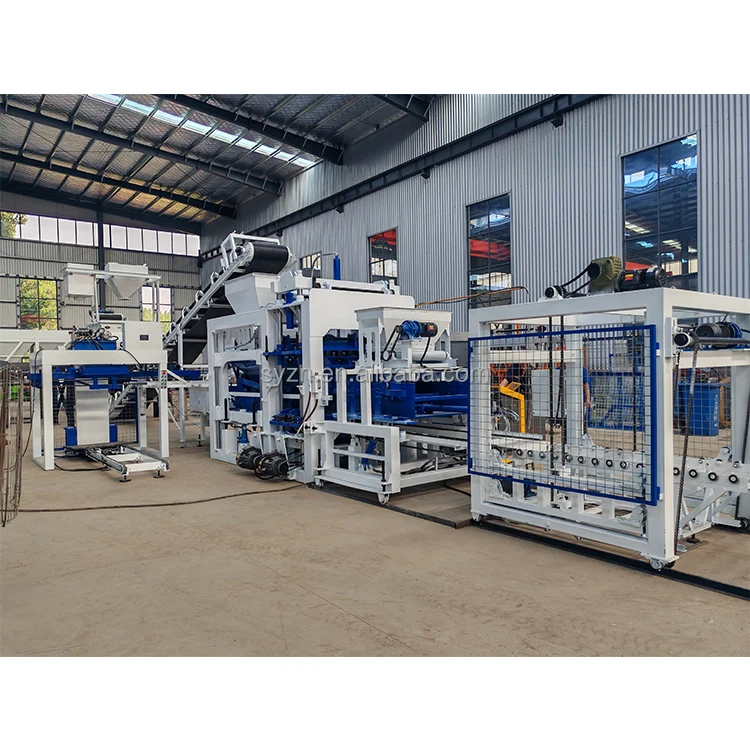
| Overall Dimensions (L×W×H) | 8300×1860×3000 mm |
| Rated Pressure | 21 MPa |
| Main Vibration Form | Platform Vibration |
| Vibration Frequency | 2800–4500 r/min |
| Vibration Force | 45 kN |
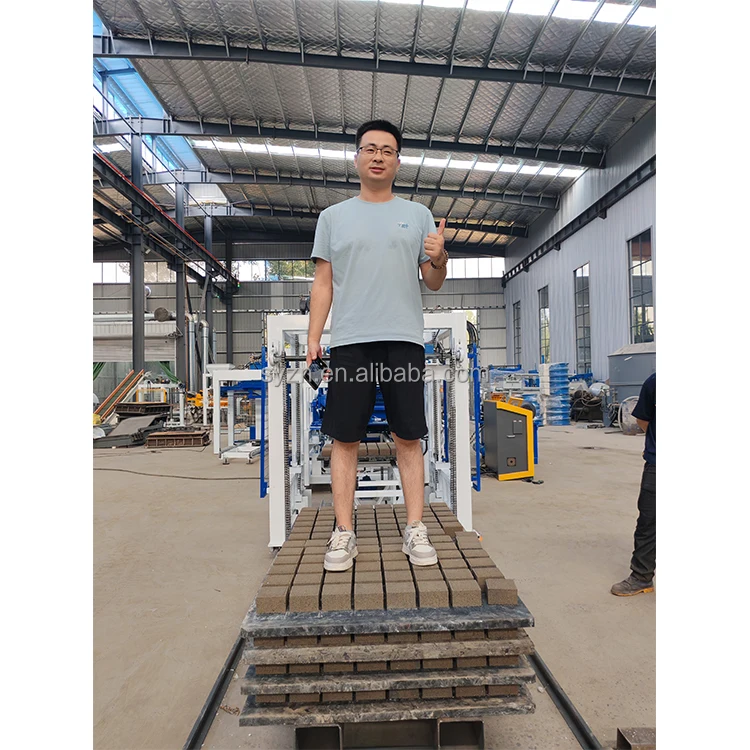
| Pallet Size | 950×900 mm |
| Molding Cycle | 15–20 s (basis not stated in source — confirm block format / material / thickness) |
| Overall Power | 55.5 kW |
| Total Mass | 8 T |
| Demolding Method | Hydraulic |
| Factory Area | 300 m² |
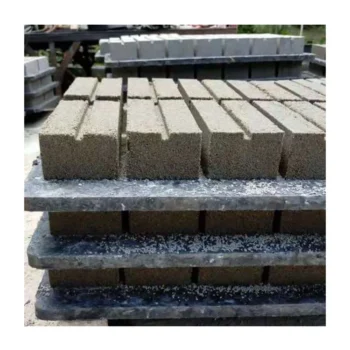
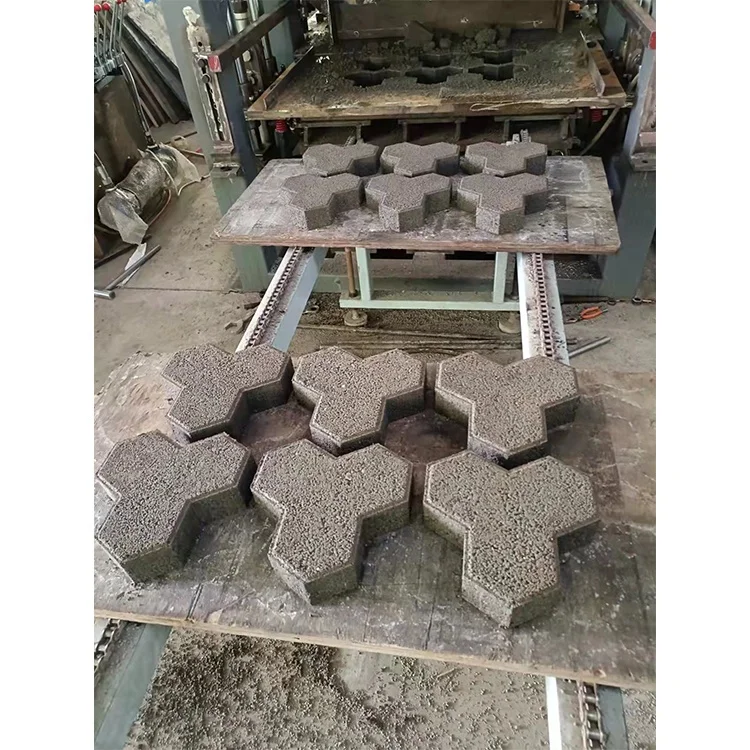
| Applied Products | Concrete hollow blocks, solid blocks, pavers, interlocking blocks, curbstones, colored pavers |
| Raw Materials | Crushed stone, sand, cement, dust, fly ash, gravel, slag |
| Control System | Configurable based on buyer requirement |
| Voltage & Frequency | To be confirmed before production |
| Warranty | 1 year (whole machine, excluding spare parts) |
Application Suitability
| Application | Material or Output |
|---|---|
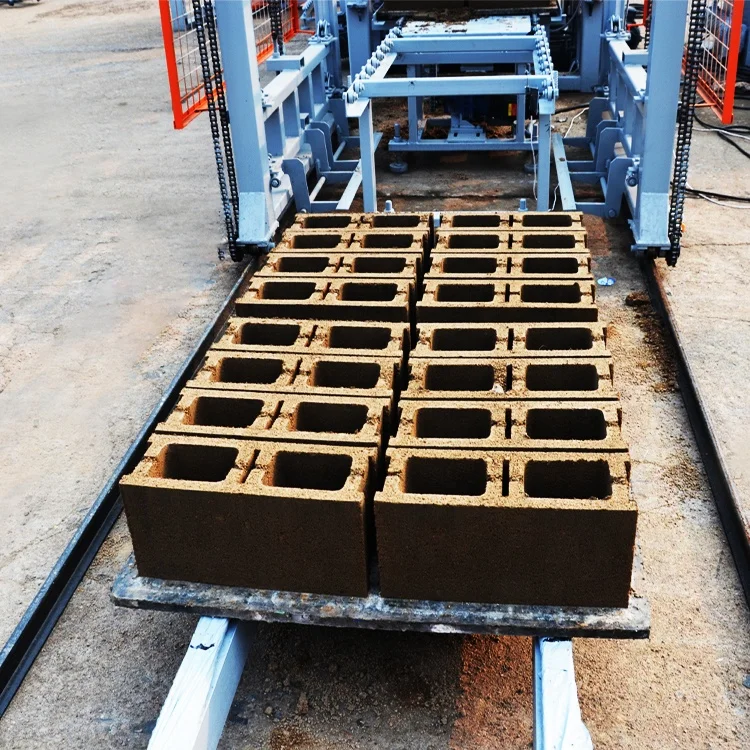
| Hollow block production for building envelope walls | Crushed stone, sand, cement, fly ash |
| Solid load-bearing block manufacturing | Gravel, sand, cement mix |
| Interlocking paver production for walkways and driveways | Colored concrete mix with fine aggregate |
| Kerbstone and curbing for road projects | High-strength concrete mix with coarse aggregate |
| Porous block production for drainage applications | Open-grade aggregate with reduced cement content |
Why "Cycles Per Hour" Is Not a Capacity Figure for the QT8-15 Block Machine
A cycle time only becomes a meaningful output number when the block format and mix design are written next to it.
I have seen buyers compare two machines on a single cycles-per-hour figure, only to discover after installation that the quoted number assumed a thin paver while their actual product was a 200 mm hollow block requiring nearly double the press time. When you evaluate QT8-15 block machine specifications, the 15–20 second molding cycle listed in the sheet must be tied to a specific format, thickness, and local aggregate profile. Without that context, daily output projections are guesses. [NEED_CITE: block format assumptions in capacity quotations]
How Format, Mould, and Aggregate Define Real Output
The QT8-15 hydraulic concrete block making machine operates across a range of block formats, and each format changes the cycle calculation. A standard hollow block requires a different vibration duration and pressure hold than a thin interlocking paver. When we size this machine for a buyer, we calculate daily output per format, listing the exact cycle time assumed for each product in the quotation.
Matching Vibration Force to Your Local Mix
The 45 kN vibration force and 21 MPa rated pressure work together to compact the mix into a dense, consistent block. If your local sand carries high clay content or your aggregate is overly porous, the standard vibration profile may not achieve target strength. We ask buyers to send a sample of their actual raw materials before we finalize the vibration frequency range and pressure settings for the QT8-15 block machine. [NEED_CITE: aggregate variability and block compressive strength]
Reading the Specs That Matter for Your Product
Platform vibration at 2800–4500 r/min affects hollow blocks and solid pavers differently. Hollow blocks need enough frequency to settle the mix into thin shell walls without segregation, while pavers demand sustained force for surface density. The 950×900 mm pallet size determines how many blocks are formed per cycle, but that pallet must also match your curing rack dimensions and forklift capacity. The 55.5 kW overall power draw dictates your transformer and cable sizing, and the 8 T machine mass requires a reinforced concrete foundation within the 300 m² factory area.
What Happens When the Mould and Pallet Are Specified Separately
Buyers who source the press, moulds, and pallets from different suppliers often find that the pallet thickness does not match the mould cavity depth, causing uneven block height across the batch. A pallet that is too flexible under vibration produces blocks with weak corners. When these components are not specified as a matched set, the first mould change reveals alignment issues that take a full shift to diagnose. [NEED_CITE: pallet and mould interface tolerance in block production]
Why This Configuration Approach Exists
Our machinery focus is block production equipment alone, which means the QT8-15 press, its moulds, pallets, and handling stations are engineered against the same set of production parameters. Configuration starts with your target block format, local aggregate sample, and daily volume requirement — not a default catalogue line. Mould drawings are prepared for every format your market sells, including custom profiles from your own drawings. Automation level is selectable so you can begin with semi-automatic pallet handling and add stacking later. Installation includes operator training on mould change procedure and mix adjustment.
Documentation & Verification
- Line layout and capacity calculation stating the block format assumed for each output figure
- Machine specification sheet with confirmed voltage, frequency, and control language
- Mould drawing and format list covering every block type in your production plan
- Pallet specification matched to your curing rack layout and forklift capacity
- Hydraulic and electrical schematic for local maintenance reference
- Factory test record on your target block format before dispatch
Installation, Commissioning & Support
- Reinforced concrete foundation required within the 300 m² factory area to support the 8 T machine mass
- Dedicated power circuit sized for the 55.5 kW overall power draw at confirmed voltage and frequency
- Machine shipped in dismantled state with reassembly and alignment completed on site
- First-run commissioning includes vibration frequency tuning to your local aggregate and mix design
- Operator training covers mould change sequence, hydraulic pressure adjustment, and daily maintenance checkpoints
- Wear parts and mould replacement list provided with recommended reorder intervals
What We Need from You to Size This Machine Correctly
To prepare an accurate configuration for the QT8-15, send your target block format list with dimensions, the daily volume you need per format, and a sample of your local sand and aggregate. We also need your site voltage and frequency, the control language your operators require, and the dimensions of your existing curing area and forklift capacity so we can confirm pallet compatibility before the order is placed.
Frequently Asked Questions
Q: What is the realistic daily output of the QT8-15 for hollow blocks versus pavers?
A: The molding cycle is listed as 15–20 seconds, but actual cycle time depends on block format, thickness, and material. We provide a capacity calculation document that states the assumed format for each output figure, so you can see daily volume for hollow blocks and pavers separately rather than a single blended number.
Q: How do I know the vibration force suits my local raw materials?
A: The QT8-15 delivers 45 kN vibration force with 21 MPa hydraulic pressure. We request a sample of your local aggregate and sand before finalizing the vibration profile, because high clay content or porous stone requires different frequency settings to achieve consistent block strength across every batch.
Q: Will the 950×900 mm pallet fit my existing curing racks and forklift?
A: Pallet size must be confirmed against your curing area layout and forklift tine spacing before production. We include pallet specification in the proposal so you can verify compatibility and avoid handling bottlenecks that appear after the machine is installed and running.
Q: How long does a full mould change take on this machine?
A: Mould change time varies with the format and whether a quick-change setup is specified. We state the changeover procedure and estimated time in the documentation so you can plan shift schedules around format rotation and avoid losing a full shift to an unplanned swap.
Q: What electrical and control details must be confirmed before shipment?
A: Voltage, frequency, and PLC display language must be confirmed before production begins. If these are left unspecified, the machine may arrive with a control panel your operators cannot read or a motor rated for a voltage your site does not supply, delaying commissioning.