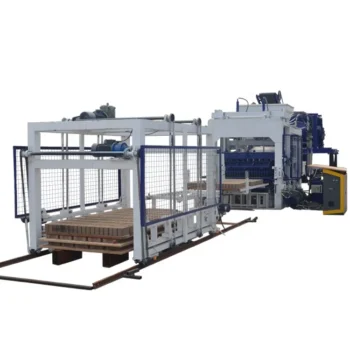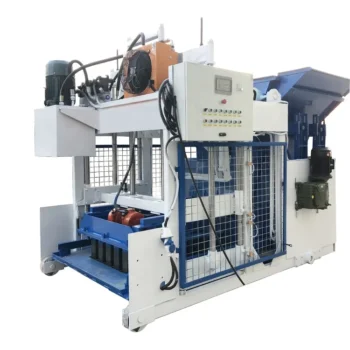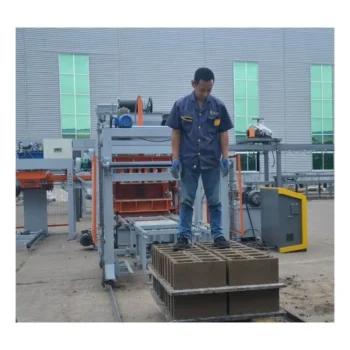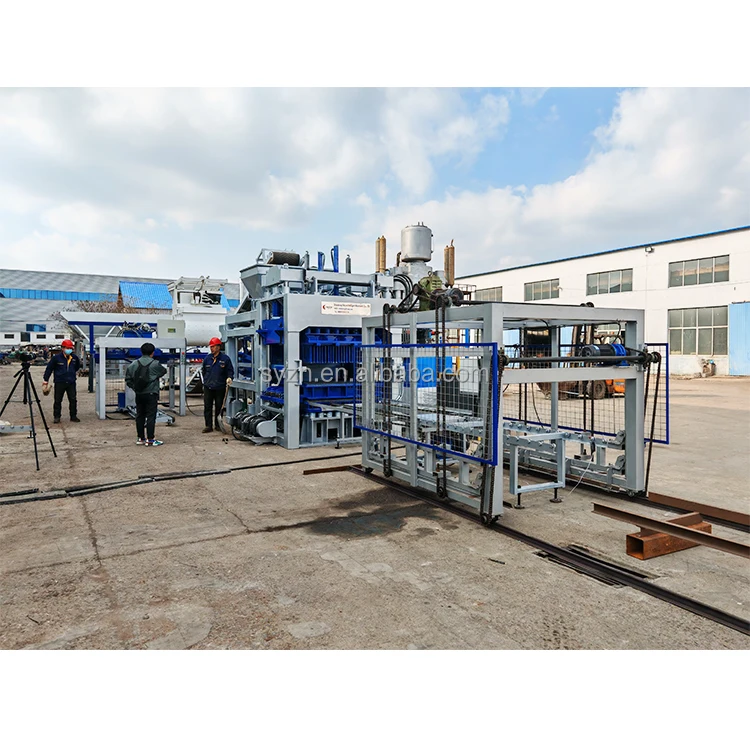


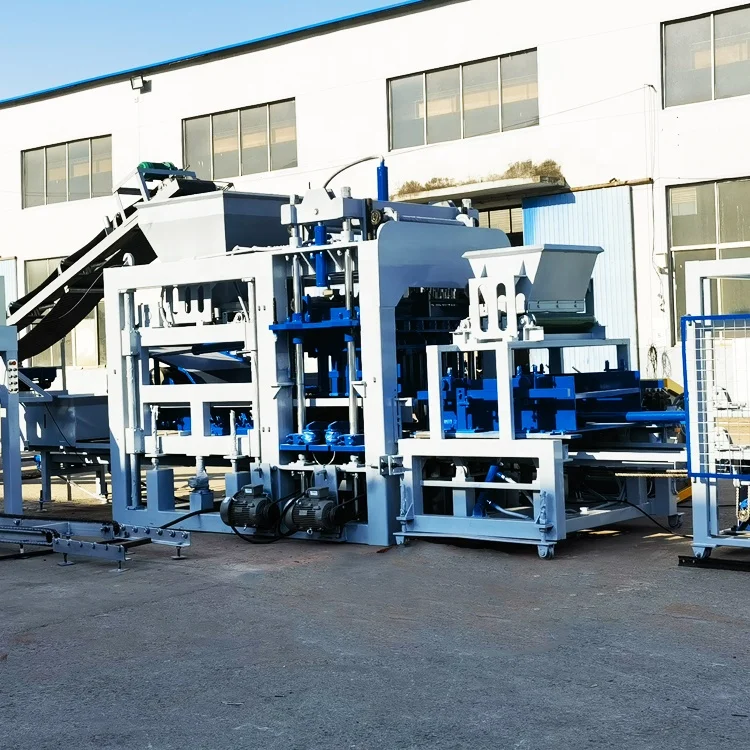
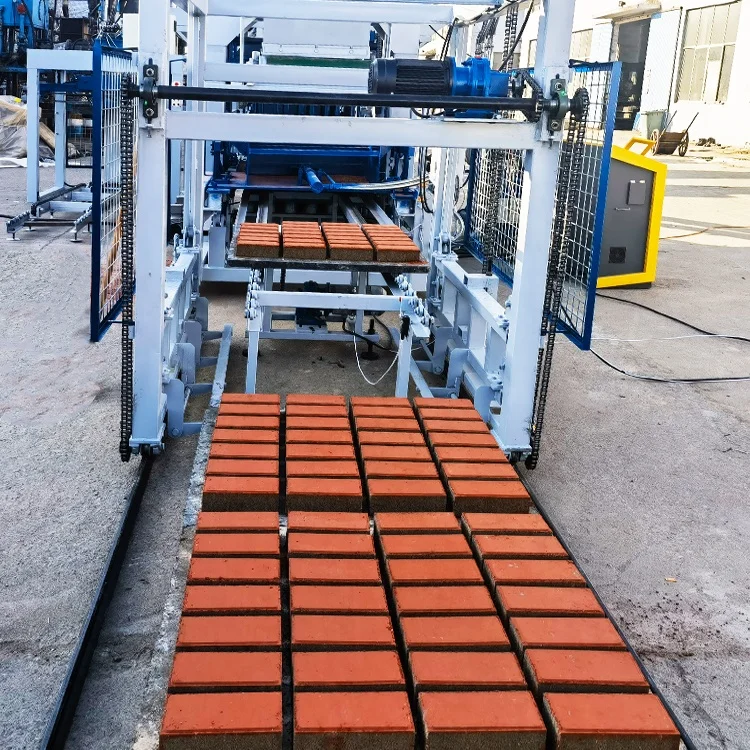

Description
Matched System Sizing — every QT8-15 configuration is built around the buyer’s actual block format, local aggregate and curing layout, not a catalogue default.
Technical Specifications
| Parameter | Value |
|---|---|
| Model | QT8-15 |
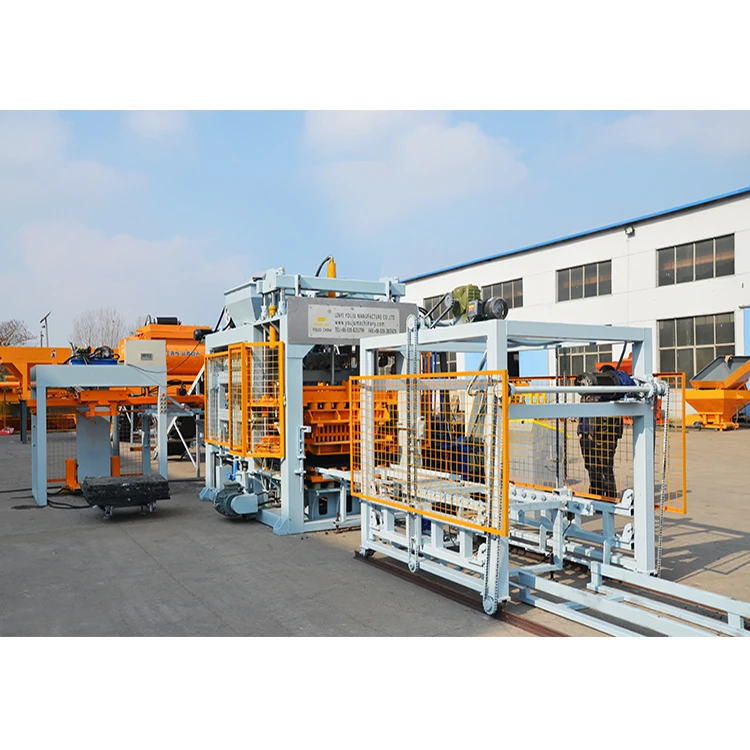
| Product Type | Fully Automatic Hydraulic Concrete Block Making Machine |
| Overall Dimensions (L×W×H) | 8300×1860×3000 mm |
| Molding Cycle | 15-20 s |
| Vibration Force | 55 kN |
| Rated Power | 37.2 kW |
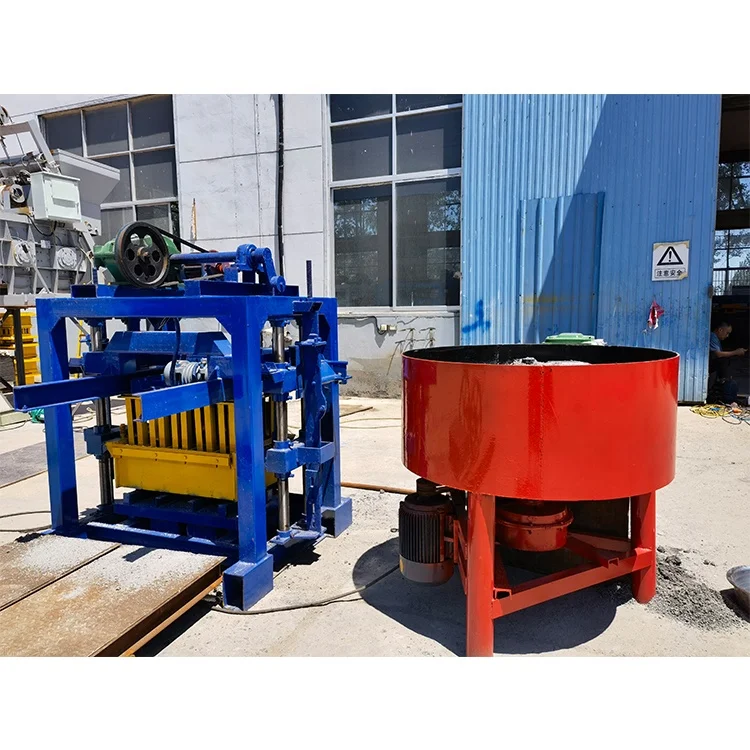
| Mixer Model | JS750 |
| Pallet Size | 1020×900 mm |
| Total Weight | 8 T |
| Applied Products | Paver, solid block, hollow block, curbstone |
| Raw Materials | Crushed stones, sand, cement, dust, fly ash |
| Control System | PLC control system |
| Hydraulic Station | Included |
| Automation Level | Fully automatic |
| Output Capacity | 1920 pcs/hour (basis not stated in source — confirm block format / material / thickness) |
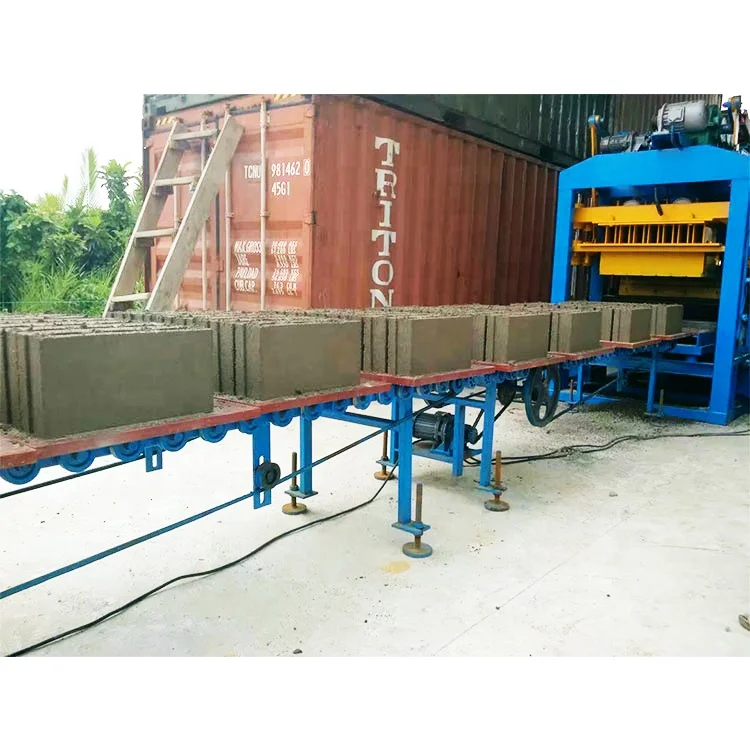
| Included Equipment | Block making machine, hydraulic station, PLC control unit, pallet feeder, block mould, material feeder, block conveyor, block sweeper, spare parts and tools |
Application Suitability
| Application | Material or Output |
|---|---|
| Interlocking paving block production | Crushed stone, sand and cement mixes for driveways and municipal walkways |
| Load-bearing hollow block manufacturing | Fly ash blended with cement and aggregate for structural walling |
| Solid concrete block for partition walls | Dense sand and dust aggregate requiring high compaction force |
| Precast curbstone casting | Coarse aggregate with reinforced vibration and extended cycle time |
| On-site contractor block production | Local volcanic ash or quarry dust adapted through mould and pressure tuning |
Why "1920 Pieces per Hour" Needs a Block Format Attached
Capacity only means something when you know which block it refers to.
I have seen buyers order a QT8-15 block machine after reading a headline throughput figure, then watch daily output fall to half once the machine meets their local material. The cycle time changes depending on whether you are pressing a thin paver or a tall hollow block, and the vibration force must suit the aggregate you actually source, not the sand used during factory testing. [NEED_CITE: relationship between cycle time and block height in hydraulic block pressing]
When a spec sheet lists a single number without naming the format, it is impossible to plan a curing yard, calculate pallet circulation, or quote a delivery schedule to a construction site. The QT8-15 block machine specifications must be read alongside the specific mould installed and the mix design in use.
Pallet Circulation and the Curing Yard Bottleneck
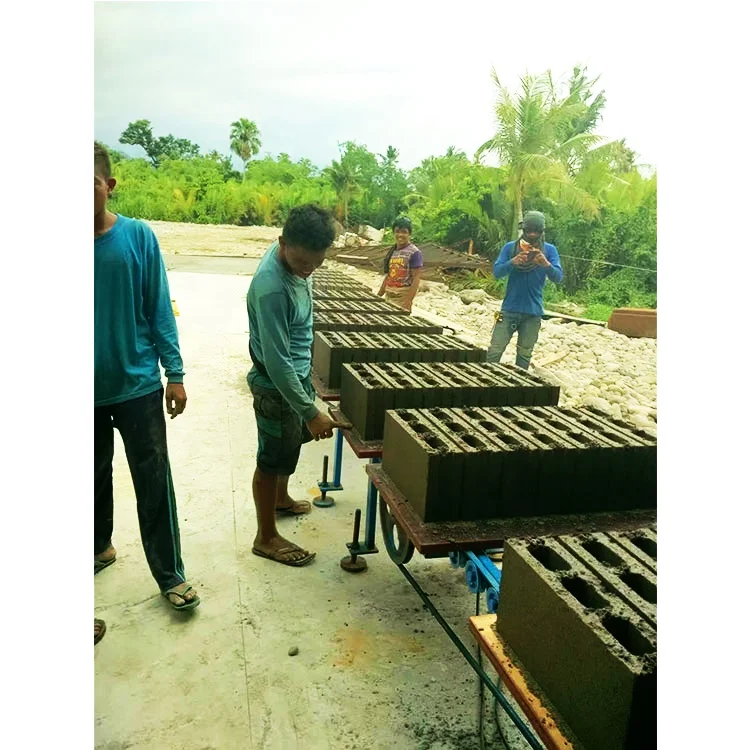
The 1020×900 mm pallet size on the QT8-15 determines how many blocks travel per cycle and how they stack on your curing racks. If your existing racks were built for a smaller pallet, you either replace the racks or resize the order before the machine ships. Pallets that do not match your forklift tine spacing will slow the entire line down once blocks leave the press, turning a fully automatic machine into a manual handling problem at the curing stage.
Vibration Force Against Local Aggregate Reality
A 55 kN vibration force works well with clean river sand, but local volcanic ash, quarry dust or lightweight aggregate each demand a different amplitude and hydraulic pressure combination to reach target block strength. The QT8-15 block machine specifications list a single vibration rating; matching it to your actual raw material is the step that separates consistent daily output from a line that produces breakage and rejects. [NEED_CITE: compaction requirements for fly ash and quarry dust in concrete block production]
Reading the Spec Sheet Against Your Block Format
The 15-20 second molding cycle and 37.2 kW rated power are baseline values that shift depending on mould complexity. A simple solid block may cycle at the lower end, while a tall hollow block with thin webs requires extended vibration and additional hydraulic pressure to achieve uniform density. The JS750 mixer must also deliver a consistent feed rate that keeps pace with the press, otherwise the material feeder runs dry and cycle times stretch. Understanding how the QT8-15 block machine specifications interact with your target format is how you avoid discovering capacity shortfalls after the container arrives.
The Hidden Cost of Unconfirmed Electrical and Control Settings
Arriving at commissioning to find the PLC display is in a language your operators cannot read, or the voltage does not match the transformer on site, adds weeks of delay to a project that was already on a tight schedule. [NEED_CITE: electrical compatibility standards for industrial machinery in export markets] Voltage, frequency and control language are all configurable on the QT8-15, but only if they are confirmed before the machine enters production rather than assumed from a catalogue default.
Why Buyers Specify the QT8-15 Here
Block machinery is the sole focus, so the press, mould, pallet and handling equipment are quoted as one matched line rather than assembled from separate vendors. Mould design covers the formats your local market actually sells, including custom drawings when a standard paver or hollow block does not match the architectural specification. Automation level is selectable, allowing a buyer to start with semi-automatic pallet handling and add stacking later. Configuration is set against the buyer’s mix design and aggregate source, not a generic test mix. [NEED_CITE: CE machinery directive requirements for concrete block equipment]
Documentation & Verification
- Line layout showing pallet flow and curing rack spacing matched to 1020×900 mm pallets
- Capacity calculation sheet stating the specific block format assumed for each output figure
- Mould drawing with cycle time listed per block type
- Hydraulic and electrical schematic confirming voltage and frequency before dispatch
- Factory test record run on aggregate similar to buyer’s local material
- Operation manual with PLC language and control interface confirmed pre-shipment
Installation, Commissioning & Support
- Foundation plan accounting for 8300 mm machine length and 8 T operating weight
- Dedicated electrical circuit sized for 37.2 kW rated power plus mixer load
- Pallet feeder alignment checked against buyer’s existing curing rack height
- First-run mould commissioning with local aggregate and mix design verification
- Operator training covering PLC fault codes and mould change procedure
- Wear parts list identifying hydraulic seals and vibration springs by part number
What to Share Before Requesting a Quotation
To size the QT8-15 correctly, start with the specific block format you sell most, the daily volume your market demands, and the aggregate you source locally. Include your site voltage, frequency and preferred PLC language, along with details of any existing curing racks or forklifts the line must work with.
Frequently Asked Questions
Q: How is the 1920 pcs/hour capacity figure calculated for the QT8-15?
A: That number is based on a specific block format and mix that must be confirmed before it applies to your plant. Cycle time varies from 15 to 20 seconds depending on block height and mould complexity, and different aggregates change compaction behaviour. We provide a capacity calculation sheet that names the exact format and material assumed.
Q: What mould formats can the QT8-15 run, and how fast does each cycle?
A: The machine handles pavers, solid blocks, hollow blocks and curbstones through mould changes. A thin paver cycles faster than a tall hollow block with thin webs. We supply a format list with realistic cycle times for each mould so you can plan daily output and pallet circulation accurately.
Q: How do you match vibration force to my local aggregate?
A: The 55 kN vibration rating is a baseline that must be tuned against your specific material. Volcanic ash, quarry dust and river sand each compact differently, and hydraulic pressure settings are adjusted during commissioning to reach your target block strength without over-stressing the mould.
Q: Will the 1020×900 mm pallets work with my existing curing racks?
A: That depends on your rack spacing and forklift tine width. If there is a mismatch, we resize the pallet specification before production rather than leaving you to discover the problem at unloading. Your curing yard dimensions should be shared during the quotation stage.
Q: What voltage and PLC language will be configured before shipment?
A: Voltage, frequency and control display language are confirmed during the order process, not assumed. The PLC unit is set to your site specification and tested at the factory so operators can read fault codes and adjust parameters from day one of commissioning.