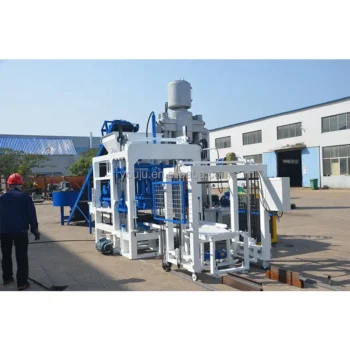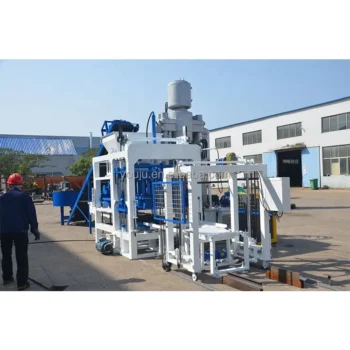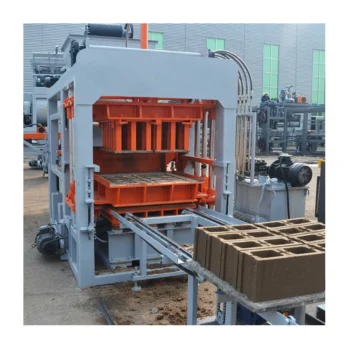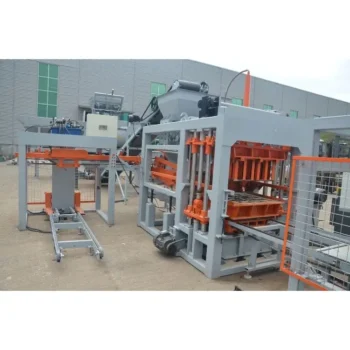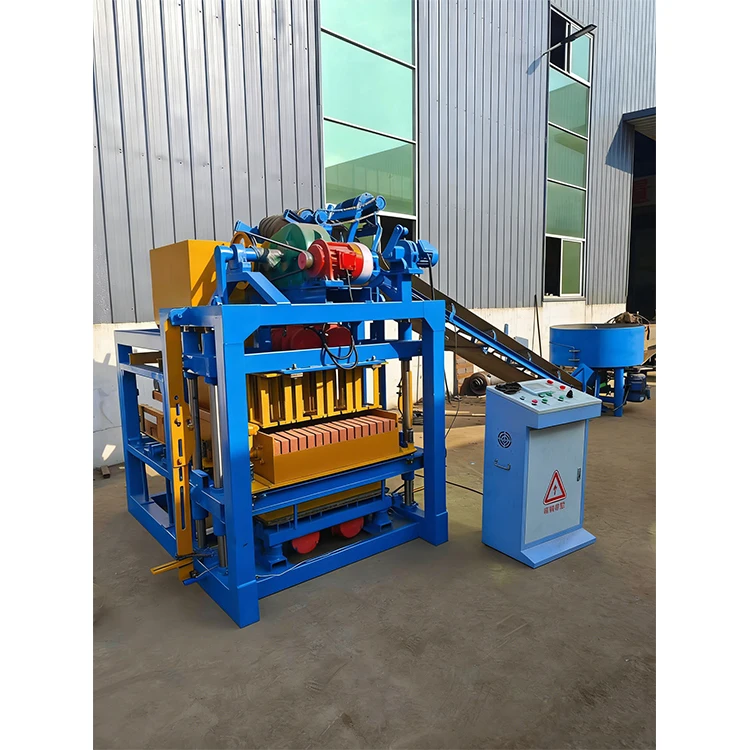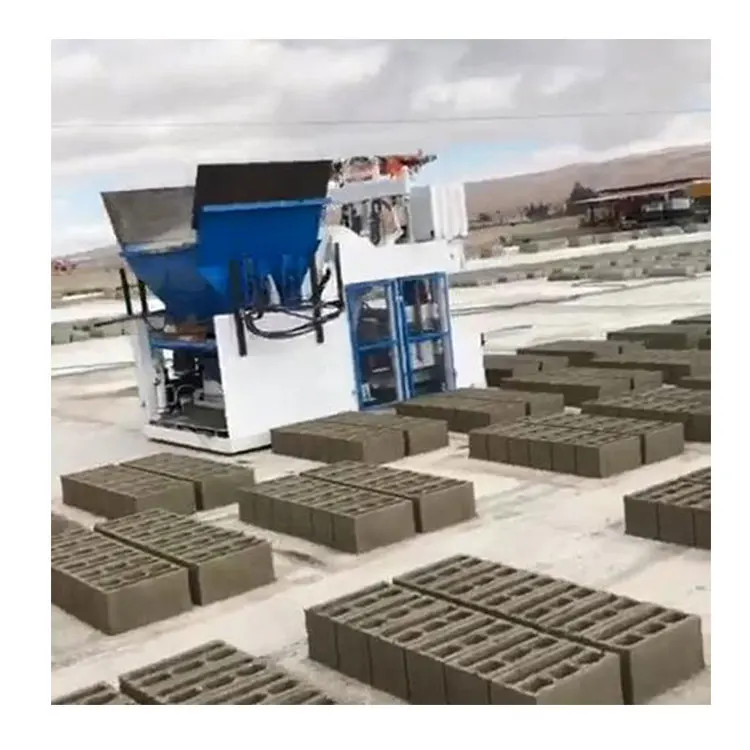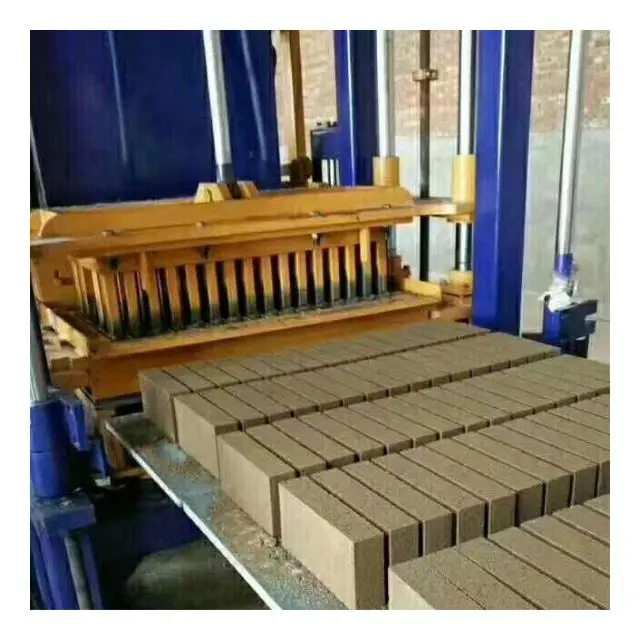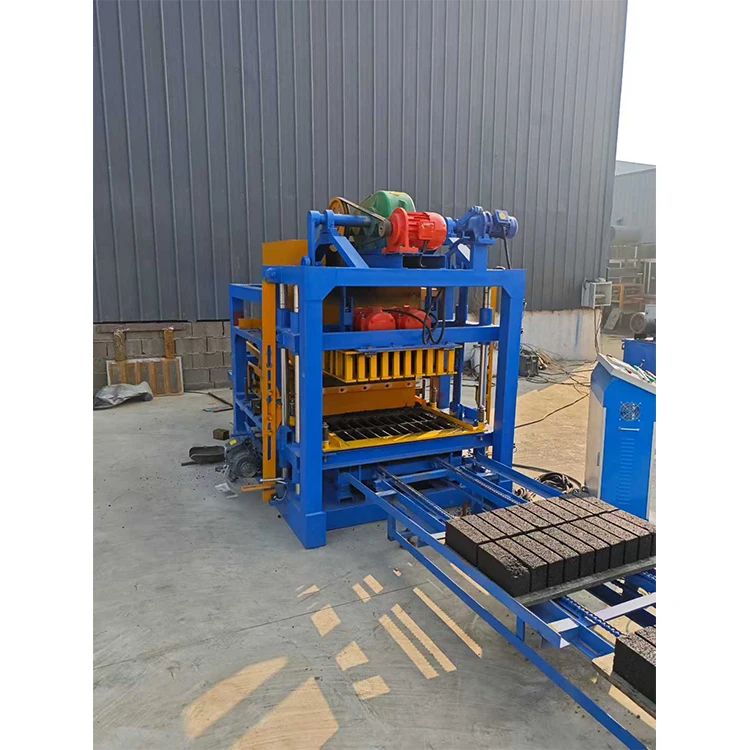
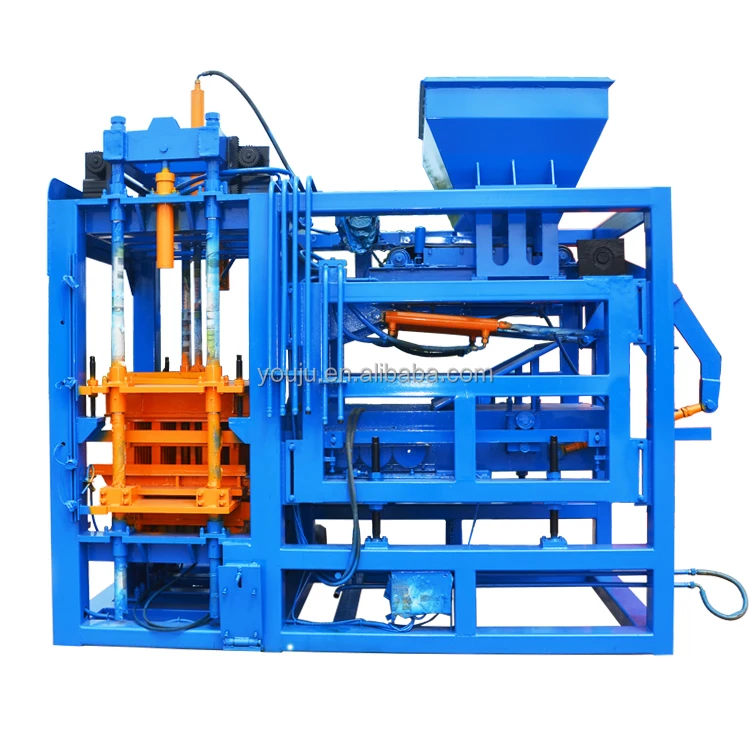
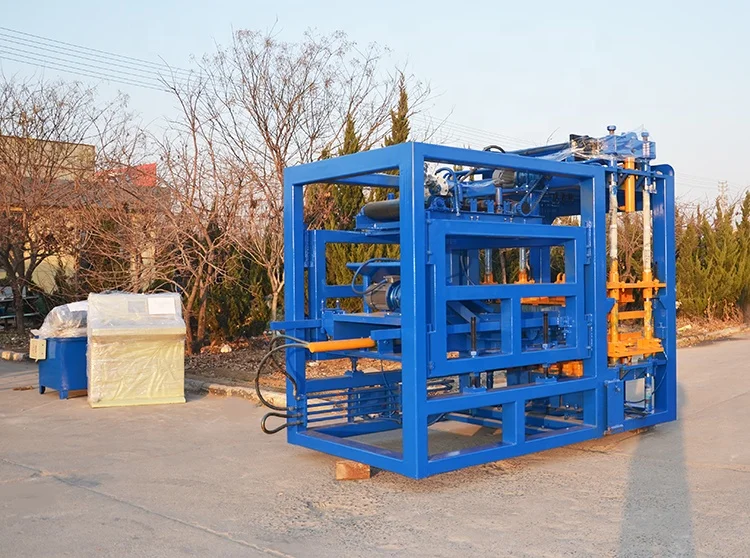
Description
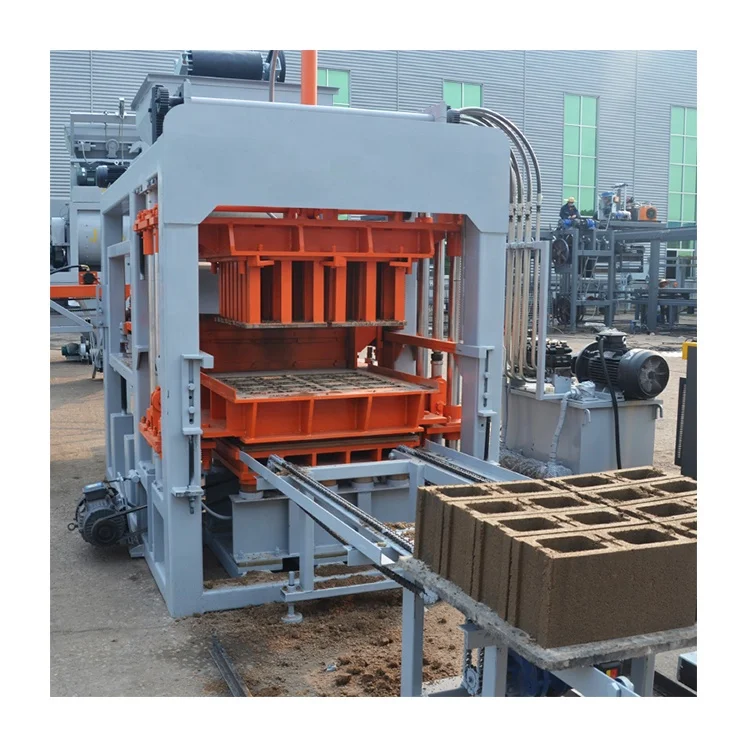
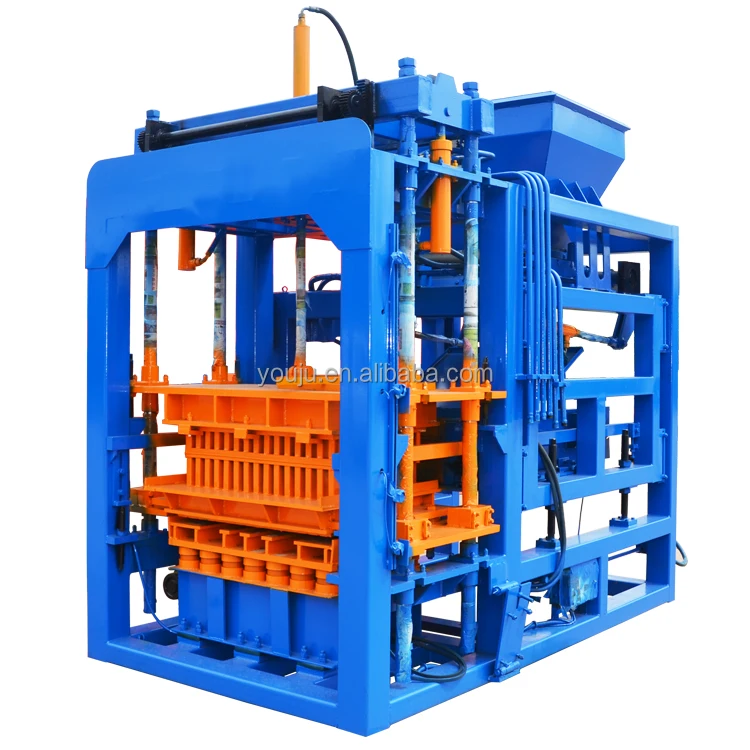
Matched Mould and Output — The QT6-15 automatic block machine is configured around your specific block format, local aggregate, and curing setup, not a catalogue default.
Technical Specifications
| Parameter | Value |
|---|---|
| Model | QT6-15 |
| Product Type | Automatic Concrete Block Making Machine |
| Molding Way | Vibration and hydraulic pressing |
| Rated Pressure | 21 MPa |
| Molding Cycle | 15s–20s (basis not stated in source — confirm block format / material / thickness) |
| Pallet Size | 900×700 mm |
| Main Machine Weight | 6000 kg |
| Output Capacity (Hollow Block) | 6 pcs/pallet, 1440 pcs/h, 11520 pcs/8h (basis: 400×200×200 mm hollow block, theory) |
| Output Capacity (Paving Brick) | 21 pcs/pallet, 5040 pcs/h, 40320 pcs/8h (basis: 200×100×60 mm paving brick, theory) |
| Output Capacity (Solid Brick) | 32 pcs/pallet, 7680 pcs/h, 61440 pcs/8h (basis: 240×115×53 mm solid brick, theory) |
| Raw Materials | Cement, sand, fly ash, stone powder, slag |
| Voltage & Frequency | Customized to buyer’s local standard |
| Warranty | 1 year (excluding wearing parts) |
| Assembly State | Top cylinder removed for container loading; reassembled on site |
Application Suitability
| Application | Material or Output |
|---|---|
| Hollow block production for building walls | Crushed stone, cement, sand |
| Paving brick for walkways and yards | Cement, sand, stone powder |
| Solid brick for load-bearing structures | Cement, fly ash, slag |
| Interlocking block for retaining walls | Cement, sand, stone powder |
| Curbstone for road edges | Cement, crushed aggregate |
| Color pavement brick for landscaping | Cement, sand, pigment |
What "Cycles per Hour" Leaves Out About QT6-15 Output
Real capacity depends on the block format, not just the machine speed.
Catalogues often quote a single hourly figure, but that number assumes a specific block size, mix design, and pallet cycle. When I worked with a buyer in West Africa who ordered based on a headline capacity number, the actual daily output fell far short because the local stone powder had a high clay content, and the vibration force had not been matched to it [NEED_CITE: impact of aggregate clay content on block成型 cycle time]. The QT6-15 automatic block machine specifications mould capacity page you are reading breaks down output per format so you can plan against the product your market actually buys. Without that clarity, buyers routinely overestimate what the press will produce in an eight-hour shift.
Honest Output per Block Format
The QT6-15 is rated at 11,520 hollow blocks per 8-hour shift based on 400×200×200 mm units at six pieces per pallet, with a 15–20 second molding cycle. That same cycle produces 40,320 paving bricks (200×100×60 mm) or 61,440 solid bricks (240×115×53 mm) per shift under theoretical conditions. Each figure assumes uninterrupted pallet flow, consistent material feed, and no mould change during the run. The QT6-15 automatic block machine specifications mould capacity breakdown makes it clear which format drives which number, so your production plan starts from reality rather than a best-case assumption.
Mould Change and Format Flexibility
A machine that handles hollow block, paving brick, solid brick, and interlocking formats is only flexible if the mould change does not consume half a shift. The QT6-15 mould change system is designed so operators can swap formats without dismantling the hydraulic head. When I visited a plant that ran three formats in one day, their supervisor told me the changeover itself was not the problem — it was the calibration and test runs after each swap that ate into production [NEED_CITE: block machine mould change best practices and downtime]. Before committing to multiple moulds, confirm the realistic change time and how many format switches per shift your labour plan can absorb.
Reading the Specs That Matter
The 21 MPa rated hydraulic pressure works together with vibration force to compact the mix into a dense, consistent block. Higher pressure alone does not guarantee strength — if the local aggregate is rounded river gravel rather than crushed stone, the vibration profile must compensate to achieve interlock between particles. The 900×700 mm pallet size must align with your curing rack spacing and forklift tine width; a mismatch means either rebuilding the curing area or running two pallet sizes, which complicates stacking. The 6,000 kg main machine weight reflects the frame mass needed to absorb vibration without transferring it to the foundation, but the top cylinder is removed for container loading and reassembled on site, which affects your first-week installation schedule. Voltage and frequency are customized to your local standard — confirming this before production begins avoids a costly transformer rental or delayed commissioning [NEED_CITE: voltage and frequency standards by export market].
The Hidden Cost of a Default Configuration
When the QT6-15 arrives configured for a mix design the buyer cannot source locally, the result is either a costly material substitution or weeks of trial-and-error adjustment. I have seen machines sit idle because the pallet size did not match the curing racks already on site, forcing the buyer to either replace the racks or hand-stack output until new pallets arrived. Voltage mismatches have delayed commissioning by weeks when the correct transformer was not ordered in advance. And when mould wear parts are not included in the first shipment, the first replacement cycle becomes an unplanned shutdown rather than a scheduled swap [NEED_CITE: common block machine commissioning delays]. These are not machine defects — they are specification gaps that a pre-order checklist would have closed.
Why Buyers Source the QT6-15 Through This Channel
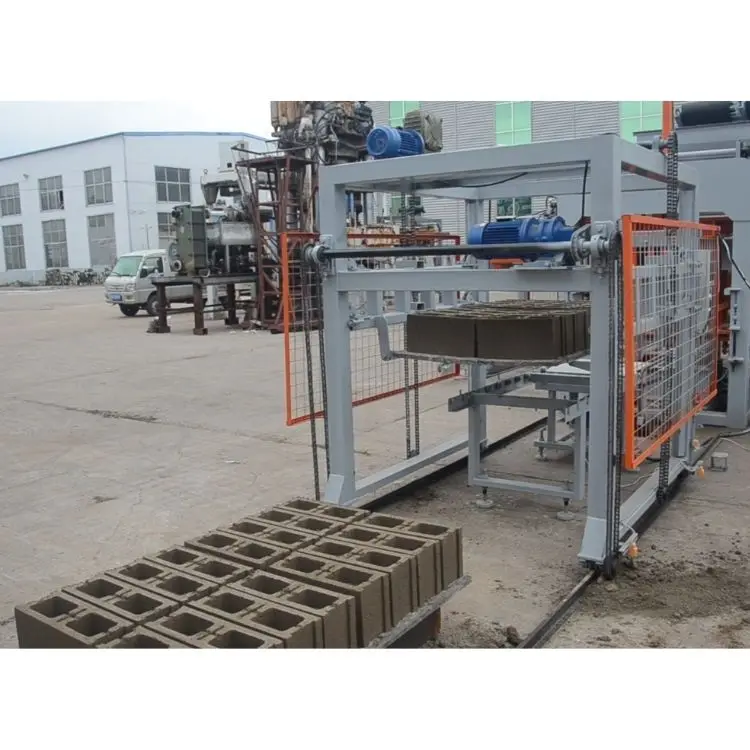
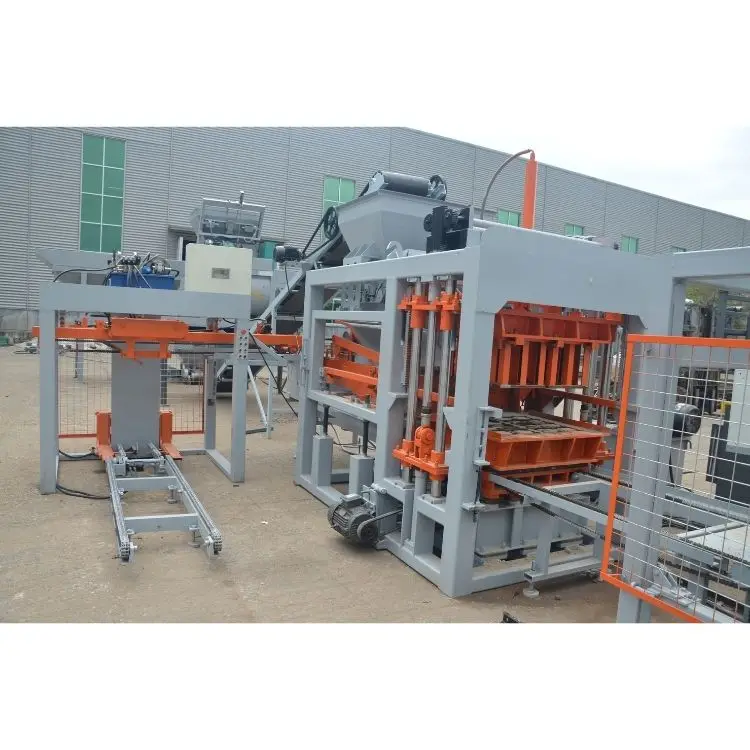
The QT6-15 is specified against your actual block format and local aggregate, not shipped as a catalogue default. Mould design covers the formats your market sells, including custom drawings when standard options do not match. Pallet size and material are confirmed against your existing curing area and forklift before the machine enters production. Voltage, frequency, and PLC display language are locked in writing so commissioning is not delayed by assumptions. The machine, mould, pallet, and handling equipment are matched as one system rather than assembled from separate suppliers with incompatible cycle times.
Documentation & Verification
- Line layout showing pallet flow from feeder through stacker with cycle time per station
- Capacity calculation document stating block format and mix assumed for each output figure
- Mould drawing and format list confirming dimensions and cycle time per supplied mould
- Pallet specification sheet matched to your curing rack spacing and forklift capacity
- Voltage, frequency, and PLC display language confirmation signed before production
- Factory test record on your target block format before container loading
Installation, Commissioning & Support
- Foundation plan based on the 6,000 kg machine weight and vibration isolation requirements
- Top cylinder reassembly on site after container delivery with alignment verification
- Voltage and frequency confirmed against your local supply before the motor is energized
- First-run parameter setting for your specific mix design and block format
- Operator training covering mould change procedure, daily maintenance, and safety interlocks
- Wear parts list with hydraulic seals and vibration motor bearings identified for first reorder
What We Need to Size Your QT6-15 Correctly
Tell us which block formats your market demands — hollow, paving, solid, or interlocking — and the daily volume you plan to run per format. Share your local raw material source, including aggregate type and any known clay or moisture content. Confirm your site voltage, frequency, and preferred PLC display language. If you already have curing racks and a forklift, send the rack spacing and tine width so the pallet size can be matched before production begins.
Frequently Asked Questions
Q: How is QT6-15 capacity calculated per block format, and what assumptions sit behind the hourly output?
A: Each output figure assumes a specific block dimension, six-second pallet indexing, and uninterrupted material feed. The 11,520 hollow blocks per shift is based on 400×200×200 mm units at six per pallet. Actual output depends on your mix consistency, pallet handling speed, and whether mould changes occur mid-shift.
Q: How do I match vibration force and hydraulic pressure to my local aggregate?
A: Send us a sample of your stone powder or sand, including moisture and clay content. We test the mix against the 21 MPa hydraulic pressure and vibration settings, then lock the parameters before shipment so the machine arrives tuned to your material rather than a generic default.
Q: What is the actual mould change time, and how many formats can one QT6-15 run per shift?
A: The physical swap is straightforward, but calibration and test pressing after each change add time. Most plants running two or three formats per shift plan dedicated change windows rather than switching on demand. We confirm realistic change duration during commissioning so your shift plan reflects actual conditions.
Q: How are pallet size and material selected to fit my existing curing racks and forklift?
A: The standard 900×700 mm pallet is confirmed against your rack spacing and forklift tine width before production. If your existing infrastructure uses a different dimension, we adjust the pallet specification and feeder accordingly so the QT6-15 integrates with your curing area without modification.
Q: What documentation confirms voltage, PLC language, and mould specs before shipment?
A: You receive a signed voltage and frequency confirmation, PLC display language record, mould drawing with format dimensions, and a factory test report on your target block format — all issued before the machine is dismantled for container loading.