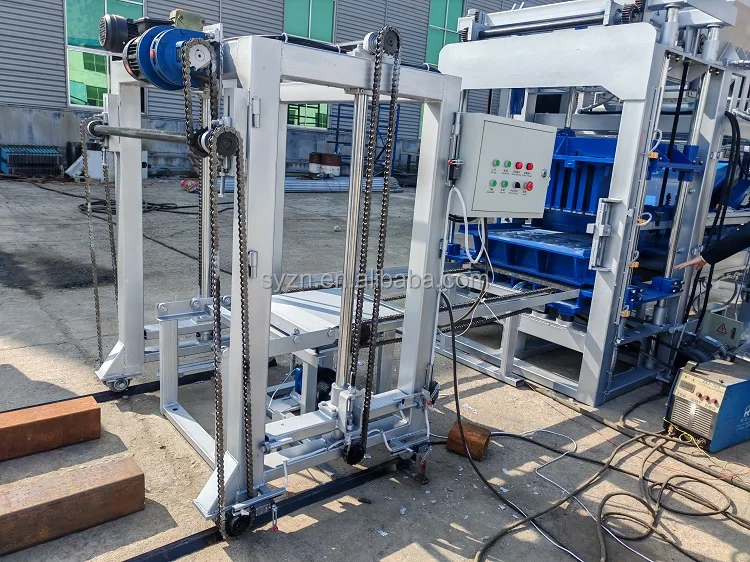
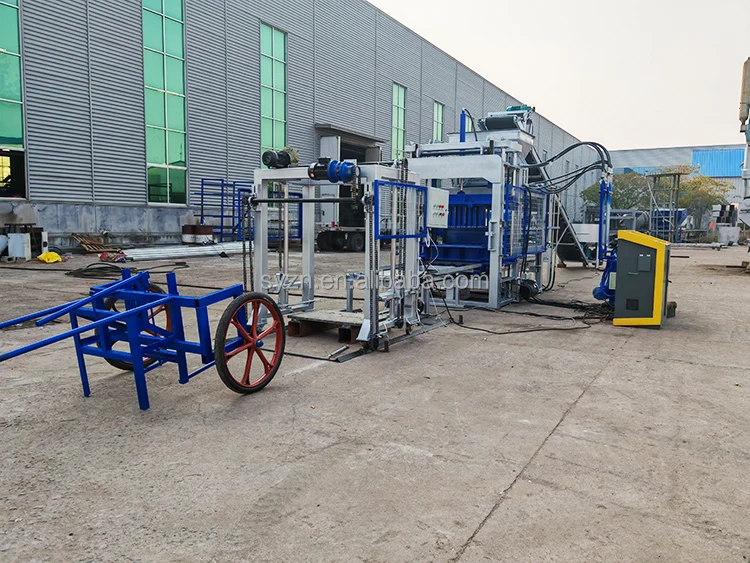
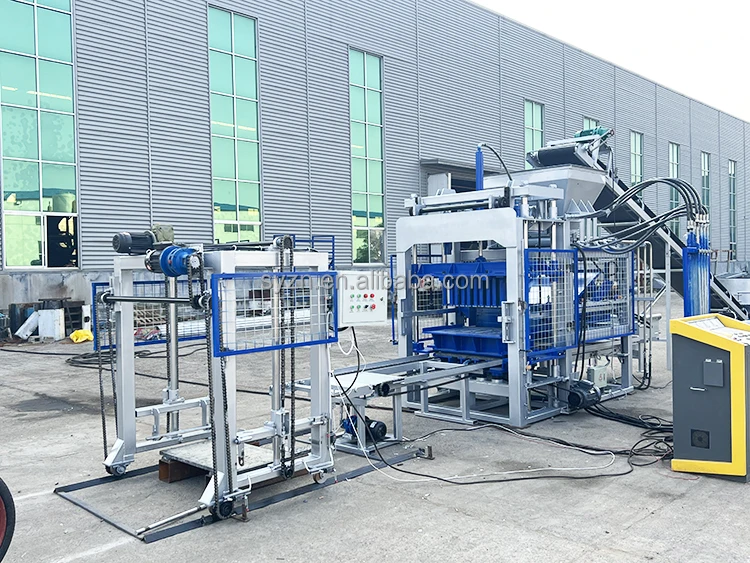
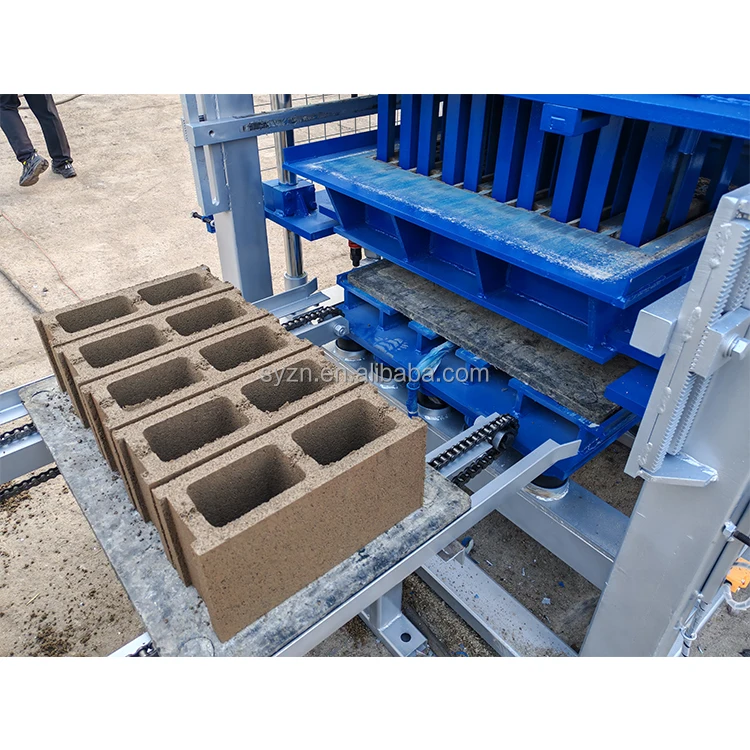
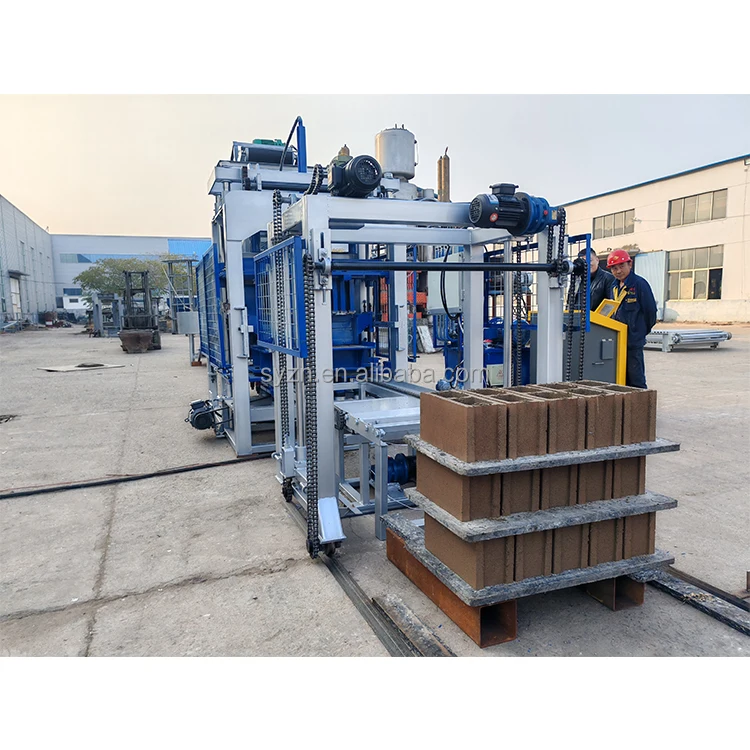
Description
Mould-First Sizing — every output figure for the QT4-15 is quoted against a named block format and pallet size, so buyers match the press to the product their market actually sells.
Technical Specifications
| Parameter | Value |
|---|---|
| Model | QT4-15 |
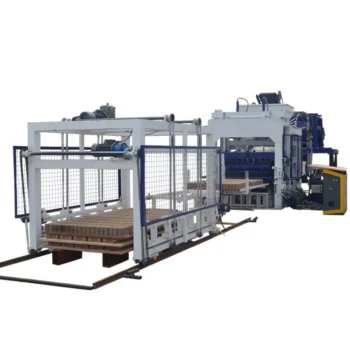
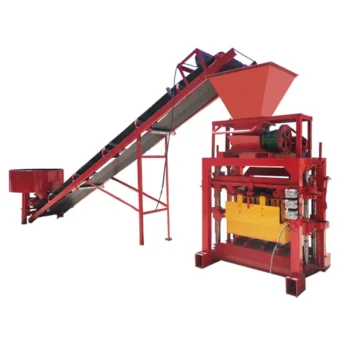
| Product Type | Automatic Concrete Block Making Machine |
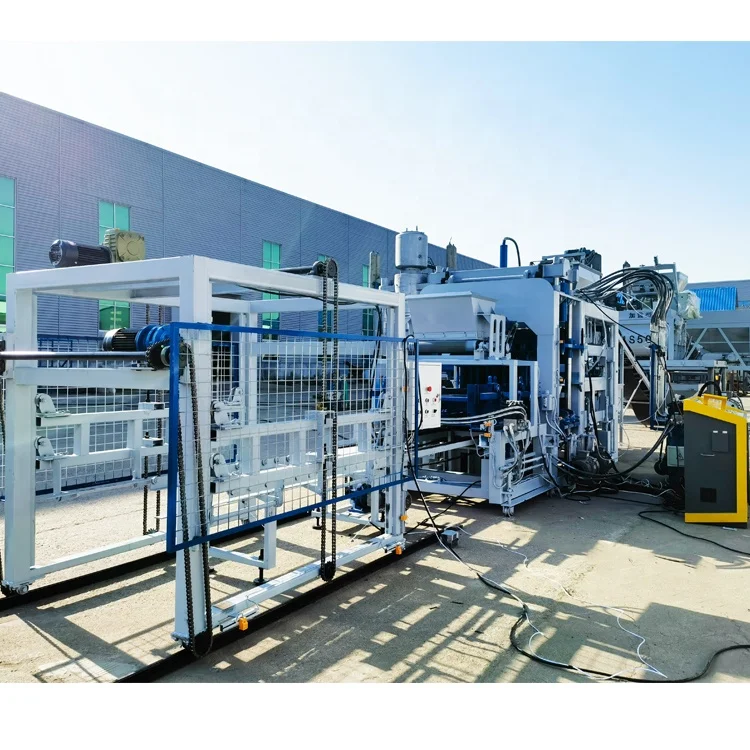
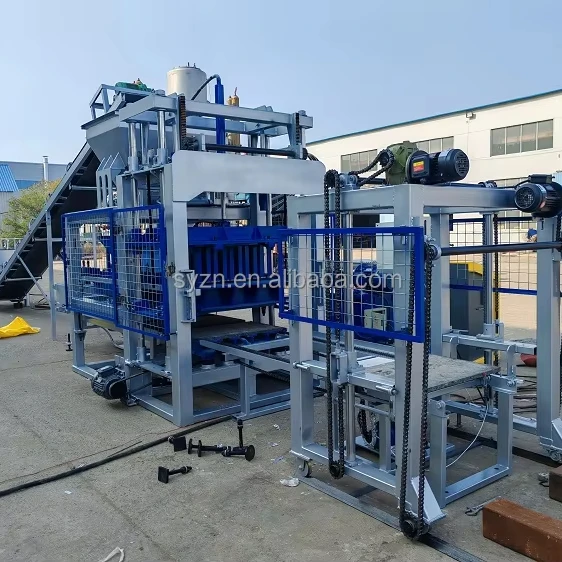
| Overall Dimensions | 3900×1600×2300 mm |
| Molding Cycle | 15-25s |
| Vibration Force | 40-50 kN |
| Rated Power | 24 kW |
| Mixer Model | JQ350 |
| Pallet Size | 850×550×25 mm |
| Net Weight | 3T |
| Automation Level | Semi-automatic |
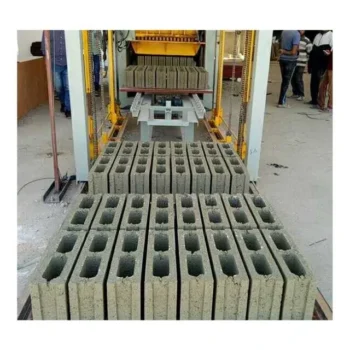
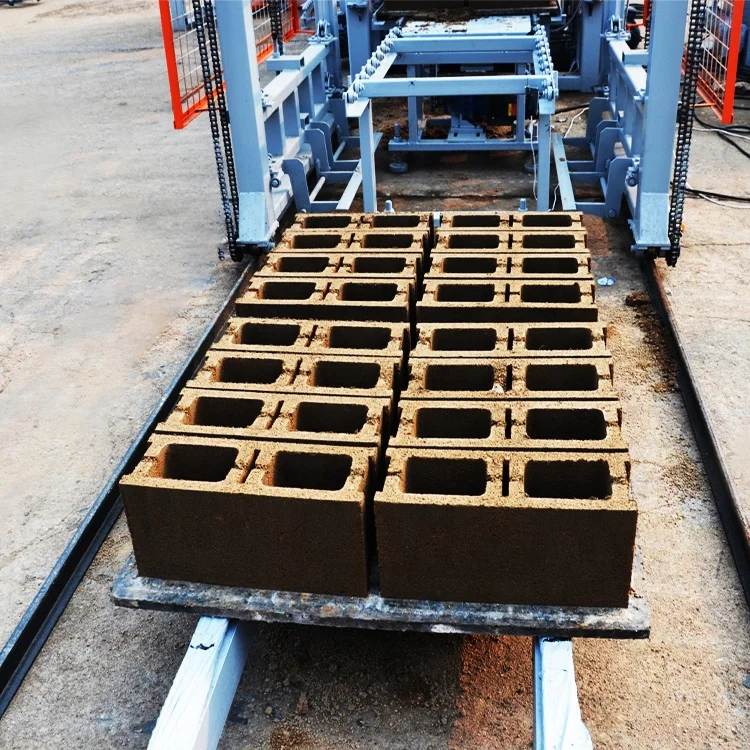
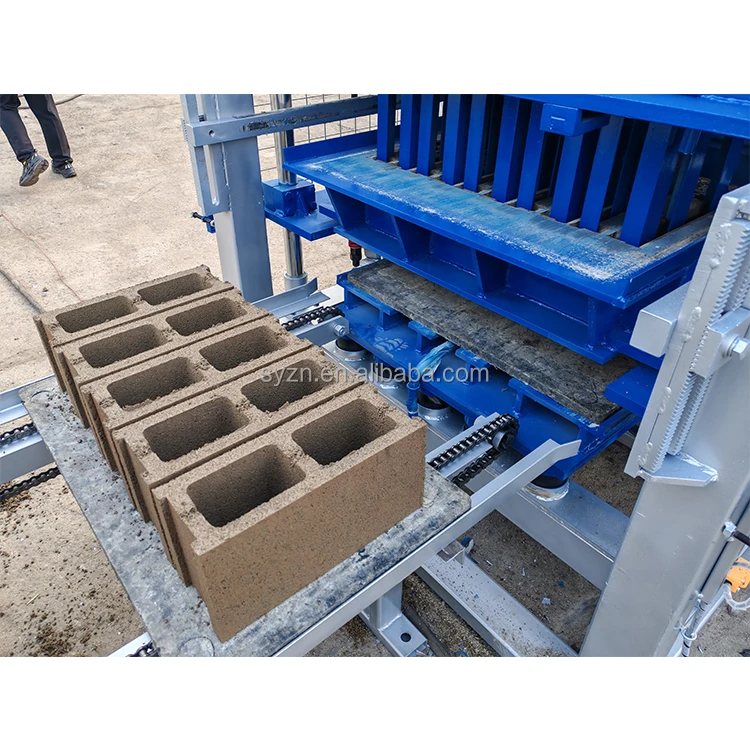
| Output (400×200×200mm hollow) | 360 pcs/hour, 2880 pcs/8hr |
| Output (400×150×200mm hollow) | 1800-2400 pcs/hour, 14400-19200 pcs/8hr |
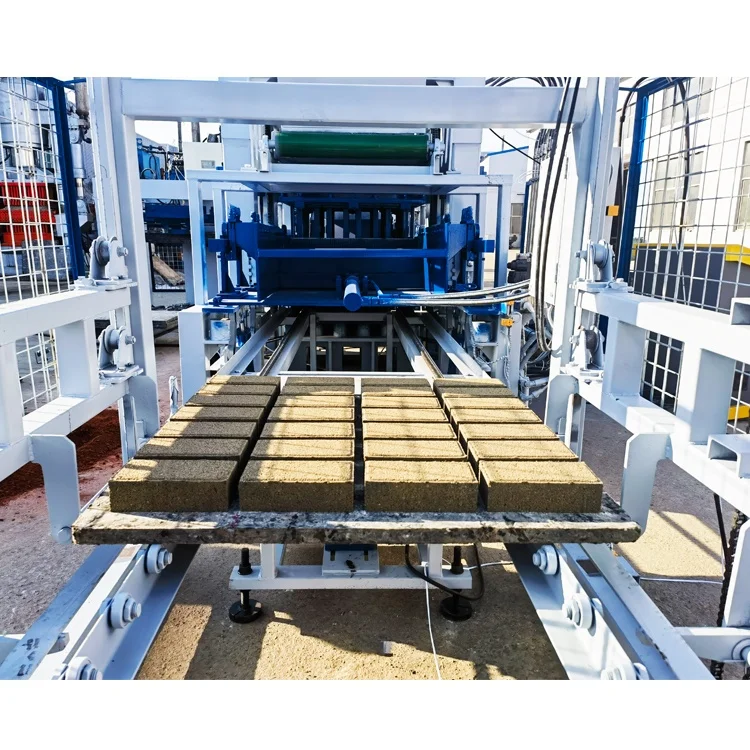
| Output (240×115×53mm solid brick) | 3240 pcs/hour, 16200-19440 pcs/8hr |
| Applied Products | Hollow block, solid brick, paver, curbstone, interlocking brick |
| Raw Materials | Crushed stones, sand, cement, dust, fly ash |
Application Suitability
| Application | Material or Output |
|---|---|
| Hollow block production for residential and commercial wall systems | 400×200×200mm and 400×150×200mm formats from crushed stone and cement |
| Solid brick manufacturing for load-bearing and infill masonry | 240×115×53mm standard brick from sand, cement, and fly ash blends |
| Paving block and interlocking brick for driveways and walkways | Custom mould formats on the 850×550 mm pallet |
| Kerbstone production for road and curb edging | Dedicated kerb mould on the same press platform |
What Concrete Block Making Machine Specifications Leave Out of the Quoted Output
Cycle time means nothing without the block format attached to it.
I have watched buyers sign for a machine quoted at a certain pieces-per-hour figure, only to discover on commissioning day that the number assumed a standard hollow block while their daily production target was interlocking pavers with a completely different mould footprint. The QT4-15 molding cycle runs between 15 and 25 seconds, but the actual throughput depends entirely on how many cavities the chosen mould places on the 850×550 mm pallet. When a supplier quotes capacity without naming the format, the concrete block making machine specifications become a moving target [NEED_CITE: block format assumptions in capacity quotations].
Matching Vibration Force to Your Mix Design
The QT4-15 delivers 40-50 kN of vibration force through the mould table, which compacts the concrete mix against the pallet surface. This figure must be read together with the hydraulic pressure that clamps the mould head down during the vibration phase. If your local aggregate contains a high clay or silt fraction, the mix absorbs vibration energy differently than clean crushed stone, and the same force setting can produce blocks with weak edges. That is why the first step I take with any buyer is requesting a sample of the actual aggregate so we can adjust vibration duration and pressure before the machine ships.
Pallet Size and the Curing Area You Already Have
Every cycle deposits a fresh block onto an 850×550×25 mm pallet, and that pallet travels to the curing rack. If your existing curing area was laid out for a different pallet dimension, or your forklift tines are too short to handle the full pallet width safely, the blocks pile up at the press exit instead of moving to cure. Confirming pallet size against the curing rack spacing and the forklift already on site avoids a bottleneck that no amount of press speed can fix. This is a practical check that belongs in the concrete block making machine specifications review before the order is placed.
Reading the Core Parameters Against Real Production
The 24 kW rated power feeds both the vibration motors and the hydraulic pump station, so continuous operation depends on stable voltage at that draw level. The JQ350 pan mixer pairs with the press to deliver a consistent batch; if your mix uses fly ash, the mixer discharge timing must match the press cycle so the hopper never runs dry or overflows. The semi-automatic automation level means pallets are fed and blocks are removed with operator involvement, which keeps capital cost lower while still allowing an upgrade path to full automatic stacking later. [NEED_CITE: semi-automatic to automatic upgrade paths in block plants]
The Cost of Skipping the Aggregate Conversation
Buyers who confirm the machine order without sending a local aggregate sample often discover on the first production day that block corners crack under demoulding or that surface finish is too rough for the paver market they intended to serve. Adjusting the vibration force after the machine is installed is possible, but it means lost production days, scrapped blocks, and sometimes a mould redesign that could have been avoided. The vibration and hydraulic settings must be tuned to the specific sand, stone, and cement proportions available at the buyer’s site [NEED_CITE: aggregate variability effects on block density].
Why Buyers Come Back for the Second Machine
The QT4-15 is specified as a matched system — press, mould, pallet, and JQ350 mixer — rather than assembled from separate quotations that may not align on cycle time. Mould design covers the formats your market actually sells, and custom drawings are available when standard catalogues do not include the kerbstone or interlocking profile you need. Capacity calculations in the proposal name the exact block format assumed for each output figure. Voltage, frequency, and PLC display language are confirmed in writing before production begins, so commissioning is not delayed by a control panel that speaks the wrong language. Installation support includes operator training on mould change procedure and daily maintenance routines specific to this press.
Documentation & Verification
- Line layout showing block format assumed for each output tier of the QT4-15
- Mould drawing and format list confirming included and custom mould profiles
- Pallet specification matched to your curing rack spacing and forklift capacity
- Voltage, frequency, and control language confirmation signed before production
- Factory test record on your aggregate mix and target block format
- Hydraulic and electrical schematic for the 24 kW power configuration
Installation, Commissioning & Support
- Foundation pad leveled to 3900×1600 mm footprint with anchor bolt template provided
- Dedicated 24 kW circuit with voltage and frequency confirmed for your local grid
- Mixer and press aligned on-site so JQ350 discharge matches the hopper feed height
- First production run tuned to your aggregate sample with vibration and pressure adjustment
- Mould change training on the QT4-15 covering tools required and sequence steps
- Wear parts list identifying hydraulic seals and vibration springs with replacement intervals
What We Need to Size the QT4-15 to Your Project
Send the block format or formats your market sells, along with the daily output target for each. Include a sample or lab report of your local aggregate so we can match vibration force and hydraulic pressure to the mix. Confirm your site voltage, frequency, and preferred control panel language so the electrical cabinet is built correctly the first time.
Frequently Asked Questions
Q: Why does the QT4-15 show different output figures for different block formats?
A: The number of mould cavities that fit on the 850×550 mm pallet changes with each block size. A 400×200×200mm hollow block places fewer cavities per cycle than a 240×115×53mm solid brick, so hourly output differs even though the molding cycle remains 15-25 seconds. We quote capacity per format, not as a single number.
Q: How do I choose the right pallet material for my curing setup?
A: The 850×550×25 mm pallet can be supplied in bamboo, steel, or PVC depending on your curing method and forklift capacity. Steam curing favors steel pallets for heat resistance, while air curing in humid climates may suit bamboo. We confirm material choice against your rack design before shipping.
Q: Can the QT4-15 run my local aggregate without modification?
A: The vibration force range of 40-50 kN and adjustable hydraulic pressure allow tuning to most aggregate types, but we require a sample to confirm settings before dispatch. High-clay or high-silt aggregates may need longer vibration duration or a modified mix ratio to maintain block edge strength.
Q: What electrical details must be confirmed before the machine is built?
A: Voltage, frequency, and PLC display language must be documented before production begins. The QT4-15 draws 24 kW, so your site must supply a dedicated circuit at the confirmed voltage and frequency. Mismatched electrical specs delay commissioning and may require transformer or panel replacement on arrival.