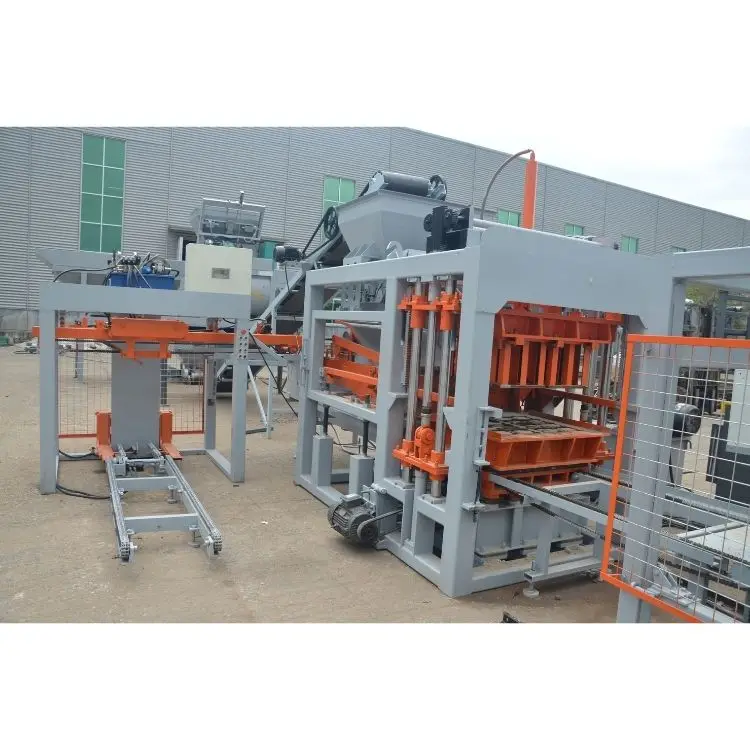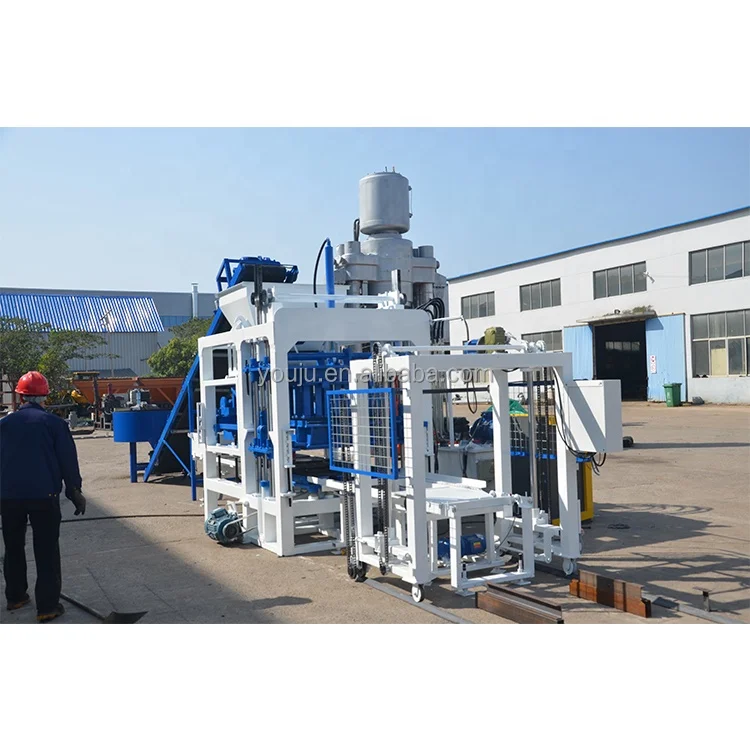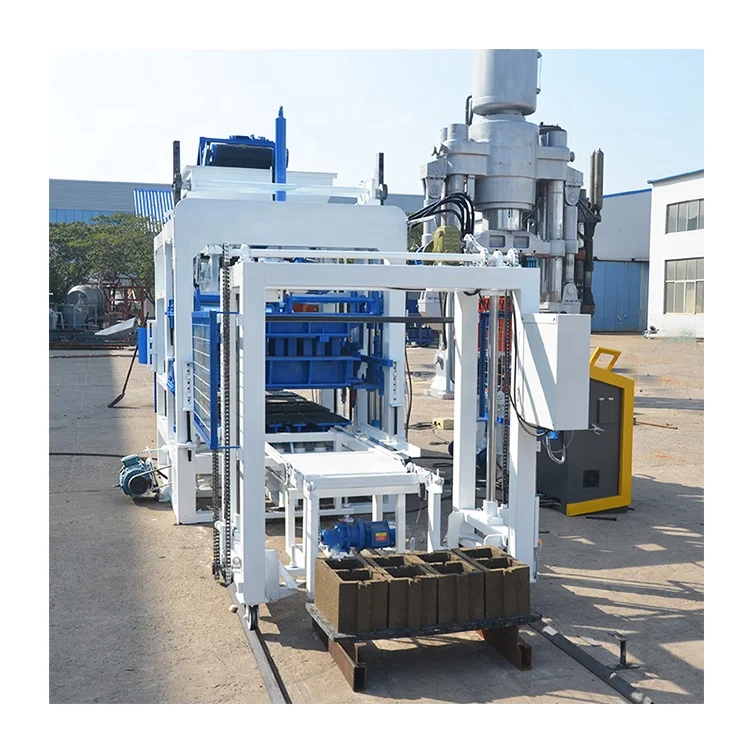


Description
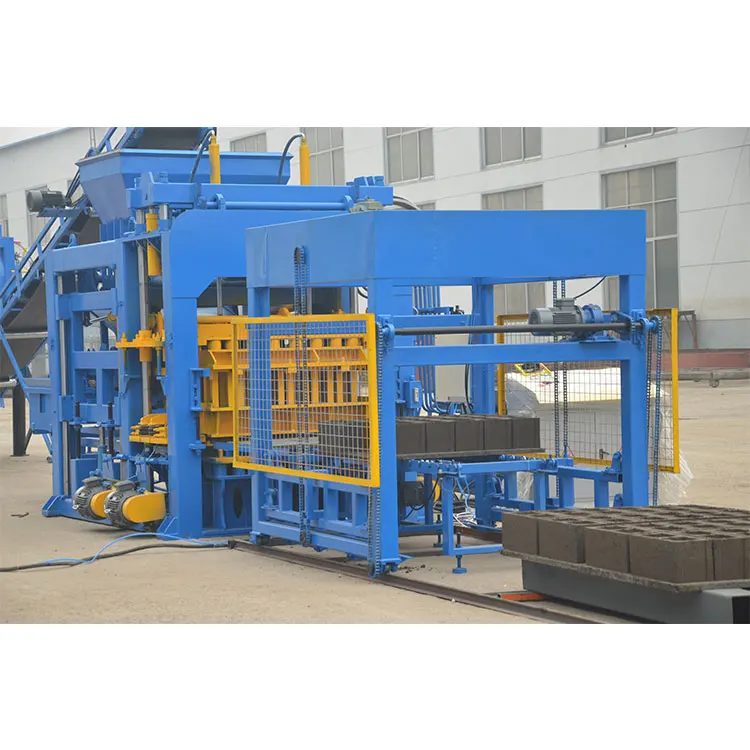
Format-Matched Output — the QT12-15 is specified against the block format the buyer actually sells, with daily output stated per format, mould count, and cycle time rather than a single headline figure.
Technical Specifications
| Parameter | Value |
|---|---|
| Model | QT12-15 |
| Product Type | Automatic Concrete Block Making Machine |
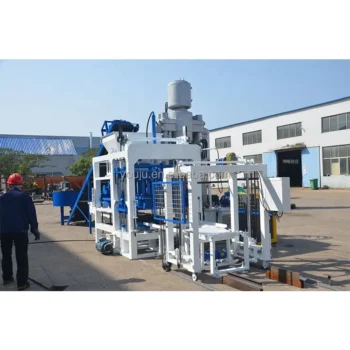
| Overall Dimensions (L×W×H) | 9350 × 2520 × 2950 mm |
| Rated Pressure | 21 MPa |
| Main Vibration Form | Platform Vibration |
| Vibration Frequency | 2800–4500 r/min |
| Vibration Acceleration | 15–20 g |
| Exciting Force | 120 kN |
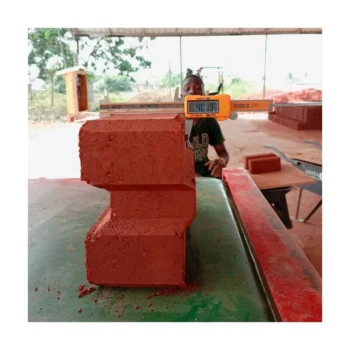
| Fixed Brick Height | 50–200 mm |
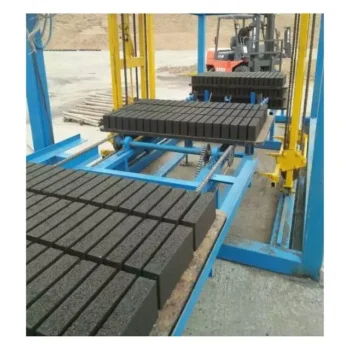
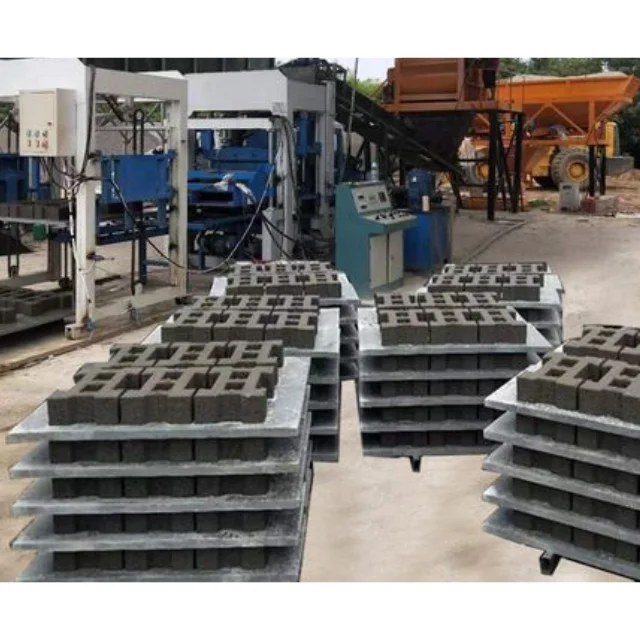
| Pallet Size | 1350 × 850 mm |
| Molding Cycle | 15–25 s |
| Storage Hopper Volume | 0.4 m³ |
| Feeding Device Volume | 0.31 m³ |
| Total Power | 50.7 kW |
| Total Weight | 12000 kg |
| Control System | PLC controlled (mechanical hydraulic synthesis) |
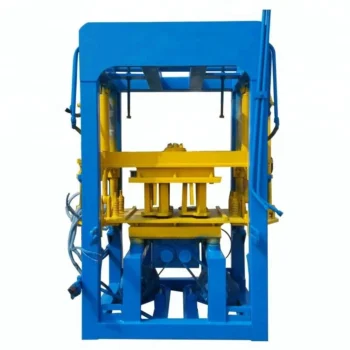
| Frame Structure | Gantry frame type, super steel, shock resistant |
| Material Feeding | Net wave swing type feeding device |
| Mould Material | Manganese steel, carburizing and quenching, cartridge type welding |
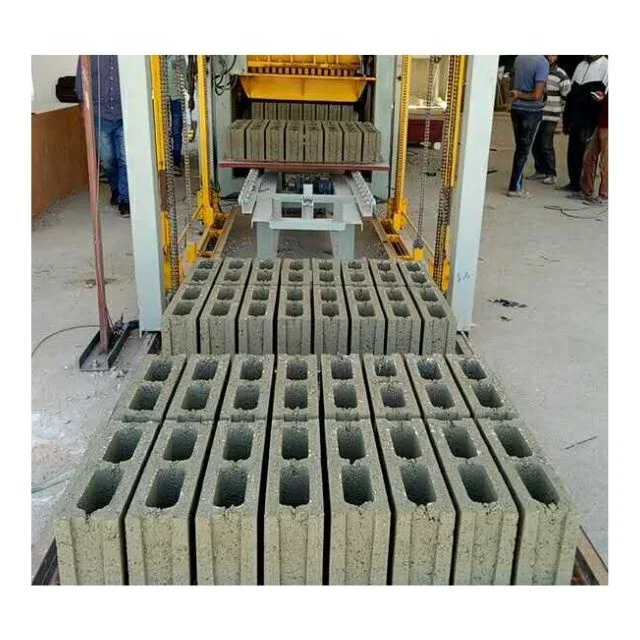
| Output – Hollow Block | 13,700–17,200 pcs/day (8h), based on 390×190×190 mm, 12 pcs/mould, 20–25 s cycle |
| Output – Porous Block | 40,300–50,400 pcs/day (8h), based on 240×115×90 mm, 35 pcs/mould, 20–25 s cycle |
| Output – Standard Block | 105,000–119,000 pcs/day (8h), based on 240×115×53 mm, 62 pcs/mould, 15–17 s cycle |
| Voltage & Frequency | Configurable (basis to be confirmed with buyer) |
| Matching Line Equipment | PL1200 batching machine, JS500 or JS750 mixer, 8 m conveyor belt, stacker |
Application Suitability
| Application | Material or Output |
|---|---|
| Hollow block production | 390×190×190 mm blocks from crushed stone, cement and local aggregate |
| Porous block production | 240×115×90 mm perforated bricks from cement and graded sand |
| Standard solid block | 240×115×53 mm solid bricks from fly ash, cement and river sand |
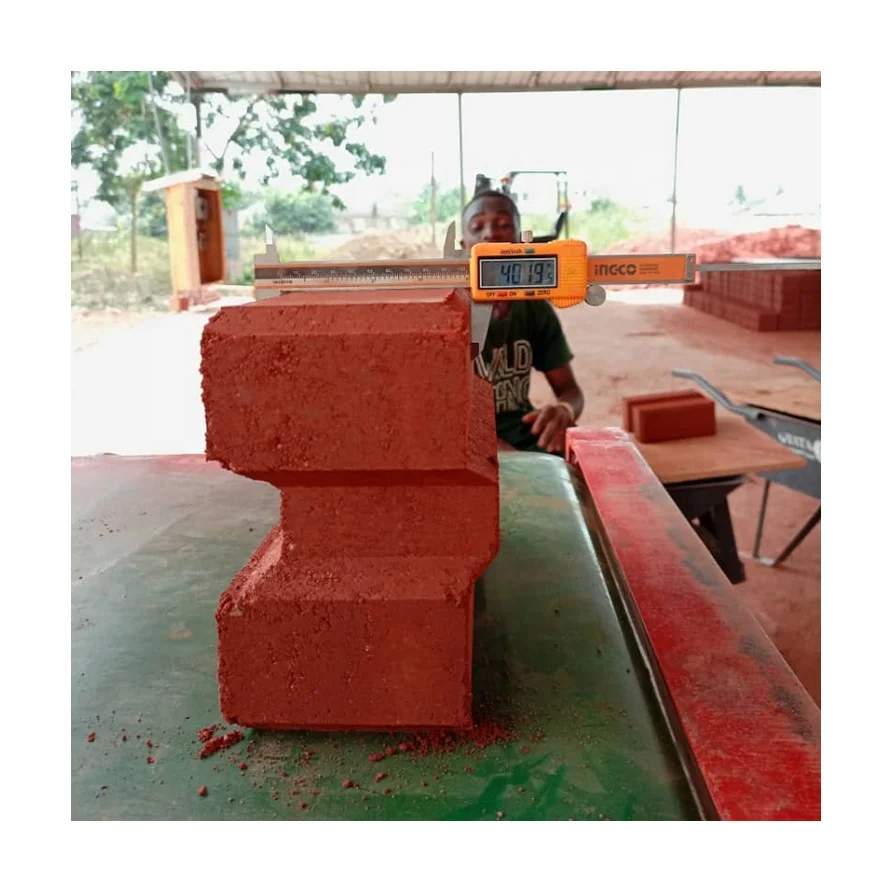
| Interlock brick | Interlocking paving units from crushed granite and cement |
| Cement paving block | Heavy-duty pavers from high-strength concrete mixes |
| Housing project supply | On-site block production matched to local building code formats |
What "15-Second Cycle Time" Actually Means for Your Daily Output
Cycle time is format-dependent — the QT12-15 concrete block making machine specifications list 15–25 seconds, but only because different block geometries demand different vibration and compaction durations.
Many quotations state a single cycle figure that assumes the fastest format, usually a thin solid brick. When a buyer runs 390×190×190 mm hollow blocks at that quoted pace, the core pins cannot withdraw cleanly and the green block collapses. The result is rework, scrap, and a daily tonnage well below what the contract promised [NEED_CITE: common discrepancies between quoted and actual block plant output]. I have walked into plants where the operator deliberately slows the press because the vibration dwell was never adjusted for the local sand’s moisture content, turning a supposedly automatic line into a babysitting job.
Matching Vibration to Block Geometry
Platform vibration at 2800–4500 r/min paired with 120 kN exciting force gives the QT12-15 concrete block making machine specifications enough range to cover both lightweight porous bricks and dense paving units. Lower frequency with longer dwell suits hollow blocks where the concrete must flow around core pins without segregation. Higher frequency and shorter cycle work for thin solid bricks where rapid compaction is the priority. The PLC stores these profiles so an operator switching formats recalls the correct parameters instead of guessing.
Pallet Size Determines the Rest of Your Plant
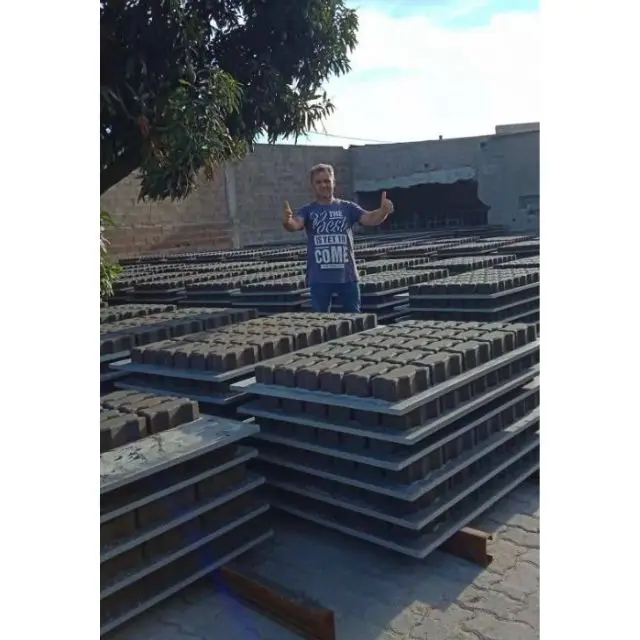
A 1350 × 850 mm pallet governs curing rack spacing, forklift fork width, and the turning radius inside the curing yard. If a buyer’s existing racks are built for 1200 × 700 mm pallets, the QT12-15 will not fit the infrastructure already on site [NEED_CITE: pallet dimension compatibility in block plant layout]. Confirming pallet dimensions before production avoids the cost of rebuilding curing racks or buying a different forklift after the machine arrives. The 50–200 mm fixed brick height range also means the same pallet accommodates kerbstones and thinner pavers without a separate pallet set.
Reading the Pressure and Vibration Numbers Together
Rated pressure of 21 MPa and vibration acceleration of 15–20 g work as a pair: hydraulic pressure sets the static compaction while vibration rearranges aggregate particles to close voids. If local aggregate is rounded river gravel, the mix lacks the interlock angularity that crushed stone provides, and vibration alone cannot reach target density. In those cases the operator must increase hydraulic dwell or adjust the aggregate blend. Understanding this interaction prevents blaming the press for low block strength when the real issue is mix design [NEED_CITE: relationship between aggregate shape and concrete block compressive strength]. The net wave swing feeding device distributes material evenly across the mould cavity, reducing density variation from front to back of the pallet.
The Cost of Skipping Format-Level Capacity Checks
When a plant signs a contract based on a headline output number, the daily shortfall only appears after commissioning. By that point the machine is bolted down, the curing yard is poured, and renegotiation is difficult. A hollow block rated at 13,700–17,200 pieces per eight-hour day assumes 12 cavities per mould and a 20–25 second cycle; if the buyer’s market demands a larger 400×200×200 mm format with fewer cavities, actual throughput drops proportionally [NEED_CITE: impact of mould cavity count on daily block output]. Mould change time also eats into production — a format switch that takes most of a shift defeats the flexibility a multi-format plant is supposed to deliver.
Why Sourcing from a Format-Focused Supplier Matters
Every machine leaving the workshop is configured against the buyer’s sample material and target block format, not a catalogue default. Mould design covers the formats the buyer’s market actually sells, including custom drawings when a project specifies a non-standard bond pattern. The pallet size, curing rack layout, and forklift specification are confirmed together so the press is not an island surrounded by mismatched handling equipment. Voltage, frequency, and PLC display language are locked before production to avoid commissioning delays [NEED_CITE: export machinery voltage and language confirmation before shipment]. Capacity calculations state the exact block format behind every output figure, removing guesswork from the buyer’s financial model.
Documentation & Verification
- Line layout showing pallet flow from press through curing racks to cubing station
- Capacity calculation sheet listing mould count, cycle time, and format for each output figure
- Mould drawing pack with dimensional tolerances and format list
- Hydraulic and electrical schematic matching the as-built configuration
- Voltage and PLC language confirmation signed before production starts
- Factory test record on the buyer’s specified block format before dispatch
Installation, Commissioning & Support
- Foundation plan sized to the 9350 × 2520 mm footprint and 12,000 kg operating weight
- Dedicated 50.7 kW power circuit with voltage and frequency matched to site supply
- Machine shipped in dismantled modules for standard container loading
- On-site vibration frequency and hydraulic dwell tuned to the buyer’s aggregate sample
- PLC operator training covering format recall, fault codes, and cycle adjustment
- Manganese steel mould wear parts list with reorder lead times confirmed at handover
What to Send with Your Inquiry
To size the QT12-15 correctly, share the block formats your market sells most, including dimensional drawings if available. Provide a sample or lab report of your local aggregate — sand type, moisture range, and maximum particle size — so vibration parameters can be set before shipping. Confirm your site voltage, frequency, and preferred PLC display language. If you already operate curing racks or forklifts, send their dimensions so the 1350 × 850 mm pallet can be validated against your existing infrastructure.
Frequently Asked Questions
Q: How is daily output calculated for each block format on the QT12-15?
A: Each output figure lists the block dimensions, cavity count per mould, and cycle time used in the calculation. For hollow blocks at 390×190×190 mm, 12 cavities and a 20–25 second cycle yield 13,700–17,200 pieces over eight hours. Changing any of these three variables changes the result proportionally.
Q: Which mould formats are available, and can I order custom designs?
A: Standard moulds cover hollow, porous, solid, interlock, and paving formats within the 50–200 mm brick height range. Custom moulds can be designed from buyer-supplied drawings, including non-standard bond patterns or project-specific dimensions, manufactured from carburized manganese steel.
Q: How does the 1350 × 850 mm pallet interact with my curing yard?
A: Pallet dimensions set the minimum rack width, forklift fork spacing, and aisle turning radius. Share your existing rack and forklift specifications before production so compatibility is confirmed, avoiding costly yard modifications after the machine arrives.
Q: What block strength is achievable with my local aggregate?
A: The 21 MPa rated pressure and 120 kN exciting force can produce blocks meeting common structural grades, but final strength depends on mix design and aggregate angularity. Sending a material sample allows vibration frequency and dwell to be adjusted to your specific aggregate before commissioning.
Q: How long does a format change take on this machine?
A: Mould change involves releasing the cartridge-type weld mounts, swapping the mould box, and recalling the PLC vibration profile for the new format. Actual time depends on operator familiarity and whether a pallet size change is also required; first-time changeovers take longer until the crew establishes a routine.