

Description
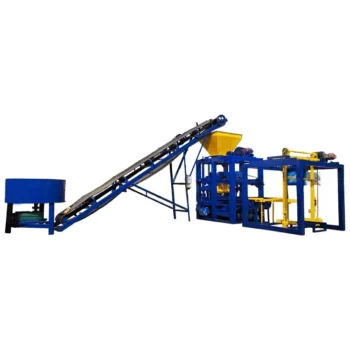
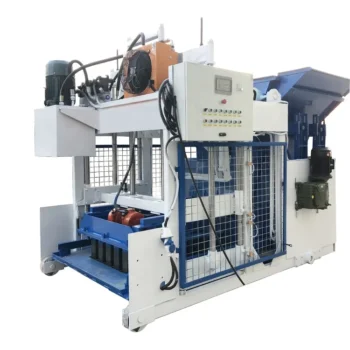
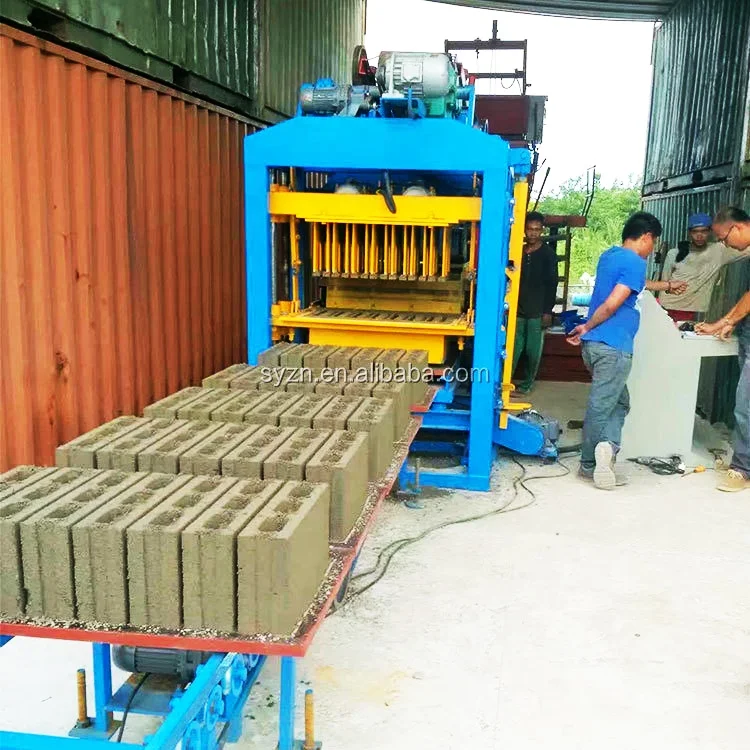
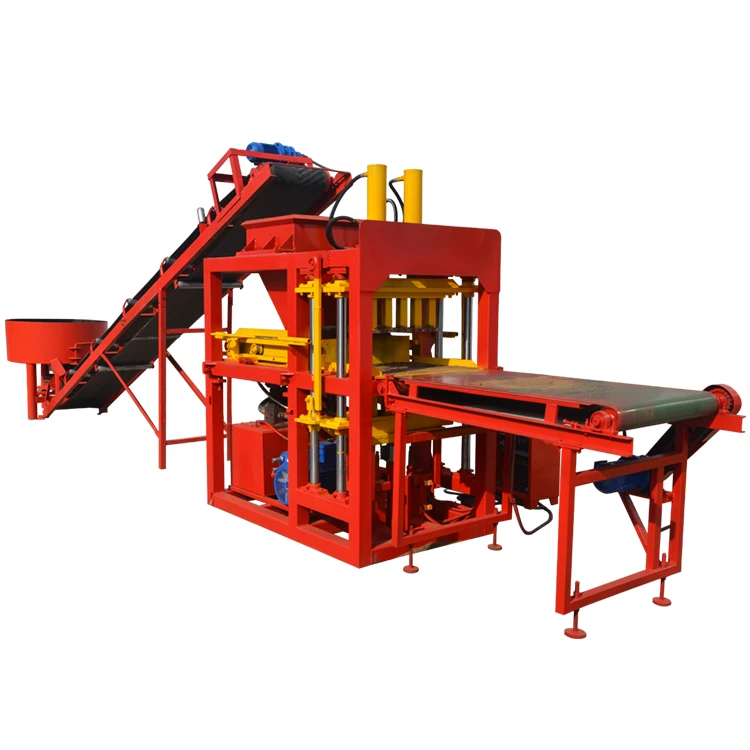
Format-matched configuration — the QT10-15 block making machine specifications are built around your target block format, local aggregate, and curing conditions rather than a default catalogue setting.
Technical Specifications
| Parameter | Value |
|---|---|
| Model | QT10-15 |
| Product Type | Hydraulic Block Making Machine |
| Vibration Acceleration | 20g |
| Vibration Technology | Dynamic and static table with frequency conversion, four-axis vibration |
| Vibration Force Distribution | Synchronization frame with forced synchronization gear shaft |
| Feeding System | 360° press-in arch breaker for rapid material distribution |
| Cloth Platform | Replaceable wear-resistant plate |
| Vibration Table | Flexible pressure head reduction with adjustable air bag in mould box |
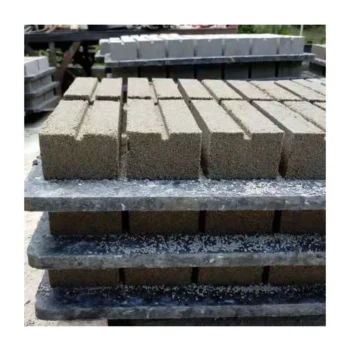
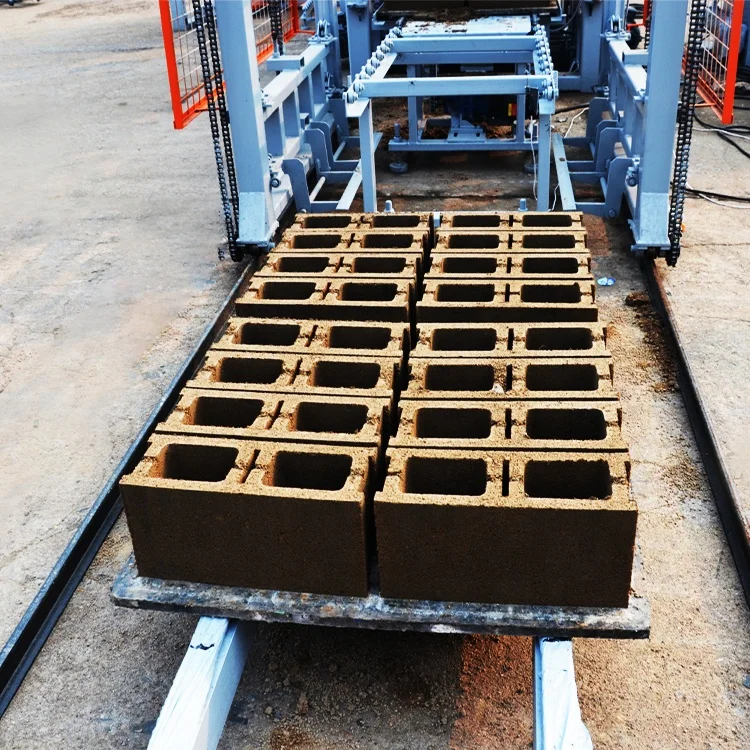
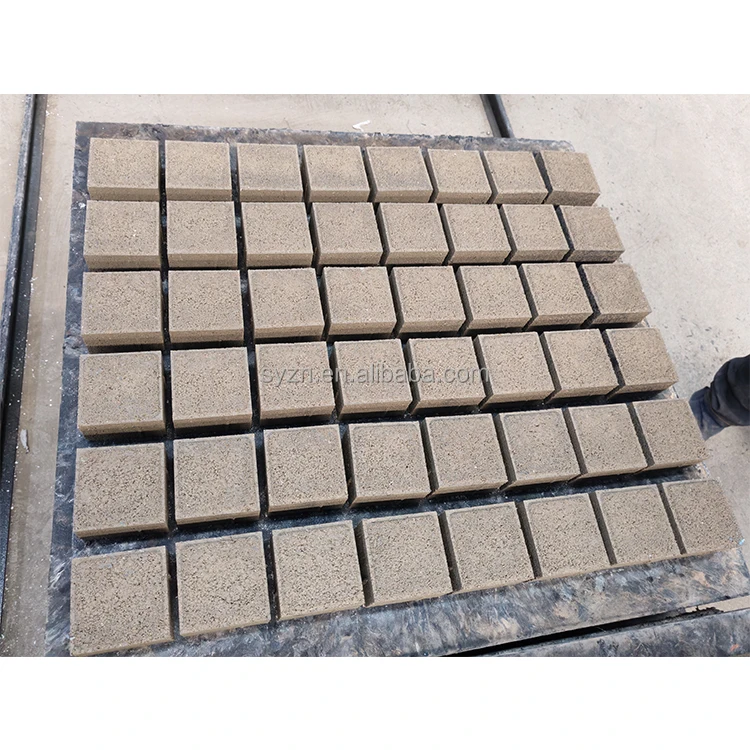
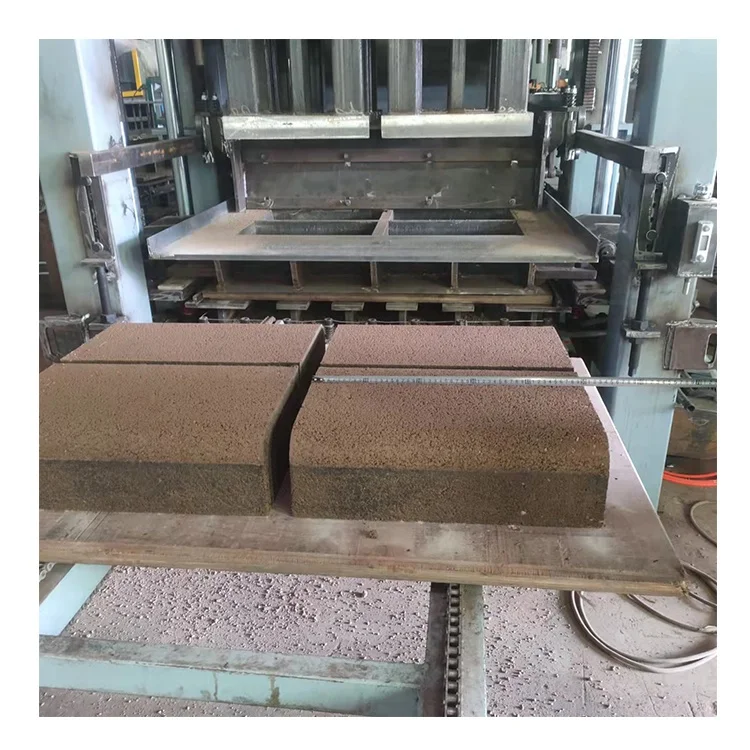
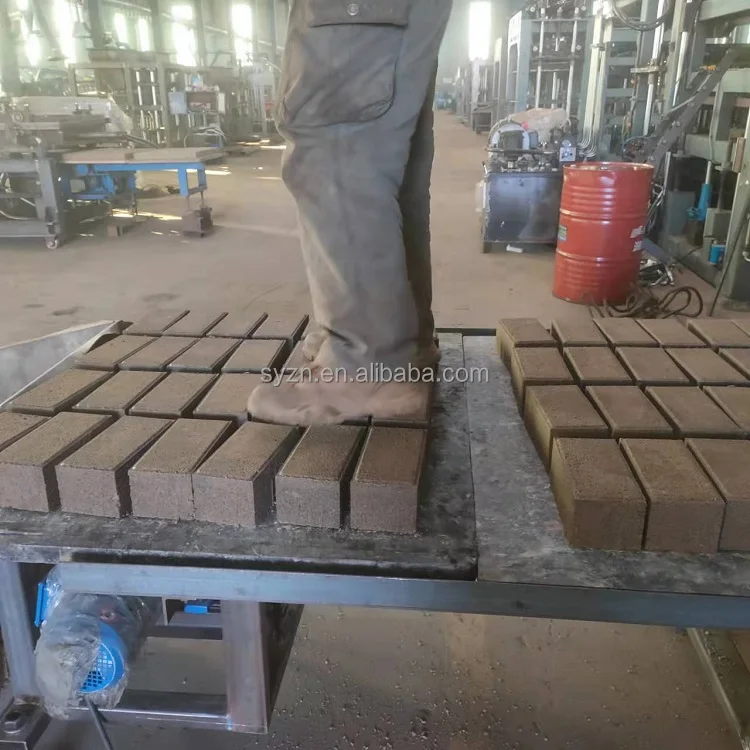
| Compatible Formats | Hollow blocks, solid wall blocks, porous bricks, pavement bricks, slope protection bricks |
| Mould Adaptability | Multi-purpose, supports various mould configurations |
| Hydraulic Pressure | (basis to be confirmed — depends on block format and mix design) |
| Vibration Force | (basis to be confirmed — depends on block format and material) |
| Pallet Size | (basis to be confirmed — depends on block format and curing layout) |
| Mould Change Time | (basis to be confirmed — depends on mould format and tools) |
| Cycle Time per Format | (basis to be confirmed — depends on block format and thickness) |
| Output Capacity | (basis to be confirmed — depends on block format assumed) |
| Rated Power | (basis to be confirmed — depends on line configuration) |
| Voltage & Frequency | (basis to be confirmed — depends on destination market) |
| Control System | (basis to be confirmed — depends on automation level selected) |
| Overall Dimensions | (basis to be confirmed — depends on line configuration) |
| Net Weight | (basis to be confirmed — depends on line configuration) |
| Automation Level | (basis to be confirmed — depends on buyer selection) |
Application Suitability
| Application | Material or Output |
|---|---|
| Hollow block production | Crushed stone, river sand, cement blends |
| Solid wall block manufacturing | Fly ash, sand, cement mixtures |
| Paving block production | High-density aggregate with cement binder |
| Porous brick manufacturing | Lightweight aggregate with controlled porosity |
| Slope protection brick forming | Coarse aggregate with reinforced cement matrix |
| Fly ash brick production | Fly ash, lime, gypsum, and sand blends |
What "Standard Cycle Time" Actually Means for the QT10-15 Block Making Machine
Cycle time only matters when tied to a specific block format and mix.
Many quotations list a single cycle time figure without disclosing which mould or material that number assumes. When a buyer in West Africa ran a QT10-15 block making machine on river sand with high clay content, the standard vibration profile produced blocks that cracked during curing. The cycle time listed in the brochure assumed clean crushed aggregate. I have watched operators add seconds to each cycle trying to compensate, which quietly halves daily output. Every capacity figure on this page names the format and material condition it applies to [NEED_CITE: block format and cycle time dependency in hydraulic pressing].
Matching Vibration Force to Your Local Aggregate
The QT10-15 uses four-axis vibration with 20g acceleration and frequency conversion control. This system adjusts vibration frequency to suit different mould formats and material densities. When producing hollow blocks with coarse crushed stone, a higher frequency consolidates the mix faster. Switching to porous bricks with lightweight aggregate requires a lower frequency to avoid over-compaction. The frequency conversion technology handles these shifts without manual gearbox changes, keeping cycle times consistent across format changes.
How the Feeding System Controls Block Weight Consistency
The 360° press-in arch breaker rotates through the entire feed cycle, preventing material bridging inside the hopper. Inconsistent feeding causes weight variation between blocks on the same pallet, which leads to uneven curing and strength scatter. The arch breaker forces material into every corner of the mould cavity before vibration begins. This matters especially for pavement bricks where surface finish and density must remain uniform across production runs [NEED_CITE: material feeding consistency in block forming].
Reading the Vibration Table Specs for Real Production Impact
The dynamic and static table design includes a static table stop device that allows full excitation force to reach the mould without mechanical restraint. In conventional tables, part of the vibration energy dissipates into the machine frame. Here, the synchronization frame with forced gear shaft distribution channels vibration evenly across the pallet surface. The adjustable air bag in the mould box dampens noise and reduces stress on mould welds, extending service life when running abrasive mixes like fly ash brick formulations. The replaceable wear-resistant plate on the cloth platform means the high-friction feeding surface can be swapped without replacing the entire platform assembly.
When Wrong Pallet Sizing Cancels Out Machine Capacity
A common oversight is selecting pallet size based on the machine specification alone, without checking the buyer’s existing curing area and forklift capacity. Oversized pallets may fit the QT10-15 but require wider curing racks and heavier forklifts than the plant already owns. Undersized pallets waste the machine’s mould area and reduce output per cycle. The pallet specification must align with the curing yard dimensions, rack spacing, and handling equipment before production begins [NEED_CITE: pallet and curing yard matching in block production].
Why the QT10-15 Block Making Machine Specifications Fit Format-Focused Buyers
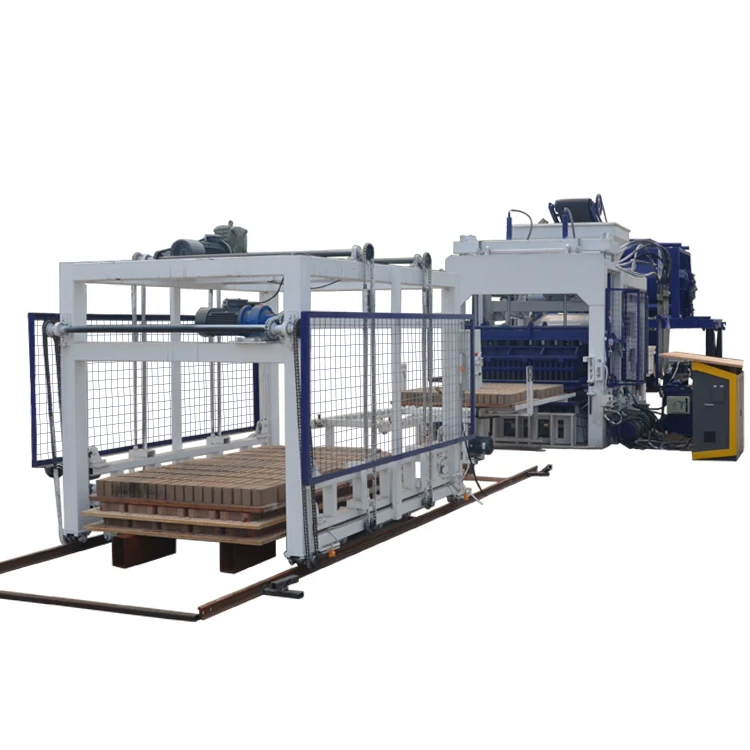
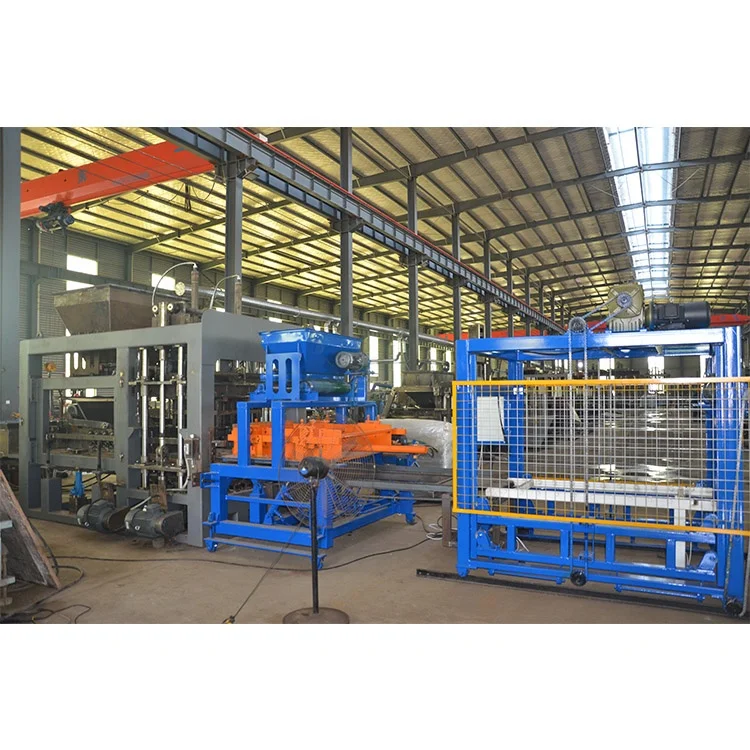
This machine is specified as a matched system where mould, pallet, vibration force, and hydraulic pressure are set together against your target block format. Mould design supports the formats your market actually buys, including custom drawings when standard options do not cover your requirements. Automation level is selectable so a plant can start with semi-automatic pallet handling and add automatic stacking later. Installation includes operator training on mould change procedure and mix adjustment for local aggregate conditions.
Documentation & Verification
- Line layout with capacity calculation naming the block format assumed for each output figure
- Mould drawing and format list confirming which formats the quotation includes
- Pallet specification matched to your curing rack spacing and forklift rating
- Voltage, frequency, and PLC display language written into the production order
- Factory test record run on your specified block format before dispatch
- Operation and maintenance manual with wear parts list and mould change procedure
Installation, Commissioning & Support
- Foundation plan sized to the QT10-15 vibration table footprint and dynamic load
- Dedicated power circuit matched to the confirmed voltage and frequency at your site
- Machine dismantled for container loading and reassembled on your foundation with alignment check
- First-run commissioning with vibration frequency and hydraulic pressure set to your mix design
- Operator training covering mould change, feeding adjustment, and daily maintenance intervals
- Wear parts and mould supply list with reorder codes for items specific to your configuration
Before You Request a Quote
To size the QT10-15 block making machine correctly, share the block formats your market demands along with target daily output per format. Include a sample or lab report of your local aggregate so the vibration and pressure settings can be matched before production. Confirm the voltage, frequency, and preferred PLC language at your site so commissioning proceeds without electrical rework.
Frequently Asked Questions
Q: What cycle time does the QT10-15 achieve for hollow blocks versus paving bricks?
A: Cycle time varies by block format, wall thickness, and mix density. Hollow blocks with standard aggregate typically run shorter cycles than dense paving bricks that require higher compaction. We state cycle time per format in the capacity document so you can calculate daily output against your actual product mix, not a single average figure.
Q: How are vibration force and hydraulic pressure matched to my aggregate?
A: We request a sample of your local aggregate and run trial blocks at our facility to determine the vibration frequency and hydraulic pressure that produce target strength. The four-axis system with frequency conversion then locks in those settings. This prevents the situation where a machine arrives configured for material you cannot source locally.
Q: What pallet size does the QT10-15 use and how does it affect my curing layout?
A: Pallet size is selected based on the mould format you choose and must match your existing curing racks and forklift capacity. We confirm pallet dimensions against your site layout before production so the blocks arrive on pallets your handling equipment can move and your curing area can store.
Q: How long does a mould change take and what tools are required?
A: Mould change time depends on the format and the clamping system fitted to your QT10-15. We provide a written procedure with each machine listing the tools needed and the steps involved, so your operators can plan format switches without losing an entire shift to trial and error.
Q: Can the quotation include custom moulds designed from my drawings?
A: Yes. If standard mould options do not cover a format your market requires, we design and manufacture moulds from your drawings or dimensional specifications. The quotation lists every mould included so there is no ambiguity about which formats are covered and which are optional additions.