Description
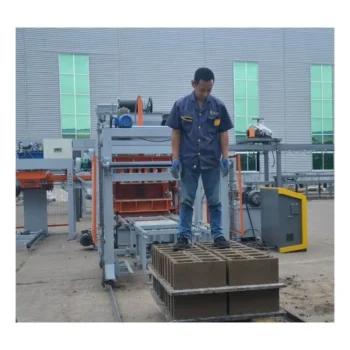
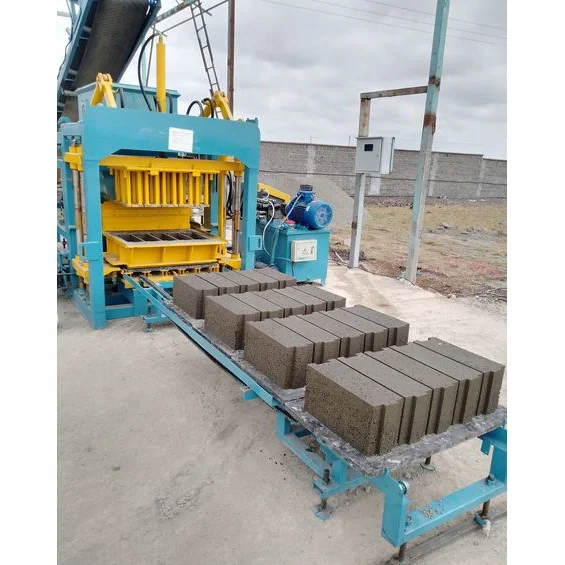
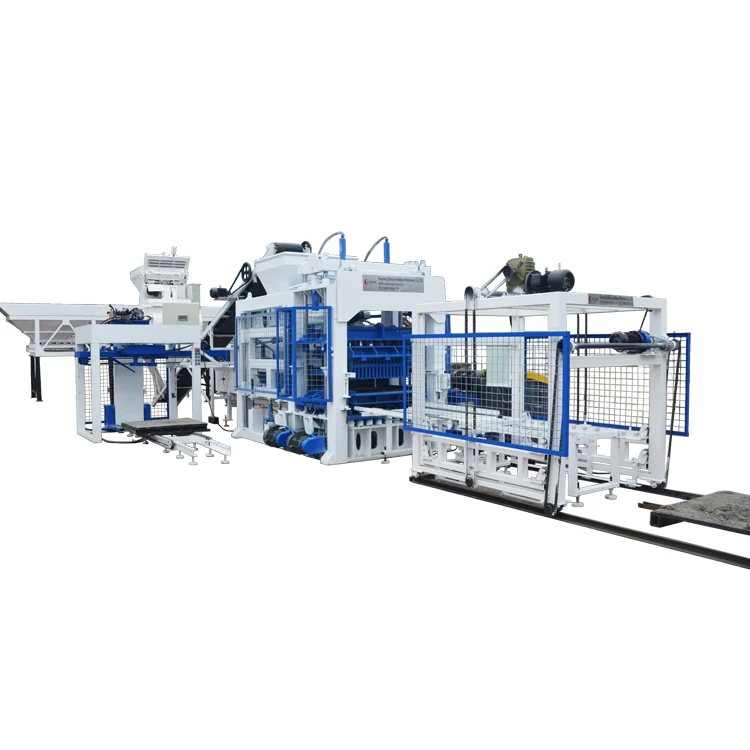
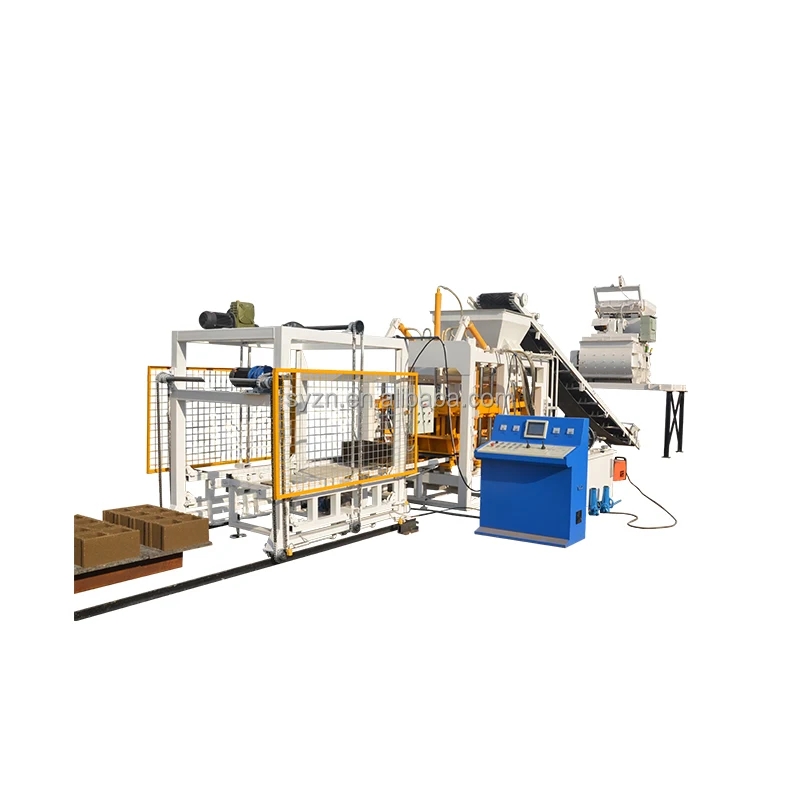
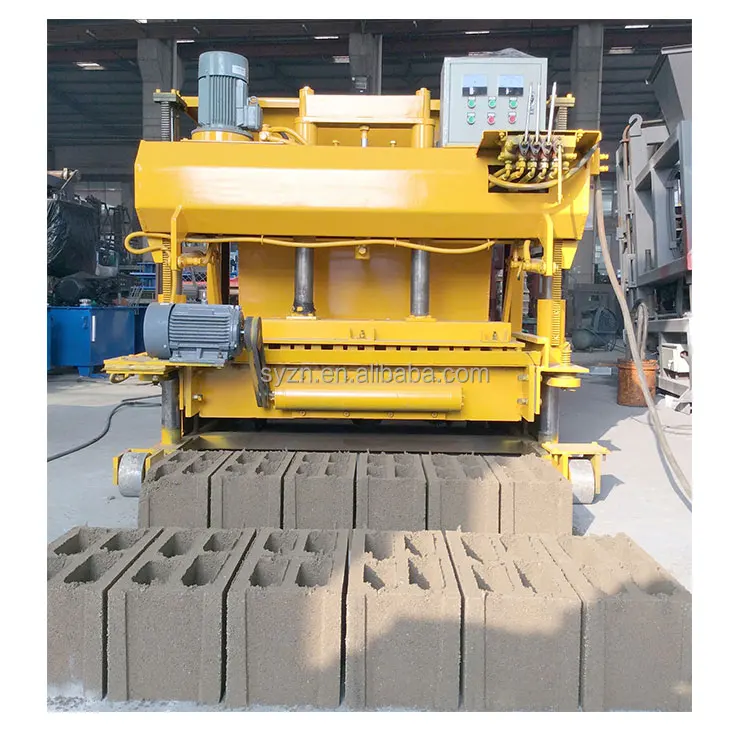
Mould-First Configuration — Every Qmy6-25 mobile egg-laying block machine is matched to the buyer’s actual block format and local aggregate before production begins, not shipped with a default catalogue mould.
Technical Specifications
| Parameter | Value |
|---|---|
| Model | Qmy6-25 |
| Product Type | Mobile Egg-Laying Block Making Machine |
| Molding Capacity | 6 pcs/mold |
| Hydraulic Pressure | 16 MPa |
| Vibration Form | Mold Vibration |
| Molding Cycle | 20s–25s (basis not stated in source — confirm block format, material, and thickness) |
| Turning Method | Hydraulic |
| Total Power | 9.6 kW |
| Total Mass | 2.5 Tons |
| Voltage & Frequency | Customizable according to buyer requirement |
| Automation Level | Mobile / egg-laying (no fixed plant required) |
| Pallet Size | Not applicable (egg-laying type, produces directly on ground) |
| Mould Format | Interchangeable moulds for various block formats |
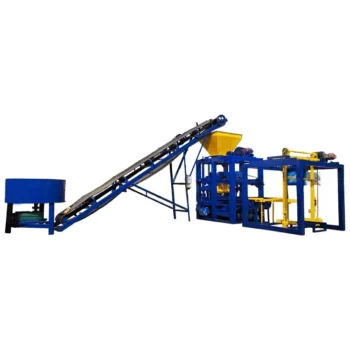
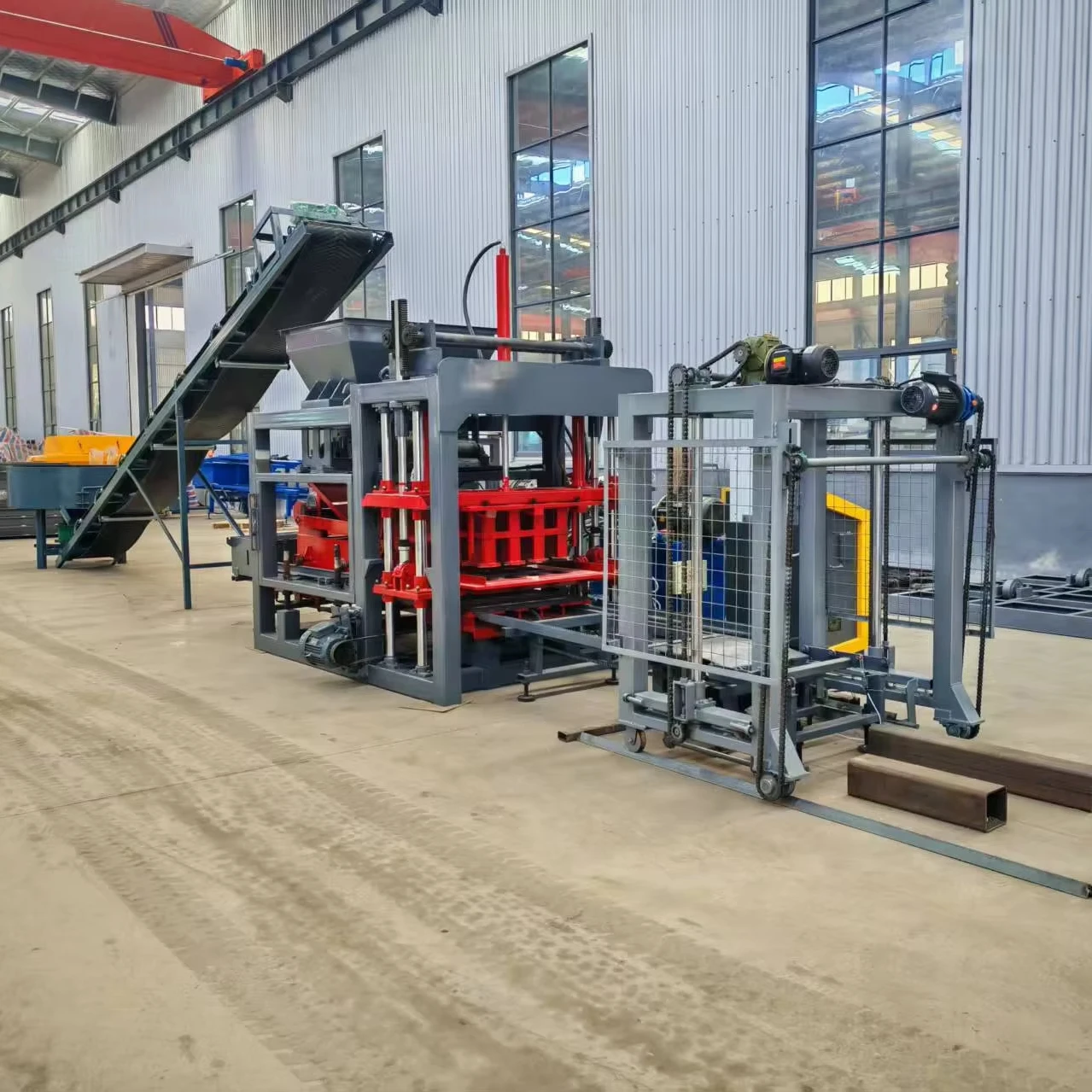
| Mixer Option | JS500 double-shaft mixer or JQ500 / JQ750 pan mixer (optional) |
| Feeding Method | Wheel loader or trolley (optional) |
| Stacking Method | Manual or optional block clamper |
| Warranty | 1 year (excluding spare parts) |
Application Suitability
| Application | Material or Output |
|---|---|
| On-site hollow block production | Crushed stone, sand, cement, and water mix laid directly on compacted ground |
| Solid block manufacturing for low-rise construction | Dense aggregate blends with higher cement content for load-bearing walls |
| Paving block production for walkways and yards | Fine aggregate and pigment mixes with extended vibration cycles |
| Contractor-operated remote job sites | Production without a fixed plant infrastructure in areas with limited power supply |
What "25 Seconds per Cycle" Actually Means for Your Daily Output
Cycle time is meaningless without the block format attached to it.
I have watched buyers in West Africa receive an egg-laying machine quoted at a single cycle figure, only to discover that switching from a 150mm hollow block to a paving format stretched the cycle well beyond what they planned for. The Qmy6-25 mobile egg-laying block machine carries a 20–25 second molding cycle on paper, but that number shifts depending on the block geometry, the aggregate grading available locally, and the moisture content of the mix [NEED_CITE: cycle time variance across block formats in egg-laying machines]. Without a format-specific capacity sheet, a buyer budgeting for a certain daily tonnage will consistently fall short once production begins. The honest approach is to state the assumed block size and mix alongside the cycle figure, so the real daily output can be calculated before the machine ships.
How Mould Selection Defines What This Machine Can Actually Produce
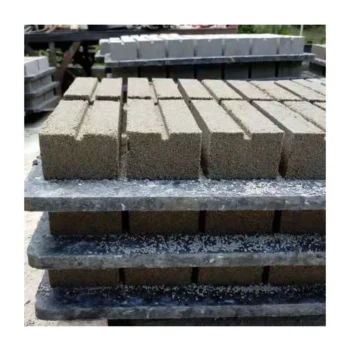
The Qmy6-25 uses an interchangeable mould system, meaning a single host machine can shift between hollow, solid, and paving formats by swapping the mould box. The 6-piece mould capacity applies to standard hollow blocks; solid blocks and pavers use different cavity layouts that change the pieces-per-cycle figure entirely. A buyer purchasing this mobile egg-laying block machine specifications package needs to confirm which block formats sell in their local market before the mould set is finalized, because ordering the wrong format mould means paying for an additional one and waiting for a second shipment.
Matching Vibration Force to Your Local Aggregate
Mold vibration at 16 MPa hydraulic pressure works well with standard crushed stone and river sand mixes, but laterite, volcanic ash, or high-clay aggregates demand different vibration amplitudes and cycle adjustments. I recall a project where laterite aggregate caused half the hollow blocks to crack before curing because the vibration settings were calibrated for a different material profile. Specifying the local aggregate type, its moisture absorption rate, and the target block strength before the factory test ensures the vibration parameters are set correctly [NEED_CITE: aggregate properties and vibration force matching in concrete block production]. The Qmy6-25 allows on-site parameter adjustment, but starting from a correct baseline saves weeks of trial and error.
Reading the Specs That Matter for Egg-Laying Production
The 9.6 kW total power draw tells you the electrical supply needed on site — this is a machine that can run from a generator in areas where grid power is unreliable, which is common across many parts of Africa and South Asia. The hydraulic turning method ensures the machine lifts and moves forward consistently after each cycle, leaving the freshly laid block undisturbed on the ground. Because this is an egg-laying type with no pallet system, the curing area must be a flat, compacted surface large enough to hold a full day’s production before blocks are moved. The total mass of 2.5 tons means relocation between sites is feasible with a standard flatbed truck, which suits contractors who move between projects rather than operating a fixed plant.
The Hidden Cost of Skipping Format Confirmation
When a buyer orders a mobile egg-laying block machine without specifying the exact block dimensions their market demands, the factory ships a default mould that may produce blocks in a size local builders do not use. The machine arrives, production starts, and the blocks sit unsold because the wall thickness or length does not match regional building codes. Then the buyer orders a custom mould, waits for manufacturing and shipping, and loses weeks of production time [NEED_CITE: common commissioning delays from unconfirmed block format specifications]. This is entirely avoidable if the format list and mould drawing are confirmed during the quotation stage.
Why Buyers Source This Machine Through Our Process
Block machinery is our single focus, so the Qmy6-25 is specified as a matched system — machine, mould, mixer, and handling are selected together rather than assembled from disconnected suppliers. We configure the vibration and hydraulic settings against the buyer’s actual mix design and local aggregate, not a generic factory default. Custom mould design to buyer drawings is available for formats outside the standard range. Automation level is selectable, so a buyer can start with manual stacking and add a block clamper later. Installation and commissioning support includes operator training on-site so the crew understands parameter adjustment for different formats.
Documentation & Verification
- Line layout stating the block format assumed for the 20–25s cycle calculation
- Mould drawing and format list confirming included and optional block sizes
- Voltage, frequency, and control language confirmation sheet before production
- Factory test record demonstrating cycle time and block strength with buyer’s mix
- Operation and maintenance manual with format-specific parameter tables
Installation, Commissioning & Support
- Site must provide a flat, compacted ground area sized to hold the Qmy6-25’s daily output for curing
- Electrical supply matching the confirmed voltage and frequency, with a dedicated circuit for the 9.6 kW load
- Machine arrives assembled; hydraulic turning mechanism and mould box require on-site alignment check
- First-day commissioning includes cycle time verification against the buyer’s specified block format
- Operator training covers mould change procedure, vibration parameter adjustment, and daily maintenance checkpoints
- Wear parts list provided with recommended reorder intervals for mould liners and hydraulic seals
What We Need to Configure Your Machine
To size the Qmy6-25 correctly, share the block formats your market sells, including exact dimensions and wall thickness for hollow blocks. Provide a sample or description of the aggregate available locally — whether crushed stone, river sand, laterite, or another material — along with the cement grade you plan to use. Confirm your site’s voltage and frequency so the motor and control panel are built to match. Let us know whether you need a mixer included in the scope and what feeding method suits your operation.
Frequently Asked Questions
Q: What is the realistic daily output of the Qmy6-25 for different block formats?
A: The 20–25 second molding cycle applies to a specific block format and mix that must be confirmed before quoting. Hollow blocks, solid blocks, and paving blocks each have different pieces-per-mould counts and cycle lengths. We provide a capacity calculation sheet that states the assumed format, so daily output is calculated from actual production conditions rather than a generic cycle figure.
Q: How long does a mould change take on site, and what tools are needed?
A: Mould change on the Qmy6-25 involves unbolting the current mould box and fitting the replacement. The exact time depends on operator familiarity and whether the correct tools are available on site. We include a mould change procedure in the operation manual and recommend keeping the required wrench set dedicated to this task to avoid searching for tools mid-shift.
Q: Which block formats can one Qmy6-25 produce, and are custom moulds available?
A: The host machine accepts interchangeable moulds for hollow, solid, and paving block formats within its molding envelope. Custom mould design to buyer drawings is available for non-standard sizes or special shapes. The buyer should confirm which formats are needed upfront so the initial mould set matches market demand and avoids ordering additional moulds after commissioning.
Q: How should voltage and motor specifications be confirmed before production?
A: Voltage and frequency vary across export markets, and an incorrect motor specification delays commissioning. We require written confirmation of the site’s power supply — including voltage, phase, and frequency — before the Qmy6-25 enters production. The control panel language is confirmed at the same stage so operators can read the display on day one.
Q: What mixer should be paired with the Qmy6-25 to avoid slowing down production?
A: The JS500 double-shaft mixer and the JQ500 or JQ750 pan mixer are available as options. The correct choice depends on the mix design and the volume needed per cycle. An undersized mixer forces the press to wait between batches, while an oversized one wastes power and floor space. We match the mixer capacity to the Qmy6-25’s cycle rate during the line layout stage.