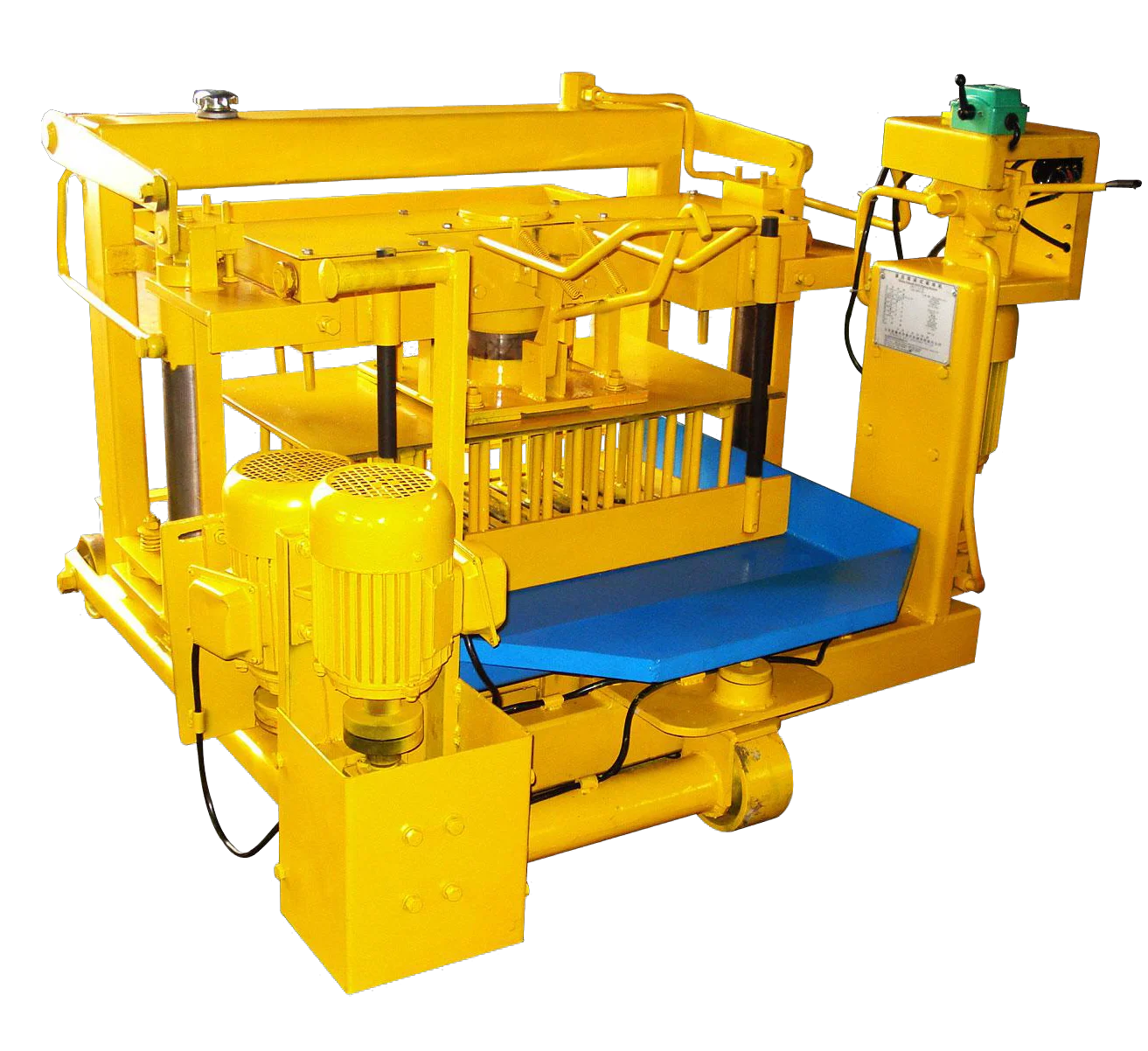
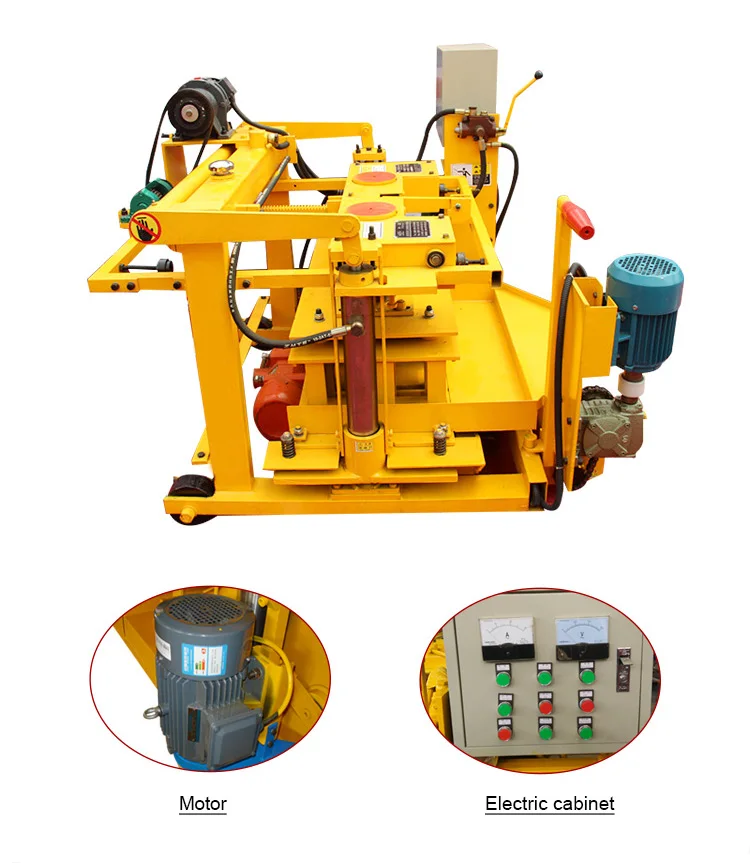
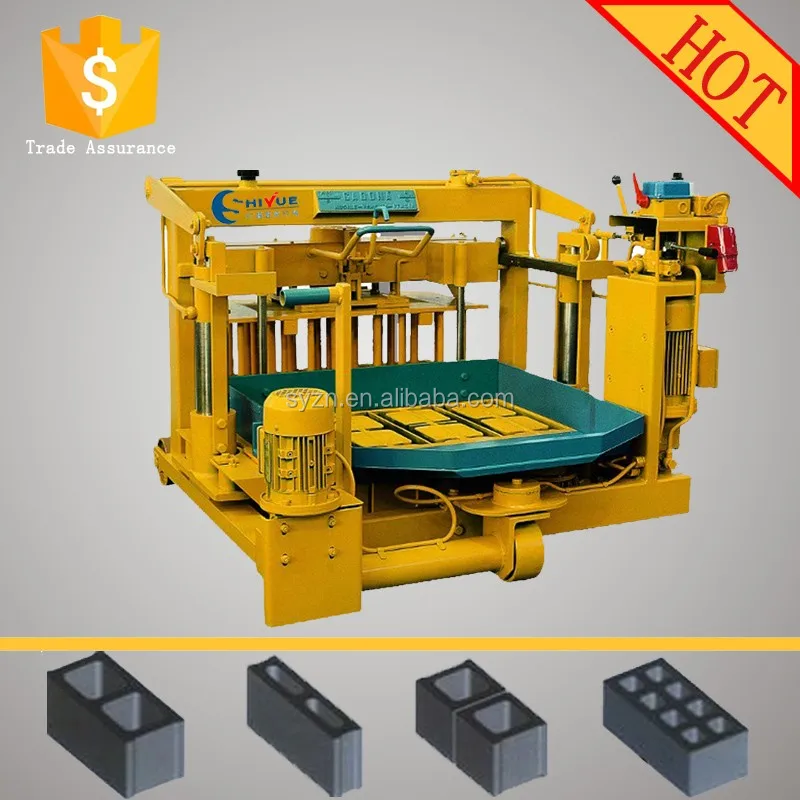
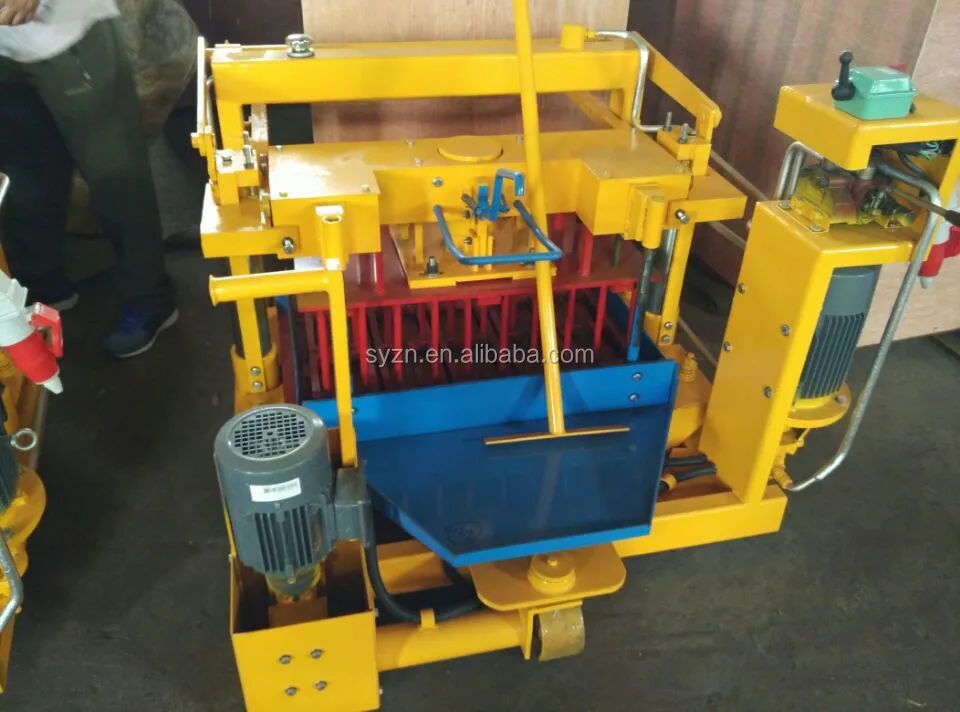


Description
Mould-to-Market Matching — every QMY4-30 configuration starts from the block format your local market actually buys, not a catalogue default.
Technical Specifications
| Parameter | Value |
|---|---|
| Model | QMY4-30 |
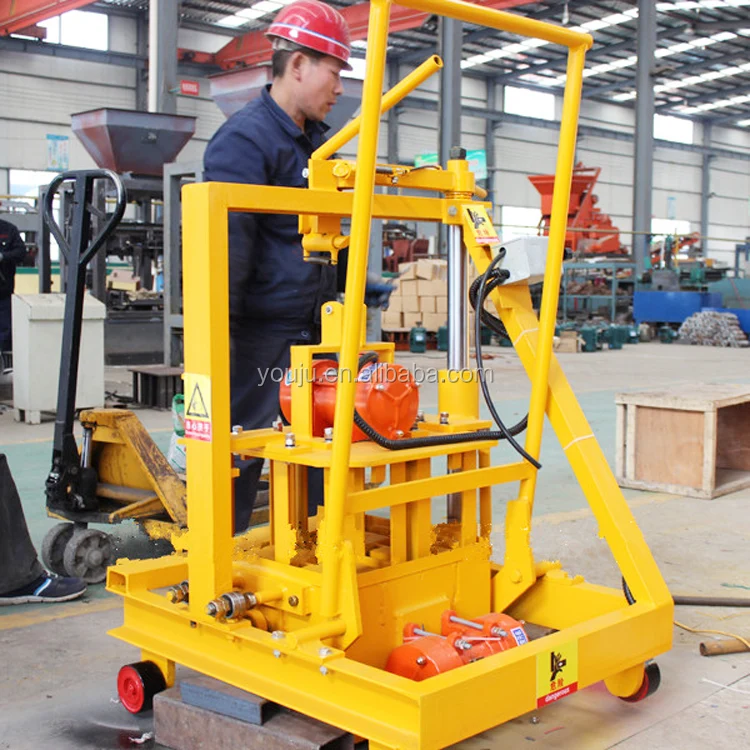
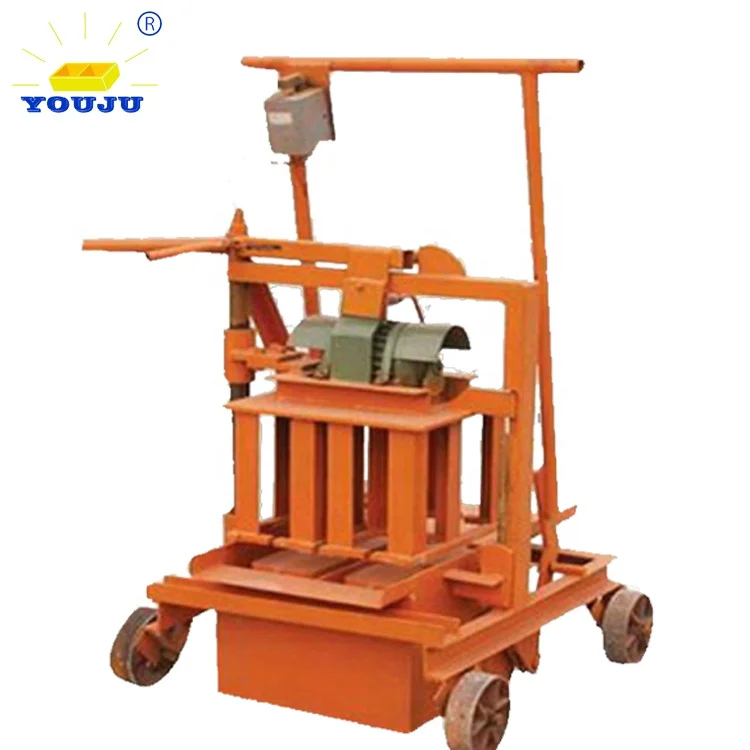
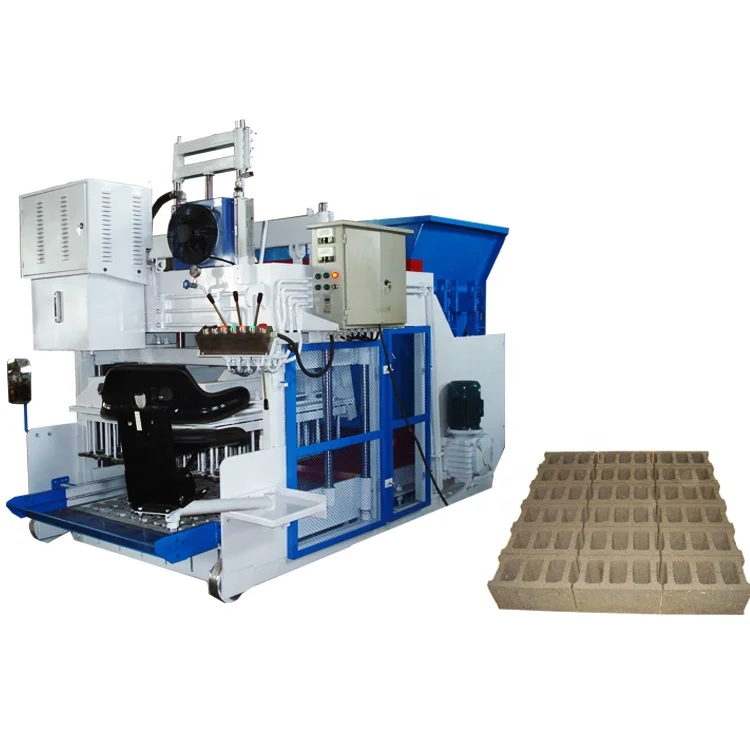
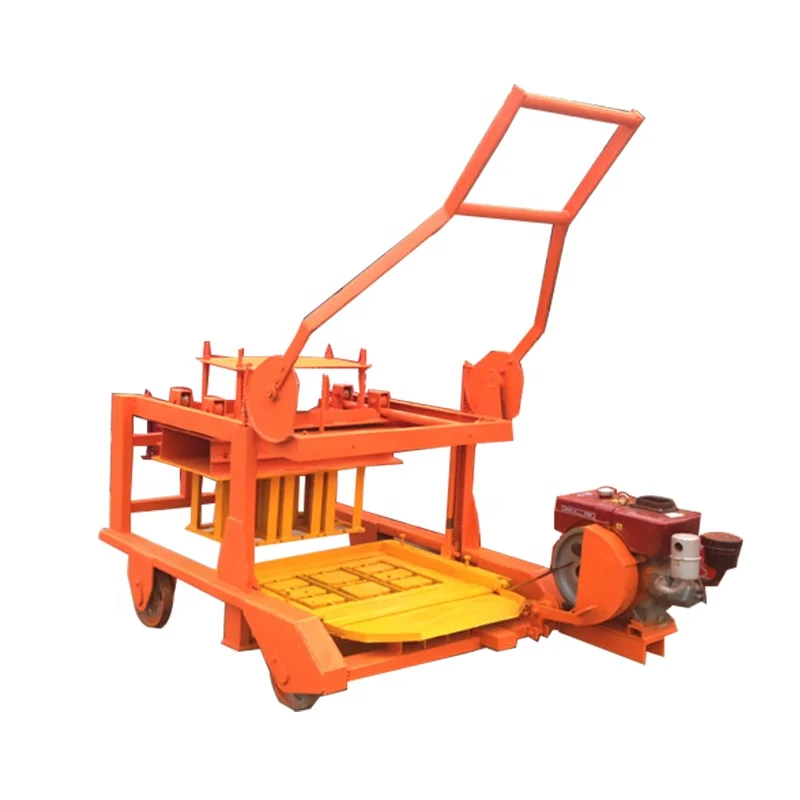
| Product Type | Mobile hydraulic egg-laying block machine (palletless operation) |
| Excitation Method | Mold box excitation |
| Transmission | Hydraulic |
| Pallet Requirement | None (produces directly on ground) |
| Applicable Terrain | Mountainous, hilly, industrial mining, desert, and coastal areas |
| Automation Level | Manual / semi-manual operation |
| Output Capacity | Not stated in source (basis not stated in source — confirm block format, material, thickness) |
| Cycle Time | Not stated in source (basis not stated in source — confirm block format) |
| Hydraulic Pressure | Not stated in source |
| Vibration Force | Not stated in source |
| Mould Format | Not stated in source (options available: hollow, solid, paving, interlocking) |
| Mould Change Time | Not stated in source |
| Overall Dimensions (L×W×H) | Not stated in source |
| Net Weight | Not stated in source |
| Rated Power | Not stated in source |
| Voltage & Frequency | Configurable to site supply (to be confirmed before production) |
| Certification | ISO 9001:2000, CE |
Application Suitability
| Application | Material or Output |
|---|---|
| On-site hollow block production for housing projects | Cement, sand, crushed stone, local aggregate |
| Solid block laying in remote or mountainous construction sites | Cement, quarry dust, gravel |
| Paving block and interlocking brick production for road and landscape contractors | Cement, fine aggregate, pigment where required |
| Low-investment entrepreneur block plants with no pallet infrastructure | Locally available sand, stone dust, volcanic ash, or fly ash blends |
What "Cycles per Hour" Leaves Out When Sizing a Mobile Block Machine
Output means nothing until you know which block format and which mix the number assumes.
I have watched contractors in Southeast Asia take delivery of a mobile egg-laying machine, fire it up on their local volcanic ash aggregate, and produce half the blocks the brochure promised. The machine was not defective — the capacity figure simply assumed a standard sand mix that the buyer could not source within five hundred kilometres of the site [NEED_CITE: local aggregate variability and its effect on block cycle time]. When mobile block machine specifications are quoted as a single cycles-per-hour number, the buyer has no way to compare two suppliers honestly. The honest approach is to state output per format — hollow, solid, paving — each with its own cycle time, mix assumption, and mould drawing attached to the quotation.
Matching Mould Formats to What Your Market Actually Sells
A mobile egg-laying machine only earns its keep if the moulds it carries produce the formats your buyers are ordering this month. The QMY4-30 accepts interchangeable moulds for hollow blocks, solid blocks, paving blocks, and interlocking bricks, letting a contractor switch product lines without buying a second press. The real question at inquiry stage is which formats the quotation includes and whether the mould drawings match the dimensional standards of your destination market. Mobile block machine specifications should always list the exact mould formats supplied, not just say "multi-purpose."
Why Local Aggregate Decides Your Real Daily Output
The density and weight of your aggregate directly change how fast the mold box fills, how long vibration must run, and ultimately how many blocks leave the machine each shift. A lightweight volcanic ash blend behaves differently from river sand or crushed granite, and the hydraulic pressure and vibration force must be adjusted to compensate [NEED_CITE: effect of aggregate density on vibration compaction time]. Before any QMY4-30 leaves the factory, the buyer’s sample material should be tested so the excitation parameters are set for that specific mix — not a generic default that looked good on a showroom floor.
Reading the Specs That Actually Matter on Site
Mold box excitation paired with hydraulic transmission gives the operator control over compaction force, which is the single biggest factor in block density and stacking strength. Palletless operation means the machine lays blocks directly on a prepared ground surface, removing the capital cost and curing-area logistics of a pallet fleet — but it also means the ground must be level, firm, and large enough to hold a full shift’s output. The mould change procedure determines how quickly a contractor can switch from hollow to paving format within the same workday; a slow change cancels out the format flexibility the machine was bought for [NEED_CITE: mould change time impact on multi-format daily output]. Voltage and frequency must match the site generator or grid supply exactly, because a mismatch discovered after arrival delays commissioning by weeks while a transformer is sourced locally.
The Hidden Cost of Skipping the Mix-Design Conversation
When a buyer does not disclose their local aggregate source before ordering, the machine arrives configured for a mix they cannot buy. The result is blocks that crumble at the edges, cycle times that stretch beyond the quoted figure, and mould wear that accelerates because the vibration force is fighting the wrong material [NEED_CITE: premature mould wear from uncorrected mix mismatch]. I once took a call from a contractor in Indonesia who had his crew standing idle around a brand-new egg-laying machine because the blocks were too fragile to stack — the vibration was calibrated for standard sand while his site was running a pumice blend. That downtime and material waste could have been avoided with one sample shipment before production started.
Why Source This Machine Through a Format-First Approach
Block machinery is our single focus, so the QMY4-30 is specified as a matched system of machine, mould, and handling rather than assembled from separate catalogues. We set configuration against the buyer’s actual mix design, local aggregate, and target block format before the quotation is issued. Mould design covers the formats the buyer’s market sells, with custom drawings available when a project calls for a non-standard dimension. Automation level is selectable, so a contractor can start with manual pallet handling and add stacking later. Installation support includes on-site commissioning and operator training so the crew understands cycle timing and mould change from day one.
Documentation & Verification
- Line layout and capacity calculation stating the block format assumed for each output figure
- Mould drawing and format list confirming which block types the supplied moulds produce
- Voltage, frequency, and control language confirmation recorded before production begins
- Factory test record demonstrating cycle time and block quality against agreed format and mix
- Operation and maintenance manual with mould change procedure and wear parts list
Installation, Commissioning & Support
- Ground preparation requirements specified for palletless egg-laying operation on your terrain type
- Voltage and frequency confirmed against your site generator or grid before the QMY4-30 ships
- Machine shipped in assembled sections sized for standard container loading and easy site reassembly
- On-site commissioning with test runs using your local aggregate and target block format
- Operator training covering mould change, hydraulic adjustment, and daily maintenance routines
- Wear parts and mould inventory list provided so first replacements are on hand when needed
What We Need to Give You an Honest Quotation
Send us the block formats your market buys, the daily output you need per format, and a description or sample of your local aggregate. Include the voltage and frequency available at your site, whether from grid or generator, and the dimensions of the ground area you can dedicate to production and curing. With those details, the proposal you receive will state capacity per format, mould selection, and configuration — not a generic brochure number.
Frequently Asked Questions
Q: How is output capacity calculated and which block format does each figure assume?
A: We calculate output separately for each block format — hollow, solid, paving — based on the cycle time that your specific mix and mould require. The quotation states the block dimension, mix assumption, and curing condition behind every output figure, so you can compare honestly against your daily target.
Q: Which mould formats are available and how long does a mould change take?
A: The QMY4-30 accepts moulds for hollow blocks, solid blocks, paving blocks, and interlocking bricks. Mould change time depends on the format pair being switched and the operator’s familiarity; we provide a step-by-step procedure and train your crew during commissioning to keep the change within a practical portion of one shift.
Q: How are hydraulic pressure and vibration force matched to my aggregate?
A: Before production, we review your local aggregate type, gradation, and any admixtures. Hydraulic pressure and mold box vibration are then set to achieve the target block density without over-compacting or under-compacting the mix. A factory test with your sample material confirms the settings before shipment.
Q: What block strength can I expect and how is it verified?
A: Block strength depends on your mix design, cement ratio, and compaction settings. We target the compressive strength standard required by your market and verify it during the factory test. The test record, including sample block results, is included in your documentation package.
Q: What curing area does a palletless egg-laying machine require?
A: Because the QMY4-30 lays blocks directly on the ground, the curing area must be at least as large as one full shift’s output spread across a level surface. We help you calculate the square metres needed based on your chosen block format and daily volume during the line layout stage.