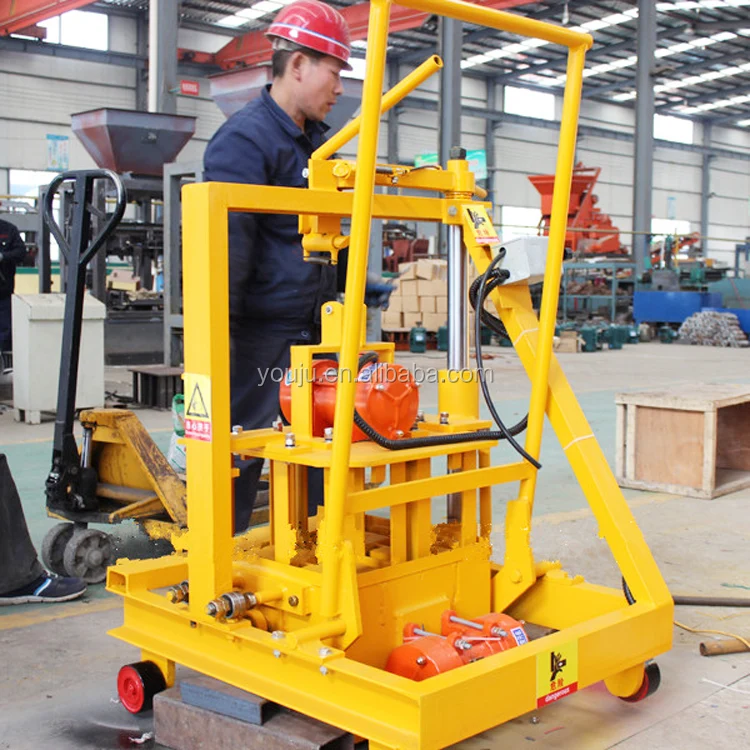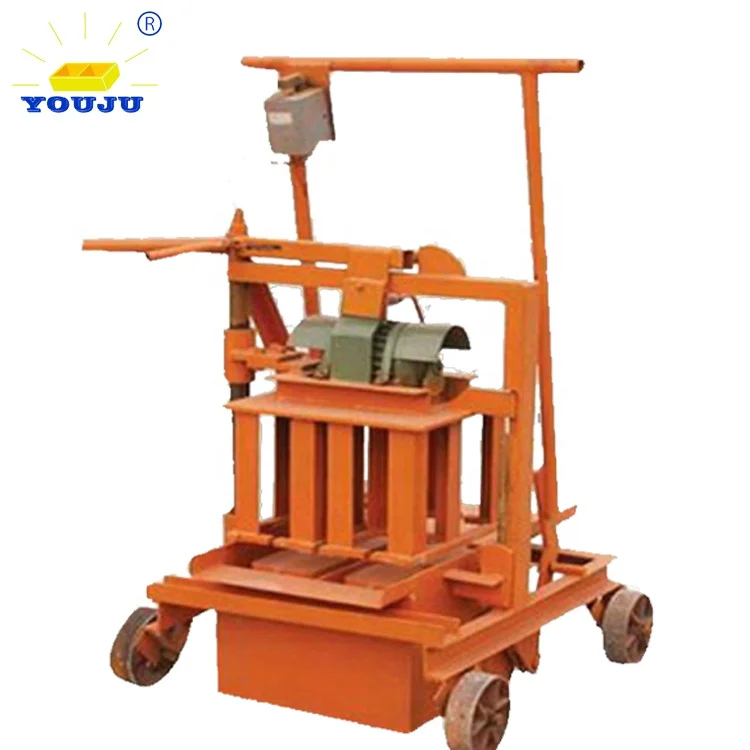
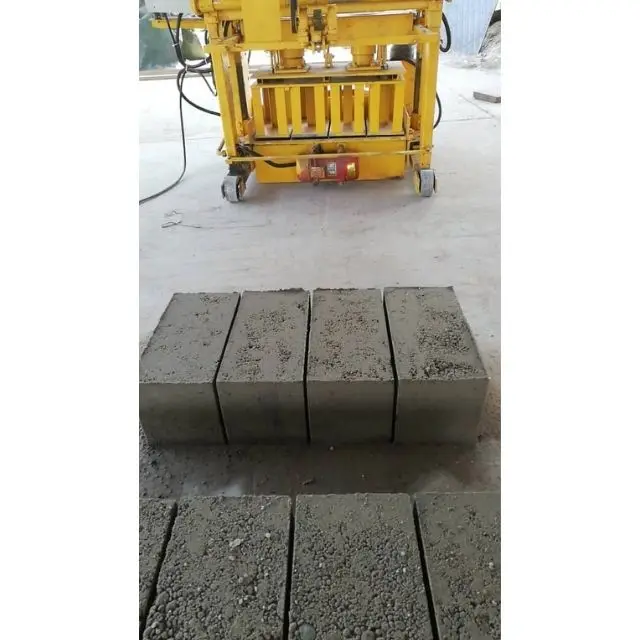
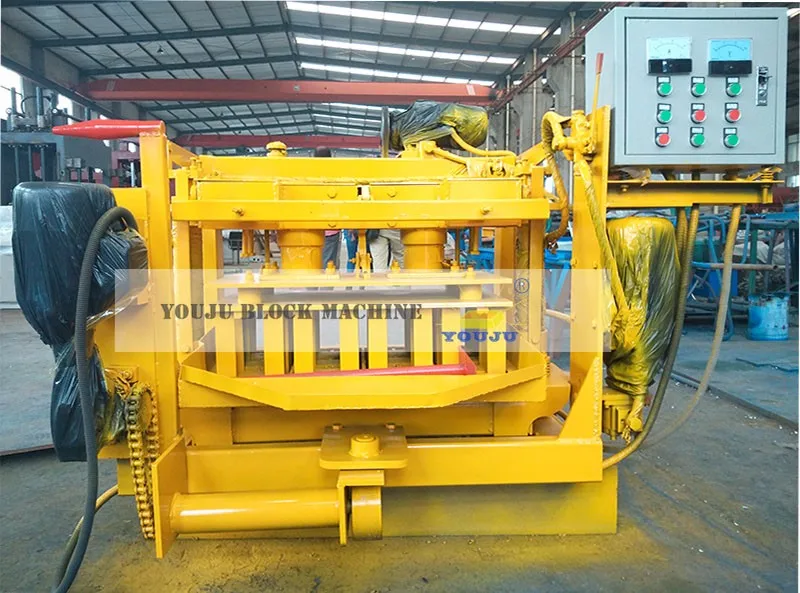


Description
Mould-to-Market Fit — Every QMY4-30 configuration starts with the block format your local market actually sells, not a catalogue default, because capacity means nothing if the product has no buyer.
Technical Specifications
| Parameter | Value |
|---|---|
| Model | QMY4-30 |
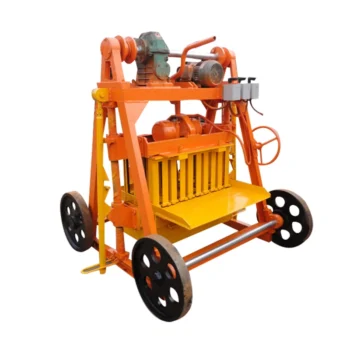
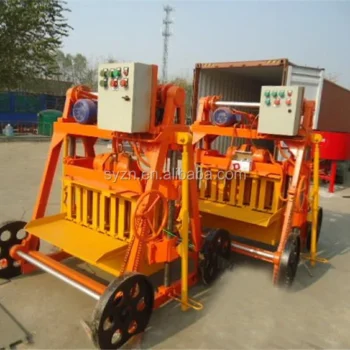
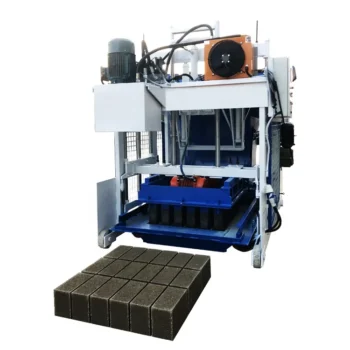
| Product Type | Mobile Egg-Laying Concrete Block Making Machine |
| Overall Dimensions (L×W×H) | 1300 × 1500 × 1000 mm |
| Net Weight | 950–1000 kg |
| Vibration Method | Mold Vibration |
| Vibration Force | 28.6 kN |
| Vibration Frequency | 4500 r/min |
| Total Power | 5.95 kW |
| Voltage & Frequency | 380V ±10% (frequency and target market voltage to be confirmed) |
| Cycle Time | 30 s per cycle (basis to be confirmed) |
| Output Capacity | 3000 pcs/day (block format, material, and shift length basis to be confirmed) |
| Raw Materials | Concrete, fly ash, cinder, coal gangue, industrial waste residue, river sand, gravel, cement |
| Hydraulic Fittings | Taiwan-sourced (catalogue verification recommended) |
| Automation Level | Manual operation, mobile egg-laying |
| Pallet Requirement | Not required |
| Mould Formats | Hollow block, solid block, paving block |
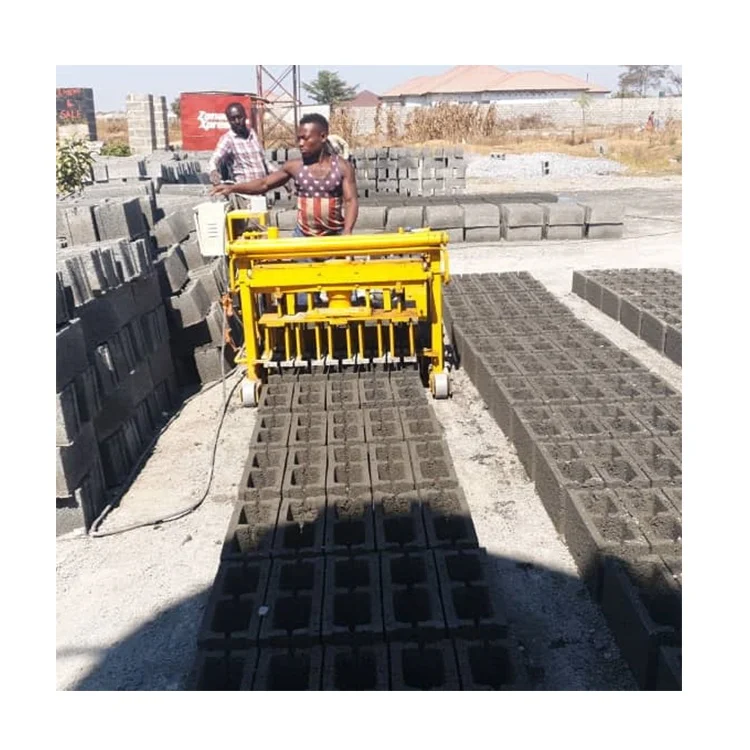
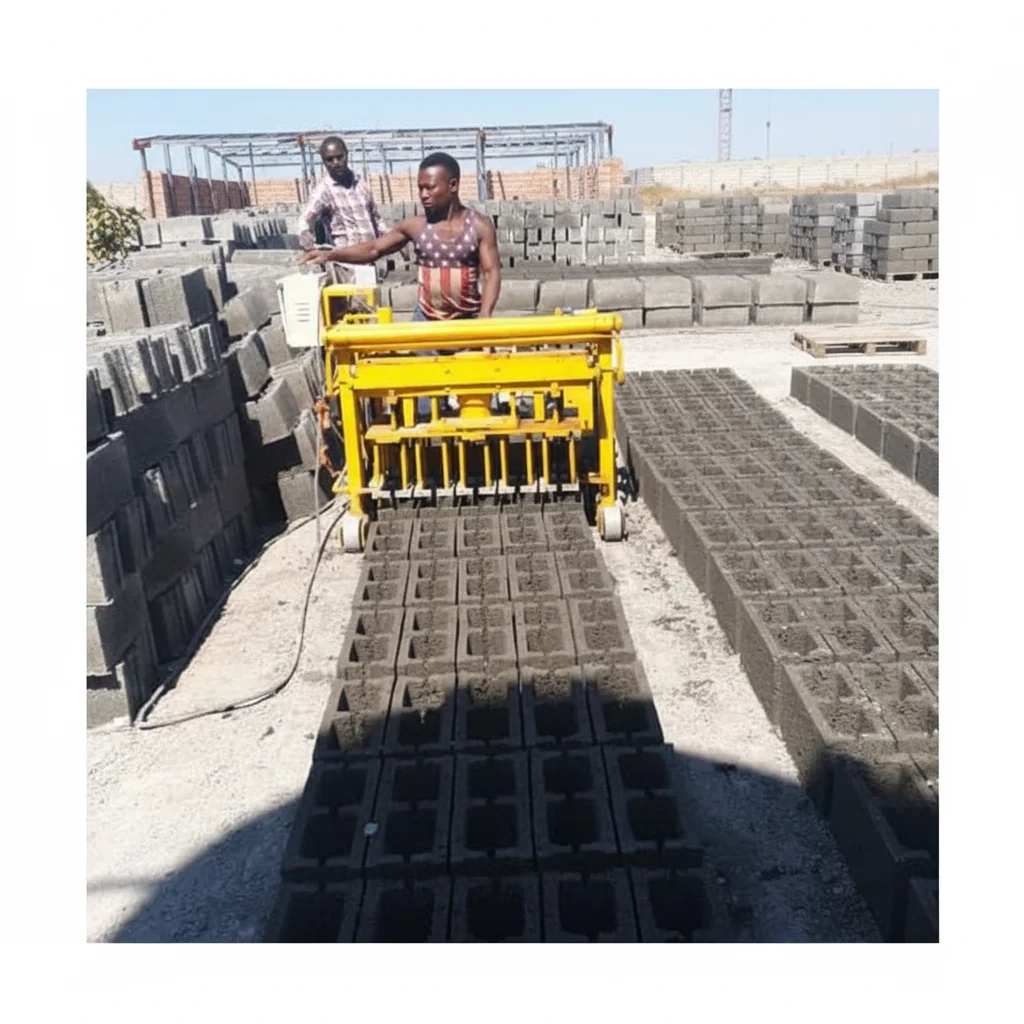
| Stacking Method | Manual (egg-laying on ground) |
Application Suitability
| Application | Material or Output |
|---|---|
| Housing project on-site hollow block production | Crushed stone, river sand, and cement mixes laid directly on prepared ground |
| Small-scale solid block plant for local masonry supply | Fly ash or cinder blends with cement binder |
| Paving block production for municipal footpaths | Fine aggregate and cement with mould-vibrated densification |
| First-time entrepreneur block plant | Low-infrastructure egg-laying operation without pallet investment |
What "3000 Pieces per Day" Leaves Out About mobile block machine specifications
Daily output figures mean nothing unless the block format, mix design, and shift hours are stated alongside them.
When I travelled to a site in Nigeria last year, the contractor had ordered a mobile egg-laying machine based on a sample capacity number. The problem was not the machine — it was the local river sand, which carried a high clay content that reduced vibration compaction and dropped block strength below acceptable levels. We spent three days adjusting moisture ratios and cycle pacing before output stabilised. The rated figure on the brochure assumed a clean, well-graded aggregate that simply was not available locally [NEED_CITE: effect of clay content in fine aggregate on concrete block compressive strength].
Capacity also shifts with block format. A hollow block that draws from more material per cycle will reduce piece count compared to a smaller solid block, even on the same machine at the same cycle pace. Buyers who choose how to choose mobile egg-laying block machine models without locking the format first often find their real daily throughput falls far short of the quoted number.
Mould Format and the Honest Output Conversation
The QMY4-30 supports hollow block, solid block, and paving block mould formats, but each format changes the cycle economics entirely. Hollow blocks consume more raw material per piece and require longer vibration to achieve wall density, which stretches the effective cycle time. Solid blocks move faster per piece but demand consistent feeding discipline from the operator to avoid weight variation across a production run.
This is where matching the mobile block machine specifications to your product mix matters most. If your market buys predominantly 200 mm hollow blocks, your realistic piece count will differ substantially from a supplier quoting based on thin paving blocks. Always ask for a capacity sheet that states the exact format behind any daily number.
Pallet-Free Operation and What It Demands On-Site
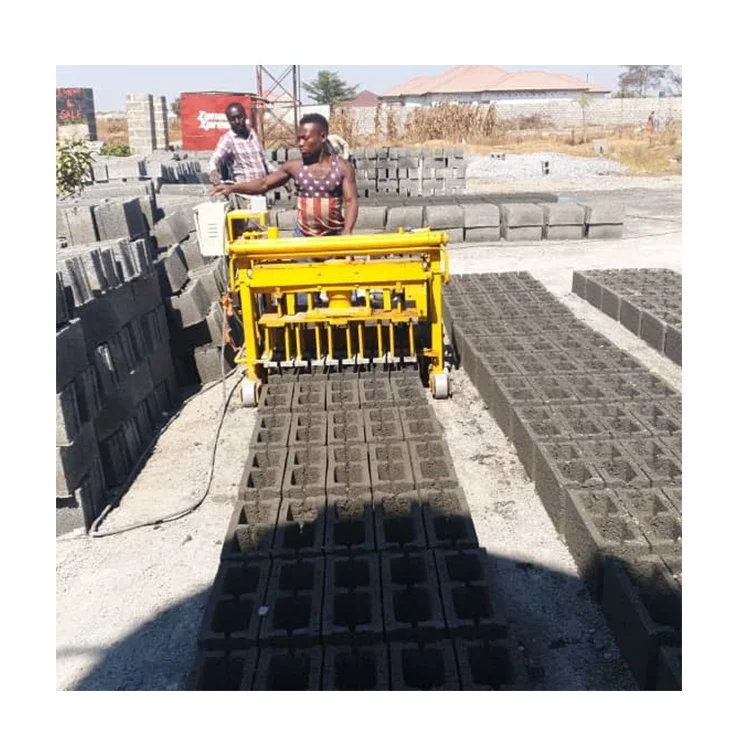
The egg-laying design of this mobile block machine eliminates pallet purchase and pallet handling labour, which reduces upfront investment and keeps the machine mobile across a project site. Blocks are deposited directly onto prepared ground and left to cure in place.
However, pallet-free operation demands a level, compacted production surface. If the ground is uneven or soft, blocks will settle irregularly during the first minutes after laying, affecting dimensional accuracy and edge integrity. On housing project sites in West Africa and South Asia, I have seen crews spend entire mornings re-levelling ground before the machine could start — time that was never factored into the capacity plan [NEED_CITE: ground preparation standards for egg-laying block production]. The compact 1300 × 1500 mm footprint helps the machine navigate tight sites, but the curing area behind it must be planned separately.
Vibration Force, Frequency, and Block Density
The 28.6 kN vibration force delivered through mold vibration at 4500 r/min is the core mechanism that compacts the concrete mix into a dense, structurally sound block. In egg-laying machines, vibration is the only compaction force — there is no hydraulic press from above as in stationary block machines. This makes vibration tuning critical to block strength.
The 5.95 kW total power draw keeps generator requirements modest, which matters on remote project sites running diesel gensets. Voltage at 380V ±10% is the default, but frequency and actual site supply must be confirmed before production — a mismatch here can reduce vibration motor speed, directly lowering compaction force and producing weaker blocks. Mould change between formats is manual, and changeover time should be verified with the supplier against your planned production rotation.
The Hidden Cost of Skipping Format and Mix Confirmation
Buyers who order based on a single capacity number without confirming the assumed block format often discover that the machine produces fewer pieces per day than their business plan requires. Worse, if the mix design was never validated against local aggregate, the blocks may fail strength tests, leading to rejected batches and project delays.
On mobile egg-laying machines, these problems compound because there is no fixed plant infrastructure to absorb inefficiency — the machine and the ground are the entire production system. A mismatched pallet size or curing area layout on a stationary line is a logistics problem; on an egg-laying machine, it is a production stoppage [NEED_CITE: common commissioning failures in mobile block production].
Why Source the QMY4-30 Through a Block-Line Specialist
The QMY4-30 is specified as part of a matched block production approach rather than sold as a standalone press. Mould format is selected against the block sizes your market actually purchases, not a default catalogue option.
Raw material confirmation happens before the order is placed, so the machine is configured for the aggregate and cement you can source locally. Voltage, frequency, and control display language are confirmed before shipment, avoiding commissioning delays on arrival. Mould and wear part availability is documented at order stage, so the first replacement cycle does not stall your production. The supporting documentation package travels with the machine, not weeks after it.
Documentation & Verification
- Capacity calculation sheet stating the exact block format behind any daily output figure
- Mould drawing and format list matched to your local market block sizes
- Voltage and control language confirmation signed before production release
- Factory test record on your specified mix design before dispatch
- Wear parts and mould replacement list included in shipment documentation
Installation, Commissioning & Support
- Level and compact a production surface before the 950–1000 kg machine arrives on site
- Confirm 380V ±10% supply with correct frequency and dedicated circuit for the 5.95 kW draw
- Verify mould vibration assembly and hydraulic fittings on arrival before first test run
- Run first production cycle with supplier guidance to set moisture and cycle pacing
- Train operators on manual feeding rhythm and ground-curing block spacing discipline
- Schedule first mould and wear part inspection based on initial production volume
What to Include in Your Inquiry
Send your target block format with dimensions, your local aggregate type and source, and your planned daily production volume based on a stated shift length. Confirm your site voltage, frequency, and the language you need on any control interface. If you are producing on a housing project site, include the available curing area dimensions so we can advise on laying sequence and ground preparation.
Frequently Asked Questions
Q: How is the 3000 pcs/day figure calculated and which block format does it assume?
A: That figure requires confirmation of block format, mix design, and shift length before it can be treated as a reliable planning number. A hollow block format will yield fewer pieces per day than a small solid block on the same machine at the same cycle pace. Always request a capacity sheet that states the exact format and conditions behind any quoted output.
Q: Which mould formats fit the QMY4-30 and how long does a change take?
A: The machine accepts hollow block, solid block, and paving block moulds. Mould change is a manual process and the time depends on operator familiarity and mould locking mechanism condition. Confirm expected changeover time with the supplier based on your planned production rotation between formats.
Q: What block strength can I expect with my local river sand or crushed stone?
A: Block strength depends on the vibration force interacting with your specific aggregate grading, clay content, and cement ratio. The 28.6 kN mold vibration delivers consistent compaction, but high-clay sand will reduce density. Share your material test data before ordering so the mix can be validated against your strength requirement.
Q: What voltage and frequency options are available for my market?
A: The base specification is 380V ±10%, but frequency and exact voltage must match your site supply to maintain correct vibration motor speed. A frequency mismatch directly reduces compaction performance. Confirm your local standard before the order enters production to avoid commissioning delays on arrival.
Q: What raw material particle size and moisture range does the machine accept?
A: The QMY4-30 handles concrete, fly ash, river sand, gravel, and cement among other materials. Maximum aggregate particle size and optimal moisture range depend on your chosen block format and target strength. These parameters should be confirmed during the pre-order mix validation rather than discovered during first commissioning.