Description
Honest Capacity Breakdown — Every QMJ4-45 productivity figure is tied to a specific hollow block size and mould cavity count, eliminating the guesswork buyers face when suppliers quote only peak cycle rates.
Technical Specifications
| Parameter | Value |
|---|---|
| Model | QMJ4-45 |
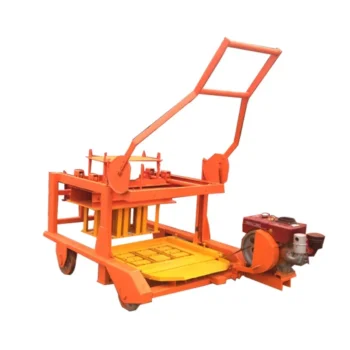
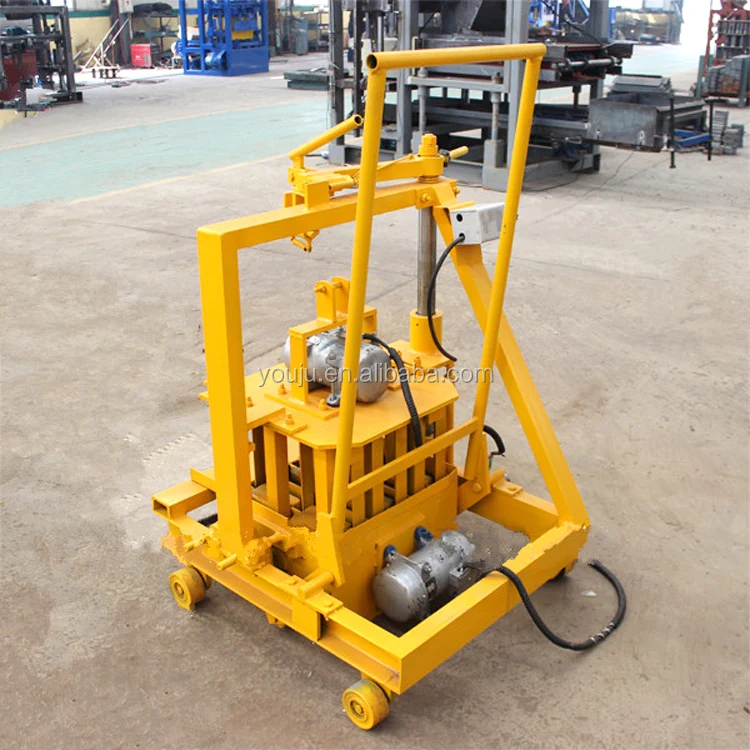
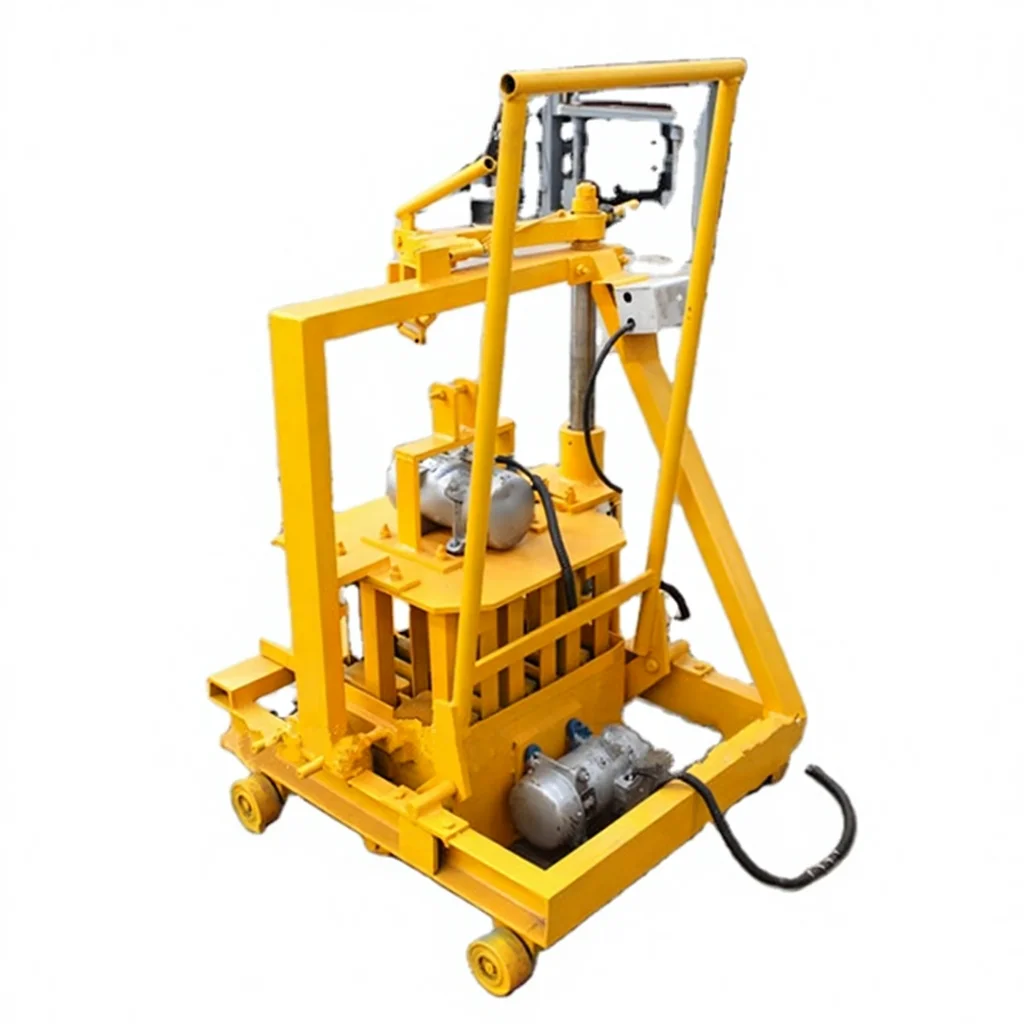
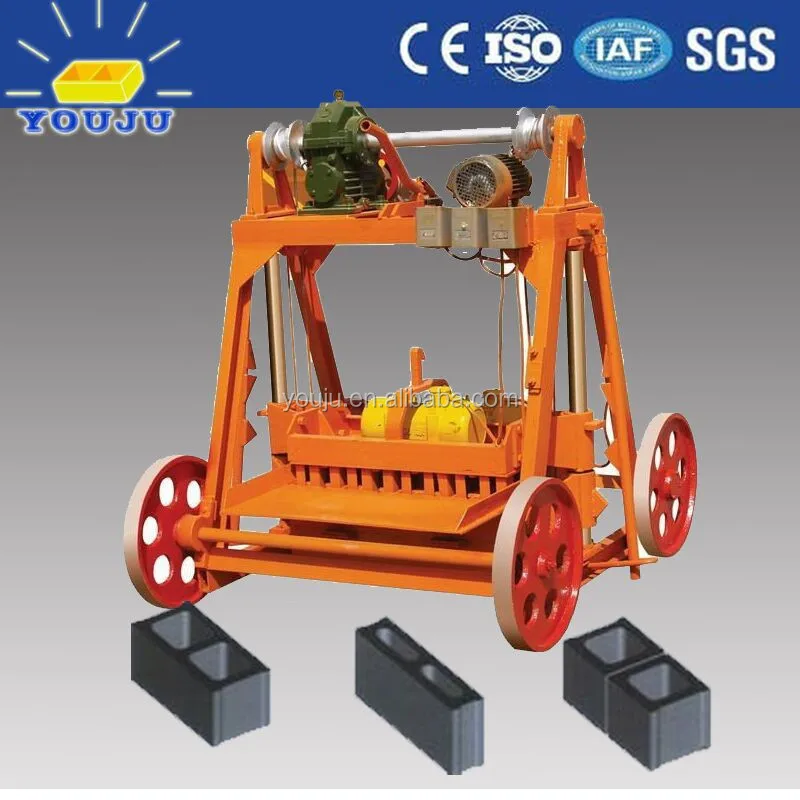
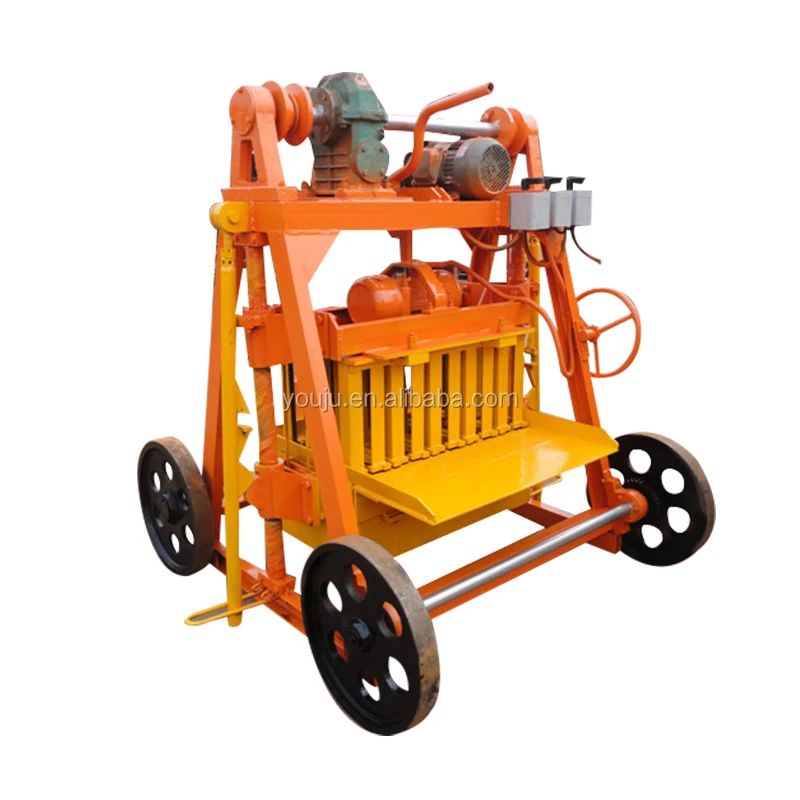
| Product Type | Mobile Egg Laying Block Making Machine |
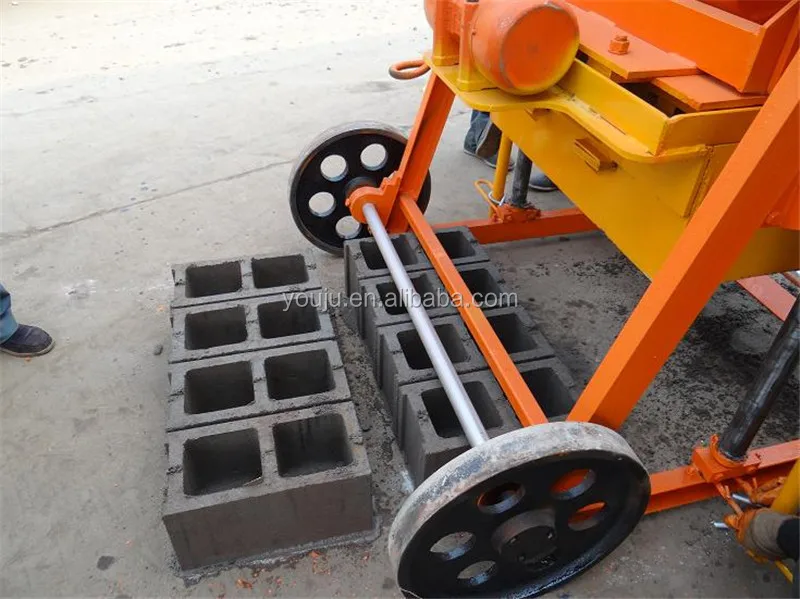
| Molding Capacity | 4 pcs/mould (400×200×200mm hollow block) |
| Molding Capacity (Alternative Moulds) | 5 pcs/mould (400×150×200mm); 6 pcs/mould (400×120×200mm) |
| Vibration Frequency | 2400 r/min |
| Vibration Method | Mold vibration |
| Productivity (Hollow Block 400×200×200mm) | 3000 pcs/day (8 hours) |
| Productivity (Hollow Block 400×150×200mm) | 3500 pcs/day (8 hours) |
| Productivity (Hollow Block 400×120×200mm) | 4500 pcs/day (8 hours) |
| Productivity (General Range) | 2600–4000 pcs/day (basis not stated in source — confirm block format / material / thickness) |
| Molding Cycle | 40–45 s (basis not stated in source — confirm block format / material / thickness) |
| Total Power | 6 kW |
| Power Source | Diesel / Petrol engine |
| Demold Method | Manual |
| Turning Method | Manual |
| Pallet Requirement | No pallet required (egg laying type) |
| Automation Level | Manual / egg laying |
| Warranty | One year |
| Standards | CE |
Application Suitability
| Application | Material or Output |
|---|---|
| On-site construction projects | Crushed stone, river sand, and cement for hollow blocks |
| Remote housing developments | Locally sourced aggregate without grid electricity |
| Entrepreneurial block plants | Standard hollow blocks (200mm, 150mm, 120mm wall) on concrete floors |
| Contractor self-supply | Multiple hollow block formats from a single machine footprint |
What "Daily Output" Really Means for the QMJ4-45 Egg Laying Block Machine
Capacity without a block format is meaningless.
Many mobile block machine quotations headline a single daily output number, leaving buyers to discover after installation that their specific hollow block size produces far less. The QMJ4-45 egg laying block machine specifications show a wide range because output shifts directly with wall thickness and mould cavity count. A buyer targeting 200mm structural blocks will see roughly three thousand pieces per shift, while a 120mm partition block project can reach four thousand five hundred. When local aggregate requires longer vibration cycles or the mix design runs wetter than expected, those figures compress further. [NEED_CITE: effect of aggregate moisture content on block molding cycle time] Understanding which block format the capacity assumes is the first decision in how to choose a mobile block machine.
Matching Block Format to Market Demand
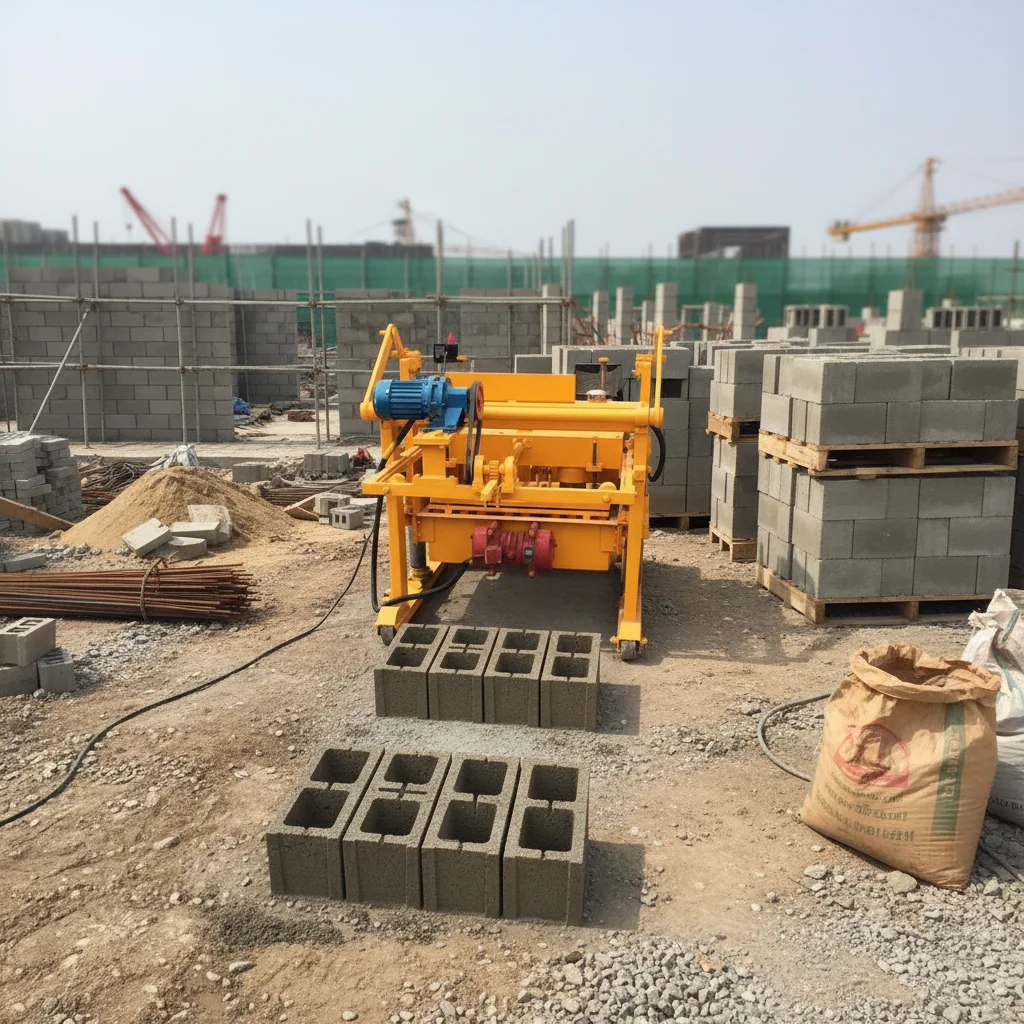
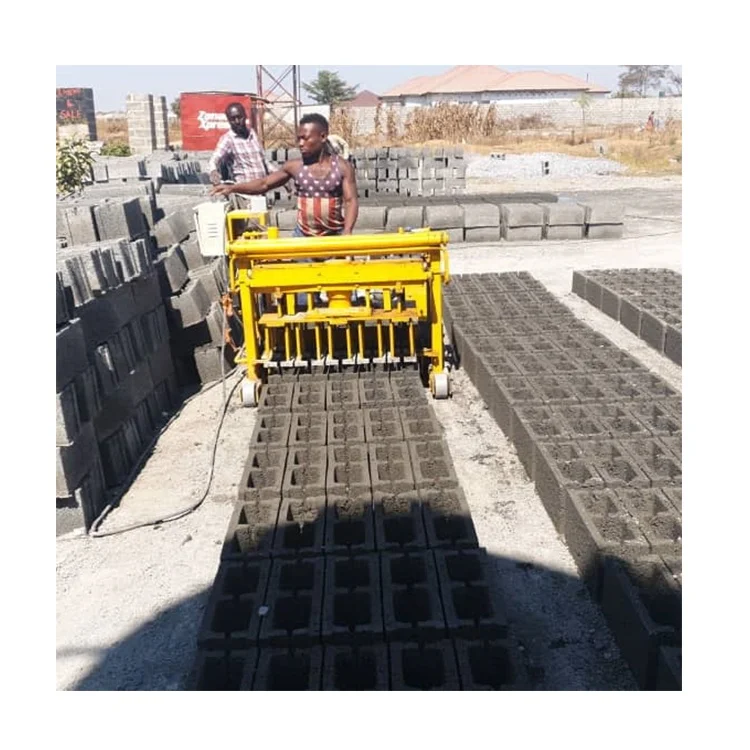
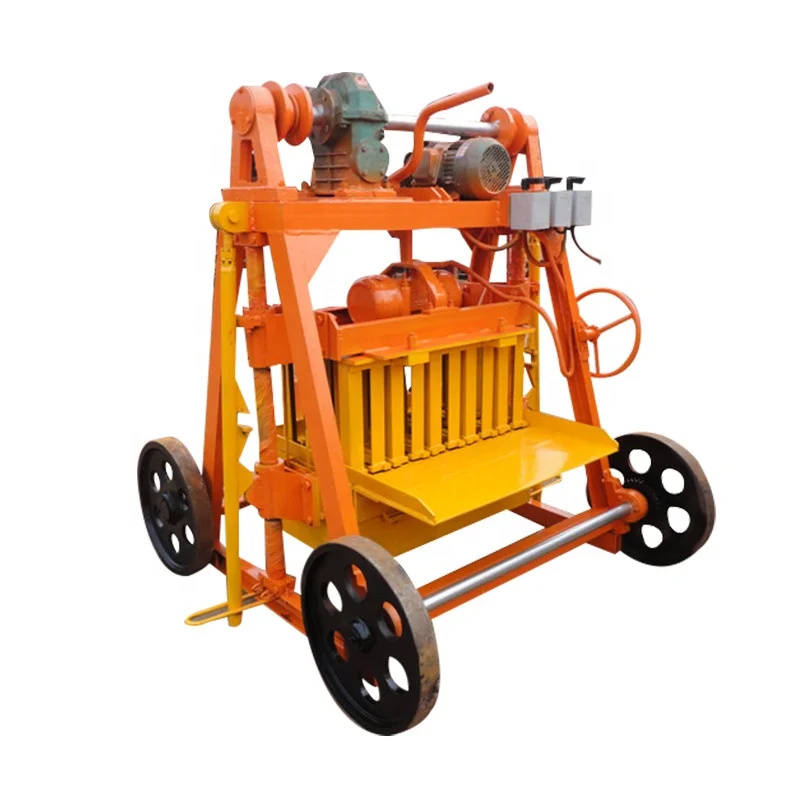
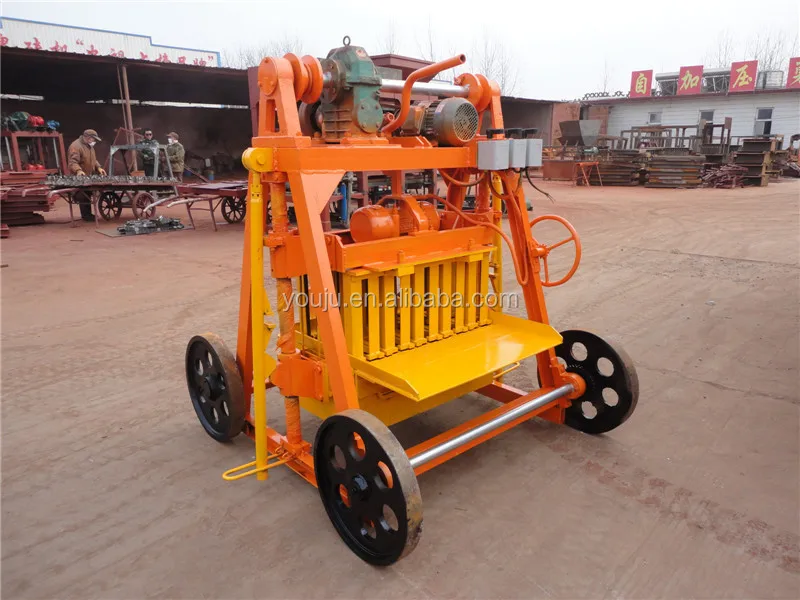
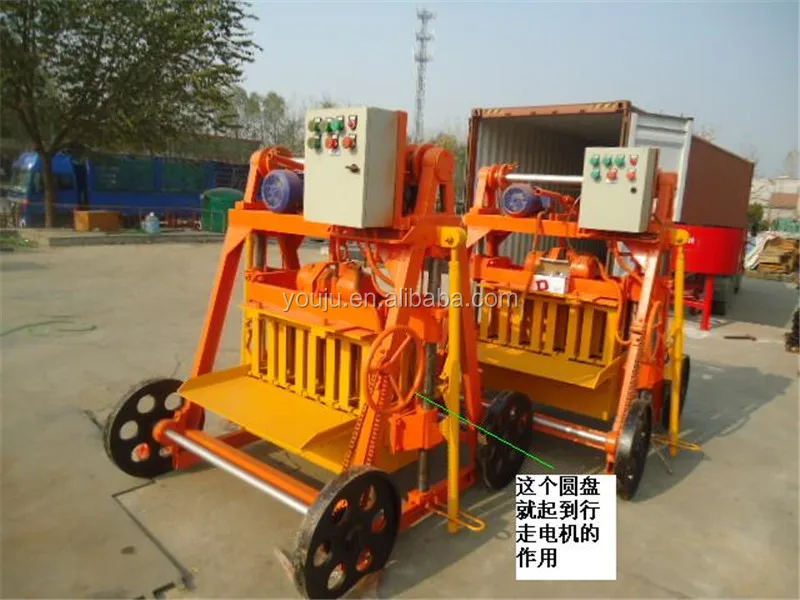
The QMJ4-45 egg laying block machine is built around a single principle: produce hollow blocks directly on a prepared concrete surface without pallets or curing racks. This egg-laying design removes the cost and logistics of pallet handling, but it also means the machine’s output depends entirely on which mould is fitted. The standard configuration offers three cavity arrangements, and each one changes the per-cycle yield. Buyers who know their market’s dominant wall thickness can select the mould that delivers the right volume without over-investing in a machine they will never run at full cavity count.
Cycle Time and the Reality of Manual Operation
Every molding cycle involves positioning the machine, feeding the mix, running vibration, and then manually demolding and advancing to the next position. The stated 40–45 second cycle is achievable with a well-graded, low-slump mix and an experienced operator. In practice, mix consistency, ambient temperature, and the operator’s rhythm all shift this number. The twice-vibration on the molding core helps achieve more uniform block density across the mould cavities, which matters when local aggregate quality varies from batch to batch. [NEED_CITE: vibration frequency impact on concrete block compressive strength]
Understanding the Power Source and Site Independence
The 6 kW total power requirement is met by a diesel or petrol engine, meaning the QMJ4-45 mobile block machine operates entirely off-grid. This is the defining advantage for contractors working on remote sites or in regions where three-phase electricity is unreliable. The engine drives the vibration motor, and fuel consumption per shift depends on load and cycle frequency. Buyers planning continuous operation should calculate fuel cost alongside cement and aggregate, since it replaces what would otherwise be an electricity line item. The diesel option is typically preferred where fuel is cheaper or more available than stable grid power.
When the Wrong Mix Design Silently Cuts Output in Half
A common failure pattern on mobile egg-laying machines is not mechanical breakdown but mix mismatch. If local river sand carries high moisture or a low fineness modulus, the mix stays wetter longer, and the vibration cycle must be extended to achieve adequate compaction. A machine set up for a forty-second cycle may need seventy seconds or more, and daily output drops without any alarm or fault code. The operator simply produces fewer blocks per shift and attributes it to the machine being undersized. This is a specification problem, not a machine problem, and it is preventable by confirming the buyer’s actual aggregate before the mould and cycle parameters are locked in. [NEED_CITE: fineness modulus and moisture content effects on concrete block production]
Why Specification Clarity Matters Before Ordering
This machine is specified and supplied as a matched system of press, mould, and engine. Block machinery is a single focus, so the QMJ4-45 egg laying block machine is configured against the buyer’s actual mix design and target block format rather than shipped as a catalogue default. Mould design covers the hollow block sizes the buyer’s market actually sells, and custom drawings are available for non-standard formats. Automation level is selectable at the manual egg-laying tier, with the option to move to higher-capacity stationary systems later. Installation support includes operator training on mix adjustment and cycle management, addressing the most common cause of underperformance on mobile machines. [NEED_CITE: operator training impact on block production consistency]
Documentation & Verification
- Capacity calculation sheet stating hollow block format and mould cavity count for each output figure
- Mould drawing and format list confirming which block sizes ship with the machine
- Engine specification and fuel consumption data for shift planning
- Factory test record showing actual cycle time per block format before dispatch
- Operation manual covering mix adjustment for local aggregate conditions
Installation, Commissioning & Support
- Level concrete floor required; no fixed foundation or curing rack infrastructure needed
- Diesel or petrol engine arrives pre-fitted; buyer supplies fuel and lubricants at startup
- Manual demold and turning — operator training covers rhythm and mix moisture adjustment
- 6 kW vibration motor serviced per engine manufacturer schedule; no separate electrical panel
- Wear parts list covers vibration core and mould liner; recommended spares ship with machine
- Mould change is manual; training covers cavity swap procedure and alignment check
Starting the Conversation with the Right Details
To specify the QMJ4-45 for your project, share the hollow block dimensions your market requires, the local aggregate type and typical moisture condition, and whether diesel or petrol fuel is more practical on your site. If you are running an existing block operation, note your current daily volume and any bottlenecks you are trying to resolve. This information allows the configuration to be matched to your actual conditions rather than a default setting.
Frequently Asked Questions
Q: What is the real daily output for my specific hollow block size?
A: Output depends on the block format and mould cavity count. For 400×200×200mm hollow blocks at 4 pcs/mould, expect roughly 3000 pieces per eight-hour shift. For 400×150×200mm at 5 pcs/mould, approximately 3500 pieces, and 4500 pieces for 400×120×200mm at 6 pcs/mould. These figures assume standard mix conditions and must be adjusted for local aggregate and moisture.
Q: Can the QMJ4-45 run on a diesel engine, and what fuel consumption should I plan for?
A: Yes, the machine is available with a diesel or petrol engine as the power source, totaling 6 kW. Fuel consumption varies with cycle frequency and engine load across the shift. Diesel is typically chosen where fuel is more accessible than stable electricity, and buyers should budget fuel cost per shift alongside cement and aggregate.
Q: Which mould formats are included, and how long does a mould change take?
A: The quotation specifies which hollow block moulds ship with the machine; additional formats require separate mould purchase. Mould change on the QMJ4-45 is a manual procedure involving cavity swap and alignment. Training covers the process, and change time depends on operator familiarity.
Q: What block strength can I expect from egg laying vibration?
A: Block strength from mold vibration at 2400 r/min depends on the mix design and local aggregate quality. Twice-vibration on the molding core improves density uniformity. If your aggregate runs wet or has a low fineness modulus, the vibration cycle may need extension to achieve target compressive strength, which affects daily output.
Q: What spare moulds and vibration wear parts should I order with the machine?
A: A wear parts list ships with the machine, covering the vibration core and mould liner components most subject to wear. Ordering recommended spares at the time of initial purchase avoids production downtime when the first replacement falls due, especially in regions where shipping lead times are long.