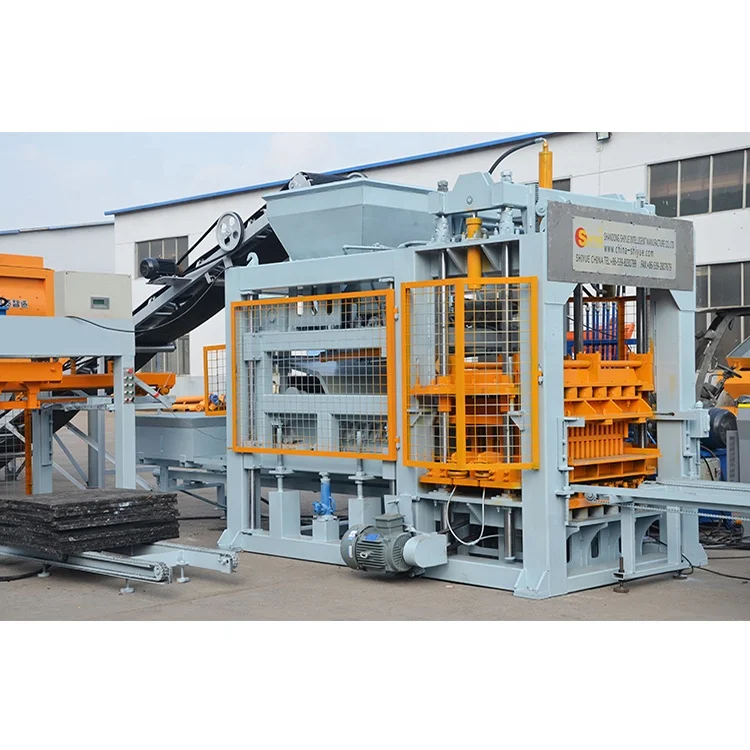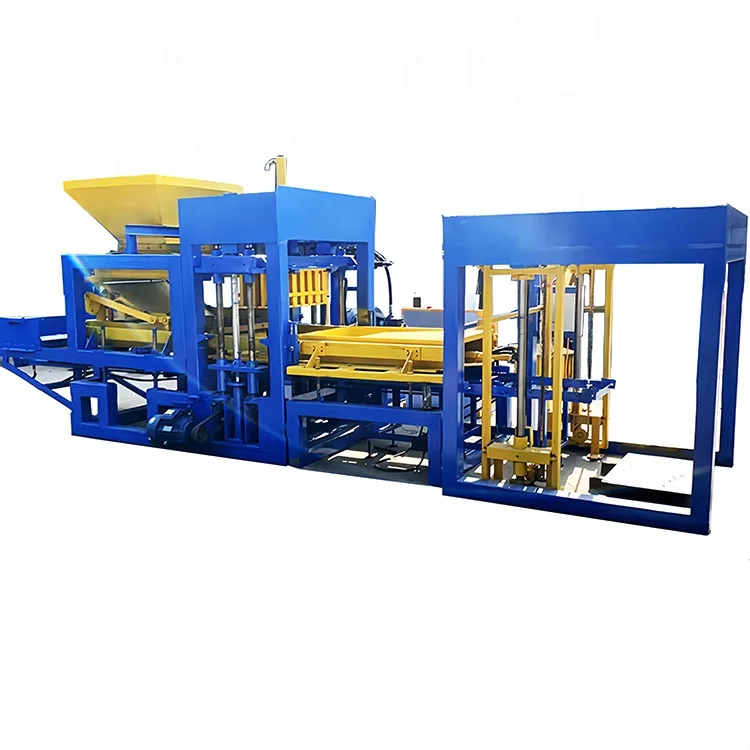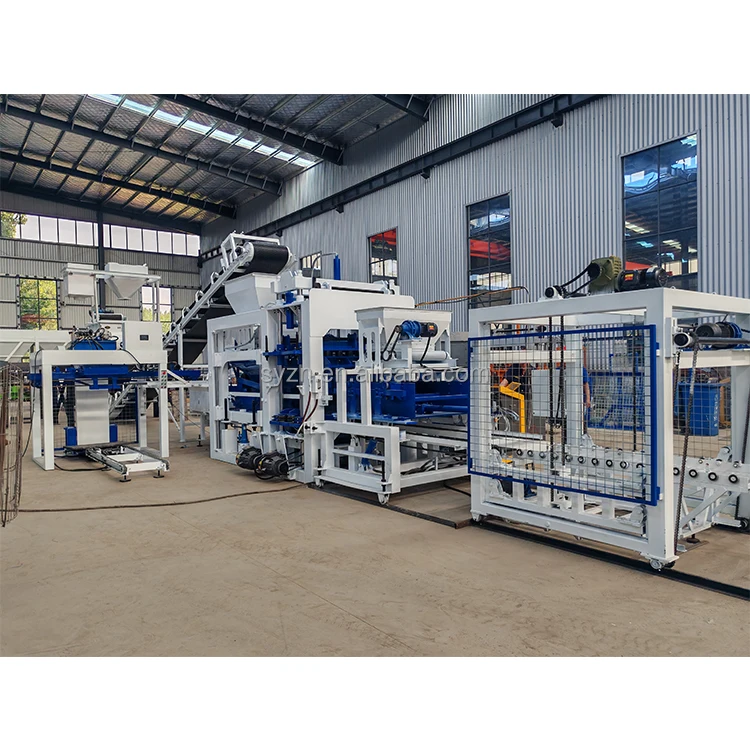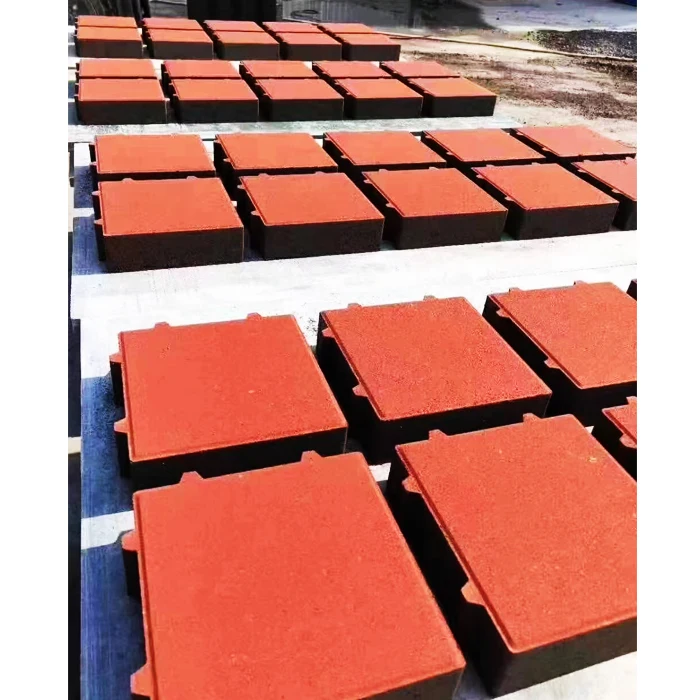
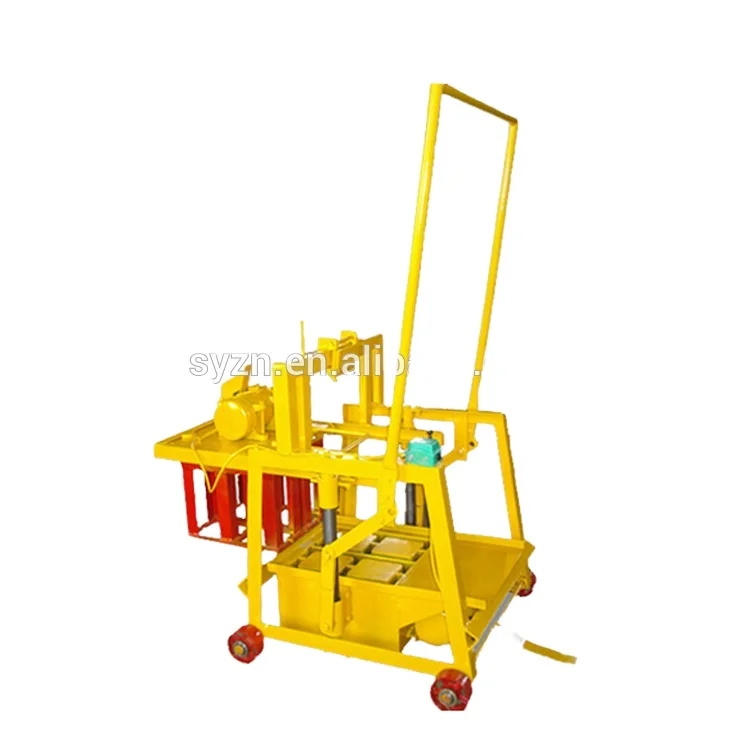

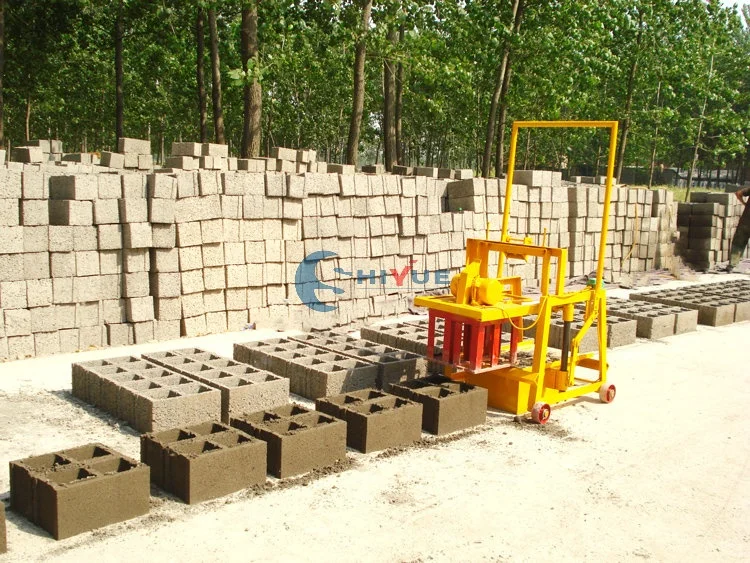


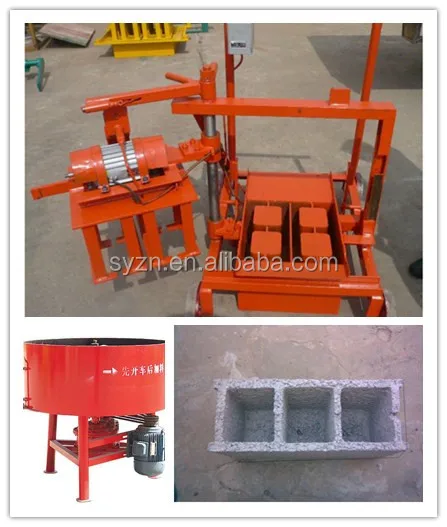
Description
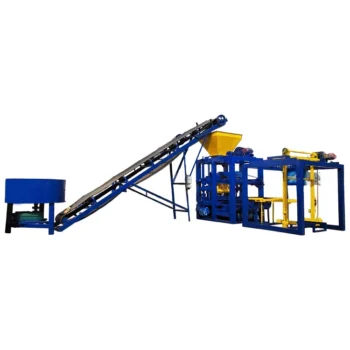
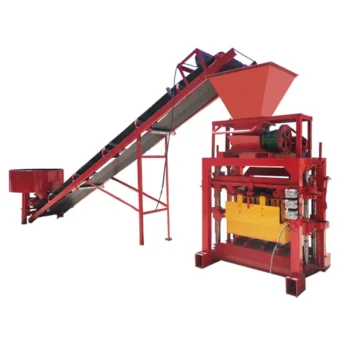
Mould-Matched Configuration — the QMJ2-45 mobile block making machine is set against your local aggregate and target hollow block format before shipment, not left at catalogue defaults.
Technical Specifications
| Parameter | Value |
|---|---|
| Model | QMJ2-45 |
| Product Type | Mobile Block Making Machine |
| Rated Power | 1.5 kW |
| Voltage & Frequency | Configured to buyer’s local supply (basis not stated in source — confirm voltage, frequency and phase) |
| Control System | Semi-automatic with top die push/pull and automatic scraper |
| Overall Dimensions (L×W×H) | 1300 × 1300 × 1150 mm |
| Net Weight | 400 kg |
| Vibration System | Bed mould vertical vibration and upper mould compression vibration, 2 pcs/mould exciting power |
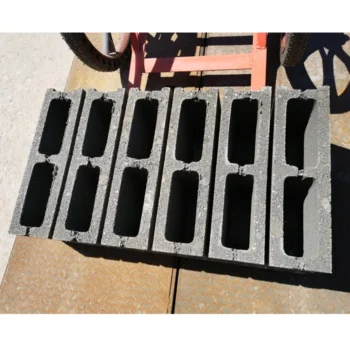
| Mould Formats Supplied | 400 × 200 × 200 mm (2 cavities); 400 × 150 × 200 mm (3 cavities) |
| Cycle Time | 45 seconds (basis not stated in source — confirm block format and mould) |
| Output Capacity | 1200–2400 pcs per 8-hour shift (based on 400×200×200mm and 400×150×200mm hollow blocks) |
| Raw Materials | Concrete, sand, cement, fly ash, lime, gypsum |
| Automation Level | Semi-automatic, egg-laying type, no fixed plant required |
Application Suitability
| Application | Material or Output |
|---|---|
| On-site hollow block production for building contractors | Crushed stone, sand and cement mixed on the job site |
| Small-scale block manufacturing for local sale | Fly ash, lime and gypsum blends where available |
| Mobile production across multiple project locations | Standard concrete mixes moved between sites without a fixed plant |
| First block plant for entrepreneurs entering the market | Locally sourced aggregate with cement binder |
What "1200 Pieces per Shift" Actually Means for the QMJ2-45 Mobile Block Making Machine
Every output figure on this page is tied to an exact block dimension and mould cavity count, not a generic cycles-per-hour claim.
Sellers often quote a single daily capacity number without naming the block format it assumes, leaving buyers to discover on site that real production falls short of what they planned for. A machine running 400 × 200 × 200 mm hollow blocks at two cavities per mould will never match the output of the same press running 400 × 150 × 200 mm blocks at three cavities. I have watched contractors budget an entire housing phase around a capacity number that was only achievable with a smaller block they never intended to sell [NEED_CITE: block format and cavity count as determinants of real daily output].
Matching the QMJ2-45 to the Block Your Market Buys
The QMJ2-45 mobile block making machine ships with moulds for two specific hollow block formats. The 400 × 200 × 200 mm mould carries two cavities and produces roughly 1200 pieces in an eight-hour shift, while the 400 × 150 × 200 mm mould carries three cavities and reaches approximately 1760 pieces over the same period. These figures assume steady operator pacing and consistent material feed.
Vibration Tuning and Local Aggregate
I spent time on the assembly floor in Linyi before moving into machine selection, and one lesson stayed: vibration force must match the buyer’s actual mix. An African customer once ran this class of egg-laying machine with local red soil instead of the standard sand used at our factory. The bricks cracked during curing because the vibration frequency was set too high for that finer material. We re-tuned the exciting power and fitted a mould suited to his aggregate, and the line stabilised [NEED_CITE: vibration force adjustment for non-standard aggregate in mobile block production].
Reading the Specification Sheet Against Your Site Conditions
The 1.5 kW rated power drives both the bed mould vertical vibration and the upper mould compression vibration simultaneously. This dual action improves block density compared to machines that vibrate only from below. The 45-second cycle time governs how many moulds an operator can complete in a shift, but real pace depends on how quickly the mixed material is fed and how far the machine must travel between laying positions. Overall dimensions of 1300 × 1300 × 1150 mm and a net weight of 400 kg keep the unit movable by two workers on level ground, which matters when you are shifting production between building plots. Voltage and frequency remain configurable, and confirming your local supply before production avoids commissioning standstill once the machine arrives [NEED_CITE: voltage and frequency confirmation before export of small block machinery].
The Cost of Skipping the Material Conversation
When a buyer orders without disclosing the local aggregate, the factory ships with settings calibrated for standard river sand. The machine arrives, the first batch is mixed with whatever is available on site, and block strength varies wildly from one moulding to the next. Entire batches can split during curing, wasting cement and labour. The fix after the fact — re-tuning vibration, swapping mould clearance, adjusting the scraper gap — takes longer than having the conversation before the machine is built [NEED_CITE: post-delivery re-commissioning costs from aggregate mismatch].
Why Buyers Source This Machine Through Us
Block machinery is our single focus, so the press, mould, and pallet are specified as one matched set rather than pulled from unrelated suppliers. Configuration is built around your actual mix design and target block format, not a catalogue default. Moulds are designed for the dimensions your market sells, with custom drawings available if you need a format outside the two standard options. The automation level is selectable, letting you start semi-automatic and add handling equipment later. Every machine goes through a factory test before dispatch, and we stay through installation, operator training, and ongoing mould and wear parts support.
Documentation & Verification
- Line layout stating the exact block format and cavity count behind each output figure
- Mould drawing and format list confirming supplied block dimensions
- Voltage, frequency, and control language confirmation sheet signed before production
- Machine specification sheet matching vibration force to your mix design and aggregate
- Factory test record showing cycle performance on agreed block formats
- Operation and maintenance manual with wear parts and mould replacement list
Installation, Commissioning & Support
- Level compacted ground required; no fixed foundation needed for the 1300 × 1300 mm footprint
- Dedicated single-phase or three-phase circuit matching confirmed voltage and frequency
- Machine shipped assembled; position and level on site before first run
- Vibration frequency and scraper gap set during commissioning to suit your aggregate
- Operator trained on mould change procedure between 400 × 200 × 200 mm and 400 × 150 × 200 mm formats
- Wear parts list supplied covering vibration springs, scraper blade, and mould liner
What to Send With Your Enquiry
Tell us the exact hollow block dimensions your market demands, the aggregate you can source locally, and your target daily output. Confirm your site voltage, frequency, and phase so we can wire the motor before the machine leaves the floor. If you already have a mixer or a curing area, share the dimensions so we can check that the egg-laying travel path fits.
Frequently Asked Questions
Q: How is the 1200–2400 pcs per 8-hour shift capacity calculated?
A: The lower figure assumes the 400 × 200 × 200 mm mould with two cavities, producing roughly 1200 blocks per shift. The upper figure assumes the 400 × 150 × 200 mm mould with three cavities, reaching approximately 1760 pieces. A 45-second cycle governs pace, and real output depends on operator feed speed and material consistency.
Q: What mould formats come with the QMJ2-45, and how long does a change take?
A: Standard supply includes the 400 × 200 × 200 mm and 400 × 150 × 200 mm hollow block moulds. Changing between them involves releasing the top die, lifting out the bed mould, and seating the replacement. A trained operator completes the swap within a short break, keeping format flexibility practical across a working day.
Q: How do I match vibration force to my local aggregate?
A: Share a sample description or sieve analysis of your aggregate with your enquiry. We adjust the exciting power and cycle parameters at the factory so the dual vibration system — bed and upper mould — produces consistent density with your specific material, reducing the risk of cracking during curing.
Q: Which raw materials can the machine handle?
A: The QMJ2-45 runs on concrete, sand, cement, fly ash, lime, and gypsum. Configuration is adjusted to whichever materials you can source locally. We confirm the mix design before production so the scraper gap and vibration settings match your available inputs.
Q: What electrical details must I confirm before shipment?
A: We need your local voltage, frequency, and phase to wind the motor correctly. We also confirm the control language displayed on the semi-automatic panel. Locking these details before production prevents commissioning delays once the machine reaches your site.