

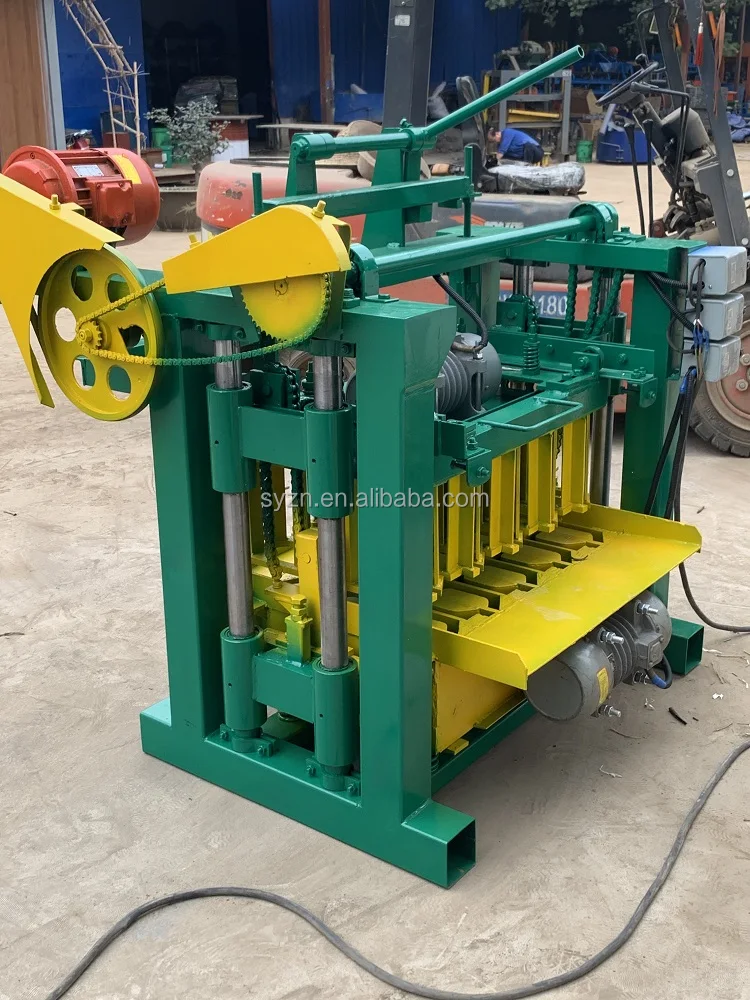
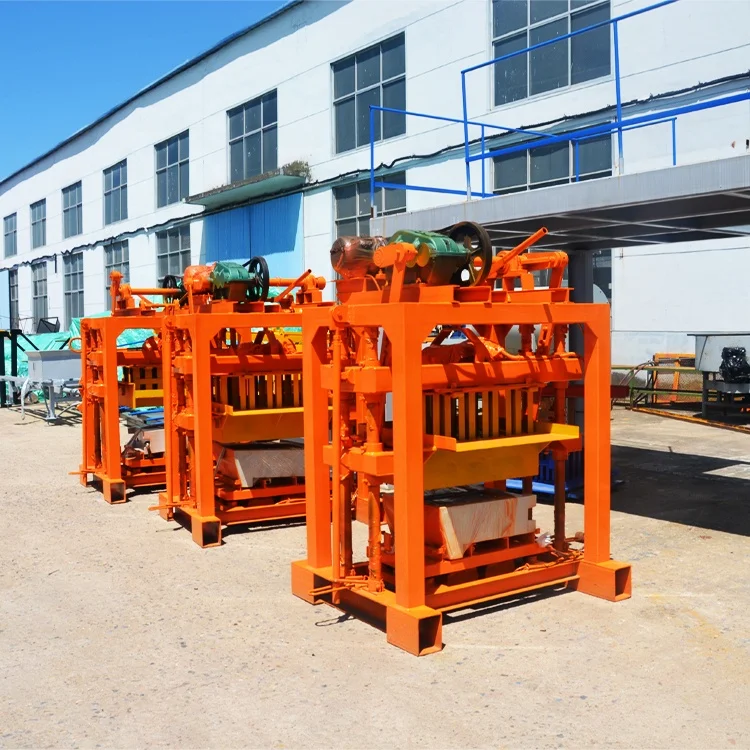
Description
Honest per-format output — the QTJ4-40 block machine is configured against the buyer’s target format, local aggregate, and curing layout before a quotation is issued, so the capacity figure on paper survives contact with real production.
Technical Specifications
| Parameter | Value |
|---|---|
| Model | QTJ4-40 |
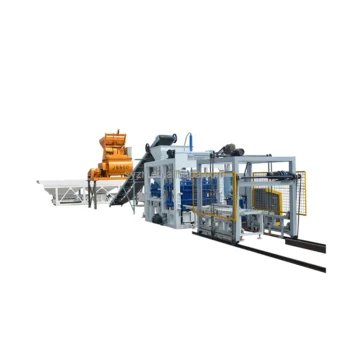
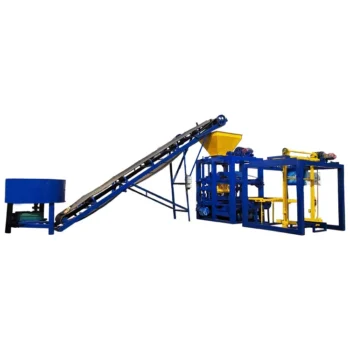
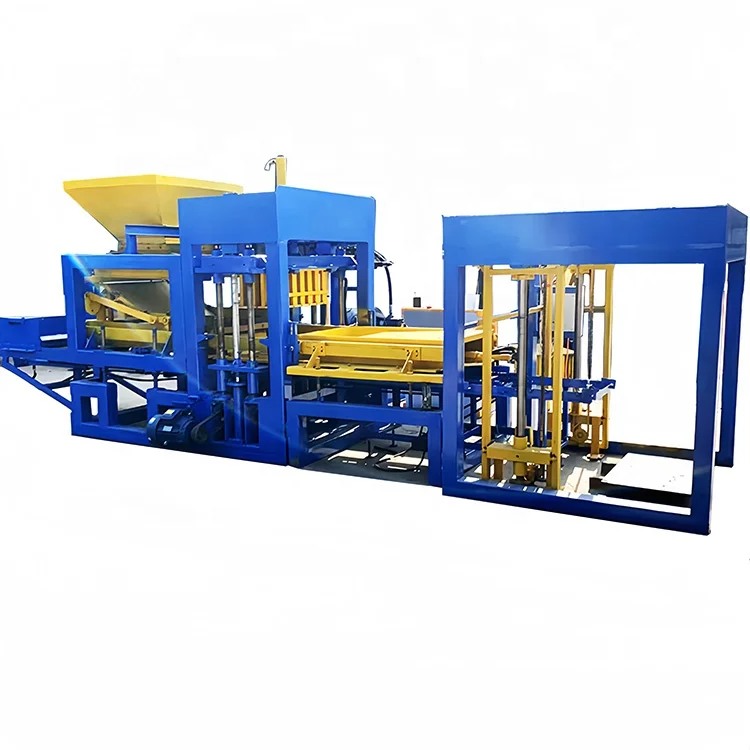
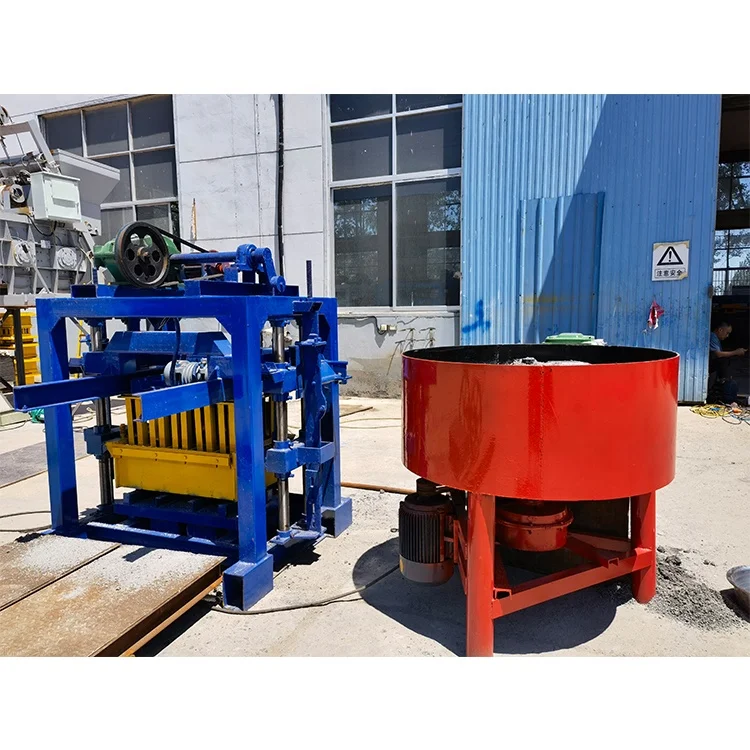
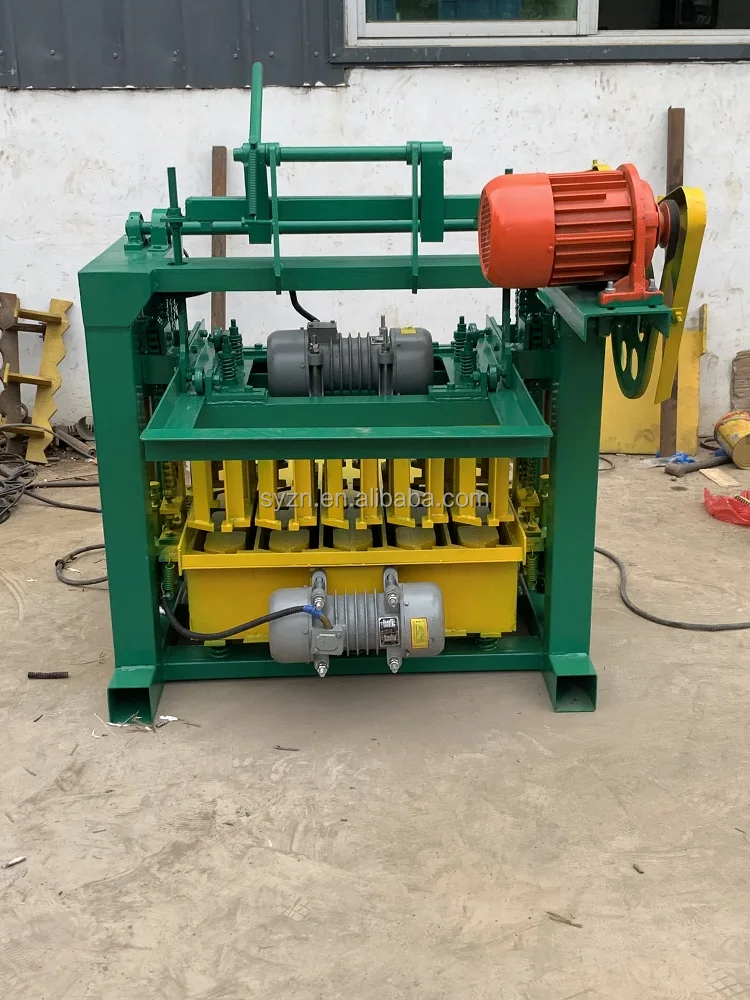
| Product Type | Semi-automatic Concrete Block Making Machine |
| Rated Power | 10.4 kW |
| Molding Cycle | 40 s |
| Theoretical Productivity (400×200×200mm hollow block, 4 pcs/mould) | 360 pcs/hour, 2800 pcs/day |
| Theoretical Productivity (400×150×200mm hollow block, 5 pcs/mould) | 450 pcs/hour, 3600 pcs/day |
| Theoretical Productivity (225×112.5×60mm solid block, 9 pcs/mould) | 800 pcs/hour, 6400 pcs/day |
| General Output Capacity | 2000-2500 pcs/8hours (basis not stated in source — confirm block format / material / thickness) |
| Raw Materials | Concrete, sand, cement, fly ash, lime, gypsum |
| Vibration System | Bed mould vertical vibration + upper mould compression vibration |
| Automation Level | Semi-automatic (top die push and pull, automatic scraper) |
| Pallet Size | 850×450 mm |
| Net Weight | 1 T |
| Overall Dimensions (L×W×H) | 1350×1460×1800 mm |
| Voltage & Frequency | Configurable according to local supply (value to be confirmed with buyer) |
Application Suitability
| Application | Material or Output |
|---|---|
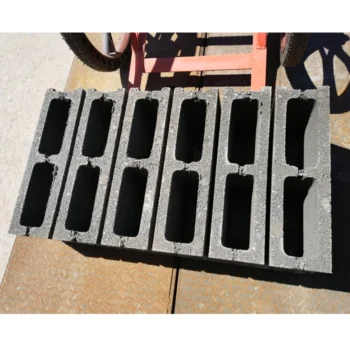
| Workshop hollow block production | Crushed stone, sand, and cement at 400×200×200mm or 400×150×200mm |
| Solid brick manufacturing for local sale | Sand, cement, and fly ash at 225×112.5×60mm |
| On-site block production for housing projects | Locally available aggregates including lime and gypsum |
| Small plant adding paver formats | Concrete mixes with fine aggregate gradings |
What the QTJ4-40 Block Machine Specifications Actually Mean for Your Daily Output
A cycle time only becomes a daily output figure once the block format, mould cavity count, and pallet handling rhythm are all defined together.
Many quotations list a single headline capacity without naming the format behind it. I have walked onto sites where the owner expected thousands of hollow blocks a day based on a number quoted for solid bricks — and the two formats share the same machine but produce completely different volumes. The QTJ4-40 block machine specifications above separate each format so you can match the number to the product your market actually buys. [NEED_CITE: common mismatch between quoted cycle capacity and real per-format output in block machinery tenders]
Mould Cavity Count Drives the Real Hourly Figure
The same 40-second cycle produces four pieces of 400×200×200mm hollow block but nine pieces of 225×112.5×60mm solid brick. When a buyer compares machines only by cycle time, the cavity difference is invisible — yet it is the reason one machine delivers more than double the hourly output of another on a different format. Selecting the QTJ4-40 starts with naming the format your customers order most.
Pallet Size Must Match Your Existing Curing Area
The 850×450 mm pallet is the physical link between the press and the curing rack. If your forklift tine spacing or curing rack shelf width was built around a different pallet dimension, every pallet change becomes a manual adjustment. I always confirm pallet length and width against the buyer’s rack drawings before production starts, because a mismatch here is discovered only after the machine arrives. [NEED_CITE: pallet dimension compatibility with curing rack and forklift specifications in block plant layout]
Reading the Vibration and Pressure Numbers Together
The bed mould vertical vibration combined with upper mould compression vibration determines how densely the concrete mix is compacted inside each cavity. A higher vibration force with insufficient top pressure leaves hollow blocks with thin, weak webs; too much pressure with weak vibration causes the mix to bridge and leave voids. The rated 10.4 kW motor must deliver both forces in balance, and that balance shifts when the local sand contains more clay or fines than the test mix used at the factory.
The Cost of Skipping Format-Level Capacity Checks
When the block format is assumed rather than confirmed, the entire line downstream is sized wrong. Mixers are ordered too small, pallets are ordered in the wrong quantity, and curing racks cannot hold the actual daily volume. By the time the first week of production ends, the owner is adding a second shift to hit the output that was promised on paper — and the labour cost of that extra shift is rarely included in the original budget. [NEED_CITE: hidden labour cost from undersized block line planning based on single-format capacity quotes]
Why Buyers Specify Here Before Ordering
Every QTJ4-40 quotation is built on the buyer’s stated block format, target daily volume, and local aggregate sample — not a catalogue default. Mould drawings are submitted for approval before production so cavity count and block dimensions are locked to the market the buyer serves. Pallet size and material are confirmed against the buyer’s curing rack layout and forklift specification. Voltage, frequency, and control language are agreed in writing so commissioning is not delayed by a wrong motor or an unreadable display.
Documentation & Verification
- Capacity calculation sheet stating the block format behind each output figure
- Mould drawing and format list for every block size in the buyer’s range
- Pallet specification matched to curing rack shelf width and forklift tine spacing
- Voltage, frequency, and control language confirmation record before production
- Factory test record on the buyer’s chosen block format before dispatch
Installation, Commissioning & Support
- Foundation plan sized to the 1350×1460×1800 mm footprint and 1 T operating weight
- Dedicated circuit rated for 10.4 kW draw with voltage confirmed to local supply
- Machine shipped as a single skid; pallet feeder and mixer connected on site
- First-run parameter setting on the buyer’s actual aggregate and cement source
- Operator training covering mould change procedure and scraper adjustment
- Wear parts list with recommended reorder intervals for vibration pads and scraper blade
What to Include in Your Enquiry
Send the block format and dimensions you sell most, the daily volume you need to hit, and a description of your local sand or aggregate source. Include your site voltage and frequency, the pallet size your existing curing racks accept, and whether you plan to run the QTJ4-40 block machine specifications alongside other equipment already on site. With those details, a matched configuration can be drafted without a round of guesswork.
Frequently Asked Questions
Q: How is QTJ4-40 capacity calculated per block format, and why does output differ between hollow and solid blocks?
A: Each format has a different mould cavity count — four cavities for 400×200×200mm hollow block, nine for 225×112.5×60mm solid brick. The 40-second cycle stays the same, so hourly output scales with cavity count. We quote per-format figures so the number matches the product you actually sell.
Q: Which pallet size and material should I choose for my curing area and forklift?
A: The standard pallet is 850×450 mm, but the material — timber, bamboo, or composite — affects weight, lifespan, and how the forklift grips it. We confirm pallet dimensions against your curing rack shelf spacing and forklift tine width before the order enters production.
Q: Can I order custom moulds for block formats not listed in the standard table?
A: Yes. Moulds are built to buyer-supplied drawings or designed here based on the block dimensions your market requires. Cavity count is then recalculated so the QTJ4-40 block machine specifications reflect your custom format rather than a generic catalogue entry.
Q: What voltage and control language options are available for my market?
A: Voltage and frequency are configured to match local supply — typically 220V/50Hz, 380V/50Hz, or 440V/60Hz depending on the destination. Control panel labels and any display text are produced in the operator’s working language, confirmed in writing before assembly.
Q: How do I match vibration force and pressure to my local aggregate for consistent block strength?
A: High-clay or high-fines sand absorbs vibration differently from clean crushed stone. We ask for a sample or description of your aggregate and adjust the vibration duration and top pressure setting accordingly, then verify density on the factory test run before shipping.