Description
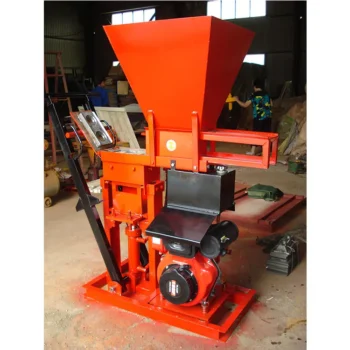
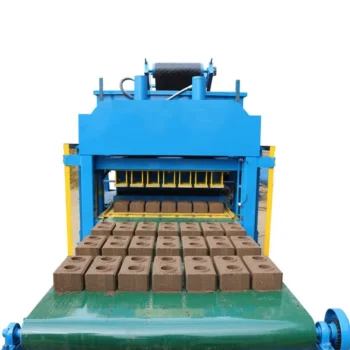
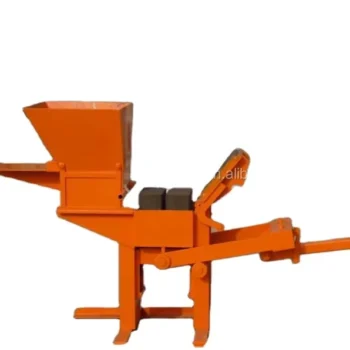
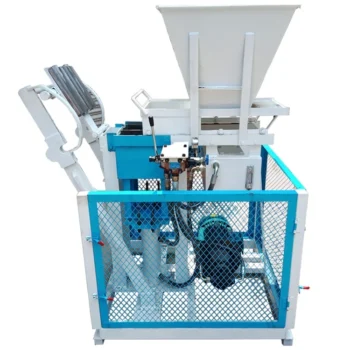
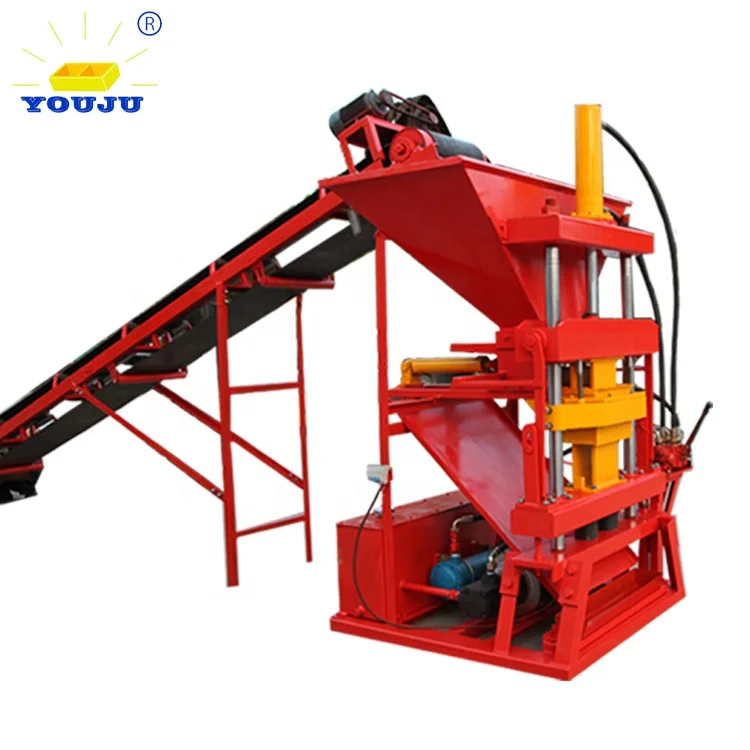
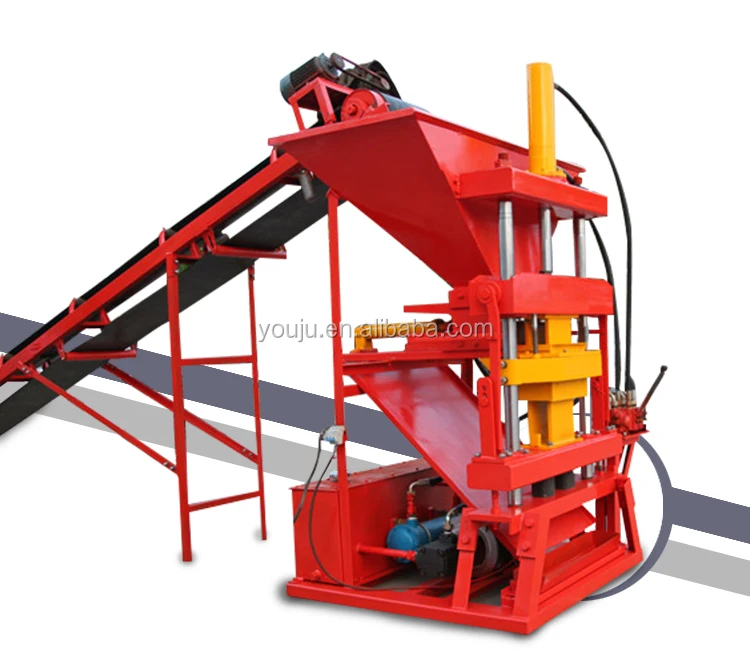
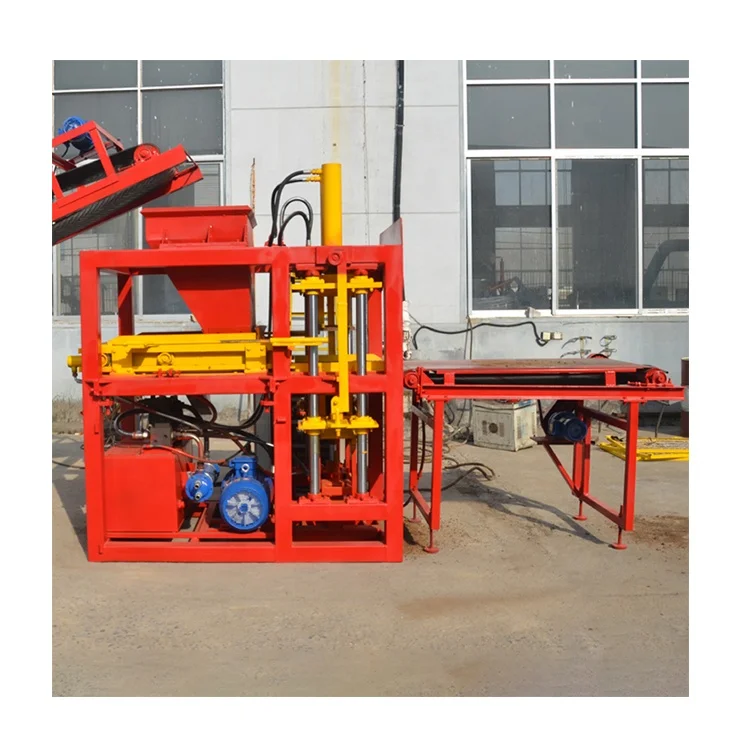
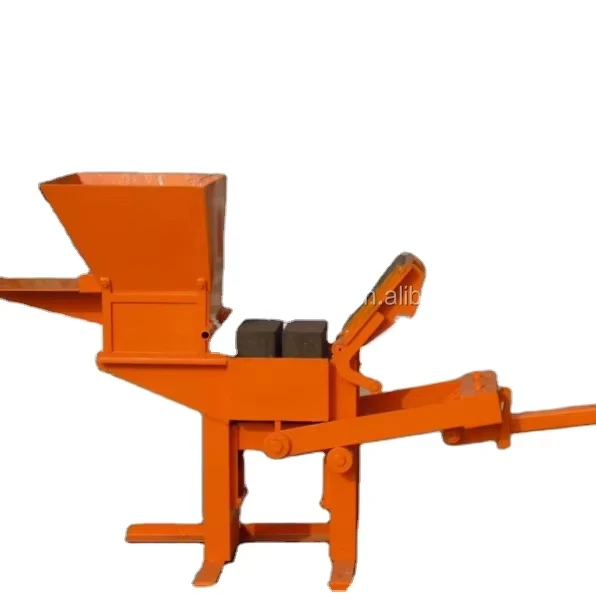
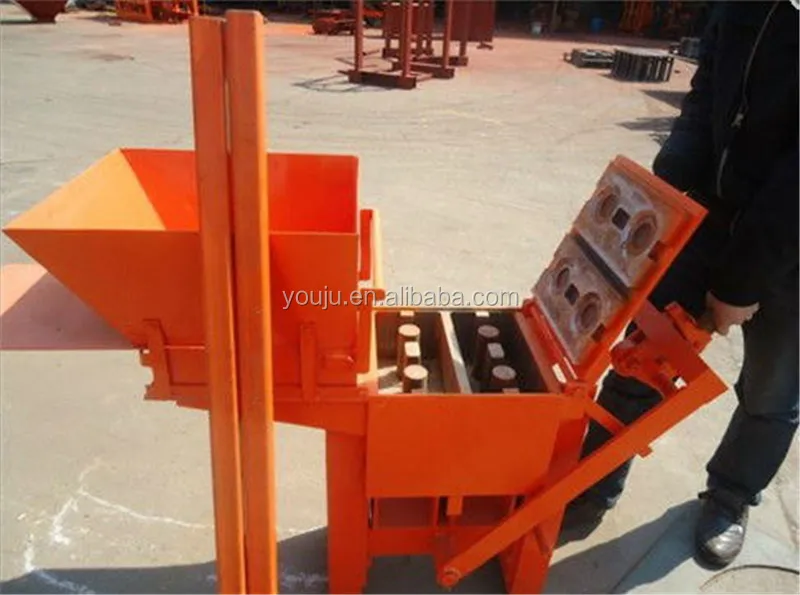
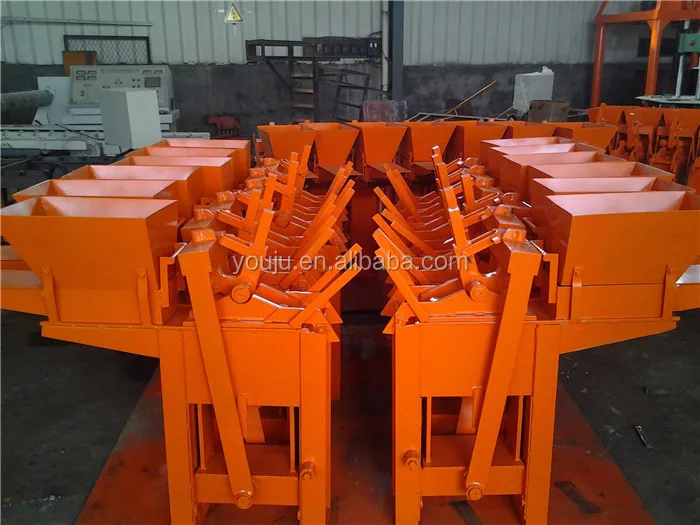
Matched system sourcing — The LY2-40 manual clay interlocking brick machine ships with moulds, mixer, and steel-wheel base specified as one coordinated package rather than assembled from separate suppliers, so the compaction stroke, mould cavity, and mix design align from the first production day.
Technical Specifications
| Parameter | Value |
|---|---|
| Model | LY2-40 |
| Product Type | Manual Clay Interlocking Brick Machine |
| Operation Type | Completely Manual, No Power Required |
| Lifting System | Manual |
| Mobility | Steel wheels for mobile operation |
| Molding Cycle | 30–40 seconds per stroke |
| Capacity | 400–1000 pcs/day (basis not stated in source — confirm block format, material, and thickness) |
| Dimension | 1600 x 700 x 1200 mm |
| Total Mass | 200–240 kgs |
| Total Power | No Power, Completely Manual |
| Basic Equipment | JFA-1 Mixer or JQ350 Mixer |
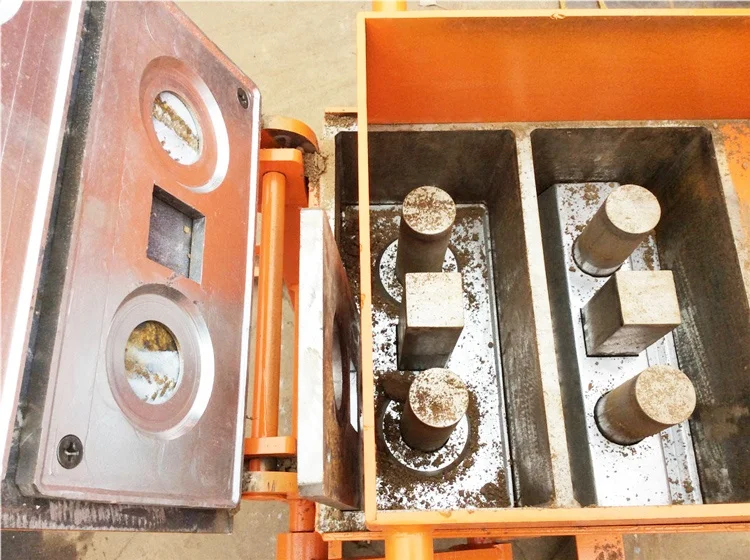
| Mould Change | Changeable for various blocks |
| Warranty | 1 Year |
| Mixing Method | Automated mix (with external mixer) or Manual mix |
Application Suitability
| Application | Material or Output |
|---|---|
| Off-grid clay brick production | Local red soil and cement, no electrical grid required |
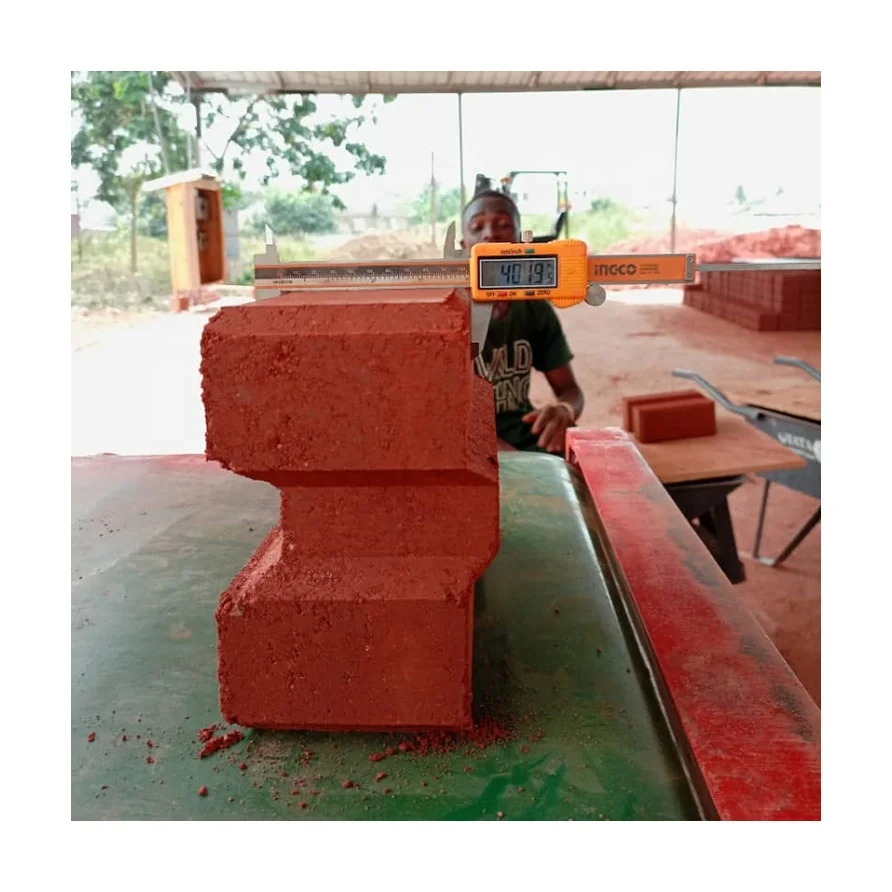
| Small-scale interlocking brick manufacturing | Soil-cement blend producing interlocking profiles for wall construction |
| On-site mobile brick production for contractors | Locally sourced soil mixed with cement at the build location |
| Entrepreneur-level first brick plant setup | Low-capital entry into interlocking block production using regional aggregates |
What "400 to 1000 Pieces Per Day" Actually Means for Interlocking Formats
The daily range only becomes real once you pin down the exact interlocking brick profile and wall thickness you plan to sell.
Catalogue sheets for manual clay interlocking brick machines often list a single output band, but a thin paver-style interlocking unit and a deep-cavity hollow interlocking block consume very different cycle times and operator effort. When the format is not specified upfront, buyers routinely discover that the machine produces well below the headline figure for the block their market demands. I spent a week on-site in West Africa re-tuning moisture content and stroke rhythm after the local red soil behaved nothing like the test batch we ran in Shandong [NEED_CITE: soil plasticity variation across laterite deposits]. Confirming the exact block drawing and target wall thickness before the order locks in prevents that gap between quoted and achievable output.
Mould Selection Drives the Real Output Conversation
Every interlocking profile — whether a two-hole stabilized block or a solid channel-lock brick — changes the fill volume the operator must shovel and the number of strokes needed per mould closure. The LY2-40 manual clay interlocking brick machine accepts changeable moulds, but the cycle time shifts as cavity depth increases. Specifying the exact mould drawing against the block format your market actually sells is the only way to convert the 30–40 second stroke range into a credible daily tally.
Matching Soil-Cement Mix to Manual Compaction Force
Manual presses do not generate hydraulic pressure, so block strength depends entirely on mix proportioning and moisture control. A soil-cement ratio that works under powered vibration may crumble under a hand-operated lever stroke. During the commissioning trip I mentioned, adjusting the moisture window by just a few percentage points was the difference between clean demoulding and cracked edges [NEED_CITE: soil-cement moisture sensitivity in manual compaction]. Requesting test block data with your specific local soil eliminates guesswork before the machine leaves the factory.
Reading the Key Specifications Beyond the Brochure
The 30–40 second molding cycle is the baseline for a standard interlocking cavity; deeper or multi-cavity moulds extend that figure and reduce daily output proportionally. The 200–240 kg total mass keeps the frame portable on its steel wheels yet heavy enough to resist lifting during the compaction stroke. No electrical dependency means zero risk of voltage mismatch or PLC language barriers at commissioning, a practical advantage for remote sites where grid specifications are unreliable [NEED_CITE: voltage and frequency standards by export market]. The included JFA-1 or JQ350 mixer choice lets buyers match batch size to crew capacity without sourcing a separate mixing station.
The Hidden Cost of Skipping Format and Mix Validation
When a buyer orders a manual clay interlocking brick machine without confirming the mould profile and local soil behaviour, the first production run often reveals blocks that crack during curing or fail interlock shear tests. Re-cutting moulds after shipment adds weeks of downtime and freight cost. Worse, operators lose confidence in the equipment and revert to hand-moulding, negating the entire capital outlay [NEED_CITE: field failure rates in manual block production without soil testing]. Running a sample batch with your actual soil at the factory before dispatch compresses that learning curve into days instead of months.
Why Procurement Through This Channel Reduces Specification Risk
Block machinery is our single focus, so the LY2-40 is quoted as a matched system — press, mould, mixer, and steel-wheel base — rather than a standalone unit expecting the buyer to source compatible peripherals. Configuration is set against the buyer’s actual mix design and target interlocking format, not pulled from a catalogue default. Custom mould drawings are produced in-house, ensuring the cavity profile matches the block your market sells. Automation level is selectable; a buyer can begin fully manual and move to semi-automatic equipment later without replacing the core press. Installation support includes on-site operator training covering mix ratios, stroke rhythm, and mould change procedure.
Documentation & Verification
- Factory test record using your specified interlocking mould and soil-cement ratio before dispatch
- Mould drawing and format list confirming cavity dimensions match your market block profile
- Operation and maintenance manual covering manual lever stroke sequence and mould swap procedure
- Wear parts list identifying high-friction surfaces and recommended replacement intervals
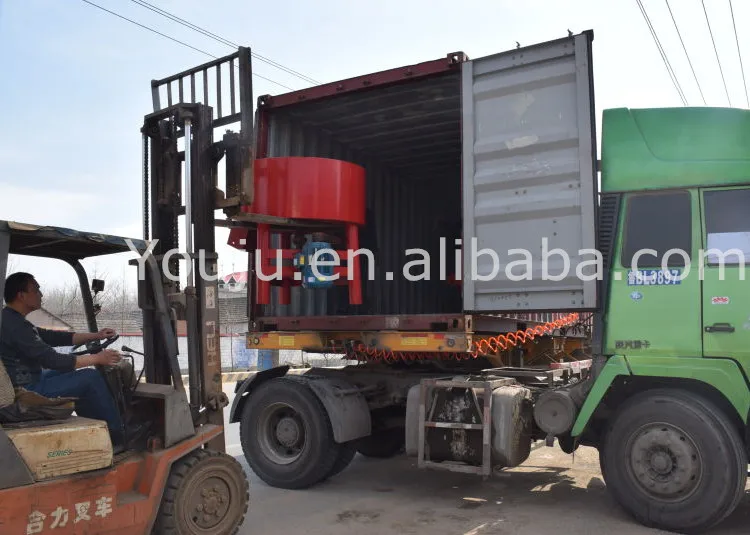
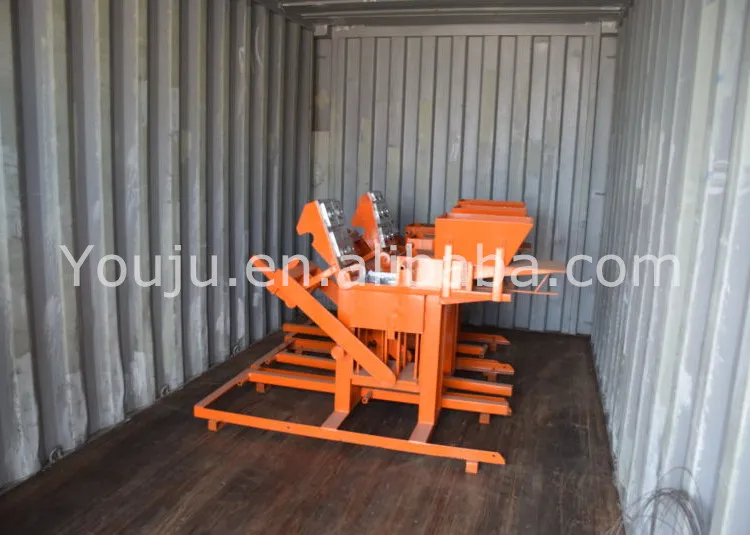
- Packing photographs showing dismantled components and steel-wheel base secured for container loading
Installation, Commissioning & Support
- No electrical wiring needed; the LY2-40 operates entirely by manual lever stroke on any level ground surface
- Steel-wheel base allows repositioning across the site without a fixed foundation or anchor bolts
- JFA-1 or JQ350 mixer positioned within one shovel radius to keep the molding cycle inside the 30–40 second window
- On-site commissioning covers soil-cement ratio calibration and stroke rhythm matched to your interlocking format
- Mould change training with basic hand tools so operators can swap profiles without external service calls
- One-year warranty covering structural frame and lever mechanism under normal manual compaction use
Requesting an Accurate Configuration Proposal
To receive a capacity calculation stated per block format rather than a generic daily total, share the interlocking brick drawing or sample, your target wall thickness, and the local soil type you plan to use. Include the daily output volume your project or market requires so the correct mould cavity count and mixer pairing can be confirmed. If the production site lacks grid power or has specific transport restrictions, mention those conditions so the steel-wheel mobility and manual operation advantages are fully leveraged in the proposal.
Frequently Asked Questions
Q: How is daily capacity calculated for each interlocking brick format, and what block size does the 400–1000 pcs/day range assume?
A: The published range is a general band and does not state the block format, material, or thickness it assumes. Real daily output depends on the cavity depth of your chosen interlocking mould, the soil-cement mix workability, and operator cycle rhythm. Request a capacity calculation tied to your specific block drawing before placing the order so the figure reflects actual production conditions.
Q: Which mould formats are available for interlocking brick, and can I get a custom mould to my drawing?
A: The LY2-40 accepts changeable moulds for various interlocking profiles, and custom moulds can be manufactured from buyer-supplied drawings. Confirming the exact interlocking geometry your market sells ensures the cavity profile, wall thickness, and locking channel are cut correctly before the machine ships, avoiding costly re-machining after arrival.
Q: What soil-cement mix ratio and moisture content does this manual press require for consistent block strength?
A: Because the LY2-40 applies manual compaction force rather than hydraulic pressure, the soil-cement ratio and moisture window must be calibrated to your local soil plasticity. A test batch run at the factory with your actual soil sample establishes the workable range. Operators then replicate that ratio on-site using the included mixer for batch-to-batch consistency.
Q: How long does a full mould change take on the LY2-40, and what tools are needed?
A: Mould changeover uses basic hand tools — typically spanners and a mallet — and involves unbolting the current mould frame, lifting it from the press bed, and seating the replacement. The process is straightforward once operators have been trained during commissioning, keeping format switching practical within a single shift without requiring specialist service support.
Q: What is included in the basic equipment package, and what supporting equipment do I need to source separately?
A: The LY2-40 package includes the manual press frame, steel-wheel base, one interlocking mould set, and either a JFA-1 or JQ350 mixer. Pallets, curing covers, and raw material stockpiling infrastructure are not part of the basic scope and should be sourced locally. Confirm these peripheral needs during the proposal stage so the production layout is complete before dispatch.