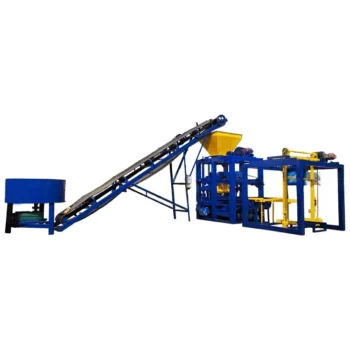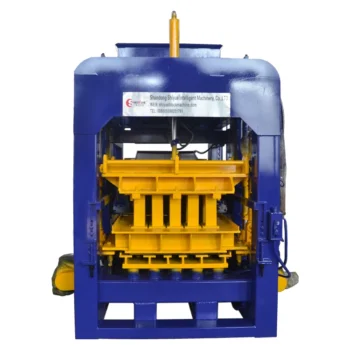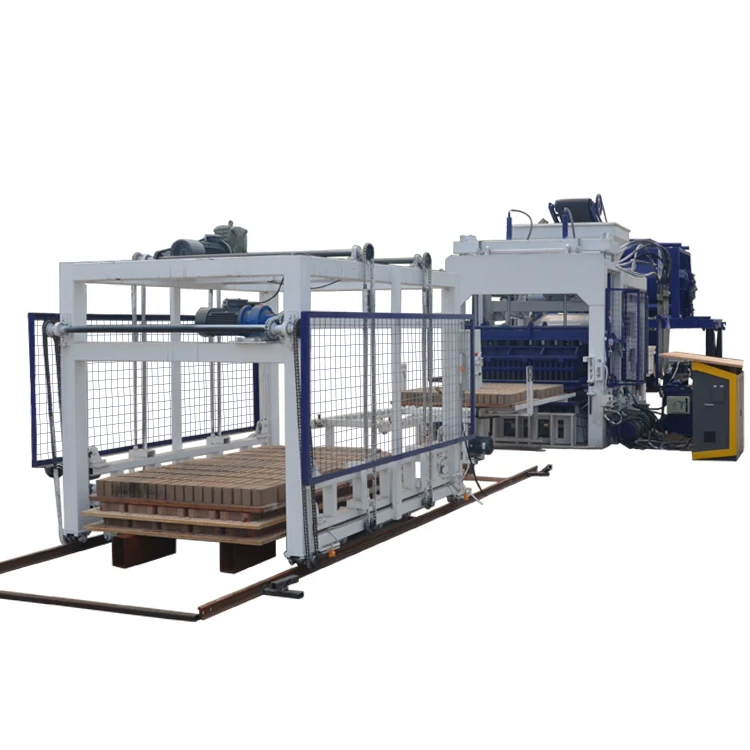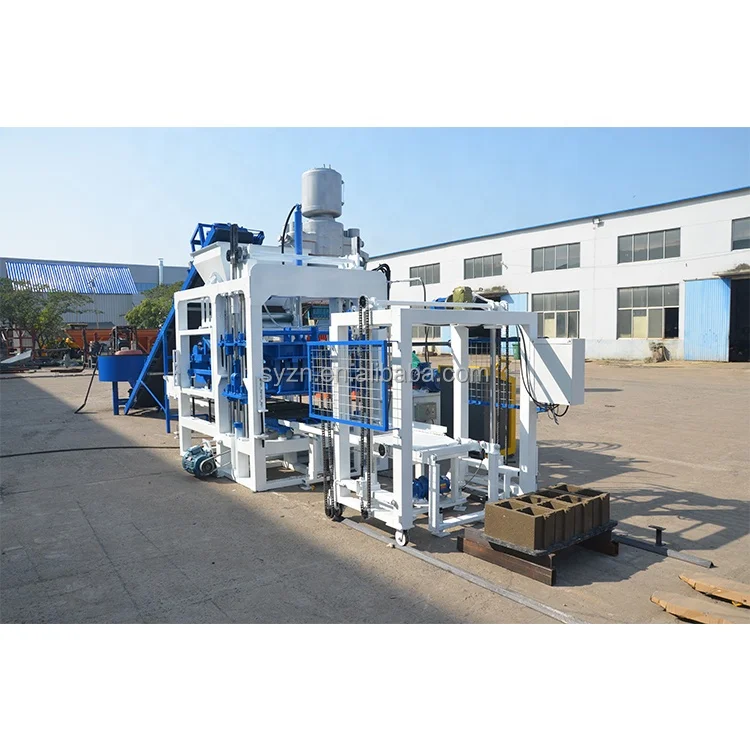



Description
Configuration Matched to Format — Every M7MI output figure is tied to a specific interlocking block dimension and verified cycle time, not a generic daily total.
Technical Specifications
| Parameter | Value |
|---|---|
| Model | M7MI |
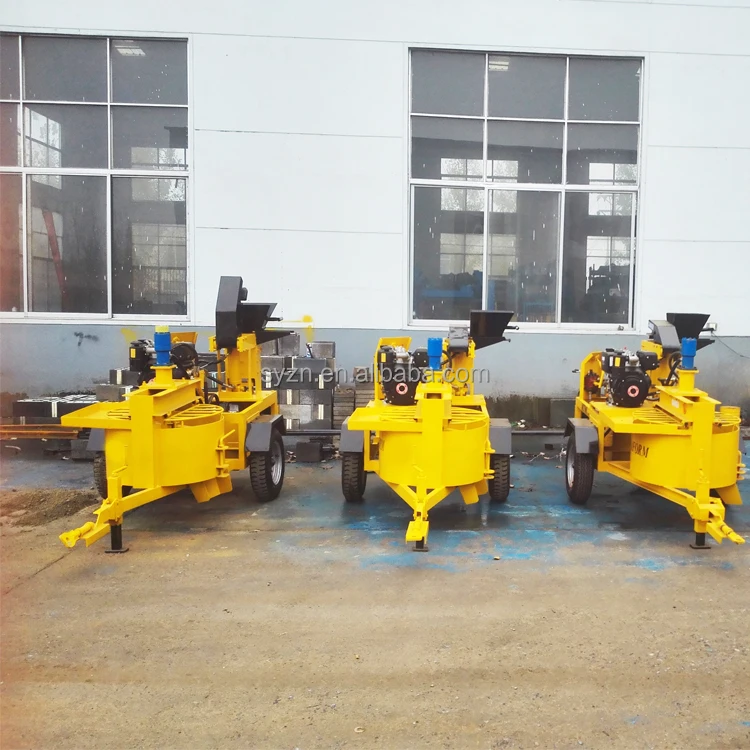
| Product Type | Hydraulic Interlocking Clay Block Machine |
| Engine | Diesel Engine |
| Hydraulic Pressure | 16 MPa |
| Molding Cycle | 15–20 s |
| Output Capacity | 1600 pcs/8hr (based on 300×150×100mm interlocking block, 1 pc/mould, 20s cycle) |
| Overall Dimensions (L×W×H) | 3200×1100×1500 mm |
| Net Weight | 1100 kg |
| Raw Materials | Clay, soil, concrete |
| Mould Change | Supported — multiple interlocking block formats |
| Power Source | Diesel (suitable for off-grid sites) |
Application Suitability
| Application | Material or Output |
|---|---|
| On-site interlocking block production | Local clay or soil mixed with stabiliser |
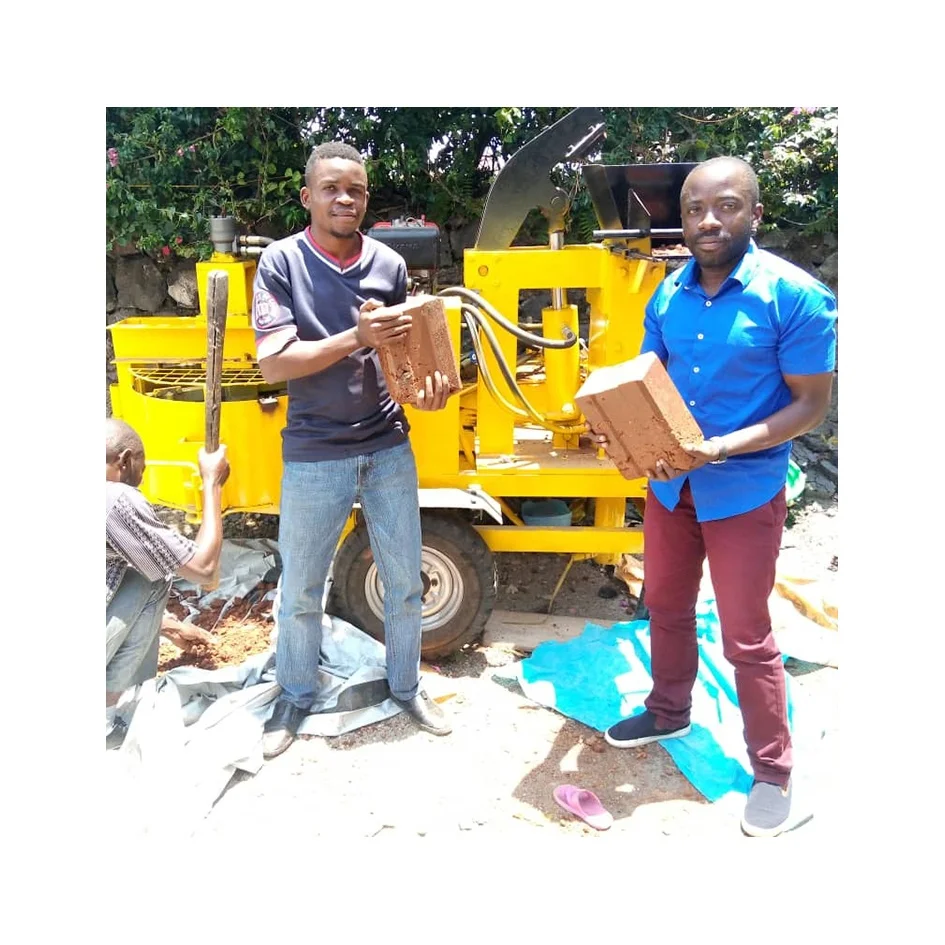
| Remote housing projects without grid power | Diesel-powered operation in rural Tanzania, Mozambique, Ethiopia |
| Small-scale concrete product startups | Concrete mix for interlocking pavers and wall blocks |
| Temporary construction site supply | Mobile setup producing blocks directly at the building location |
What "2200 Pieces per Day" Actually Means for Your Site
The number on the brochure only holds true if your block format, soil composition, and cycle time match the test conditions exactly.
Capacity figures quoted without naming the block format assumed have cost many first-time plant owners their projected revenue. I have watched contractors in East Africa receive a hydraulic interlocking clay block machine rated at a headline daily output, only to find that their local red soil requires a longer compaction cycle, dropping real throughput well below the quoted number. The M7MI capacity of 1600 pieces per eight-hour shift is calculated on a 300×150×100mm interlocking block at a 20-second cycle. If your target format is larger, or your clay demands additional pressing time, the actual figure shifts — and that shift must be known before the machine leaves the factory [NEED_CITE: block format and cycle time relationship in hydraulic pressing].
Per-Format Output Breakdown
A single hydraulic interlocking clay block machine specification means little until you see it mapped to the block your market actually buys. The M7MI moulds one interlocking block per cycle. At a 20-second cycle on a 300×150×100mm format, that gives 1600 blocks in an eight-hour shift. Switch the mould to a wider wall block and the cycle may extend toward the upper 20-second boundary or slightly beyond, reducing shift output proportionally. This format-by-format accounting is the only honest way to size a machine against a purchase order.
Diesel Power and Off-Grid Reality
Many interlocking block projects sit beyond the reach of reliable three-phase electricity. The M7MI runs on a diesel engine, removing the grid dependency that stalls commissioning on remote housing developments. Diesel operation does introduce fuel logistics and engine maintenance that an electric motor would not, and those trade-offs need to be visible in the project budget from day one. The 16 MPa hydraulic pressure remains constant regardless of power source, so block density does not suffer simply because the site lacks a grid connection [NEED_CITE: hydraulic pressure consistency across diesel and electric drives].
Reading the Pressure and Cycle Numbers Together
The 16 MPa hydraulic pressure determines how tightly the clay or soil particles are compacted inside the mould cavity. Higher pressure generally yields a denser, stronger block — but only if the molding cycle is long enough for the hydraulic ram to complete its full stroke sequence. The M7MI cycle range of 15–20 seconds reflects the time needed for the press to close, hold pressure, and release on standard interlocking formats. When local soil contains a high clay fraction, operators may need to hold pressure slightly longer to achieve target block strength, which in turn shortens shift output. Understanding this pressure-cycle relationship prevents the disappointment of receiving blocks that crumble during curing.
The Hidden Cost of Skipping a Soil Test
Ordering a hydraulic interlocking clay block machine without testing local soil first is one of the most expensive shortcuts a contractor can take. Soil with high sand content flows easily into the mould and compresses quickly, while heavy red clay resists both. When the machine arrives configured for a mix the buyer cannot source locally, the choices are to ship in different raw material at great expense or accept blocks that fail compressive strength tests. Neither outcome protects the project timeline or the contractor’s reputation [NEED_CITE: soil composition effects on interlocking block compressive strength].
Why Sourcing Here Reduces Specification Risk
Every M7MI leaves the factory configured against the buyer’s own soil sample and target block format, not a catalogue default. Mould drawings are confirmed before production so the interlocking profile matches what the local market sells. The diesel engine rating, hydraulic pressure setting, and cycle time are documented on the factory test record alongside actual block strength results from the buyer’s material. Pallet size is matched to the curing area the buyer already has, so blocks can be moved without a second equipment purchase. This single-supplier approach to machine, mould, and handling eliminates the gaps that appear when components are sourced separately.
Documentation & Verification
- Line layout and capacity calculation stating the exact block format used for M7MI output figures
- Mould drawing and interlocking profile list confirming included formats and custom options
- Machine specification sheet documenting hydraulic pressure, cycle time, and diesel engine rating
- Factory test record showing actual cycle time and block strength on buyer’s soil sample
- Operation and maintenance manual covering mould change and hydraulic service intervals
Installation, Commissioning & Support
- Compact 3200×1100×1500 mm footprint requires a level concrete pad rather than a full foundation
- Diesel engine eliminates electrical infrastructure but requires fuel storage and ventilation planning
- Machine ships partially assembled; hydraulic lines and mould are connected during on-site commissioning
- First production run verifies cycle time and block strength against the factory test record
- Operator training covers mould change procedure and hydraulic pressure adjustment for different soil mixes
- Wear parts list identifies hydraulic seals and mould liners with recommended replacement intervals
What to Include in Your Inquiry
To size the M7MI accurately for your project, share the interlocking block dimensions your market demands and a representative soil or clay sample. Include your target daily output and whether the site has any electrical supply at all, since that determines whether diesel remains the only option or a future electric conversion is worth planning. If you already have curing racks or pallets on site, provide their dimensions so the machine configuration aligns with your existing handling setup.
Frequently Asked Questions
Q: How is the 2200 pcs/day capacity calculated, and which block format does it assume?
A: The 2200-piece figure appears in some source materials without a stated format. The verified output we use is 1600 pieces per eight-hour shift, based on a 300×150×100mm interlocking block at one piece per mould and a 20-second cycle. Any larger format or slower cycle due to soil characteristics will reduce that number proportionally.
Q: What interlocking block formats and mould sizes are available for the M7MI?
A: The M7MI supports multiple interlocking profiles through mould changes. Standard options include common wall block and paver dimensions, and custom moulds can be manufactured to buyer drawings. A format list and mould drawing are confirmed before production so the profile matches your local market requirement.
Q: How does local clay or soil composition affect block strength and cycle time?
A: Sandy soils compress quickly and release from the mould easily, often allowing the shorter end of the 15–20 second cycle range. Heavy clay retains moisture and resists compaction, which can require longer hold times at 16 MPa to reach target strength. A soil sample test before shipment sets the correct cycle and pressure parameters.
Q: What is the mould change procedure and how long does a format switch take on-site?
A: The M7MI mould is bolted to the press frame and connected to the hydraulic ram. Operators remove the retaining bolts, lift out the current mould, position the new one, and reconnect. The entire change can be completed within a short break, allowing multiple formats in a single shift without significant downtime.
Q: Can the M7MI be configured for different diesel engine specifications or future electric motor conversion?
A: The diesel engine is selected to match the hydraulic pump requirements at 16 MPa. Different engine ratings can be specified for altitude or ambient temperature conditions. Electric motor conversion is mechanically possible in the future if grid power becomes available, though the hydraulic pump and control valving must be rechecked at that point.