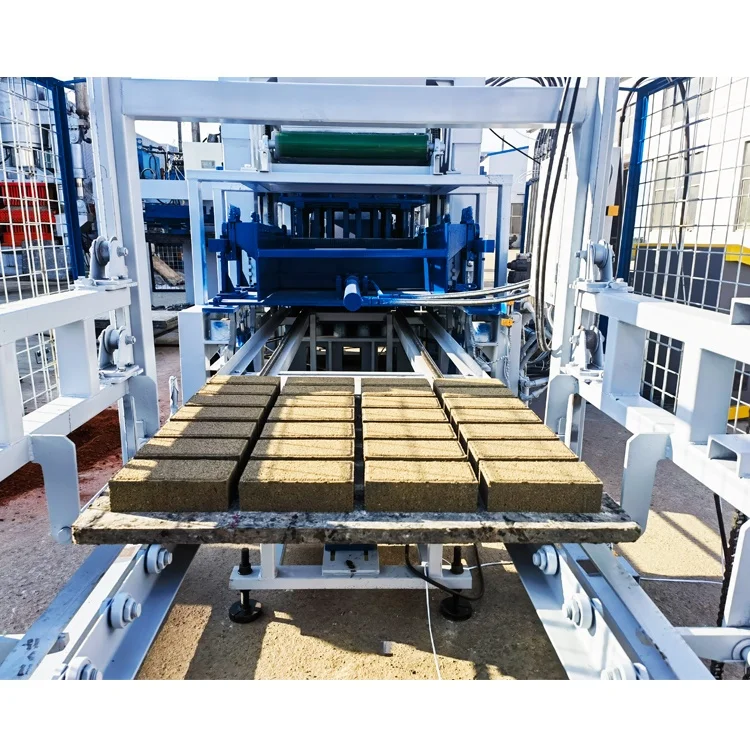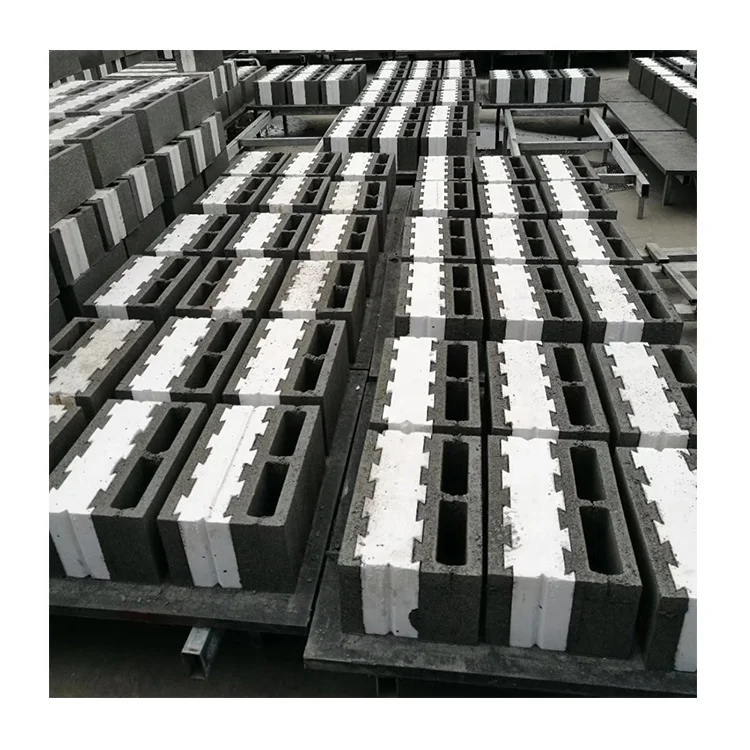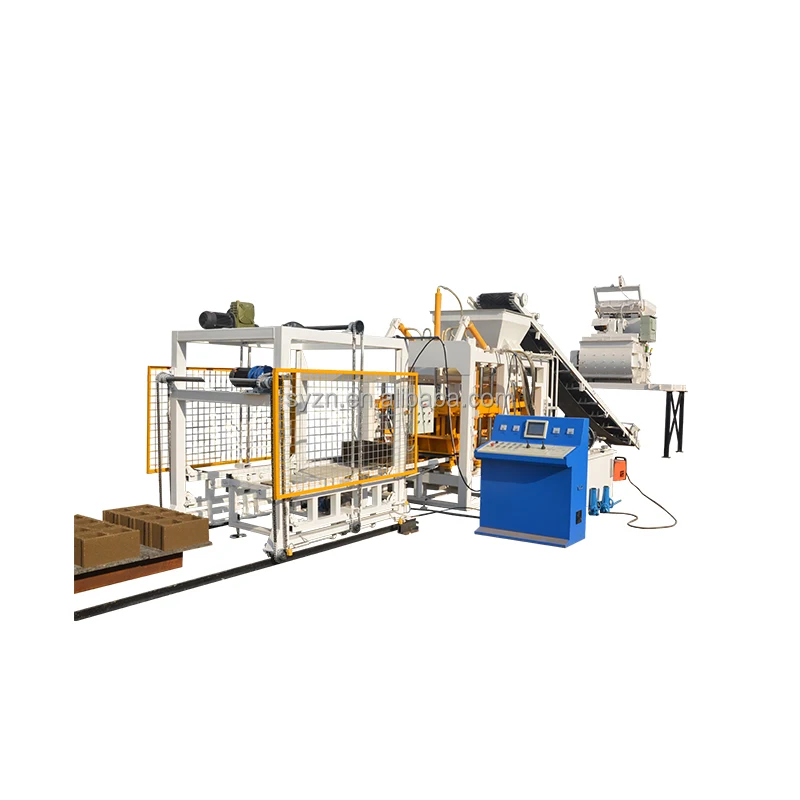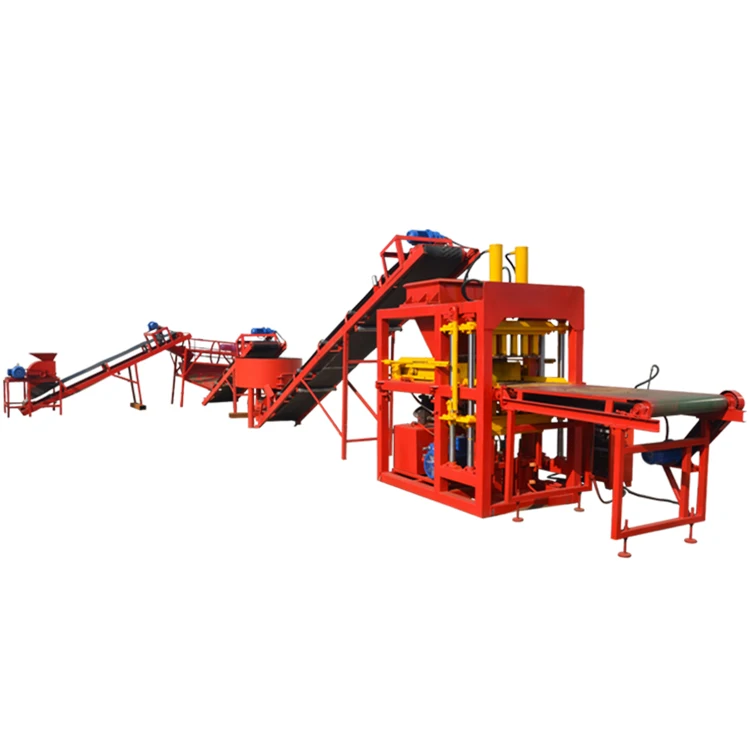
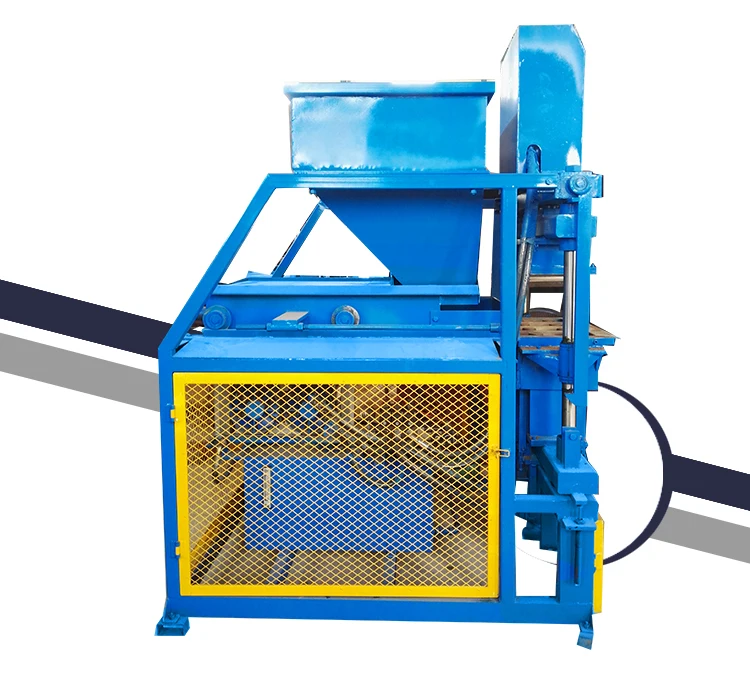

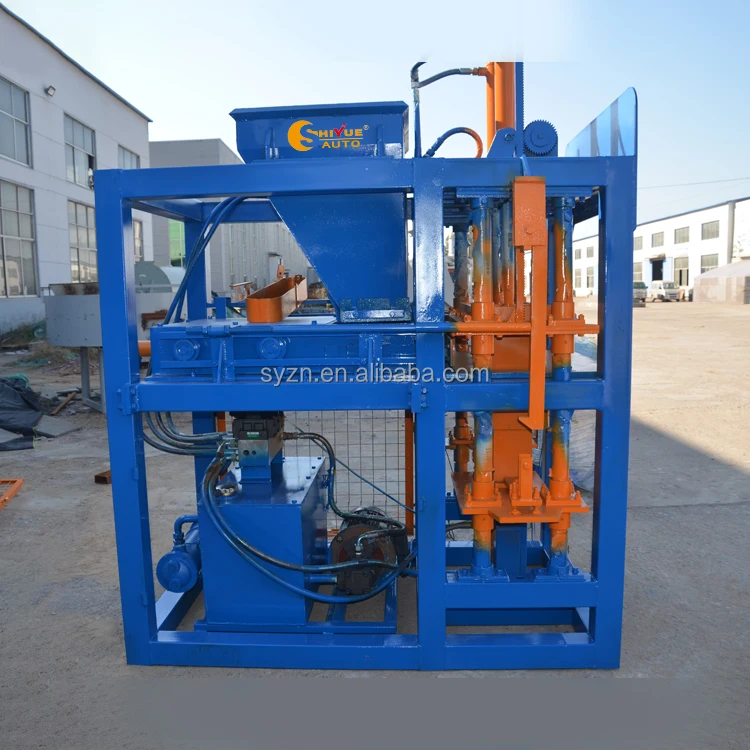
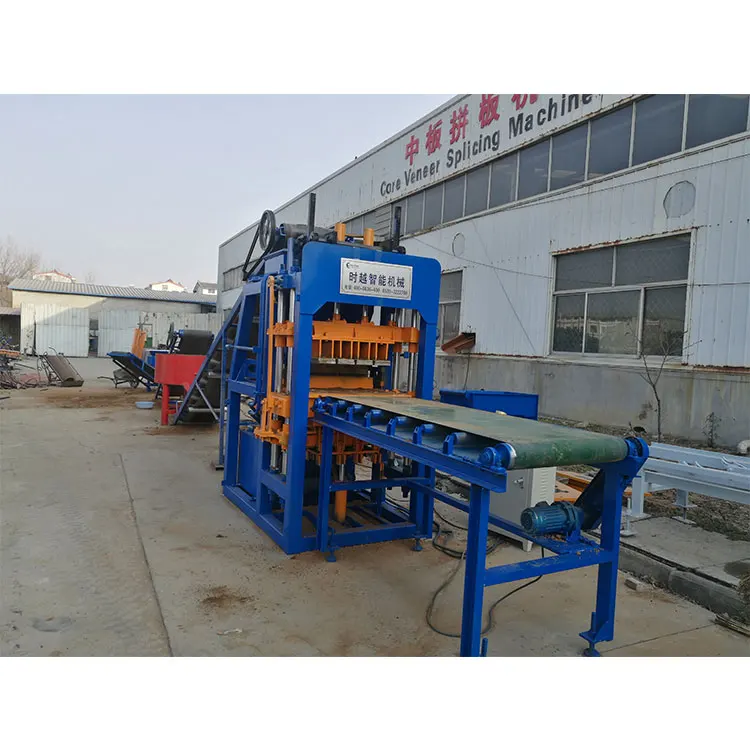

Description
Format-Matched Output — the LY4-10 block machine is specified against your actual brick dimension and local mix, not a generic catalogue figure, so daily capacity reflects the format you sell.
Technical Specifications
| Parameter | Value |
|---|---|
| Model | LY4-10 |
| Product Type | Automatic Clay Brick Making Machine |
| Rated Power | 11 kW |
| Molding Cycle | 10 s |
| Cycle Output | 4 pcs/mould (basis: 300×150×100 mm solid block) |
| Output Capacity | 11,520 pcs/8 hours (basis: 300×150×100 mm solid block, 4 pcs/mould) |
| Vibration System | Bed mould vertical vibration + upper mould compression vibration |
| Raw Materials | Concrete, sand, cement, fly ash, lime, gypsum |
| Overall Dimensions | 1600 × 1400 × 2100 mm |
| Net Weight | 1200 kg |
| Voltage | Configurable to buyer’s local voltage and frequency (confirm before order) |
| Control System | To be confirmed (PLC / relay / manual options available) |
| Pallet Size | To be confirmed based on curing area and handling equipment |
| Hydraulic Pressure | To be confirmed |
| Vibration Force | To be confirmed |
| Mould Change Time | To be confirmed |
| Stacking Method | To be confirmed (manual or automatic) |
Application Suitability
| Application | Material or Output |
|---|---|
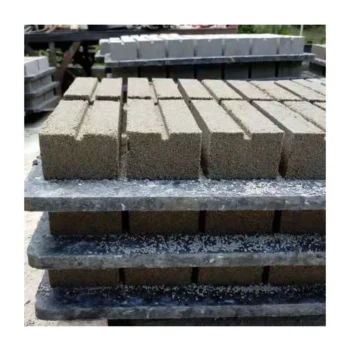
| Solid clay-style brick production | Concrete, sand, cement, fly ash, lime, gypsum blends |
| Small to medium block plant operation | 300×150×100 mm format at stated cycle rate |
| On-site construction block production | Locally sourced aggregates with compatible mix design |
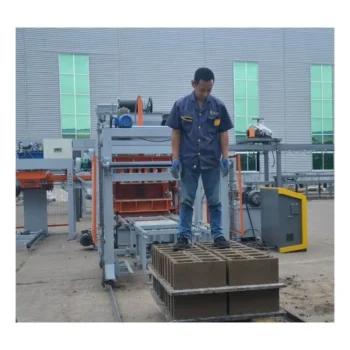
| First plant setup for entrepreneurs | Compact footprint with semi-automatic operation |
What "11,520 Pieces per Day" Actually Means for Your Brick Format
Capacity is meaningless without the block dimension it was measured against.
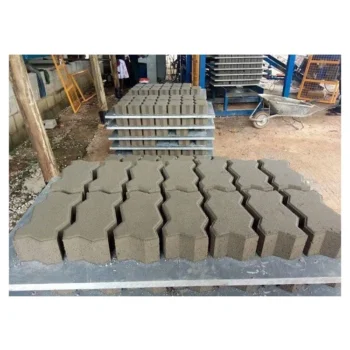
When a quotation states a daily output figure without naming the format, buyers regularly discover after commissioning that their actual production falls well short of what they planned for. The 11,520-piece figure for the LY4-10 is tied specifically to a 300×150×100 mm solid block at four pieces per mould and a 10-second cycle. If your market sells a different size — a thinner paver, a larger hollow block, or an interlocking profile — the cycle time and pieces per mould change, and so does your realistic daily output. Choosing a clay brick making machine without this format-level clarity is how plants end up running two shifts to hit what was promised in one. [NEED_CITE: block format impact on cycle time and daily capacity]
Matching the Press to the Brick Your Market Actually Buys
The LY4-10 is built around a single principle: the machine must be configured to the brick format your customers pay for, not the other way around. The mould cavity count, vibration frequency, and hydraulic pressure all interact with the block dimension and the mix design you can source locally. A machine tuned for one aggregate may underperform on another, which is why the clay brick making machine specifications should always be reviewed against your actual raw material profile before an order is placed.
Why Vibration and Pressure Must Be Read Together
Dual vibration — vertical from the bed mould and compression from the upper mould — distributes force across the block cavity more evenly than single-source vibration alone. For a 300×150×100 mm solid block, this means density stays consistent from face to core. The vibration force and hydraulic pressure ratings must be matched to your specific mix; a stiff, low-slump concrete responds differently than a fly-ash-heavy blend. [NEED_CITE: vibration force and hydraulic pressure matching for block density]
Reading the Specification Sheet Beyond the Headline Numbers
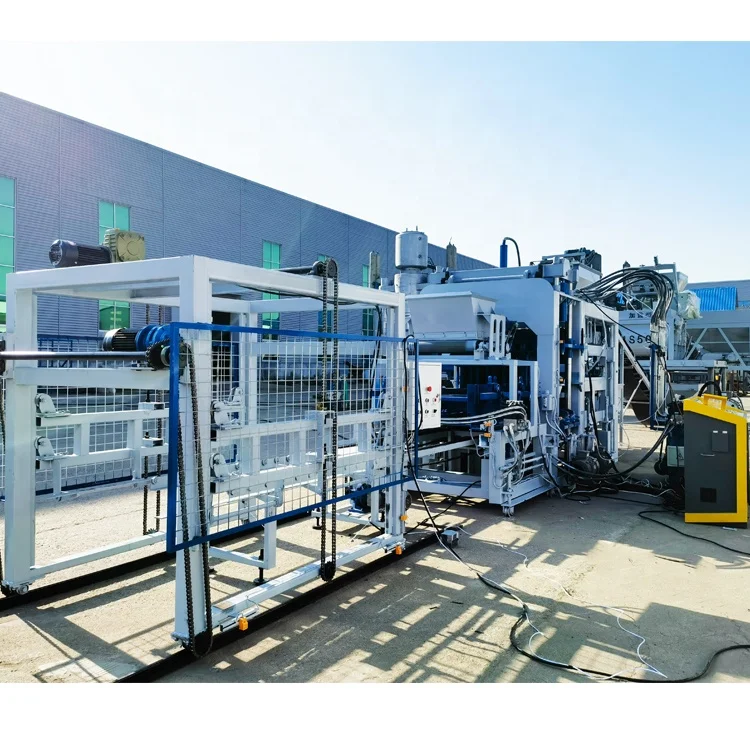
The 11 kW rated power drives the vibration motors and hydraulic pump within a compact 1600 × 1400 × 2100 mm frame. At 1200 kg net weight, the machine is sized for small to medium plants where floor space is limited but output demand is real. The 10-second molding cycle is achievable with a well-prepared mix and consistent pallet feeding, but cycle time in the field depends on pallet handling speed, operator rhythm, and whether the control system is set for manual or semi-automatic operation. Voltage and frequency must be confirmed against your local supply before the machine enters production, because a mismatch at commissioning can stall an entire project timeline. [NEED_CITE: voltage and frequency standards by export market]
The Cost of Skipping the Mix Design Conversation
I once configured a block machine for a buyer who ran locally sourced volcanic ash aggregate without telling me. The vibration frequency and pressure settings were calibrated for standard river sand, and when the machine arrived on site, block density was inconsistent and daily output dropped sharply. The buyer stood next to the material pile wondering why the numbers on paper didn’t match the blocks coming off the line. That is why confirming your raw material sample and mix proportions before the machine is built is not a delay — it is the step that prevents a far longer delay after arrival. [NEED_CITE: aggregate variability and block machine configuration]
Why Procurement Starts with Format, Not Price
This approach works because the machine, mould, pallet, and handling are specified as one matched system rather than assembled from separate suppliers. The mould design covers the formats your market sells, with custom drawings available when your product range goes beyond standard sizes. Automation level is selectable, so a buyer can start with semi-automatic pallet handling and add automatic stacking later as volume grows. Configuration is set against your actual mix design and local aggregate, not a catalogue default. Factory testing runs your target format before dispatch, so the output you see in the test record is the output you can plan around. Documentation includes the capacity calculation sheet stating the block format assumed, the mould drawing and format list, and pallet specifications matched to your curing area.
Documentation & Verification
- Capacity calculation sheet stating the 300×150×100 mm format assumption behind the 11,520-piece daily figure
- Mould drawing and format list confirming available brick sizes beyond the standard configuration
- Pallet specification document matched to your existing curing rack dimensions and forklift capacity
- Factory test record run on your confirmed mix design and target block format before dispatch
- Voltage, frequency, and control language confirmation sheet signed off before production begins
Installation, Commissioning & Support
- Foundation must support 1200 kg net weight plus dynamic vibration loads across the 1600 × 1400 mm footprint
- Electrical supply must match confirmed voltage and frequency with a dedicated circuit for the 11 kW rated power draw
- Machine arrives as a single assembled unit; vibration motors and hydraulic connections verified on site during commissioning
- First production run includes mould alignment, cycle timing verification, and block density checks against your mix design
- Operator training covers mould change procedure, pallet feeding rhythm, and daily vibration system inspection
- Wear parts list and mould maintenance schedule provided, with initial spare parts recommended based on your production volume
What We Need to Configure Your Machine
To move from inquiry to a quotation that reflects your actual production conditions, share your target brick format and the daily output you need to hit. Include your local raw material type and any mix proportions you already use, along with your site voltage and frequency. If you have an existing curing area or forklift, send the dimensions so the pallet specification can be matched before the machine is built.
Frequently Asked Questions
Q: How is the 11,520 pieces per day figure calculated, and what happens if my brick format is different?
A: That figure is based on a 300×150×100 mm solid block at four pieces per mould and a 10-second molding cycle over an eight-hour shift. If your market sells a different format, the pieces per mould and cycle time change accordingly. Request a recalculation against your actual selling format before placing an order so you can plan production realistically.
Q: Is the LY4-10 semi-automatic or fully automatic?
A: The machine body text describes semi-automatic operation, though the product title references full automation. The control system and stacking method are configurable. Confirm with the manufacturer whether your configuration includes automatic pallet feeding and stacking, or whether those steps remain manual in your setup.
Q: How do I confirm the machine will work with my local aggregate and mix design?
A: Provide a raw material sample and your existing mix proportions before the machine enters production. The vibration force and hydraulic pressure are then set against your actual materials, and the factory test runs your confirmed mix. This step prevents output shortfalls caused by aggregate mismatch after the machine arrives on site.
Q: What pallet size does this machine require, and how do I ensure compatibility with my curing area?
A: Pallet dimensions are not stated as a fixed value and must be confirmed based on your curing rack spacing and forklift capacity. Share your existing handling equipment specifications so the pallet size can be matched before production, avoiding a situation where finished blocks cannot be moved efficiently through your curing process.