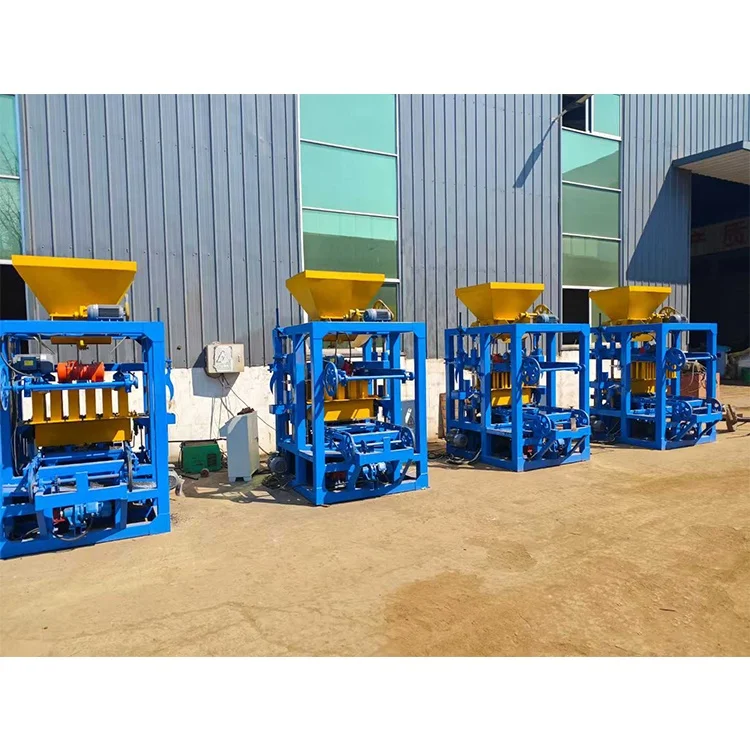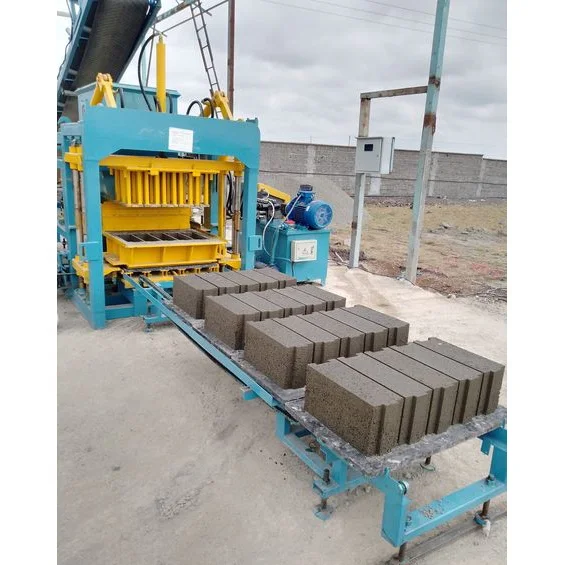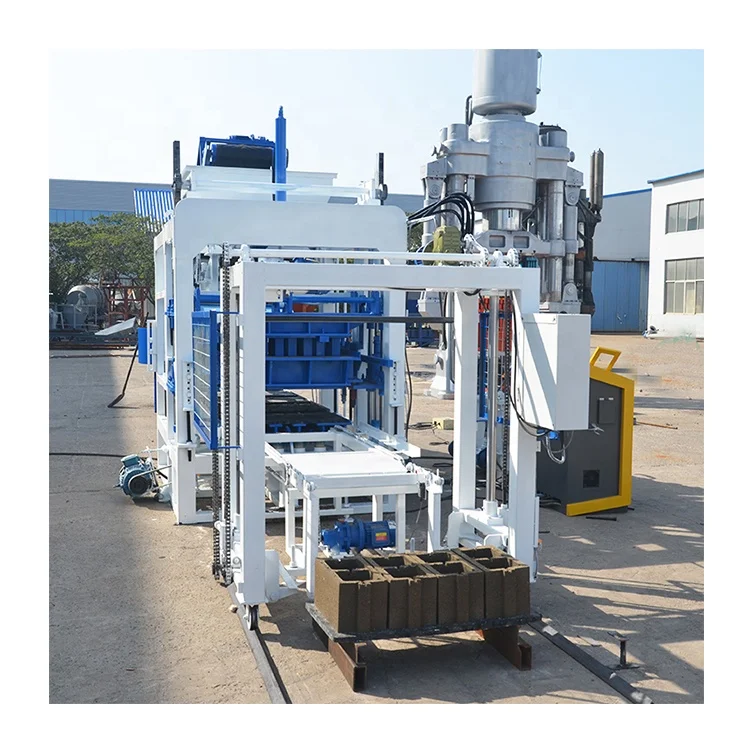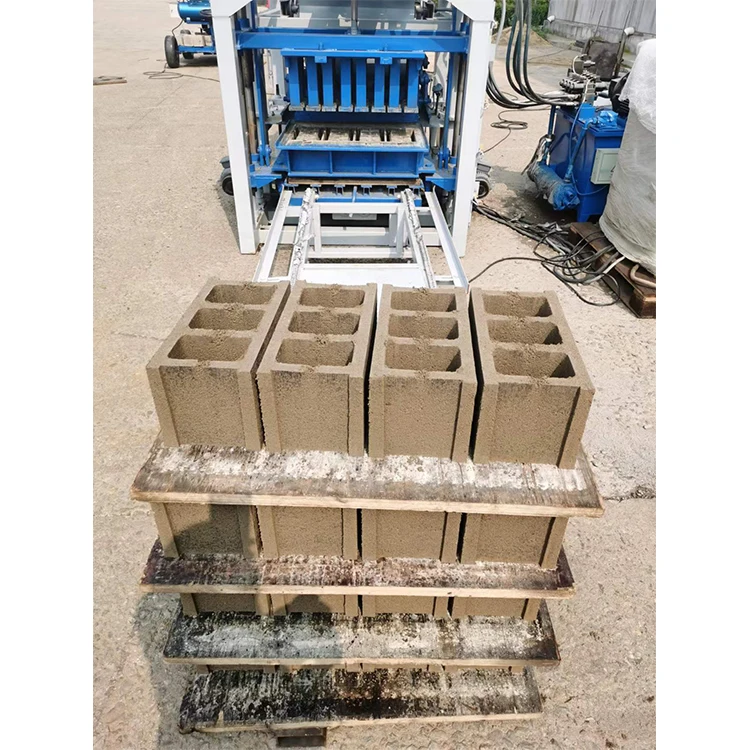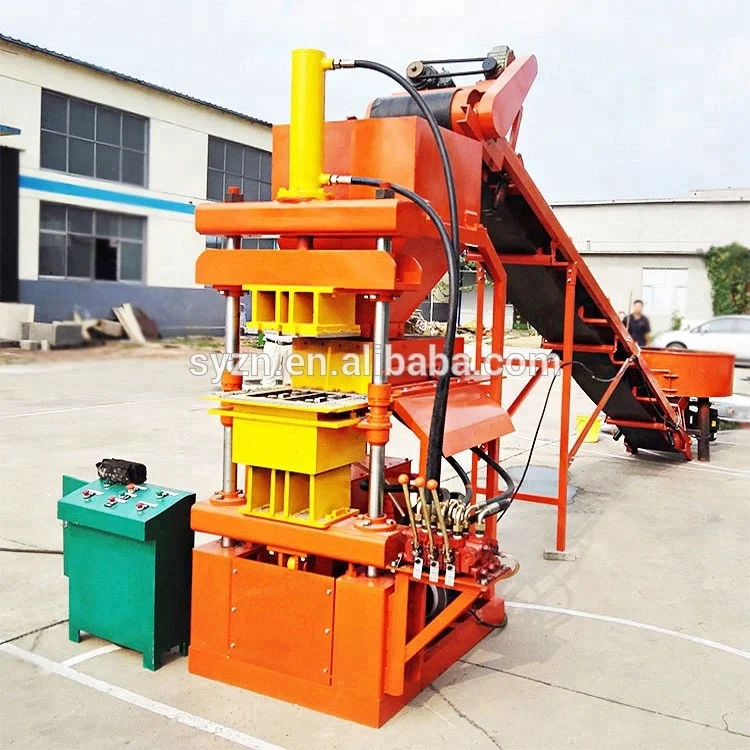


Description
Honest Capacity by Format — Every output figure on this page names the exact interlocking brick size behind it, so you plan against real production, not catalogue peaks.
Technical Specifications
| Parameter | Value |
|---|---|
| Model | LY2-10 |
| Product Type | Clay Interlocking Brick Making Machine |
| Machine Power | 7.5 kW |
| Molding Cycle | 10s (basis not stated in source — confirm block format / material / thickness) |
| Capacity | 6000 pcs / 8 hours (basis not stated in source — confirm block format / material / thickness) |
| Sample Block Size 1 | 300 × 150 × 100 mm — 750 pcs/h, 6000 pcs / 8h |
| Sample Block Size 2 | 250 × 125 × 75 mm — 750 pcs/h, 6000 pcs / 8h |
| Sample Block Size 3 | 230 × 220 × 115 mm — 750 pcs/h, 6000 pcs / 8h |
| Raw Material | Clay, soil, earth, mud, concrete, cement, fly ash |
| Overall Dimensions (L×W×H) | 1300 × 1800 × 2400 mm |
| Automation Level | Semi-automatic |
| Pcs per Mould | 1 (based on listed sample formats) |
| Assembly State | Stationary |
Application Suitability
| Application | Material or Output |
|---|---|
| Small-scale interlocking brick plant | Locally sourced clay or soil mixed with cement binder |
| On-site construction block production | Earth and mud from excavation, stabilized with cement |
| First-time entrepreneur brick operation | Fly ash or concrete mixes matched to regional aggregate |
| Format expansion for existing product line | Interlocking profiles added alongside solid or hollow block output |
What "6,000 Bricks per Day" Actually Means for Your Format
The daily output number only matters when tied to the exact block size your market buys.
Quoting capacity without naming the block format is the most common reason buyers see real production fall short of what they signed for. A machine might reach a certain cycle count per hour on a small, thin paver, but that same cycle time applied to a 300 × 150 × 100 mm interlocking brick tells a different story about daily tonnage and curing space requirements. When I first started configuring machines for export, I learned to stop quoting a single headline number and instead show output per format, because buyers planning a clay interlocking brick making machine purchase need to match their order book, not a brochure peak. [NEED_CITE: block format impact on daily output planning for semi-automatic plants]
Matching the Mould to the Block Your Market Sells
The LY2-10 lists three sample interlocking brick formats, each producing one piece per mould cycle. The cycle time and daily capacity figures are stated for those specific dimensions, which means a buyer comparing this clay interlocking brick making machine against another supplier must confirm the format assumption on both sides before the numbers mean anything. Mould design is also available to buyer drawings, so if your local market demands an interlocking profile outside these three samples, the machine can be configured around that format from the start rather than adapted after arrival.
Semi-Automatic as a Realistic Starting Point
A semi-automatic configuration keeps the operator involved in pallet handling and stacking while the press cycle itself runs on a set sequence. For a first-time plant owner or a contractor producing interlocking blocks on a building site, this level reduces capital outlay and avoids the complexity of full automatic stacking systems before the production rhythm is established. The upgrade path to higher automation remains open, which matters when daily volumes grow and labour availability tightens. [NEED_CITE: automation level selection for small block plants entering interlocking brick production]
Reading the Specs Beyond the Headline Number
The 7.5 kW motor rating sets the energy envelope for both the extrusion or pressing force and any auxiliary agitation, which directly affects how the machine handles stiffer clay mixes versus looser soil-cement blends. Overall dimensions of 1300 × 1800 × 2400 mm keep the footprint compact enough for a small workshop or a sheltered corner of a construction site, but the height figure means overhead clearance must be checked before foundation work begins. The ten-second moulding cycle, once confirmed against your specific block thickness and material, determines not just output but also how fast the curing rack must turn over to keep pace without bottlenecks downstream.
The Hidden Cost of Skipping the Material Sample
Sending a raw material sample before the order is confirmed feels like a delay, but configuring a machine for a clay mix it never tested is a far bigger delay once it arrives on site. I once spent four days at a Southeast Asian plant adjusting mixing ratios and pressing pressure because the local clay had a higher sand content than the lab sample we originally worked from, and the bricks were cracking at half the rated output. That experience cemented my practice of requiring a material sample for every clay interlocking brick making machine we configure, because local aggregate behaviour cannot be guessed from a data sheet. [NEED_CITE: raw material variability impact on interlocking brick strength and surface finish]
Why Sourcing From a Single-Focus Supplier Matters
Block machinery is the only product category here, which means the press, mould, pallet specification, and handling equipment are treated as one matched system rather than assembled from unrelated vendors. The capacity calculation document you receive names the block format behind every output figure, removing the guesswork that usually surfaces during commissioning. Mould drawings and format lists are provided before production so you can verify interlocking profiles against your market samples. Voltage, frequency, and control language are confirmed in writing before the machine leaves the factory, preventing the kind of wiring delay that holds up first production. Ongoing support covers mould replacements and hydraulic wear parts, so the first reorder does not become a search for compatible components.
Documentation & Verification
- Line layout and capacity calculation stating exact interlocking brick format for each output figure
- Mould drawing and format list confirming profile dimensions and interchangeability
- Voltage, frequency, and control display language confirmation sheet before dispatch
- Factory test record run on material matching your clay or soil-cement mix
- Operation and maintenance manual with wear parts and mould replacement list
Installation, Commissioning & Support
- Foundation pad sized to 1300 × 1800 mm footprint with level tolerance specified for stationary assembly
- Dedicated 7.5 kW circuit with voltage and frequency matched to local supply before wiring
- Machine arrives as a single stationary unit requiring overhead clearance of at least 2400 mm
- First production run supervised to confirm moulding cycle and block density against your mix
- Operator training covers mould change procedure and daily wear part inspection
- Wear parts list provided with recommended reorder intervals for continuous production
What to Prepare Before Requesting a Quote
To configure the LY2-10 around your actual production needs, share the interlocking brick format your market buys most, along with a sample or lab analysis of the local clay, soil, or cement mix you plan to use. Confirm the daily output target in pieces and the number of shifts you intend to run. Provide your site voltage, frequency, and preferred control display language so the electrical package is built correctly before shipment.
Frequently Asked Questions
Q: How is daily capacity calculated, and which block format is assumed for the 6,000 pcs/8h figure?
A: The 6,000 pieces per eight-hour figure is listed alongside three sample block sizes — 300 × 150 × 100 mm, 250 × 125 × 75 mm, and 230 × 220 × 115 mm — each at 750 pieces per hour. The capacity calculation document provided with your quotation will state the exact format assumed, so you can plan curing space and pallet inventory against real production rather than an unqualified headline number.
Q: What mould formats are available, and how long does a mould change take on the LY2-10?
A: The machine supports multiple interlocking brick profiles, with three sample sizes listed and custom mould design available to buyer drawings. Mould change time depends on the locking mechanism and operator familiarity, so we confirm the procedure and estimated changeover duration during commissioning and include it in the operator training session at your site.
Q: How should the machine be configured to match my local clay, soil, or cement mix design?
A: We request a raw material sample before finalising the configuration so the pressing force and mixing ratio can be matched to your actual aggregate behaviour. This avoids the situation where a machine arrives set for a standard mix that your local clay cannot replicate, which would otherwise require costly on-site adjustments and material substitution.
Q: What voltage, frequency, and PLC display language options are confirmed before dispatch?
A: Voltage and frequency are specified to match your site supply, and the control display language is confirmed in writing before the machine enters production. This prevents the common delay where a machine arrives with an unfamiliar voltage rating or a control panel in a language the operators cannot read, holding up commissioning by days or weeks.
Q: What documentation is provided to support installation, commissioning, and first spare parts order?
A: You receive a line layout with capacity per format, mould drawings, hydraulic and electrical schematics, a factory test record, an operation manual, and a wear parts list. These documents cover everything from foundation preparation through to the first mould and hydraulic seal reorder, so production continuity is maintained without waiting for supplementary information.