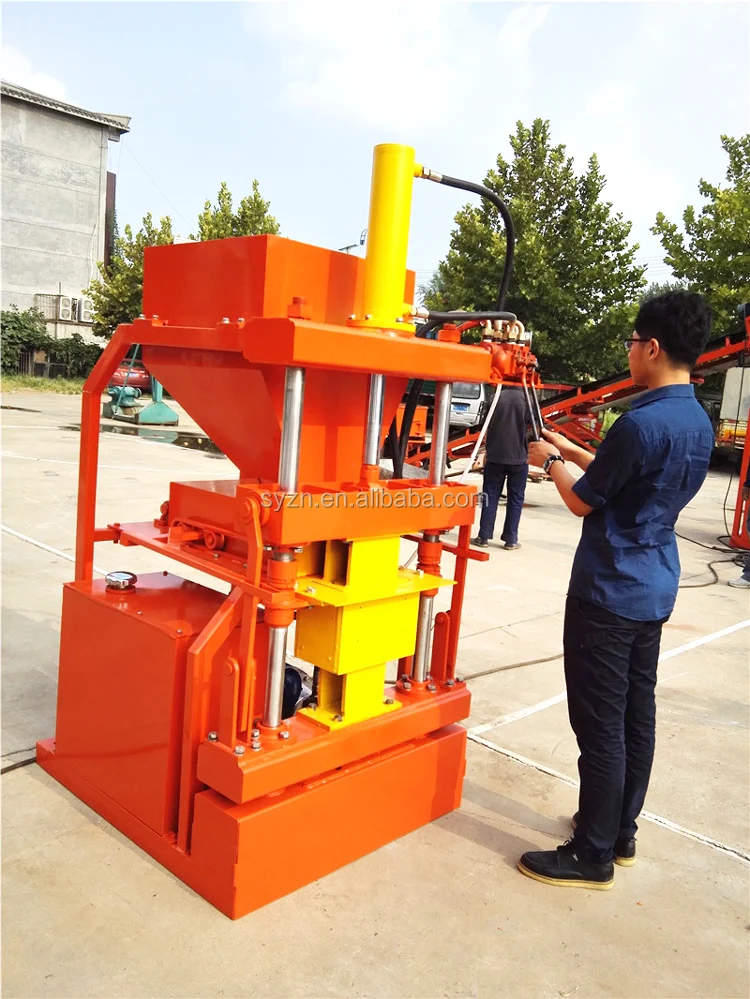
Description
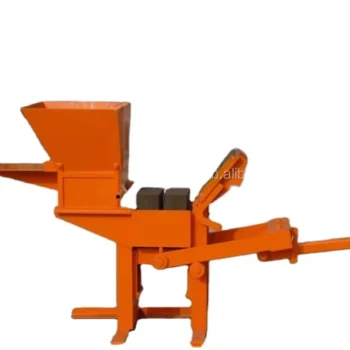
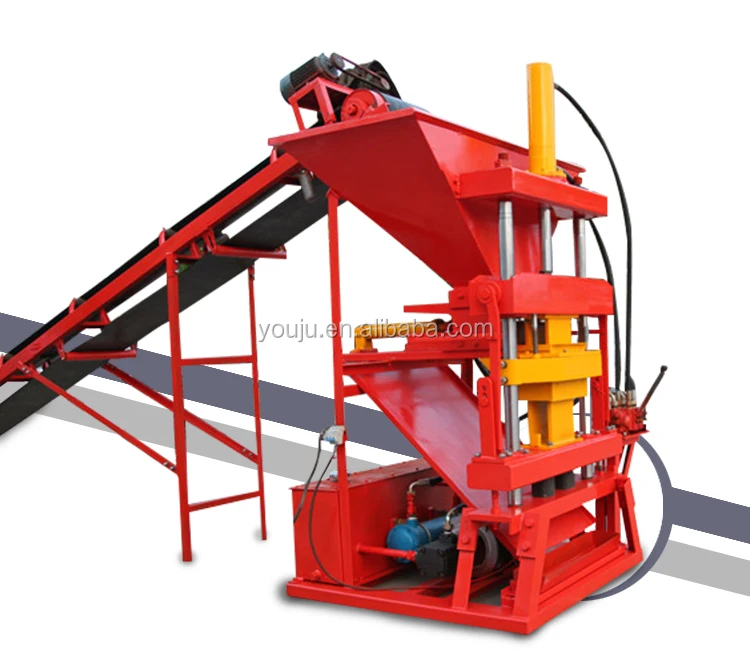
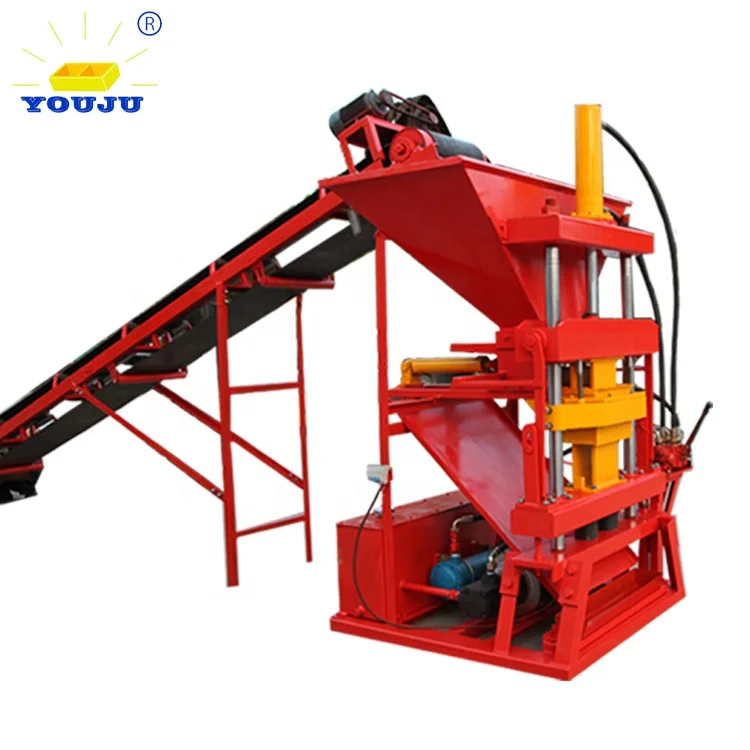
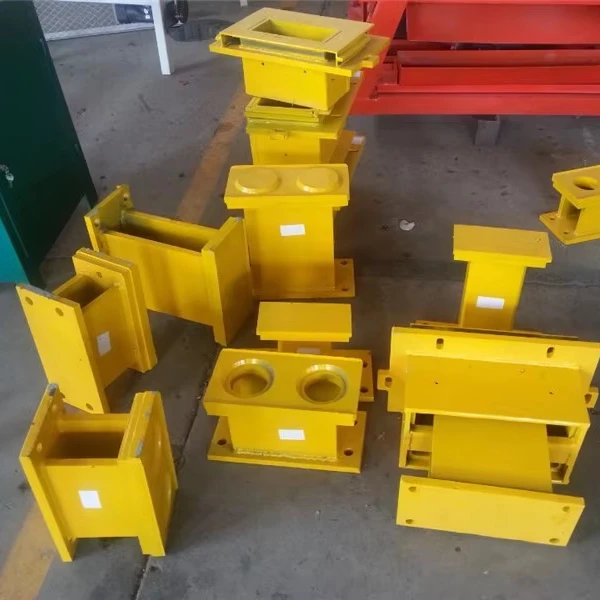
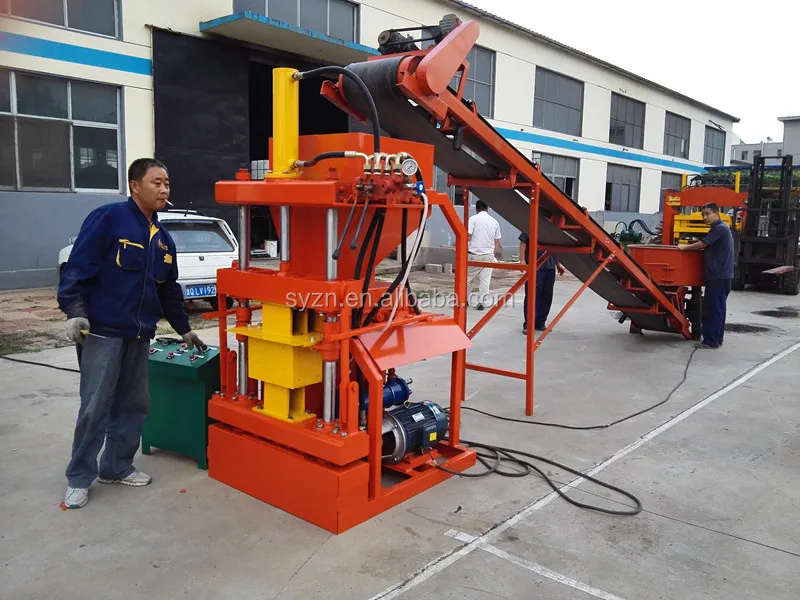
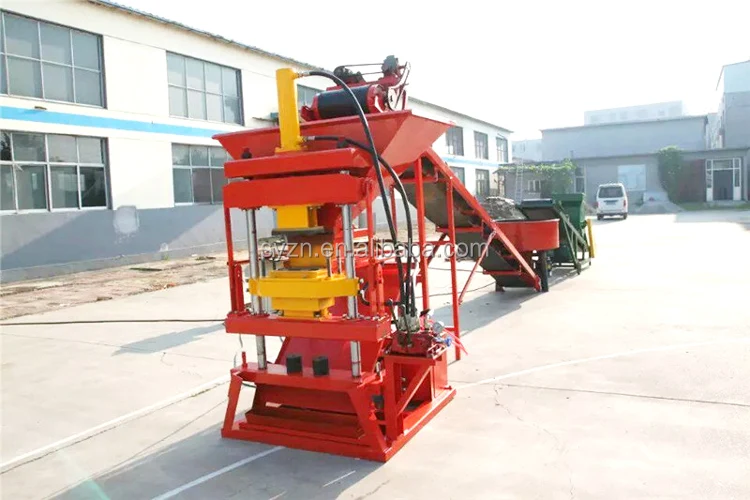
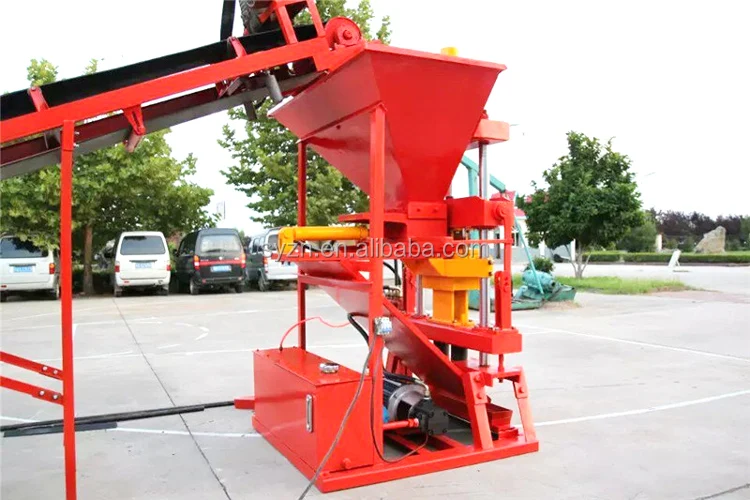
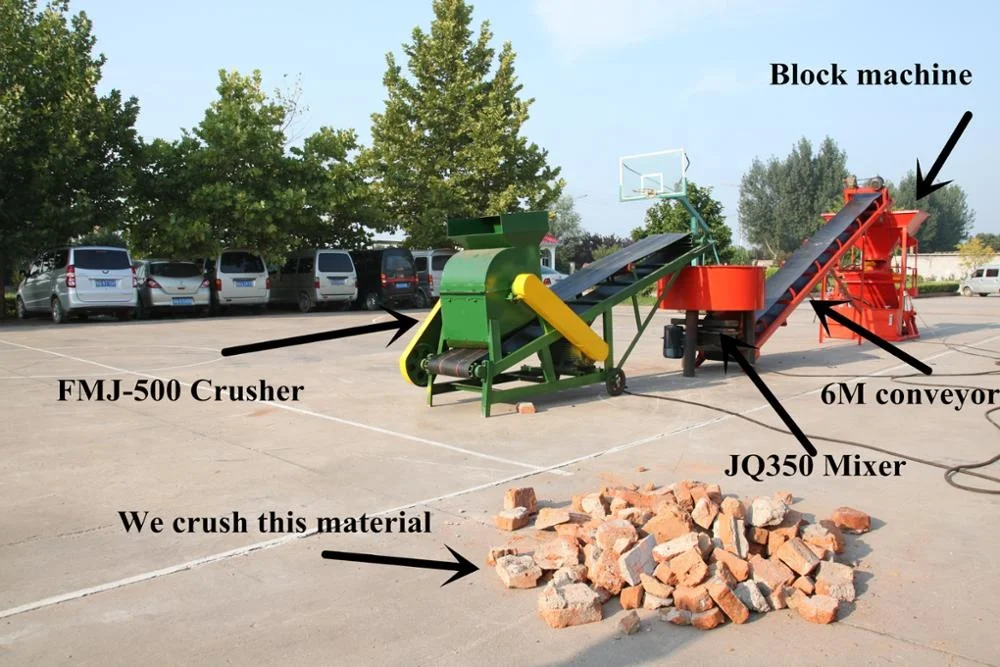
Matched System Integration — The ECO 2700 Plus ships with moulds, pallets, and hydraulic settings calibrated to your specific interlocking brick profile and local clay composition, preventing the mismatch that causes on-site failures.
Technical Specifications
| Parameter | Value |
|---|---|
| Model | ECO 2700 Plus |
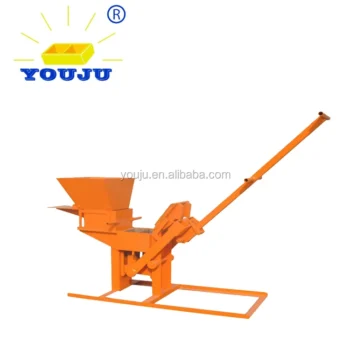
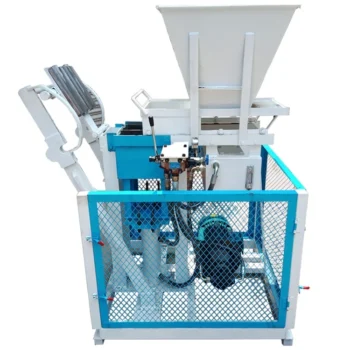
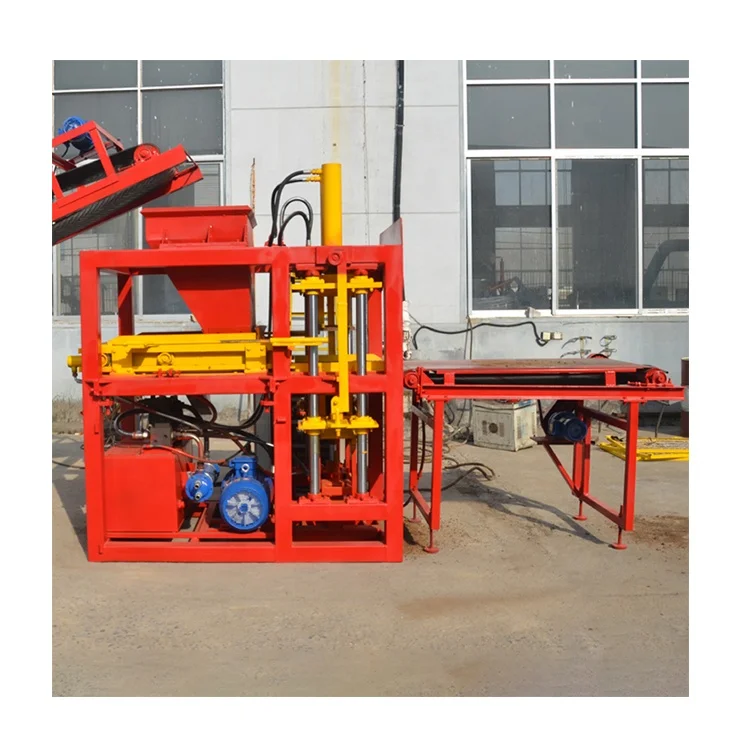
| Product Type | Hydraulic Clay Interlocking Brick Machine |
| Dimension | 1600 x 1300 x 2330 mm |
| Total Mass | 1100 kgs |
| Engine | 7.5kW / 12hp diesel engine |
| Pressure | 16 Mpa |
| Molding Cycle | 10-15s (basis to be confirmed by specific block format) |
| Capacity | 2800 pcs/day (basis not stated in source — confirm block format / material / thickness) |
| Raw Material | Clay, Cement, Sand, Soil, Shale, Fly ash, White lime |
| Hydraulic Cooling System | Temperature controlling switch, automatic operation |
| Finished Product Strength | above 12Mpa |
| Mould Change System | Manual bolt loosen/tighten, upper and lower die replacement |
| Certification | CE (where applicable) |
Application Suitability
| Application | Material or Output |
|---|---|
| Interlocking brick production for construction projects | Clay-cement or soil-cement mixes |
| On-site block manufacturing for housing and development contractors | Locally sourced soil, sand, and cement |
| Small-scale brick plants using locally sourced materials | Clay, shale, fly ash, and white lime combinations |
What "2800 Pieces Per Day" Leaves Out About Your Clay Interlocking Brick Machine Specifications
The quoted capacity is a baseline that assumes a standard block format, consistent material feed, and uninterrupted operation; your actual output depends entirely on your specific interlocking profile and local aggregate.
When you see a capacity number without a format attached, you are looking at a best-case scenario that rarely survives the first week of production. I have seen contractors base their project timelines on these catalogue figures, only to find that a thicker interlocking brick or a stickier local clay mix extends the molding cycle significantly. If you are evaluating clay interlocking brick machine specifications, the first question must be: which exact block profile was used to calculate this daily volume, and how does the cycle time change when we switch to the format my market actually buys [NEED_CITE: typical cycle time variations across different interlocking brick formats]?
Mould Profile Selection and Cycle Time Reality
The ECO 2700 Plus is designed to handle various interlocking profiles, but the molding cycle of 10-15 seconds is a range, not a guarantee. A deep-groove interlocking brick requires a longer compression phase to ensure the interlocking teeth achieve the required density, pushing the cycle toward the upper end of that range. When reviewing clay interlocking brick machine specifications, buyers must confirm the cycle time for their target format to calculate a realistic shift output.
Gap Tolerance and Mould Alignment
Achieving consistent interlocking strength relies on precise mould alignment. The manual mould change system on this hydraulic clay interlocking brick machine requires the operator to maintain a gap tolerance of approximately 0.5 mm between the upper and lower dies and the cavity walls. If this tolerance drifts, the interlocking mechanism on the finished brick will be weak, leading to high breakage rates during transport and laying [NEED_CITE: impact of mould gap tolerance on interlocking brick structural integrity].
Hydraulic Pressure and Local Aggregate Matching
The 16 Mpa hydraulic pressure rating is substantial for a machine in this mass class, but pressure alone does not guarantee block strength. The actual compaction density depends on how well the pressure curve matches the compressibility of your local clay-cement or soil-cement mix. A high-sand mix might require a different pressure profile than a high-clay mix to reach the stated finished product strength of above 12Mpa.
The Hidden Cost of Unverified Mix Designs
If you order this machine without testing your local clay or soil against the hydraulic settings, you risk receiving a unit configured for a standard mix you cannot source. The result is a machine that produces structurally sound bricks only when you import specific raw materials, destroying your margin. We see this frequently: the machine is technically capable, but the mismatch between the factory test parameters and the buyer’s actual site conditions leads to immediate disputes over capacity and quality [NEED_CITE: common causes of block machine commissioning failures related to raw material mismatch].
Why Sourcing From A Format-Focused Supplier Matters
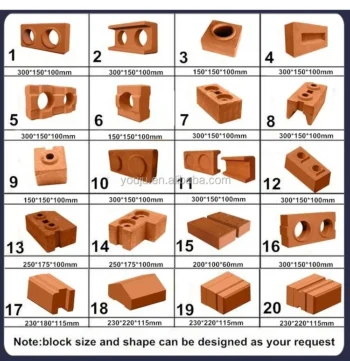
We treat the ECO 2700 Plus not as a standalone press but as the center of a matched system. The moulds are designed for the specific interlocking profiles your local market demands, not just the standard catalogue options. The pallet specification is checked against your existing curing racks and handling equipment to prevent bottlenecks after the press. Finally, the hydraulic and vibration settings are adjusted based on trial runs with your actual raw material samples before the machine is crated.
Documentation & Verification
- Line layout and capacity calculation stating the exact interlocking brick format and cycle time assumed for the daily output.
- Mould drawing and format list confirming which specific interlocking profiles are included in the initial package.
- Mix design guidance document referencing your local clay, soil, and cement availability rather than a generic formula.
- Pallet specification sheet detailing size and material, matched to your existing curing area dimensions and forklift capacity.
- Factory test record showing hydraulic pressure and molding cycle results using a sample of your provided raw material.
Installation, Commissioning & Support
- Site preparation guide detailing the concrete foundation pad requirements for the 1100 kgs mass and 1600 x 1300 mm footprint.
- Electrical connection manual for the 7.5kW diesel engine starter and temperature controlling switch, confirming local voltage compatibility.
- On-site commissioning including the manual bolt adjustment procedure for the upper and lower die replacement system.
- Operator training focused on maintaining the 0.5 mm gap tolerance during the manual mould change process.
- Wear parts list specifying the replacement intervals for hydraulic seals and mould cavity liners under continuous operation.
What We Need To Quote Your Configuration
To provide a specification sheet that reflects your actual production reality, we need to know the exact interlocking brick format your market requires and the daily volume you must hit to satisfy your contracts. Please provide a sample or lab analysis of your local clay or soil, along with the type of cement you intend to use, so we can run a compaction trial. Finally, let us know your local voltage and the language you prefer for the control interface.
Frequently Asked Questions
Q: What block format does the 2800 pcs/day capacity figure assume, and how does output change for other interlocking profiles?
A: The 2800 pcs/day figure is a baseline that requires confirmation against your specific block format and material thickness. A larger or thicker interlocking brick will extend the 10-15s molding cycle, reducing the daily total. We provide a capacity calculation document that states the exact format and cycle time used for your quotation.
Q: Which mould formats are available for the ECO 2700 Plus, and what is the realistic mould change time per shift?
A: Moulds are custom-manufactured to your local market’s interlocking profiles, not limited to a standard catalogue. The manual bolt loosen/tighten system means a mould change takes a trained operator a significant portion of a shift, so this machine is best suited for plants running one or two formats per week rather than daily changeovers.
Q: How is hydraulic pressure and vibration matched to the buyer’s local clay or soil mix design?
A: We require a raw material sample from your site to run a factory test. The 16 Mpa hydraulic pressure is then calibrated to achieve the required above 12Mpa finished product strength using your specific clay-cement or soil-cement ratio, ensuring the machine works with what you have locally.
Q: What pallet size does this machine require, and does it fit the buyer’s existing curing racks and forklift?
A: Pallet size is determined during the configuration phase based on your selected mould format. We verify these dimensions against your existing curing rack spacing and forklift fork width to ensure the finished bricks can be moved and stored without manual handling or site modifications.
Q: What raw material proportions are recommended for interlocking bricks using locally available clay, sand, and cement?
A: We provide mix design references for clay-cement and sand-cement mixes as starting points. These are adjusted after testing your local aggregate to ensure the mixture flows correctly into the mould cavity and achieves the necessary structural integrity under the 16 Mpa compaction force.