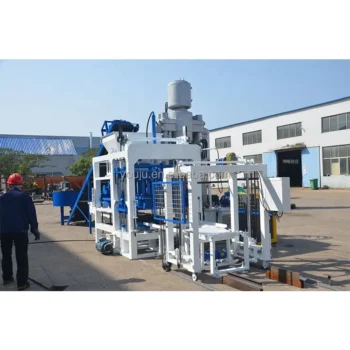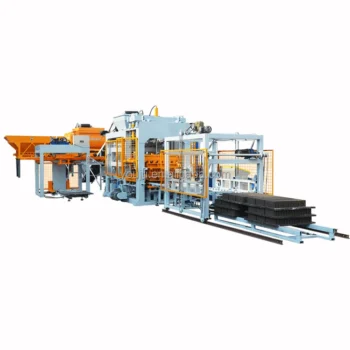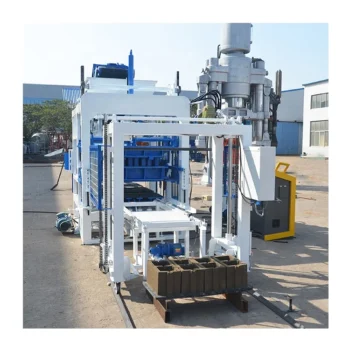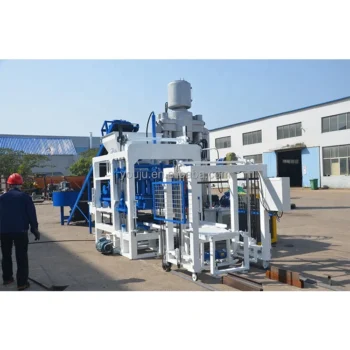
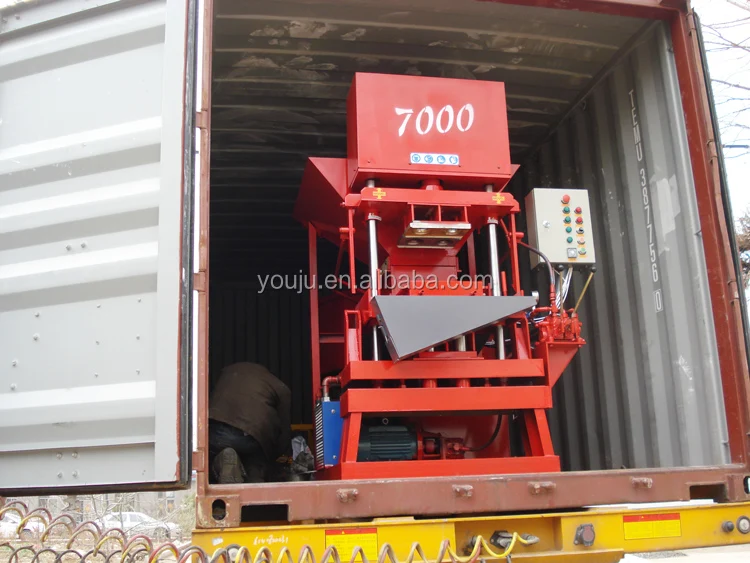
Description
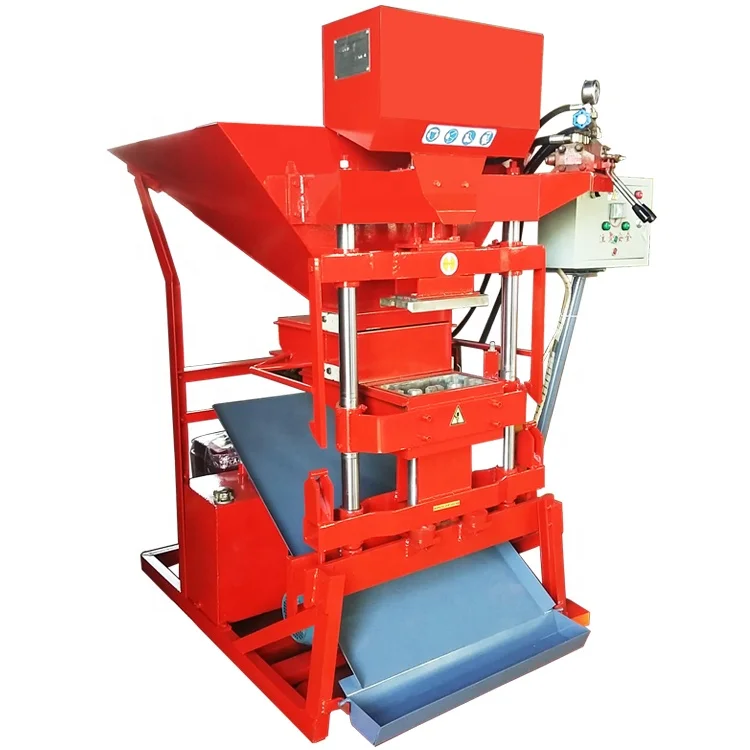
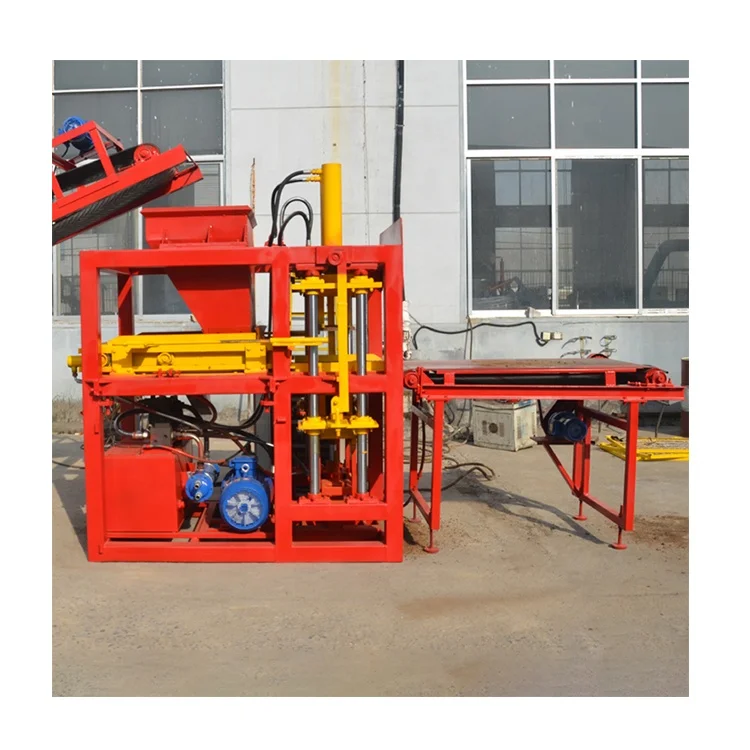
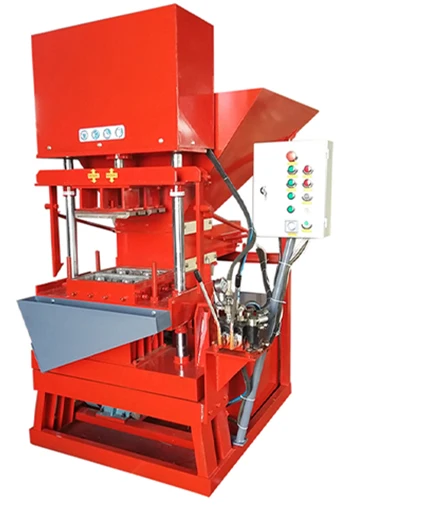
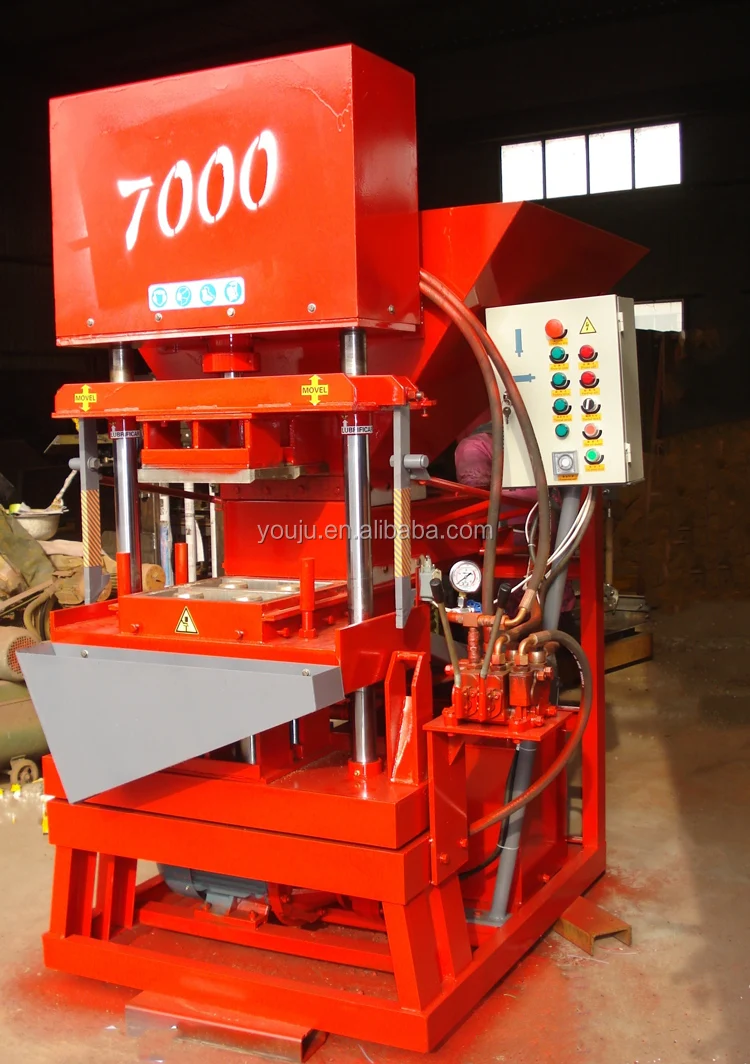
Matched System Design — Machine, mould, pallet and curing configuration are specified together for the ECO 7000, so ecological brick output stays consistent with your local soil mix and site conditions rather than defaulting to catalogue assumptions.
Technical Specifications
| Parameter | Value |
|---|---|
| Product Type | Compressed Earth Block Making Machine |
| Power Source | Electric |
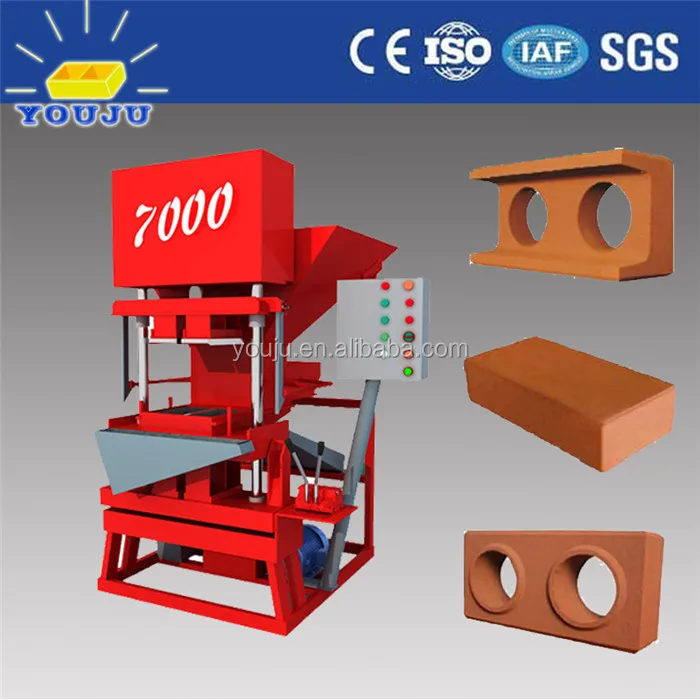
| Mould Format | Compressed earth / clay ecological brick |
| Assembly State | Complete machine |
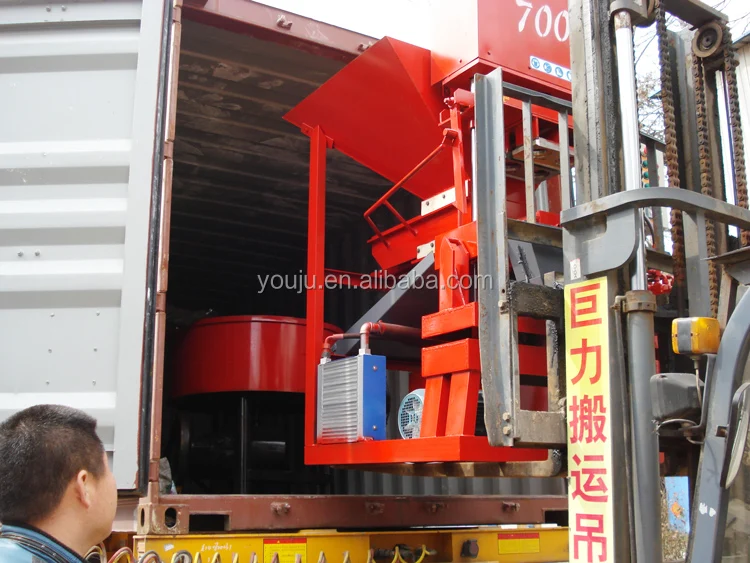
| Shipping Method | Nude loading or seaworthy wood carton package, LCL or FCL sea shipping |
| Automation Level | Automatic (basis to be confirmed against control configuration) |
Application Suitability
| Application | Material or Output |
|---|---|
| On-site ecological block production for housing projects | Compressed local earth and clay with stabiliser |
| Sustainable building material manufacturing | Soil-clay blends, laterite, and volcanic ash mixes |
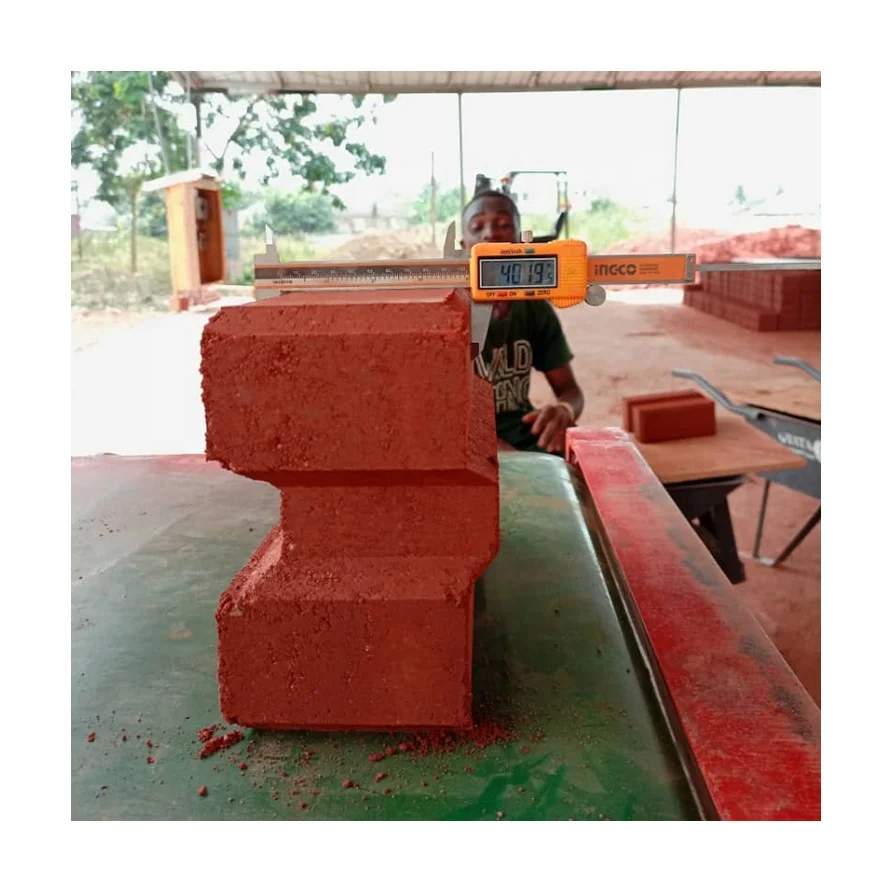
| Plant-based earth brick production for contractors | Interlocking and solid ecological brick profiles |
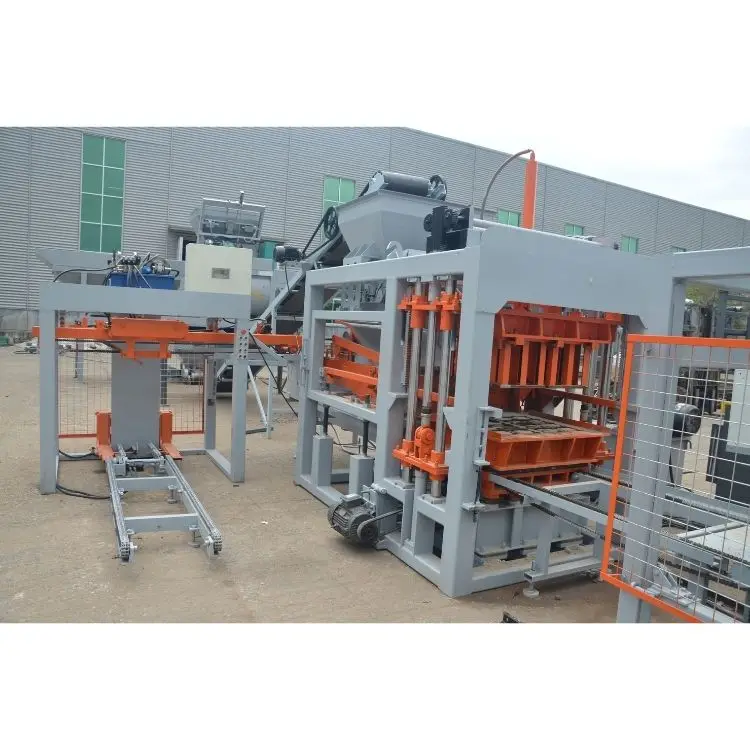
| Product range expansion for existing block plants | Compressed earth formats added to concrete block lines |
What "Cycles per Hour" Conceals About Earth Block Capacity
Output figures only matter when tied to a specific brick format and soil mix.
Manufacturers often quote a single cycles-per-hour number without naming the block profile behind it. An interlocking compressed earth brick takes a different compaction stroke and demoulding sequence than a solid ecological paver, so the same press produces meaningfully different volumes across formats. In my years covering Latin American installations, I have watched plants sit idle because the stated capacity assumed a standard sand mix while the buyer’s local volcanic ash required longer press dwell time. The daily shortfall becomes visible only after the first week of production [NEED_CITE: capacity calculation methods for compressed earth block machinery].
Format-Specific Cycle Time and Realistic Daily Output
A compressed earth block making machine specifications sheet should list cycle time per brick profile — interlocking, solid, and custom ecological shapes — rather than a single blanket figure. The ECO 7000 is configured around the mould format the buyer’s market actually sells, and the capacity calculation provided with each quotation states which block format the output number assumes. This prevents the common mismatch where a buyer budgets for one production volume and discovers the realistic daily yield falls short once the correct mould is installed.
Pallet and Curing Area Alignment
Pallet dimensions and material are not afterthoughts — they determine how many wet bricks fit on each curing rack and whether your existing forklift can handle loaded pallets safely. The ECO 7000 configuration process confirms pallet size against your curing area footprint and handling equipment before production begins. Mismatched pallets mean either wasted curing space or a forklift strain that damages both pallet and brick. For compressed earth blocks, where green strength is lower than concrete until full curing, pallet surface flatness and material rigidity directly affect how many bricks survive the move from press to rack [NEED_CITE: pallet specification for compressed earth block curing].
How Electric Power Meets Compressed Earth Mix Behaviour
The electric drive system on this compressed earth block making machine delivers consistent compaction force across each cycle, which matters because soil-clay blends vary in moisture content and cohesion batch by batch. Unlike hydraulic-only systems, the electric configuration maintains stable press tonnage without heat-related drift during extended shifts. Mould configuration is selected after reviewing the buyer’s soil test report — clay percentage, plasticity index, and stabiliser ratio — so compaction pressure and mould clearance match what your local quarry actually supplies rather than a reference mix that may not exist in your region.
Reading the Specifications That Determine Actual Performance
The electric power source rating governs continuous duty capability; a motor sized too close to peak draw will thermal-trip during back-to-back cycles on high-clay mixes. The mould format specification defines not just the brick shape but the demoulding stroke length and ejector pin placement, both of which influence green brick integrity. Assembly state as a complete machine means the press arrives with its feeder, mould, and pallet feed already matched — avoiding the downtime of integrating third-party stations that communicate through mismatched cycle signals. Shipping configuration affects arrival condition: nude loading suits FCL containers with internal bracing, while LCL consignments require the seaworthy wood carton to protect the electric motor and control panel from moisture during transit.
The Cost of Skipping the Soil Report
When a buyer skips the raw material soil test, the mould is machined for a reference blend that may not match the local earth supply. The result is accelerated wear on mould liners, inconsistent brick density across batches, and in the worst case, bricks that crack during demoulding because the stabiliser ratio was never matched to the actual clay plasticity. Plants I have visited in Ecuador went from full production to waiting on replacement wear parts within the first month — not because the machine failed, but because the soil profile was never confirmed before the mould was cut. That downtime is entirely avoidable with a standard geotechnical report [NEED_CITE: soil stabilisation testing for compressed earth block production].
Why This Supply Route Fits Earth Block Buyers
Machinery sourcing for ecological brick production requires matching press force to soil profile, not just comparing motor ratings. Our specification process starts with your soil test and target block format, so the ECO 7000 arrives configured for what your site actually produces. Mould options cover interlocking, solid, and custom ecological brick profiles, with drawings confirmed before manufacturing. Pallet sizing is locked to your curing rack dimensions and forklift capacity, not selected from a default list. Voltage, frequency, and control language are confirmed in writing before the machine enters production, so commissioning is not delayed by a panel wired for the wrong grid standard.
Documentation & Verification
- Line layout showing ECO 7000 stations with capacity per brick format
- Mould drawing confirming ecological brick profile and clearance tolerances
- Factory test record using soil blend matching buyer’s local material
- Voltage and frequency confirmation sheet signed before production
- Pallet specification matched to curing rack and forklift capacity
- Operation manual in confirmed control panel language
Installation, Commissioning & Support
- Foundation plan sized to ECO 7000 footprint and vibration load
- Dedicated electric circuit rated to machine power draw specification
- Pre-assembled press and feeder arriving in complete machine state
- On-site commissioning with first-run cycle timed per brick format
- Operator training covering mould change sequence and soil mix adjustment
- Wear parts list with mould liner replacement intervals for local soil type
What to Prepare Before Requesting a Quotation
To match the ECO 7000 to your ecological brick project, provide the target brick format and daily volume requirement, the soil or clay test report from your local source including clay content and plasticity index, your site voltage and frequency, and the dimensions of any existing curing racks or handling equipment. If you have a preferred stabiliser type or ratio, include that as well so the mould and cycle configuration can account for it.
Frequently Asked Questions
Q: What block formats does the ECO 7000 support, and what is the realistic daily output per format?
A: The machine supports interlocking, solid, and custom ecological brick profiles through interchangeable moulds. Daily output is stated per specific block format in the quotation, not as a single blanket figure, because cycle time differs between an interlocking profile and a solid paver. Confirm your target format early so the capacity calculation reflects your actual product.
Q: How is the mould configured for compressed earth — can it handle my local soil mix?
A: Mould clearance and compaction stroke are set after reviewing your soil test report, including clay percentage and stabiliser ratio. A standard reference mix is never assumed. If your local earth contains volcanic ash or laterite with unusual plasticity, the mould is adjusted to maintain brick density and green strength during demoulding.
Q: What pallet size is required, and is it compatible with my existing curing setup?
A: Pallet dimensions are confirmed against your curing rack spacing and forklift capacity before the machine is built. Compressed earth bricks have lower green strength than concrete, so pallet flatness and rigidity are specified to prevent damage during transfer. The goal is full compatibility with equipment already on your site.
Q: How long does a mould change take when switching between brick formats?
A: Mould change time depends on the specific profiles involved and the fastening system configured for your machine. Switching between an interlocking mould and a solid brick mould involves removing the upper and lower mould halves and resetting the ejector pins. We state the expected change duration in the documentation so you can plan production runs accordingly.
Q: Is the stated automation level accurate, and what operator tasks remain?
A: The automation level listed in source data states automatic operation, but we verify the actual control configuration and operator involvement against your requirements before production. Some compressed earth block plants retain manual pallet loading or stacking even when the press cycle itself is automated. Confirm which stations you want automated so the line matches your labour plan.