

Description
Single-Focus Machinery Engineering — Every mould, pallet, and handling station for the QT4-15 is specified as one matched system, not assembled from disconnected suppliers, so your daily output matches the format you actually sell.
Technical Specifications
| Parameter | Value |
|---|---|
| Model | QT4-15 |
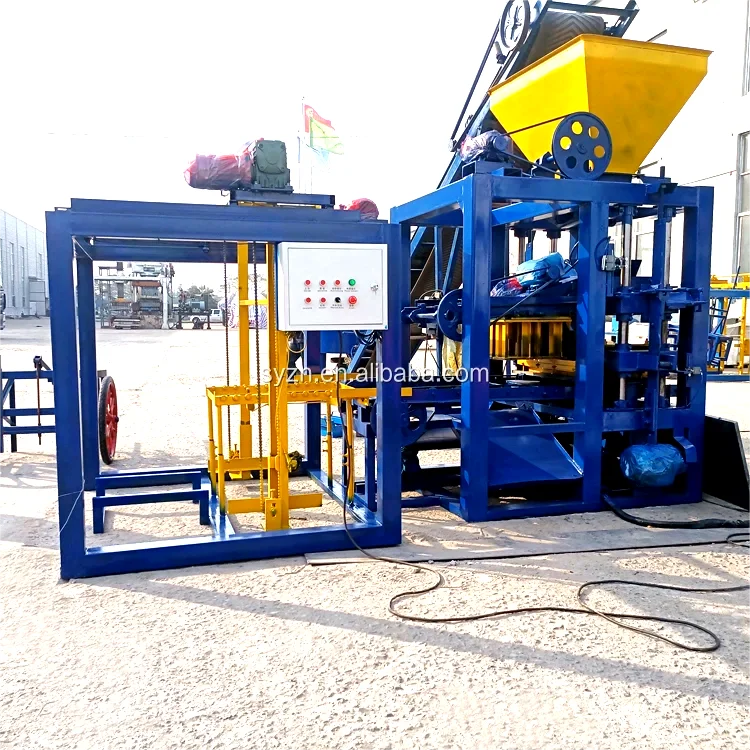
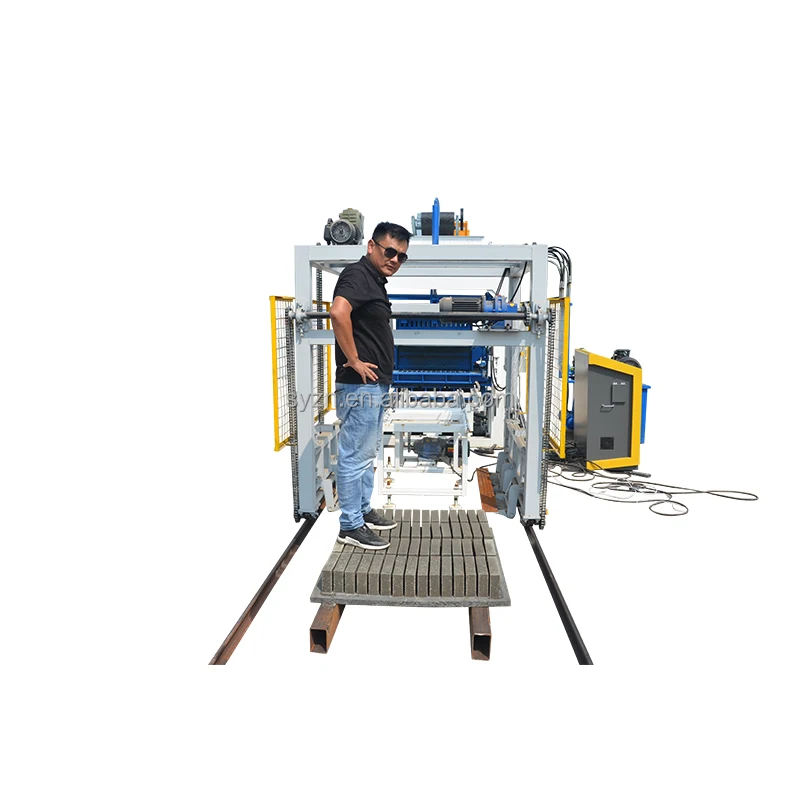
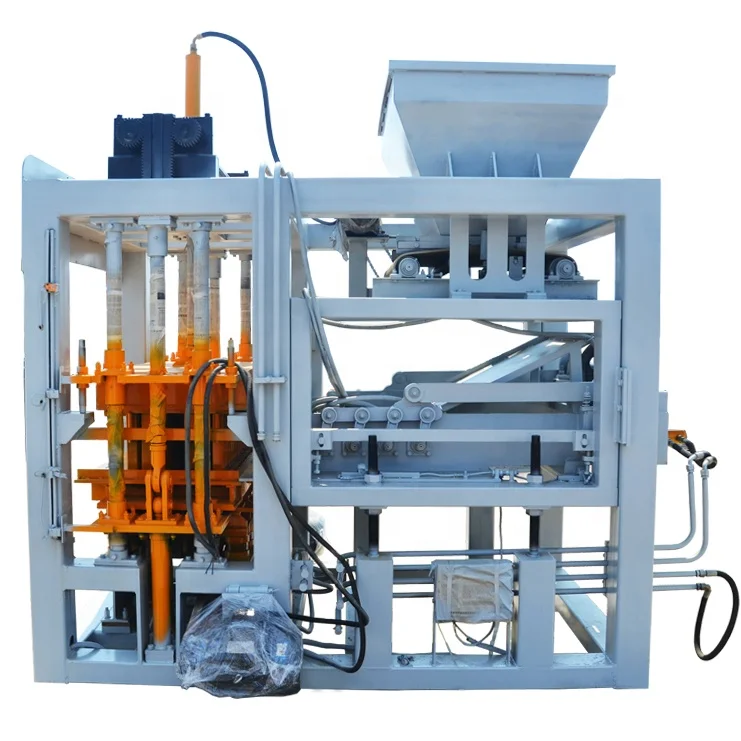
| Product Type | Hydraulic Automatic Concrete Block Making Machine |
| Control System | PLC computer control, fully automatic |
| Vibration Mode | Multiaxis synchronizer vibration, vertically downward |
| Hydraulic System | High thermal efficiency, low heat generation |
| Mixer System | Multiaxis forced mixer |
| Guide Bearing | Long-period over-length guide bearing for upper mould and mould box alignment |
| Rack Construction | High-strength steel with special welding technique, vibration shock resistant |
| Cycle Time | 15–20s (basis not stated in source — confirm block format, material, and thickness) |
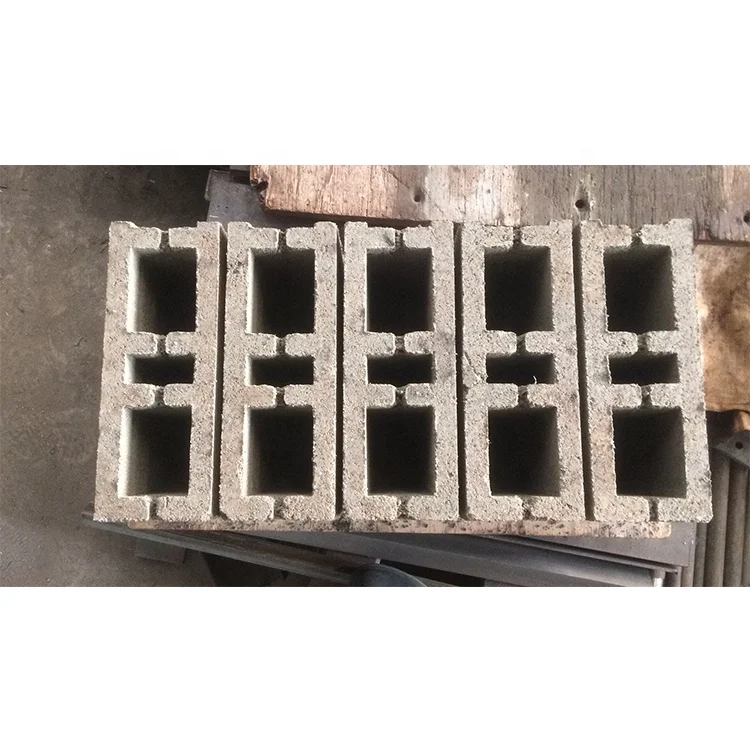
| Output Capacity (Hollow Block) | 900–1200 pcs/h based on 400×200×200mm block, 4 pcs/mould |
| Output Capacity (Hollow Block) | 1080–1440 pcs/h based on 400×150×200mm block, 5 pcs/mould |
| Output Capacity (Hollow Block) | 1440–1920 pcs/h based on 400×100×200mm block, 8 pcs/mould |
| Output Capacity (Paving Block) | 2880–3840 pcs/h based on 200×100×60mm block, 16 pcs/mould |
| Output Capacity (Standard Brick) | 5930–6720 pcs/h based on 240×115×53mm block, 28 pcs/mould |
| Mould Formats | 400×200×200 / 400×150×200 / 400×100×200 / 200×100×60 / 240×115×53mm |
| Automation Level | Fully automatic |
| Warranty | 1 year (excluding spare parts) |
| Voltage & Frequency | To be confirmed before order |
| Rated Power | To be confirmed |
| Pallet Size | To be confirmed |
| CE Declaration | Available where applicable |
Application Suitability
| Application | Material or Output |
|---|---|
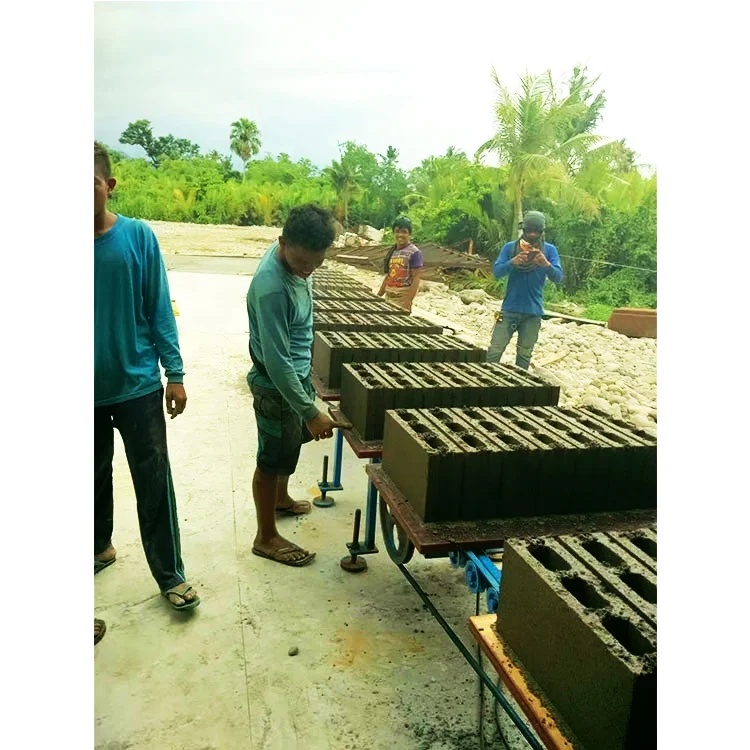
| Hollow block production | Crushed stone, sand, cement, and water for 400×200×200mm multicellular blocks |
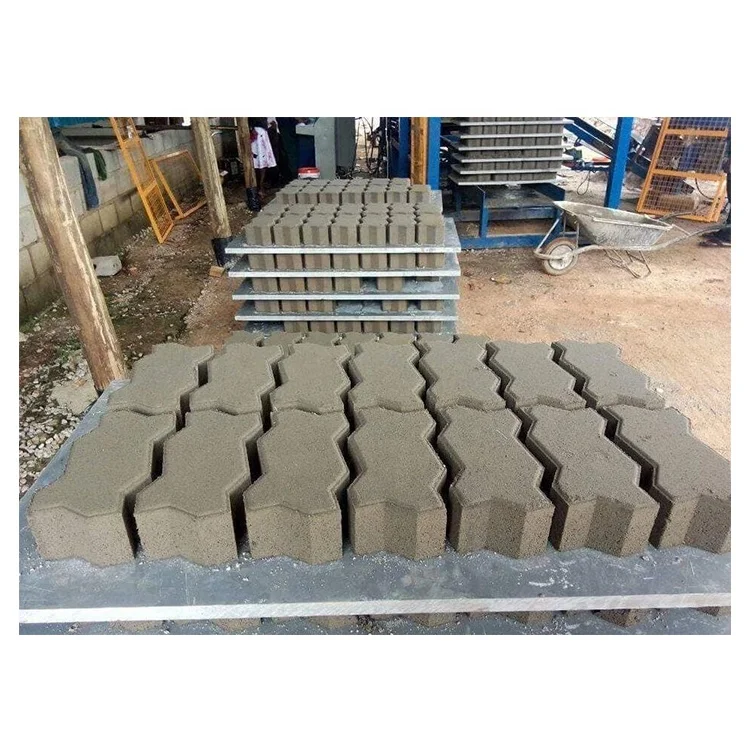
| Paving block production | Fine aggregate and cement mix for 200×100×60mm interlocking pavers |
| Standard solid brick production | Sand, fly ash, or crushed stone with cement binder for 240×115×53mm bricks |
| Kerbstone and specialty formats | Custom mould designs to buyer drawings within the press envelope |
| On-site contractor production | Construction projects requiring localised block supply from available aggregate |
Why QT4-15 Block Machine Specifications Must Start With Your Block Format
Capacity only means something when tied to the exact block you intend to sell.
I once supplied a QT4-15 block machine specifications sheet to a buyer in the Gulf who focused only on the headline cycle time. His local market demanded 150mm hollow blocks, but the brochure number he quoted his investors was based on a 100mm solid format. His actual daily tonnage fell noticeably short of the plant’s business plan, and the commissioning visit turned into a negotiation rather than a celebration [NEED_CITE: block format and cycle time dependency in concrete block production]. The QT4-15 how to choose QT4-15 question always starts with identifying your primary revenue format, then verifying the mould cavity count and realistic cycle time for that specific geometry.
Matching Mould Cavity Count to Your Market Demand
The QT4-15 block machine specifications reveal five standard mould formats, each with a different cavity count that directly governs throughput. A 400×200×200mm hollow block mould carries four cavities per cycle, while the 240×115×53mm standard brick mould holds twenty-eight. Choosing the wrong primary format means either running the press below its productive capacity or flooding the curing yard with inventory your distributors do not move. Technical buyers sizing a machine to a specific product should treat the cavity count as the real capacity lever.
Cycle Time Is Not a Single Number Across Formats
Every block geometry compresses differently. A thick hollow block with large voids requires a longer vibration window and a slower hydraulic descent than a thin paving block, which densifies quickly under high-frequency vibration. The stated 15–20 second cycle is a starting reference, not a guarantee across all five moulds [NEED_CITE: vibration cycle adjustment for different concrete block geometries]. On a project in North Africa, we ran the same press on two formats and recorded noticeably different cycle lengths because the local crushed limestone needed a longer consolidation phase than the river sand the factory test used.
Vibration Force and Hydraulic Pressure Must Suit Your Aggregate
The multiaxis synchronizer vibration delivers force vertically downward, which keeps block density consistent across the pallet surface. However, angular crushed stone transmits vibration differently than rounded desert sand. If the QT4-15 block machine specifications are locked in before the buyer’s aggregate is tested, the vibration amplitude may be insufficient for a harsh mix or excessive for a fine one, leading to edge spalling or low compressive strength. We always request a sample of the buyer’s actual aggregate and run trial blocks before finalising the vibration and pressure settings.
What the Long Guide Bearing and Rack Construction Mean on the Floor
The long-period over-length guide bearing maintains alignment between the upper mould and the mould box throughout thousands of press cycles per shift. On machines with shorter guide spans, lateral drift causes uneven wall thickness in hollow blocks, which fails compressive strength tests and increases reject rates. The high-strength steel rack with vibration-resistant welding prevents frame fatigue cracking at the weld joints — a failure mode that typically appears after the first year of continuous operation when welds were not designed for cyclic shock loading. These two features together determine whether your block dimensions stay within tolerance at month eight, not just at commissioning.
The Hidden Cost of Skipping Pallet and Voltage Confirmation
I have watched buyers receive a block press only to discover their existing curing racks cannot accommodate the pallet size the machine was built around, forcing a complete replacement of rack infrastructure. Similarly, when voltage and frequency are assumed rather than confirmed in writing, the PLC and motor contactors may arrive configured for a supply the site does not have, delaying commissioning by weeks while replacement components ship [NEED_CITE: voltage and frequency standards by export market]. Both issues are entirely preventable if the QT4-15 how to choose QT4-15 checklist includes pallet dimensions and site electrical supply before production begins.
Why This Configuration Approach Works for Format-Matched Buyers
Every QT4-15 leaves the factory with mould, pallet, and handling equipment specified as a single system rather than sourced separately, which eliminates interface mismatches at installation. The configuration is set against the buyer’s actual mix design and local aggregate, not a catalogue default that may not apply to the available raw materials. Mould design covers the formats the buyer’s market actually sells, and custom drawings are accepted when standard formats do not match local construction standards. Automation level is selectable, allowing a buyer to begin with semi-automatic pallet handling and add automatic stacking later as volume grows. Factory testing measures cycle time per mould format, so the dispatch documentation reflects what the machine actually produces.
Documentation & Verification
- Line layout with capacity calculation stating the block format assumed for each output figure
- Mould drawing and format list confirming which cavities are included and which are optional
- Voltage, frequency, and PLC display language confirmed in writing before production begins
- Factory test record with cycle time measured per mould format on your specified mix
- Hydraulic and electrical schematic matching the as-built configuration
Installation, Commissioning & Support
- Foundation plan sized to the QT4-15 rack footprint and vibration load transmission requirements
- Dedicated electrical circuit matching the confirmed voltage, frequency, and rated power
- PLC display language set to the operator team’s working language before first power-on
- On-site commissioning with cycle time verification across each purchased mould format
- Operator training covering mould change procedure, vibration adjustment, and daily greasing points
- Wear parts list identifying hydraulic seals and guide bearing inspection intervals
What We Need to Size Your QT4-15 Correctly
Send us the primary block format your market buys, the local aggregate type you will use, and your target daily output for that format. Confirm your site voltage, frequency, and the language your operators need on the PLC display. If you already have curing racks or forklifts on site, share the pallet dimensions they accept so the machine is built around your existing infrastructure rather than the other way around.
Frequently Asked Questions
Q: How is QT4-15 capacity verified per block format and what cycle time assumption applies?
A: Capacity is calculated for each of the five standard mould formats individually, stating the cavity count and block dimensions behind every output figure. The 15–20 second cycle reference assumes a standard concrete mix and moderate block geometry; actual cycle time is confirmed during the factory test on your specified aggregate and mix design.
Q: Which mould formats are included and what is the mould change procedure?
A: Five standard formats are available, from 400×200×200mm hollow blocks to 240×115×53mm standard bricks. Custom moulds can be produced to buyer drawings. The long guide bearing design allows the upper mould and mould box to be separated and re-seated with maintained alignment, reducing format changeover disruption during a production shift.
Q: How do I match vibration force and hydraulic pressure to my local aggregate?
A: Send a representative sample of your local aggregate and your preferred mix proportions. We run trial blocks on the QT4-15 at varying vibration and pressure settings, measure compressive strength and surface finish, and lock the parameters that produce blocks meeting your market standard without over-stressing the mix.
Q: What pallet size does the QT4-15 require and will it fit my existing curing racks?
A: Pallet size depends on the mould format and cavity layout selected. Before production, we confirm pallet dimensions against your existing curing rack spacing and forklift capacity so that blocks move from press to curing area without requiring new infrastructure investment.
Q: What voltage, frequency, and PLC language options are available for my market?
A: Voltage and frequency are configured to match your site electrical supply, confirmed in writing before manufacturing begins. The PLC display language is set to your operator team’s requirement, ensuring the control interface is readable from the first day of production.