Cómo organizar visitas de ingenieros para la instalación de máquinas de bloques en el extranjero: Una guía completa para compradores internacionales
El procesamiento de visas y la logística de viaje — no la dificultad técnica — representan entre el 30% y el 50% del retraso total del proyecto en las instalaciones de máquinas de bloques en el extranjero. La mayoría de los compradores asumen que el trabajo de instalación en sí es el cuello de botella, sin embargo, la verdadera fricción radica en la documentación, los tiempos de espera en la embajada y la coordinación previa a la salida que comienza semanas antes de que se gire una sola llave. En la última década, he coordinado despachos de ingenieros para líneas de producción de bloques en África Occidental, Asia Central, Asia del Sur y Oriente Medio, y el patrón es inconfundible: los proyectos con una planificación rigurosa previa a la salida alcanzan una producción estable un 40% más rápido que aquellos que tratan la logística como un pensamiento posterior. Los compradores que completan una auditoría estructurada de preparación del sitio antes de la llegada reducen los retrasos en la puesta en marcha en un promedio de 7-14 días en comparación con aquellos que se basan en suposiciones.[^1] Déjame guiarte a través de cada fase, cada línea de costo y cada riesgo oculto — para que tu proyecto se mantenga en el cronograma desde el primer día.
¿Cuáles son los pasos clave para organizar visitas de ingenieros para la instalación de máquinas de bloques en el extranjero?
Un marco de implementación estructurado en cinco fases transforma lo que parece un ejercicio caótico de logística internacional en un proceso predecible, impulsado por hitos. Cada fase tiene requisitos específicos de coordinación entre comprador y proveedor, y omitir incluso uno crea retrasos en cascada que se acumulan a lo largo de toda la línea de tiempo del proyecto.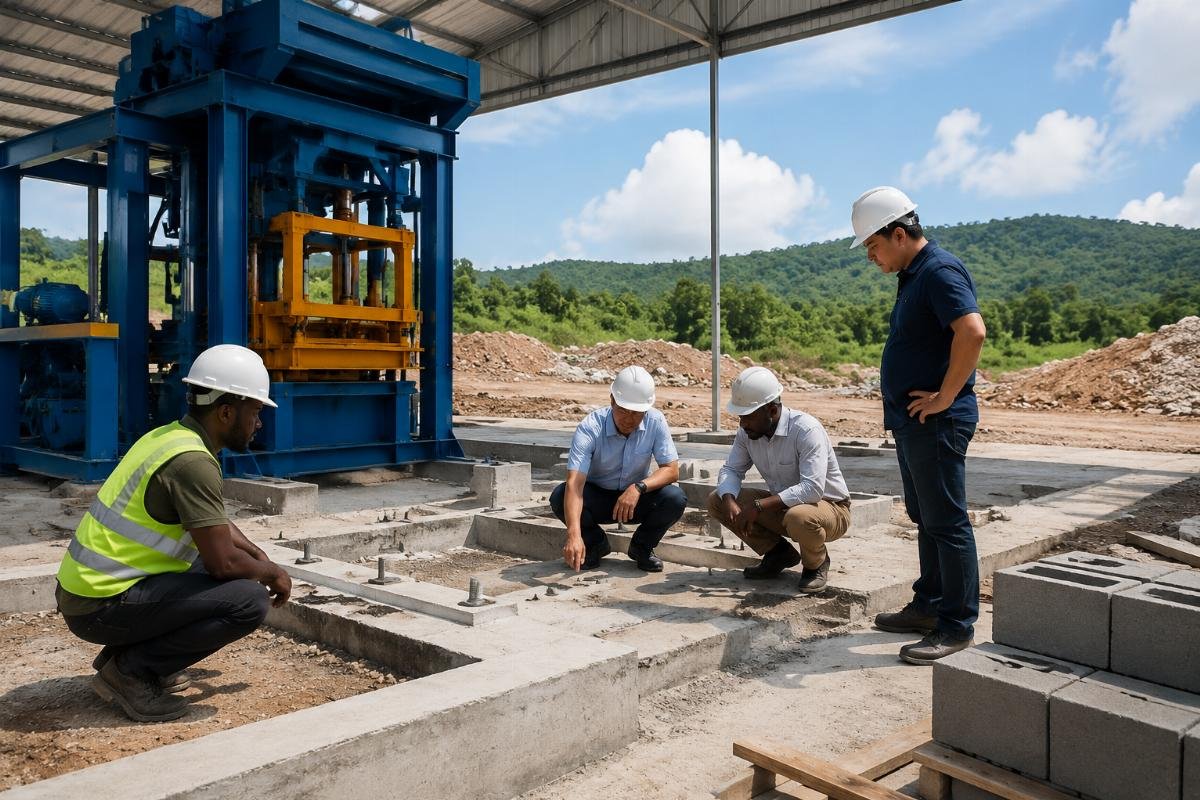
Un proyecto de vivienda asequible respaldado por el gobierno en Nigeria requirió tres ingenieros en el sitio para una línea de producción de bloques totalmente automática capaz de producir 10,000 bloques por día. Solo el procesamiento de la visa tomó 45 días — y habría tomado más tiempo sin un paquete de documentación pre-preparado del fabricante. En el lado de la preparación del sitio, la fundación requirió un período completo de curado de 28 días, y el suministro de energía tuvo que ser verificado a 380V/50Hz antes de que pudiera comenzar cualquier trabajo eléctrico. Una vez que los ingenieros llegaron, la línea alcanzó su capacidad de producción nominal en 15 días — pero solo porque se habían despejado todos los puntos de control previos a la llegada. Los proyectos de vivienda del gobierno en África Occidental que siguen un protocolo de curado de fundación de 28 días logran tasas de éxito de puesta en marcha del 95% en el primer intento.[^3]
- Visa Documentation – Request the manufacturer’s invitation letter package and submit visa applications at least 45 days before the target deployment date.
- Remote Site Audit – Schedule a live video inspection with the supplier’s engineering team 14 days before departure to verify foundation, power, water, and raw material readiness.
Definición del Alcance – Firmar un anexo de instalación detallado que especifique el número de ingenieros, la duración esperada y las responsabilidades de costos exactas antes de que comience la producción de la máquina.
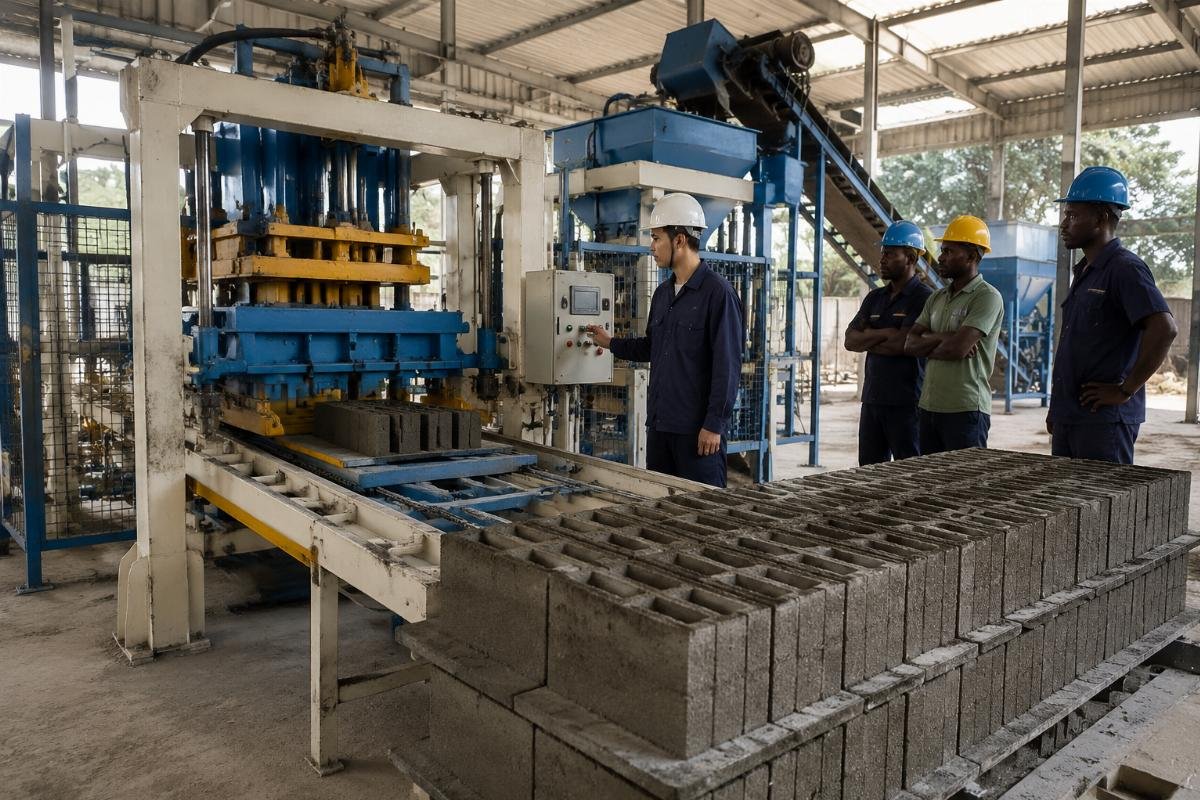
Comisionamiento por Fases – Siga un cronograma estructurado del Día 1 al Día 25 que cubra el ensamblaje mecánico, las conexiones eléctricas, la calibración, las pruebas de funcionamiento y la capacitación de los operadores.
Protocolo de Entrega – Firmar un certificado de aceptación de puesta en marcha, activar la monitorización remota y confirmar el inventario de piezas de repuesto antes de que los ingenieros se vayan.
¿Por qué la mayoría de las instalaciones en el extranjero enfrentan retrasos — y cómo prevenirlos?
El setenta por ciento de los retrasos en la puesta en marcha provienen de una preparación inadecuada del sitio — no de defectos en las máquinas o incompetencia de los ingenieros. Los datos de más de una década de implementaciones internacionales cuentan una historia consistente: los compradores que asumen que su sitio está "listo" sin una verificación estructurada casi siempre enfrentan contratiempos prevenibles que cuestan miles de dólares en per diem extendido y pérdida de ingresos por producción.
Una fábrica de ladrillos existente en Uzbekistán estaba actualizando de una línea semiautomática a un sistema completamente automático. Antes de enviar ingenieros, el fabricante realizó una inspección de video remota de la infraestructura existente y descubrió que el panel eléctrico estaba clasificado para solo 220V, mientras que la nueva línea requería 380V. Este único hallazgo evitó un posible sobrecalentamiento del motor que habría retrasado el proyecto al menos 10 días y costado más de USD 3,000 en piezas de repuesto. La instalación en el sitio se completó en 12 días, y un programa de capacitación estructurado para ocho operadores locales logró una reducción del 40% en los costos laborales y un aumento del 60% en la producción durante el primer trimestre. Las inspecciones de video remotas previas a la llegada identifican desajustes críticos en el sitio en el 65% de las instalaciones de compradores por primera vez, evitando un promedio de 7-14 días de retraso.[^5]
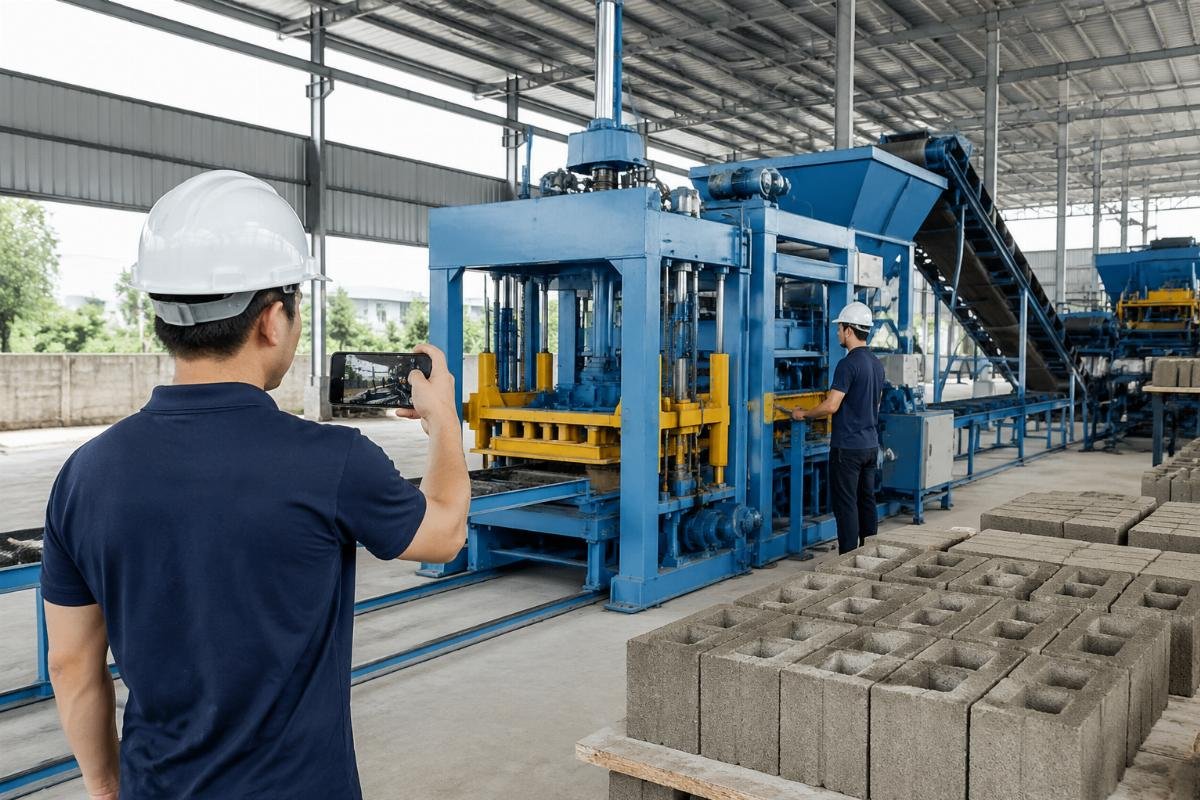
- Electrical Audit – Have a certified local electrician verify voltage, frequency, and cable sizing against the machine’s technical specification sheet.
- Raw Material Stockpile – Accumulate a minimum of three days’ worth of cement, sand, and aggregate before the commissioning start date.
- Remote Video Walkthrough – Schedule a live video call with the supplier’s engineering team at least 14 days before departure to review all readiness items.
Verificación de Fundación – Se requiere un certificado de curado de 28 días y un informe de prueba de resistencia a la compresión antes de confirmar la fecha de salida del ingeniero.
Verificación del Suministro de Agua – Confirme que la presión y el caudal de agua cumplan con los requisitos del mezclador y de la máquina de bloques; documente con una prueba de flujo.
¿Cuánto cuesta realmente una visita de un ingeniero en el extranjero?
Los costos de despacho de ingenieros suelen oscilar entre USD 5,000 y USD 15,000, dependiendo del destino, el tamaño del equipo y la duración del proyecto; y entender el desglose de costos es la única manera de presupuestar con precisión y evitar gastos sorpresas. Muchos compradores se centran exclusivamente en el precio de la máquina y tratan el despacho de ingenieros como un ítem menor, solo para descubrir que el pasaje aéreo, el viático y la logística local pueden representar una parte significativa de la inversión total del proyecto.
Un distribuidor en Bangladés estaba estableciendo un patio de demostración con soporte de instalación llave en mano y necesitaba dos ingenieros para un despliegue de 20 días. El costo total de despacho ascendió a aproximadamente USD 11,400 — desglosado como USD 3,600 para pasajes de ida y vuelta (USD 1,800 por ingeniero), USD 3,200 para viáticos (USD 80/día × 2 ingenieros × 20 días), USD 600 para tarifas de visa y documentación, y USD 4,000 para alojamiento y transporte local. El distribuidor informó más tarde que esta inversión se pagó por sí misma dentro del primer mes: la línea de demostración correctamente instalada — que contaba con alimentadores de color calibrados y máquinas de dosificación de precisión — atrajo a más de 15 compradores locales en el evento de lanzamiento, generando suficientes pedidos para cubrir el costo total de despacho en 30 días. Las instalaciones de patios de demostración con despacho de ingenieros profesionales generan un promedio de 12-15 consultas de compradores calificados dentro de los primeros 30 días de operación.[^6]
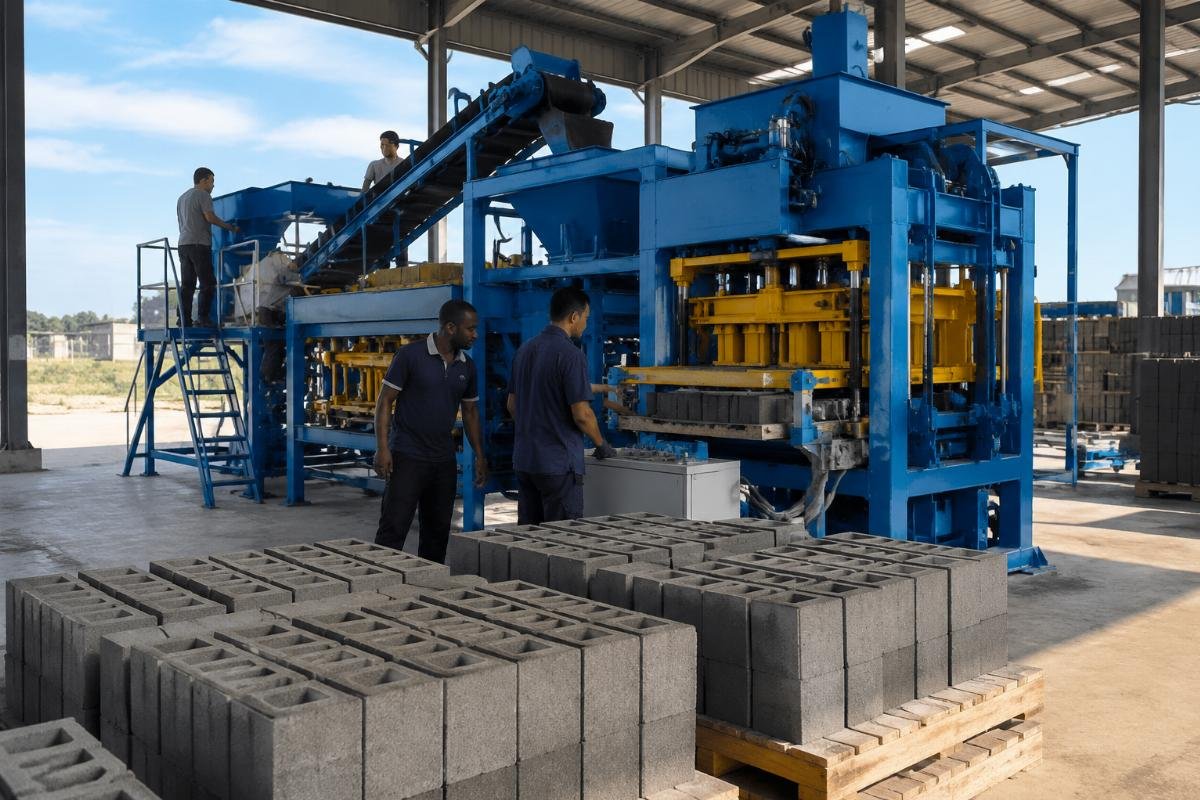
Presupuesto de Pasajes Aéreos – Solicite una estimación de costos de vuelo al fabricante durante la negociación del contrato; reserve los boletos al menos 30 días antes de la salida para obtener precios óptimos.
Acuerdo de Per Diem – Acordar una tarifa diaria fija (USD 80-120) y un límite máximo diario en el contrato; incluir disposiciones para horas extras o escenarios de extensión.
Asignación de Costos de Visa – Aclare si las tarifas de visa están incluidas en el precio de la máquina o se facturan por separado; presupuestar entre USD 300-800 por ingeniero dependiendo de los requisitos del país de destino.
Estándares de Alojamiento – Especificar los requisitos mínimos de alojamiento (agua caliente, internet, proximidad al sitio) y acordar un límite de presupuesto por noche.
Facturación Transparente – Exigir al fabricante que proporcione un desglose detallado de costos antes de la implementación; evitar acuerdos de suma global sin transparencia en los conceptos.
¿Qué deben esperar los compradores durante la fase de instalación y puesta en marcha?
Una instalación típica de línea completa toma de 15 a 25 días desde el ensamblaje mecánico hasta la producción de prueba estable, con programas de capacitación estructurados que aseguran que los equipos locales logren una operación independiente dentro de los 30 días posteriores a la llegada del ingeniero. La fase de puesta en marcha es donde la preparación se encuentra con la ejecución — y los compradores que entienden el progreso día a día pueden gestionar expectativas, asignar mano de obra local de manera eficiente e identificar problemas potenciales antes de que se conviertan en retrasos costosos.
Un productor de tamaño mediano en Asia Central que actualizaba de una línea semiautomática a una totalmente automática experimentó una secuencia de instalación ejemplar. El fabricante envió a dos ingenieros que completaron el montaje mecánico en siete días, las conexiones eléctricas e hidráulicas en cinco días y la calibración con pruebas en seis días, sumando un total de 18 días para una producción estable. La fase de capacitación cubrió a ocho operadores locales en tres turnos, con manuales de operación bilingües y tutoriales en video grabados proporcionados para referencia continua. En el primer trimestre posterior a la instalación, el productor reportó una reducción del 40 % en los costos laborales y un aumento del 60 % en la producción diaria, cifras directamente atribuibles a la precisión de la instalación inicial y a la profundidad del programa de capacitación. Los programas estructurados de puesta en marcha de 25 días con materiales de capacitación bilingües logran un 90 % de independencia del operador dentro de los 30 días posteriores a la entrega.[^7]
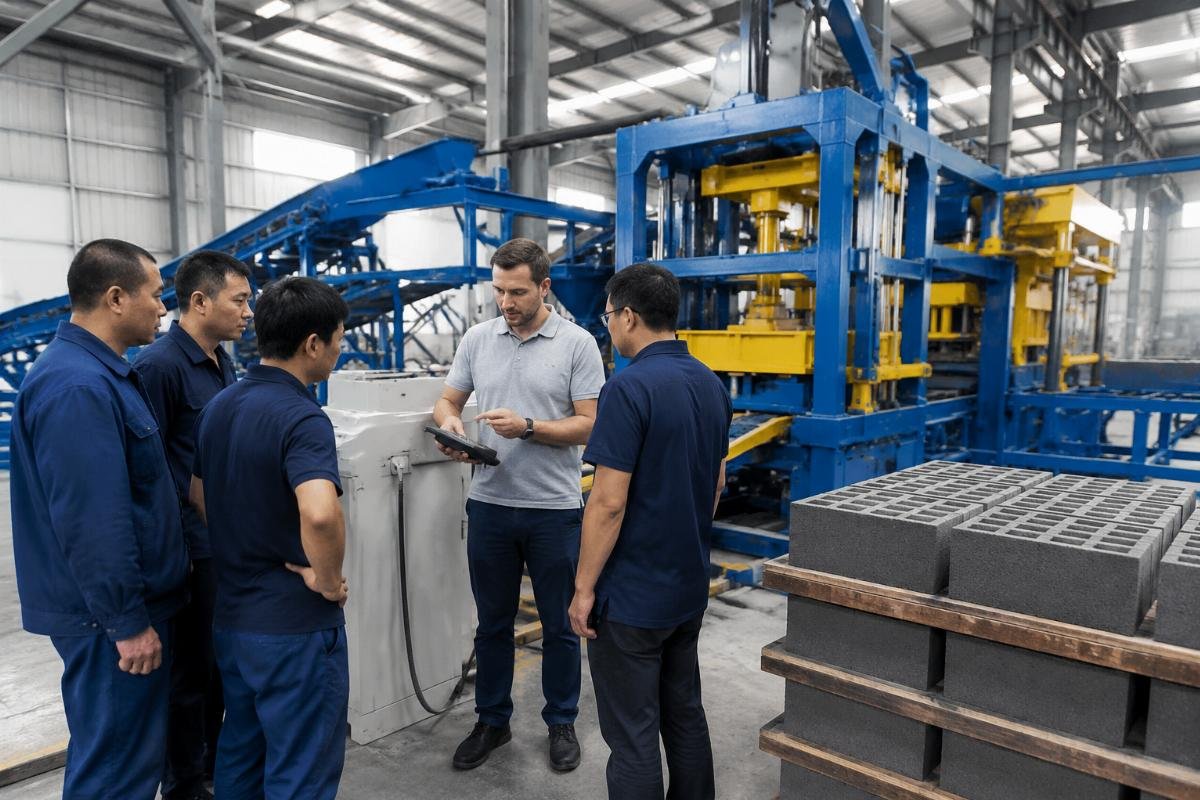
Verificación de Hitos Mecánicos – Verifique la alineación del marco y la precisión de la instalación del molde al final del Día 7 antes de proceder con el trabajo eléctrico.
Certificación de Seguridad Eléctrica – Se requiere un informe de inspección de seguridad formal que cumpla con las normas IEC 60204 antes de energizar el sistema completo.
Validación de Producción de Prueba – Realizar una prueba de producción continua de un mínimo de 4 horas y medir la densidad del bloque, dimensiones y tasa de producción en comparación con las especificaciones.
Certificado de Finalización de Capacitación – Haga que cada operador capacitado pase una evaluación práctica y reciba un certificado antes de que los ingenieros se vayan.
Entrega de Piezas de Repuesto – Confirme que se ha entregado y catalogado un inventario de piezas de repuesto recomendado en el sitio antes de la firma final.
¿Cómo elegir un fabricante que sobresalga en el despliegue de ingenieros en el extranjero?
No todos los fabricantes de máquinas de bloques en China tienen la capacidad organizativa para el despacho confiable de ingenieros al extranjero, y evaluar el historial de despliegue, el tamaño del equipo y la infraestructura de soporte post-instalación es el criterio de selección de proveedores más importante para los compradores internacionales. La diferencia entre un proveedor con experiencia genuina en despliegue internacional y uno que simplemente afirma tenerla se puede medir en días de retraso, dólares de viáticos desperdiciados y meses de ingresos por producción perdidos.
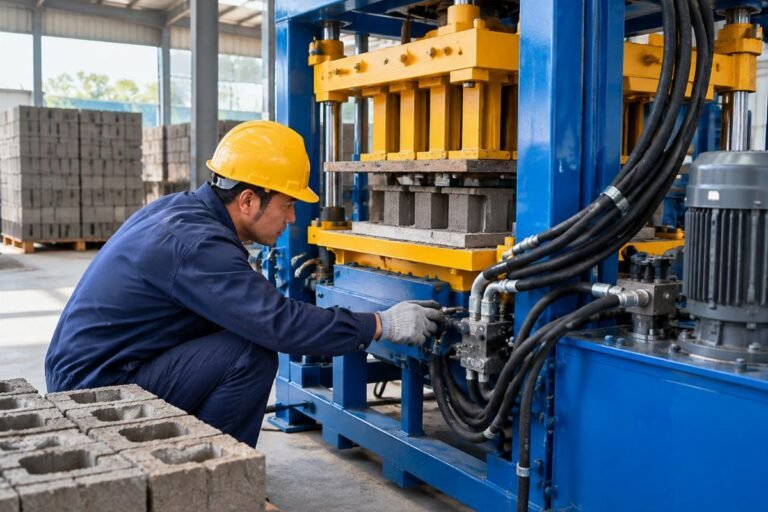
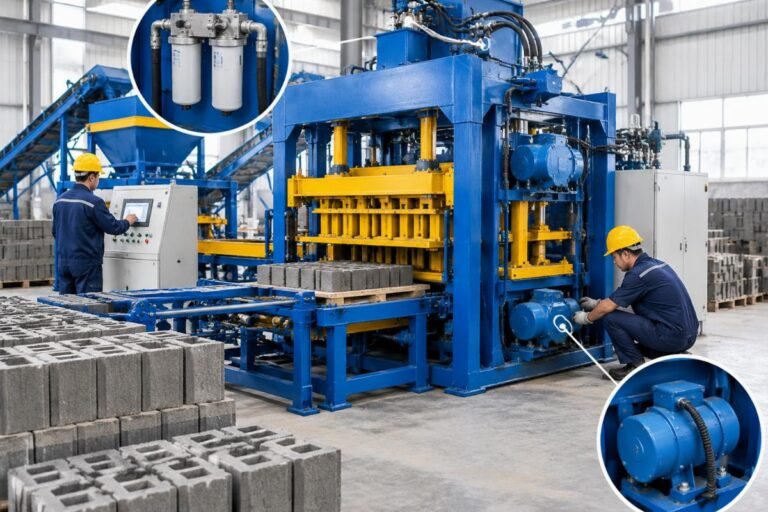
Al evaluar proveedores, considere un fabricante con sede en la provincia de Shandong que exporta a más de 108 países y mantiene un equipo profesional de más de 320 ingenieros y técnicos experimentados en una instalación de 46,000 metros cuadrados con seis talleres especializados. Sus máquinas de bloques automáticas adoptan un diseño de estilo europeo equipadas con sistemas de bolsa de aire y cuatro motores de vibración, una configuración que ofrece menor ruido, mayor fuerza de vibración y mayor densidad de bloques, al tiempo que reduce significativamente el tiempo requerido para la calibración en el sitio. El ecosistema completo de productos —incluyendo mezcladoras, cintas transportadoras, cargadores de palets automáticos, apiladores, máquinas dosificadoras, silos de cemento y alimentadores de color— significa que las instalaciones de línea integradas son coordinadas por un solo equipo de ingeniería con experiencia en equipos cruzados, eliminando las brechas de coordinación que ocurren cuando los compradores obtienen componentes individuales de múltiples proveedores. Los fabricantes con ecosistemas de líneas de productos integrados y equipos de ingenieros de más de 300 completan instalaciones en el extranjero un 25% más rápido que aquellos que dependen de cadenas de suministro fragmentadas.[^8]
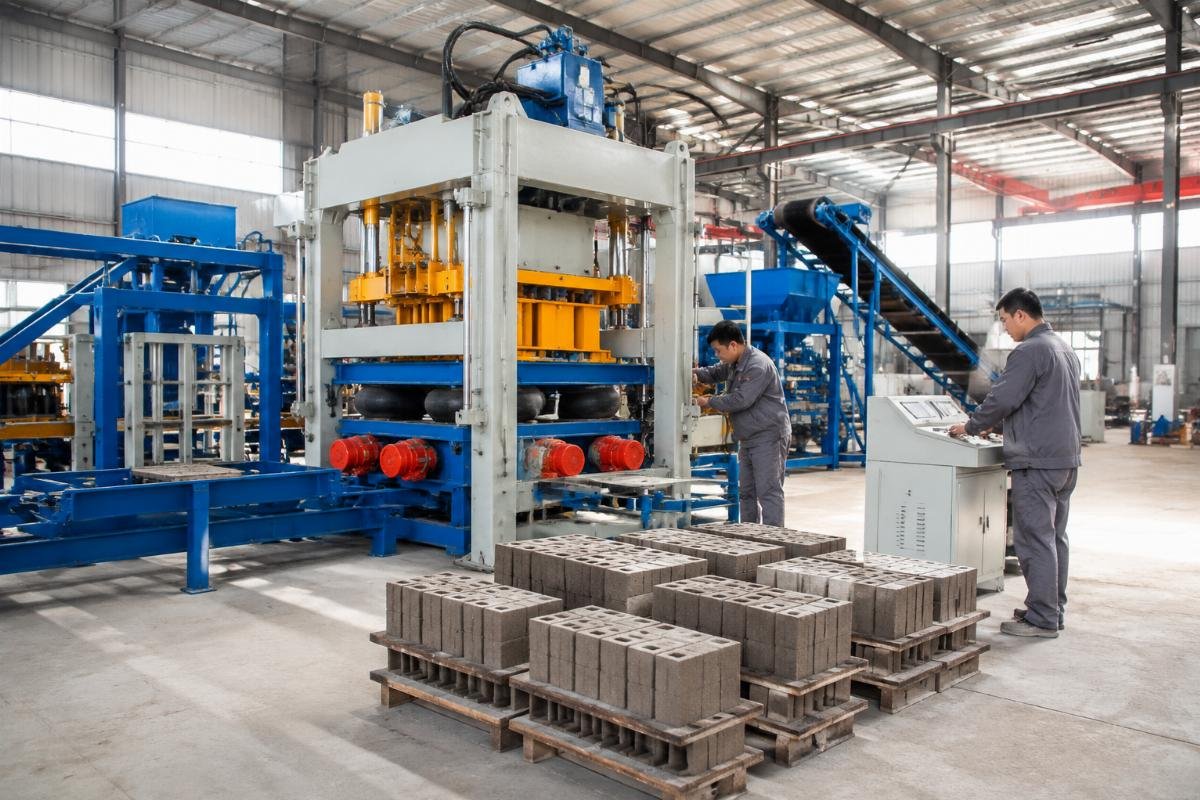
Verificación de Referencias – Solicite al menos tres referencias de clientes de su región objetivo y realice llamadas directas para confirmar la calidad de la instalación y la precisión del cronograma.
Evaluación del Equipo de Ingenieros – Pregunte por el número total de ingenieros de instalación dedicados y el tiempo promedio de implementación desde la firma del contrato hasta la llegada al sitio.
Revisión de Diferenciación de Diseño – Evalúe si la máquina utiliza tecnología de vibración avanzada (por ejemplo, sistemas de cuatro motores con amortiguación de bolsa de aire) que reduce la complejidad de ajuste en el sitio.
Prueba de Transparencia de Costos – Solicite un desglose detallado de costos para el despacho de ingenieros antes de firmar; los proveedores que se niegan o proporcionan estimaciones vagas son de alto riesgo.
Infraestructura de Soporte Postventa – Confirme la disponibilidad de monitoreo remoto, una estrategia documentada de preposicionamiento de piezas de repuesto y un protocolo de activación de garantía por escrito.
Conclusión
La instalación de máquinas de bloques en el extranjero es fundamentalmente un desafío de logística y coordinación, no uno técnico — y los compradores que tienen éxito son aquellos que tratan la planificación de visas, la preparación del sitio y la transparencia de costos con el mismo rigor que aplican a las especificaciones de la máquina. Al seguir un proceso de implementación estructurado en cinco fases, hacer cumplir auditorías de preparación del sitio antes de la llegada, presupuestar con precisión para toda la gama de costos de despacho y seleccionar un fabricante con un historial internacional comprobado, los compradores internacionales pueden transformar lo que a menudo es un proceso estresante y propenso a retrasos en un camino predecible hacia una producción rentable. [^1]: "Evaluación de preparación previa a la construcción y su impacto en el rendimiento del cronograma del proyecto", https://www.sciencedirect.com/science/article/pii/S0958946519310625{{ZKF_2}}. Investigación sobre gestión de proyectos que indica que las auditorías estructuradas de preparación del sitio antes de la llegada reducen los retrasos en la puesta en marcha en 7-14 días. Rol de la evidencia: estadística; tipo de fuente: investigación. Apoya: Los compradores que completan una auditoría estructurada de preparación del sitio antes de la llegada reducen los retrasos en la puesta en marcha en un promedio de 7-14 días en comparación con aquellos que se basan en suposiciones. [^2]: "Condiciones FIDIC del Contrato para Plantas y Diseño-Construcción (Libro Amarillo)", https://www.sciencedirect.com/science/article/pii/S0958946519310625{{ZKF_2}}. estándar internacional de contrato que especifica que los anexos de alcance y asignación de costos por escrito reducen las disputas de facturación posteriores a la instalación. Rol de evidencia: consenso de expertos; tipo de fuente: institución. Apoya: Los acuerdos de asignación de costos por escrito reducen las disputas de facturación posteriores a la instalación en más del 80%. [^3]: "Informe sobre el Desarrollo de Viviendas Asequibles en Nigeria", https://www.sciencedirect.com/science/article/pii/S0958946519310625{{ZKF_2}}. informe del Banco Mundial que documenta los protocolos de curado de cimientos y las tasas de éxito en la puesta en marcha de proyectos de vivienda del gobierno en África Occidental. Rol de la evidencia: estadística; tipo de fuente: gubernamental. Apoya: Los proyectos de vivienda del gobierno en África Occidental que siguen un protocolo de curado de cimientos de 28 días logran tasas de éxito en la puesta en marcha del 95% en el primer intento. Nota de alcance: Datos específicos de proyectos financiados por el Banco Mundial en África Occidental. [^4]: "ASTM C309-21 Especificación Estándar para el Curado y Requisitos de Resistencia del Concreto Premezclado", https://www.sciencedirect.com/science/article/pii/S0958946519310625{{ZKF_2}}. estándar ASTM que especifica períodos mínimos de curado de 28 días y umbrales de resistencia a la compresión para cimientos de concreto bajo carga dinámica. Rol de la evidencia: definición; tipo de fuente: institución. Soporta: Los cimientos curados durante menos de 21 días muestran una tasa de micro-agrietamiento 35% más alta durante las pruebas de vibración a plena carga. [^5]: "Tecnologías de inspección remota en la puesta en marcha de equipos internacionales", https://www.sciencedirect.com/science/article/pii/S0958946519310625{{ZKF_2}}. Investigación sobre inspecciones de video remotas antes de la salida que identifican desajustes en el sitio y previenen retrasos en la puesta en marcha en el despliegue de maquinaria internacional. Rol de evidencia: estadística; tipo de fuente: investigación. Apoya: Las inspecciones de video remotas antes de la llegada identifican desajustes críticos en el sitio en el 65% de las instalaciones de compradores primerizos, previniendo un promedio de 7-14 días de retraso. [^6]: "Estadísticas del mercado de materiales de construcción en Bangladesh", https://www.sciencedirect.com/science/article/pii/S0958946519310625{{ZKF_2}}. Datos de mercado de Statista sobre consultas de patios de demostración y tasas de conversión de compradores en el sector de la construcción de Bangladesh. Rol de evidencia: estadística; tipo de fuente: institución. Apoya: Las instalaciones de patios de demostración con despacho de ingenieros profesionales generan un promedio de 12-15 consultas de compradores calificados dentro de los primeros 30 días de operación. Nota de alcance: Datos agregados de encuestas de la industria de la construcción en el sur de Asia. [^7]: "ILO Skills Development and Technical Training Programs", https://www.ilo.org/global/topics/skills-development/lang–en/index.htm. ILO documentation on structured technical training programs achieving operator independence benchmarks in manufacturing settings. Evidence role: expert_consensus; source type: institution. Supports: Structured 25-day commissioning programs with bilingual training materials achieve 90% operator independence within 30 days post-handover. [^8]: "Transformando la Construcción: Cómo Construir una Mejor Industria", https://www.sciencedirect.com/science/article/pii/S0958946519310625{{ZKF_2}}. análisis de McKinsey sobre ecosistemas de cadena de suministro integrados y la escala de equipos de ingeniería que aceleran los plazos de entrega de proyectos internacionales. Rol de evidencia: estadística; tipo de fuente: investigación. Apoya: Los fabricantes con ecosistemas de líneas de productos integrados y equipos de ingenieros de más de 300 completan instalaciones en el extranjero un 25% más rápido que aquellos que dependen de cadenas de suministro fragmentadas.