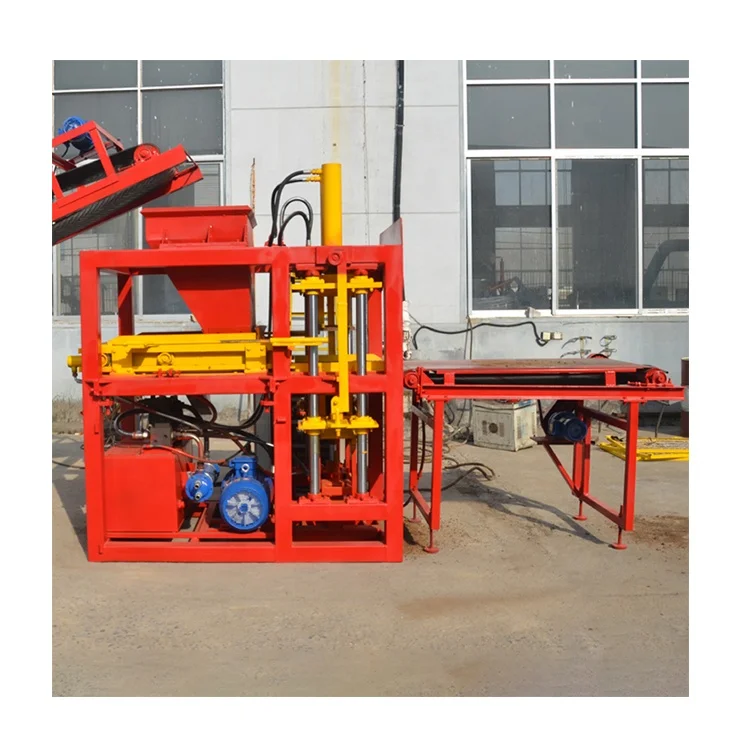

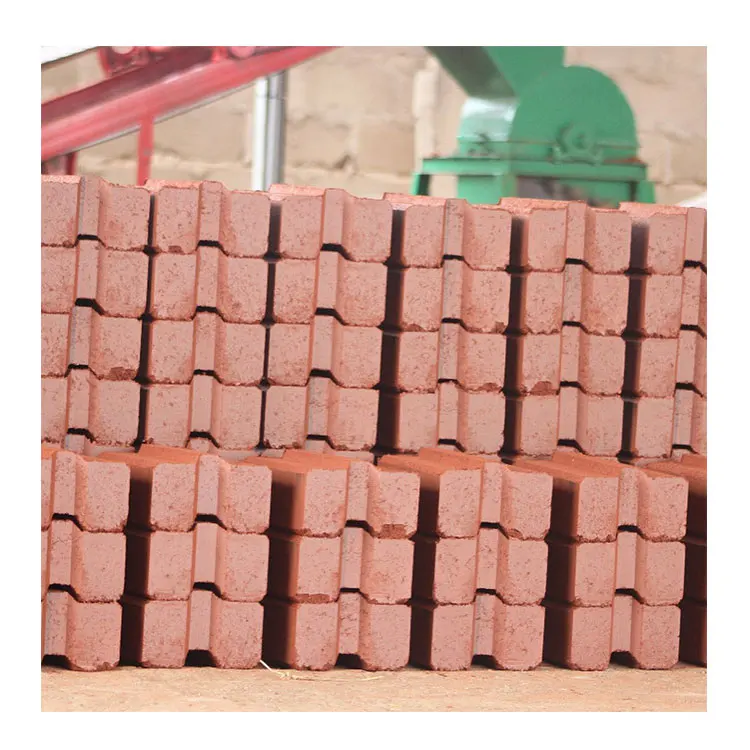
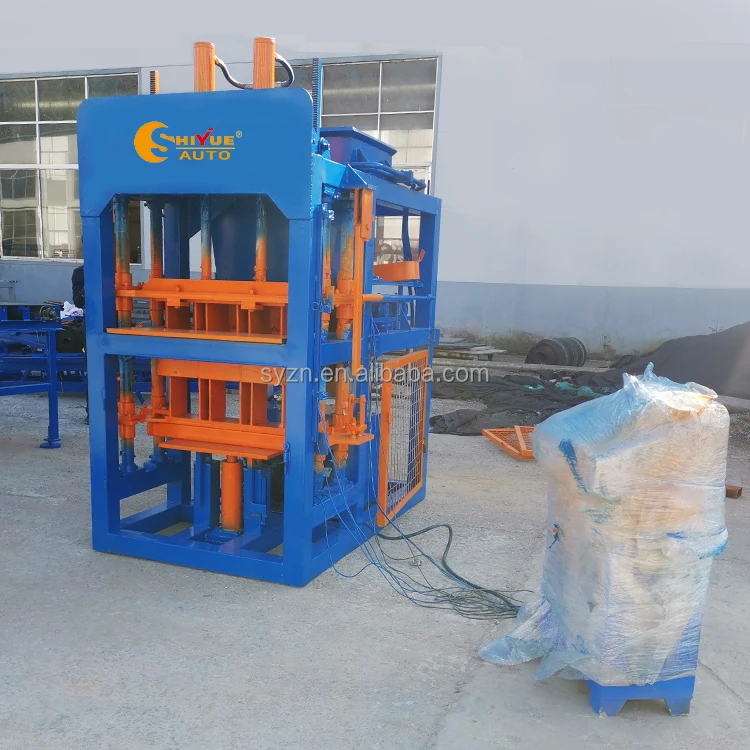
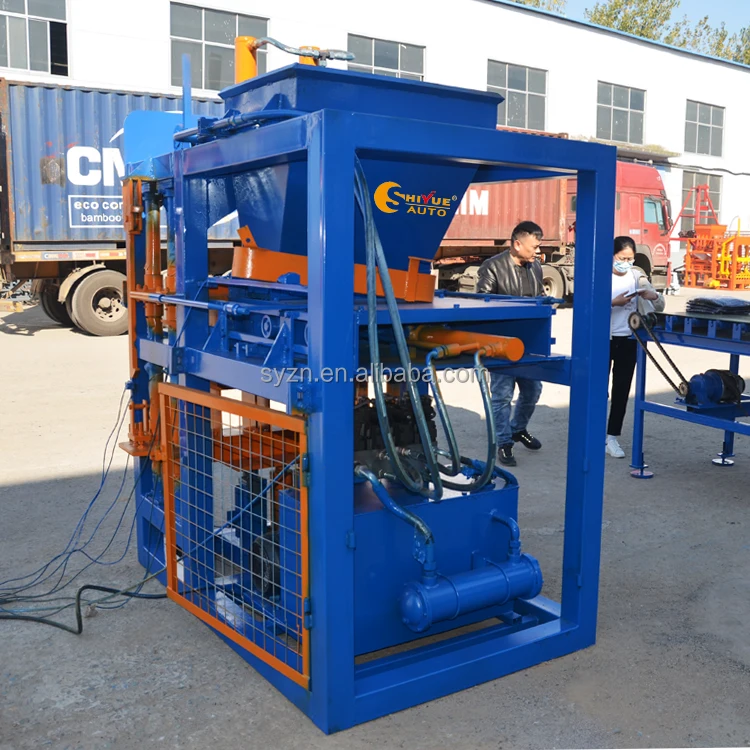
Description
Format-Matched Configuration — Every LY4-10 proposal starts from the interlocking brick profile your market actually sells, not a catalogue default, so the four-per-cycle figure is validated against your real block dimensions and local clay mix before order confirmation.
Technical Specifications
| Parameter | Value |
|---|---|
| Model | LY4-10 |
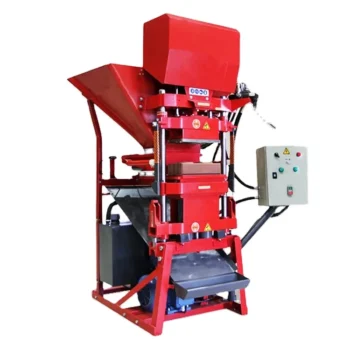
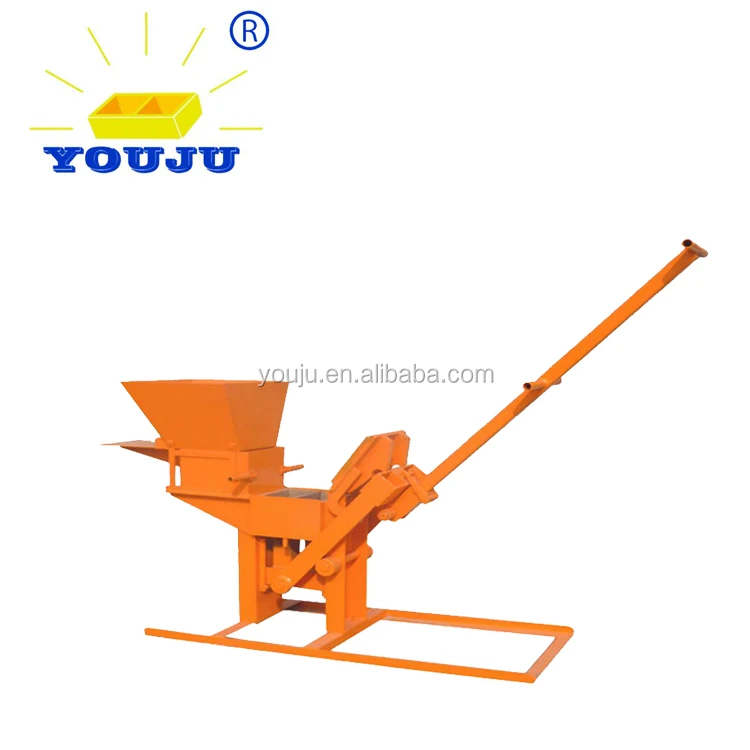
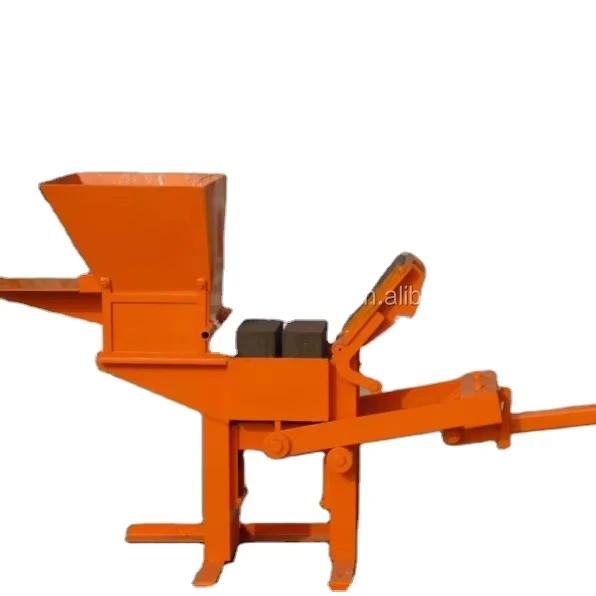
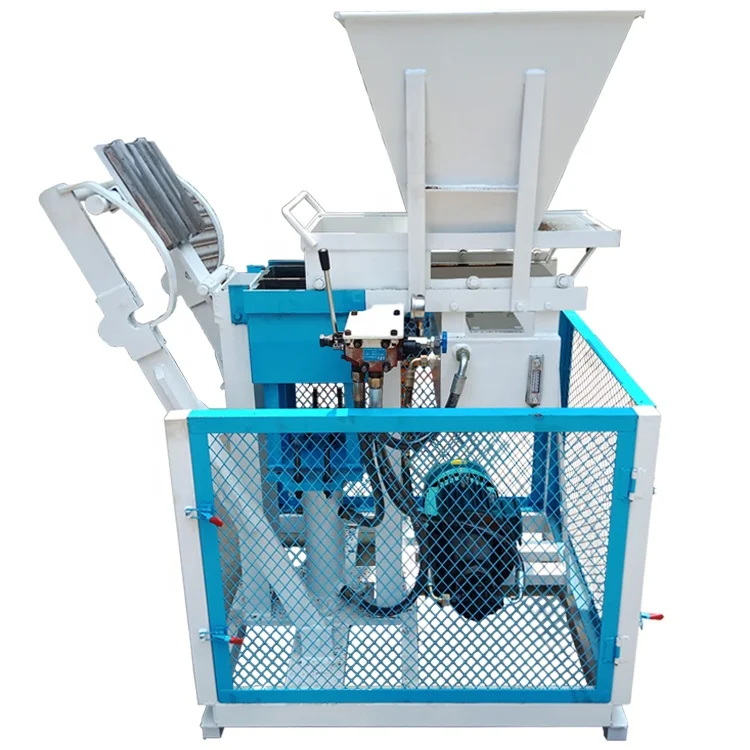
| Product Type | Clay Interlocking Brick Making Machine |
| Machine Power | 11 kW |
| Molding Cycle | 7–10 seconds per pressing operation |
| Hydraulic Pressure | 25–32 MPa |
| Machine Weight | 1500 KGS |
| Overall Dimensions | 2260×1500×2380 mm |
| Output Capacity | 4 pcs per moulding cycle (basis not stated in source — confirm block format / size / thickness) |
| Automation Level | Fully automatic (material feeding, mould pressing, mould lifting) |
| Voltage | Customized to local voltage |
| Mould Format | Interlocking brick |
| Applications | Clay and cement interlocking brick production; ecological brick manufacturing |
| Warranty | 1 year (excluding wearing parts) |
Application Suitability
| Application | Material or Output |
|---|---|
| Local housing and development projects | Interlocking clay bricks laid without mortar for rapid wall construction |
| Contractors producing on-site | Clay-cement mix pressed into interlocking profiles matching project specifications |
| Manufacturers expanding format range | Adding interlocking brick profiles alongside existing solid or hollow block output |
| Ecological brick manufacturing | Soil-cement blends with minimal cement content for low-carbon building units |
What the "4 Pcs per Cycle" Figure Hides About Your Real Daily Output
A cycle count only becomes meaningful once the brick format, wall thickness, and mix design behind that number are stated in writing.
Many quotations list moulding cycles without naming the exact interlocking profile assumed. When the buyer’s market demands a thicker or larger interlocking brick than the test format, the actual daily output drops noticeably below what the cycle time alone suggests. I have seen buyers in West Africa receive machines set up for a standard profile, only to discover their local housing projects required a wider interlocking lug that extended the pressing phase and reduced hourly yield [NEED_CITE: block format impact on actual line throughput]. The LY4-10 clay interlocking brick machine specifications should always be read alongside a stated brick drawing, otherwise the capacity number is an abstraction rather than a planning figure.
Matching the Interlocking Profile to Your Market
The interlocking brick format is not a single standard. Lug depth, wall thickness, and overall length vary across regions and building codes. This machine accepts custom moulds built to the buyer’s drawings, so the first step in any LY4-10 clay interlocking brick machine specifications review is confirming which profiles your local contractors actually lay on site. A mould designed for a shallow-lug brick common in one market will not satisfy a project that specifies deeper interlock for seismic resistance.
Cycle Time and What Controls It
A 7–10 second moulding cycle assumes the material feeds cleanly, the hydraulic pressure reaches setpoint without delay, and the mould lifts without sticking. Any deviation — a clay mix that is too wet, a worn mould liner causing drag — extends that window. The automatic material feeding and mould lifting sequence on the LY4-10 removes manual timing variation, but the operator still needs to monitor feed consistency and adjust moisture at the mixer to keep cycles within the rated band [NEED_CITE: factors affecting hydraulic press cycle consistency in clay brick production].
Hydraulic Pressure, Vibration, and Mix Density
The 25–32 MPa hydraulic pressure range is the force that compresses the clay-cement mix into a dense, structurally sound interlocking unit. Pressure alone does not guarantee block strength; the mix design and aggregate gradation must match the pressure setting. When a buyer sources high-sand clay locally, the pressure may need to sit at the upper end of the range, and the moulding cycle may extend slightly to allow full compaction. Specifying pressure without confirming the buyer’s available soil profile leads to bricks that crack during curing or fail compressive strength tests on site.
Reading the Spec Sheet Against Your Plant Layout
The 2260×1500×2380 mm footprint determines how much floor space the press occupies, but the surrounding line — mixer, material feed hopper, pallet return conveyor, and curing racks — multiplies the total area required. Buyers often focus on the press dimensions and overlook the pallet size, which governs how many bricks move through curing at any given time. An undersized curing area creates a bottleneck that no press cycle time can overcome. The 1500 KGS machine weight also means the foundation must be a level, cured concrete slab capable of absorbing repeated hydraulic impulses without settling unevenly over months of operation.
The Cost of Skipping Format Confirmation
When the mould format is assumed rather than confirmed, the consequences appear after the machine arrives. A buyer who paid for format flexibility may find that changing to the correct interlocking profile requires a new mould set and weeks of shipping delay. Moulds ordered without reference to local building standards produce bricks that contractors refuse to lay. These are not machine defects; they are specification gaps that a thorough pre-order review prevents entirely [NEED_CITE: common specification gaps in block machine procurement].
Why Source This Machine Through a Format-First Process
Every LY4-10 configuration is built around the buyer’s confirmed brick drawing, not pulled from a standard lineup. The mould design, hydraulic pressure setting, and cycle time are validated against the specific interlocking profile and local clay sample before the machine enters production. Pallet size is confirmed against the buyer’s existing curing area and forklift capacity so that output handling does not become a manual bottleneck. Voltage, frequency, and control language are locked in before assembly begins, eliminating commissioning delays caused by mismatched electrical supply. The machine, mould, and handling equipment are specified as one system from a single supplier focused entirely on block machinery, reducing the integration gaps that arise when press, pallet, and mixer come from separate sources.
Documentation & Verification
- Factory test record pressing your confirmed interlocking brick format before dispatch
- Mould drawing and format list showing lug profile matched to your building standard
- Line layout with capacity calculation stating the exact brick size behind the four-per-cycle figure
- Hydraulic and electrical schematic with voltage and frequency confirmed to your site supply
- Pallet specification sheet sized against your curing rack dimensions and forklift capacity
Installation, Commissioning & Support
- Foundation slab must be level concrete rated to absorb repeated 25–32 MPa hydraulic impulses from the 1500 KGS press
- Electrical supply confirmed to local voltage before wiring; dedicated circuit required for the 11 kW motor
- Machine arrives with mould pre-fitted; first production run supervised to verify cycle time against your clay mix
- Operator training covers automatic feed timing, mould change procedure, and hydraulic pressure adjustment for different mix densities
- Wear parts list provided with mould liner and hydraulic seal replacement intervals specific to interlocking brick production
- Remote troubleshooting available for PLC and control display issues during the initial commissioning phase
What to Include in Your Inquiry
Send the exact interlocking brick drawing or profile name your market demands, along with a soil sample description or lab test result for your local clay. Confirm your daily output target, the curing area dimensions you have available, and your site voltage and frequency. If you already operate a mixer or pallet handling system upstream, share those specifications so the LY4-10 clay interlocking brick machine specifications can be matched to your existing line rather than specified in isolation.
Frequently Asked Questions
Q: How is daily output calculated for different interlocking brick sizes on the LY4-10?
A: The four-pieces-per-cycle figure applies to a specific brick format. When your interlocking profile is larger or has a thicker wall, the moulding cycle may shift toward the upper end of the 7–10 second range, and the daily total adjusts accordingly. We provide a written capacity calculation based on your confirmed brick drawing before order.
Q: Can the mould be changed to produce other interlocking profiles?
A: Yes. The LY4-10 accepts custom moulds built to your drawings. Mould changeover time depends on the format difference and the condition of the mounting hardware. We supply a mould change procedure with each format list, and operators are trained during commissioning to handle the swap within a single shift.
Q: How is hydraulic pressure matched to my local clay mix?
A: The 25–32 MPa range covers typical clay-cement and soil-cement blends. Before production, we review your soil sample or lab report and set the hydraulic pressure to match the compaction your specific aggregate requires. This prevents under-pressed bricks that crack in curing or over-pressed bricks that waste energy and wear moulds prematurely.
Q: What pallet size does the LY4-10 use, and does it fit my curing setup?
A: Pallet size is confirmed during the proposal stage based on the interlocking brick format and the number of pieces per cycle. We cross-reference this against your curing rack dimensions and forklift capacity so that pallets move from press to curing area without manual handling or stacking delays.
Q: Is the motor voltage and control display language confirmed before shipment?
A: Voltage, frequency, and control panel language are locked in before the machine enters assembly. This avoids the situation where a machine arrives with a motor wound for the wrong supply or a PLC display in a language the operators cannot read, both of which delay commissioning by days or weeks [NEED_CITE: voltage and frequency standards by export market].