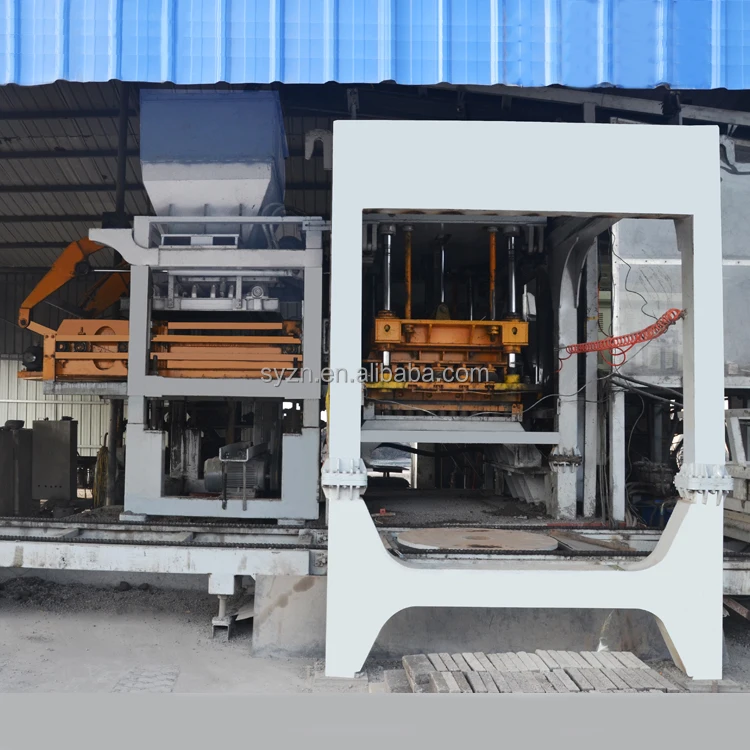
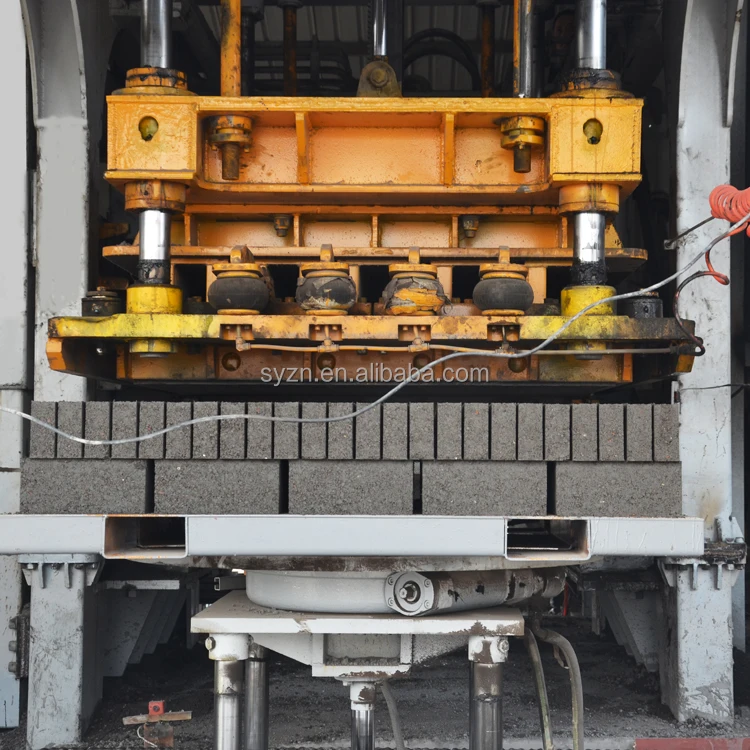
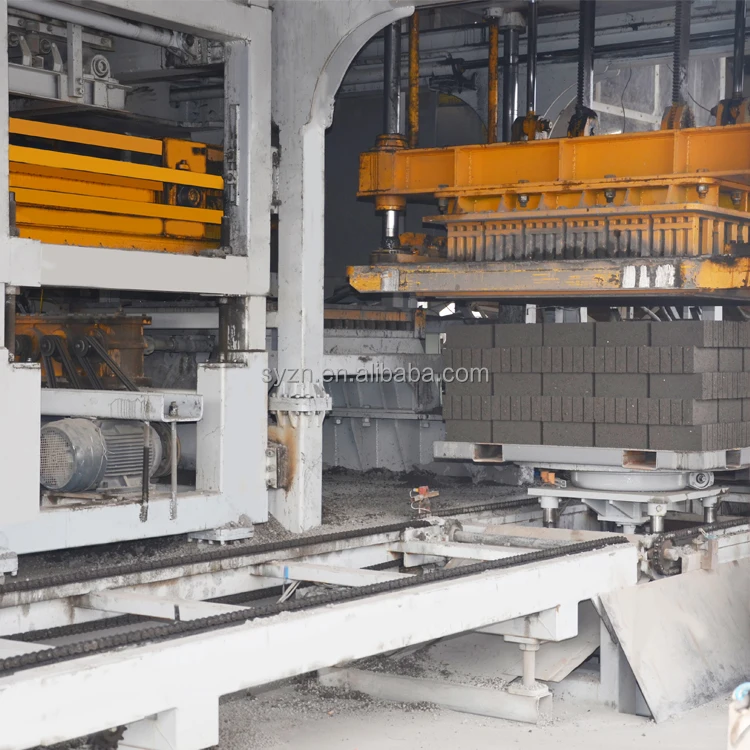
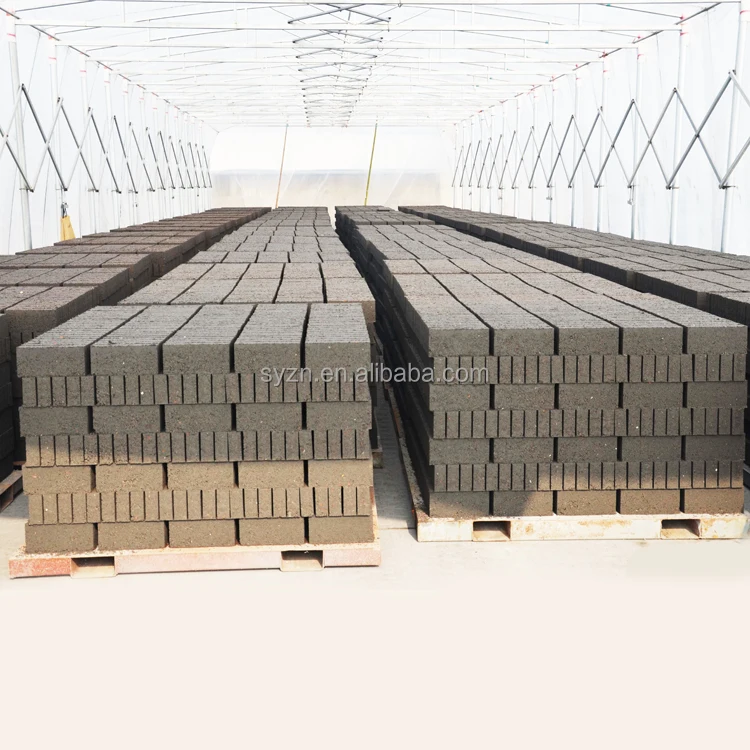
Description
Format-Matched Engineering — Every QT18-25 configuration starts from the buyer’s target block format and local aggregate, not a catalogue default, so cycle time, vibration force and hydraulic pressure are set to deliver the strength your market demands.
Technical Specifications
| Parameter | Value |
|---|---|
| Model | QT18-25 |
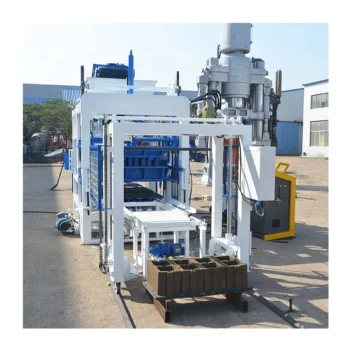
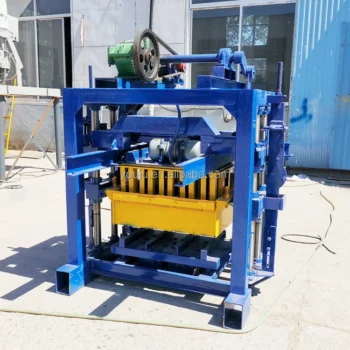
| Product Type | Fully Automatic Pallet-free Block Making Machine |
| Brick Height Range | 50–300 mm |
| Direct Stacking Height | 0–1200 mm |
| Main Vibration Form | Platform vibration |
| Vibration Frequency | 2800–4500 r/min |
| Vibration Power | 60 kW |
| Hydraulic System Power | 59 kW |
| Driving Method | Hydraulic |
| Demolding Method | Combined vibration and hydraulic |
| Molding Cycle | 15–25 s (basis not stated in source — confirm block format and material) |
| Control System | PLC with person-machine conversation interface |
| General Water Consumption | 8 T/Day |
| Factory Area Requirement | 2000 m² |
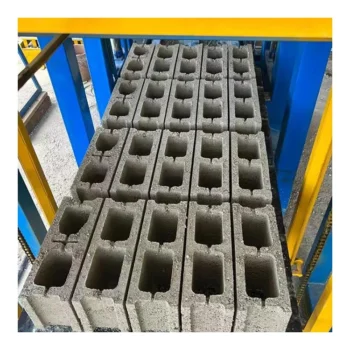
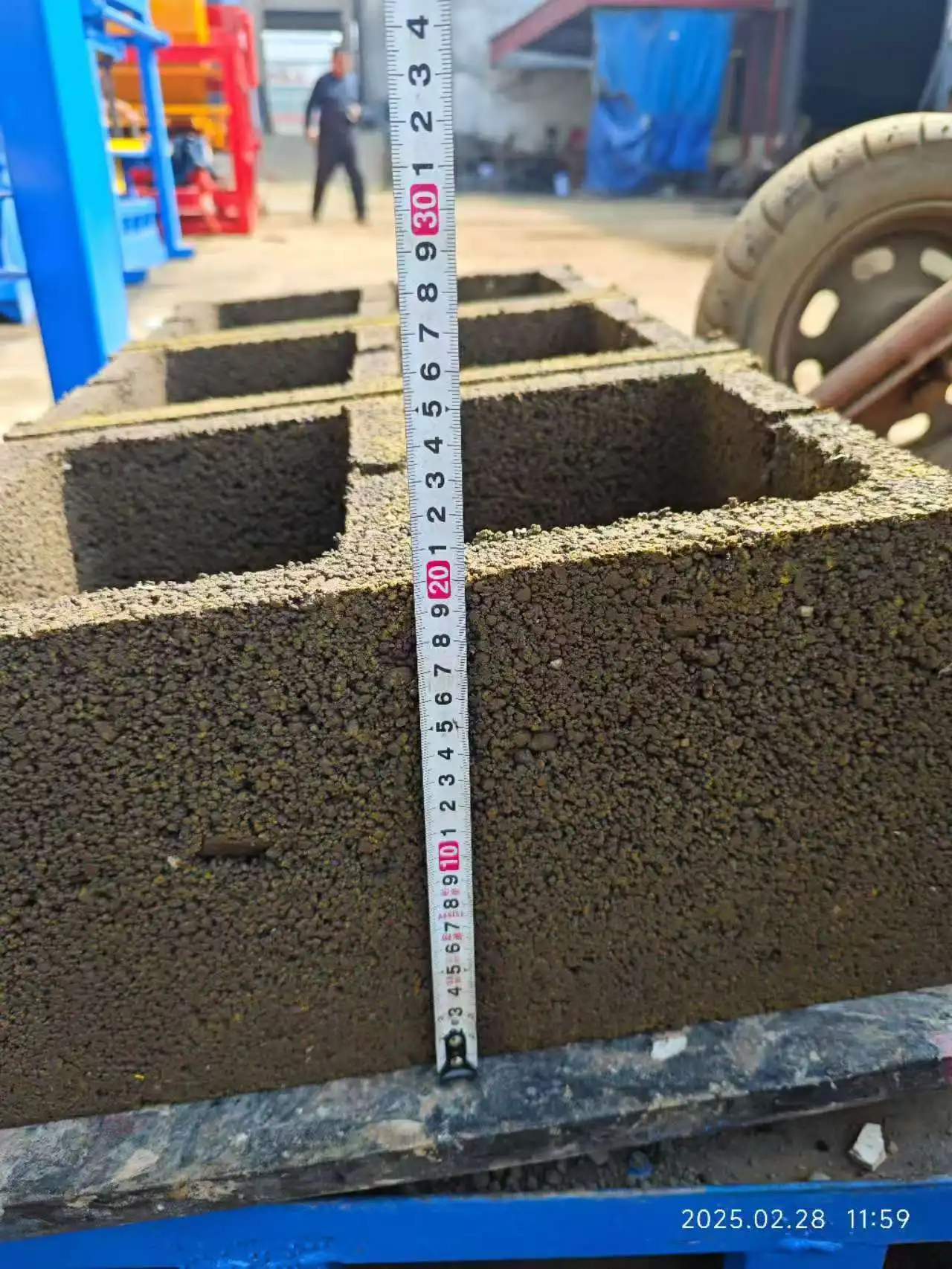
| Applied Products | Concrete blocks, hollow blocks, solid blocks, pavers, interlocking blocks, curbstone, colored pavers |
| Raw Materials | Crushed stone, sand, cement, fly ash, gravel, slag |
Application Suitability
| Application | Material or Output |
|---|---|
| Hollow block production for residential and commercial walls | Crushed stone, sand, cement, fly ash blends |
| Solid concrete block manufacturing for load-bearing structures | Gravel, cement and slag aggregates |
| Interlocking paver and colored paver production for driveways and public spaces | Fine sand, cement, pigment additives |
| Kerbstone and curb production for road and infrastructure projects | Coarse aggregate with high-cement mix designs |
| On-site block production for housing and development projects | Locally sourced sand and crushed stone |
What "Cycle Time 15–25 Seconds" Actually Means for Your Daily Output
A single cycle-time range covers many block formats — the number that matters is the output per format you will actually sell.
Suppliers frequently quote the fastest cycle the machine can achieve, typically on a small, thin paver, and leave the buyer to discover that hollow blocks or tall curbstones run at the slower end of that range. When the automatic pallet-free block making machine specifications list a 15–25 second molding cycle, the real daily throughput for a 200 mm hollow block will sit at the upper boundary, while a 60 mm paver can approach the lower one. Buyers who plan a plant around the headline number without confirming per-format capacity regularly find their daily output falls noticeably short of projections once production begins [NEED_CITE: block format impact on cycle time and daily throughput].
Eliminating Pallets from the Production Equation
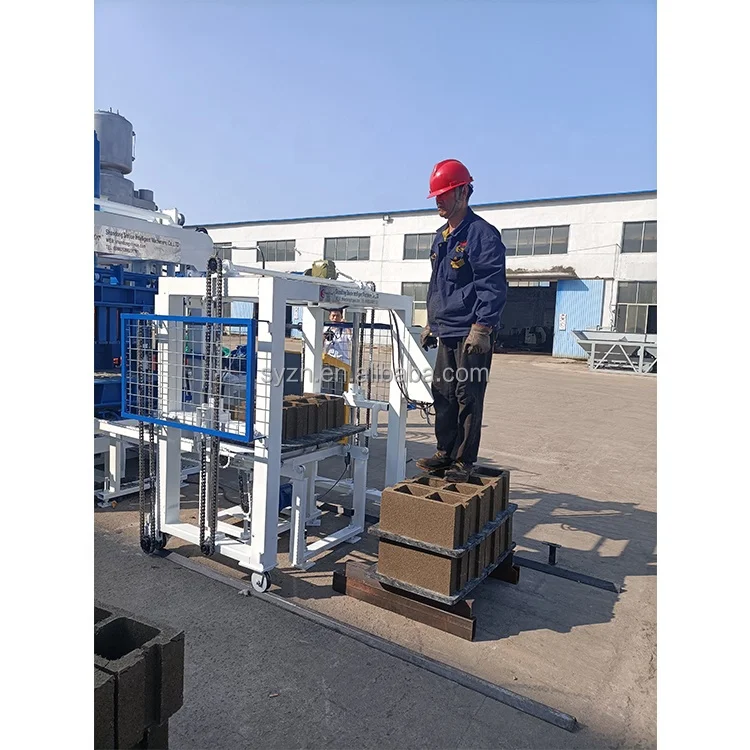
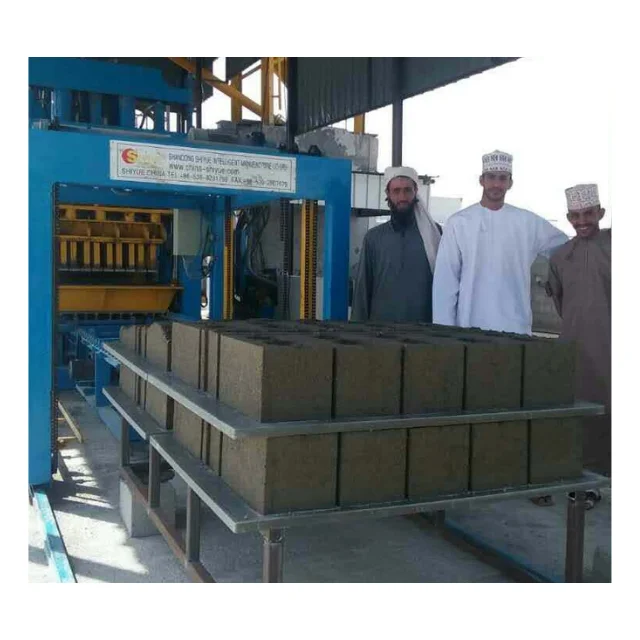
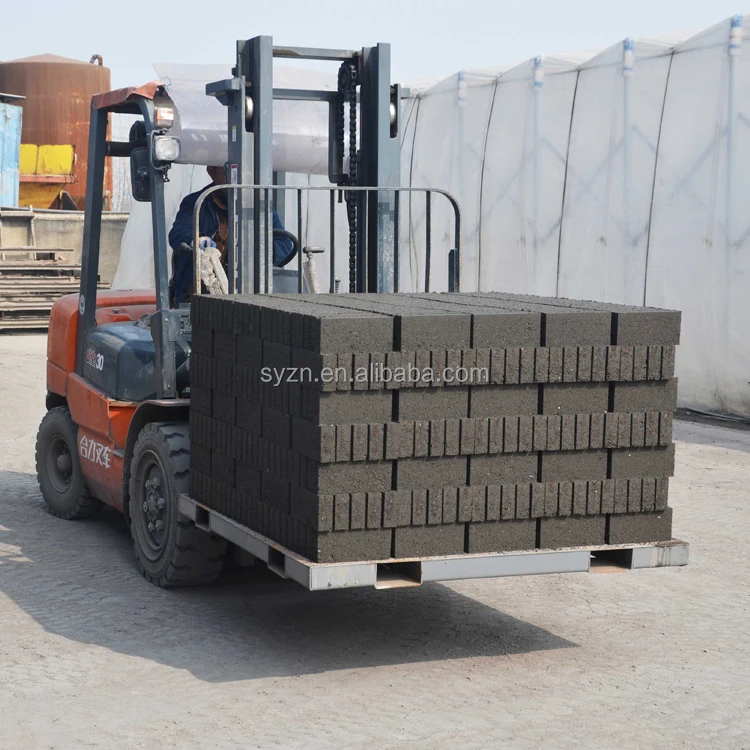
The QT18-25 removes the pallet entirely from the forming and handling sequence. Blocks are demolded and stacked directly to a height of up to 1200 mm, which takes the pallet purchase cost, pallet return logistics, and the labour of manual pallet handling out of the line. For buyers operating on constrained project sites or running high-volume paver production, the automatic pallet-free block making machine specifications mean fewer moving parts between the press and the curing area, and a smaller footprint for the same output tier.
Matching Vibration and Pressure to Your Mix Design
Platform vibration operates across an adjustable frequency band of 2800–4500 r/min, paired with a 59 kW hydraulic system that supplies the compaction pressure. The correct balance between vibration frequency and hydraulic force determines whether the block reaches the compressive strength your local standard requires, or whether it exits the press with surface cracks and weak cores. Configuration is set against the buyer’s actual aggregate gradation and cement ratio, not a factory baseline, so the machine arrives tuned for the materials available at your site [NEED_CITE: vibration force and hydraulic pressure matching for block compressive strength].
Reading the Specs That Determine Real Plant Performance
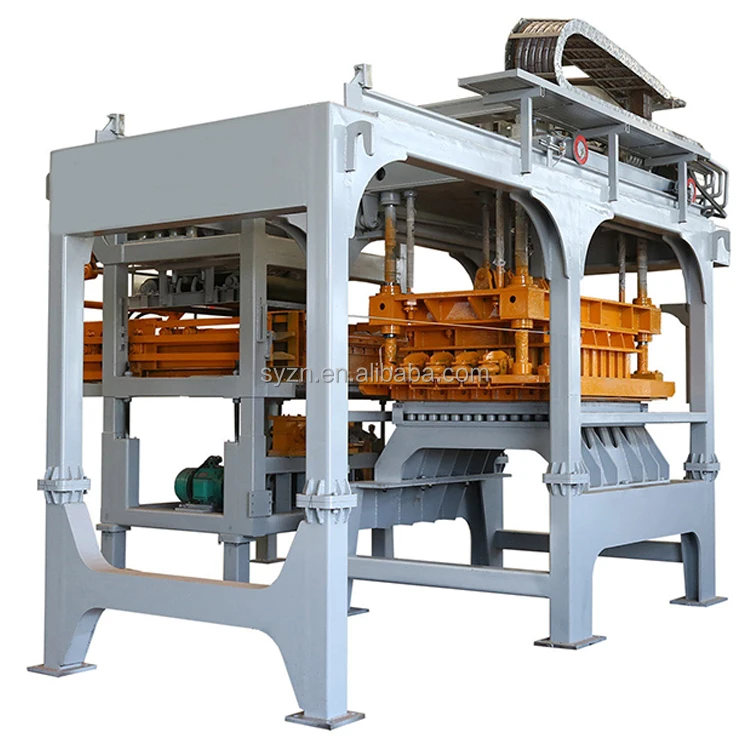
The 60 kW vibration power and 59 kW hydraulic power together define the compaction energy available per cycle. Higher vibration power consolidates finer aggregates and produces a denser block face, which matters for pavers and colored products where surface finish affects saleability. The 50–300 mm brick height range determines which mould set can be mounted, and consequently which products the plant can offer — a buyer producing only 150 mm hollow blocks will configure the machine differently from one adding 80 mm interlocking pavers to an existing range. The PLC person-machine conversation interface controls all parameters, and confirming the display language and voltage before production avoids commissioning delays that can stretch into weeks when the control panel arrives in a language the operators cannot read [NEED_CITE: PLC language and voltage confirmation before shipment].
The Cost of Skipping the Format Conversation
When a block machine is ordered on cycle time alone, without confirming which block format that figure assumes, the plant typically arrives configured for a mix the buyer cannot source locally. This forces a material change that alters block weight, strength and colour, and the buyer ends up running a product the local market does not want. Mould changeovers that should take minutes can consume most of a shift when the tooling and hydraulic clamps are not specified for the formats the buyer actually needs to alternate between. Pallet-free direct stacking sounds simple until the curing area floor space and forklift capacity are not matched to the 1200 mm stack height, leaving fresh stacks unstable and operators handling blocks by hand anyway [NEED_CITE: consequences of unconfirmed block format and pallet-free stacking logistics].
Why Buyers Source the QT18-25 Through This Channel
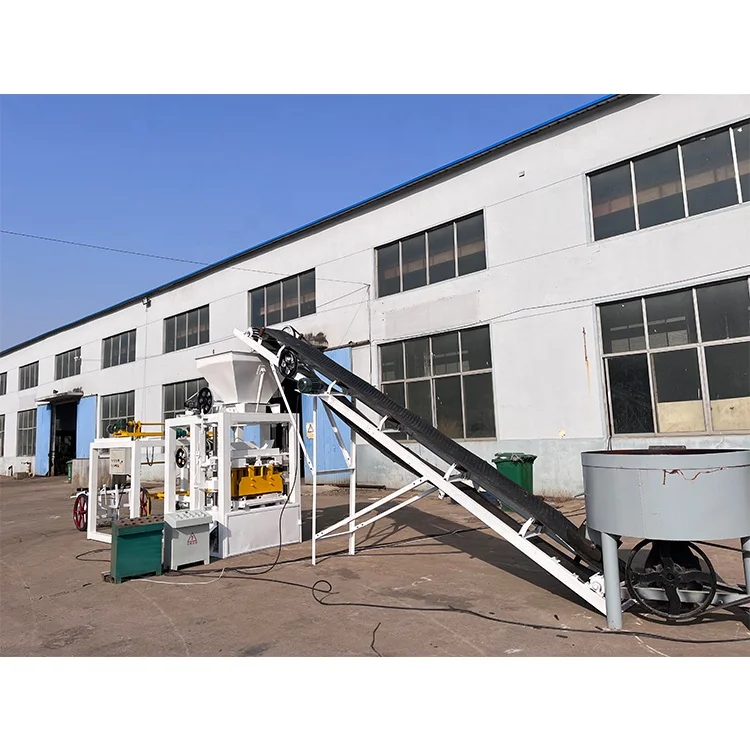
Block machinery is the single focus here, so the QT18-25 press, moulds, stacking mechanism and handling are specified as one matched system rather than assembled from separate suppliers. Configuration is set against the buyer’s target block format, local aggregate and required strength, not pulled from a standard catalogue page. Mould design covers the formats the buyer’s market sells, including custom drawings when a standard mould does not exist. Automation is selectable — a buyer can begin with semi-automatic pallet handling on another line and move to the fully automatic pallet-free stacking of the QT18-25 as the plant grows. Installation includes on-site commissioning and operator training, typically completed within one week, so the line is producing saleable blocks before the support team leaves.
Documentation & Verification
- Line layout stating output per block format, not a single unqualified capacity number
- Mould drawing and format list confirming every product the quoted mould set covers
- Voltage, frequency and PLC display language documented and signed off before production
- Factory test record showing cycle time and block strength on the buyer’s specified mix
- Hydraulic and electrical schematic for local maintenance teams
- Operation and maintenance manual with wear parts and mould replacement list
Installation, Commissioning & Support
- 2000 m² factory area requirement confirmed against buyer’s site plan before dispatch
- 60 kW vibration and 59 kW hydraulic power circuits require dedicated breakers and verified voltage
- Machine dismantled for container loading and reassembled on-site by the installation team
- PLC person-machine interface parameters set during commissioning to match the buyer’s mix design
- Operator training covers mould changeover, stacking height limits and daily maintenance routines
- One-year warranty on design and production defects with quick-wear parts list provided upfront
Preparing Your Inquiry
To size the QT18-25 correctly, share the block formats your market sells along with the target daily output for each format, not just a total volume figure. Include the local aggregate types and gradations available, plus the compressive strength standard your blocks must meet. Confirm the voltage, frequency and the language your operators need on the PLC display so these are locked in before production begins.
Frequently Asked Questions
Q: How is daily output calculated for the QT18-25 — which block format does each capacity figure assume?
A: Every capacity figure in the line layout states the specific block format, dimensions and molding cycle time it assumes. The 15–25 second cycle range covers different formats differently, so hollow block output will differ from paver output. We provide a per-format breakdown so buyers plan around real numbers, not a single headline figure.
Q: If the machine is pallet-free, what does the curing area still need to accommodate?
A: The QT18-25 stacks blocks directly up to 1200 mm, so the curing area needs a flat, level floor that can bear stacked loads at that height. Buyers should confirm their existing forklift can handle stacks at this dimension and that the curing zone has enough square footage within the 2000 m² factory area to hold the required curing inventory.
Q: How do I confirm the machine is configured for my local aggregate and not a factory default?
A: We request a sample of your local aggregate along with the target mix design and block strength requirement. The factory test runs the QT18-25 with those parameters before shipment, and the test record documents the cycle time and compressive strength achieved. This ensures vibration frequency and hydraulic pressure are matched to your materials.
Q: What is the mould change time between block formats, and what tooling is required?
A: Mould change time depends on the format set included with the quotation and the hydraulic clamp system configured for the QT18-25. The mould drawing and format list provided before production details which formats are covered. Operator training on-site covers the changeover procedure and the specific tooling needed, so the crew can switch formats without losing a full shift.
Q: How are voltage, frequency and PLC language confirmed to avoid delays when the machine arrives?
A: These are documented and signed off during the quotation stage, before production begins. The PLC person-machine conversation interface is set to the buyer’s required language, and the electrical system is built to the confirmed voltage and frequency. This is recorded in the pre-production documentation so there are no surprises at commissioning.