

Description
Mould-Matched Configuration — Every QMJ4-45 is set against the buyer’s actual block format and local aggregate rather than a catalogue default, so capacity figures reflect what your site will actually produce.
Technical Specifications
| Parameter | Value |
|---|---|
| Model | QMJ4-45 |
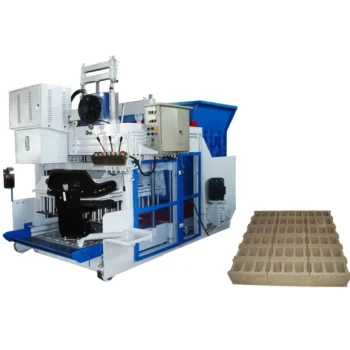
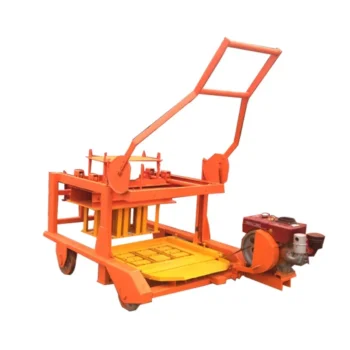
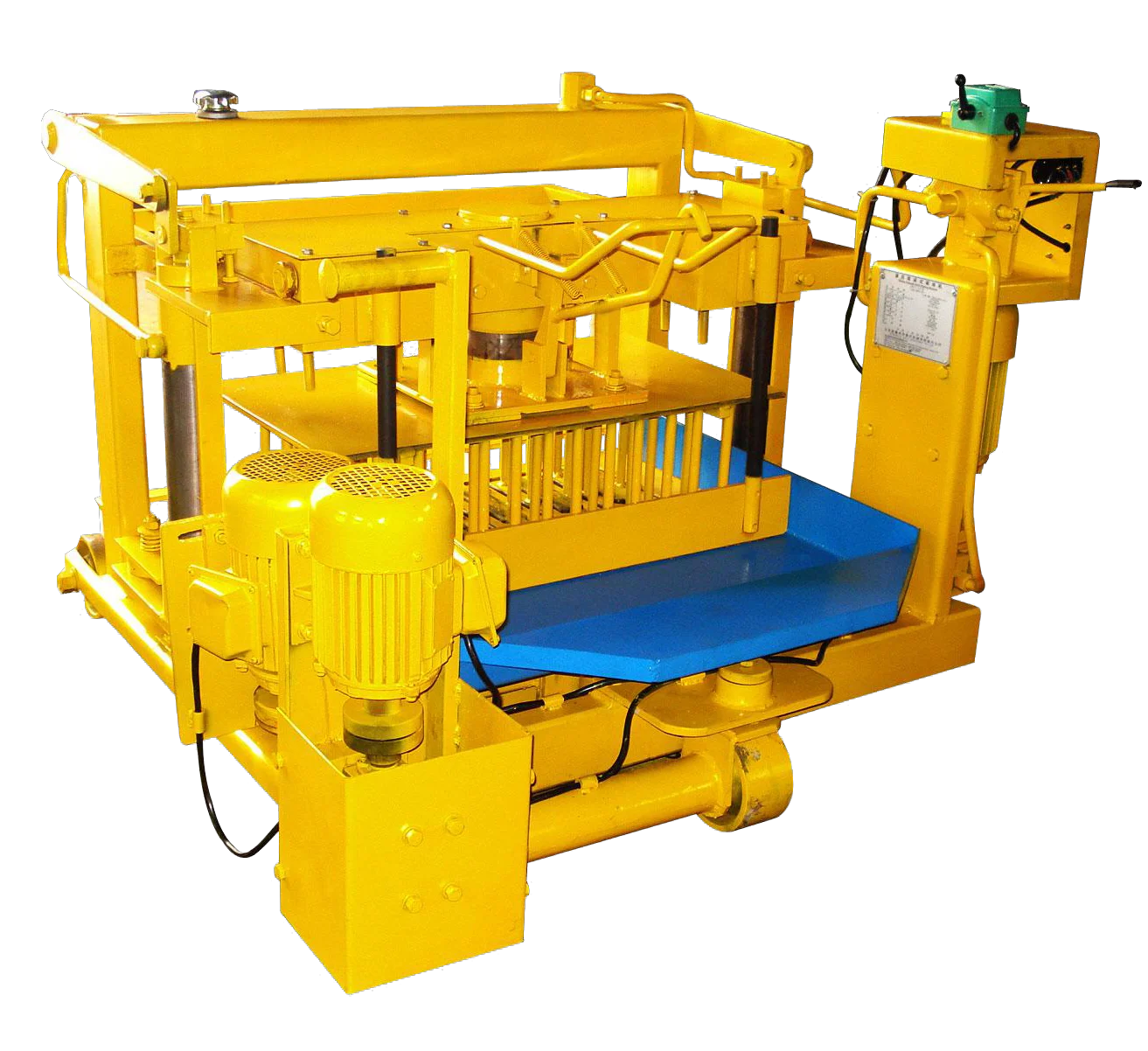
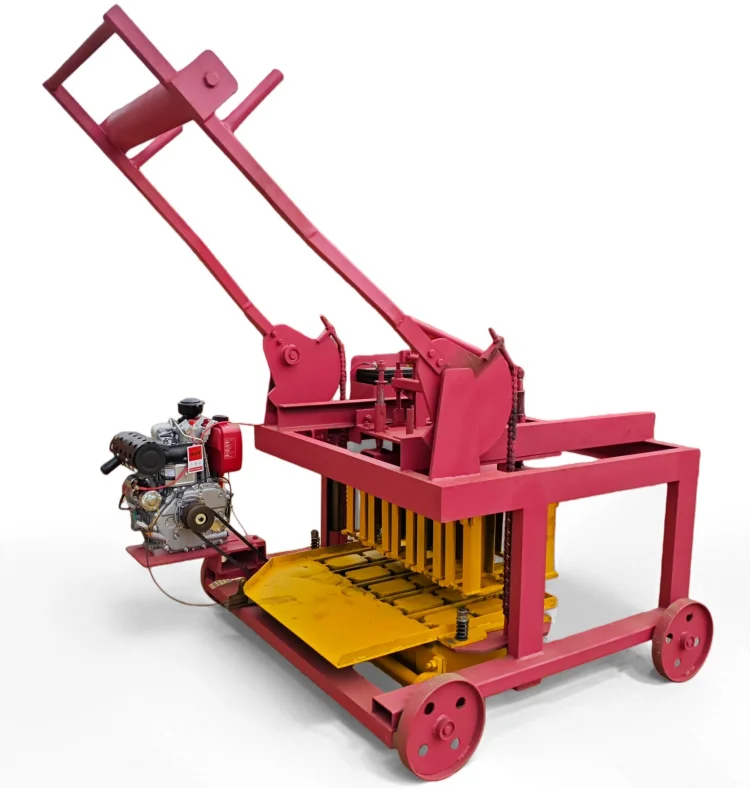
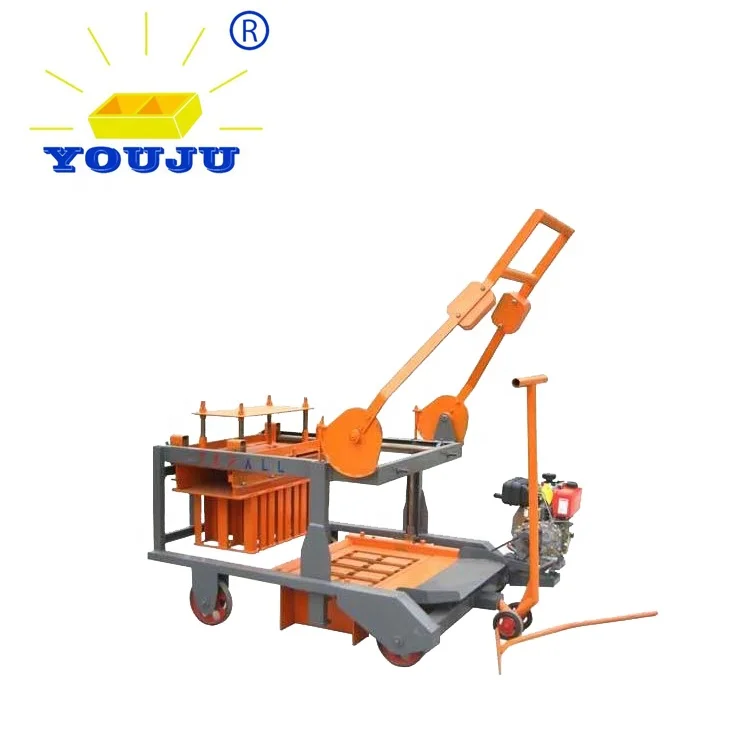
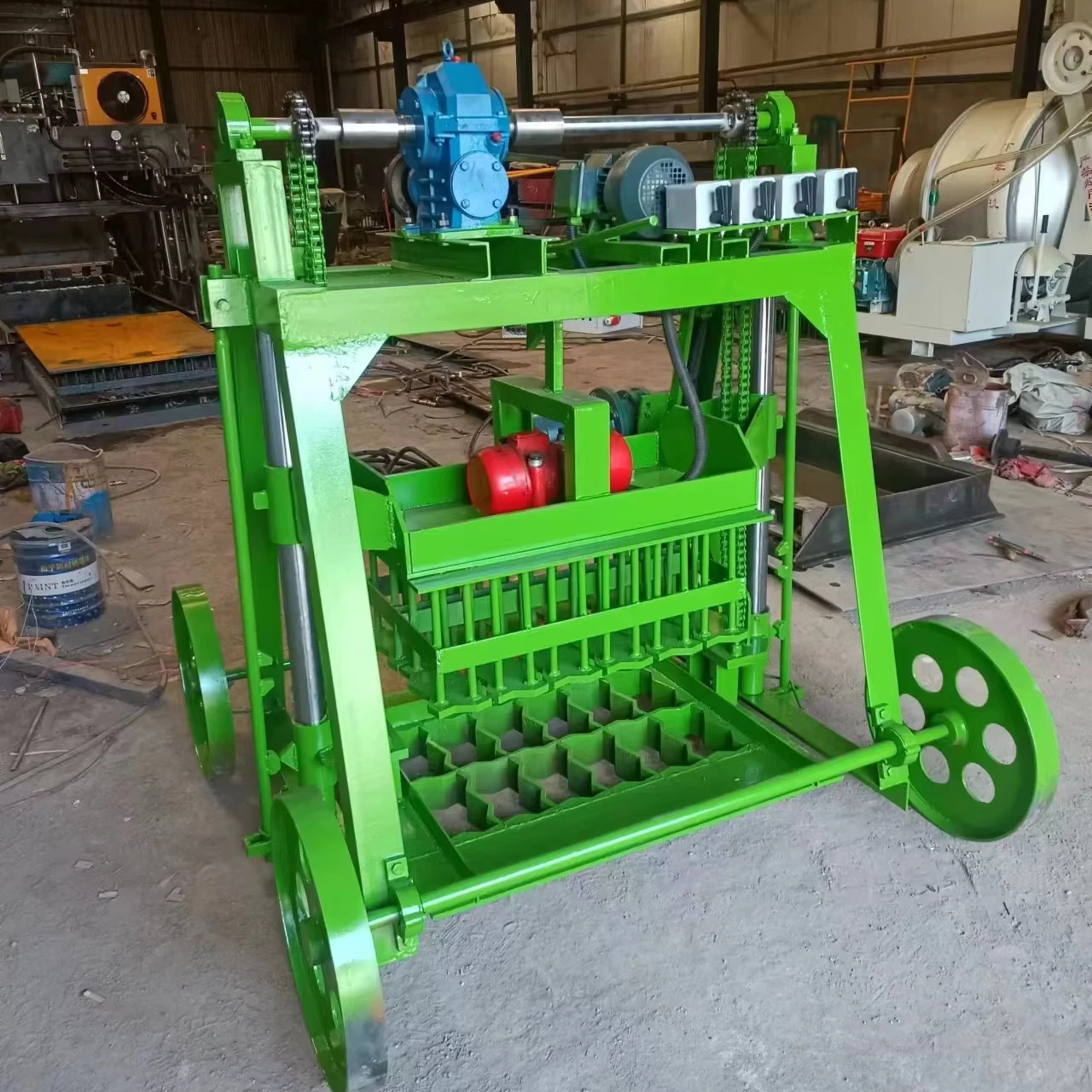
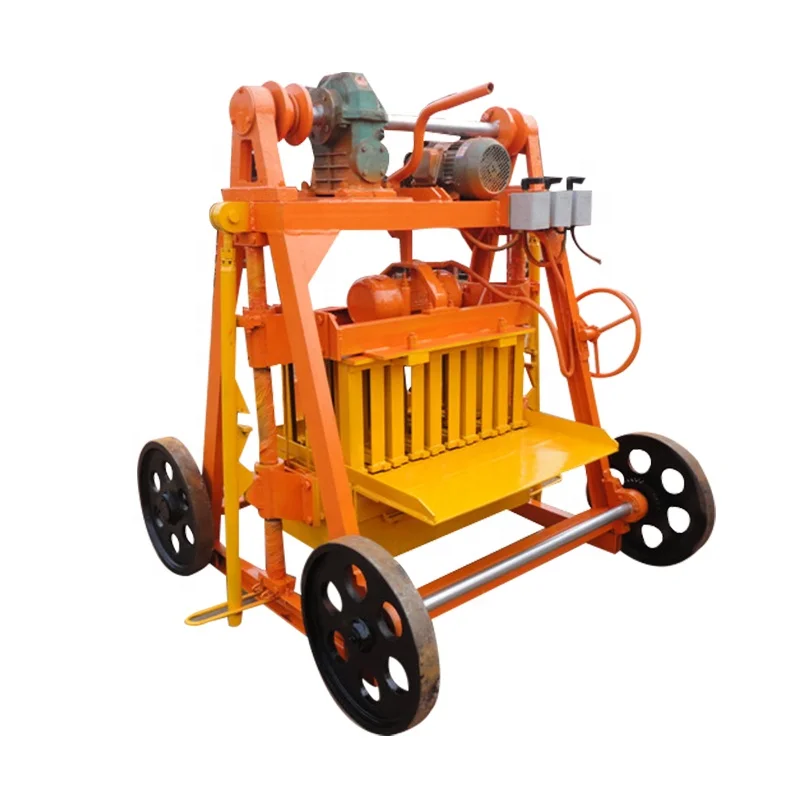
| Product Type | Mobile Egg Laying Block Making Machine |
| Molding Method | Twice-vibration of molding core (upgraded from single vibration) |
| Molding Capacity | 4 pcs/mold (basis not stated in source — confirm block format / material / thickness) |
| Vibration Frequency | 2400 r/m |
| Productivity | 2600–4000 pcs/day (basis not stated in source — confirm block format / material / thickness) |
| Molding Cycle | 45 s (basis not stated in source — confirm block format / material / thickness) |
| Hydraulic Method | Mold vibration |
| Demold Method | Manual |
| Turning Method | Manual |
| Total Power | 6 kW |
| Power Source | Diesel / Petrol engine |
| Pallet Requirement | No consumption pallets required |
| Automation Level | Manual operation |
| Certification | CE (source value — verify against manufacturer catalog) |
Application Suitability
| Application | Material or Output |
|---|---|
| On-site hollow block production for housing projects | Crushed stone, river sand, cement blends |
| Paving brick manufacturing at remote construction yards | Granite dust, quarry fines, cement |
| Multicellular brick runs for load-bearing walls | Lightweight aggregate, fly ash, cement |
| Standard solid brick for boundary walls and foundations | Local river sand, stone dust, cement |
What "4000 Pieces per Day" Actually Means on Site
Real output depends on which block format your mould is running, what your local aggregate looks like, and how long each cycle truly takes.
Catalogue sheets for the QMJ4-45 often quote a single daily figure without stating the block size, wall thickness, or mix recipe behind it. I have watched machines of this class arrive on site and produce noticeably fewer blocks than the buyer expected because the sand had a high clay content that forced longer vibration cycles to reach acceptable density. The operator ends up adjusting on the fly, and the daily count drops [NEED_CITE: impact of local aggregate moisture and clay content on concrete block cycle time]. Before you compare machines on paper, ask the supplier to show you a capacity sheet that names the exact format and mix the number is based on.
Honest Capacity by Block Format
The QMJ4-45 is designed around a 45-second molding cycle, but that figure only holds when the mix design, vibration frequency, and block geometry are aligned. A standard hollow block with thin walls will release from the mould faster than a dense paver that needs extended vibration to consolidate fine aggregate. When you evaluate mobile egg laying block machine specifications, the meaningful question is how many pieces your chosen format yields per shift, not the headline number printed on a brochure.
Matching Mould Options to Your Market
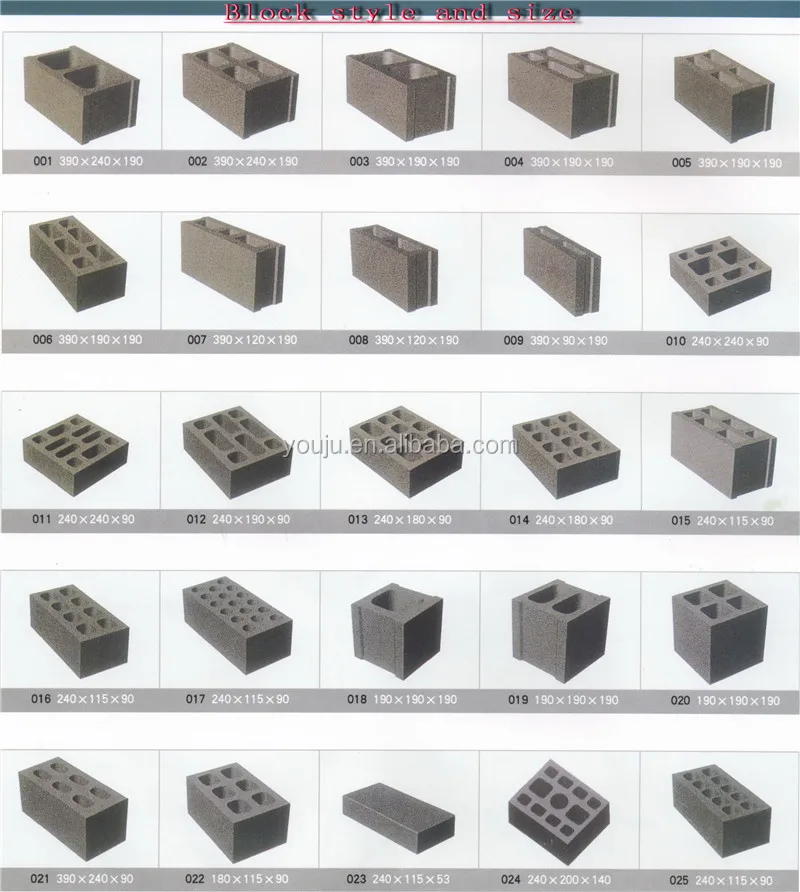
This machine supports multiple block formats through mould changes, but the swap is manual and takes time away from production. If your buyers switch between hollow blocks and pavers weekly, plan the mould change window into your weekly schedule rather than assuming it disappears between runs. Confirm which moulds the supplier stocks and whether custom format drawings can be accommodated before you commit [NEED_CITE: mould interchangeability standards for manual egg laying block machines].
Reading the Spec Sheet for Production Impact
The twice-vibration molding core on the QMJ4-45 replaces the single-vibration arrangement found on earlier egg-laying designs. Two vibration phases compact the concrete in stages, which improves density consistency across the block face — important when your blocks must meet a minimum compressive strength for structural use. The 2400 r/m vibration frequency sits in a range suited to medium-coarse aggregates; if your local sand is very fine, the frequency may need adjustment through pulley changes to avoid surface tearing on demold. Total power draw of 6 kW from a diesel or petrol engine means the machine operates independently of the grid, a practical advantage on remote project sites where three-phase power is unavailable. Because no pallets are consumed, your ongoing material cost stays lower than stationary machines, but you still need a level, prepared curing area directly adjacent to where the machine lays each block.
The Hidden Cost of Skipping the Mix Test
I once spent two weeks on a Southeast Asian site re-tuning vibration pressure and mix ratios because the local river sand carried far more clay than anyone had tested before commissioning. Blocks came out soft, cycle times doubled, and the contractor lost an entire production window. When the mix design is assumed rather than verified against your actual aggregate source, you absorb that lost time and material cost yourself [NEED_CITE: aggregate testing requirements before concrete block machine commissioning]. A short lab trial before the machine ships avoids weeks of on-site troubleshooting.
Why Source This Machine Through a Format-First Approach
The QMJ4-45 is specified as part of a matched system — machine, mould, and curing workflow are discussed together so the configuration fits the block your market actually buys. Capacity calculations state the block format assumed, not a generic output claim. Mould drawings and format lists are provided before order confirmation so you can verify dimensions against your local standard. Engine power and fuel type are confirmed to match what is available at your site. Installation support covers first-run parameter setting, and wear part lists are handed over so you can plan your first reorder before the original parts reach end of life.
Documentation & Verification
- Capacity calculation sheet naming the exact block format and mix behind quoted output
- Mould drawing and format list showing available cavity layouts and dimensions
- Engine specification with fuel type and consumption rate for site planning
- Operation and maintenance manual with illustrated wear part locations
- Factory test record run on a mix closest to your local aggregate profile
Installation, Commissioning & Support
- Level and compact the curing area to match the QMJ4-45 laying path before arrival
- Confirm diesel or petrol fuel availability at site for the 6 kW engine requirement
- Assemble the machine from shipped components and verify vibration alignment on first run
- Set molding cycle and vibration duration against your validated mix design
- Train operators on manual demold technique to avoid corner damage on green blocks
- Stock initial wear parts from the supplied list before production ramps up
Before You Request a Quote
To size the QMJ4-45 correctly, share the block formats your market demands, including wall thickness and overall dimensions. Provide a sample or lab report of your local sand and aggregate so the mix can be validated before the machine leaves the factory. Specify whether diesel or petrol is more practical at your project location and describe the curing area you have available on site.
Frequently Asked Questions
Q: How do I verify realistic daily output for the block format I actually sell?
A: Ask the supplier for a capacity calculation that names the specific block dimensions, mix recipe, and cycle time used to derive the daily figure. Generic output numbers for the QMJ4-45 often assume ideal conditions that differ from your local aggregate and format. A format-specific sheet lets you compare machines on a fair basis.
Q: Which mould formats are available and how long does a mould change take?
A: The QMJ4-45 supports hollow blocks, solid bricks, pavers, and multicellular formats through interchangeable moulds. Mould changes are manual, so plan a realistic window in your production schedule rather than treating the swap as instant. Confirm available formats with your supplier before ordering.
Q: What local aggregate does this machine need for consistent block strength?
A: The twice-vibration system works best with medium-coarse aggregate. High clay content in river sand can extend cycle times and reduce block density. A lab trial on your actual sand source before shipment lets the factory adjust vibration parameters to match your material.
Q: Can the QMJ4-45 run without grid electricity?
A: Yes. The machine is powered by a diesel or petrol engine rated at 6 kW total, making it suitable for remote sites without three-phase power. Confirm fuel type and local availability before ordering so the correct engine variant is installed at the factory.
Q: What curing area do I need if the machine uses no pallets?
A: Since the QMJ4-45 lays blocks directly on the ground, you need a level, compacted surface adjacent to the machine path. The curing area size depends on your daily output and how long blocks remain before collection. Plan the layout so the machine does not have to stop and wait for cleared space.