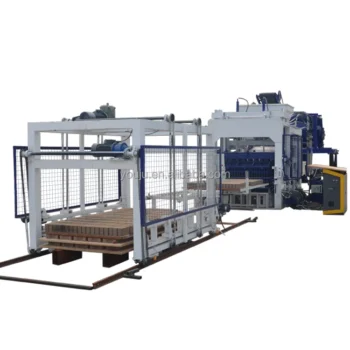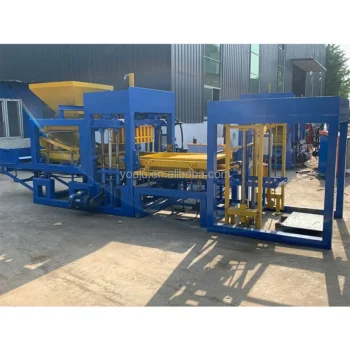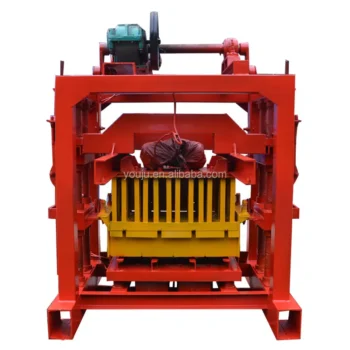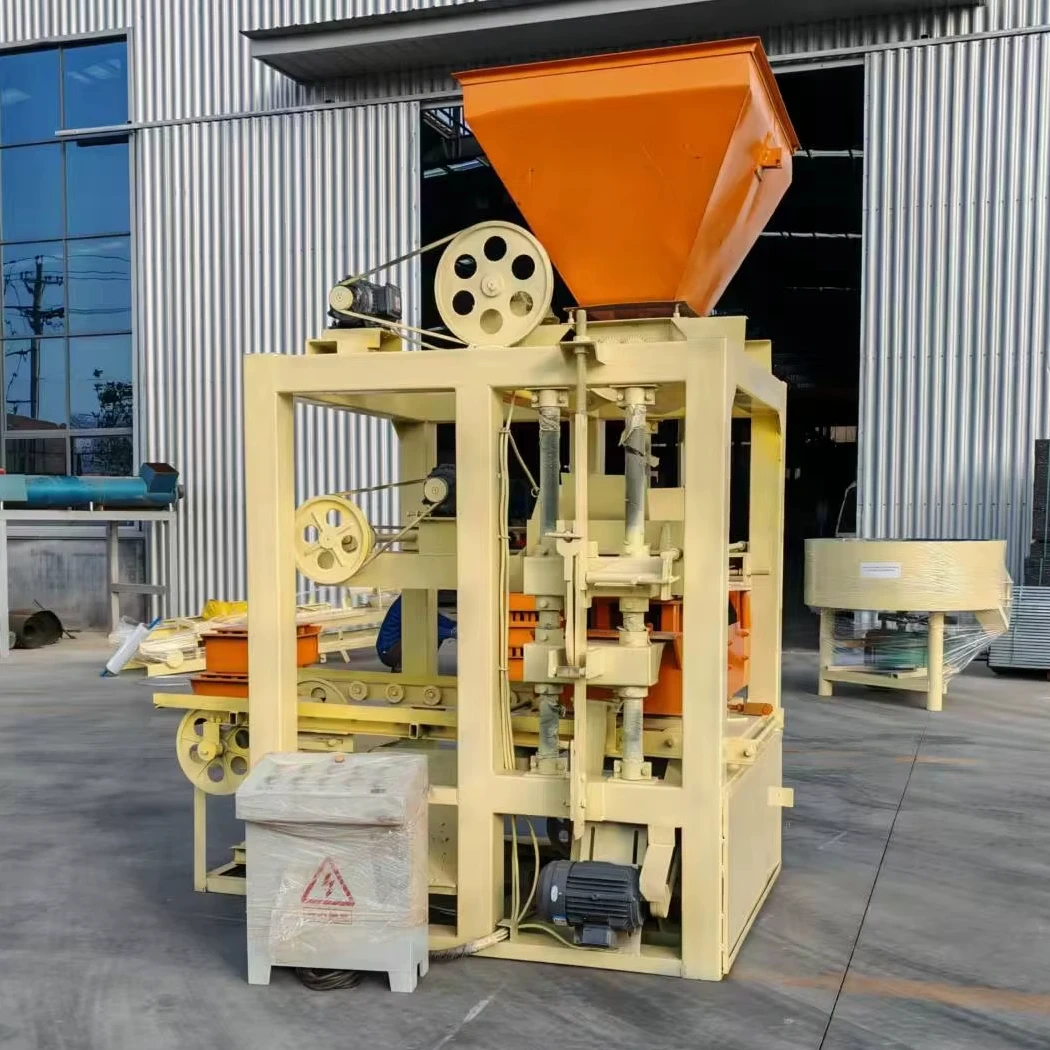

Description
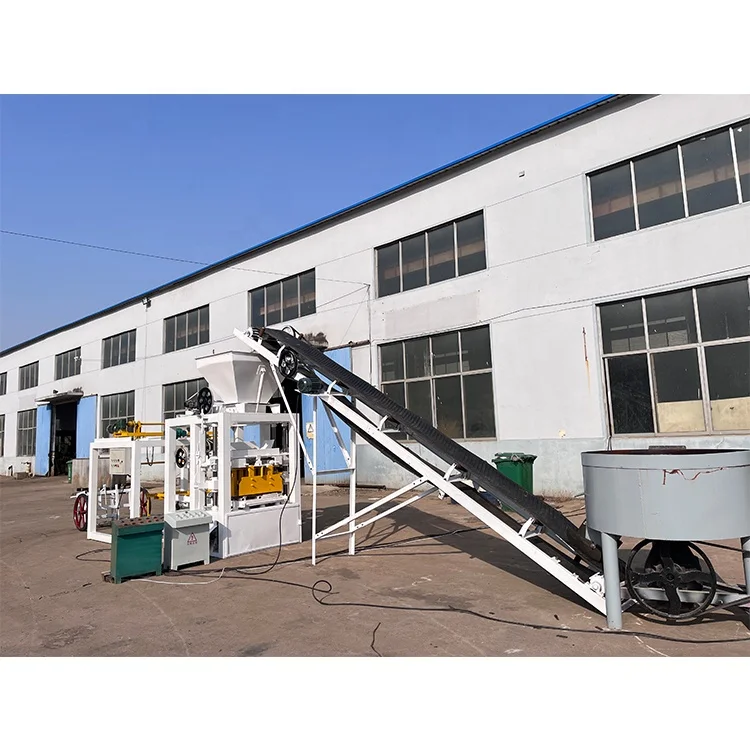
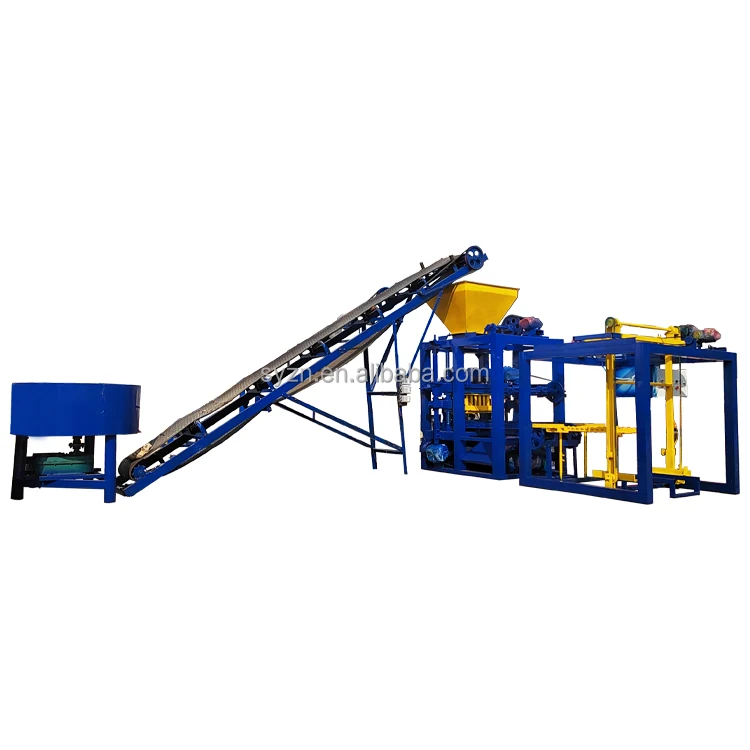
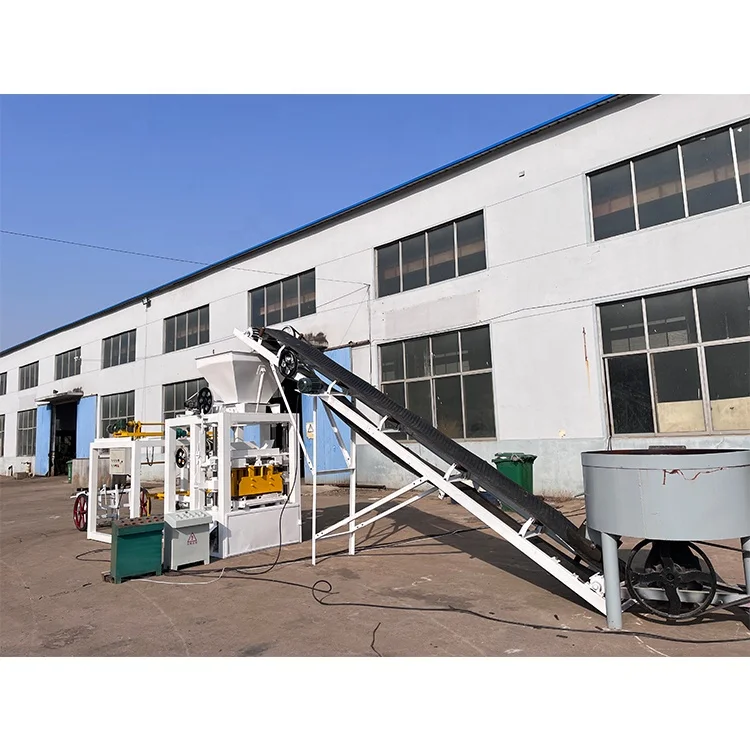
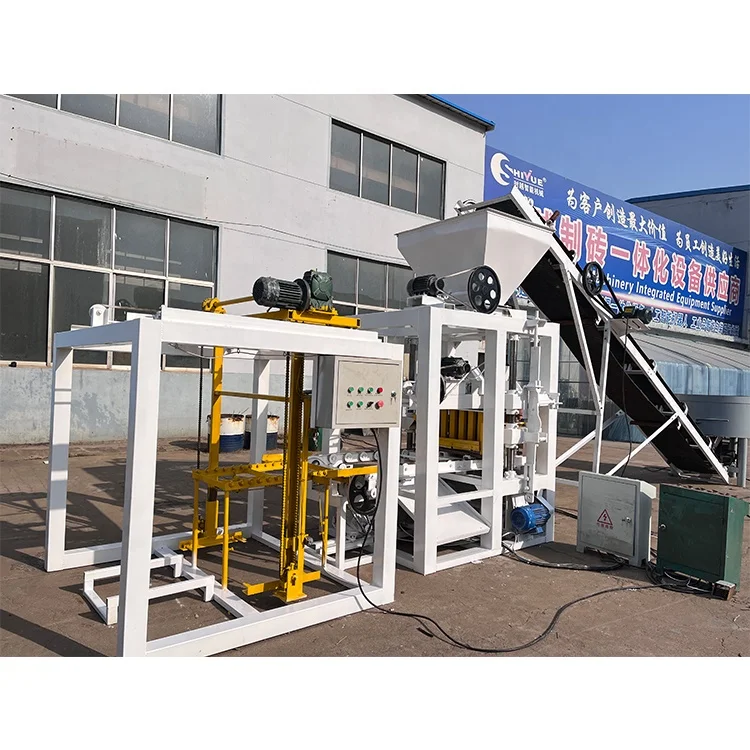
Format-matched mould engineering — every cycle time and pallet dimension is confirmed against your target block shape before the QTJ4-24 leaves the factory.
Technical Specifications
| Parameter | Value |
|---|---|
| Model | QTJ4-24 |
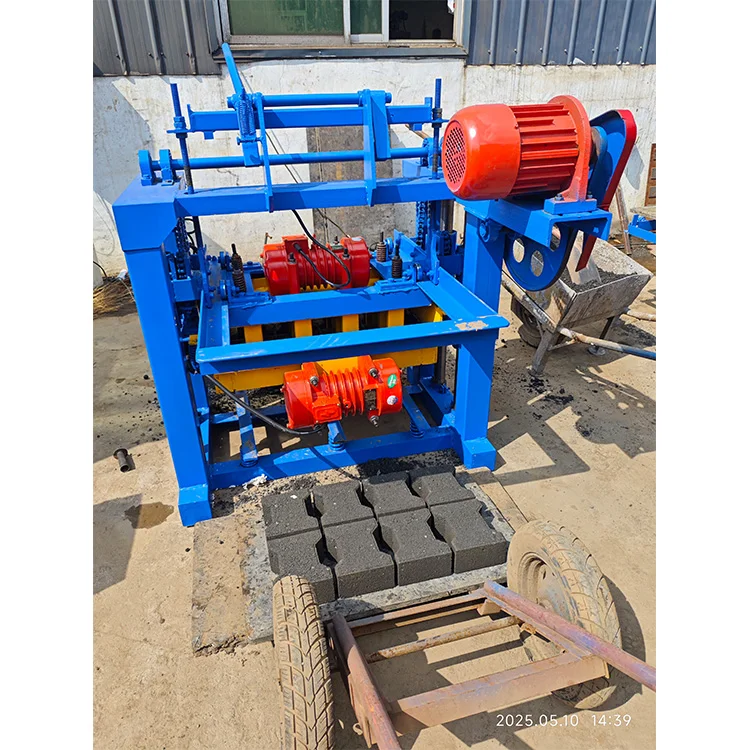
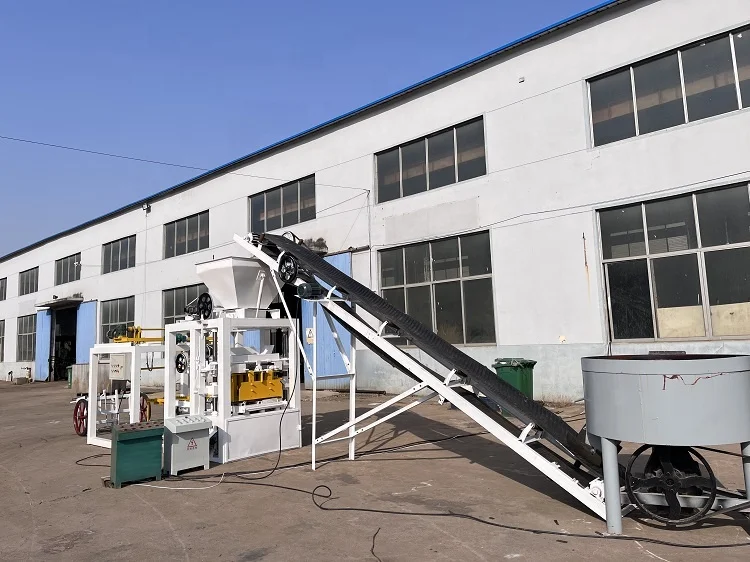
| Product Type | Stationary Concrete Block Making Machine |
| Overall Dimensions (L×W×H) | 3600 × 1700 × 2560 mm |
| Pallet Size | 850 × 450 mm |
| Molding Cycle | 24–26 s (basis not stated in source — confirm block format and material) |
| Total Power | 11.95 kW |
| Vibration Force | 45 kN (2 × 3 kW lower + 2 × 1.5 kW upper vibrators) |
| Net Weight | 2 T |
| Molding Method | Mechanical |
| Material Feeding | Full-automatic spiral material distribution |
| Reducer | 350-type for mold lifting |
| Raw Materials | Cement, sand, stone |
| Automation Level | Semi-automatic |
| Warranty | 1 year for whole machine (excluding spare parts) |
Application Suitability
| Application | Material or Output |
|---|---|
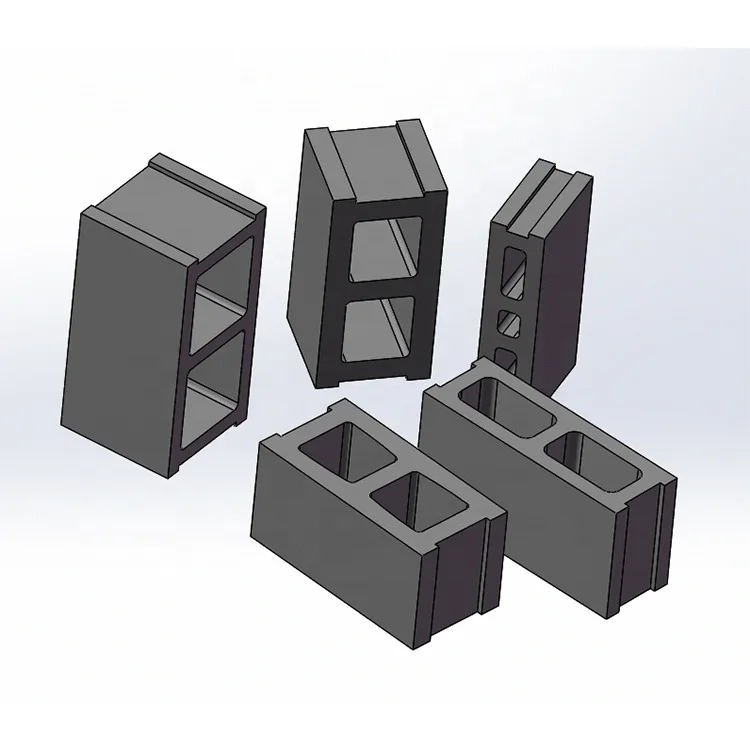
| Hollow block production for small-to-medium block plants | Cement, sand, and crushed stone mix |
| Solid block manufacturing for load-bearing walls | Cement-sand-aggregate blends with local stone |
| Interlocking brick production for paving and landscaping | Fine aggregate and cement compositions |
| On-site block production for housing and development projects | Locally sourced sand, gravel, and cement |
| Paving block formats for driveways and walkways | High-strength cement mix with coarse aggregate |
What "24–26 Seconds per Cycle" Actually Means for Your Daily Output
A cycle time is only honest when it names the block format it was measured on.
I have watched buyers sign off on a QTJ4-24 block machine specifications sheet showing a 24–26 second cycle, then arrive at commissioning expecting the same throughput on a 200 mm hollow block that was quoted on a thin paving tile. The reality is that thicker formats with heavier aggregate demand longer vibration dwell, and that 24-second figure stretches. When the block format, local aggregate density, and target compressive strength are not locked into the capacity calculation before shipment, the daily output on your floor can fall noticeably short of what was projected on paper [NEED_CITE: block cycle time variation by format and aggregate type]. The QTJ4-24 concrete block making machine must be evaluated format by format, not by a single headline number.
Matching Vibration Force to Your Local Aggregate
The dual-layer vibration system on the QTJ4-24 delivers 45 kN across four vibrators — two 3 kW units below the mould table and two 1.5 kW units above. This configuration compacts the mix from both directions, which matters when your local sand runs fine or your stone contains rounded river gravel rather than angular crushed rock. Angular aggregate interlocks under vibration; rounded particles need more force to achieve the same density. Before we confirm the QTJ4-24 block machine specifications for your project, we need your aggregate sieve analysis and target block strength so the vibration profile matches what your quarry actually delivers.
Pallet Size and the Curing Area You Already Have
The 850 × 450 mm pallet is a standard footprint for machines in this output class, but it must align with your existing curing racks, forklift tine spacing, and yard layout. A buyer in West Africa once received a batch of pallets that were technically the right dimensions but too thin for his forklift clamps, causing edge damage within the first week. We specify pallet material, thickness, and surface treatment alongside the QTJ4-24 stationary block making machine so that the handling chain from press to curing rack to yard operates without improvisation [NEED_CITE: pallet specification standards for concrete block curing].
How Mechanical Pressure and Spiral Feeding Shape Block Consistency
The QTJ4-24 uses mechanical molding rather than a hydraulic press, meaning compaction comes from vibration combined with the weight and geometry of the mould head. The 350-type reducer controlling mold lifting is sized to handle continuous cycling without overheating, which directly affects how consistently the head descends onto each fill. Meanwhile, the full-automatic spiral material distribution pushes mix into the mould cavity at a controlled rate. If the spiral speed is too fast for a stiff mix, material bridges at the feed opening; too slow, and the cavity underfills, producing blocks with low corners. These two systems — the reducer and the spiral feeder — must be tuned together against your specific mix design.
The Hidden Cost of Skipping Format Confirmation
When a buyer orders without confirming the exact block format, mould cavity count, and target wall thickness, the machine may arrive with a mould that technically fits but produces the wrong shape for the local market. I have seen a 4-inch hollow block mould shipped to a region where contractors specify 6-inch walls, forcing the buyer to source a replacement mould locally at considerable delay. Mould change on a mechanical machine is not trivial — it involves lifting the head assembly, realigning the stripper plate, and recalibrating the vibration dwell. A poorly planned format switch can consume the better part of a shift [NEED_CITE: mould change procedures on mechanical block presses]. The QTJ4-24 block machine specifications sheet should list every confirmed mould format before production begins, not after.
Why Procurement Through This Channel Reduces Configuration Risk
Block machinery is our single focus, so the QTJ4-24 stationary block making machine is specified as a matched system — press, mould, pallet, and handling — rather than assembled from separate supplier catalogues. We set the vibration force and feeding parameters against your actual mix design and local aggregate, not a generic default. Custom mould design is available to your drawings, ensuring the block format matches what your market actually buys. Automation level is selectable, so you can start with semi-automatic pallet handling and add stacking equipment later. Installation support includes operator training so your crew understands how to adjust the spiral feeder and vibration timer for different formats.
Documentation & Verification
- Line layout with capacity calculation per confirmed block format
- Mould drawing and format list before production starts
- Pallet specification matched to your curing rack dimensions
- Voltage, frequency, and control language written confirmation
- Factory test record on your target mix before dispatch
- Operation and maintenance manual with wear parts list
Installation, Commissioning & Support
- Foundation pad must support 2 T operating weight across 3600 × 1700 mm footprint
- Dedicated power circuit for 11.95 kW total draw confirmed to local voltage
- Machine shipped assembled; vibration units and reducer checked on arrival
- Commissioning includes spiral feed speed and vibration timer calibration per format
- Operator training covers mould change procedure and reducer maintenance intervals
- Wear parts list with reorder schedule for vibration pads and spiral flights
What We Need to Size the QTJ4-24 Correctly for Your Plant
To move from a general QTJ4-24 block machine specifications sheet to a quotation that reflects your actual production targets, we need your primary block format and dimensions, the local aggregate type and sieve data, your available voltage and frequency, and the pallet handling equipment already in your yard. If you are evaluating multiple formats, tell us the priority order so the first mould is configured for your highest-volume product.
Frequently Asked Questions
Q: What is the realistic daily output of the QTJ4-24 per block format?
A: Output depends entirely on the block format, wall thickness, and aggregate density used in the cycle. A 24–26 second cycle applies to a specific reference format that must be confirmed during proposal stage. We provide a per-format capacity calculation so you can see exactly what the machine delivers for hollow, solid, or paving blocks with your confirmed mix.
Q: How does the vibration force match my local aggregate and mix design?
A: The 45 kN dual-layer vibration system is tuned by adjusting timer settings and feed rates to your specific aggregate shape and gradation. Angular crushed stone compacts differently from rounded river gravel, and we confirm these parameters against a sample of your local material before finalizing the QTJ4-24 stationary block making machine configuration.
Q: What mould formats are available and how long does a change take?
A: Moulds for hollow, solid, interlocking, and paving formats are available, with custom designs produced to your drawings. Mould change involves lifting the head assembly and realigning the stripper plate, which on a mechanical press requires a planned window. We state expected change time per format pair in the documentation package.
Q: Is the 850 × 450 mm pallet compatible with my existing curing racks?
A: Compatibility depends on your rack slot width, forklift tine spacing, and stacking height. We confirm pallet material and thickness against your handling equipment before shipment so the QTJ4-24 block machine specifications package includes a pallet spec that integrates with your current curing and yard operations without modification.
Q: What voltage and frequency options are confirmed before shipment?
A: Voltage and frequency must be confirmed in writing before production begins, along with the control panel display language. We document the agreed electrical specification in the quotation so the QTJ4-24 concrete block making machine arrives ready for connection without transformer work or rewiring delays.