
Description
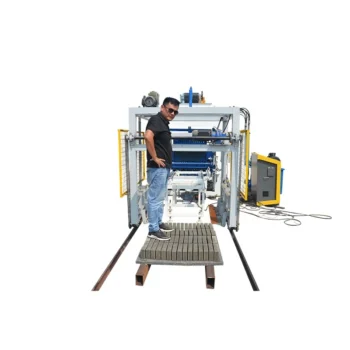
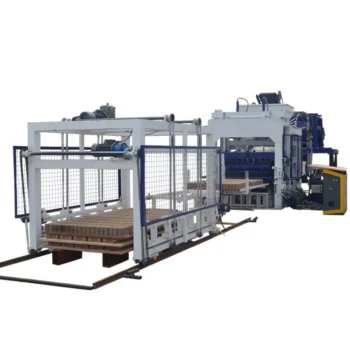
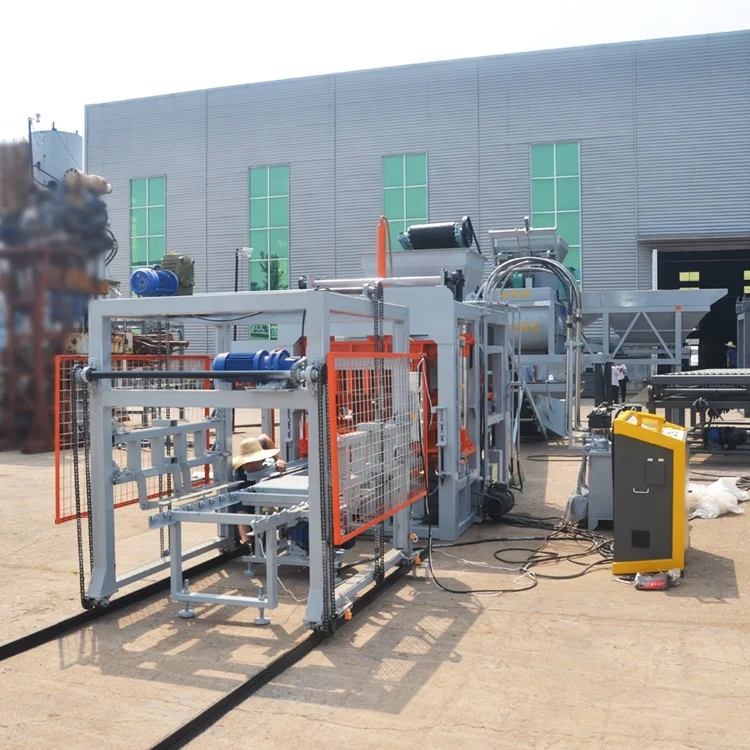
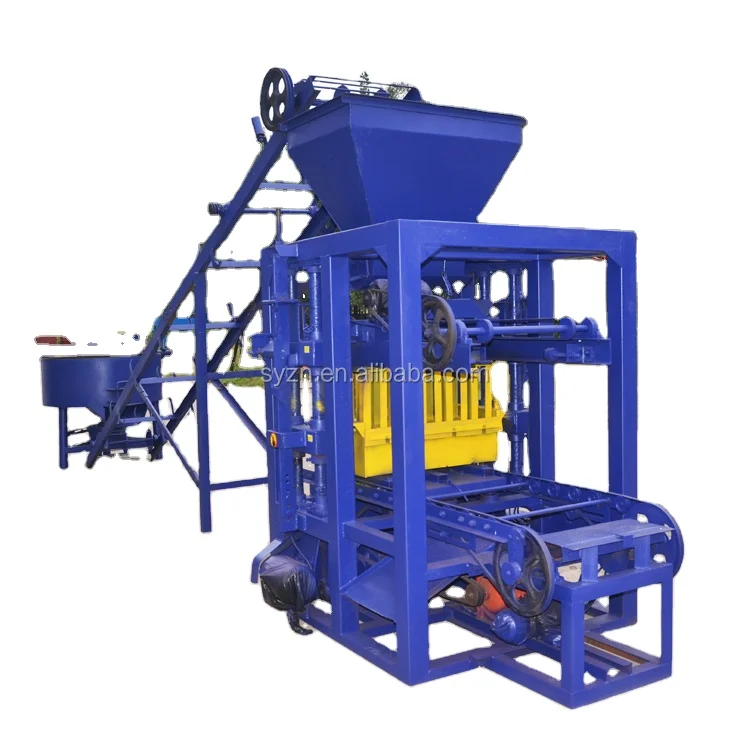
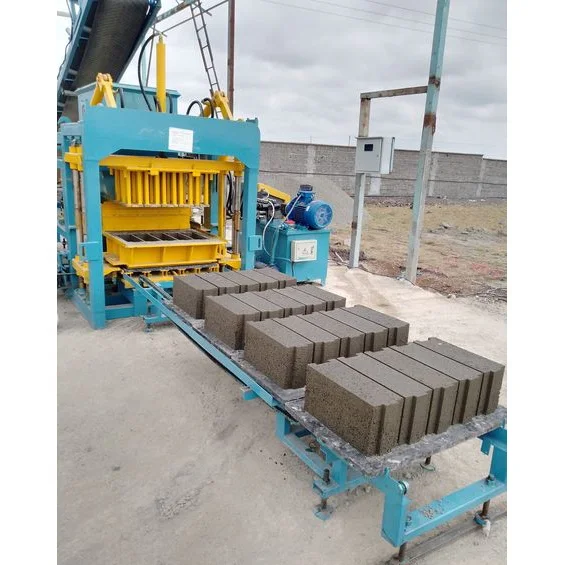
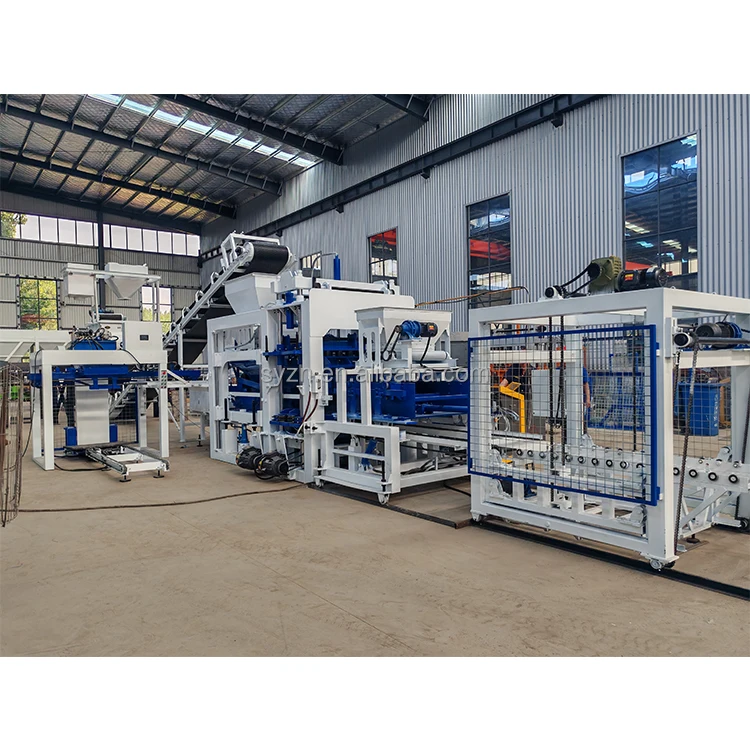
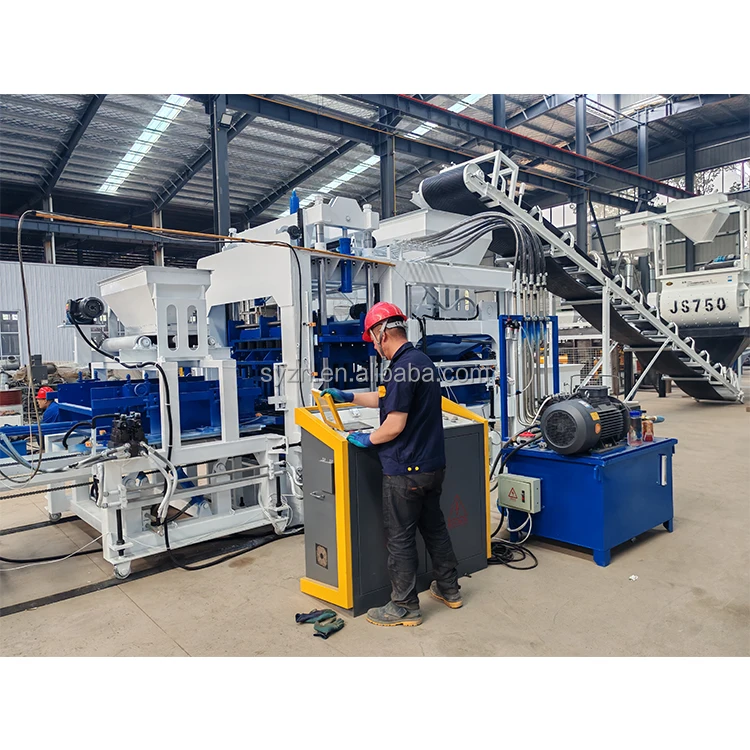
Format-Matched System — The QT8-15 is specified as a complete set of machine, mould, pallet, and handling against the buyer’s actual block format and local aggregate, not a catalogue default.
Technical Specifications
| Parameter | Value |
|---|---|
| Model | QT8-15 |
| Product Type | Hydraulic Paving Block Making Machine |
| Overall Dimensions (L×W×H) | 8300×1860×3000 mm |
| Rated Pressure | 21 MPa |
| Main Vibration Form | Platform Vibration |
| Vibration Frequency | 2800–4500 r/min |
| Pallet Size | 950×900 mm |
| Molding Cycle | 15–20 s |
| Overall Power | 55.5 kW |
| Vibration Force | 45 kN |
| Total Mass | 8 T |
| Demolding Method | Hydraulic |
| Factory Area | 300 m² |
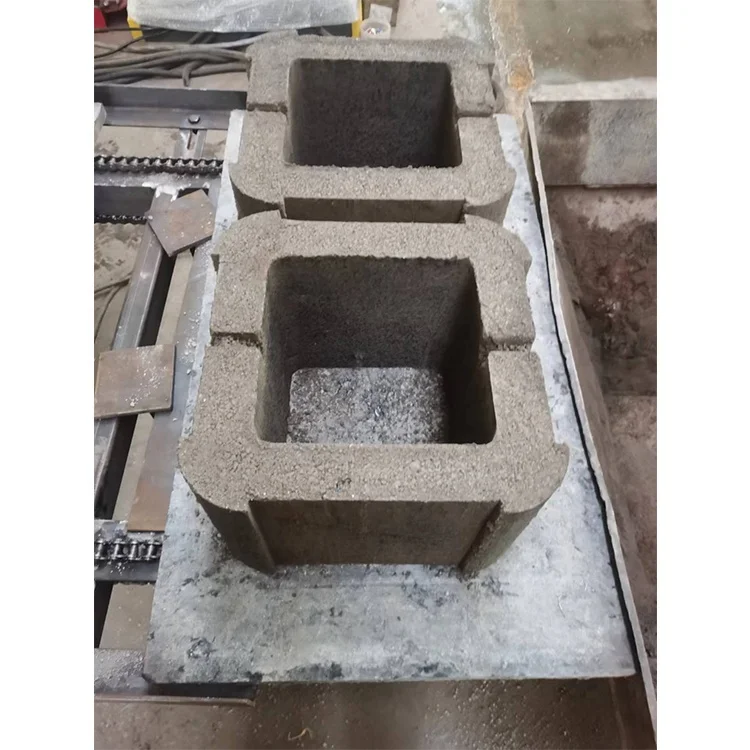
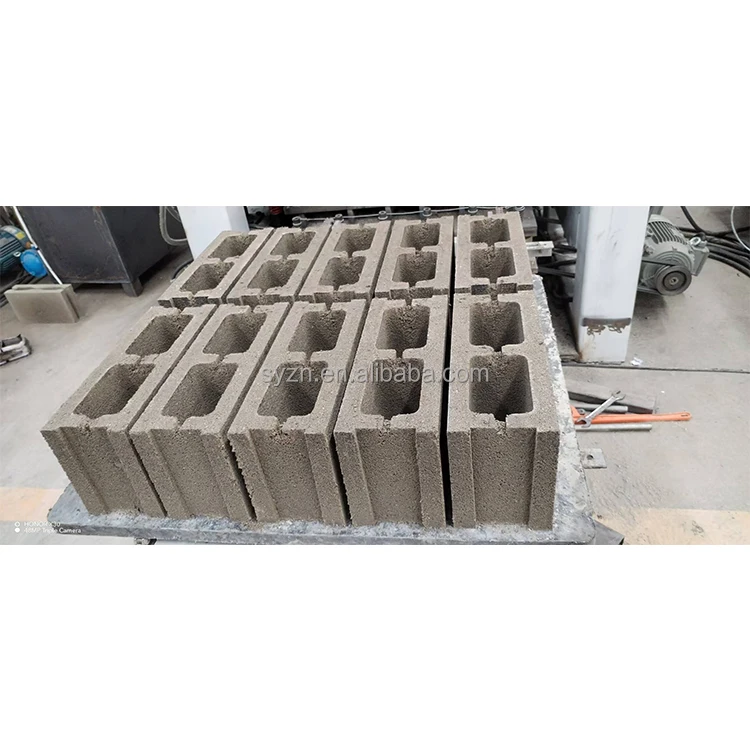
| Applied Products | Concrete blocks, hollow/solid blocks, pavers, interlocking blocks, curbstone, colored pavers |
| Raw Material | Crushed stone, sand, cement, dust, fly ash, gravel, slag |
| Output Capacity | (basis to be confirmed — depends on block format, material, and thickness) |
| Voltage & Frequency | Configurable to target market standard |
| Control System | PLC based, language configurable |
| Mould Change Time | (basis not stated in source) |
| Automation Level | Selectable from semi-automatic to fully automatic stacking |
| Stacking Method | Manual pallet handling through to automatic cubing (basis not stated in source) |
Application Suitability
| Application | Material or Output |
|---|---|
| Hollow block production for masonry walls | Crushed stone, sand, cement, fly ash |
| Solid block manufacturing for load-bearing structures | Gravel, sand, cement, slag |
| Paving block and colored paver production | Fine aggregate, cement, pigment |
| Interlocking brick for landscaping | Sand, dust, cement |
| Curbstone and kerb production | Coarse aggregate, cement |
What "15–20 Second Cycle" Actually Means for Your Output
Cycle time varies by format, and a single number hides the real daily capacity.
When a supplier quotes a cycle of 15–20 seconds for the QT8-15 block machine specifications, they rarely state which block format that figure assumes. A standard hollow block might press at the lower end of that range, while a dense interlocking paver with a face-mix layer can push it well past 20 seconds. I once spent a week on an African job site where the quoted output assumed a lightweight aggregate mix the buyer could not source locally. The machine was fine; the expectation was wrong [NEED_CITE: realistic cycle time calculation per block format]. Before the QT8-15 enters production, the capacity calculation must state the exact format, mix design, and pallet configuration used to derive each output figure.
Matching Vibration and Pressure to Your Mix
The QT8-15 hydraulic paving block making machine pairs 45 kN of vibration force with 21 MPa of hydraulic pressure. These two forces must work together to compact the specific aggregate the buyer has available. A coarse crushed stone mix needs higher vibration frequency to settle into the mould corners, while a fine sand and fly ash blend requires more hydraulic pressure to achieve target density. If the vibration frequency stays fixed at one setting regardless of product, block strength will drift between formats. The 2800–4500 r/min frequency range on the QT8-15 allows tuning for each product type, but only if the operator knows which setting matches which mix.
Pallet Size and the Curing Area Problem
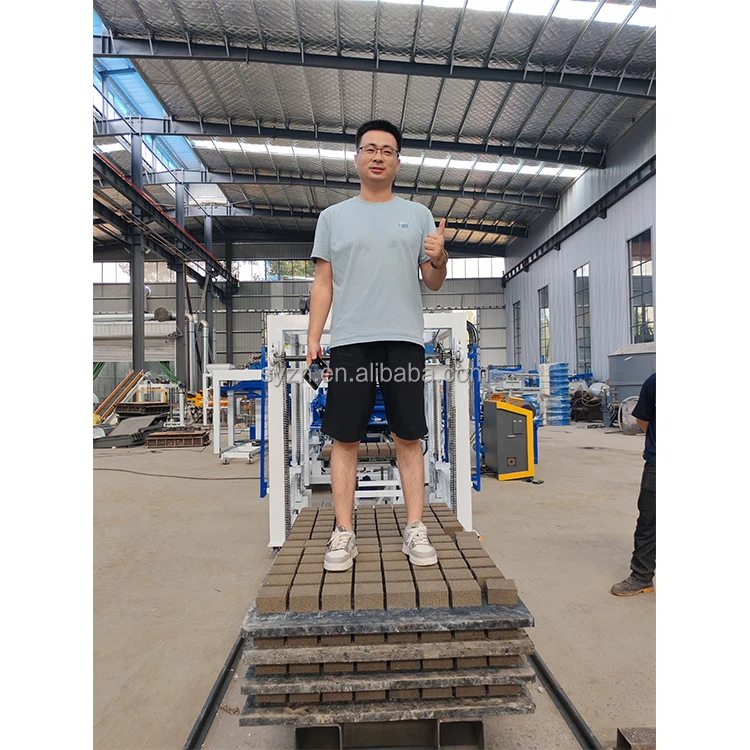
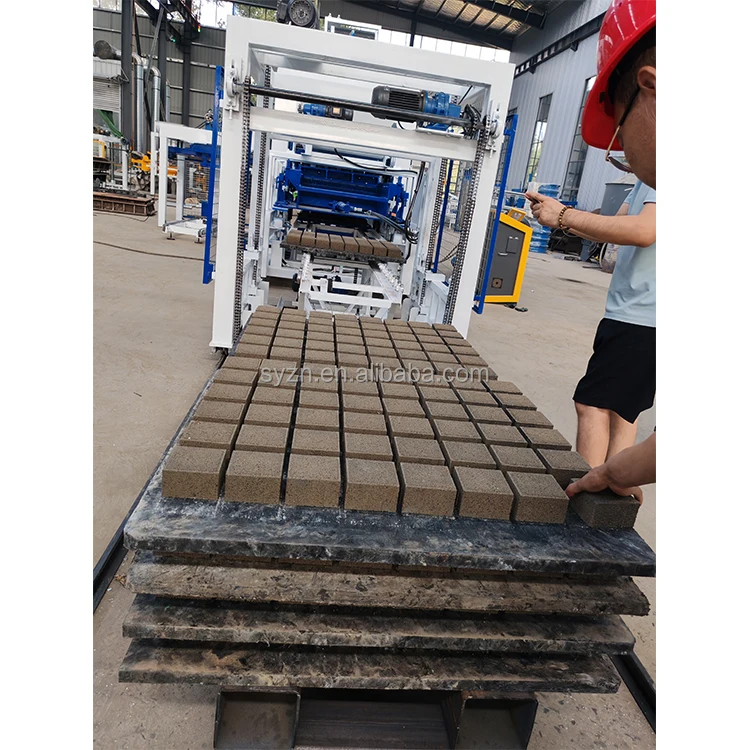
A 950×900 mm pallet is a specific choice, not a universal standard. Before confirming the QT8-15, the buyer must check whether this pallet size fits the curing racks already on site and whether the forklift tines can handle the loaded pallet weight. I have seen plants where the machine arrived first and the curing area was rebuilt second, adding weeks of lost production. The pallet material also matters — bamboo, PVC, and steel each behave differently under vibration and moisture [NEED_CITE: pallet material selection for block curing environments]. Getting this wrong means replacing pallets sooner than expected or dealing with warping that affects block dimensional accuracy.
Reading the Specification Sheet Honestly
The platform vibration system on the QT8-15 delivers force directly through the mould table, which suits dense products like pavers and curbstones where surface finish matters. The 21 MPa hydraulic pressure compresses the mix from above while vibration works from below, creating a two-directional compaction that improves block density consistency across the pallet. The 55.5 kW overall power rating covers the hydraulic pump, vibration motors, and conveyor drives together — buyers should confirm their site electrical supply can handle the starting current surge. The 8-tonne machine mass provides a stable base that reduces vibration transmission to the surrounding floor, which matters when the press sits near other sensitive equipment. Molding cycle of 15–20 seconds is the mechanical press time only; total cycle including pallet feed and block ejection will be longer.
The Cost of Skipping Format-Specific Validation
When the QT8-15 is configured for a mix the buyer cannot actually source, the machine runs but block quality degrades steadily. Cracks appear in the first batch, the operator adjusts water content, and strength becomes inconsistent pallet to pallet. Mould wear accelerates if the aggregate is harder than the design assumed, and replacement parts arrive weeks late because the original specification never listed them. I watched a contractor lose an entire shift to a mould change that should have taken twenty minutes, simply because the quick-change system had not been included in the original quotation [NEED_CITE: mould change system impact on format flexibility]. These are not machine faults. They are specification gaps.
Why Source the QT8-15 Through This Configuration Process
Block machinery is the single focus here, so the QT8-15 is never quoted as a standalone press. The machine, mould set, pallet type, and handling equipment are specified together against the buyer’s target block format and local raw material. Configuration starts from the buyer’s actual mix design and aggregate sample, not a catalogue default that assumes materials the buyer may not have. Mould design covers the formats the buyer’s market actually sells, including custom drawings when standard moulds do not match local dimensions. Automation level is selectable, so a buyer can begin with semi-automatic pallet handling and add automatic stacking later as production volume justifies the investment. Installation support includes on-site commissioning with operator training on the specific formats the QT8-15 will produce.
Documentation & Verification
- Line layout drawing with capacity calculation per block format for the QT8-15
- Mould drawing and format list confirming each product the quoted mould set produces
- Pallet specification matched to buyer’s curing rack dimensions and forklift capacity
- Voltage, frequency, and PLC display language confirmation before production begins
- Factory test record on the buyer’s target block format before dispatch
- Hydraulic and electrical schematic for the QT8-15 configuration as supplied
Installation, Commissioning & Support
- Foundation plan based on the 8300×1860 mm footprint and 8-tonne operating mass
- Dedicated electrical circuit sized for 55.5 kW total power with starting current allowance
- Machine arrives in dismantled state; on-site assembly includes platform alignment and vibration motor calibration
- First production run validates cycle time and block strength against the agreed mix design
- Operator training covers mould change procedure and PLC parameter adjustment per format
- Wear parts list for hydraulic seals and vibration components with recommended replacement intervals
- Maintenance schedule tied to the 950×900 mm pallet handling system and hydraulic demolding mechanism
What to Include in Your Inquiry
Provide the specific block formats your market requires, including dimensions and target compressive strength. State your local aggregate type and whether fly ash or slag is available as a cement replacement. Confirm your site voltage and frequency, the PLC display language your operators need, and whether your existing curing racks and forklift can accommodate the 950×900 mm pallet. If you have a project deadline, note the required daily output per format so the capacity calculation can be built around real numbers.
Frequently Asked Questions
Q: How is output capacity calculated for each block format on the QT8-15, and what cycle time applies per format?
A: The 15–20 second molding cycle is a mechanical press time range that shifts depending on block format, mix density, and pallet configuration. A hollow block typically presses faster than a dense paver with face-mix. The capacity calculation provided with each quotation states the exact format, cycle time, and daily output assumption, so the buyer knows what to expect before the QT8-15 enters production.
Q: How do vibration force and hydraulic pressure need to be matched to my local aggregate and mix design for consistent block strength?
A: The 45 kN vibration force and 21 MPa hydraulic pressure must work together against the specific aggregate available on site. Coarse crushed stone needs higher vibration frequency to fill mould corners, while fine sand and fly ash rely more on hydraulic compression. The QT8-15 vibration frequency range of 2800–4500 r/min allows tuning, but the correct setting for each mix must be established during commissioning.
Q: What mould formats are available for the QT8-15, and how long does a mould change take in practice?
A: Mould options cover hollow blocks, solid blocks, pavers, interlocking bricks, and curbstones, with custom mould design available to buyer drawings. Mould change time depends on whether a quick-change system is included in the configuration. Without it, a full mould swap can consume most of a shift, which is why the change system should be specified at quotation stage based on how often formats rotate.
Q: Is the pallet size fixed at 950×900 mm, or can it be adjusted to match my existing curing racks and handling equipment?
A: The 950×900 mm pallet is the standard configuration for the QT8-15, but it must be validated against the buyer’s curing area dimensions and forklift capacity before production begins. Pallet material — bamboo, PVC, or steel — also affects durability under vibration and moisture. Confirming these details upfront prevents costly curing area modifications after the machine arrives.
Q: What voltage, frequency, and PLC language options should I confirm before the QT8-15 enters production?
A: The QT8-15 electrical system is configured to the target market standard, but voltage, frequency, and PLC display language must be confirmed before the machine enters production. Arriving with the wrong voltage or an unfamiliar PLC language delays commissioning and requires on-site rewiring or software changes. These details are locked in during the quotation stage to avoid post-delivery issues.