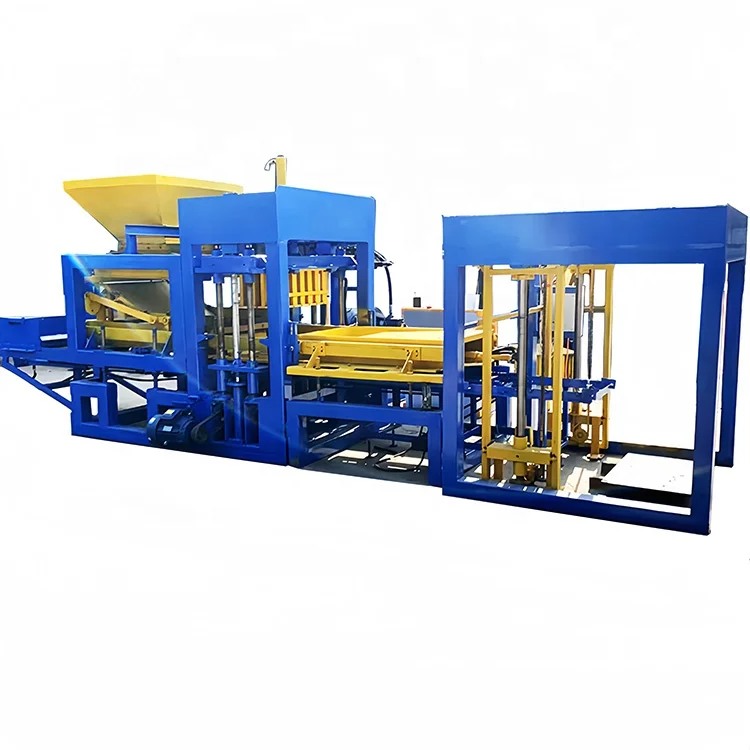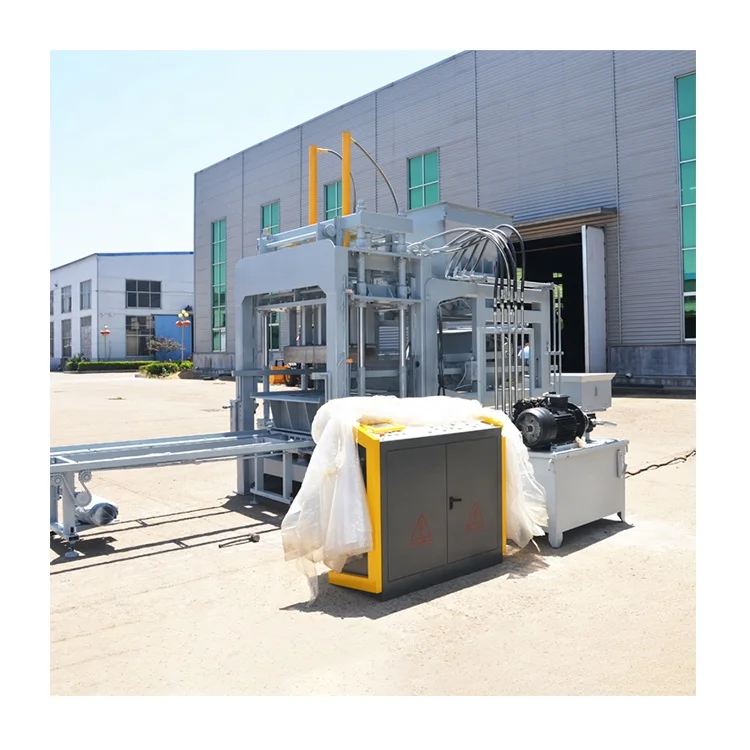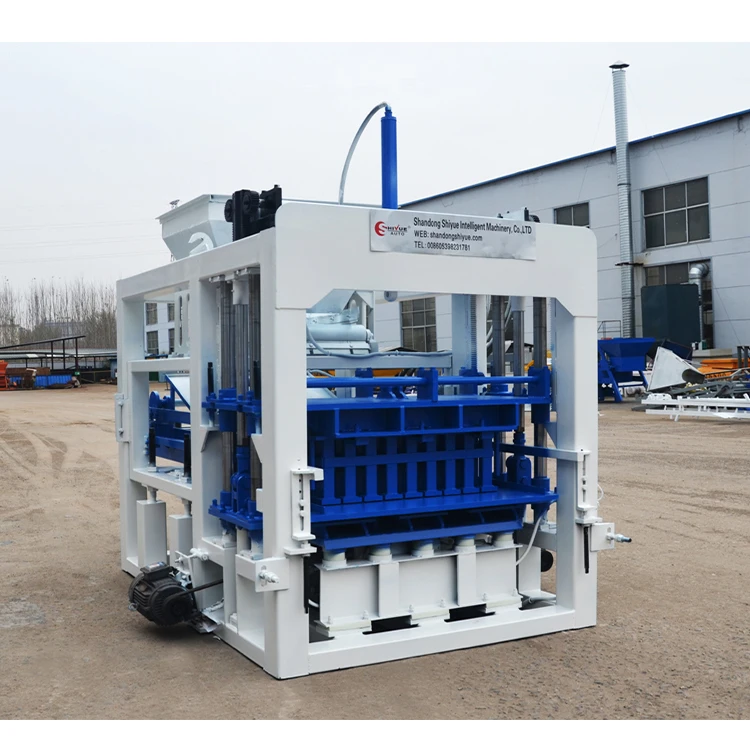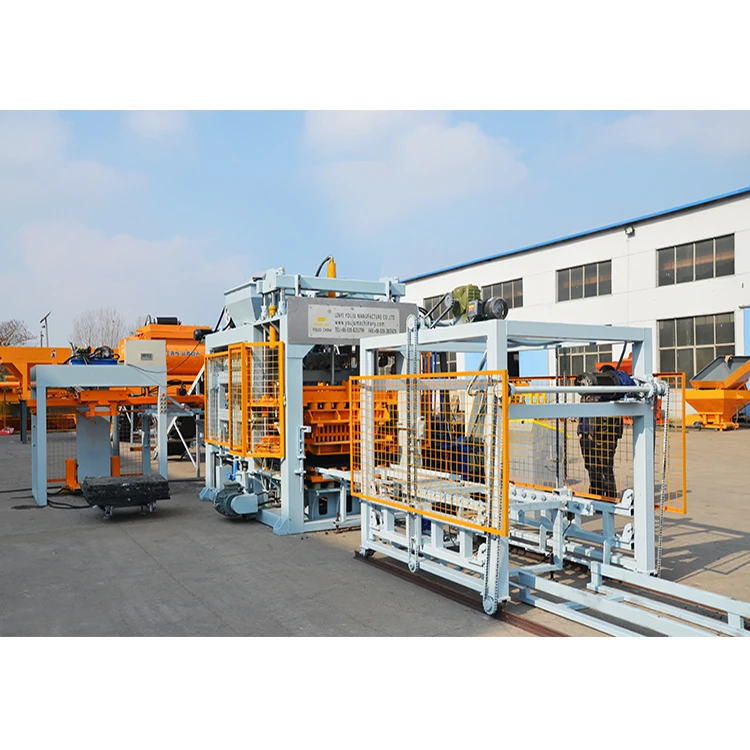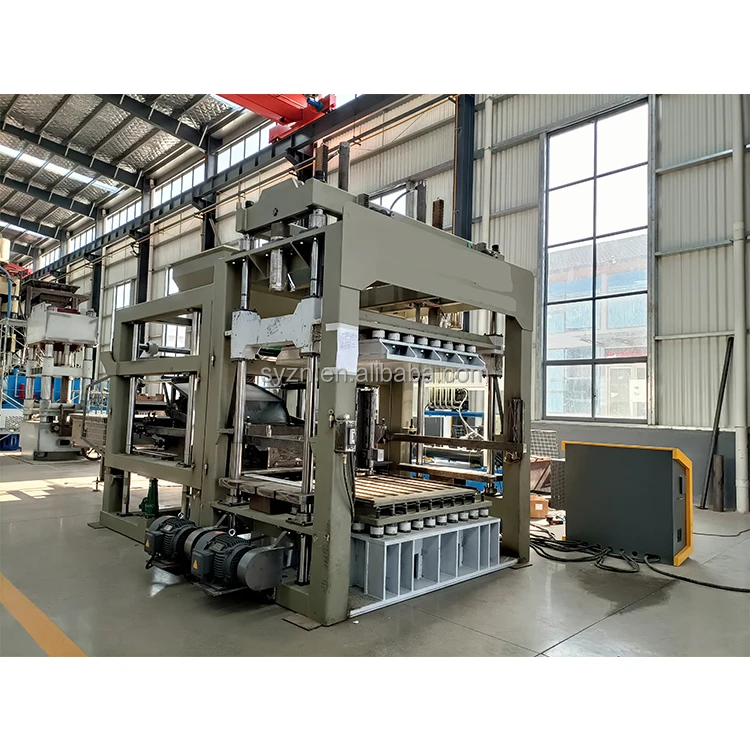
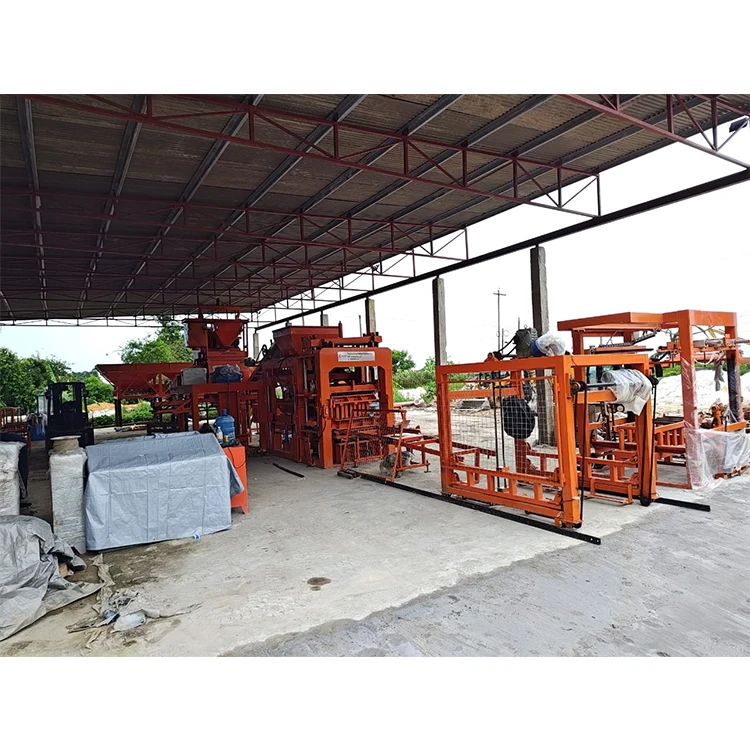

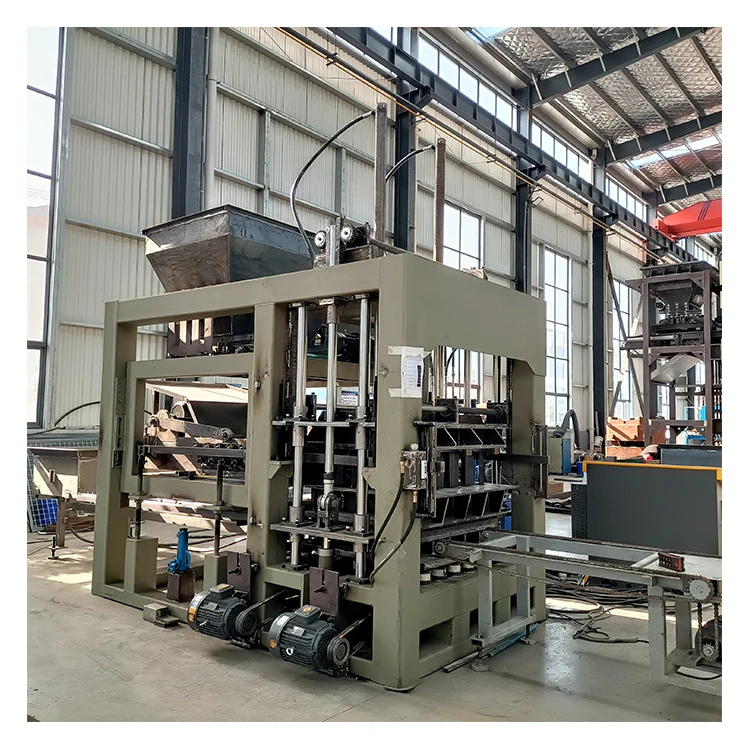
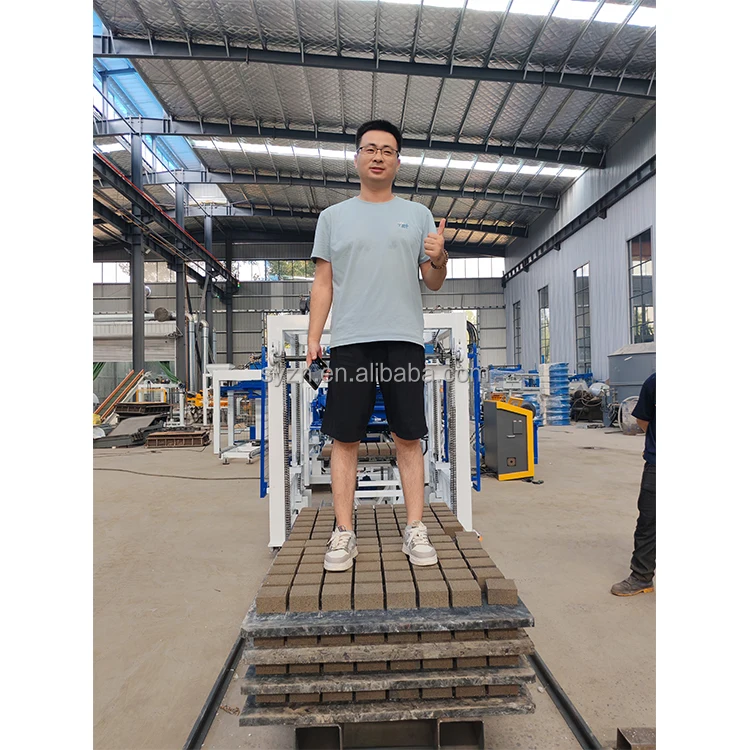
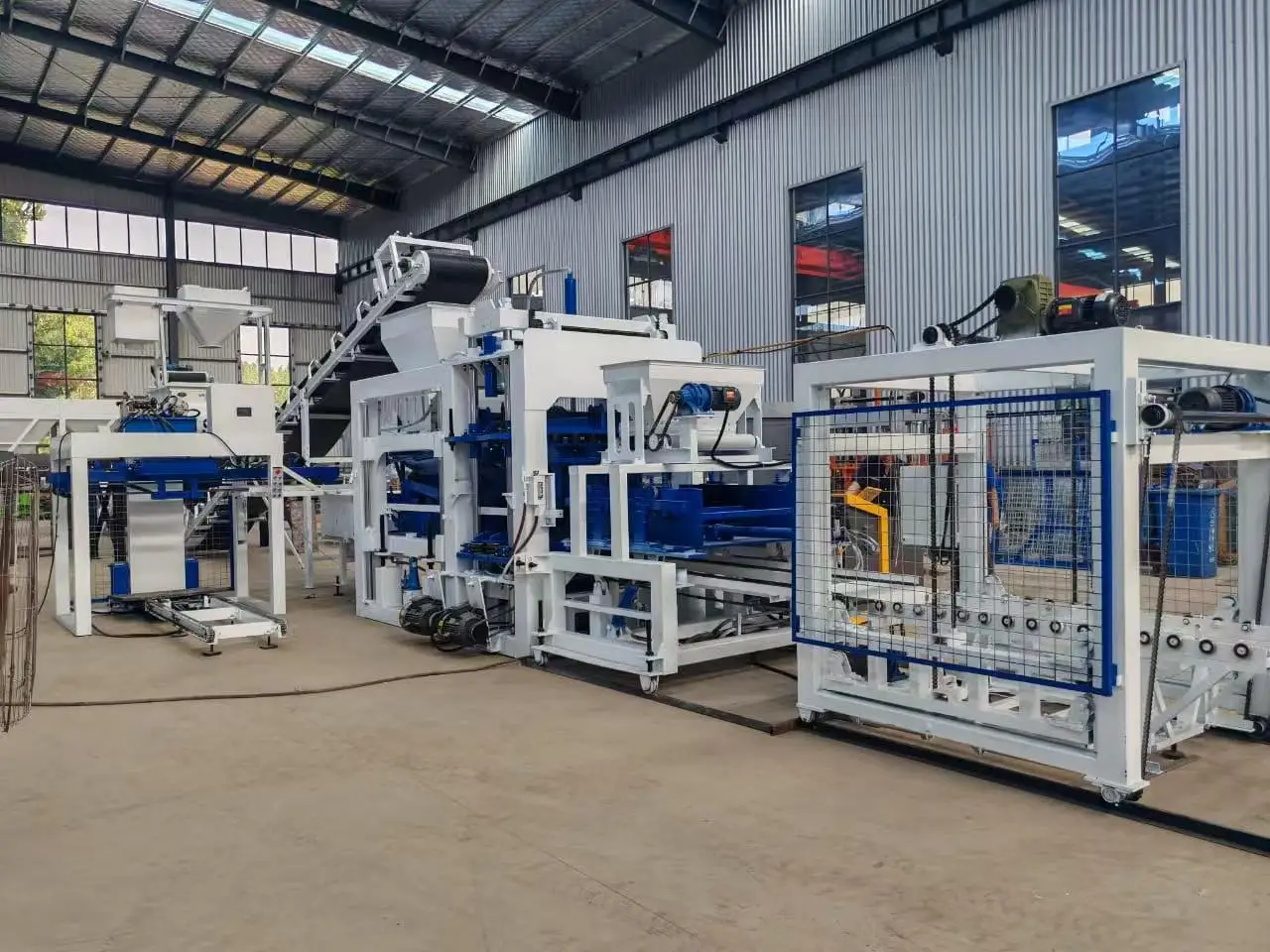
Description
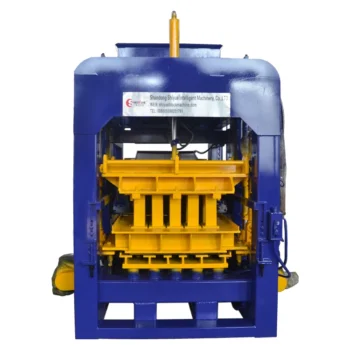
Matched to the Block You Actually Sell — the QT8-15 hydraulic block making machine is configured against your target block format, local aggregate, and required strength before we quote a single output figure, so every capacity number reflects the product your market demands.
Technical Specifications
| Parameter | Value |
|---|---|
| Model | QT8-15 |
| Product Type | Hydraulic Block Making Machine |
| Overall Dimensions (L×W×H) | 8300×1860×3000 mm |
| Rated Pressure | 21 MPa |
| Main Vibration Form | Platform Vibration |
| Vibration Frequency | 2800–4500 r/min |
| Vibration Force | 45 KN |
| Pallet Size | 950×900 mm |
| Molding Cycle | 15–20 s (basis to be confirmed per block format and mix) |
| Overall Power | 55.5 kW |
| Total Mass | 8 T |
| Demolding Method | Hydraulic |
| Recommended Factory Area | 300 m² |
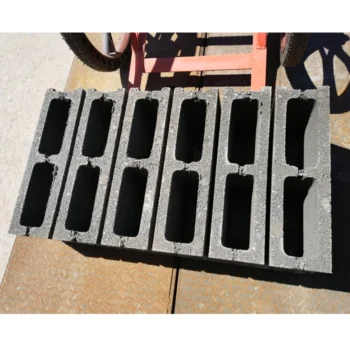
| Applied Products | Hollow blocks, solid blocks, paving blocks, interlocking blocks, curbstones, colored pavers |
| Raw Materials | Crushed stone, sand, cement, fly ash, gravel, slag |
Application Suitability
| Application | Material or Output |
|---|---|
| Hollow block production for residential walls | Crushed stone, sand, cement, fly ash blends |
| Solid load-bearing block manufacturing | Dense aggregate and cement mixes |
| Paving block and colored paver runs | Fine sand, cement, pigment additives |
| Interlocking brick for retaining structures | Gravel, sand, and cement |
| Kerbstone and curb units for roadworks | Coarse aggregate with high cement content |
What "15-Second Cycle" Leaves Out When Sizing a QT8-15 Block Making Machine
A cycle time means nothing until you know which block format and mix it was measured on.
I have stood next to a QT8-15 block making machine at trade shows in Europe, watching it produce flawless hollow blocks from standard river sand in a 15-second cycle. Then a buyer shipped one home and ran it on local stone dust. The vibration frequency and hydraulic pressure needed complete recalibration, and block strength stayed below target for the first weeks. That is why I never quote output without first confirming your exact block dimensions, wall thickness, and aggregate source. The cycle time for a 400×200×200 mm hollow block is a different conversation from the cycle time for a 60 mm interlocking paver [NEED_CITE: block format effect on cycle time in hydraulic press operations].
Matching Vibration Force to Your Aggregate
The platform vibration system on the QT8-15 delivers an adjustable frequency range of 2800 to 4500 r/min and 45 KN of vibration force. That range is not just a specification — it exists because different aggregates compact differently under vibration. River sand responds at higher frequencies with shorter dwell times, while crusher dust and fly ash blends need lower frequency and longer vibration to expel trapped air. Getting this wrong means inconsistent block density from one batch to the next, which your buyers will notice when they test compressive strength.
Why the 950×900 mm Pallet Dimension Matters Before You Ship
Pallet size is one of the most overlooked specifications in a block machine quotation. The QT8-15 runs on 950×900 mm pallets, and that dimension must align with your curing rack spacing, the forks on your existing forklift, and the width of your drying lanes. I have seen plants receive a machine only to discover the pallets are 50 mm too wide for their curing chambers, forcing a rack rebuild before the first production run. We confirm pallet compatibility against your site layout before the QT8-15 block making machine enters production, so arrival day does not become a project delay [NEED_CITE: pallet size and curing area alignment in block plants].
Reading the Numbers That Actually Govern Block Quality
The rated pressure of 21 MPa and the 45 KN vibration force work together: hydraulic pressure compresses the mix from above while platform vibration settles particles from below. If pressure dominates without enough vibration, the block surface looks smooth but internal voids remain, weakening the unit. If vibration dominates without sufficient pressure, the block is dense but surface finish is rough and demolding causes cracking. The QT8-15 hydraulic block making machine allows both parameters to be tuned independently, which is how we dial in the correct balance for your specific mix design. The 55.5 kW total power rating covers the hydraulic pump, vibration motors, and conveyor drives simultaneously, so you need to verify that your site transformer can sustain this draw along with your mixer and batching equipment. Molding cycles between 15 and 20 seconds are achievable, but the exact figure depends on block height, mix moisture, and target density — a thin paver will cycle faster than a tall hollow block. The 8-tonne machine mass also means your foundation slab must handle static and dynamic loading, particularly under the vibration platform [NEED_CITE: foundation loading for hydraulic block presses].
The Hidden Cost of Skipping Format-by-Format Capacity Analysis
When a quotation lists a single daily output figure without stating the assumed block format, the buyer typically plans their business around the highest number. Real production then reveals that switching to the interlocking paver their market actually wants cuts that figure substantially. Mould change time also eats into shifts if the buyer did not confirm the changeover method before ordering. These mismatches do not show up until the machine is running, which is exactly when you can least afford them [NEED_CITE: capacity overestimation in block plant feasibility studies].
Why Buyers Source This Machine Through Us
Block machinery is our single focus, which means the QT8-15 is specified as a complete system — machine, mould, pallet, and handling equipment — rather than assembled from mismatched suppliers. We configure vibration and hydraulic parameters against your actual mix design and local aggregate, not a catalogue default. Mould design covers the formats your market sells, including custom drawings when your buyers demand a profile no standard mould covers. Automation level is selectable, so you can start with semi-automatic pallet handling and add automatic stacking later. Installation support includes operator training on your specific block formats and mix recipes, not generic machine operation.
Documentation & Verification
- Line layout and capacity calculation stating the exact block format behind every output figure
- Mould drawing and format list covering all block types including custom profiles
- Pallet specification sheet matched to your curing rack and forklift dimensions
- Hydraulic and electrical schematic with voltage and frequency confirmation
- Factory test record run on your target block format before dispatch
- Operation and maintenance manual in your confirmed PLC display language
Installation, Commissioning & Support
- Foundation pad must support the 8-tonne static load plus dynamic vibration forces from the platform system
- Electrical supply must deliver 55.5 kW with dedicated circuit for the hydraulic pump motor
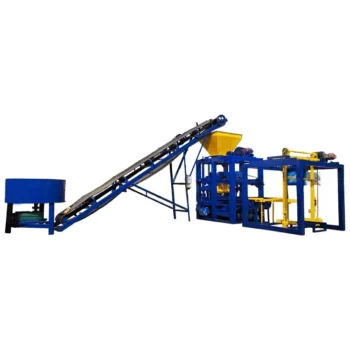
- Machine ships in modular sections to fit standard containers; reassembly on-site requires overhead crane access
- First-run commissioning includes vibration frequency and pressure tuning to your local aggregate sample
- Operator training covers mould changeover procedure, daily greasing points, and pallet inspection routine
- Wear parts list and hydraulic seal kit provided for the first replacement cycle
Before You Request a Quote
To give you a meaningful capacity calculation rather than a generic brochure number, we need your target block format and dimensions, the source and type of aggregate available at your site, your daily output target, and your local voltage and frequency. Share your existing curing area layout if you already have racks in place. If you are switching from an older machine, tell us what moulds and pallet sizes you currently run so we can confirm backward compatibility.
Frequently Asked Questions
Q: How is daily output calculated, and which block format is assumed for each capacity figure?
A: Every output figure we provide is tied to a specific block format, wall thickness, and mix recipe. A 400×200×200 mm hollow block will produce a different quantity per hour than a 60 mm paving block on the same QT8-15, because mould cavity count and compaction time differ. We send a capacity sheet listing output per format, not a single blanket number.
Q: How are vibration force and hydraulic pressure matched to my local aggregate?
A: We ask for a sample or lab analysis of your aggregate before finalizing the QT8-15 configuration. Crusher dust, river sand, and fly ash each respond differently to vibration frequency and pressure. The adjustable 2800–4500 r/min range and 21 MPa hydraulic system are tuned to produce consistent density with your specific material blend.
Q: What mould formats are available, and can you produce custom moulds from my drawings?
A: Standard moulds cover hollow blocks, solid blocks, pavers, interlocking bricks, and curbstones compatible with the 950×900 mm pallet. If your market requires a profile outside this range, we design and manufacture custom moulds from your dimensional drawings and verify fit on the QT8-15 platform before shipment.
Q: How long does a mould change take, and what tools are required on-site?
A: Mould changeover on the QT8-15 is designed for a single-shift operation using standard hand tools and the machine’s hydraulic clamping system. The exact time depends on mould weight and operator familiarity. We include changeover procedure in operator training and provide a recommended tool list with the machine documentation.
Q: What pallet size and material do you recommend based on my existing curing area and forklift?
A: The QT8-15 uses 950×900 mm pallets, and we confirm material — bamboo, steel, or composite — based on your curing environment, rack spacing, and forklift capacity. Sending your curing area layout and forklift specification lets us verify compatibility before the pallets enter production.