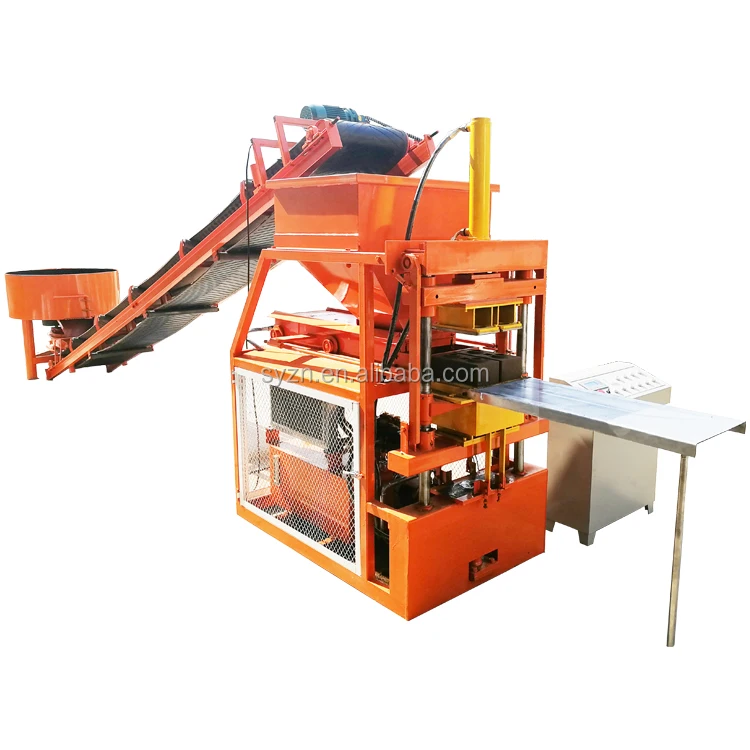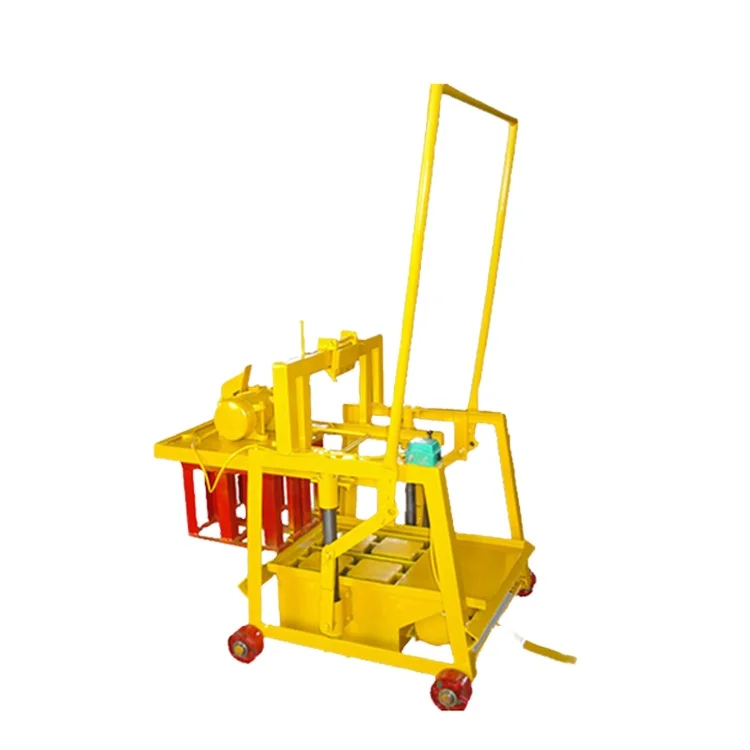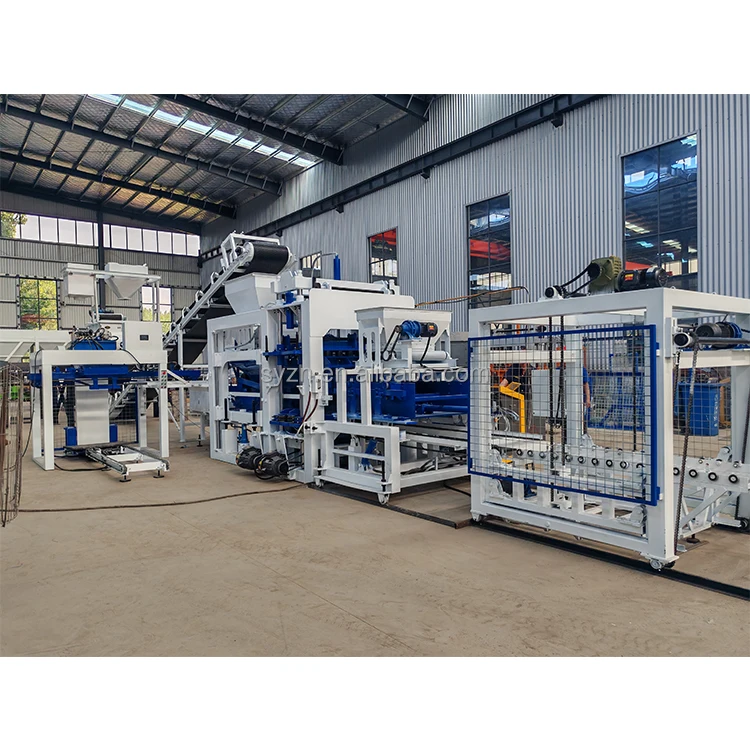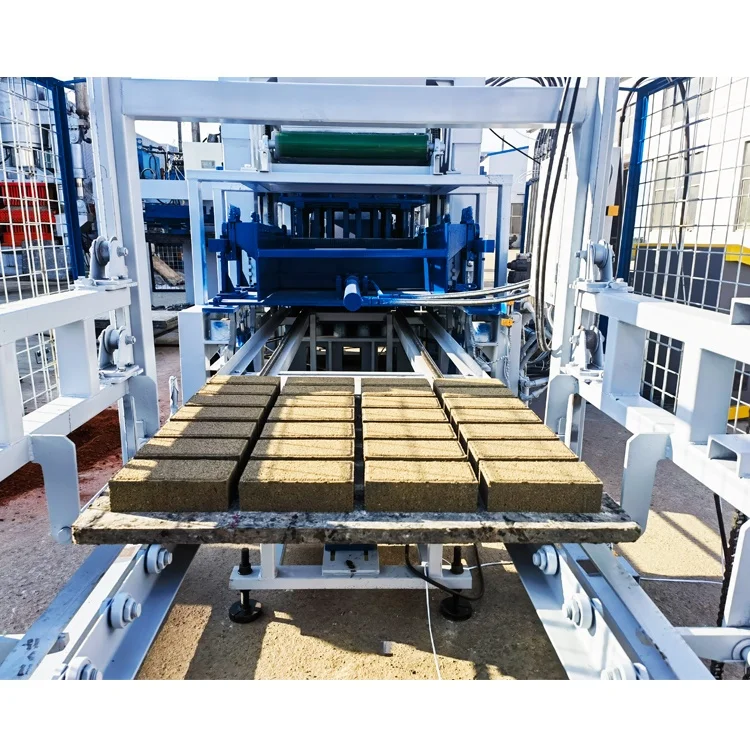

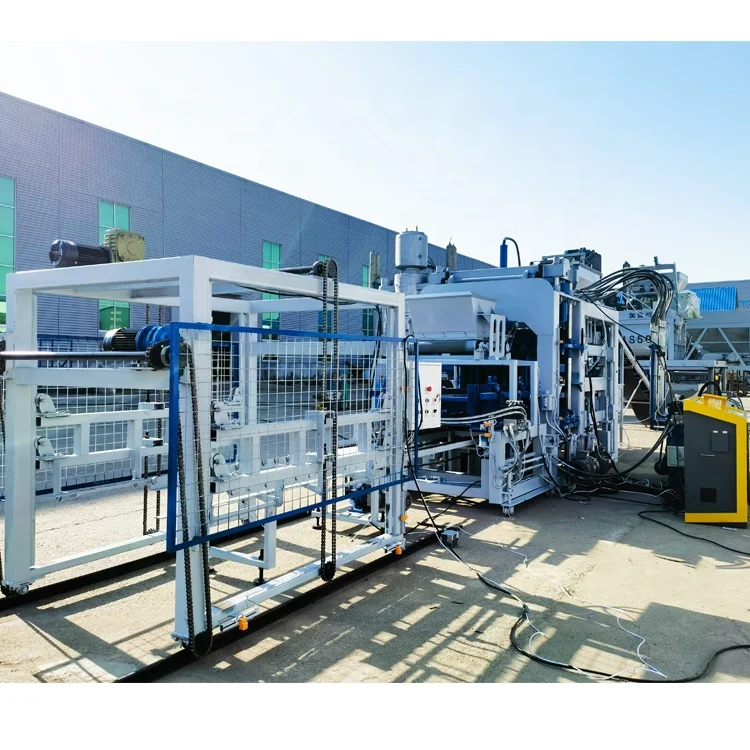
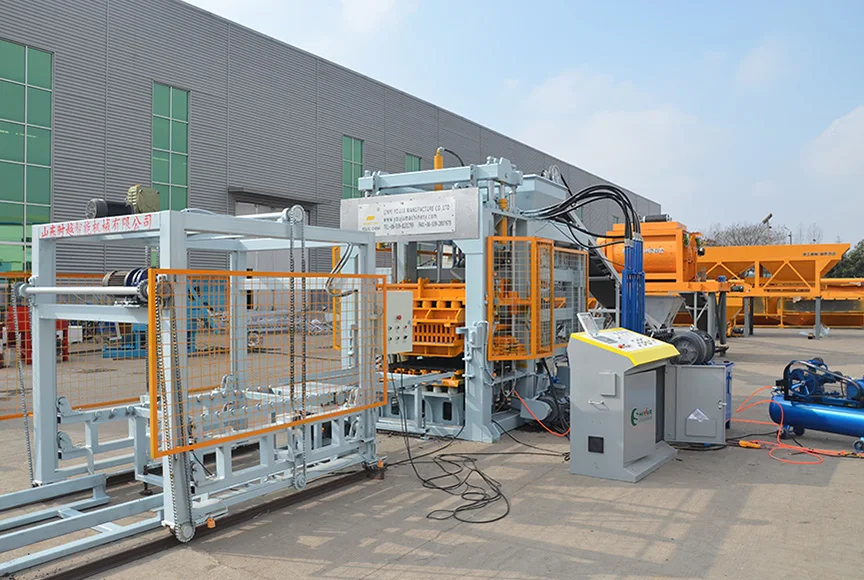

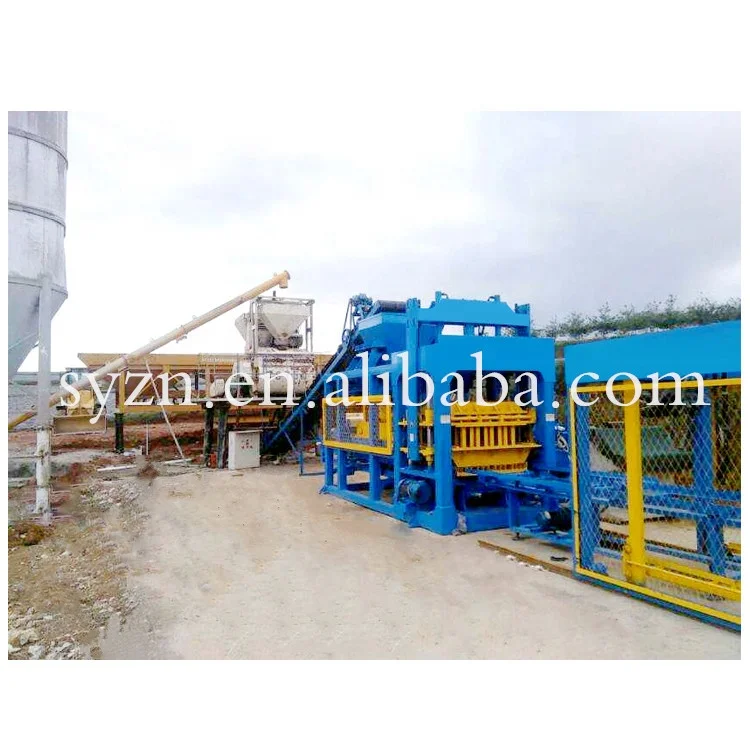
Description
Mould-driven configuration — the QT8-15 line is sized around your actual paver or hollow block format, not a generic cycle count that ignores local aggregate behaviour.
Technical Specifications
| Parameter | Value |
|---|---|
| Model | QT8-15 |
| Product Type | Automatic Hydraulic Concrete Block Making Machine |
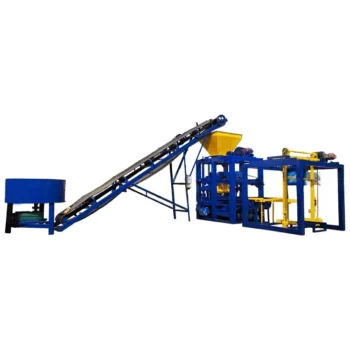
| Overall Dimensions | 8300 × 1860 × 3000 mm |
| Molding Cycle | 15–20 s (basis not stated in source — confirm block format, material and thickness) |
| Vibration Force | 55 kN |
| Total Power | 37.2 kW (rated or peak not specified in source) |
| Mixer Model | JS750 |
| Pallet Size | 1020 × 900 mm |
| Total Weight | 8 T |
| Control System | PLC |
| Hydraulic Station | Included |
| Automation Level | Automatic |
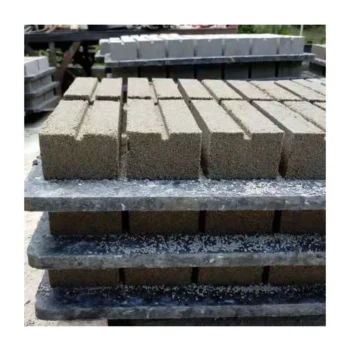
| Applicable Products | Paver, solid block, hollow block, curbstone |
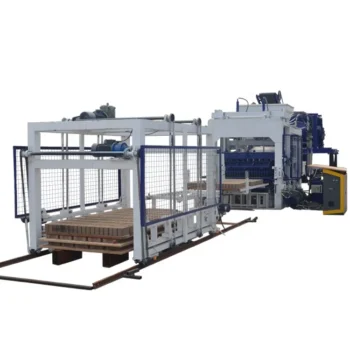
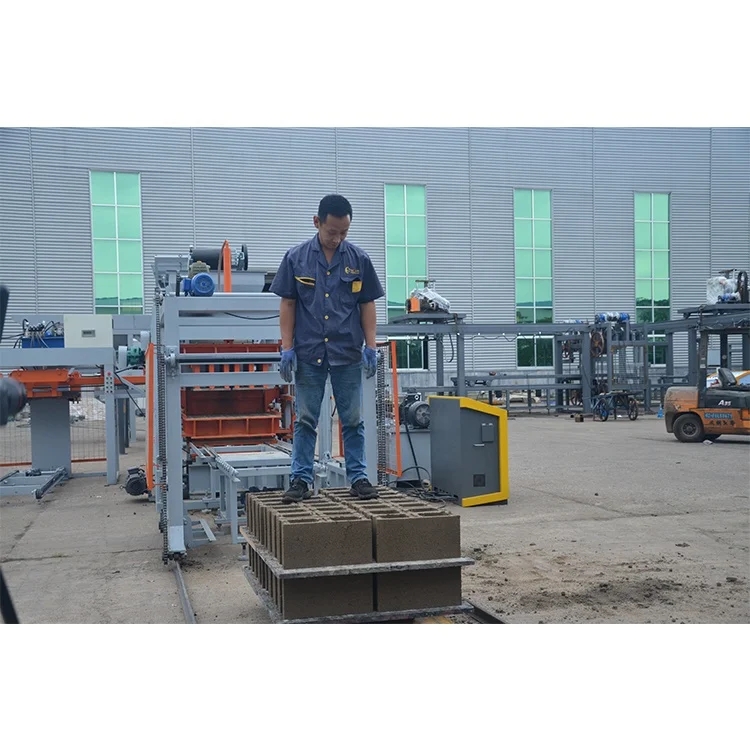
| Line Components Included | Block making machine, hydraulic station, PLC control system, pallet feeder, brick conveyor, block sweeper, material feeder, block mould, spare parts and tools |
Application Suitability
| Application | Material or Output |
|---|---|
| Interlocking paving block production | Crushed stone, sand, cement and fly ash blends for walkways and parking areas |
| Hollow block manufacturing for walling | Lightweight or dense aggregate mixes for load-bearing and partition walls |
| Solid concrete block output | Standard cement-sand mixes for foundations and structural infill |
| Curbstone and kerb forming | High-density mixes with coarse aggregate for road-edge and drainage applications |
What "15-Second Cycle" Actually Means for Your Daily Pallet Count
Cycle time is only meaningful when tied to the block format you sell and the aggregate you can source locally.
Catalogue sheets often quote a single cycle figure that assumes a small, thin product. When that same press runs a 200 mm hollow block or a heavy curbstone, the vibration dwell extends and the daily pallet count drops accordingly. I have seen buyers receive a QT8-15 concrete block making machine specifications how to choose sheet showing a best-case number, then discover on commissioning that their primary product needs the upper end of the 15–20 s range [NEED_CITE: block format influence on cycle time]. Confirming the exact mould size and mix design up front prevents that gap between quotation and plant reality.
Mould Format Dictates the Real Output Ceiling
The vibration force of 55 kN must be matched to the depth and density target of each mould installed on the QT8-15 concrete block making machine specifications how to choose discussion. A shallow paver mould fills and compacts quickly, while a deep hollow block cavity demands longer vibration dwell to push the mix into every corner. Buyers who plan three different formats need a realistic daily output figure for each one, not a single headline number.
Pallet Size and Curing Yard Alignment
A 1020 × 900 mm pallet defines the maximum mould footprint and also governs how many pallets fit inside your curing racks. If your existing forklift tines are set for a different span, pallets will not stack cleanly and curing density suffers. Verifying pallet dimensions against both the press and your yard layout eliminates costly re-racking after the QT8-15 concrete block making machine specifications how to choose review is complete [NEED_CITE: pallet-curing area compatibility in block plants].
Reading the Spec Sheet for Production Impact
The JS750 pan mixer feeds the press at a rate that must keep pace with the 15–20 s mould cycle; any delay starves the hopper and extends the real cycle. Hydraulic station pressure works together with the 55 kN vibration to compact the mix — too little pressure on a lean mix yields friable block edges, while excess pressure on a rich mix can cause surface lamination. Total connected load of 37.2 kW means the main breaker and cable run must be sized with starting current in mind, especially where site voltage already sags under other machinery.
The Hidden Cost of Skipping Aggregate Verification
When a line is configured for washed river sand but the buyer can only source volcanic ash or crusher dust, the water demand shifts and the vibration setting no longer compacts the mix properly. Block strength drops, pallet rejection climbs, and the daily saleable output falls well below the figure on the proforma. Sending an aggregate sample before the mould and vibration settings are locked avoids this quiet loss [NEED_CITE: effect of local aggregate on block compressive strength].
Why Source the QT8-15 Through This Line
Block machinery is our single product focus, so the press, mould, pallet and handling gear leave the factory as one matched set rather than separate purchases. Every quotation carries a capacity table that names the block format behind each output figure. Mould drawings are approved against your market’s actual product list before steel is cut. PLC language, voltage and frequency are confirmed in writing so the control cabinet matches your site the day power is applied. Wear-part and mould inventories are defined at order, meaning the first replacement cycle does not become a sourcing emergency.
Documentation & Verification
- Line layout with capacity table stating assumed block format for every output row
- Mould drawing pack and format list signed off before production starts
- Voltage, frequency and PLC display language confirmation sheet
- Factory test record covering hydraulic pressure and vibration dwell on your mix
- Hydraulic and electrical schematic set included with shipment
- Operation and maintenance manual with wear-part and mould catalogue
Installation, Commissioning & Support
- Foundation plan accounts for the 8 T static load and 55 kN dynamic vibration of the QT8-15
- Dedicated breaker sized for 37.2 kW total load with motor starting current margin
- Machine shipped in dismantled state with numbered assembly points for site re-erection
- PLC language and voltage verified on site before first mould cycle runs
- Operator training covers mould change procedure and vibration dwell adjustment
- Wear-part list provided with reorder codes for hydraulic seals and mould liners
Next Steps for a Sized Quotation
Send the exact block formats you sell today and the formats you plan to add within the next year. Include a sample or lab report of your primary aggregate so the vibration and pressure settings can be matched before the mould is built. Confirm your site voltage, frequency and preferred PLC display language to keep commissioning on schedule.
Frequently Asked Questions
Q: How is QT8-15 capacity calculated per block format and what mould size is assumed?
A: Each output figure in our capacity table names the exact block dimensions, mould cavity count and mix type used for the calculation. If your primary product is a 200 mm hollow block, the table shows the pallet count for that specific format, not a smaller paver. We ask for your product list before the proposal so every number reflects your actual production target.
Q: Which pallet size and material are specified and how do they match my curing area?
A: The standard pallet for this press is 1020 × 900 mm. We check this dimension against your existing curing rack spacing and forklift tine width before confirming the pallet material — bamboo, hardwood or steel — so pallets stack without modification and the curing yard reaches its designed density.
Q: What mould formats are available and how long does a mould change take?
A: Moulds cover pavers, solid blocks, hollow blocks and curbstone profiles common in export markets. Each mould is built to bolt pattern of this press, and the change procedure is covered during operator training. We specify the mould lifting tools and locking system at order so the swap does not consume an entire shift.
Q: How is vibration force matched to my local aggregate and mix design?
A: We request a sample of your primary aggregate and a description of available cement types. The vibration dwell and hydraulic pressure are then set during the factory test using a trial batch close to your real mix. This prevents the common problem where blocks leave the mould too soft or too brittle on the first production day.
Q: What PLC language and voltage options are confirmed before dispatch?
A: Voltage, frequency and PLC display language are agreed in writing before the control cabinet is wired. This avoids the situation where the machine arrives with a display the operator cannot read or a motor rated for a frequency your grid does not supply, both of which delay commissioning.