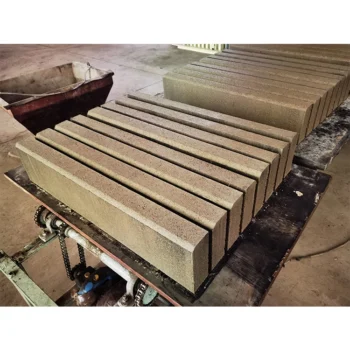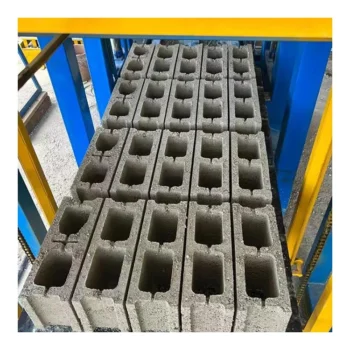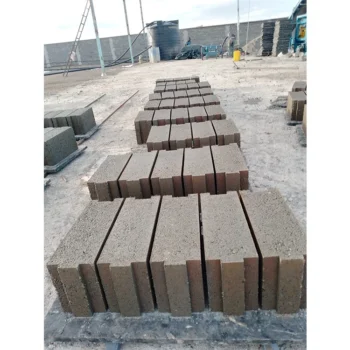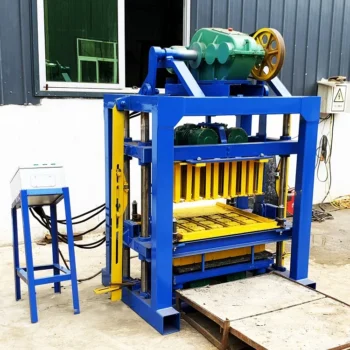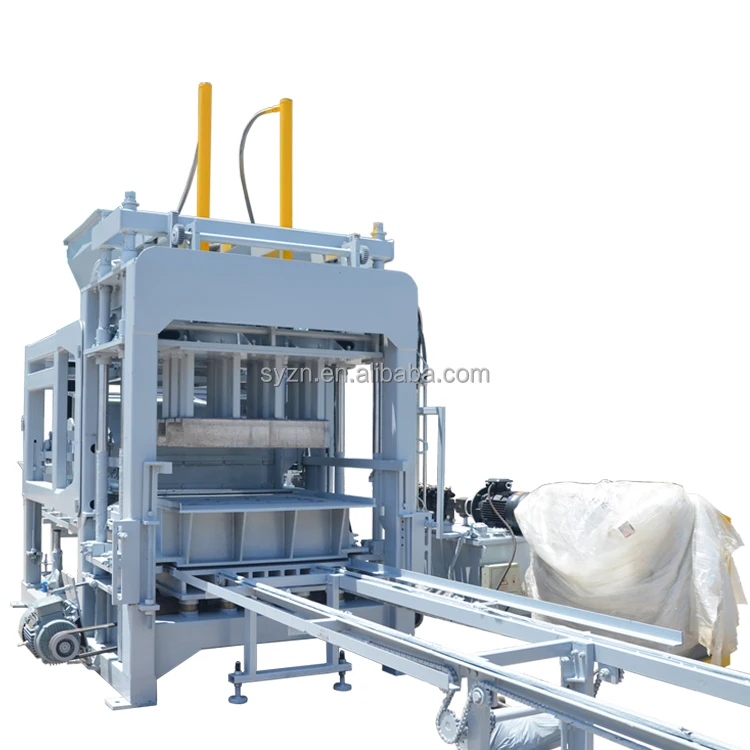
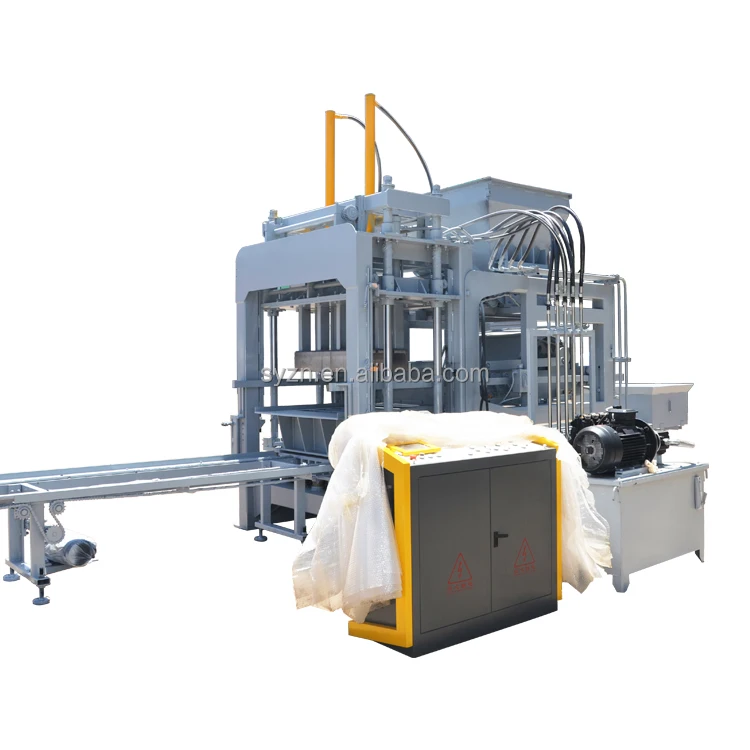
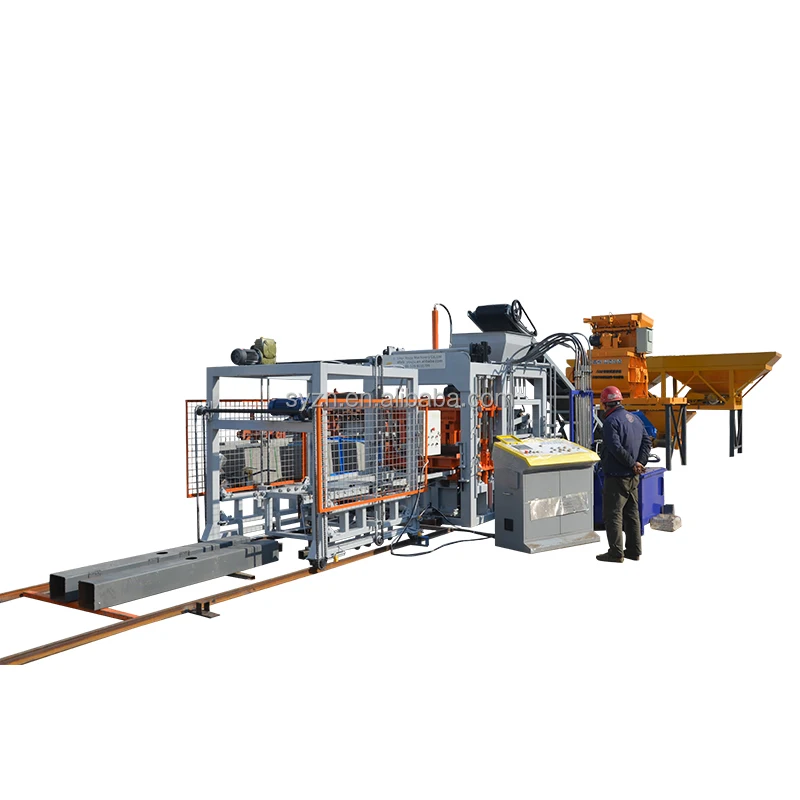
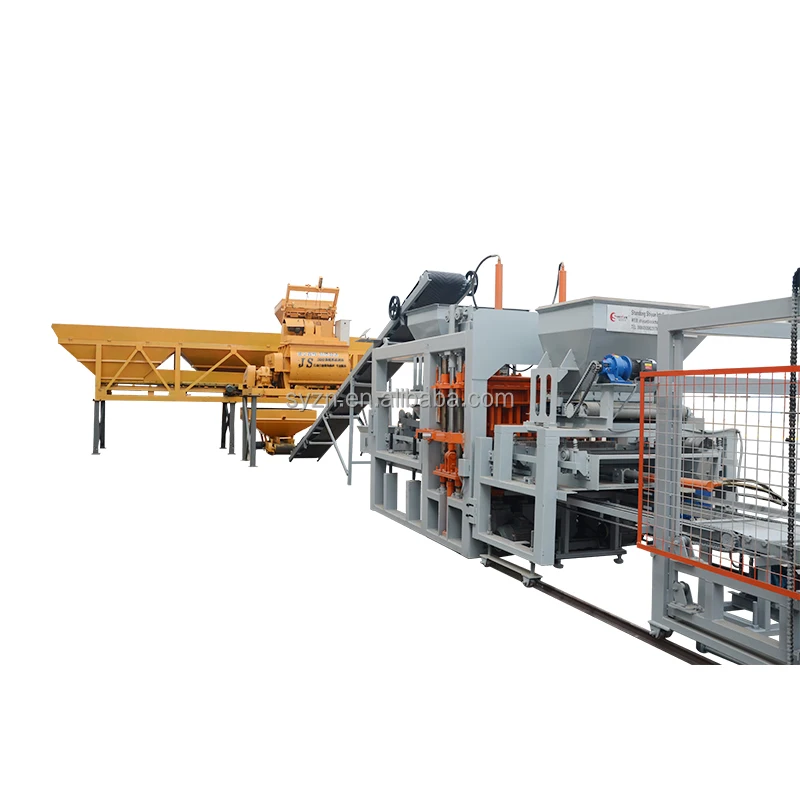
Description
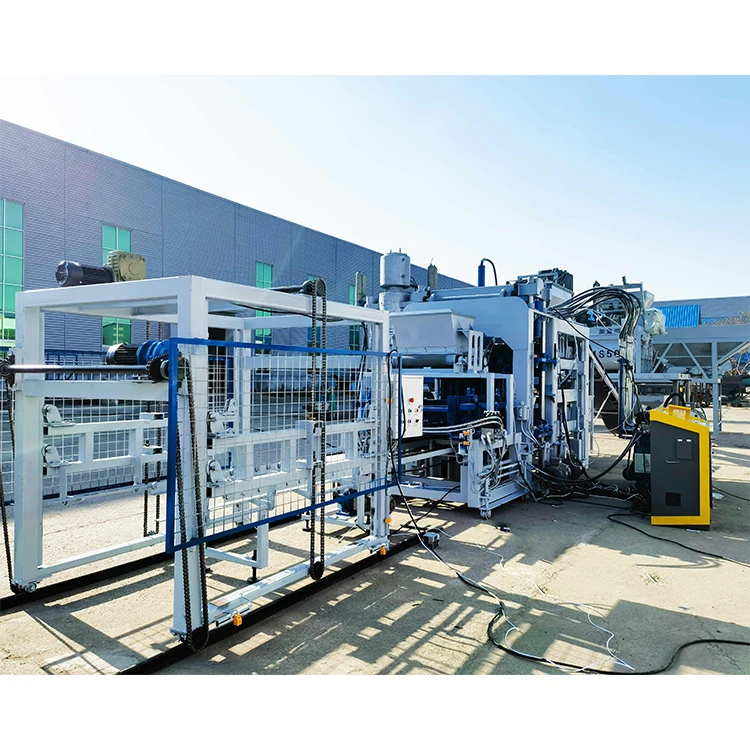
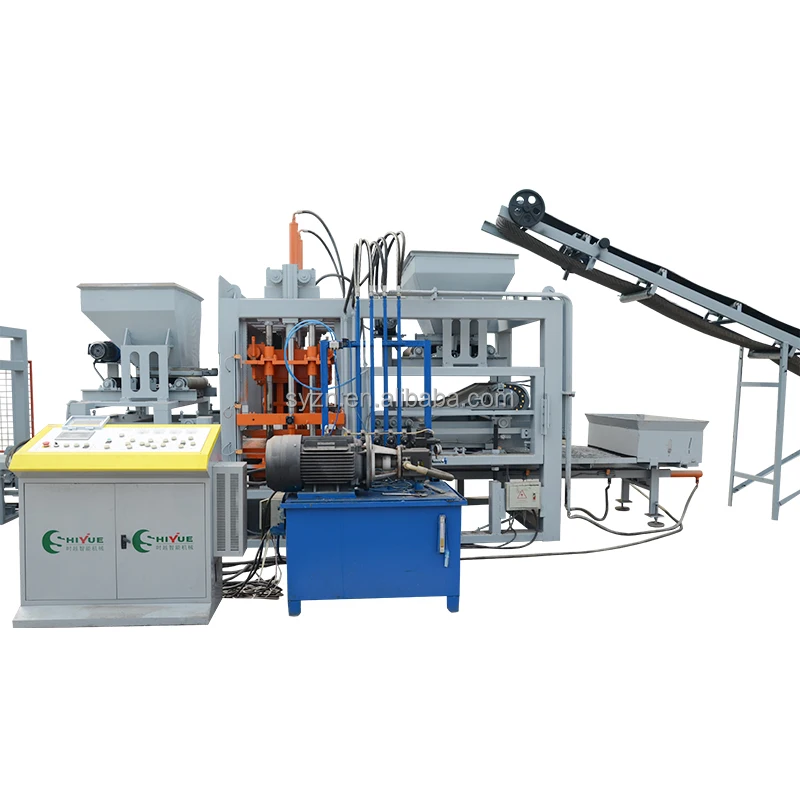
Matched System Specification — The QT7-15 is configured against your actual block format, local aggregate and target cycle time rather than shipped as a generic catalogue unit.
Technical Specifications
| Parameter | Value |
|---|---|
| Model | QT7-15 |
| Product Type | Stationary Hydraulic Block Making Machine |
| Pallet Size | 1150×700 mm |
| Molding Cycle | 15–20 s |
| Overall Power | 45 kW |
| Vibration Force | 100 kN |
| Vibration Frequency | 0–60 Hz |
| Vibration Form | Platform Vibration |
| Total Mass | 8 T |
| Demolding Method | Hydraulic |
| Control System | PLC with touch screen interface |
| Remote Diagnostics | Supported |
| Mould Change | Quick replacement system |
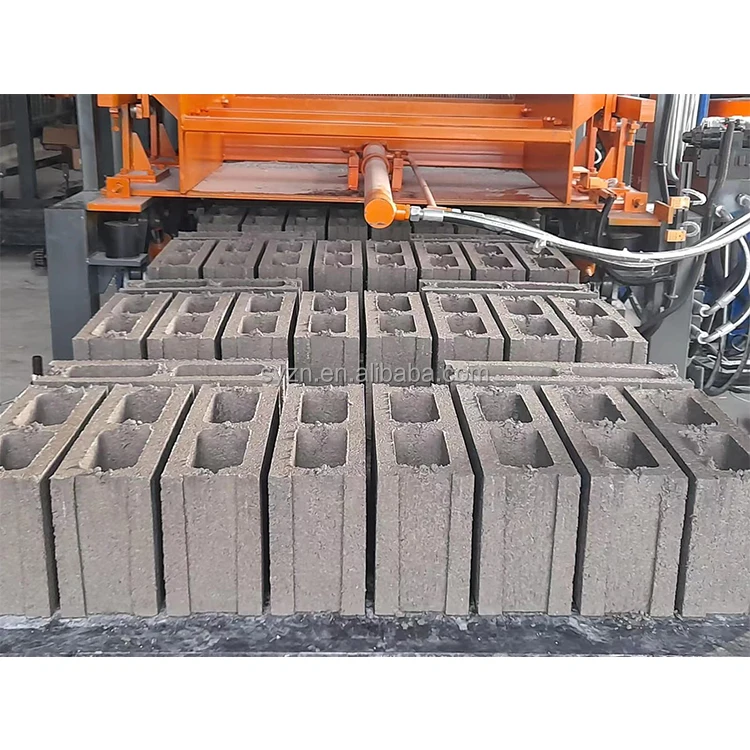
| Output (400×200×200 mm Hollow Block) | 1260–1680 pcs/h (10080–13440 pcs/8hr) |
| Output (400×150×200 mm Hollow Block) | 1440–1920 pcs/h (11520–15360 pcs/8hr) |
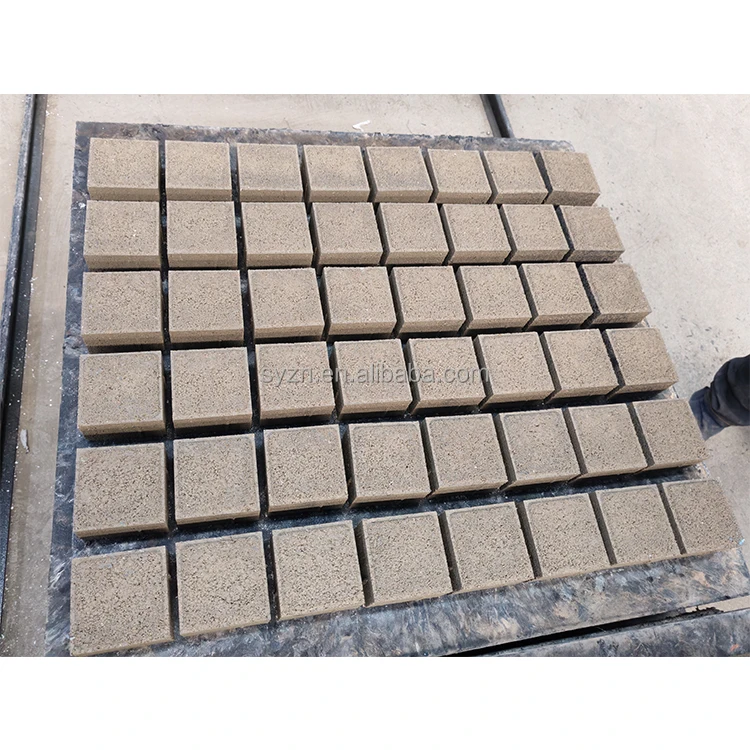
| Output (200×100×60 mm Rectangular Paver) | 3888–4860 pcs/h at 20–25 s cycle (31104–38880 pcs/8hr) |
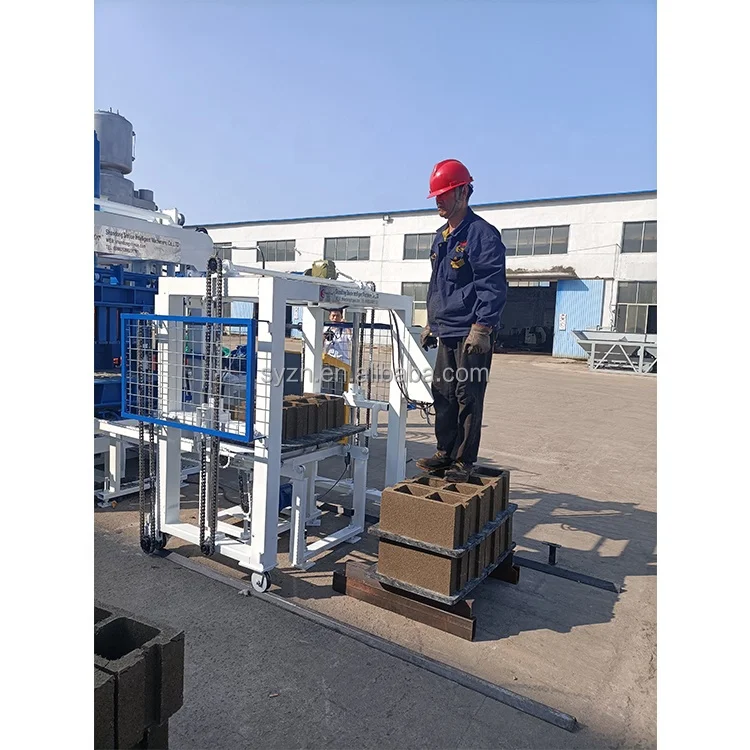
| Key Features | Pallet feed machine, storage hopper, conveyor, hydraulic unit, PLC control cabinet |
Application Suitability
| Application | Material or Output |
|---|---|
| Hollow block production for building contractors | Crushed stone, sand, cement mixes on 1150×700 mm pallets |
| Interlocking brick manufacturing | Local aggregate blends with hydraulic pressing at 100 kN vibration force |
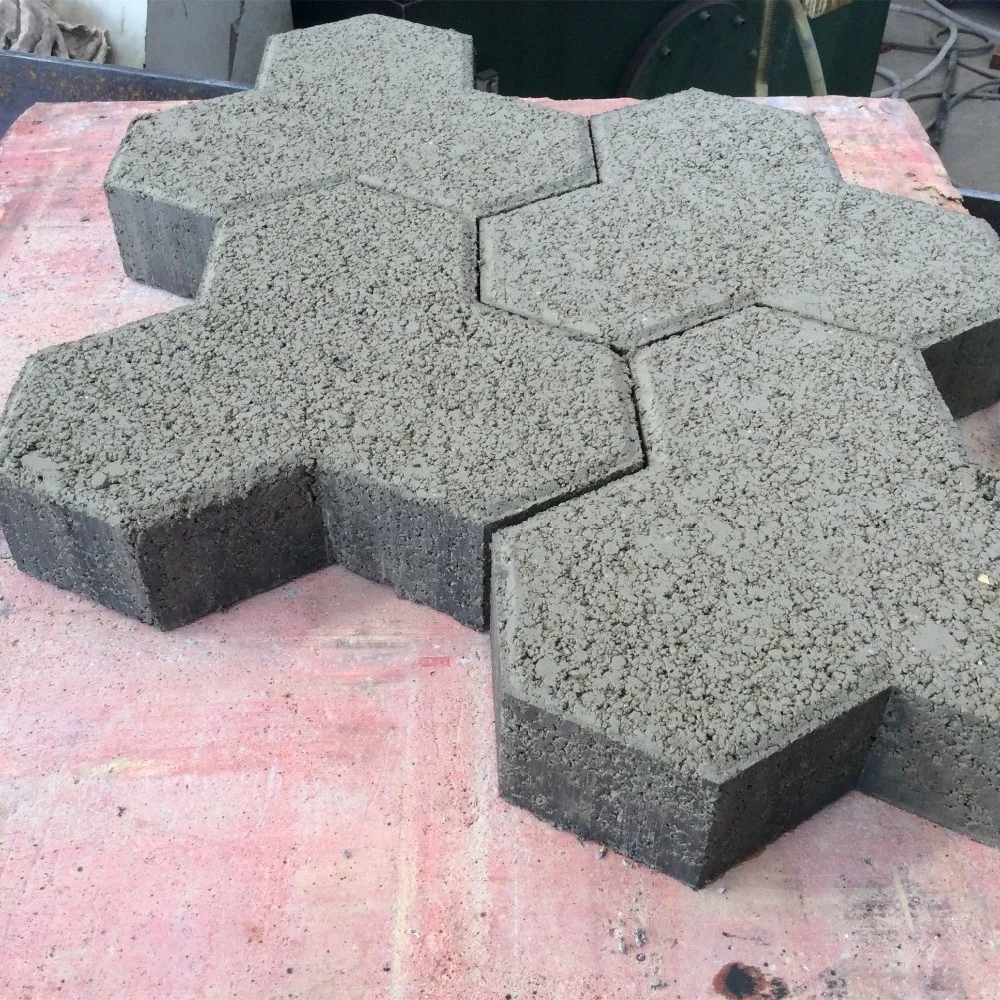
| Paving block production for municipal projects | Fine aggregate and cement at 20–25 s molding cycle |
| Solid block manufacturing for housing developments | Standard concrete mixes with adjustable 0–60 Hz vibration frequency |
| Concrete product manufacturing | Multi-format output with quick mould change between runs |
What QT7-15 Block Machine Specifications Leave Out When Format Is Ignored
Capacity numbers mean nothing unless the block format behind them is stated upfront.
A supplier quoting "1680 pieces per hour" without naming the mould assumes you already know which block that figure applies to. I have watched buyers receive a machine, install it, start their first production run, and then realize the daily volume they were promised was based on a format their market does not even buy. The QT7-15 hollow block making machine capacity varies from 1260 pieces per hour on a 400×200×200 mm hollow block to 4860 pieces per hour on a 200×100×60 mm paver — a difference that changes your entire plant layout, curing rack count and pallet inventory. [NEED_CITE: capacity calculation methods for concrete block production lines]
Matching Vibration Force to Block Density
Platform vibration at 100 kN with adjustable frequency from 0–60 Hz determines how tightly the aggregate packs inside the mould cavity. A hollow block needs a different frequency setting than a solid paver because the vibration must travel through a thinner wall section without causing collapse. The QT7-15 block machine specifications include this adjustable range so the operator can dial in the correct frequency for each format, rather than accepting a single factory preset that only suits one product type.
Hydraulic Pressure and Demolding Consistency
Hydraulic demolding on the QT7-15 applies controlled upward force to strip the finished block from the mould without cracking freshly compacted edges. On interlocking brick formats with tongue-and-groove profiles, this controlled release prevents the surface damage that mechanical knock-out systems tend to cause. The combination of 100 kN vibration during compaction and hydraulic release during demolding gives consistent block strength across format changes within the same production shift. [NEED_CITE: hydraulic versus mechanical demolding in block production]
Pallet Size and Curing Area Compatibility
The 1150×700 mm pallet dimension dictates how many blocks fit in a single press cycle and how those pallets stack in the curing area. Buyers who already own forklifts and curing racks built for a different pallet size face unexpected handling costs after the machine arrives. Confirming this pallet specification against your existing yard layout before production starts avoids a situation where freshly pressed blocks have nowhere to go except the ground.
Cycle Time Differences Across Formats
The 15–20 second molding cycle applies to standard hollow blocks, while rectangular pavers require 20–25 seconds because the finer aggregate and tighter tolerance demand longer compaction. Quoting a single cycle time for all formats would misrepresent what the machine actually produces on the formats your market demands.
What Happens When Mould Change Takes Half a Shift
Buyers pay for format flexibility and then discover that swapping moulds on an under-specified machine consumes four to five hours of production time. The QT7-15 quick mould change system is designed to keep format transitions within a manageable window so that a plant producing hollow blocks in the morning can switch to pavers after lunch without writing off the entire afternoon. [NEED_CITE: mould change time impact on multi-format block production]
Why Configuration Matters More Than Catalogue Defaults
Every line in the QT7-15 block machine specifications — from vibration frequency to overall power — interacts with your local raw material and target output. The 45 kW power draw must be confirmed against your site supply before the machine leaves the factory, and the PLC touch screen language must match your operator’s working language. Configuration is locked against your mix design, aggregate grading and block format, not pulled from a generic product sheet. We specify the machine, mould, pallet and handling equipment as one matched system so that cycle times align across every station in the line. Mould design covers the formats your market actually sells, including custom drawings when a standard catalogue mould does not match your local building code.
Documentation & Verification
- Line layout with capacity calculation stated per block format and mould type
- Mould drawing and format list showing included and optional block types
- Pallet specification sheet cross-referenced to 1150×700 mm dimension
- Voltage, frequency and PLC display language confirmation record
- Factory test record on buyer’s specified block format before dispatch
- Hydraulic and electrical schematic matching as-built configuration
Installation, Commissioning & Support
- Foundation design based on 8 T total mass and 100 kN dynamic vibration load
- Dedicated power circuit sized for 45 kW overall power draw
- PLC touch screen configured in buyer’s language before commissioning
- On-site vibration frequency calibration against local aggregate sample
- Quick mould change procedure training for multi-format production shifts
- Wear parts list with hydraulic seal and mould liner replacement intervals
What to Include in Your Inquiry
Provide the block format your market sells most, the local aggregate type available near your site, and your target daily output per format. Share your existing voltage supply, frequency and any curing racks or forklifts already on site so the pallet specification and line layout can be confirmed before production begins.
Frequently Asked Questions
Q: How is capacity verified per block format on the QT7-15?
A: Each output figure is stated alongside the exact block dimension, mould type and cycle time that produces it. For example, 1260–1680 pieces per hour applies specifically to the 400×200×200 mm hollow block at 15–20 second cycles. No single "maximum output" claim is used across all formats.
Q: Which mould formats are available and how long does a change take?
A: Moulds cover hollow block, solid block, interlocking brick and rectangular paver formats, with custom designs available to buyer drawings. The quick mould change system is engineered to keep transitions manageable within a production shift so multi-format output remains practical.
Q: How are vibration force and hydraulic pressure matched to my aggregate?
A: The 100 kN vibration force and 0–60 Hz adjustable frequency are set against your local mix design and aggregate grading during commissioning. Hydraulic demolding pressure is then calibrated so that block strength remains consistent regardless of which format is being produced.
Q: What pallet size does the QT7-15 require?
A: The machine uses 1150×700 mm pallets. This dimension must be cross-checked against your curing area rack spacing and forklift fork width before the order is finalized to avoid handling incompatibilities after arrival.
Q: What documentation confirms electrical specifications before shipment?
A: A voltage, frequency and PLC display language confirmation record is signed before production begins. The factory test record then verifies the QT7-15 block machine specifications against your confirmed electrical supply and chosen block format prior to dispatch.