

Description
Mould-Matched Configuration — Every QT7-15 shipment leaves our Linyi workshop with cycle times calculated against the buyer’s actual block format and local aggregate, not a generic brochure figure.
Technical Specifications
| Parameter | Value |
|---|---|
| Model | QT7-15 |
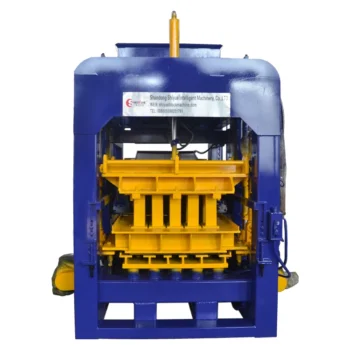
| Product Type | Automatic Hydraulic Block Making Machine |
| Pallet Size | 1150 x 700 mm |
| Vibration Force | 100 KN |
| Vibration Frequency | 0 – 60 Hz (adjustable) |
| Vibration Form | Platform Vibration |
| Demolding Method | Hydraulic |
| Overall Power | 45 kW |
| Total Mass | 8 T |
| Control System | PLC intelligent control with touch screen interface |
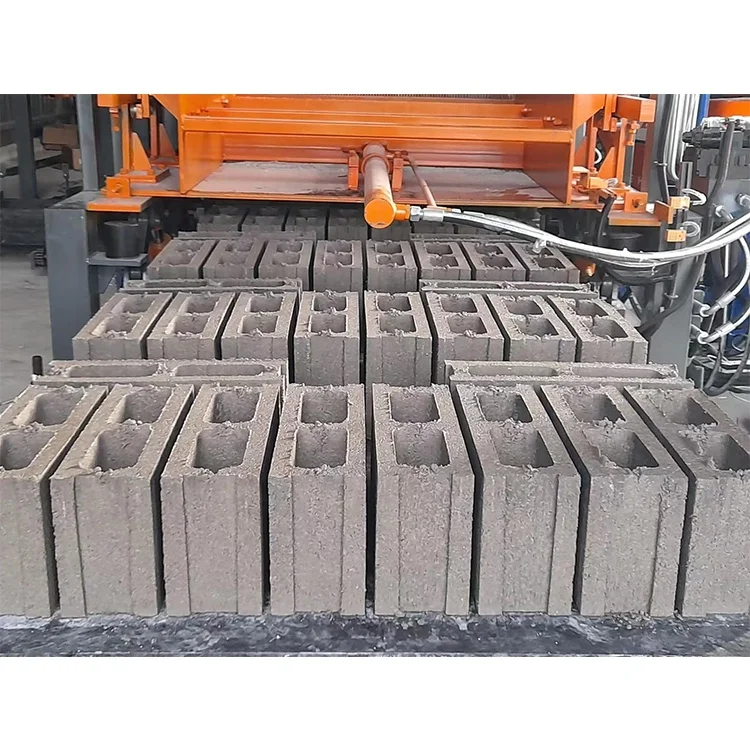
| Output Capacity (Hollow Block 400×200×200 mm) | 1260–1680 pcs/hour; 10080–13440 pcs/8hr (basis not stated in source — confirm block format / material / thickness) |
| Output Capacity (Hollow Block 400×150×200 mm) | 1440–1920 pcs/hour; 11520–15360 pcs/8hr (basis not stated in source — confirm block format / material / thickness) |
| Output Capacity (Rectangular Brick 200×100×60 mm) | 3888–4860 pcs/hour; 31104–38880 pcs/8hr (basis not stated in source — confirm block format / material / thickness) |
| Molding Cycle (Hollow Blocks) | 15–20 s (basis not stated in source — confirm block format / material / thickness) |
| Molding Cycle (Rectangular Brick 200×100×60 mm) | 20–25 s |
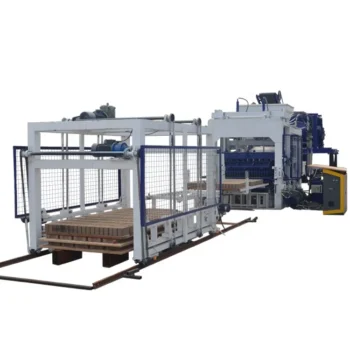
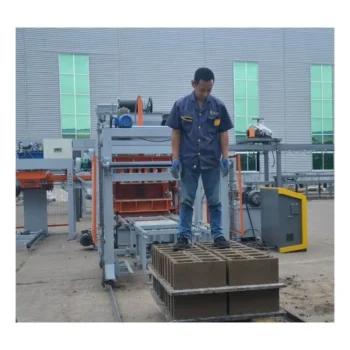
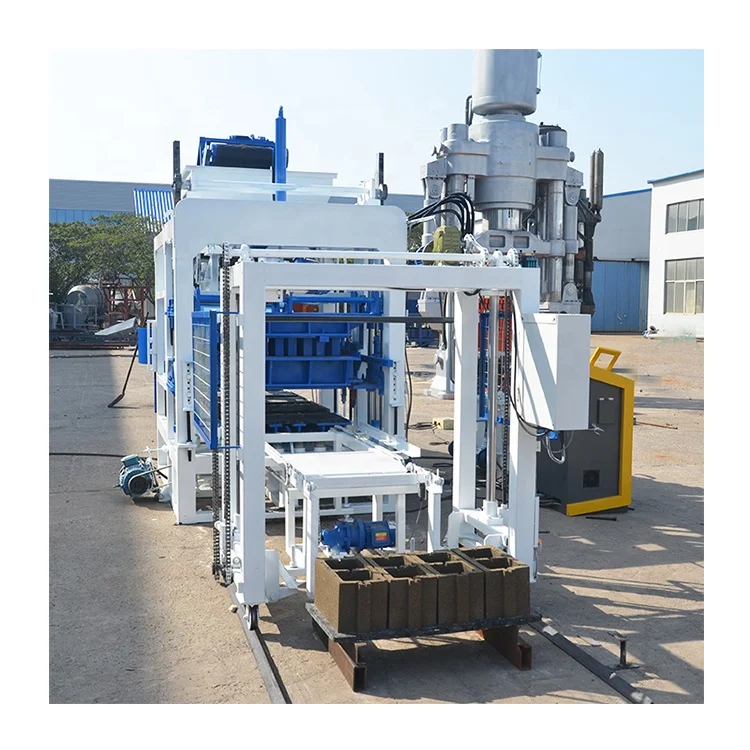
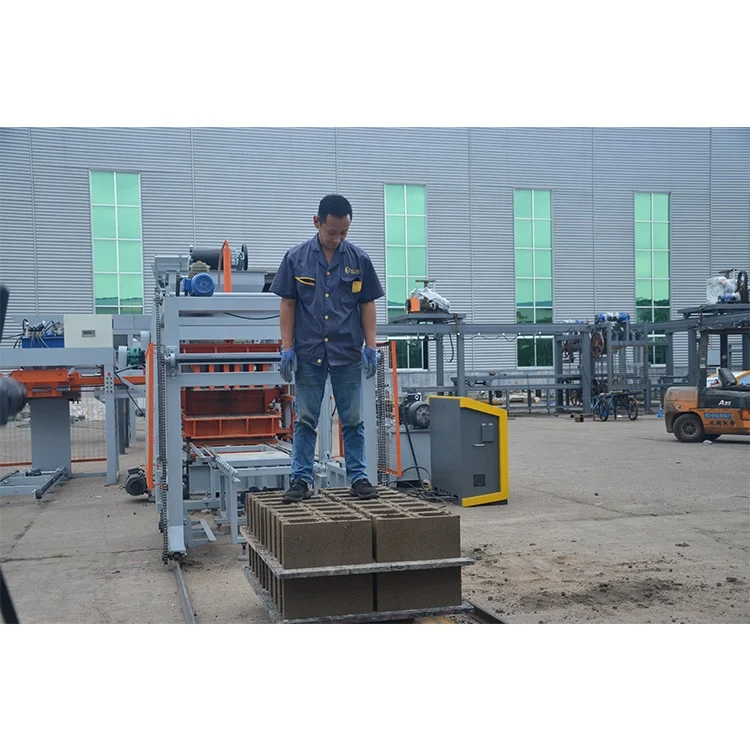
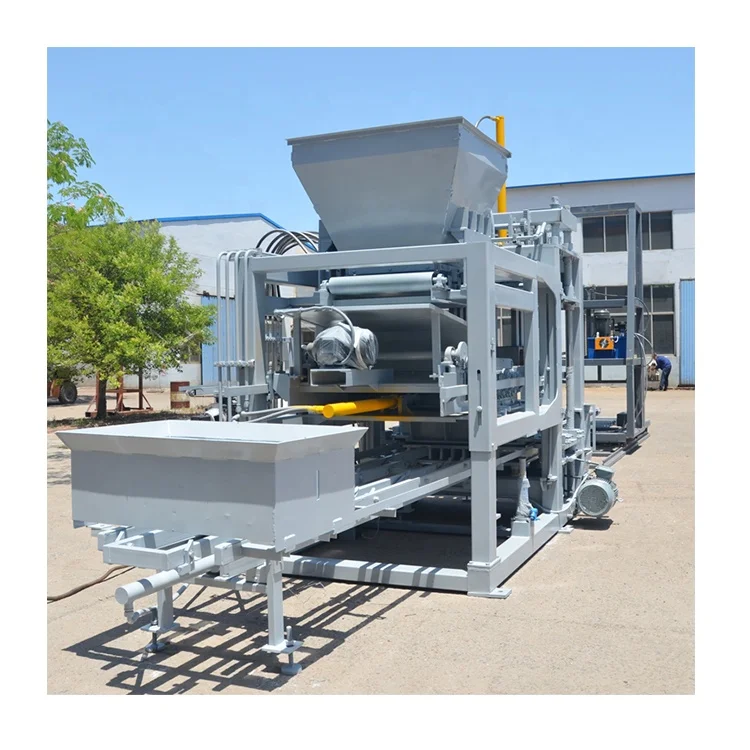
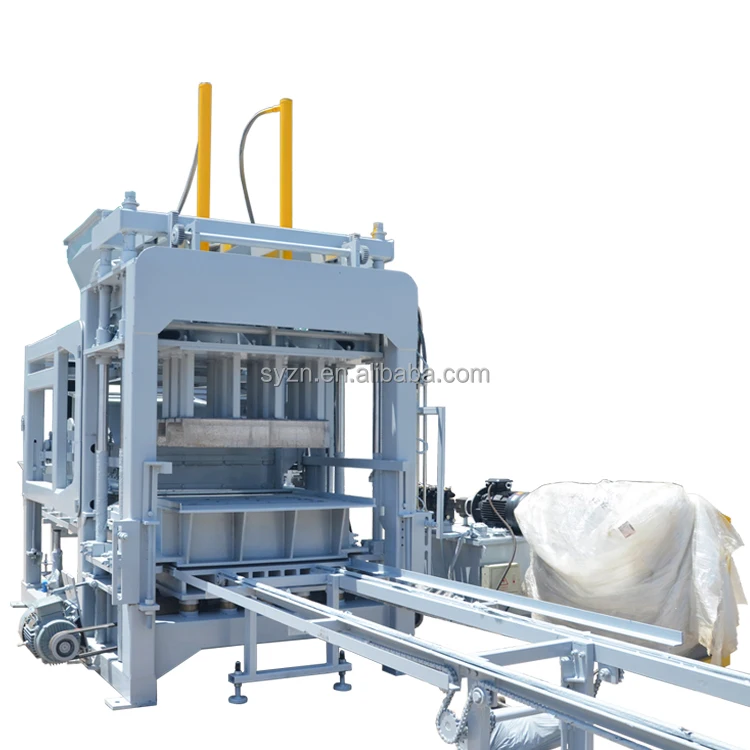
| Components | Pallet feed machine, block making machine, storage hopper, conveyor, hydraulic unit, PLC control cabinet |
| Remote Diagnostics | Fault diagnosis and remote control capability |
| Standards | CE declaration where applicable |
Application Suitability
| Application | Material or Output |
|---|---|
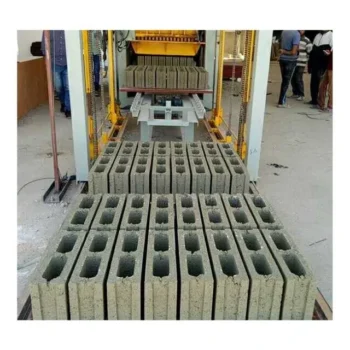
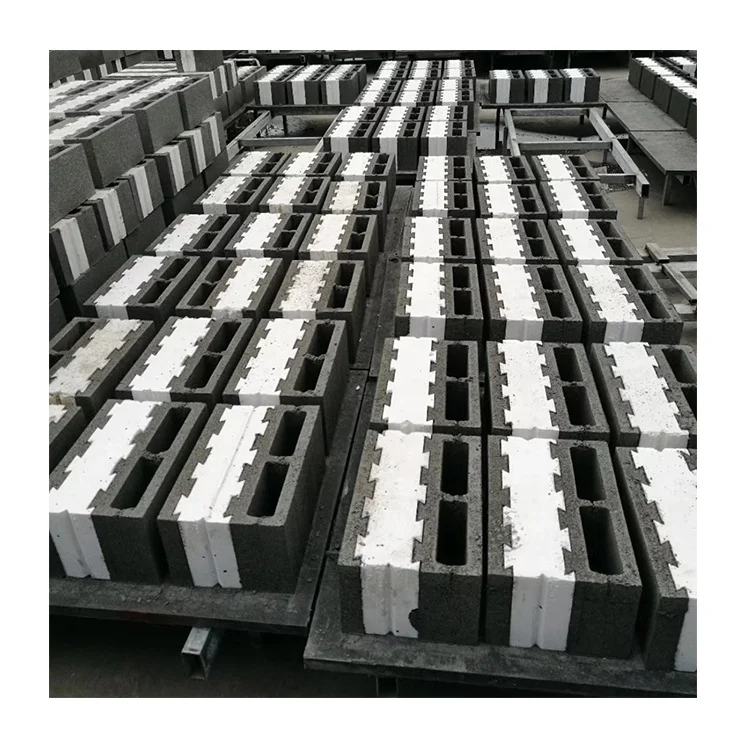
| Hollow block production | Crushed stone, cement, sand, and lightweight aggregates for load-bearing and non-load-bearing wall blocks |
| Multi-cellular brick production | Cementitious mixes with fly ash or volcanic ash for partition and infill blocks |
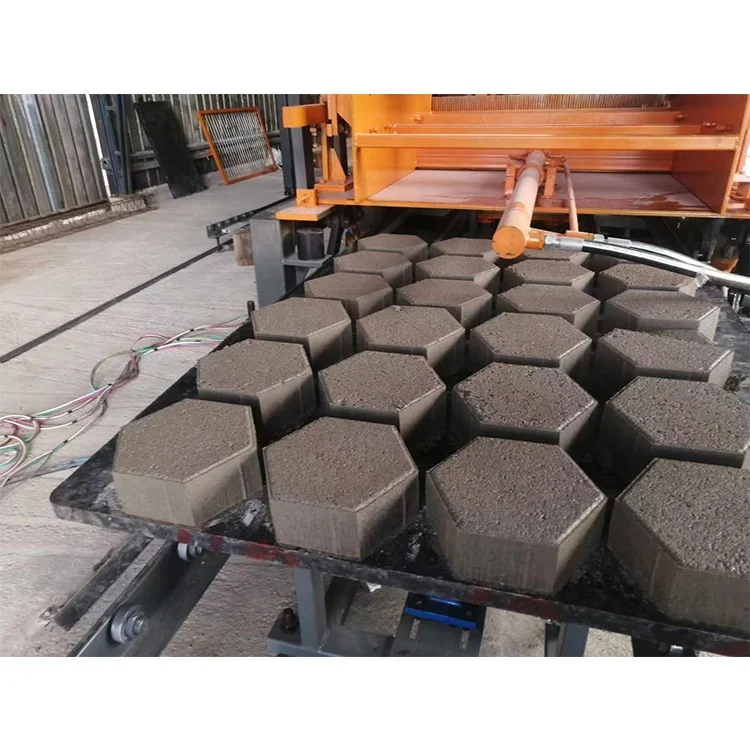
| Paving brick production | Dense aggregate blends for interlocking and rectangular pavers in walkways and yards |
| Standard solid brick production | High-cement-ratio mixes for structural and boundary wall bricks |
What "10,080 Blocks per Shift" Actually Means for QT7-15 Automatic Block Machine Specifications
The number only holds when the block format, mix density, and curing conditions match the assumptions behind it.
I have watched buyers receive a block machine and then discover that the quoted daily output assumed a hollow block format their market does not buy. The QT7-15 automatic block machine specifications list different cycle times for different formats — 15–20 seconds for hollow blocks and 20–25 seconds for 200×100×60 mm rectangular bricks — yet a single headline capacity figure often masks this distinction. When the buyer’s primary product is a thinner paver rather than a 400 mm hollow block, the entire production rhythm shifts, and the shift output can land well below the catalogue claim [NEED_CITE: common discrepancies between quoted and actual block plant output].
Reading Capacity Through the Lens of Block Format
The QT7-15 automatic block machine specifications separate output by three reference formats, each carrying its own cycle time. This matters because a plant selling primarily 400×150×200 mm hollow blocks will run a different daily total than one focused on 200×100×60 mm paving bricks. Buyers need the line layout and capacity calculation document that states which format each figure assumes, so the investment decision rests on the product the market actually demands rather than the format that produces the most impressive number.
Matching Vibration to Your Aggregate
A platform vibration system delivering 100 KN across a 0–60 Hz adjustable range gives the operator room to tune compaction. Last year I shipped a machine to a West African site where the local volcanic ash aggregate was substantially heavier than the standard sand used during factory testing. The blocks came out under-compacted until I adjusted both the vibration frequency and the hydraulic pressure on-site. That is why I now ask every buyer for an aggregate lab report before finalising the QT7-15 configuration [NEED_CITE: effect of aggregate density on block compaction and required vibration force].
How Pallet Size and Hydraulic Pressure Shape the Finished Block
The 1150×700 mm pallet determines how many block cavities fit in a single press stroke, directly governing output per cycle. Equally important, the pallet must match the buyer’s existing curing racks and forklift tines — a mismatch means double-handling every wet block. The hydraulic demolding system works in tandem with the vibration platform: hydraulic pressure holds the mould box steady while vibration consolidates the mix, then the hydraulics push the finished block off the pallet without cracking. If the pressure is set too low for a dense aggregate mix, blocks leave the press with soft edges and break during curing.
The Cost of Skipping the Format Conversation
When a quotation lists only a single cycle time and a single daily output, the buyer commits capital without knowing the real throughput for their primary product. I have seen plants arrive on-site only to realise the mould supplied produces a block format that local contractors do not specify, forcing an urgent mould reorder and weeks of idle capacity. Choosing the wrong pallet material also surfaces late: bamboo pallets warp in tropical humidity, while PVC pallets crack in dry, high-UV climates, both leading to uneven block surfaces and rising scrap rates [NEED_CITE: pallet material selection for different curing environments].
Why Sourcing the QT7-15 Through a Format-First Process Matters
Block machinery is the single focus at Shiyue, so the QT7-15 press, mould, pallet, and handling equipment are specified as one matched system rather than assembled from separate suppliers. The configuration starts from the buyer’s actual mix design and target block format, not a catalogue default. Mould design and supply cover the formats the buyer’s market sells, including custom drawings when a regional standard falls outside the common range. Automation level is selectable, so a buyer can begin with semi-automatic pallet handling and add automatic stacking later. Documentation includes a line layout with capacity stated per format, mould drawings, and a pallet specification matched to the buyer’s curing area and forklift.
Documentation & Verification
- Line layout and capacity calculation stating the block format assumed for each output figure
- Mould drawing and format list confirming included and optional moulds
- Pallet specification aligned with buyer’s curing rack and forklift dimensions
- Hydraulic and electrical schematic with voltage and frequency confirmation
- Factory test record on the buyer’s specified block format before dispatch
- Operation and maintenance manual with PLC language matching site requirements
Installation, Commissioning & Support
- Foundation plan sized for the 8 T total mass and platform vibration load
- Dedicated 45 kW power circuit with confirmed voltage and frequency before production
- Machine dismantling and container loading plan for shipment
- On-site hydraulic pressure and vibration frequency tuning to local aggregate
- PLC touch screen training covering cycle parameter storage and fault diagnosis
- Wear parts and mould list with reorder lead times for hydraulic seals and vibration springs
Before You Send the Inquiry
To size the QT7-15 accurately, share the primary block format your market sells, the target daily output, and a lab report on your local aggregate. Confirm your site voltage, frequency, and the language you need on the PLC touch screen. If you already have curing racks or a forklift, provide the pallet dimensions and load capacity so the pallet specification integrates from day one.
Frequently Asked Questions
Q: How is output capacity calculated for QT7-15, and which block format does each figure assume?
A: The specification sheet lists output for three reference formats: 400×200×200 mm hollow, 400×150×200 mm hollow, and 200×100×60 mm rectangular brick, each with its own cycle time. We provide a line layout document that states the exact block format behind every capacity figure, so the number you plan against matches the product your market buys.
Q: What mould formats are available, and how long does a mould change take on-site?
A: Standard hollow block, solid block, paving brick, kerbstone, and interlocking brick moulds are available, along with custom designs to buyer drawings. Mould change time depends on the quick-clamp system specified; we confirm the expected changeover duration in the proposal so you can plan shift schedules around format rotation.
Q: How is vibration force matched to my local aggregate and mix design?
A: The QT7-15 delivers 100 KN of vibration force across a 0–60 Hz adjustable range. Before production, we review your aggregate lab report and adjust the vibration frequency and hydraulic pressure settings. If the aggregate density differs significantly from standard sand, fine-tuning happens during on-site commissioning.
Q: What pallet size does QT7-15 require, and how does it fit my curing setup?
A: The machine uses 1150×700 mm pallets. We confirm pallet material — bamboo, PVC, or steel — against your curing environment and match pallet thickness to your existing rack spacing and forklift tine dimensions, preventing double-handling of wet blocks.
Q: Can I see a cycle time breakdown per block format before committing?
A: Yes. The proposal includes a cycle time breakdown for each block format you plan to produce, covering mould fill, vibration, compression, and demolding stages. This lets you calculate realistic shift output for every product in your range before the order is placed.