Description
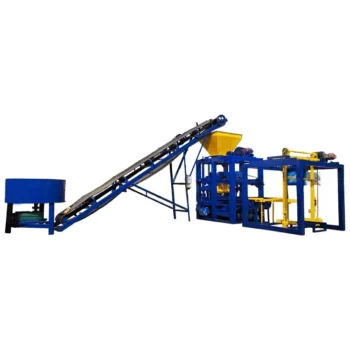
Format-Matched Capacity — The QT6-15 block making machine is configured around your target block dimensions and local aggregate properties, with every output figure tied to a stated format rather than a catalogue maximum.
Technical Specifications
| Parameter | Value |
|---|---|
| Model | QT6-15 |
| Product Type | Hydraulic Block Making Machine |
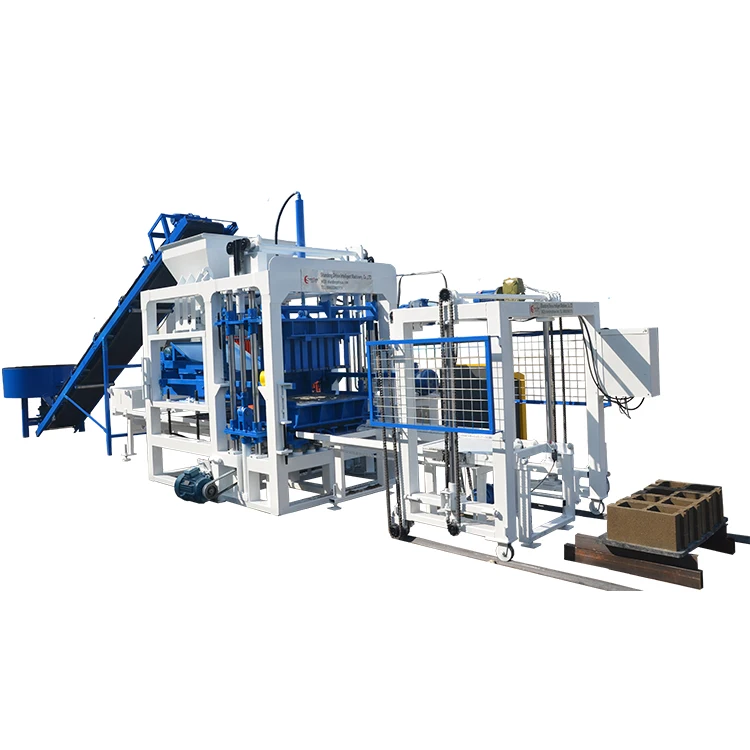
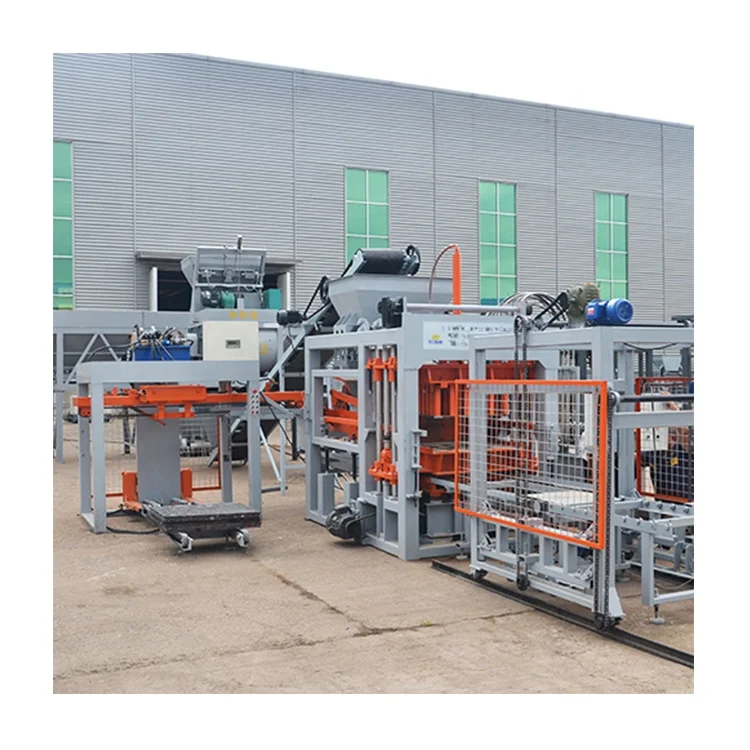
| Overall Dimensions (L×W×H) | 7400×1900×2660 mm |
| Molding Cycle | 15–25 s (basis: hollow block and solid brick formats) |
| Vibration Frequency | 4600 r/min |
| Vibration Force (Exciting Power) | 40–50 kN |
| Total Power | 31.25 kW |
| Mixer Model | JQ350 |
| Pallet Size | 850×550×25 mm |
| Total Weight | 7 T |
| Control System | PLC control system |
| Hydraulic Station | Included (high-pressure, stable operation) |
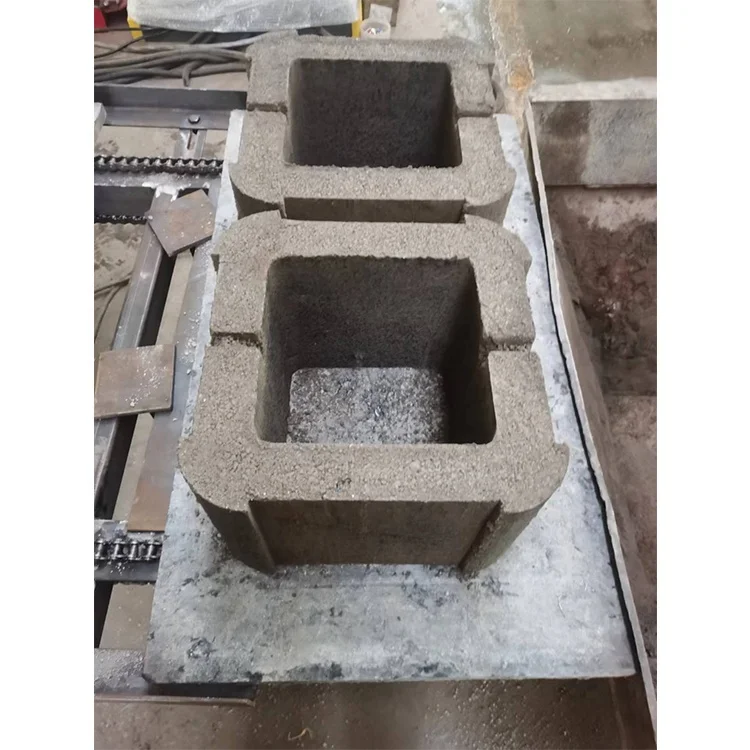
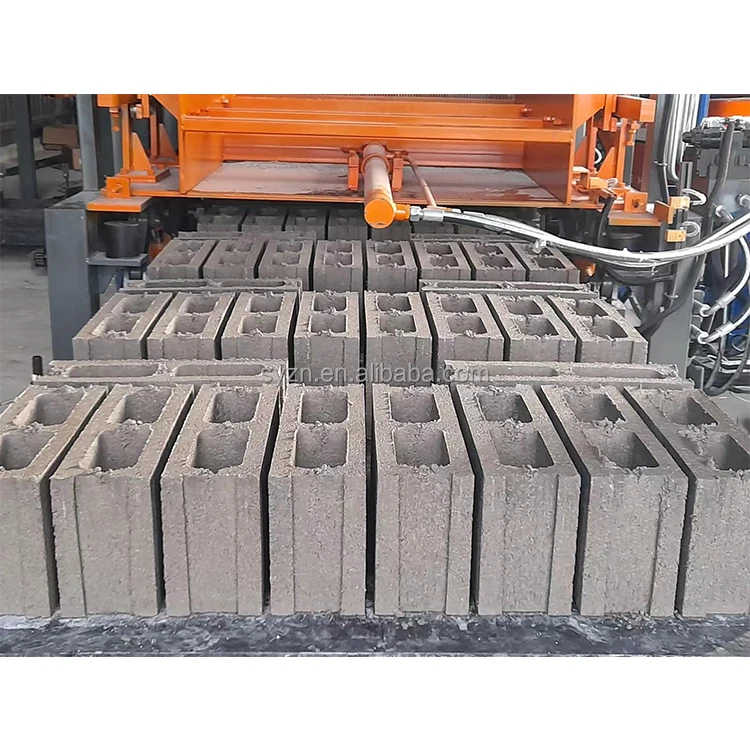
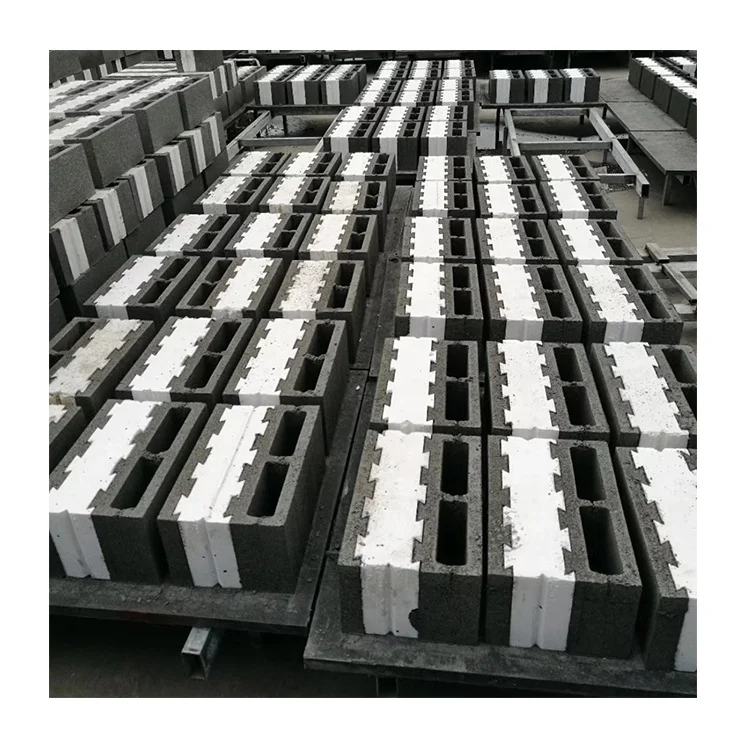
| Applied Products | Paver, solid block, hollow block, curbstone |
| Raw Materials | Crushed stones, sand, cement, dust, fly ash |
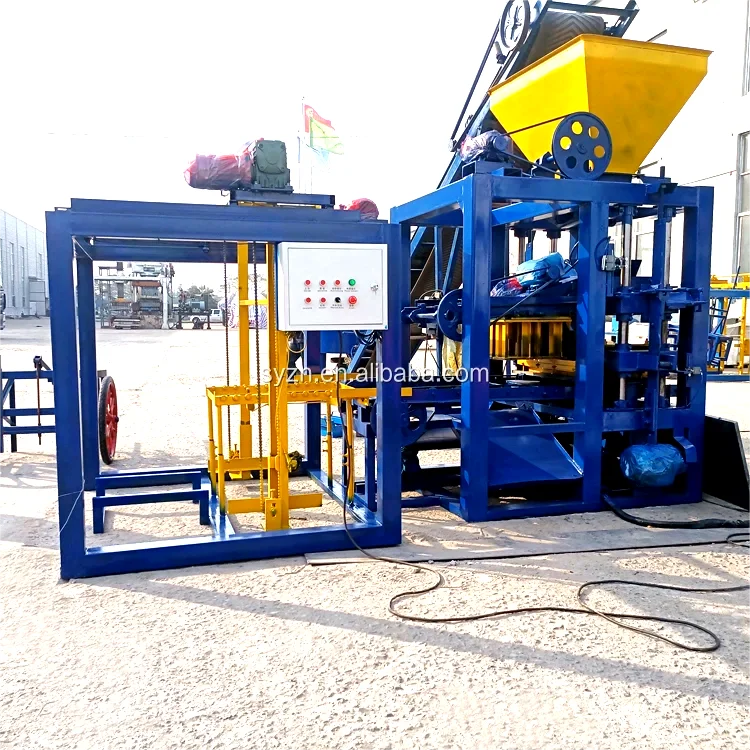
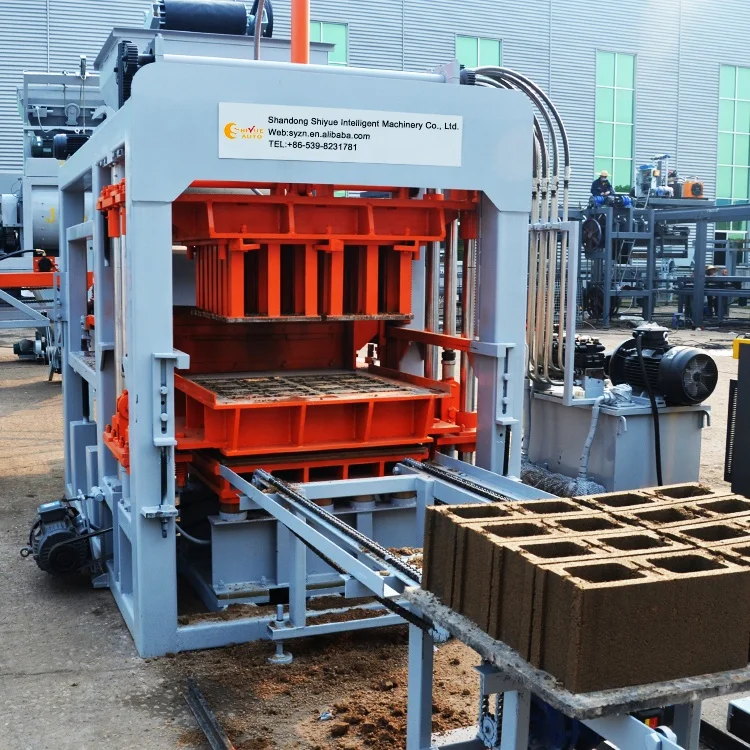
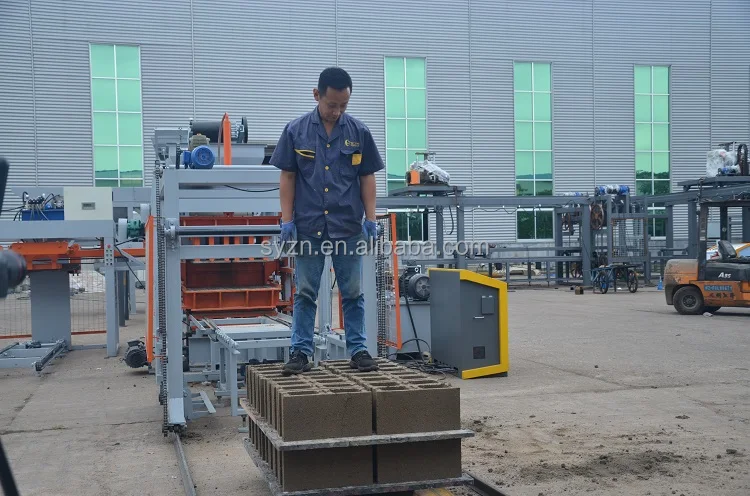
| Included Equipment | Block making machine, hydraulic station, PLC control system, pallet feeder, brick conveyor, block sweeper |
| Free Parts | Manual hydraulic trolley, spare parts and tools |
| Output: Hollow Block 400×200×200 mm | 1200–1680 pcs/h; 9600–13440 pcs/8 hr |
| Output: Hollow Block 400×150×200 mm | 1800–2400 pcs/h; 14400–19200 pcs/8 hr |
| Output: Solid Brick 240×115×53 mm | 3240 pcs/h; 16200–19440 pcs/8 hr |
| Voltage & Frequency | To be confirmed before production |
| PLC Display Language | To be confirmed before production |
| CE Declaration | Applicable (verify for specific configuration) |
Application Suitability
| Application | Material or Output |
|---|---|
| Hollow block production for masonry walls | Crushed stone, sand, cement, and fly ash blends; 400×200×200 mm and 400×150×200 mm formats |
| Solid brick manufacturing for load-bearing structures | Cement and fine aggregate mixes; 240×115×53 mm standard brick |
| Paver production for driveways and walkways | High-density crushed stone and cement mixes with colour pigment |
| Curbstone casting for road and kerb projects | Coarse aggregate and cement at extended vibration cycles |
What "15-Second Cycle Time" Actually Means for Your Daily Output
Cycle time varies by block format and local aggregate — the moulding range of 15–25 seconds reflects real production conditions, not an idealised laboratory run.
Many buyers receive a single cycle time figure that assumes perfect material gradation and one specific block shape. Once the machine arrives and local sand or crushed stone replaces the supplier’s test aggregate, vibration duration often needs to extend to achieve target density. I watched an African project lose nearly two-fifths of expected daily output because the supplier quoted a cycle time based on clean river sand while the site was using laterite with high clay content [NEED_CITE: impact of aggregate clay content on block vibration time]. The QT6-15 block making machine specifications here list the cycle range honestly so you can plan labour, pallet inventory, and curing space against a realistic number rather than a best-case scenario.
Matching Mould Selection to the Formats Your Market Sells
The QT6-15 block making machine ships with a mould matched to your confirmed block format. Hollow blocks in 400×200×200 mm and 400×150×200 mm, standard solid bricks at 240×115×53 mm, pavers, and curbstones are all producible on the same platform by changing the mould. Pallet size remains constant at 850×550×25 mm across formats, which means your curing racks and forklift do not need reconfiguring when you switch production runs.
Why Local Aggregate Determines Your Realistic Cycle Position
Vibration force rated at 40–50 kN paired with the hydraulic station delivers consistent compaction, but the exact point within the 15–25 second cycle range depends on your raw material. Clean, well-graded crushed stone allows the shorter end of the range. Materials with higher fines or clay content require longer vibration to achieve the same block density and demoulding strength [NEED_CITE: relationship between aggregate gradation and vibration duration in hydraulic block presses]. Sending a sample of your local sand and stone before finalising the mould order lets us confirm cycle time and adjust vibration parameters accordingly.
Reading the Specs That Matter Beyond the Brochure Number
Vibration frequency at 4600 r/min and exciting power of 40–50 kN work together with hydraulic pressure to compact the mix into a dense, uniform block. Higher vibration force allows shorter cycles on stiff mixes, while lower force requires longer dwell — the QT6-15 range covers both ends. The 850×550×25 mm pallet defines the maximum mould footprint, so any custom block drawing must fit within that boundary with adequate edge clearance. Total connected load of 31.25 kW including the JQ350 mixer means you need a dedicated supply circuit sized for motor starting current, not just running load. The PLC control system manages pallet feeding, vibration sequence, and brick conveying as one coordinated cycle; confirming the display language before production avoids commissioning delays on site.
The Hidden Cost of Skipping Format-Level Capacity Planning
When a buyer orders based on a single headline output figure, the first format change often reveals that pallet handling, stacking, and curing were never scoped for the new block shape. Production stalls while workers manually reorganise the curing yard. Pallets sized for one format may not accommodate the weight distribution of a denser paver mix, causing warping and block cracking during the early curing hours [NEED_CITE: pallet deflection effects on green block dimensional tolerance]. These problems are invisible at the quotation stage but compound every shift once production starts.
Why Sourcing the QT6-15 Through a Format-Focused Supplier Matters
Block machinery is the single focus here, so the QT6-15 block making machine, its mould, pallet, and handling equipment are specified as one matched system. Configuration is set against your actual mix design and target block format rather than pulled from a catalogue default. Mould design covers the formats your local market demands, including custom drawings for non-standard shapes. Automation level is selectable — a buyer can begin with the included pallet feeder and brick conveyor, then add stacking automation later. Installation support includes operator training on mould change procedure and PLC parameter adjustment for different formats.
Documentation & Verification
- Line layout showing QT6-15 footprint with pallet flow and curing rack positioning
- Capacity calculation sheet stating block format assumed for each output row
- Mould drawing and format list for every block type in your production plan
- Pallet specification matched to your curing area dimensions and forklift rating
- Voltage, frequency, and PLC display language confirmed in writing before production
- Factory test record on your specified block format before dispatch
Installation, Commissioning & Support
- Foundation pad must accommodate 7400×1900 mm footprint with level tolerance for hydraulic station alignment
- Dedicated 31.25 kW supply circuit with motor-start capacity for simultaneous mixer and vibration motor operation
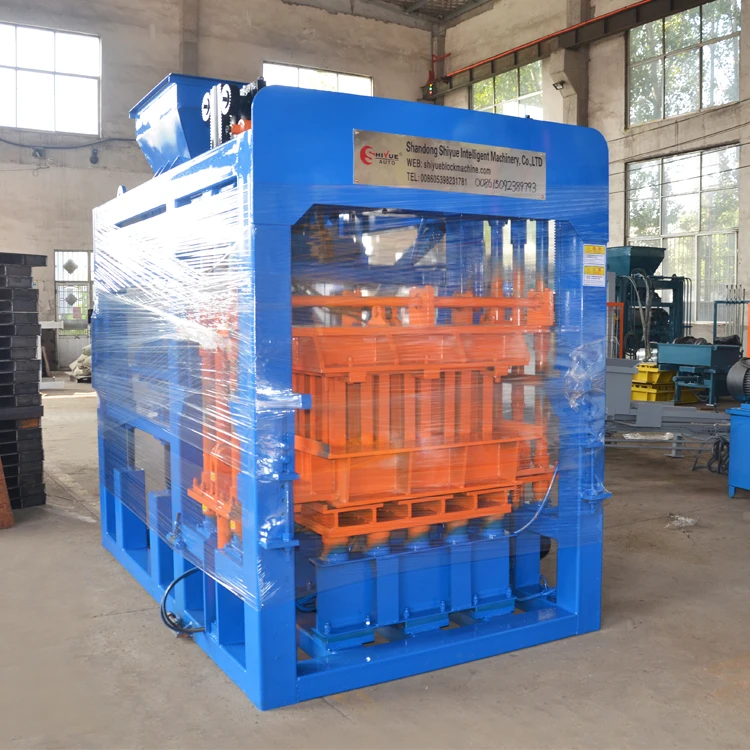
- Machine ships as nude packing in a 20GP container with approximately 500 pallets loaded alongside
- PLC parameters calibrated on-site to your local aggregate and confirmed block format during commissioning
- Operator training covers mould change sequence, vibration time adjustment, and pallet feeder synchronisation
- Wear parts list and hydraulic seal kit provided with recommended replacement intervals
What We Need From You to Size the Line Correctly
Send the exact block dimensions and strength grade your market requires, along with a description of locally available sand, crushed stone, or fly ash. Confirm the voltage and frequency at your site, the language your operators need on the PLC display, and the curing area dimensions you already have in place. If you are replacing an existing machine, share your current pallet size and forklift capacity so the QT6-15 configuration aligns with equipment already on the ground.
Frequently Asked Questions
Q: How is QT6-15 capacity verified per block format, and what if my target size differs?
A: Every output figure is tied to a specific block dimension — hollow 400×200×200 mm, hollow 400×150×200 mm, or solid brick 240×115×53 mm. If your target format differs, we recalculate cycle time and pallet layout against the new mould drawing before quoting, so the capacity number you plan against reflects your actual product, not a catalogue substitute.
Q: How do I confirm the right pallet size for my curing area before the machine ships?
A: The standard pallet is 850×550×25 mm. Share your curing rack spacing and forklift fork dimensions so we verify compatibility. If your existing racks need a different pallet length, the mould and feeder are adjusted to match before production begins, avoiding costly pallet replacement after arrival.
Q: What voltage, frequency, and PLC language options exist, and how are they locked in?
A: Voltage and frequency are configured to your site supply — this is confirmed in writing before the electrical panel is wired. PLC display language is set to your operator requirement. Both are documented on the electrical schematic so there are no surprises during on-site commissioning.
Q: How long does a mould change take, and what tools are included?
A: Mould change duration depends on the format shift and operator familiarity. The machine ships with the tools and a manual hydraulic trolley for mould handling. During commissioning, operators are trained on the full change sequence so the procedure becomes routine within the first production week.
Q: Which block formats share the same pallet, and which need a separate pallet order?
A: All standard formats — hollow block, solid brick, paver, and curbstone — use the same 850×550×25 mm pallet. A separate pallet order is only needed if your production volume requires more curing rack positions than the initial pallet quantity covers, or if a custom format demands a different pallet thickness for weight support.