

Description
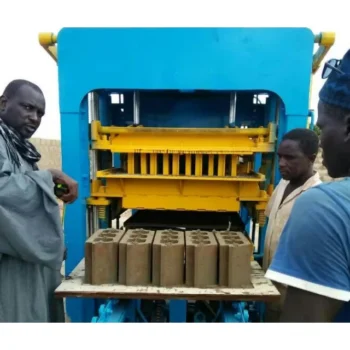
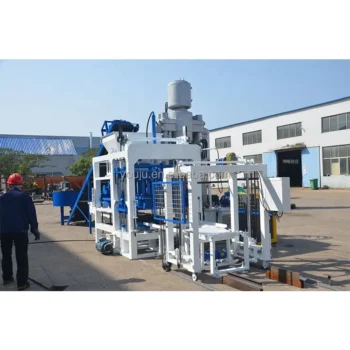
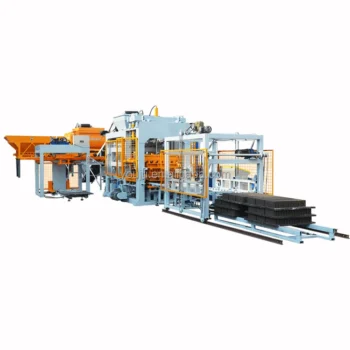
Matched System Approach — the QT6-15 automatic block machine is specified against your actual block format, local aggregate and curing layout so that quoted output survives contact with real production conditions.
Technical Specifications
| Parameter | Value |
|---|---|
| Model | QT6-15 |
| Product Type | Automatic Concrete Block Making Machine |
| Rated Power | 31.25 kW |
| Voltage & Frequency | According to buyer’s local standard (confirm before order) |
| Control System | PLC intelligent control with man-machine interface, logic control, malfunction diagnosis, remote control function |
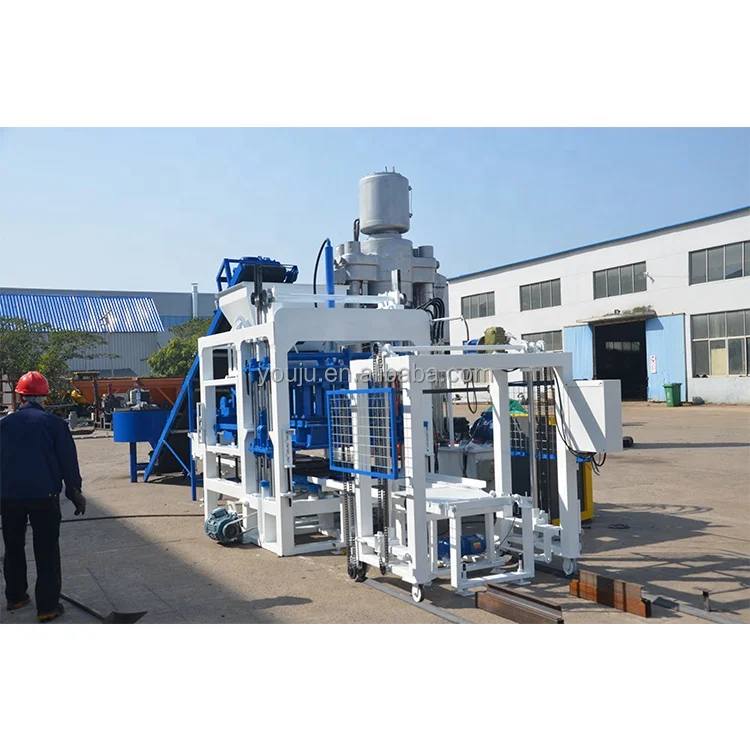
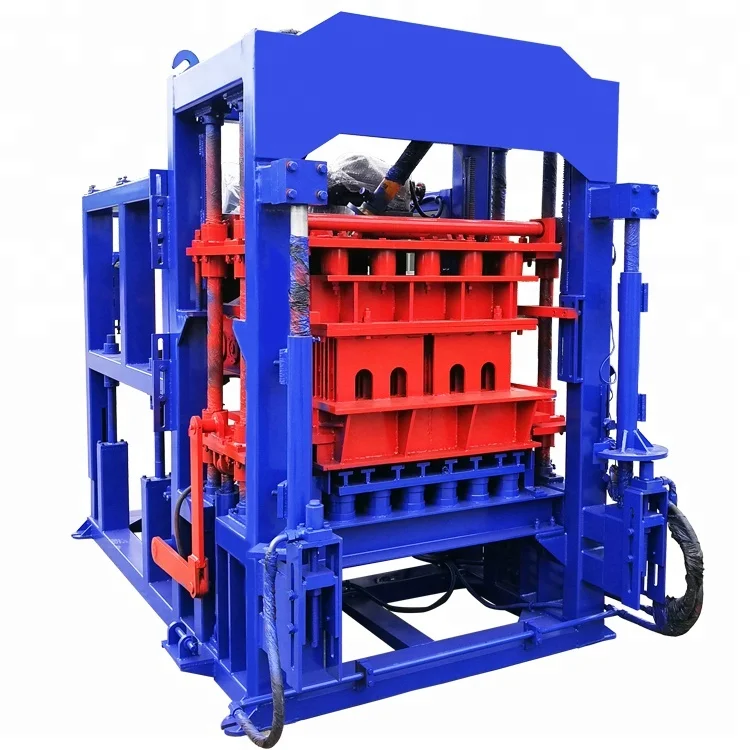
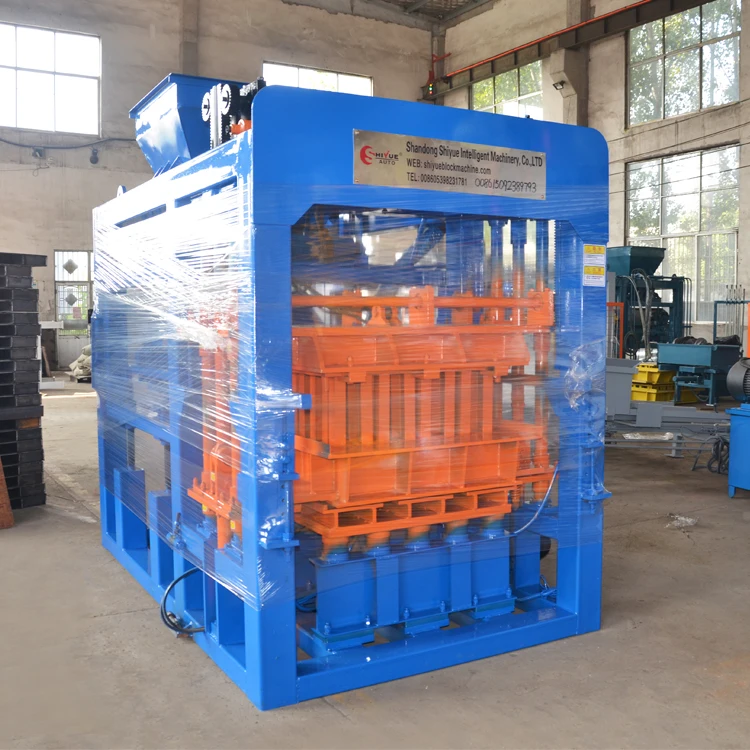
| Overall Dimensions | 7100 × 1500 × 3000 mm |
| Net Weight | 8500 kg |
| Moulding Cycle | 15–20 seconds |
| Hydraulic Pressure | 16–21 MPa |
| Main Vibration Form | Platform vibration |
| Pallet Size | 850 × 680 mm |
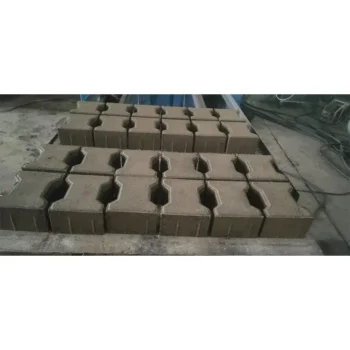
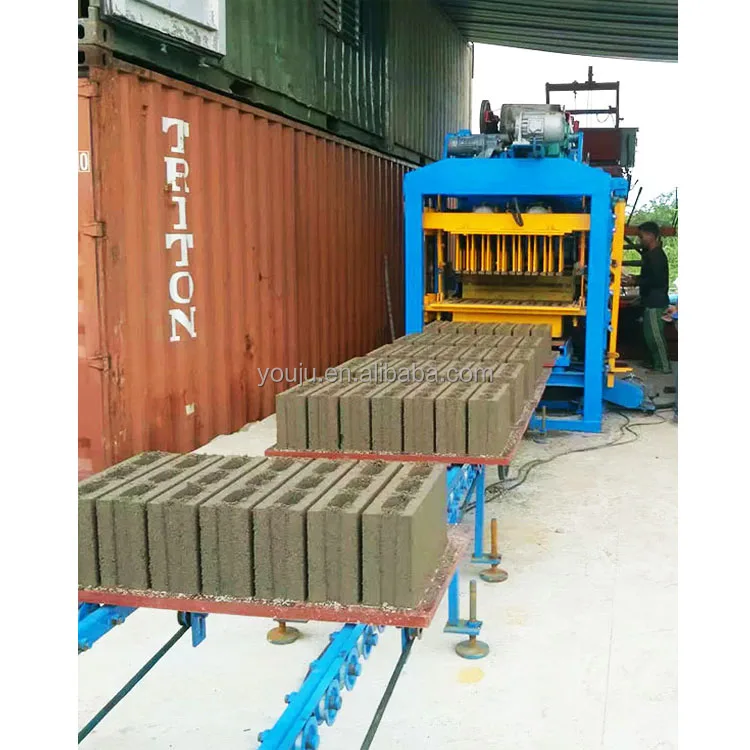
| Output — Hollow Block | 8,640 pcs/day (basis: 400 × 200 × 200 mm, 6 pcs/mould, 16–20 s cycle) |
| Output — Porous Block | 22,400 pcs/day (basis: 240 × 115 × 90 mm, 14 pcs/mould, 15–18 s cycle) |
| Output — Standard Solid Block | 54,400 pcs/day (basis: 240 × 115 × 53 mm, 30 pcs/mould, 14–17 s cycle) |
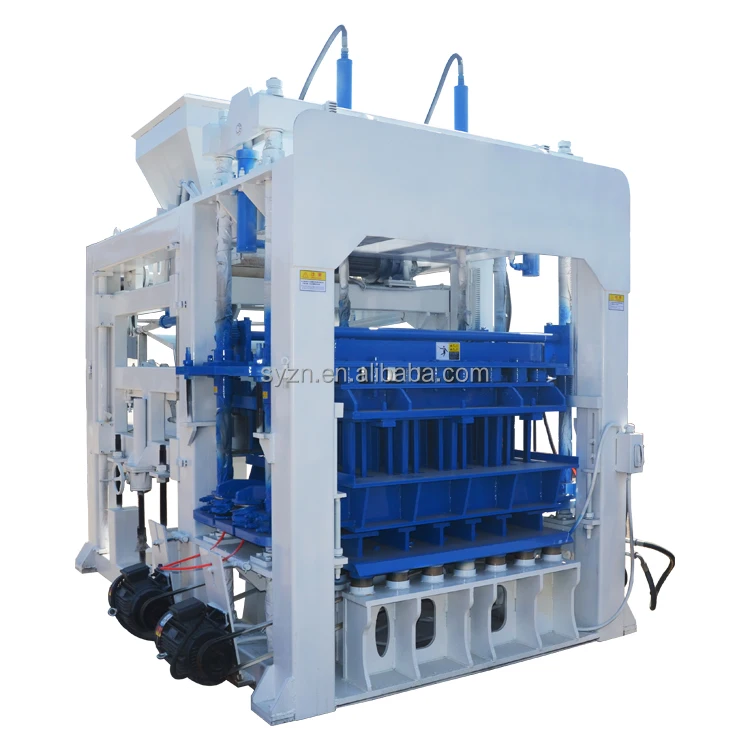
| Mould Change System | Mould box locked to vibration table via mould-releasing oil cylinder for synchronous vibration |
| Automation Level | Full automatic |
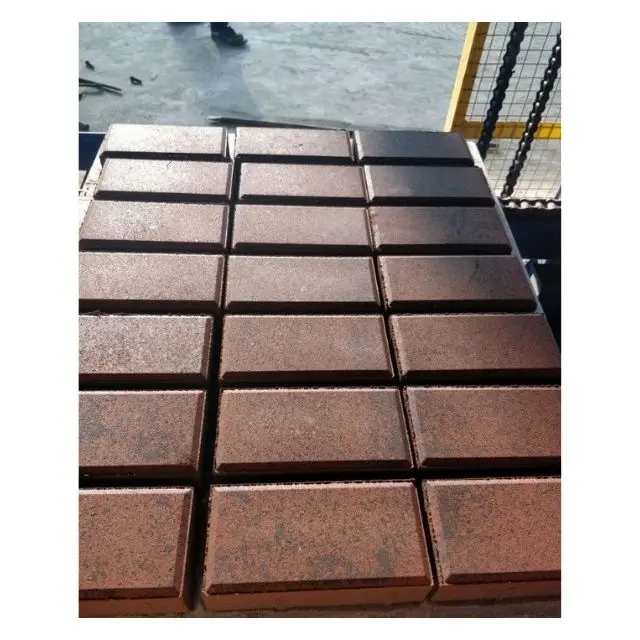
| Colour Paver Capability | Optional face-colour material feeding device |
| Raw Materials | Crushed stone, sand, cement, dust, fly ash, gravel, slag and other industrial waste |
Application Suitability
| Application | Material or Output |
|---|---|
| Hollow block production for residential and commercial masonry | Crushed stone, sand, cement and fly ash blends; 400 × 200 × 200 mm format |
| Porous block manufacturing for infill and partition walls | Lightweight aggregate mixes; 240 × 115 × 90 mm format |
| Standard solid block for load-bearing and foundation work | Dense aggregate and cement; 240 × 115 × 53 mm format |
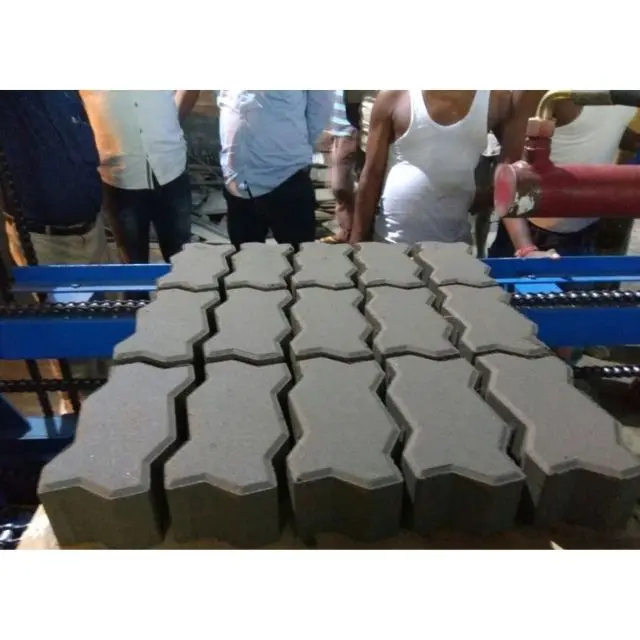
| Paving block and coloured paver production for hardscape projects | High-strength mix with optional face-colour feed device |
| Interlocking block and kerbstone for infrastructure and landscaping | Custom mould on 850 × 680 mm pallet, matched to project profile |
| On-site production by contractors for housing and development projects | Locally sourced aggregate, site-batched mix, single-machine format flexibility |
Why "Cycles per Hour" Tells You Almost Nothing About Your Real Output
The only capacity figure that matters is daily output stated for the exact block format you sell.
A machine quoted at a single headline speed hides the reality that a 400 × 200 × 200 mm hollow block and a 240 × 115 × 53 mm solid block demand very different cycle times, mould counts and vibration profiles. Buyers who sign off on a generic cycles-per-hour number regularly find their actual daily production sitting well below expectation once the first week of real production begins [NEED_CITE: common causes of block plant output shortfall]. That gap is almost never the machine’s fault in isolation — it is the result of a specification that never named the format behind the number. The QT6-15 automatic block machine specifications page you are reading exists to close that gap before the purchase order is signed.
Honest Capacity Stated Per Block Format, Not Per Catalogue
Every output figure on this page names the block dimension, the number of pieces per mould and the cycle time range that produced it. The QT6-15 automatic block machine delivers 8,640 hollow blocks per day on a 400 × 200 × 200 mm format at six pieces per mould, 22,400 porous blocks on a 240 × 115 × 90 mm format at fourteen per mould, and 54,400 standard solid blocks on a 240 × 115 × 53 mm format at thirty per mould. Those numbers are not interchangeable, and neither are the mix designs behind them.
Matching the Press to the Mould and the Mould to the Market
The 850 × 680 mm pallet is the physical constraint that governs every format this machine can run. Mould designs must fit that footprint, and the curing rack layout at your plant must accept it. Before the line is finalised, the pallet size is cross-checked against the forklift you already operate and the curing area you have allocated, because a mismatch discovered after arrival costs far more than a conversation costs before shipment [NEED_CITE: pallet handling and curing area integration in block plants].
What Hydraulic Pressure and Vibration Actually Do to Your Block
Hydraulic pressure in the 16–21 MPa range and platform vibration must work together, not independently. Pressure compacts the mix while vibration settles the aggregate into voids; if either is mis-matched to your local stone and sand, blocks leave the mould with internal fractures or surface spalling. The mould box on the QT6-15 locks to the vibration table via a mould-releasing oil cylinder so that vibration energy transfers directly into the mix rather than dissipating through the frame. The 15–20 second cycle is achievable only when the mix design and the pressure-vibration balance have been verified against your specific aggregate. A 31.25 kW rated power supports sustained operation across that cycle range without the motor loading peaking during the vibration phase.
The Hidden Cost of Skipping the Aggregate Conversation
When a QT6-15 automatic block machine is configured for a standard river-sand mix but the buyer’s local supply is volcanic aggregate or crushed limestone, the vibration force and hydraulic pressure no longer suit the material. Blocks crack on release, the rejection rate climbs and the operator slows the cycle to compensate — quietly erasing the output the quotation promised. This is not a warranty issue; it is a specification gap that could have been closed with a sample and a week of mix adjustment before production started.
Why Sizing the Machine Here Reduces Risk After Arrival
Block machinery is the single focus of the company behind the QT6-15, which means the press, the mould, the pallet and the handling equipment are specified as one matched system rather than sourced from separate suppliers and assembled on site. Every configuration is set against the buyer’s actual mix design, local aggregate and target block format — not a catalogue default. Mould design covers the formats the buyer’s market actually sells, including custom drawings when a project demands a non-standard profile. Automation level is selectable, so a buyer can begin with semi-automatic operation and add stacking and cubing later as volume grows. Installation support includes operator training so that the crew running the machine on day one understands cycle adjustment, mould change and routine maintenance [NEED_CITE: block machine installation and operator training practices].
Documentation & Verification
- Line layout with capacity calculation naming the block format behind each output figure
- Machine specification sheet confirming hydraulic pressure, vibration form and pallet size
- Mould drawing and format list for every profile included in the order
- Voltage, frequency and PLC display language confirmed in writing before production
- Factory test record on the buyer’s target block format before dispatch
- Wear parts and mould list with first replacement availability stated
Installation, Commissioning & Support
- Foundation must support 8500 kg net weight across the 7100 × 1500 mm footprint
- Dedicated power circuit required for 31.25 kW rated load at confirmed voltage and frequency
- Machine shipped in dismantled state; reassembly and alignment completed on site
- PLC language and malfunction diagnosis configured before first production run
- Operator training covers cycle adjustment, mould change via oil cylinder and daily checks
- Wear parts list provided with reorder guidance for the first replacement cycle
What to Share Before Requesting a Quotation
Send the block format or formats that represent the majority of your sales volume, along with your target daily output for each. Include a sample or description of your local aggregate — crushed stone type, sand source and any industrial waste such as fly ash you plan to use — so the mix design can be matched before configuration begins. Confirm your site voltage and frequency, the language you need on the PLC display and the dimensions of your existing curing area and forklift capacity so the 850 × 680 mm pallet integrates without modification.
Frequently Asked Questions
Q: How do I verify the real daily output of the QT6-15 for my specific block format?
A: Each output figure on this page states the block dimension, mould count per cycle and cycle time range behind it. For formats not listed, request a capacity calculation that names your exact block size and the mix design you will run, so the figure reflects your production reality rather than a catalogue default.
Q: Which mould formats are available for the 850 × 680 mm pallet and how long does a change take?
A: The pallet accepts hollow, solid, porous, paving, interlocking and kerbstone profiles within its footprint. The mould box locks to the vibration table via an oil cylinder, and the change procedure is designed to be completed within a single shift break rather than consuming the entire shift.
Q: How is the machine configured around my local aggregate and target block strength?
A: Configuration starts with your aggregate sample and target compressive strength. Hydraulic pressure and vibration force are adjusted to suit that specific mix, and a factory test on your target format is conducted before dispatch to confirm block density and surface quality.
Q: What voltage and PLC language options are confirmed before shipment?
A: Voltage and frequency are set to your local standard and confirmed in writing before production. The PLC display language is agreed at the same stage, and both are documented in the electrical schematic so commissioning is not delayed when the machine arrives.
Q: How must pallet size be matched to my curing racks and site forklift?
A: The 850 × 680 mm pallet governs curing rack spacing and forklift tine width. Both are cross-checked against your existing equipment before the line is finalised, ensuring the pallet moves from press to curing area to dispatch without manual adaptation or handling damage.