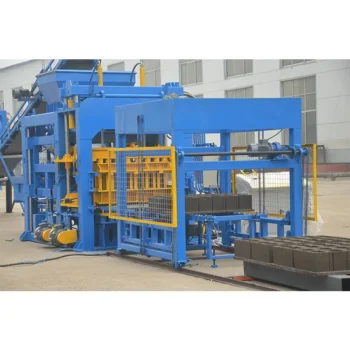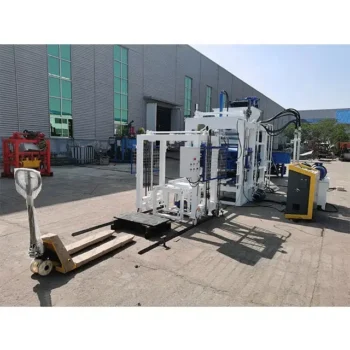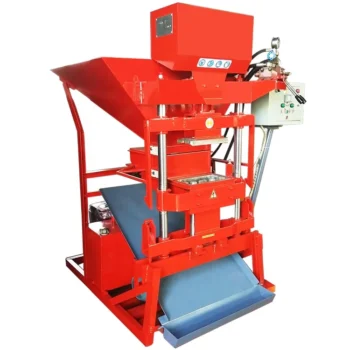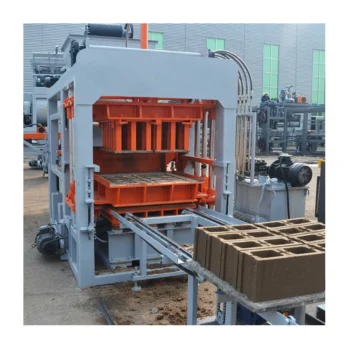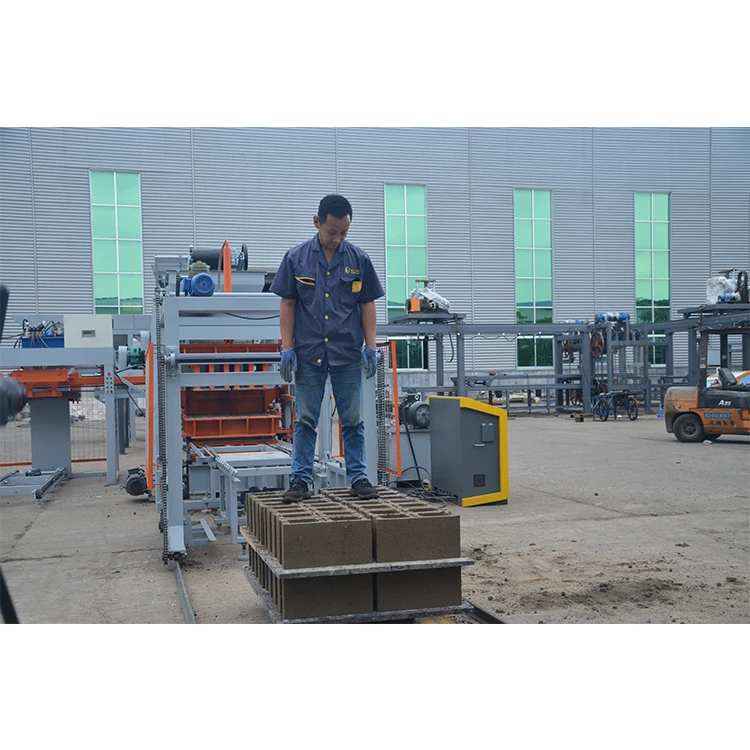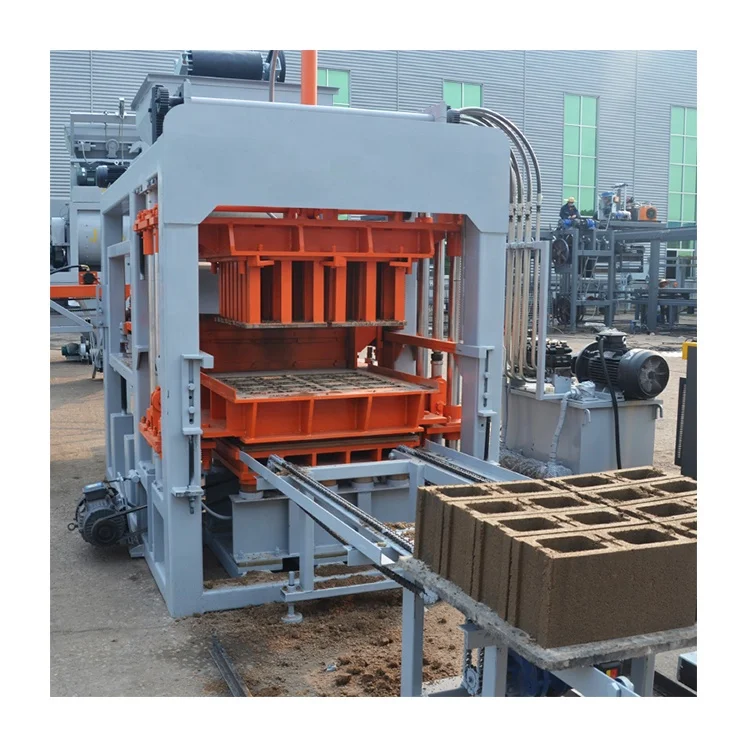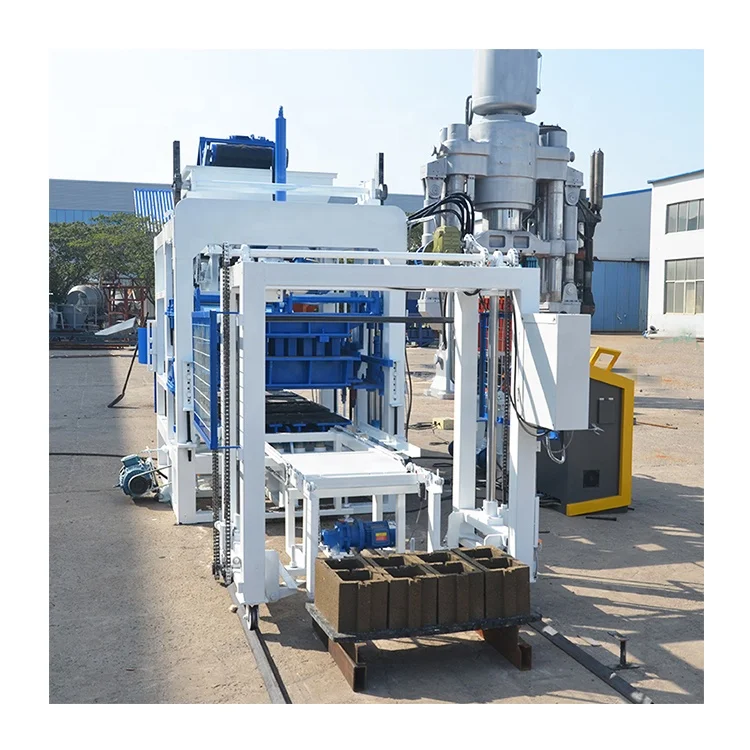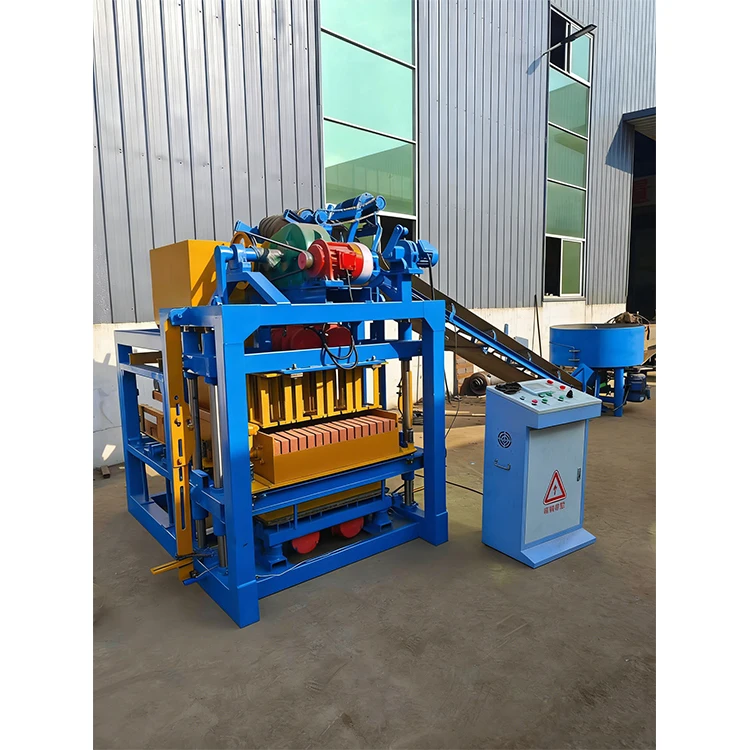

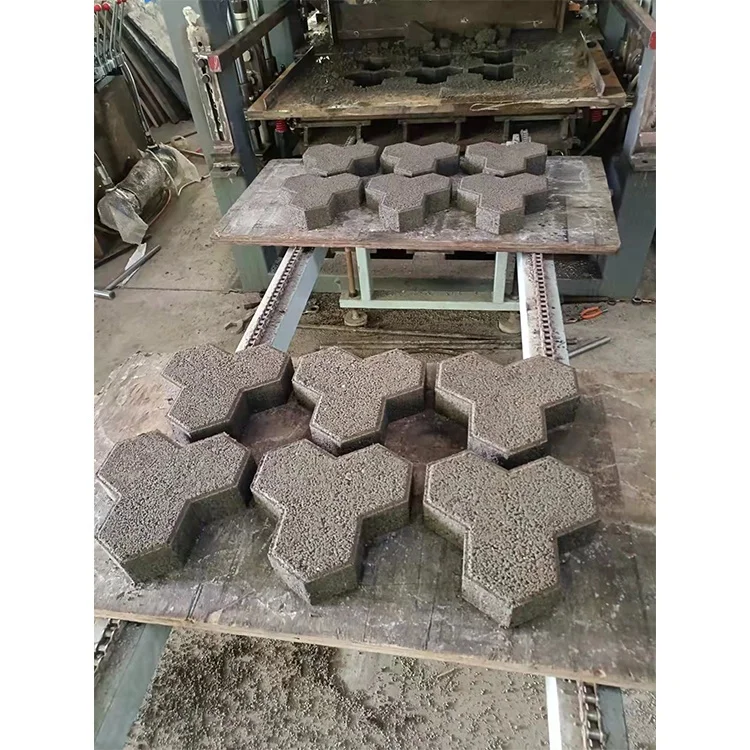
Description
Honest capacity by format — every output figure for the QT5-15 is tied to a specific block size and mould count, so your daily plan matches the machine’s actual behaviour on your site.
Technical Specifications
| Parameter | Value |
|---|---|
| Model | QT5-15 |
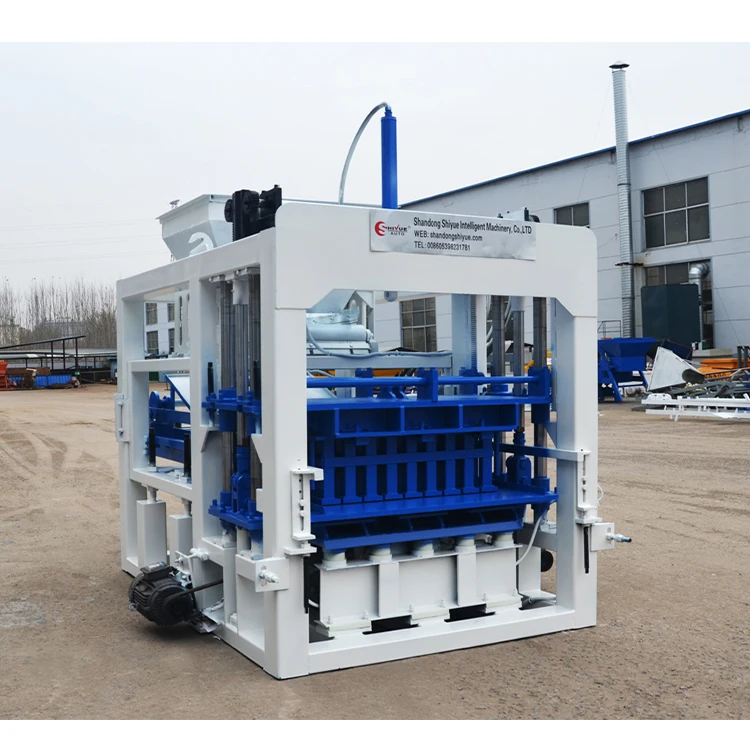
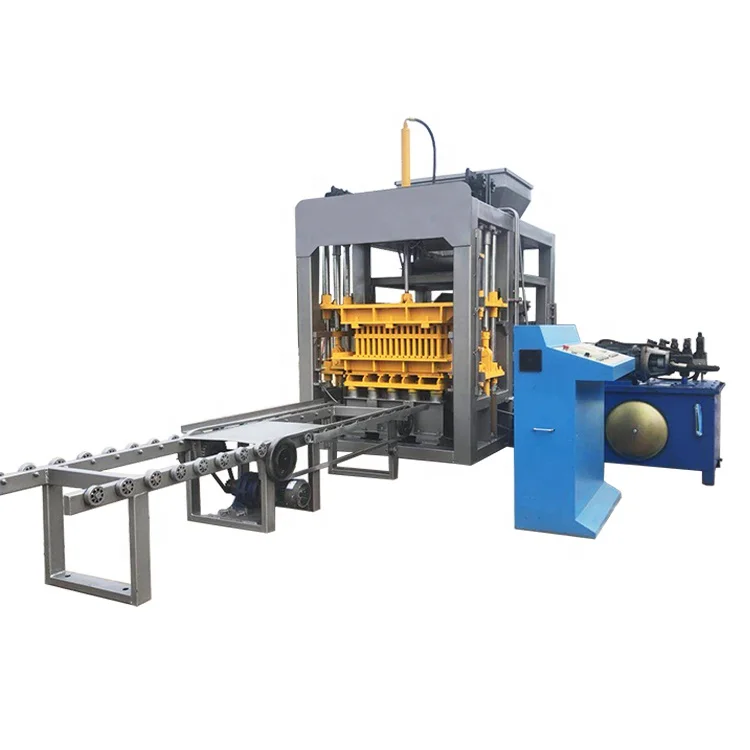
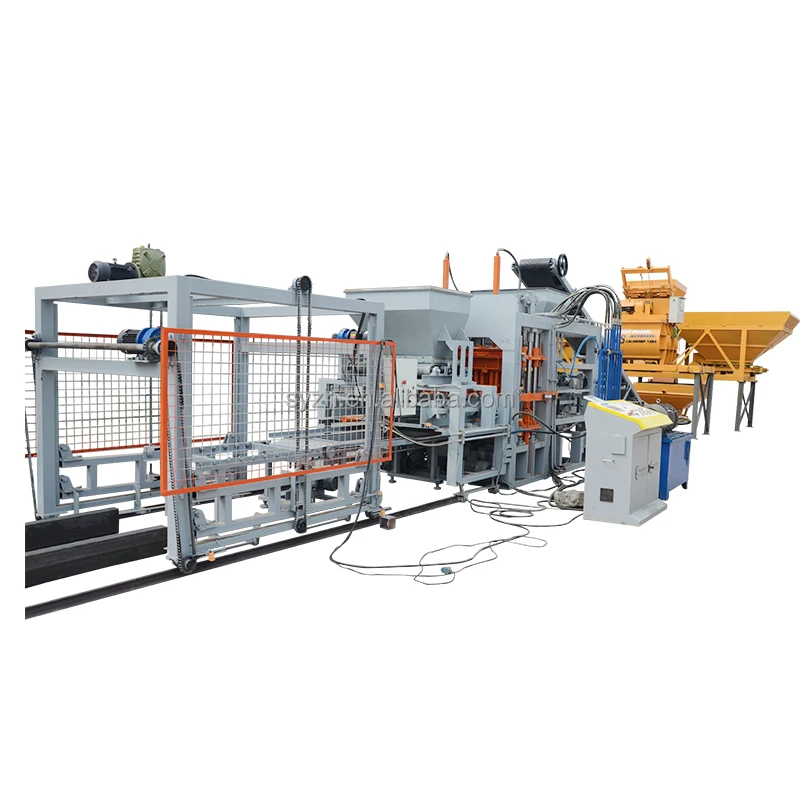
| Product Type | Automatic Interlocking Brick Making Machine |
| Overall Dimensions | 7400×1950×2800 mm |
| Total Mass | 5000 kg |
| Overall Power | 32 kW |
| Vibration Form | Platform Vibration |
| Vibration Frequency | 0–60 Hz |
| Vibration Force | 80 kN |
| Moulding Mode | Automatic loading with vibration moulding |
| Demolding Method | Hydraulic |
| Pallet Size | 1100×550 mm |
| Molding Cycle | 15–20 s (basis not stated in source — confirm block format / material / thickness) |
| Control System | PLC with touch screen, remote fault diagnosis capable |
| Hydraulic System | Independent integrated hydraulic station |
| Raw Material Compatibility | Fly ash (up to 70%), slag, gangue, sand, crushed stone, cement, water |
| Compressive Strength of Output | ≥15 MPa |
| Recommended Factory Area | 1000 m² |
| Output Capacity — Hollow Block 400×200×200 mm | 900–1200 pcs/h, 5 pcs/mould, 15–20 s cycle |
| Output Capacity — Hollow Block 400×150×200 mm | 1080–1440 pcs/h, 6 pcs/mould, 15–20 s cycle |
| Output Capacity — Solid Brick 240×115×53 mm | 5760–7680 pcs/h, 32 pcs/mould, 15–20 s cycle |
| Output Capacity — Rectangular Paver 200×100×60 mm | 3600–4500 pcs/h, 25 pcs/mould, 20–25 s cycle |
| Output Capacity — Zigzag Paver 225×112.5×60 mm | 2304–2880 pcs/h, 16 pcs/mould, 20–25 s cycle |
| Voltage & Frequency | To be confirmed before order |
| Warranty | 1 year (excluding spare parts) |
Application Suitability
| Application | Material or Output |
|---|---|
| Interlocking and zigzag paver production for roads and walkways | Sand, crushed stone, cement with zigzag and interlocking moulds |
| Rectangular paving brick production for landscaping | Fly ash, slag, sand blends with rectangular paver moulds |
| Hollow concrete block for masonry walls | Crushed stone, gangue, cement with hollow block moulds |
| Solid brick for building structures | Fly ash (up to 70%), sand, cement with solid brick moulds |
| Medium-scale plants running multiple formats from one press | Mould change across hollow, solid, and paver formats |
What "15–20 Second Cycle" Actually Means for Your Output
A cycle time only matters when you know exactly which block format it was measured on.
I have watched a site in West Africa lose an entire shift because the quoted cycle assumed a thin solid brick while the plant was running 60 mm interlocking pavers. The vibration table needed longer to compact the denser mix, and the hydraulic demoulding dragged on high-clay local aggregate. The QT5-15 interlocking brick making machine specifications here list cycle ranges per format — 15–20 seconds for hollow blocks and solid bricks, 20–25 seconds for rectangular and zigzag pavers — so you can plan your curing rack turnover against the product you actually sell [NEED_CITE: block format influence on vibration cycle time].
Matching Vibration Force to Your Local Mix
Platform vibration at 0–60 Hz with 80 kN of force is the shaping core of this press. On a clean crushed-stone mix, the standard frequency range compacts well. When your local sand carries high clay content or you run a fly-ash-heavy blend above 50%, the vibration profile must be adjusted so the block releases cleanly from the mould. The QT5-15 interlocking brick making machine specifications include an adjustable frequency band precisely for this reason — the PLC lets the operator store different vibration curves for different material batches, keeping block density consistent across the pallet.
Pallet Size and Curing Area Alignment
The 1100×550 mm pallet governs how many blocks sit on each board and how those boards move through your curing area. If your existing forklift tines and curing rack slots were set up for a different pallet dimension, every board will need manual repositioning. Confirming pallet size against your site layout before the machine ships avoids a bottleneck that no amount of press speed can fix [NEED_CITE: pallet handling compatibility in block plants].
How Hydraulic Pressure and Vibration Work Together
The independent integrated hydraulic station drives both the mould clamping and the demoulding stroke. Hydraulic pressure holds the mould box tight against the vibration table so energy transfers into the mix instead of dissipating through frame movement. For a 60 mm zigzag paver, the press needs enough clamping force to resist 80 kN of vibration without mould lift, and enough demoulding travel to extract the interlocking lugs without edge spalling. The QT5-15 interlocking brick making machine specifications list hydraulic demolding as standard, which keeps block thickness uniform across the full pallet area and reduces rejects from uneven compaction.
The Cost of Skipping Format-Level Capacity Checks
When a quotation states a single hourly output without naming the block format, the buyer typically discovers the gap during the first production week. Pavers take longer to compact than hollow blocks, so a number quoted on hollow blocks overstates paver capacity by a wide margin. The curing racks fill slower, the pallets circulate fewer times per shift, and the daily output falls well short of the business plan. This is not a machine fault — it is a specification gap that could have been caught before the order was placed [NEED_CITE: capacity verification methods in block machinery procurement].
Why Buyers Specify Here Before Ordering
Block machinery is the only product line, so the press, mould, pallet, and handling equipment are matched as one system rather than assembled from separate suppliers. The QT5-15 is configured against your actual mix design and target block format, not a catalogue default. Mould drawings are produced for the formats your market sells, including custom profiles if your project requires a non-standard interlocking shape. Automation level is selectable — a buyer can begin with semi-automatic pallet handling and add automatic stacking later as volume grows. Installation support includes operator training on mould change procedure and PLC parameter adjustment for different materials.
Documentation & Verification
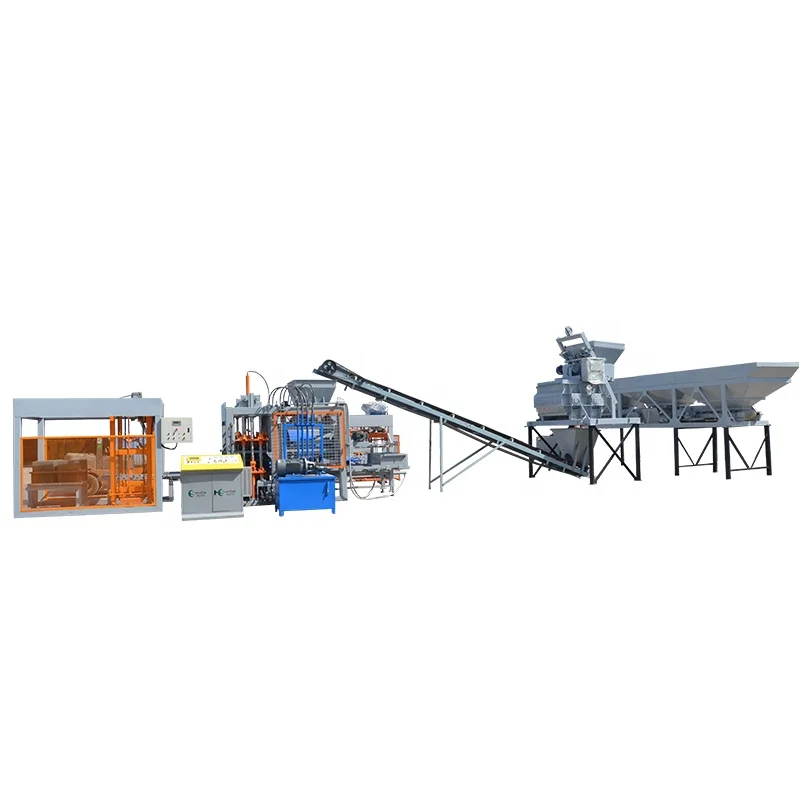
- Line layout drawing showing pallet flow from press through curing rack to stacking area
- Capacity calculation sheet stating the exact block format behind each output figure
- Mould drawing and format list confirming included and optional block sizes
- Pallet specification matched to your curing rack spacing and forklift capacity
- Voltage, frequency, and PLC display language confirmed in writing before production
Installation, Commissioning & Support
- Foundation must support 5000 kg static mass plus dynamic vibration loads across the 7400 mm frame length
- 32 kW total power requires a dedicated circuit with correct voltage and frequency confirmed before wiring
- Main press ships pre-assembled; pallet feeder, hopper, conveyor, and hydraulic unit connect on site
- PLC touch screen configured to your preferred language before dispatch for immediate parameter access
- Mould change training covers hydraulic clamp release, alignment pins, and cycle reset per format
- Wear parts list identifies hydraulic seals and vibration table bearings for local sourcing planning
Sizing the QT5-15 to Your Project
Tell us which block formats you sell today and which you plan to add, along with your local aggregate type and any fly ash or slag availability. Share your existing pallet dimensions, curing rack layout, and site voltage so the configuration matches your handling system from day one. If your project has a fixed deadline, state the required daily output per format so the capacity calculation reflects your actual production target.
Frequently Asked Questions
Q: How is capacity verified per block format, and what mould change time should I plan for?
A: Each output figure is calculated against a named block size, mould cavity count, and cycle range — for example, 2304–2880 zigzag pavers per hour at 16 cavities and a 20–25 second cycle. Mould change time depends on the clamp system and operator familiarity; plan for a full format swap during a scheduled break rather than mid-shift until your team has repeated the procedure several times.
Q: Can the QT5-15 run my local aggregate and fly ash mix?
A: The press accepts fly ash content up to 70% alongside slag, gangue, sand, and crushed stone. Vibration frequency and hydraulic pressure are adjusted through the PLC to match your specific mix density. We review your material sample data before finalising the vibration curve so the block reaches ≥15 MPa compressive strength on your actual raw materials.
Q: What pallet size does this machine use, and how do I confirm it fits my site?
A: The standard pallet is 1100×550 mm. Before shipment we cross-check this against your curing rack slot width, forklift tine spacing, and stacking area dimensions. If your existing handling system was built around a different pallet size, we discuss options early so the press output aligns with your downstream equipment.
Q: Which block formats can I produce on the same press?
A: The QT5-15 supports hollow blocks, solid bricks, rectangular pavers, and zigzag interlocking pavers through mould changes. Each format has its own cycle range and cavity count, so realistic daily output varies. The format list in your quotation specifies which moulds are included and which are available as additional tooling.
Q: What voltage, frequency, and PLC language options are available?
A: Voltage and frequency are confirmed in writing before production begins to match your site supply. The PLC touch screen can be set to your preferred display language so operators can adjust parameters and read fault diagnostics without translation delays. This confirmation step is part of the standard order process.