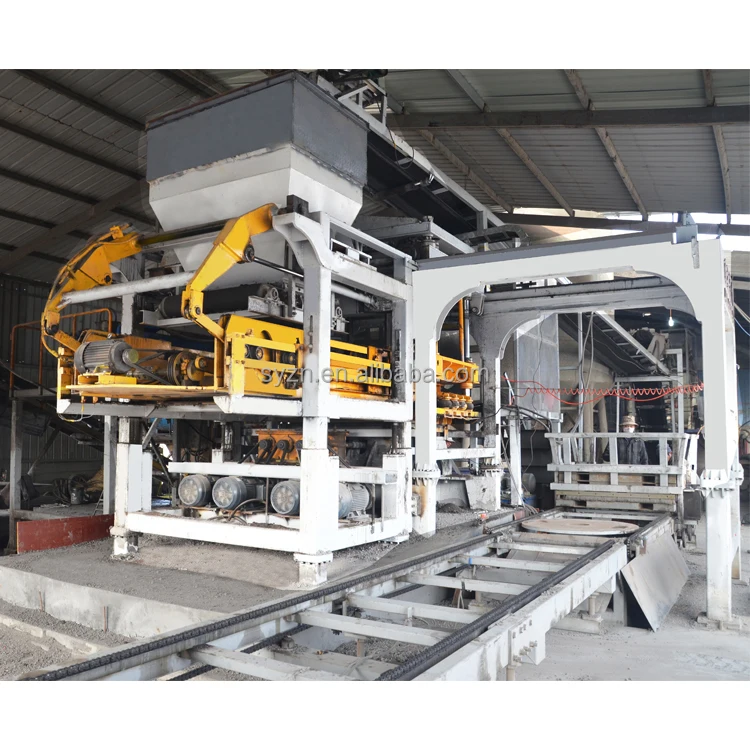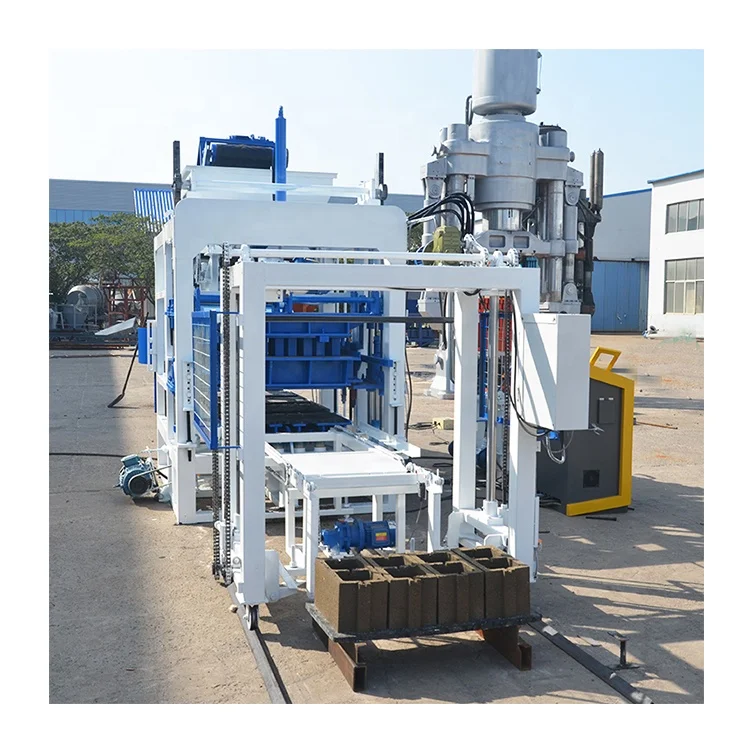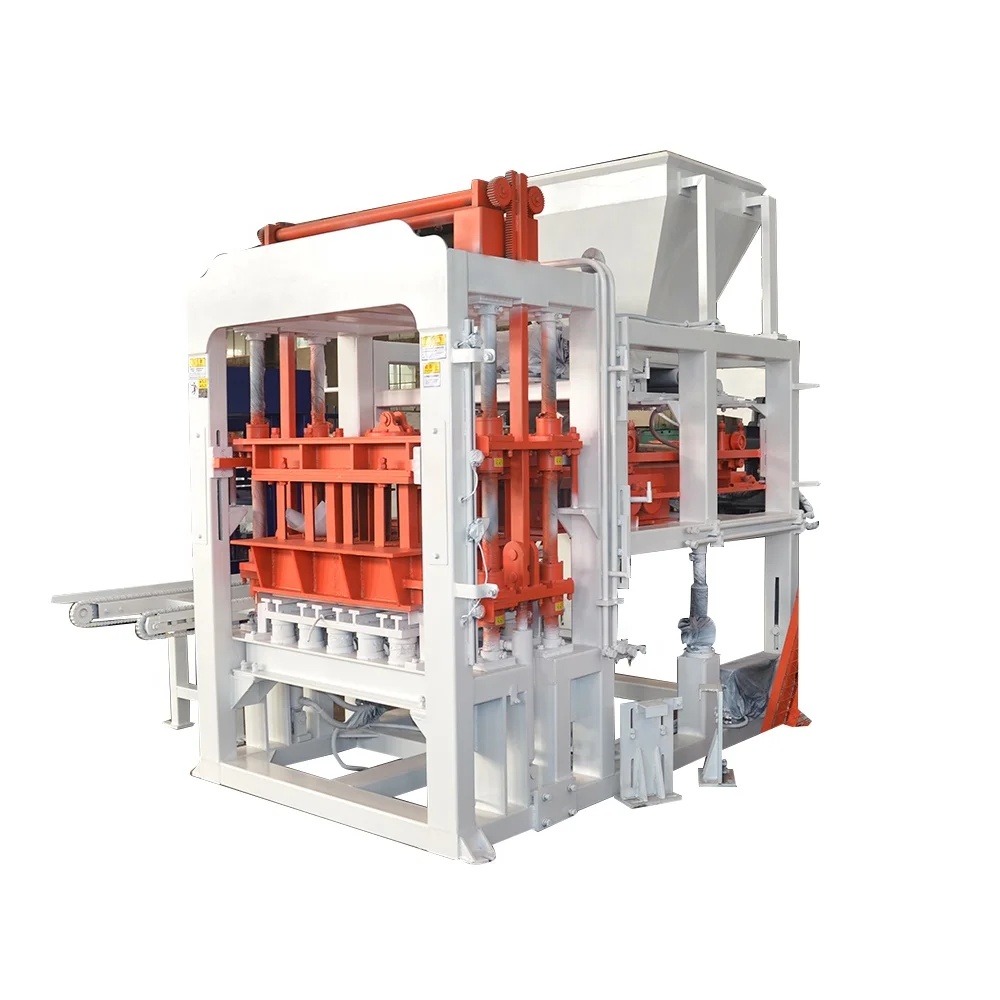
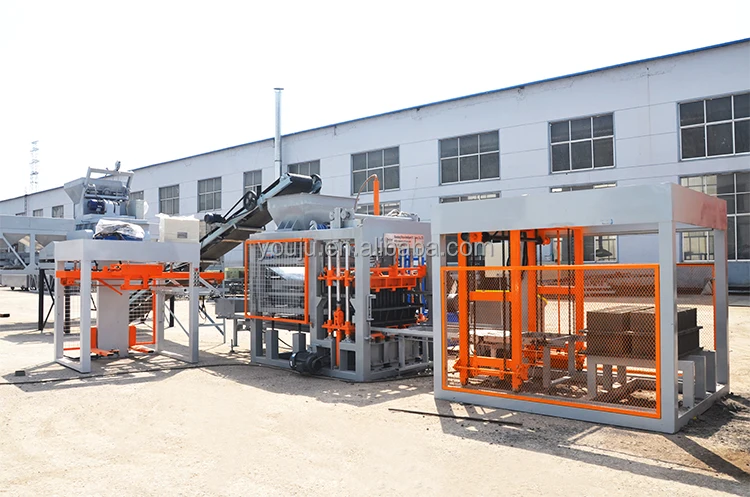
Description
Format-Specific Output Verification — every capacity figure on this page is tied to a named block dimension and mould cavity count, so the daily total you plan against is the daily total you actually produce.
Technical Specifications
| Parameter | Value |
|---|---|
| Model | QT5-15 |
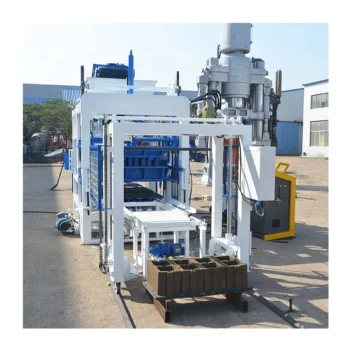
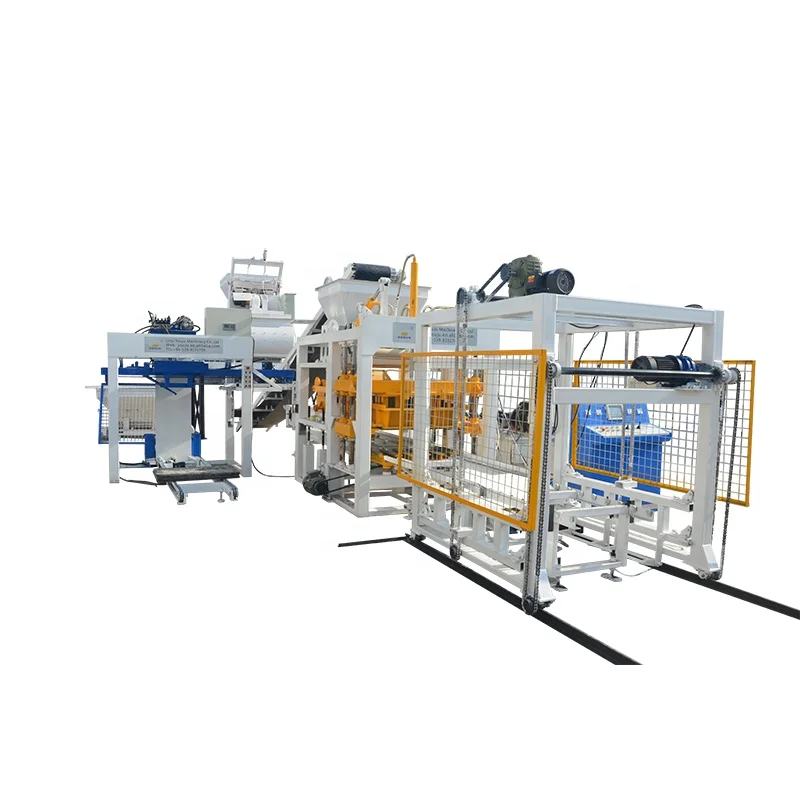
| Product Type | Hydraulic Pressure Concrete Block Making Machine |
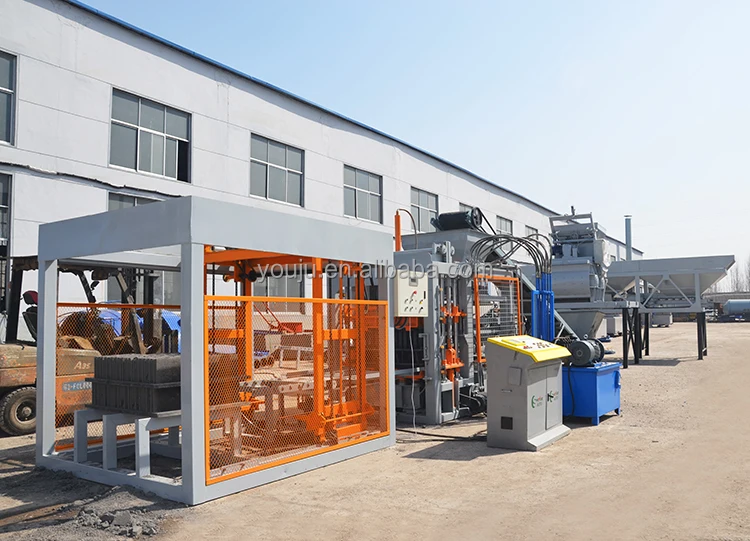
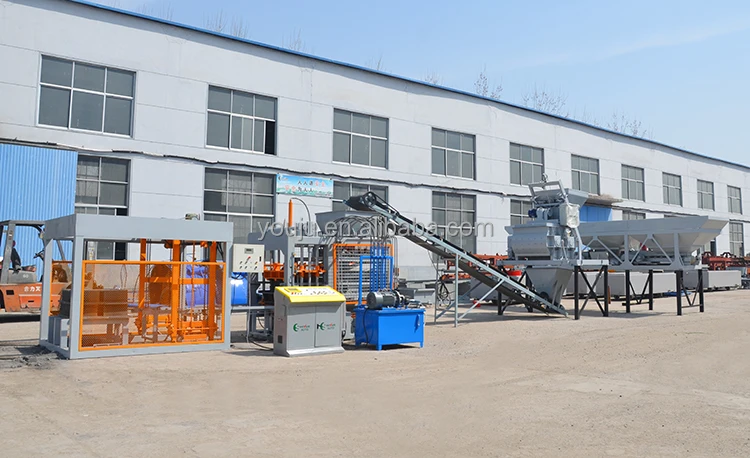
| Overall Dimensions (L×W×H) | 7400 × 1950 × 2800 mm |
| Rated Pressure | 21 MPa |
| Main Vibration Form | Hydraulic platform vibration |
| Cycle Time | 15–20 seconds |
| Vibrating Frequency | 2800–4500 rolls/minute |
| Motors Power | 26.5 kW |
| Pallet Size | 1100 × 550 mm |
| Weight | 6 T |
| Voltage | Configurable to buyer’s site supply (basis to be confirmed) |
| Control System | PLC with fault diagnosis and long-distance controlling system |
| Storage and Distribution System | Particular storage and description material system for feeding accuracy |
| Synchronization Vibration | Frequency adjustable (low frequency feeding, high frequency vibration) |
| Output — 240×115×90 mm standard brick | 23,040–28,800 pcs/8h (16 pcs/mould) |
| Output — 400×115×53 mm brick | 61,440–70,400 pcs/8h (32 pcs/mould) |
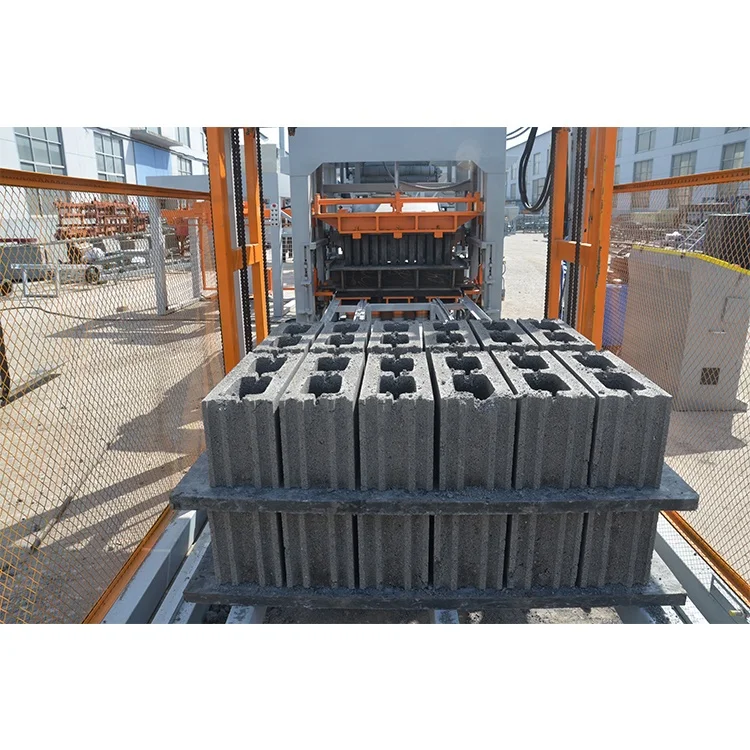
| Output — 400×200×200 mm hollow block | 7,200–9,600 pcs/8h (5 pcs/mould) |
| Standards | CE |
Application Suitability
| Application | Material or Output |
|---|---|
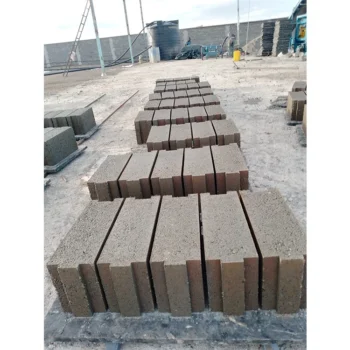
| Hollow block production | 400×200×200 mm blocks from crushed stone, sand and cement |
| Standard brick production | 240×115×90 mm solid bricks from local aggregate and cement |
| Multicellular brick production | 400×115×53 mm perforated bricks for wall infill |
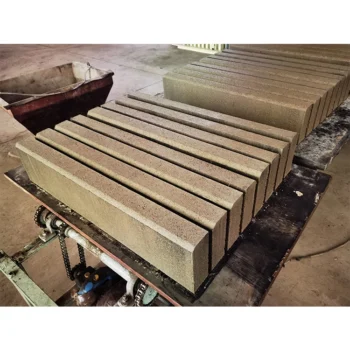
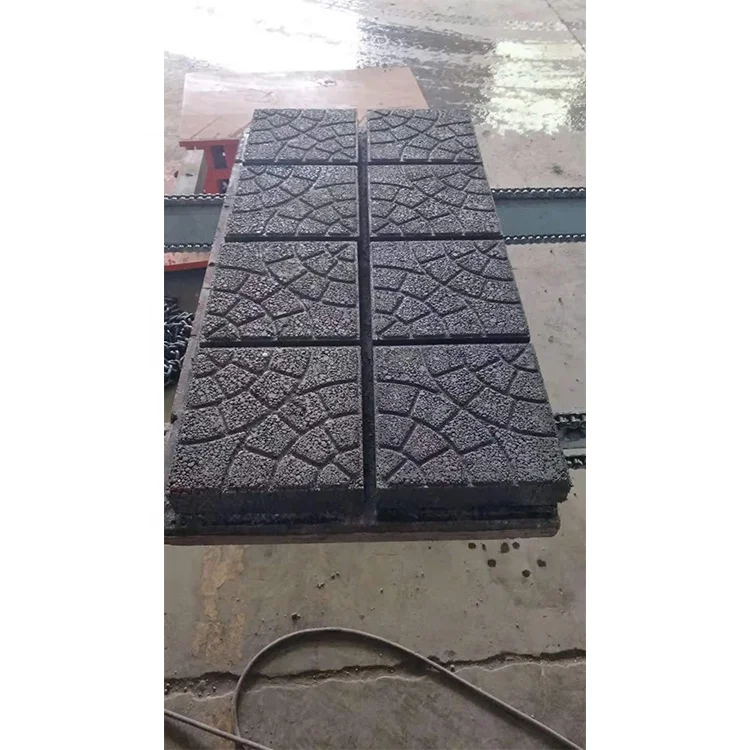
| Paving brick production | Interlocking or rectangular pavers from graded aggregate |
Why the Block Format Must Come Before the Machine Choice
A cycle time of 15–20 seconds only translates to a meaningful daily output once the mould cavity count and block dimensions are fixed.
Too many quotations list a single headline number like "28,800 pieces per shift" without stating which block format that figure assumes. When the buyer’s actual product turns out to be a 400×200×200 mm hollow block with five cavities per mould instead of sixteen, real output drops to a fraction of the quoted figure. I have watched project timelines slip because the plant was sized against a standard brick capacity that the market never intended to buy [NEED_CITE: common capacity misalignment in block plant feasibility studies]. The QT5-15 concrete block making machine specifications on this page list three separate output lines, each tied to a specific format and cavity count, so the number you plan your contract around is the number the line actually delivers.
Matching Vibration to Your Mix and Block Format
The hydraulic platform vibration on the QT5-15 concrete block making machine specifications covers a frequency band from 2800 to 4500 rolls per minute, adjustable through the PLC. Lower frequencies suit open-graded mixes with larger aggregate, letting the material settle into deep mould cavities before high-frequency compaction locks it in place. Higher frequencies work better with fine sand and cement-rich mixes where rapid consolidation is needed to achieve target density. Getting this wrong means either under-compacted blocks that fail strength tests or over-vibrated faces that show segregation marks.
Pallet Size and the Curing Area You Already Have
The 1100 × 550 mm pallet is the interface between the press and everything downstream. Before confirming the order, the buyer needs to verify that existing curing rack slots, forklift tine spacing and stacking height all accept this pallet dimension. A mismatch here does not stop production, but it forces manual re-handling that erases the labour savings the automation was supposed to deliver [NEED_CITE: pallet handling bottlenecks in block plant operations].
What the Pressure and Cycle Time Numbers Actually Mean
The 21 MPa rated pressure works together with the adjustable vibration to determine the green density of every block leaving the mould. Higher pressure alone will not compensate for insufficient vibration in a stiff, low-slump mix; the aggregate particles need the shaking energy to rearrange before the hydraulic head finishes compaction. The 15–20 second cycle time range reflects this balance — shorter cycles at the lower end apply to thin solid bricks where compaction depth is small, while the upper end covers tall hollow blocks that require a longer low-frequency feed phase before the high-frequency burst. The PLC records cycle counts and can flag deviations, giving the operator an early signal that mix moisture or aggregate grading has drifted.
The Hidden Cost of Skipping Format Confirmation
When the block format is assumed rather than confirmed, the consequences cascade. The mould arrives, but the curing racks built for a different pallet size sit half-empty. The batching plant is calibrated for a mix proportion that produces the right strength in a 240×115×90 mm brick but leaves 400×200×200 mm hollow blocks under-strength because the vibration energy could not penetrate the taller cavity depth [NEED_CITE: block strength variation across formats on a single mix design]. Resolving these issues on site costs weeks of trial runs and wasted raw material that no quotation line item covers.
Why Procurement Starts with the Product, Not the Press
Block machinery is our single focus, which means the QT5-15 is specified as one matched system — press, mould, pallet and handling — rather than assembled from separate suppliers who each optimise for their own component. Configuration is set against the buyer’s actual mix design and local aggregate, not pulled from a catalogue default. Mould design covers the formats the buyer’s market actually sells, including custom drawings when the local standard differs from common export dimensions. Automation level is selectable, so a buyer can commission the line semi-automatic and add stacking or cubing stations later without replacing the press. Installation includes operator training on the PLC fault diagnosis routines so the first shift runs without the supplier on the phone.
Documentation & Verification
- Line layout with capacity calculation stated per block format and mould cavity count
- Mould drawing and format list confirming dimensions for each quoted output line
- Pallet specification sheet matched to curing rack and forklift dimensions
- Hydraulic and electrical schematic with voltage and control language confirmed before build
- Factory test record demonstrating cycle time on buyer’s specified block format
Installation, Commissioning & Support
- Foundation plan drawn to the 7400 × 1950 mm footprint and 6 T operating weight
- Dedicated power circuit sized for the 26.5 kW motor load at buyer’s confirmed voltage and frequency
- PLC display language and fault codes set to operator’s preferred language before dispatch
- First-run parameter tuning with buyer’s actual aggregate and cement proportion
- Mould change procedure training covering format switch within a single shift
- Wear parts and mould inventory list supplied with recommended reorder intervals
Before You Request a Quotation
Share the exact block dimensions your market buys, the target daily output for that format, and the local aggregate type you intend to use. Confirm your site voltage, frequency and the control language your operators read. If you already have curing racks or forklifts, send their dimensions so the pallet specification can be cross-checked before the line is built.
Frequently Asked Questions
Q: How is the 23,040–28,800 pcs/8h capacity calculated and what block format does it assume?
A: That figure applies specifically to 240×115×90 mm standard solid bricks with 16 cavities per mould. The calculation multiplies the mould cavity count by the number of cycles achievable in an eight-hour shift at the stated 15–20 second cycle range. For any other block format, refer to the separate output lines in the specification table.
Q: What is the actual cycle time for 400×200×200 mm hollow blocks versus 240×115×90 mm solid bricks?
A: Hollow blocks sit at the longer end of the 15–20 second range because the taller cavity requires a low-frequency feed phase before high-frequency compaction. Solid bricks compact faster due to shallower mould depth. The PLC logs each cycle, so operators can track real times rather than relying on catalogue averages.
Q: How do I verify the 1100×550 mm pallet works with my existing curing area and forklift?
A: Measure your curing rack slot width and depth, and confirm forklift tine spacing and maximum lift height. Share these dimensions before order confirmation so the pallet specification can be validated or adjusted. A mismatch here forces manual re-handling downstream.
Q: How does vibration frequency adjustment affect block strength with different local aggregates?
A: Coarse, open-graded aggregate needs lower frequency to let particles settle before compaction. Fine sand and cement-rich mixes respond better to higher frequency for rapid consolidation. The adjustable 2800–4500 rolls/minute range on the QT5-15 concrete block making machine specifications lets the operator tune vibration to the actual mix rather than running a fixed setting that may under- or over-compact.
Q: What mould change time should I expect when switching between block formats?
A: Mould change involves releasing the clamp bolts, lifting the old mould with the overhead hoist, positioning the new mould and re-aligning the feed shoe. For a trained operator this typically fits within a single shift, but the exact time depends on mould weight and the quick-release hardware fitted. Confirm the change procedure during commissioning training.