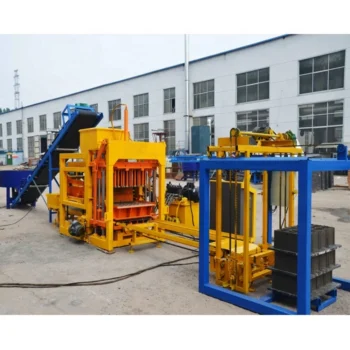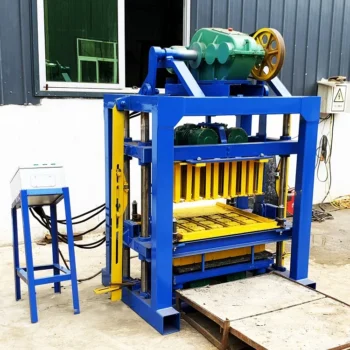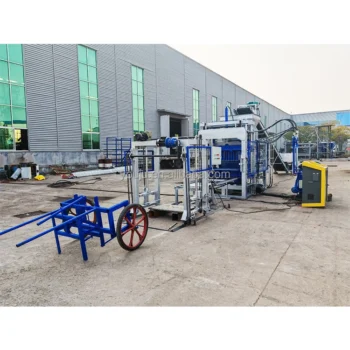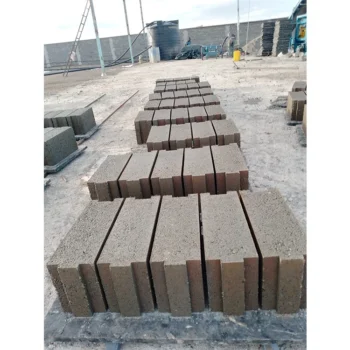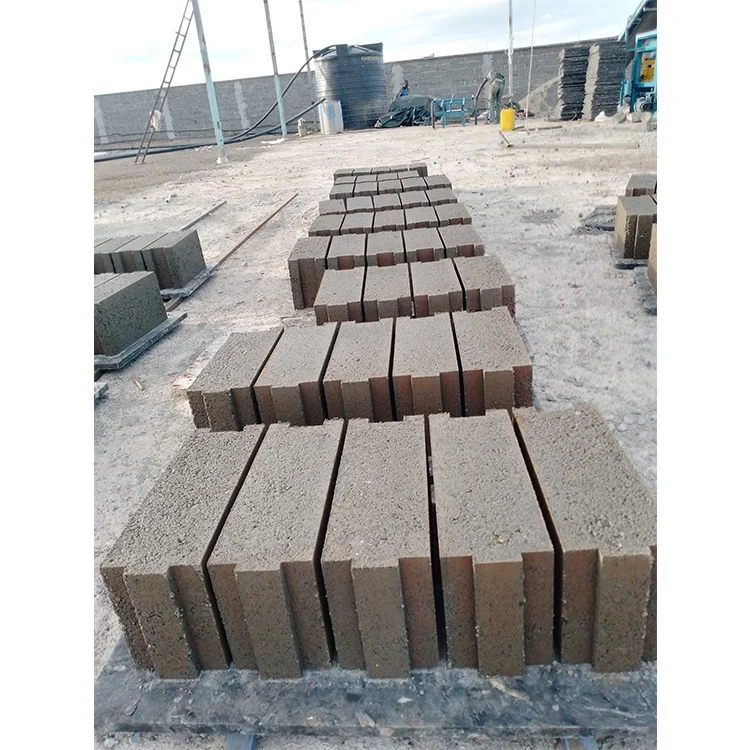
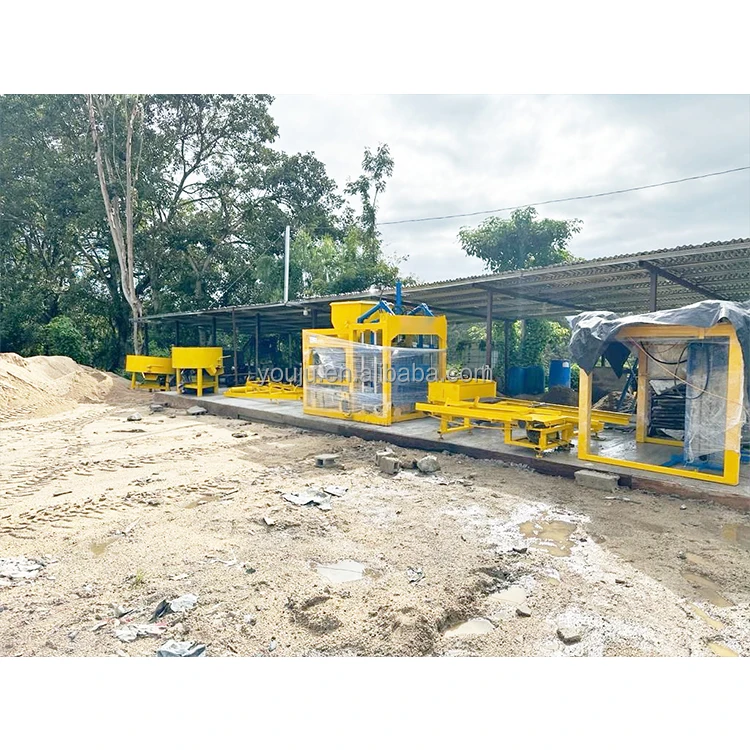
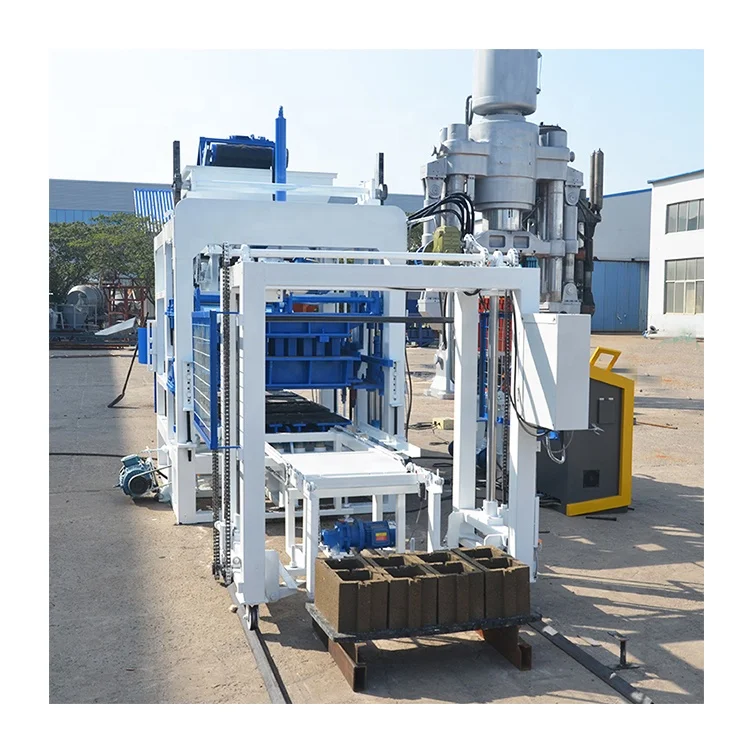
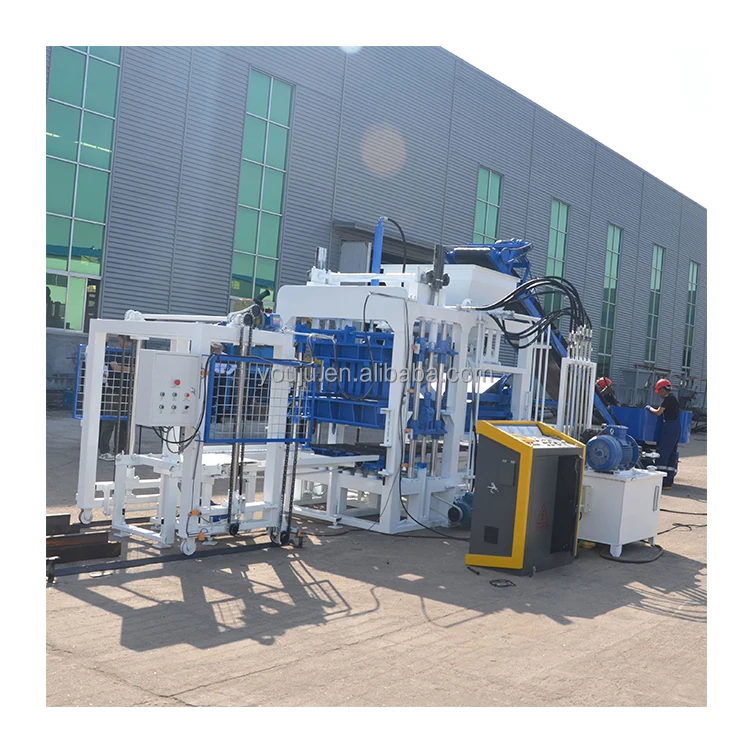
Description
Format-Matched Configuration — every capacity figure tied to the exact block dimension and cycle time, so the machine matches what your market actually buys.
Technical Specifications
| Parameter | Value |
|---|---|
| Model | QT4-15 |
| Product Type | Hydraulic Solid Block Making Machine |
| Molding Cycle | 15–30 s (basis to be confirmed per block format and material) |
| Pallet Size | 900 × 500 mm |
| Vibration Type | Platform vibration |
| Vibration Frequency | 50–70 Hz |
| Product Height Range | 50–220 mm |
| Overall Power | 24.5 kW |
| Demolding Method | Hydraulic |
| Control System | PLC |
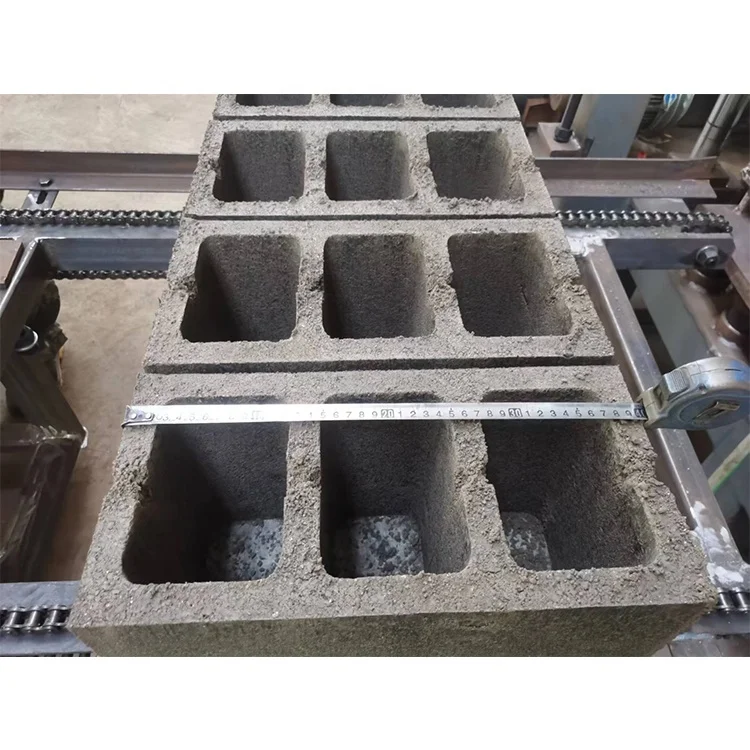
| Hollow Block Capacity (400×200×200 mm) | 900–1,200 pcs/h, 7,200–9,600 pcs/8 h |
| Hollow Block Capacity (400×150×200 mm) | 1,080–1,440 pcs/h, 8,640–11,520 pcs/8 h |
| Hollow Block Capacity (400×100×200 mm) | 1,440–1,920 pcs/h, 11,520–15,360 pcs/8 h |
| Paver Capacity (200×100×60 mm) | 2,880–3,840 pcs/h, 23,040–30,720 pcs/8 h |
| Solid Brick Capacity (240×115×53 mm) | 5,930–6,720 pcs/h, 47,400–53,700 pcs/8 h |
| Block Compressive Strength | More than 15 MPa |
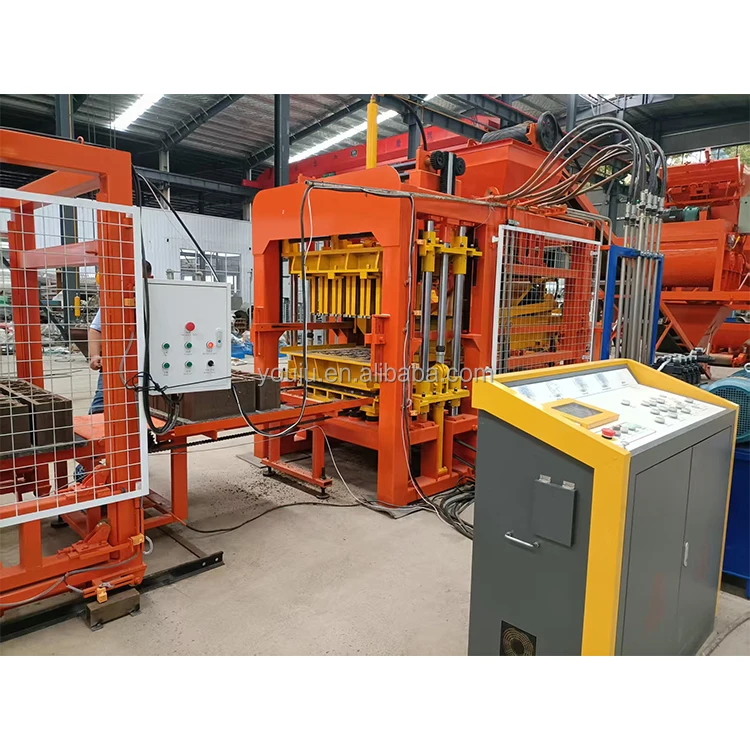
| Automation Level | Automatic (PLC-controlled pallet feeding, material feeding, vibrating, demoulding) |
| Mould Change | Supported, multiple formats on single machine |
Application Suitability
| Application | Material or Output |
|---|---|
| Hollow block production for local masonry | Crushed stone, cement, sand, fly ash, slag, gangue |
| Solid brick manufacturing | Cement-based mixes with industrial residues |
| Concrete paver production for walkways and yards | Aggregates and cement with fine sand grading |
| Small to medium block plant startups | Locally sourced raw materials including quarry dust |
| On-site block production for housing projects | Site-available aggregates blended with Portland cement |
What "Cycles per Hour" Leaves Out About Hydraulic Solid Block Making Machine Specifications
The cycle time a brochure quotes rarely names the block format behind it, and that omission is the single biggest reason daily output disappoints on the factory floor.
When a supplier lists only a blanket cycles-per-hour number, the buyer has no way to check whether that figure assumes a slim paver or a thick hollow block. The difference matters because a 400×200×200 mm hollow block needs more fill time, heavier vibration, and longer pressing than a 240×115×53 mm solid brick. Without the format stated, the quoted Hydraulic Solid Block Making Machine specifications cannot be verified against the product you actually sell. I have watched plant owners discover this gap only after the machine arrived and their daily tally fell noticeably short of the brochure promise [NEED_CITE: block format assumptions behind quoted cycle times in machinery catalogues].
Matching Vibration Force to Your Local Aggregate
Platform vibration at 50–70 Hz works well with clean, well-graded crushed stone, but the story changes when the local quarry sand carries a high clay fraction. Clay dampens vibration transmission, so the energy that should compact the mix instead gets absorbed before it reaches the core of the block. That is why the QT4-15 Hydraulic Solid Block Making Machine specifications must be read alongside your actual mix design rather than taken as a fixed promise.
Pallet Size and Curing Area Alignment
A 900×500 mm pallet sets the footprint of every block leaving the press, which means your curing racks, forklifts, and yard layout must accommodate that exact dimension. If the yard is designed for a different pallet size, you end up stacking blocks by hand or re-racking, both of which erase the output gains the machine was supposed to deliver. Confirming pallet size before the order locks in a chain of downstream decisions [NEED_CITE: pallet dimension compatibility with curing rack systems].
Reading the Specs That Actually Affect Block Strength
Hydraulic demolding combined with platform vibration is what pushes compressive strength past 15 MPa, but only when the pressure and vibration are balanced against the mix. Too much hydraulic pressure on a lean cement mix crushes the aggregate structure; too little leaves voids. The 24.5 kW overall power rating covers the hydraulic pump, vibration motor, and conveyor drives running together, so it indicates the machine’s upper thermal envelope rather than continuous draw. Product height range from 50 to 220 mm covers pavers through tall hollow blocks, yet each height changes the fill depth and therefore the cycle time. The PLC-controlled automatic cycle handles pallet feeding, material feeding, vibrating, and demoulding in sequence, keeping batch-to-batch timing consistent once the parameters are set for a given format.
The Hidden Cost of Skipping Mix-Design Confirmation
When vibration frequency and hydraulic pressure are set to catalogue defaults instead of your local aggregate, the first sign of trouble is inconsistent block weight from one pallet to the next. Strength tests then show wide scatter, and customers reject batches that fall below the specified MPa. The fix usually involves weeks of trial mixes, wasted cement, and mould wear from running the press outside its intended load window [NEED_CITE: effects of unverified mix design on block compressive strength consistency].
Why Sourcing the Press From a Line-Focused Supplier Matters
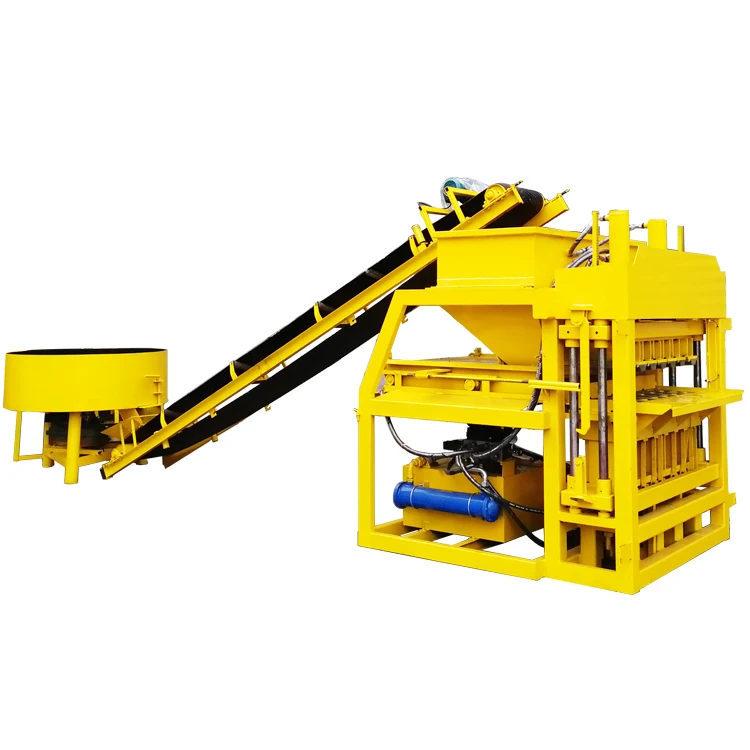
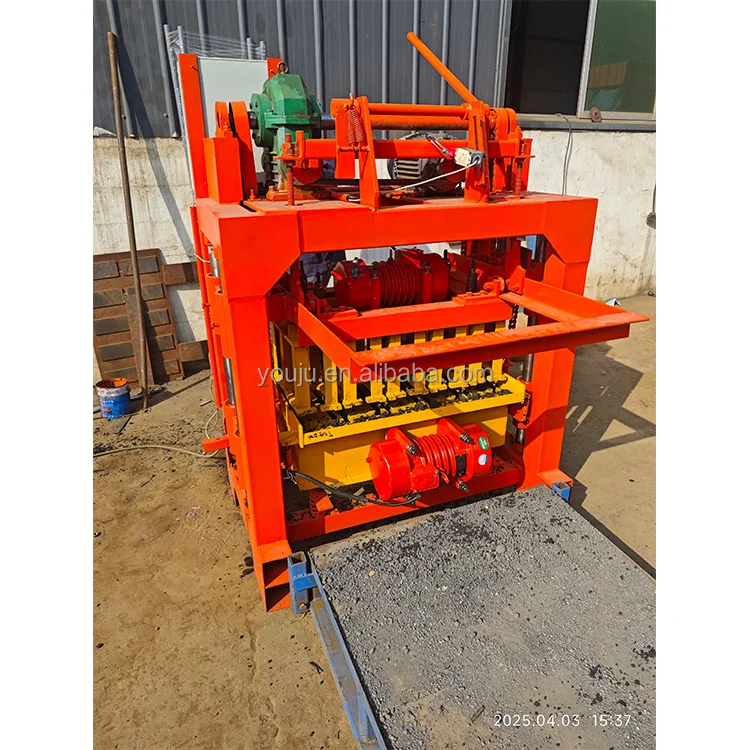
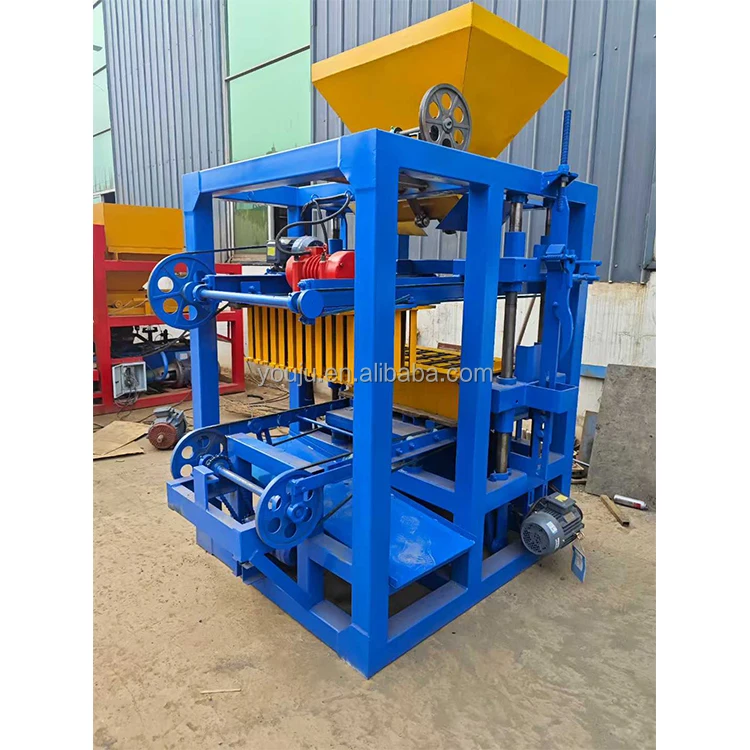
Block machinery is our single focus, so the QT4-15 is specified as part of a matched system — press, mould, pallet, and handling — rather than assembled from unrelated vendors. Configuration is set against your actual mix design and target block format, not a catalogue default. Moulds are designed for the dimensions your market sells, including custom drawings when standard formats do not fit. Automation level is selectable, allowing a buyer to start with PLC-controlled core functions and add automatic stacking later. Installation and commissioning support includes operator training on the specific formats you will run first.
Documentation & Verification
- Line layout and capacity calculation stating the exact block format assumed for every output figure
- Mould drawing and format list confirming included block dimensions and change procedure
- Pallet specification matched to your curing rack system and forklift capacity
- Voltage, frequency, and PLC display language confirmed in writing before production
- Factory test record run on your target block format prior to dispatch
- Operation and maintenance manual plus wear parts and mould list
Installation, Commissioning & Support
- Foundation pad must support the QT4-15 vibration load and anchor bolt pattern
- Dedicated circuit sized for the 24.5 kW overall power draw with voltage confirmed beforehand
- Machine shipped partially assembled; hydraulic and PLC connections completed on site
- First-run parameter tuning covers vibration frequency and hydraulic pressure for your mix
- Operator training on PLC sequence, mould change, and daily greasing points
- Wear parts list provided with recommended reorder intervals for liners and mould inserts
Preparing Your Inquiry
Share the exact block dimensions your market demands, the daily volume you need per format, and the raw materials available locally including any industrial residues. Include your site voltage and frequency, the PLC language your operators read, and the curing space you already have so pallet size can be matched before the quote is finalised.
Frequently Asked Questions
Q: How is capacity calculated per block format on the QT4-15?
A: Each capacity line in the specification table is tied to a specific block dimension — for example, 900–1,200 pcs/h for a 400×200×200 mm hollow block. The figure assumes the cycle time required for that format’s fill depth and vibration duration, so you can compare it directly against your sales forecast for each product type.
Q: How do I match vibration force and hydraulic pressure to my local aggregate?
A: Provide a sieve analysis and moisture reading of your sand, crushed stone, and any industrial residues. We adjust the vibration frequency within the 50–70 Hz range and set hydraulic demolding pressure to suit, then run a factory test on your mix before shipment to confirm compressive strength exceeds 15 MPa.
Q: What does a mould change involve and how long does it take?
A: The QT4-15 supports multiple formats on a single press. The procedure involves releasing the mould clamps, lifting the current mould with an overhead hoist, seating the new mould, and re-aligning the feed box. We supply the change procedure and tools with every format set ordered.
Q: Which pallet size should I choose for my curing yard?
A: The standard pallet is 900×500 mm, but the right choice depends on your existing curing racks and forklift fork spacing. We confirm the pallet dimension and material — wood, PVC, or steel — against your yard layout before finalising the machine order to avoid manual re-stacking later.
Q: How are voltage, frequency, and PLC language confirmed before shipping?
A: We request your site electrical specification and preferred PLC display language during the inquiry stage. These details are written into the production order so the control panel, motor ratings, and HMI labels match your facility before the machine leaves the factory.