

Description
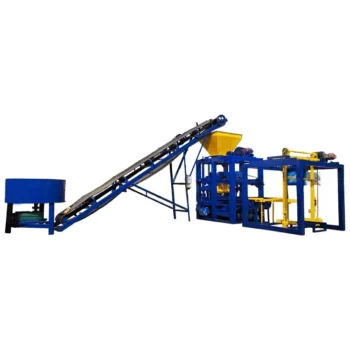
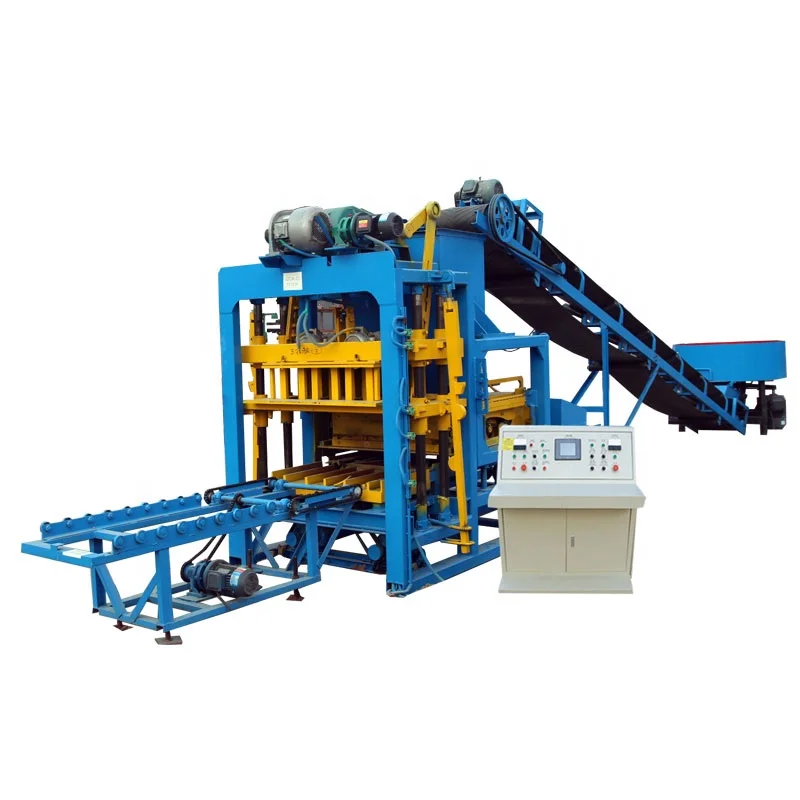
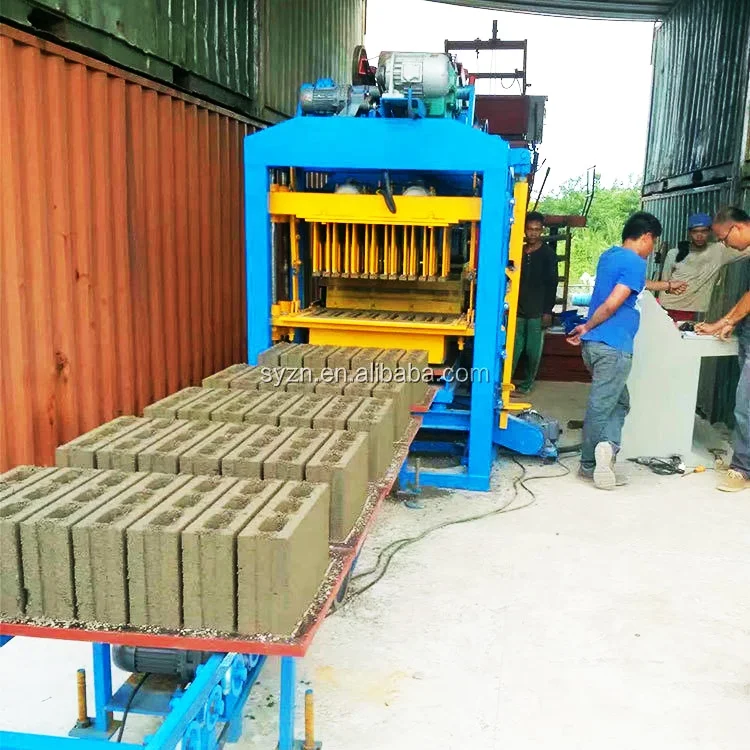
Mould-First Configuration — the QT10-15 block making machine specifications how to choose start from your actual block format and local aggregate, not a catalogue default, so cycle time and daily output are stated per product type.
Technical Specifications
| Parameter | Value |
|---|---|
| Model | QT10-15 |
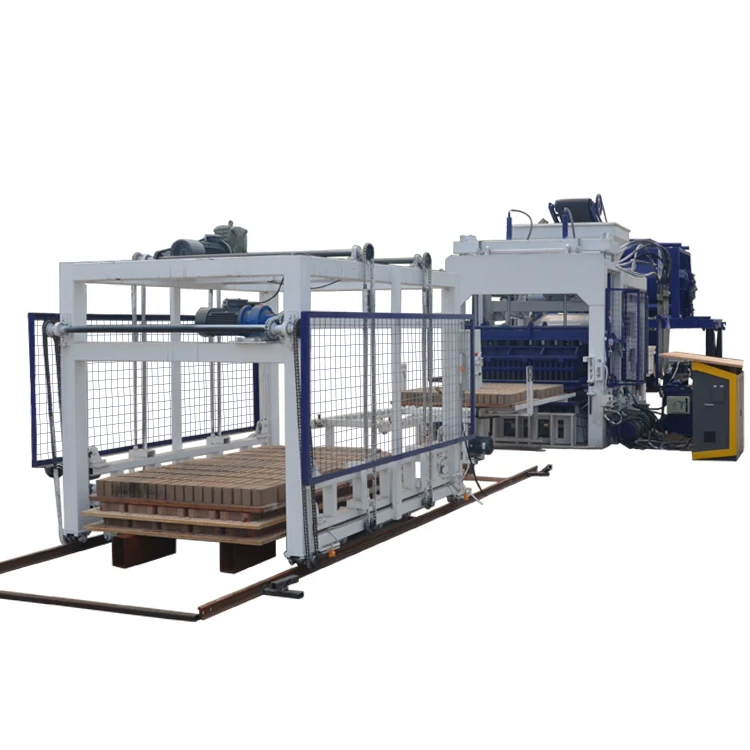
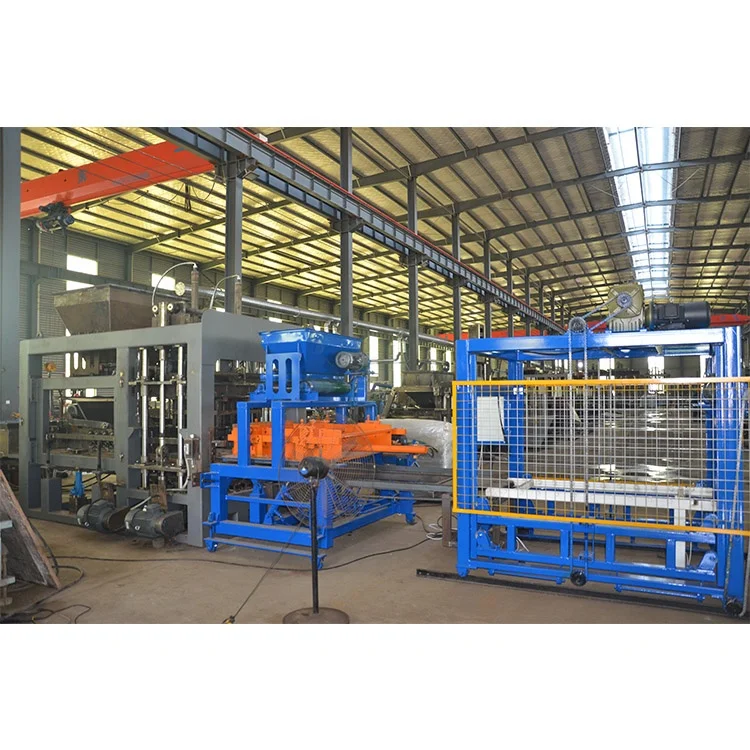
| Product Type | Automatic Concrete Block Making Machine |
| Vibration System | Dynamic and static table with frequency conversion technology |
| Vibration Acceleration | 20g |
| Vibration Technology | Four-axis vibration with independent property rights |
| Feeding System | Press-in arch breaker with 360° rotation |
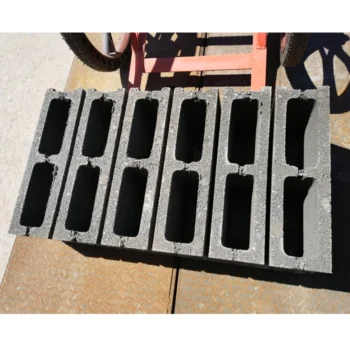
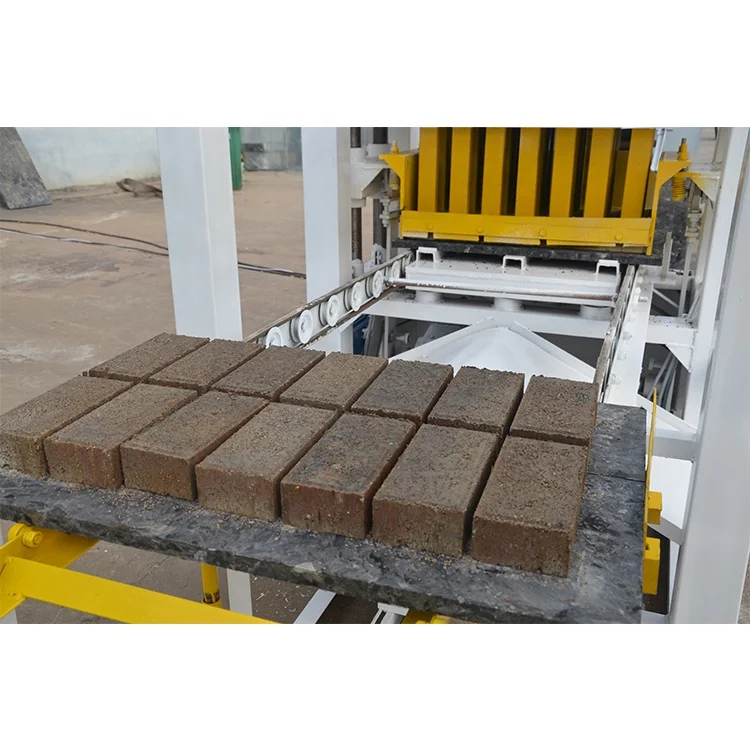
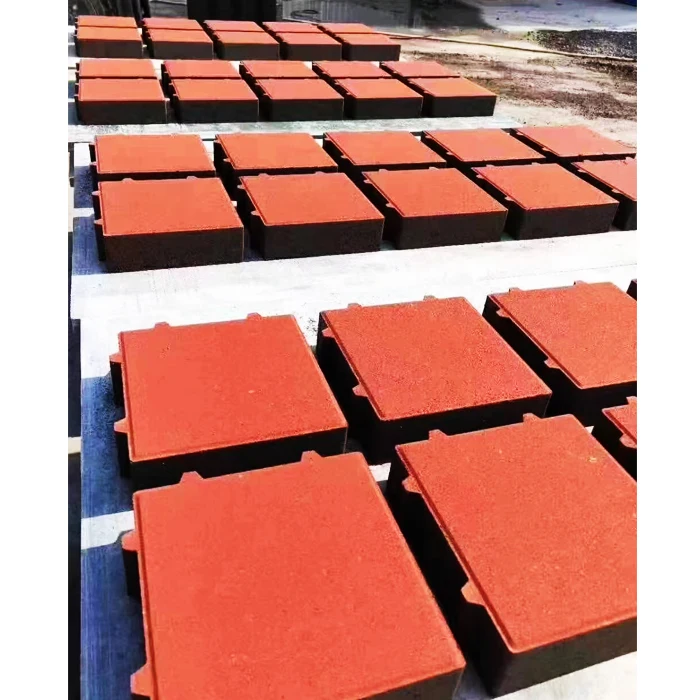
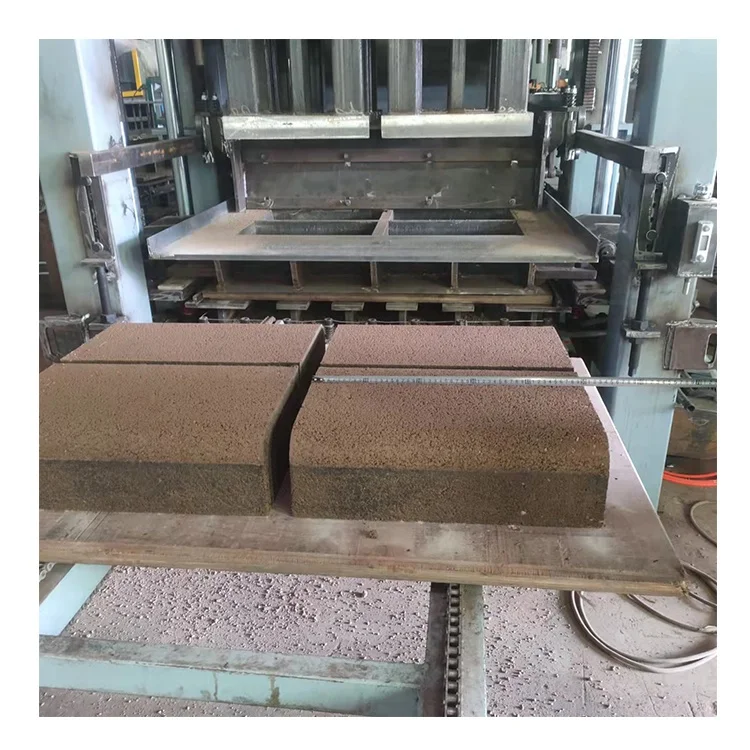
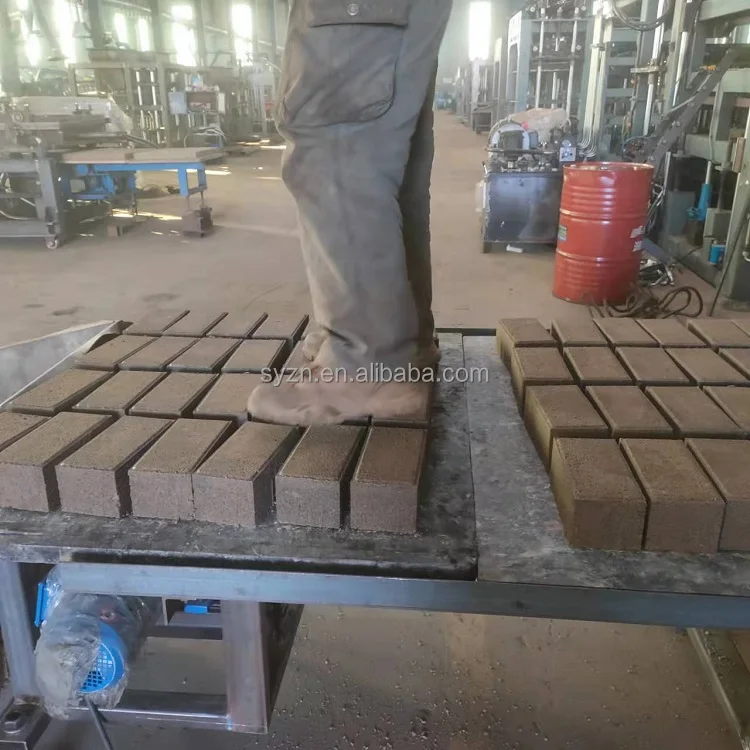
| Mould Compatibility | Hollow blocks, porous bricks, pavement bricks, slope protection bricks |
| Mould Change System | Replaceable cloth platform wear-resistant plate |
| Vibration Reduction | Flexible pressure head vibration reduction, adjustable pressure air bag in mold box |
| Noise Control | Adjustable vibration reduction for working noise reduction |
| Output Capacity | Basis not stated in source — confirm block format and material |
| Cycle Time | Basis not stated in source — confirm block format |
| Pallet Size | Basis not stated in source — confirm |
| Hydraulic Pressure | Basis not stated in source — confirm |
| Rated Power | Basis not stated in source — confirm |
| Voltage & Frequency | Basis not stated in source — confirm |
| Control System | PLC — basis not stated in source — confirm brand and language |
| Overall Dimensions | Basis not stated in source — confirm |
| Net Weight | Basis not stated in source — confirm |
| Automation Level | Basis not stated in source — confirm |
| Standards | CE (basis not stated in source — confirm) |
Application Suitability
| Application | Material or Output |
|---|---|
| Hollow block production for structural walls | Fly ash, crushed stone, and cement blends |
| Porous brick manufacturing | Lightweight aggregate with cement binder |
| Pavement brick production for walkways and yards | Dense aggregate with high cement ratio |
| Slope protection brick for embankments | Heavy concrete mix with coarse aggregate |
What "Standard Capacity Figures" Leave Out About the QT10-15
Capacity is meaningless without the block format it assumes.
I spent years commissioning block plants across Africa, and the most common dispute at startup traces back to a single line in the quotation: a cycle count per hour that never names the block. A machine pressing 400×200×200mm hollow blocks completes fewer cycles and drops fewer units per cycle than one pressing 200×100×60mm pavers. When the buyer’s market actually buys hollow blocks and the quotation assumed pavers, daily output can fall to half of what was expected. Every capacity figure on this page must be read against a specific format, mix, and pallet size — which is exactly why the QT10-15 block making machine specifications how to choose conversation starts with your product list, not our catalogue. [NEED_CITE: capacity calculation methods for concrete block production lines]
Matching Vibration Force to Your Block Format
The QT10-15 delivers 20g vibration acceleration through a four-axis system with independent frequency conversion. That figure matters less on its own than what it does inside the mould cavity. Hollow blocks need sustained, moderate vibration to settle the mix around thin webs without collapsing them, while dense pavers need a harder, shorter burst to drive aggregate into tight corners. Frequency conversion on both the dynamic and static table lets the operator tune the vibration profile per format, so the same machine can switch from a lightweight porous brick to a heavy pavement unit without sacrificing density or surface finish on either.
Feeding Consistency Across Every Mould Cavity
The press-in arch breaker rotates 360° to push material into every corner of the mould box. On larger pallets with multiple cavities, uneven feeding shows up as height variation across the batch — blocks on the outer cavities come out shorter because the mix never fully reached them. Consistent material distribution is the first condition for uniform block strength. When the feeding system matches the vibration and hydraulic pressure settings for a given mix, the QT10-15 block making machine specifications how to choose discussion shifts from raw force numbers to the actual dimensional tolerance of the finished product. [NEED_CITE: material distribution uniformity in multi-cavity block moulds]
Reading the Specs That Actually Affect Your Output
Hydraulic pressure and vibration acceleration work together to determine成型 density. Pressure alone compresses the mix; vibration liquefies it momentarily so the pressure can rearrange particles into a tighter packing. If vibration is too low for the pressure applied, the block cracks internally. If vibration is too high, the mix segregates and fines rise to the surface. The 20g rating on the QT10-15 is useful only when matched to the hydraulic pressure and the specific aggregate grading in your mix. Pallet size decides how many blocks per cycle and how the curing area must be laid out — a pallet that does not match your existing forklift and rack spacing creates handling bottlenecks the machine itself cannot solve. Mould change time, governed by the replaceable wear-resistant plate on the cloth platform, determines whether running two formats in one shift is practical or whether the changeover eats into production hours.
The Hidden Cost of Skipping Mix-Machine Matching
A block plant in West Africa once ran the local river sand without testing clay content. The mix stuck to the mould walls, cycle times stretched, and surface finish deteriorated until half the output was rejected on site. The machine was not at fault — the vibration force and hydraulic pressure had simply been set for a clean crushed-sand mix the buyer could not source locally. Every QT10-15 configuration should be validated against a sample of the buyer’s actual aggregate before production settings are locked in. Skipping that step turns a specification sheet into a wish list. [NEED_CITE: effect of clay content in sand on concrete block quality]
Why Buyers Source This Configuration Here
Block machinery is our single focus, so the QT10-15 is specified as a matched system — press, mould, pallet, and handling — rather than assembled from unrelated suppliers. Mould design covers the formats your market actually sells, including custom drawings when standard options do not match. Configuration is set against your mix design and local aggregate, not a catalogue default. Automation level is selectable, allowing a buyer to begin with semi-automatic pallet handling and add stacking or cubing later. Installation includes operator training on the specific PLC language and voltage confirmed before shipment, so commissioning is not delayed by a control panel nobody on site can read.
Documentation & Verification
- Line layout and capacity calculation stating the exact block format assumed for each output figure
- Mould drawing and format list covering every block type your market sells
- Machine specification sheet with cycle time stated per format, pallet size, and hydraulic ratings
- Factory test record demonstrating actual cycle times and block dimensions before dispatch
- Voltage, frequency, and PLC display language confirmation signed off before production
- Operation and maintenance manual with wear parts and mould replacement list
Installation, Commissioning & Support
- Foundation plan sized to the QT10-15 overall dimensions and dynamic vibration load
- Dedicated electrical circuit matching confirmed voltage and frequency before cable purchase
- Machine dismantled for container loading with reassembly sequence documented
- First-run parameter setting for vibration frequency, hydraulic pressure, and feeding timing per format
- Operator training on PLC interface in the confirmed display language
- Wear parts and mould inventory list aligned to the buyer’s first twelve months of production
- Preventive maintenance schedule tied to vibration motor bearings and hydraulic seals
What to Include in Your Inquiry
Tell us which block formats your market buys, the daily volume you need per format, and send a sample of your local aggregate so we can run a mix trial. Confirm your site voltage, frequency, and the PLC language your operators read. If you already have pallets, forklifts, or curing racks, share their dimensions so the line layout matches what is already on the ground.
Frequently Asked Questions
Q: How is QT10-15 output capacity calculated for each block format?
A: Output is calculated per format by multiplying blocks per mould, cycles per hour at that format’s vibration and feeding settings, and working hours. A hollow block yields fewer units per cycle than a paver, so the same machine produces different daily totals. We state each figure against the specific format, pallet size, and mix used in the calculation.
Q: What cycle time should I expect for hollow blocks versus paving blocks?
A: Hollow blocks require longer vibration to settle the mix around thin webs, so cycle time is typically longer than for dense pavers of similar pallet area. Exact seconds depend on your mix design, target strength, and the vibration frequency chosen. We confirm cycle time during factory testing with your approved mix sample.
Q: How are vibration force and hydraulic pressure matched to my aggregate?
A: We test your aggregate sample to measure grading, clay content, and absorption. Vibration frequency and hydraulic pressure are then adjusted so the mix reaches target density without segregation. Settings are documented on the specification sheet and verified during the factory test before shipment.
Q: Can custom moulds be designed for formats not in the standard range?
A: Yes. We design moulds to buyer drawings or to a format description with target dimensions and block weight. Mould drawings are approved before manufacturing, and the new mould is included in the factory test to confirm cycle time and dimensional accuracy on the QT10-15.
Q: How long does a mould change take and what tools are needed?
A: Mould change time depends on the format size and whether the cloth platform wear plate also needs replacement. Standard changes use common hand tools already listed in the maintenance manual. We state the expected changeover duration for your format list so you can plan shift schedules around dual-format production days.