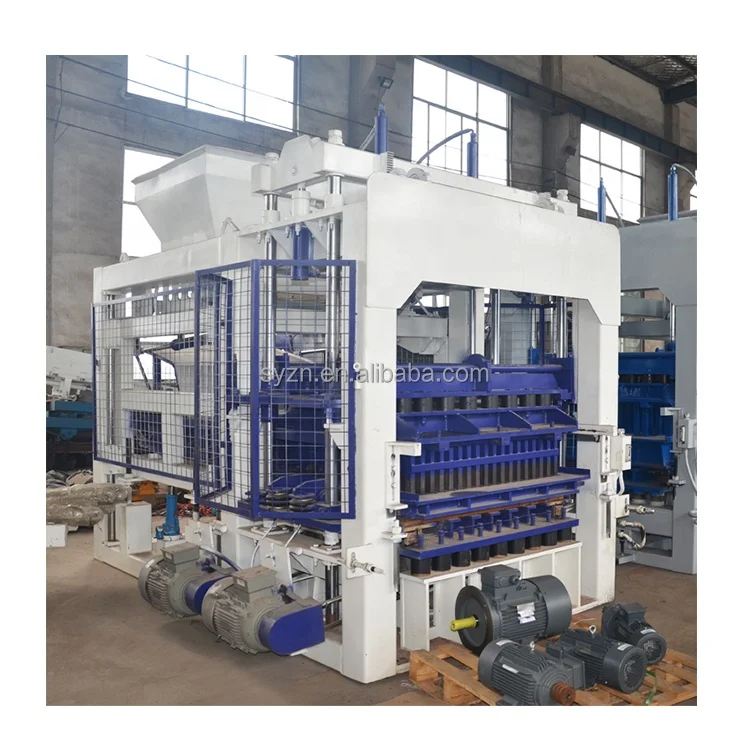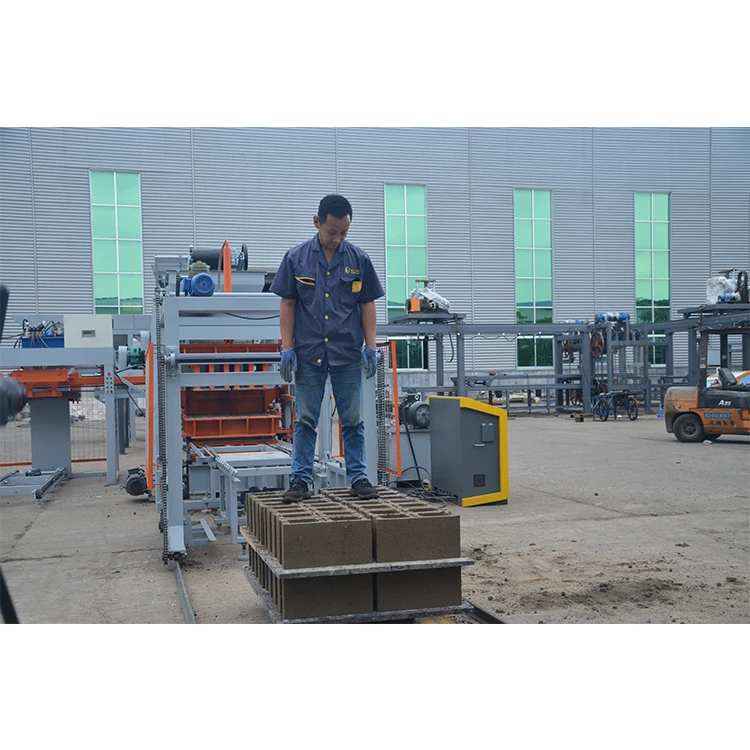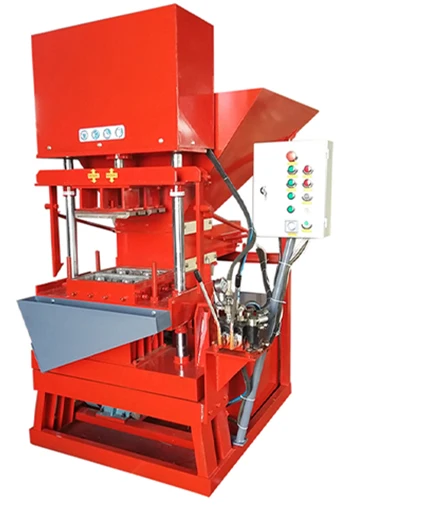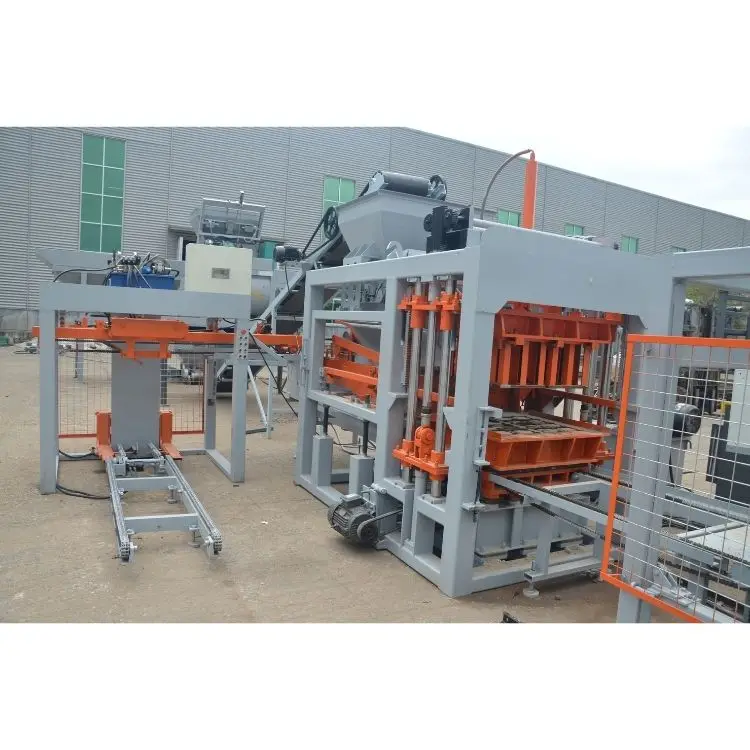
Description
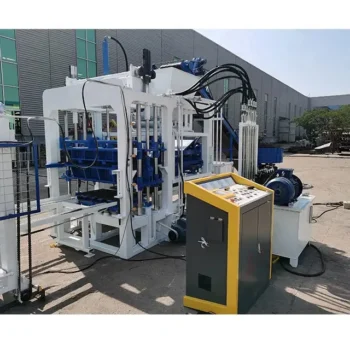
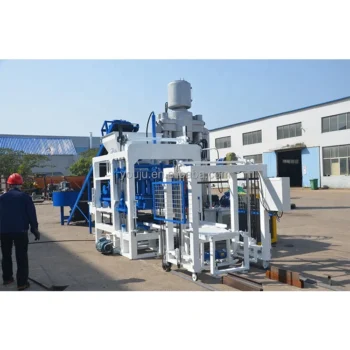
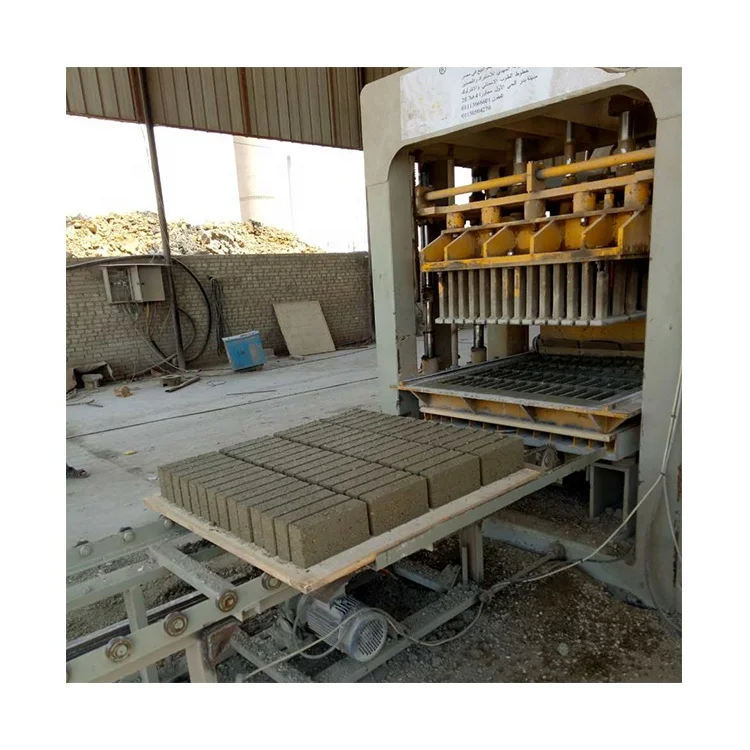
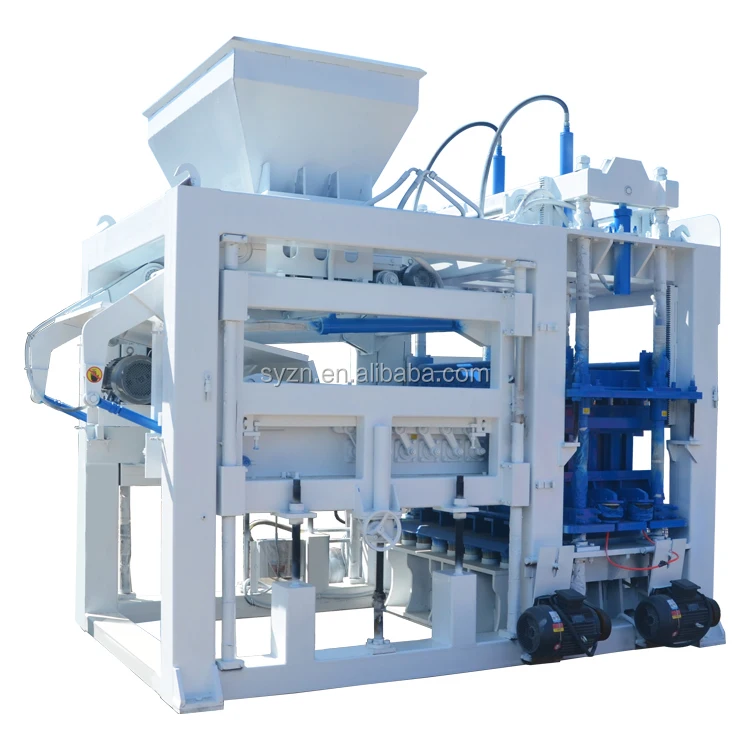
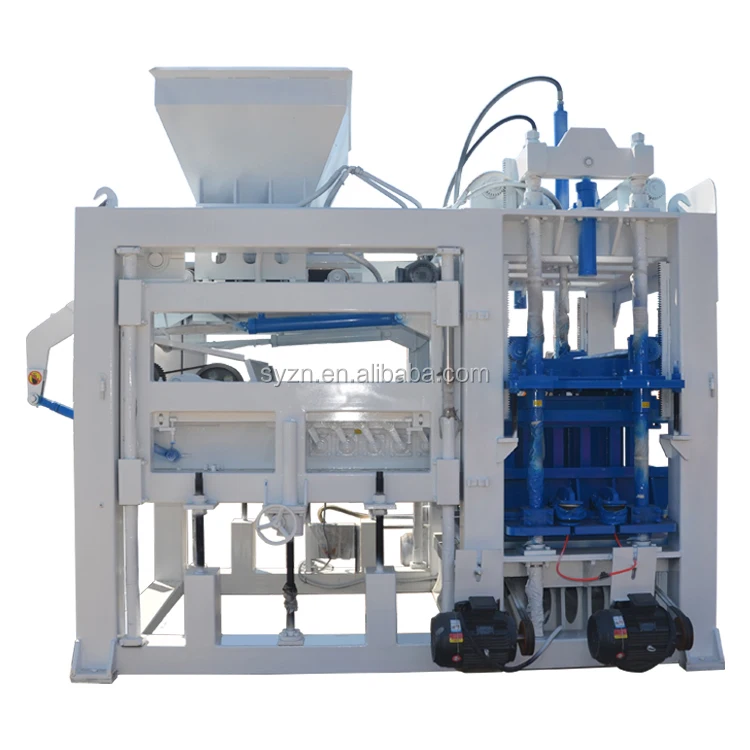
Single-Focus Block Machinery Expertise — Every QT10-15 configuration starts from your local aggregate and target block format, not a generic catalogue page, because the machine, mould, pallet and handling must perform as one matched system on your shop floor.
Technical Specifications
| Parameter | Value |
|---|---|
| Model | QT10-15 |
| Product Type | Automatic Hydraulic Concrete Block Making Machine |
| Machine Power | 44 kW |
| Hydraulic Pressure | 16-21 MPa |
| Main Vibration Form | Platform Vibration |
| Pallet Size | 1100×900 mm |
| Overall Size | 9350×2320×2950 mm |
| Machine Weight | 10000 kg |
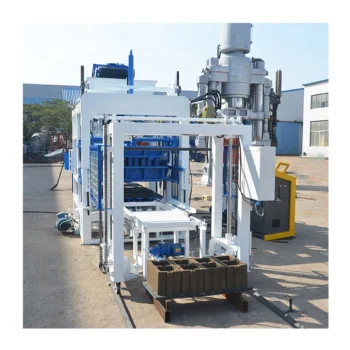
| Frame Structure | Gantry frame type, super steel, shock resistant |
| Material Feeding | Net wave swing type feeding device |
| Mould Type | Cartridge type welding mould, manganese steel (carburizing and quenching treated, rated for 100,000 cycles) |
| Output Capacity | 18,000 pcs/day based on 400×200×200mm hollow block, 10 pcs/mould, 16-20s cycle (basis to be confirmed for other formats) |
| Molding Cycle | 15-20 seconds (varies by block format and mix design) |
| Control System | PLC (brand and language options subject to confirmation) |
| Voltage | Configured to buyer’s local voltage and frequency |
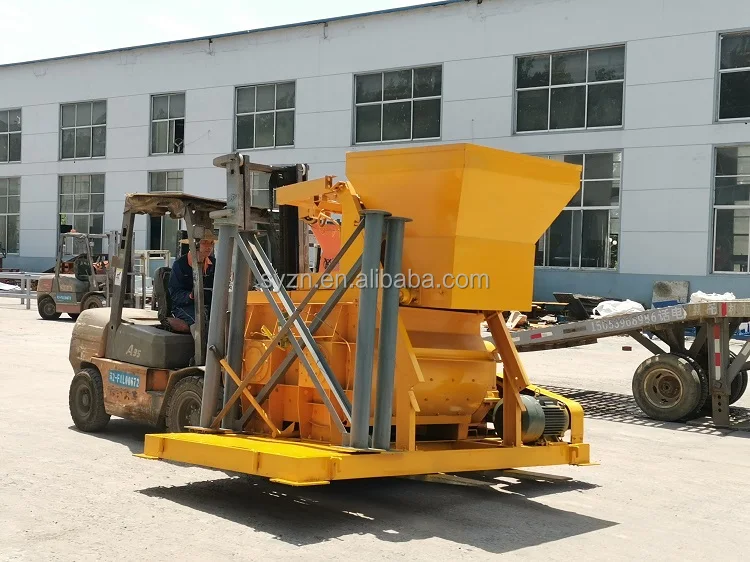
| Suggested Line Configuration | PL1200 batching machine, JS750 mixer, 8m conveyor belt, stacker |
| Warranty | 1 year for whole machine (excluding spare parts) |
Application Suitability
| Application | Material or Output |
|---|---|
| Hollow Block Production | Crushed stone, sand, cement, fly ash producing 400×200×200mm structural blocks |
| Porous Block Manufacturing | River sand, gravel, industrial waste forming 240×115×90mm lightweight wall units |
| Standard Brick Making | Cement, dust, slag compacting 240×115×53mm solid bricks for masonry |
| Paving Block & Paver | Aggregate and pigment layering for interlocking driveway and walkway pavers |
| Curbstone & Kerb | Heavy-duty concrete mixes shaped into road-edge and drainage channel units |
| Slope Protection Block | Industrial gangue and fly ash formed into erosion-control retaining units |
What "124,800 Bricks Per Day" Leaves Out on the QT10-15 Automatic Block Machine
Daily output is meaningless without the block format, mould cavity count, and cycle time that produced it.
I once saw a buyer in Colombia celebrate a quoted figure of over one hundred thousand pieces, only to discover the number assumed a tiny standard brick his market never orders. His real product — a 400×200×200mm hollow block — delivered less than a fifth of that volume on the same QT10-15 automatic block machine. The press runs the same shift, burns the same power, but the cavity count and cycle differ sharply across formats. [NEED_CITE: how block format and mould cavity count determine realistic daily output in concrete block production]
Cycle Time and Cavity Count Define Real Output
The 10-cavity hollow block mould completes a cycle in 16-20 seconds, yielding 18,000 pieces per day on the QT10-15 automatic block machine specifications sheet. Switch to a 52-cavity standard brick mould at a 15-17 second cycle and the same press quotes 124,800 pieces. The machine did not change; only the product did. Buyers planning a plant around hollow block must ignore the headline number tied to smaller formats.
Vibration, Pressure, and Local Aggregate
Platform vibration combined with 16-21 MPa hydraulic pressure determines whether the block leaves the mould at target density. A mix heavy in fly ash behaves differently from one using river sand and crushed stone, so the vibration force must be tuned to the aggregate the buyer actually sources. [NEED_CITE: relationship between hydraulic pressure, vibration force, and block compressive strength in concrete masonry]
Mould Cartridge Design and Changeover
The carburized manganese steel cartridge mould is rated for 100,000 cycles before deformation becomes a concern. Cartridge-type construction means the cavity insert slides out of the master frame, keeping changeover within a portion of a shift rather than consuming the entire day.
Reading the Spec Sheet Against Your Market
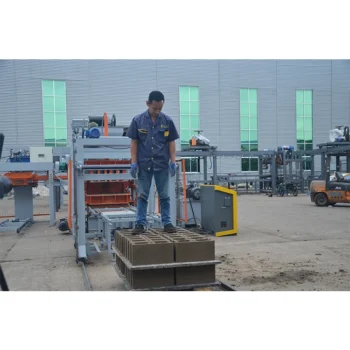
A 1100×900 mm pallet dictates how many blocks fit per cycle and how the curing yard must be arranged. Buyers who already own forklifts and curing racks need to verify pallet dimensions before the press ships, because a mismatch forces a second capital outlay on handling equipment. The net wave swing feeder spreads material evenly across that pallet area, reducing density variation between the centre block and the edge block in every cycle.
The Hidden Cost of an Unmatched Line
I have watched a fully automatic press sit idle because the upstream batch plant could not keep pace, leaving the hopper starved and cycle time stretched. Suggested line configuration includes a PL1200 batching machine and JS750 mixer, but any substitution must match the 44 kW press demand and the 15-20 second cycle window. When the feeder starves, blocks emerge underweight and the buyer blames the wrong machine. [NEED_CITE: consequences of upstream batching bottlenecks on automatic block press cycle consistency]
Why Sourcing the Mould and Machine Together Matters
Block machinery is our single focus, so the QT10-15, its mould, pallet, and handling gear are specified as one matched system rather than assembled from separate suppliers. Mould design covers the formats the buyer’s market actually sells, with custom drawings available when standard cavities do not match. The automation level is selectable, meaning a plant can begin semi-automatic and add stacking or cubing later without replacing the press.
Documentation & Verification
- Line layout and capacity calculation stating the exact block format and mould cavity count assumed
- Mould drawing and format list matching the buyer’s market dimensions
- Voltage, frequency, and PLC display language confirmation before production begins
- Factory test record running the buyer’s specified mix design
- Hydraulic and electrical schematic for on-site maintenance reference
- Operation and maintenance manual with wear parts and mould list
Installation, Commissioning & Support
- Foundation plan sized for the 9350×2320×2950 mm footprint and 10000 kg dynamic load
- Dedicated power circuit matching confirmed local voltage and the 44 kW demand
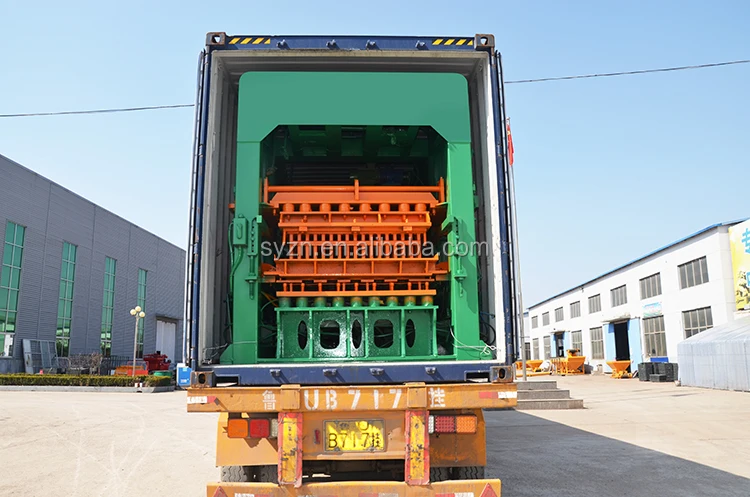
- Machine dismantled into container-load sections and reassembled under guidance on arrival
- First-run commissioning using the buyer’s local aggregate to verify block density
- Operator training on mould change procedure and PLC fault diagnostics
- Wear parts list covering platform springs, feeder liners, and mould inserts
Planning Your QT10-15 Inquiry
Share the exact block dimensions your market orders most, the local aggregate you intend to use, and the daily volume you need to sustain. Confirm your site voltage, frequency, and preferred PLC language so the control panel arrives ready to run. State your existing forklift capacity and curing yard layout so the 1100×900 mm pallet and handling gear integrate without surprise.
Frequently Asked Questions
Q: How is daily output calculated for the QT10-15, and which block format does each figure assume?
A: Each output number ties to a named block size, mould cavity count, and cycle range. For example, 18,000 pieces per day assumes a 400×200×200mm hollow block with a 10-cavity mould running a 16-20 second cycle. Request the capacity sheet before purchase so you plan around the product you actually sell.
Q: Can custom moulds be designed for block dimensions the standard catalogue does not cover?
A: Yes. Cartridge-type moulds can be built from buyer drawings, provided the cavity layout fits within the 1100×900 mm pallet boundary. Submit the target block dimensions, required face texture, and daily volume so the mould cavity count and cycle time can be matched to the QT10-15 press.
Q: How does vibration force and hydraulic pressure interact with my local aggregate?
A: Platform vibration and 16-21 MPa pressure compact the mix inside the mould. Fly ash, river sand, and crushed stone each respond differently to that force. Share your aggregate sieve analysis so the vibration amplitude and pressure hold time are set before the machine ships.
Q: What affects mould change time and format flexibility across a single shift?
A: Cartridge construction lets the cavity insert slide from the master frame. Changeover time depends on insert weight, bolt count, and operator familiarity. Running two formats per shift is common when inserts are pre-staged beside the press and the operator has practiced the swap during training.
Q: How do I confirm pallet size, voltage, and control language before production starts?
A: Voltage and frequency are set to the buyer’s grid standard, and PLC language options are confirmed in writing before the QT10-15 enters assembly. The 1100×900 mm pallet size is verified against the buyer’s existing curing racks and forklift capacity so handling equipment arrives compatible.