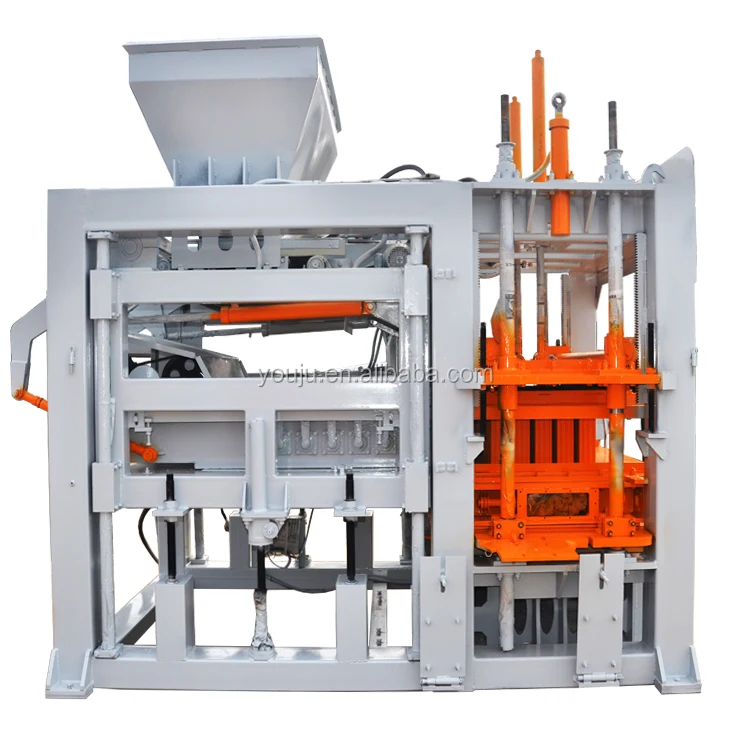
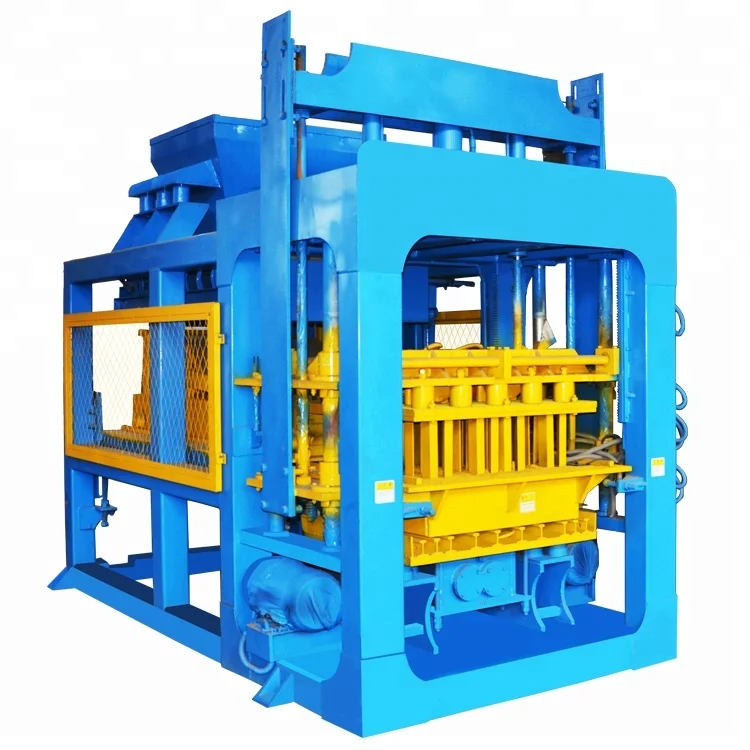
Description
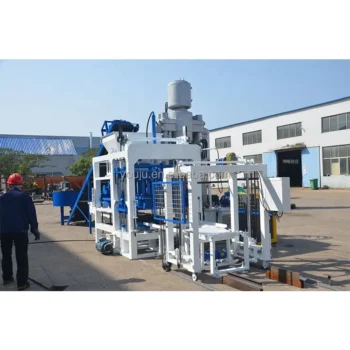
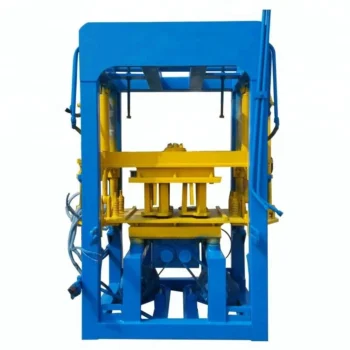
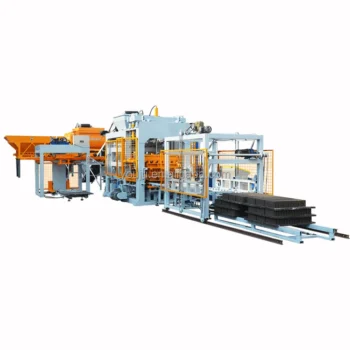
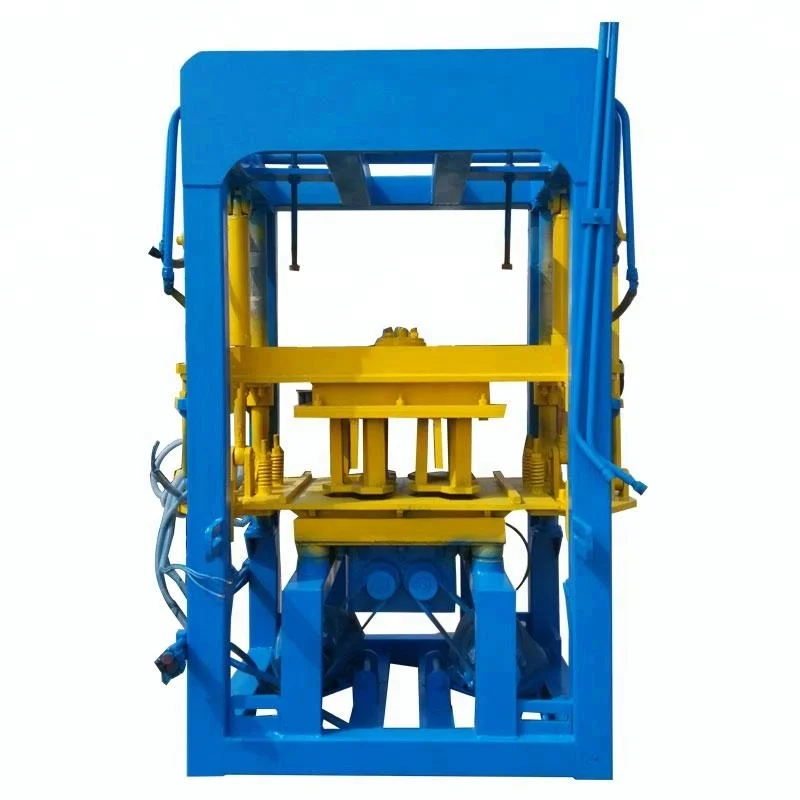
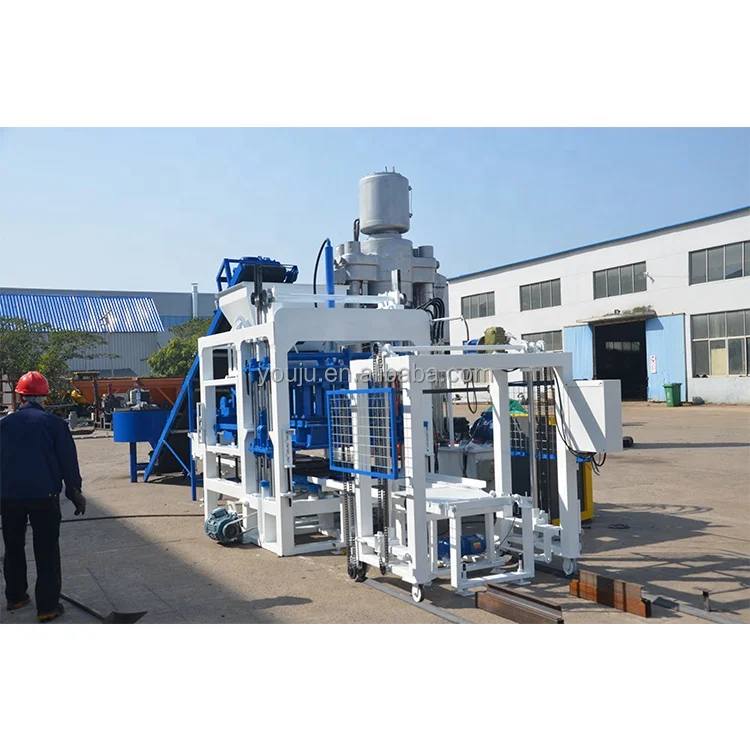
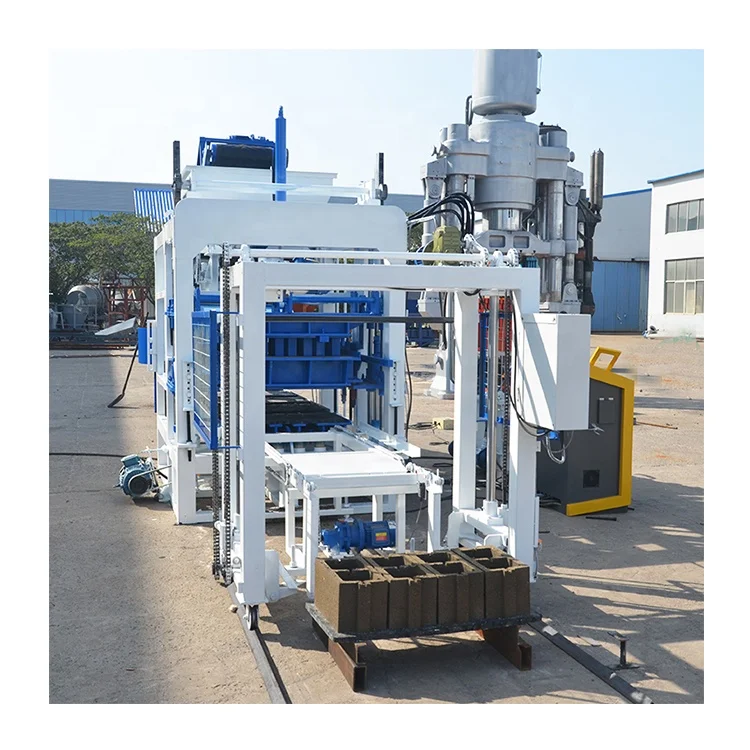
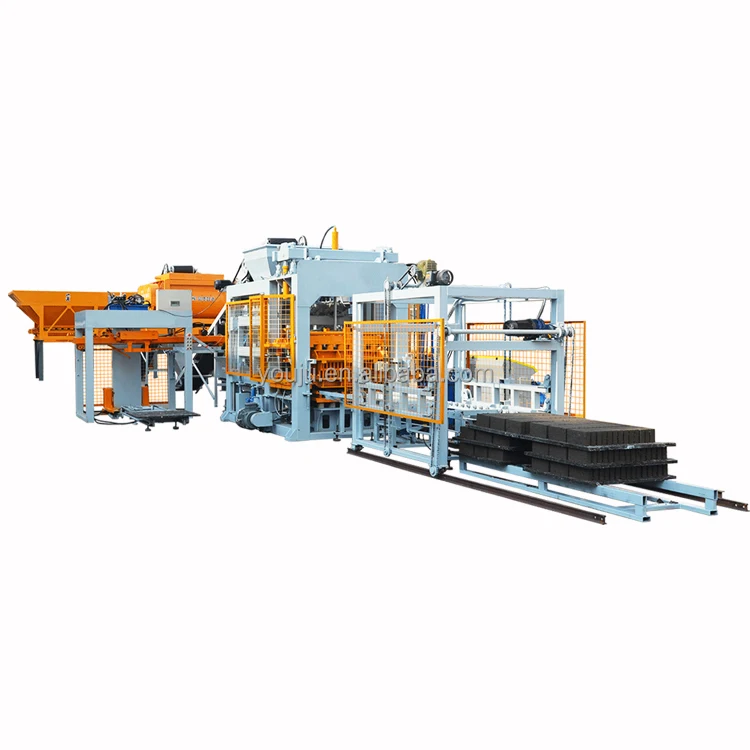
Matched System Specification — The QT 8-15 block machine, moulds, pallets, and handling equipment are configured together against your actual block format and local aggregate, not pulled from a catalogue default.
Technical Specifications
| Parameter | Value |
|---|---|
| Model | QT 8-15 |
| Product Type | Fully Automatic Concrete Block Making Machine |
| Overall Dimensions (L×W×H) | 8300 x 1860 x 3000 mm |
| Rated Power | 37 kW |
| Vibration Form | Platform Vibration |
| Vibration Frequency | 2800 – 4500 RPM |
| Pallet Size | 950 x 900 mm |
| Molding Cycle | 15 – 25s (standard); 20 – 25s (with color feeding) |
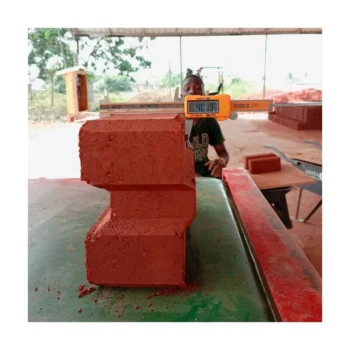
| Brick Height Range | 50 – 200 mm |
| Block Comprehensive Strength | 15 MPa |
| Control System | PLC with touch screen Human Conversation Interface |
| Hydraulic System | Independent integrated hydraulic station |
| Output Capacity | 1912 pcs/hour (basis: 400 x 200 x 200 mm hollow block, 8 pcs/mold) |
| Output Capacity | 2875 pcs/hour (basis: 400 x 150 x 200 mm block, 12 pcs/mold) |
| Output Capacity | 4320 pcs/hour (basis: 240 x 115 x 90 mm block, 18 pcs/mold) |
| Output Capacity | 9360 pcs/hour (basis: 240 x 115 x 53 mm solid brick, 39 pcs/mold) |
| Output Capacity | 3000 pcs/hour (basis: 225 x 112.5 x 60 mm paving block, 18 pcs/mold) |
| Output Capacity | 4625 pcs/hour (basis: 200 x 100 x 60 mm paving block, 28 pcs/mold) |
Application Suitability
| Application | Material or Output |
|---|---|
| Hollow Block Production | Fly ash, slag, gangue, river sand, gravel, cement |
| Solid Brick Manufacturing | Crushed stone, cement, industrial waste aggregates |
| Paving Block & Kerbstone | River sand, gravel, cement with optional color feeding |
| Interlocking & Porous Brick | Local aggregate blends matched to regional market demand |
| Grass & Slope-protecting Block | Permeable concrete mixes for landscaping and civil engineering |
What "9360 Pieces per Hour" Actually Means for Your Plant
Every QT 8-15 block machine specifications sheet must state which brick format the capacity figure assumes, otherwise your daily output planning will fall apart before the first shift ends.
Suppliers frequently quote the highest possible cycle speed based on a small, lightweight solid brick, leaving buyers to discover on-site that their actual target format — a dense 400 mm hollow block, for instance — runs at barely a fifth of that number. I have watched project timelines slip because the block yard was sized for a catalogue figure that never matched the mould actually bolted to the press. When you evaluate QT 8-15 block machine specifications, the only number that matters is the one tied to your specific block dimensions, local aggregate density, and required curing strength [NEED_CITE: realistic block output planning based on format-specific cycle times].
Matching Mould Format to Your Market Reality
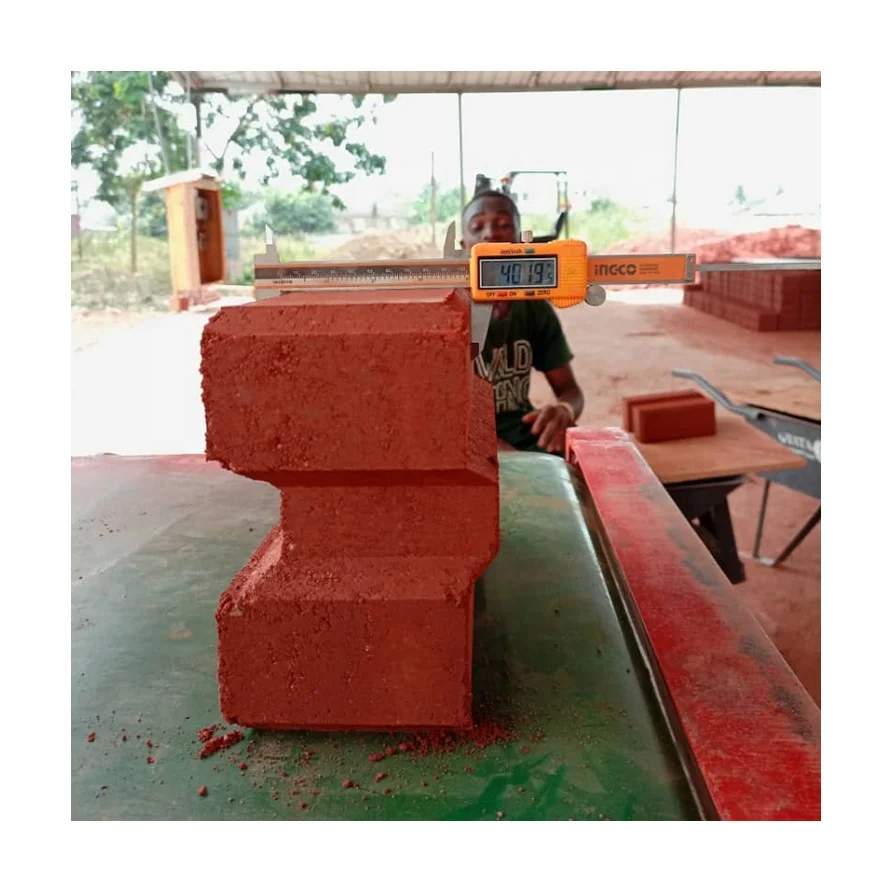
The QT 8-15 supports hollow blocks, porous blocks, standard solid bricks, paving blocks, kerbstones, grass blocks, and slope-protecting blocks through dedicated moulds, each with its own cycle time profile. A 15-second standard cycle applies to formats that do not require a secondary color layer, while paving blocks with face-mix color feeding extend the cycle to 20-25 seconds. Selecting the right QT 8-15 block machine specifications means confirming which formats your local market actually purchases, then sizing your daily shifts around those specific cycle times rather than an averaged estimate.
Pallet Size and Curing Area Alignment
The 950 x 900 mm pallet is the interface between the press and your curing yard. If your existing racks, forklifts, or curing chamber dimensions were planned around a different pallet footprint, every loaded board becomes a handling bottleneck. Before the QT 8-15 is configured for production, the pallet specification should be cross-checked against your curing area layout and material handling equipment to prevent costly rework after installation [NEED_CITE: pallet and curing yard compatibility in block plant design].
Vibration, Pressure, and Block Density
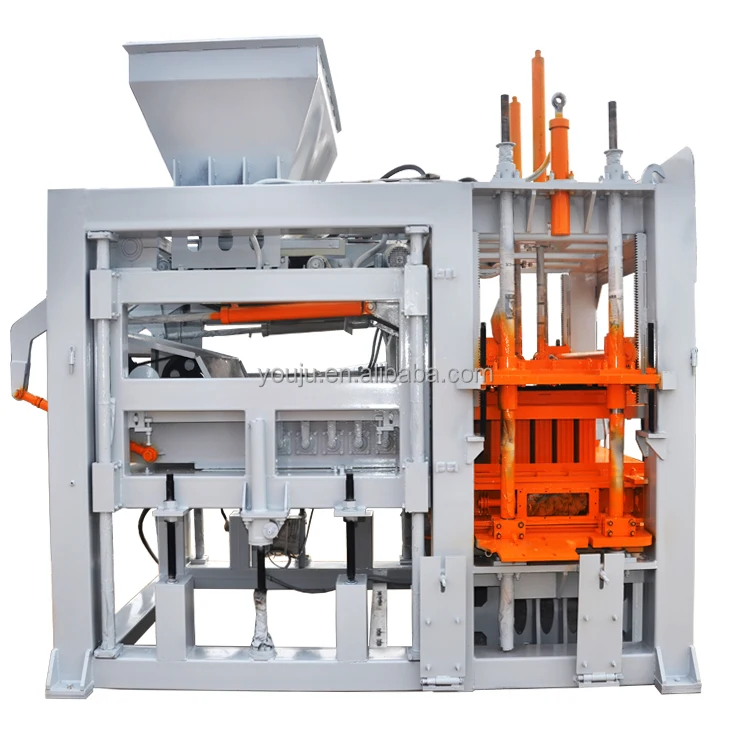
Platform vibration at 2800-4500 RPM works in tandem with the independent integrated hydraulic station to compact the mix into a consistent 15 MPa comprehensive strength. The vibration frequency range allows adjustment for different aggregate gradations — finer river sand requires a different frequency profile than coarse crushed gravel to achieve uniform density across the block cross-section. The QT 8-15 block machine specifications list the frequency band, but the operating point within that band must be set during commissioning based on your actual mix design and target block format.
The Cost of Skipping Format-Specific Configuration
When vibration force and hydraulic pressure are not tuned to the buyer’s specific mix and aggregate, blocks emerge with inconsistent density — some cracking during curing, others failing compressive strength tests at the construction site. I have seen entire production runs rejected because the machine was shipped with default parameters calibrated for a material the buyer could not source locally. The result is not just wasted cement and aggregate; it is lost contractor confidence and delayed project handovers that no amount of post-installation adjustment can quickly recover [NEED_CITE: consequences of mismatched vibration and pressure settings on block integrity].
Why Sourcing the Complete Line Matters Here
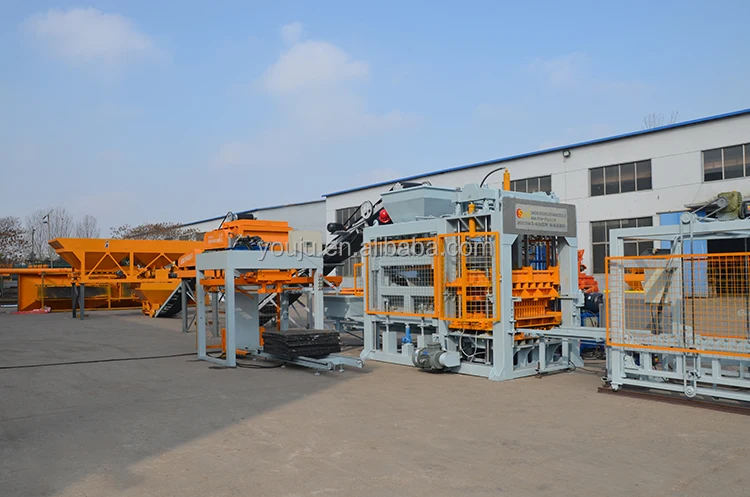
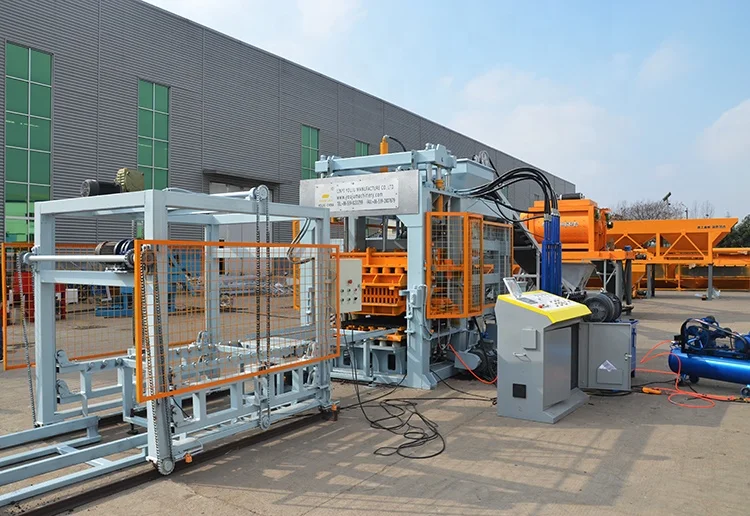
Block machinery is our single focus, meaning the QT 8-15 press, its moulds, pallets, and supporting handling equipment are specified as one matched system. Configuration is set against your actual mix design and local aggregate, not a generic baseline. Mould design covers the formats your market sells, with custom drawings available for non-standard sizes. Automation level is selectable, so a plant can begin with semi-automatic pallet handling and add automatic stacking later. Installation includes operator training on format changeover and parameter adjustment for different block types.
Documentation & Verification
- Line layout drawing with capacity calculation for each block format you intend to produce
- Mould drawing and format list confirming included and optional block sizes
- Pallet specification sheet matched to your curing area and forklift dimensions
- Voltage, frequency, and PLC display language confirmation before production begins
- Factory test record run on your specified block format and target cycle time
- Hydraulic and electrical schematic for local maintenance team reference
Installation, Commissioning & Support
- Foundation plan based on the 8300 x 1860 mm footprint and dynamic vibration loads
- Dedicated power circuit sized for the 37 kW rated load plus mixer and batching equipment
- PLC touch screen language and voltage confirmed before dispatch to match site conditions
- First-run parameter tuning on your local aggregate and target block format during commissioning
- Operator training covering mould changeover procedure and cycle time adjustment per format
- Wear parts and mould maintenance schedule aligned to your planned production volume
Before You Request a Quote
To configure the QT 8-15 accurately, we need your target block formats with dimensions, the specific local aggregate and cement type available, and your required daily output per format. Share your existing curing yard layout and forklift specifications so the pallet size can be validated. Confirm your site voltage, frequency, and preferred PLC display language to avoid commissioning delays upon arrival.
Frequently Asked Questions
Q: How is output capacity calculated for each block format on the QT 8-15?
A: Each capacity figure is tied to a specific block dimension and mould cavity count. For example, 1912 pieces per hour assumes a 400 x 200 x 200 mm hollow block with 8 cavities per mould. Smaller solid bricks yield higher piece counts per cycle. Your actual daily output depends on shift length, mould change frequency, and the specific format mix your plant runs.
Q: How long does a mould changeover take on this machine?
A: Mould changeover time depends on the format switch and whether the machine was configured with quick-release mould clamping. A standard format change can take a portion of a shift if bolts and alignment pins must be manually adjusted. Specifying a faster changeover system during ordering reduces format-switch downtime and makes multi-format production practical within a single working day.
Q: Can the 950 x 900 mm pallet size be adjusted to match my existing curing racks?
A: Pallet dimensions affect the mould footprint, press platen size, and pallet feeder configuration. While the standard pallet is 950 x 900 mm, confirming your existing curing rack spacing and forklift capacity before ordering allows the system to be configured for compatibility. Changing pallet size after delivery would require modifications across multiple stations in the line.
Q: How is the machine configured for my local raw material and aggregate type?
A: Vibration frequency, hydraulic pressure, and cycle timing are adjusted based on your specific aggregate gradation, cement type, and target block strength. During commissioning, test runs with your actual material determine the optimal parameter set. Providing a sample of your local sand, gravel, or fly ash before production helps pre-set the machine closer to final operating values.
Q: What voltage and control language options are available before shipment?
A: The PLC control system supports configurable voltage and frequency to match your site supply, and the touch screen display language is confirmed before production begins. Specifying these details during the quotation stage prevents rewiring or reprogramming delays when the machine arrives. Documentation is prepared in the agreed language for operator training and maintenance reference.