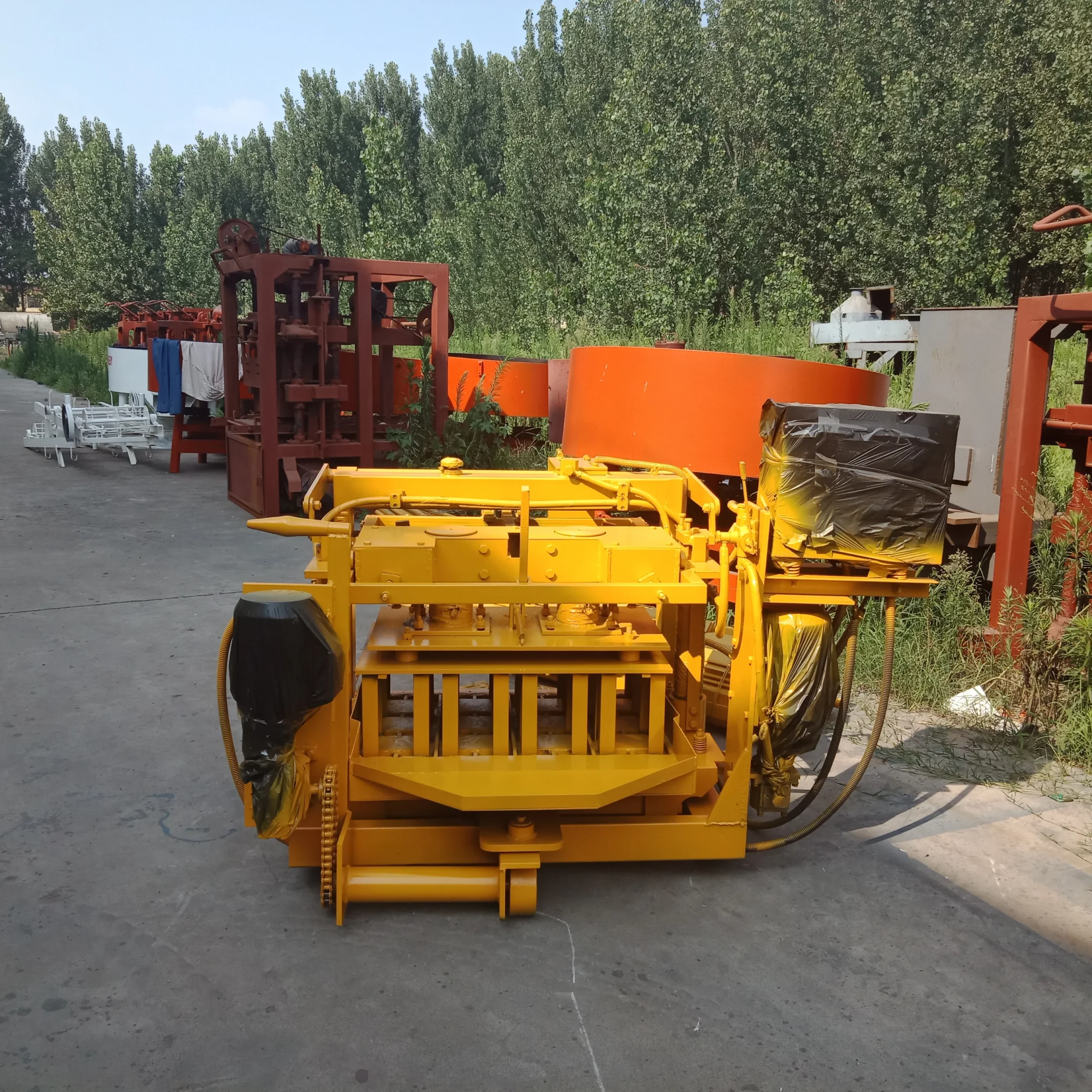
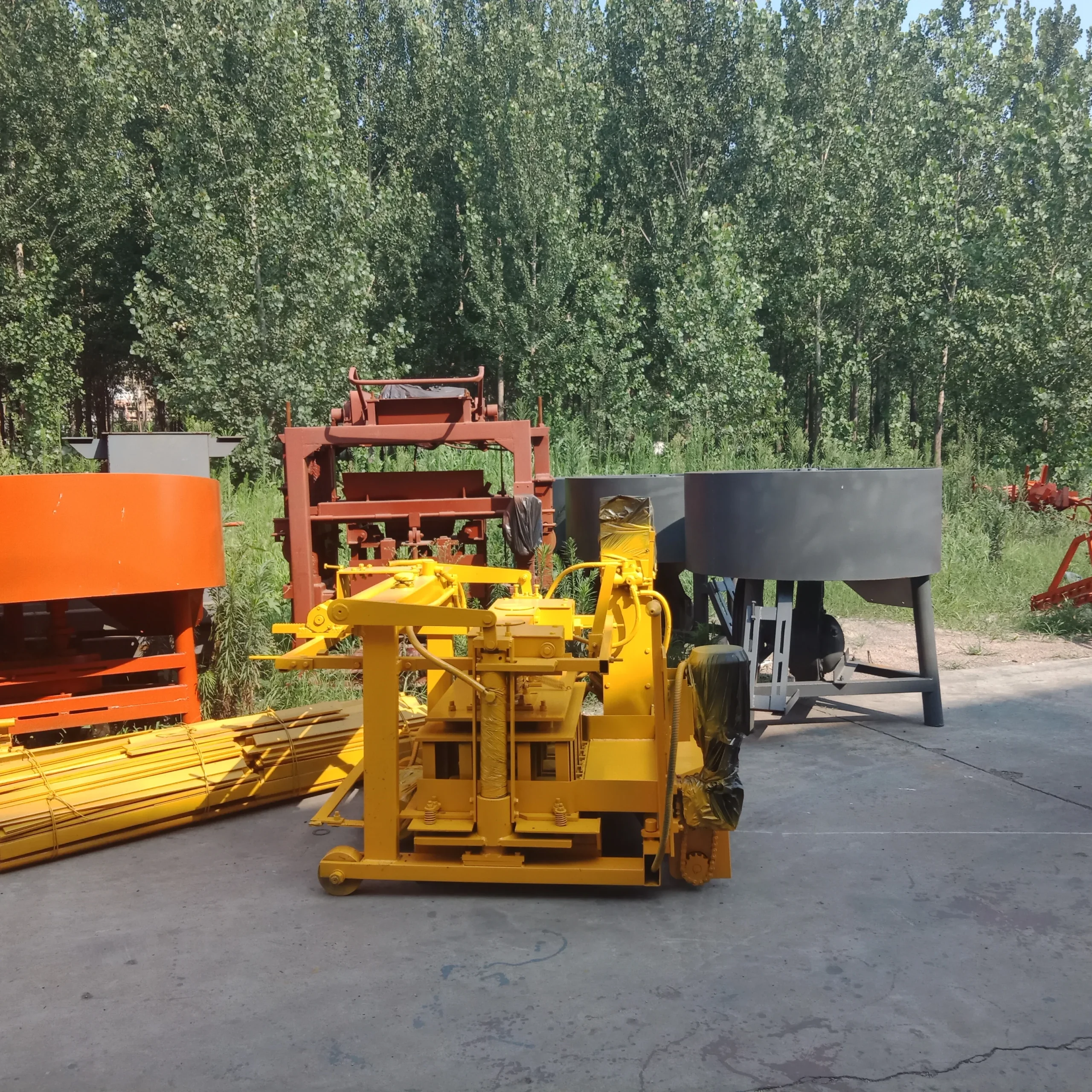

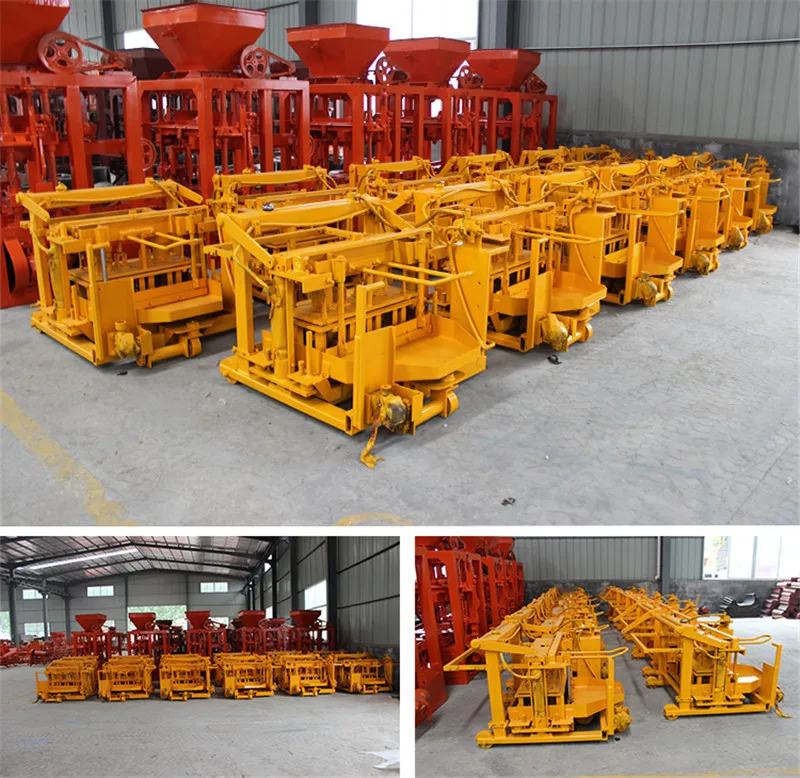
Description
Honest Capacity Mapping — Every output figure for the QMY4-30 is tied to a specific block size and mould cavity count, so your daily production matches what you actually sell rather than a catalogue promise.
Technical Specifications
| Parameter | Value |
|---|---|
| Model | QMY4-30 |
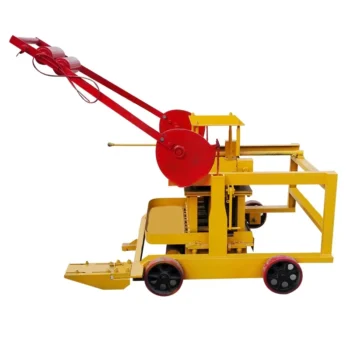
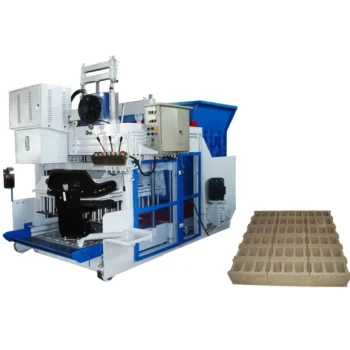
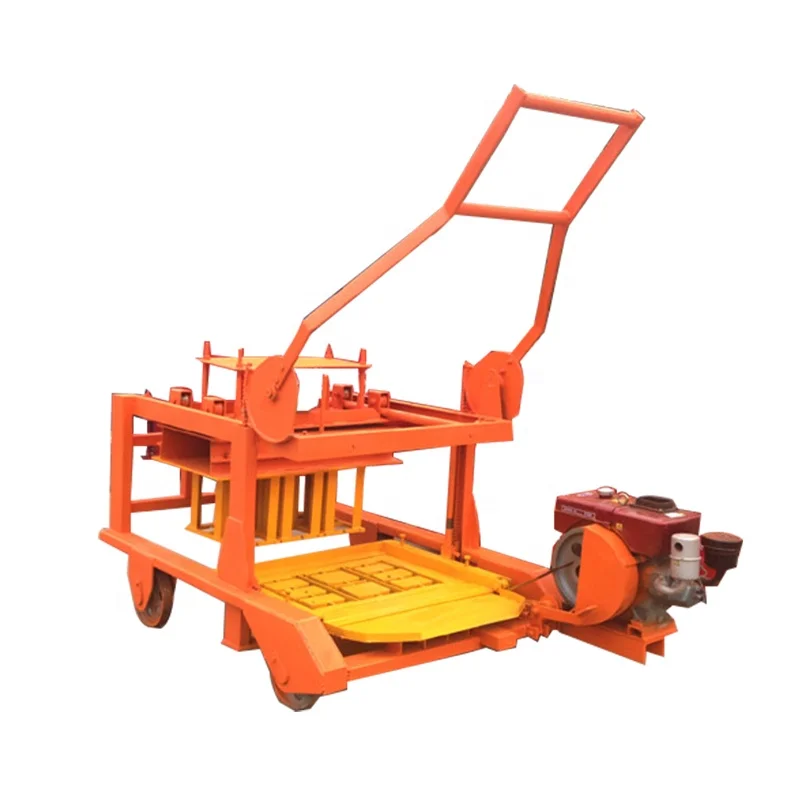
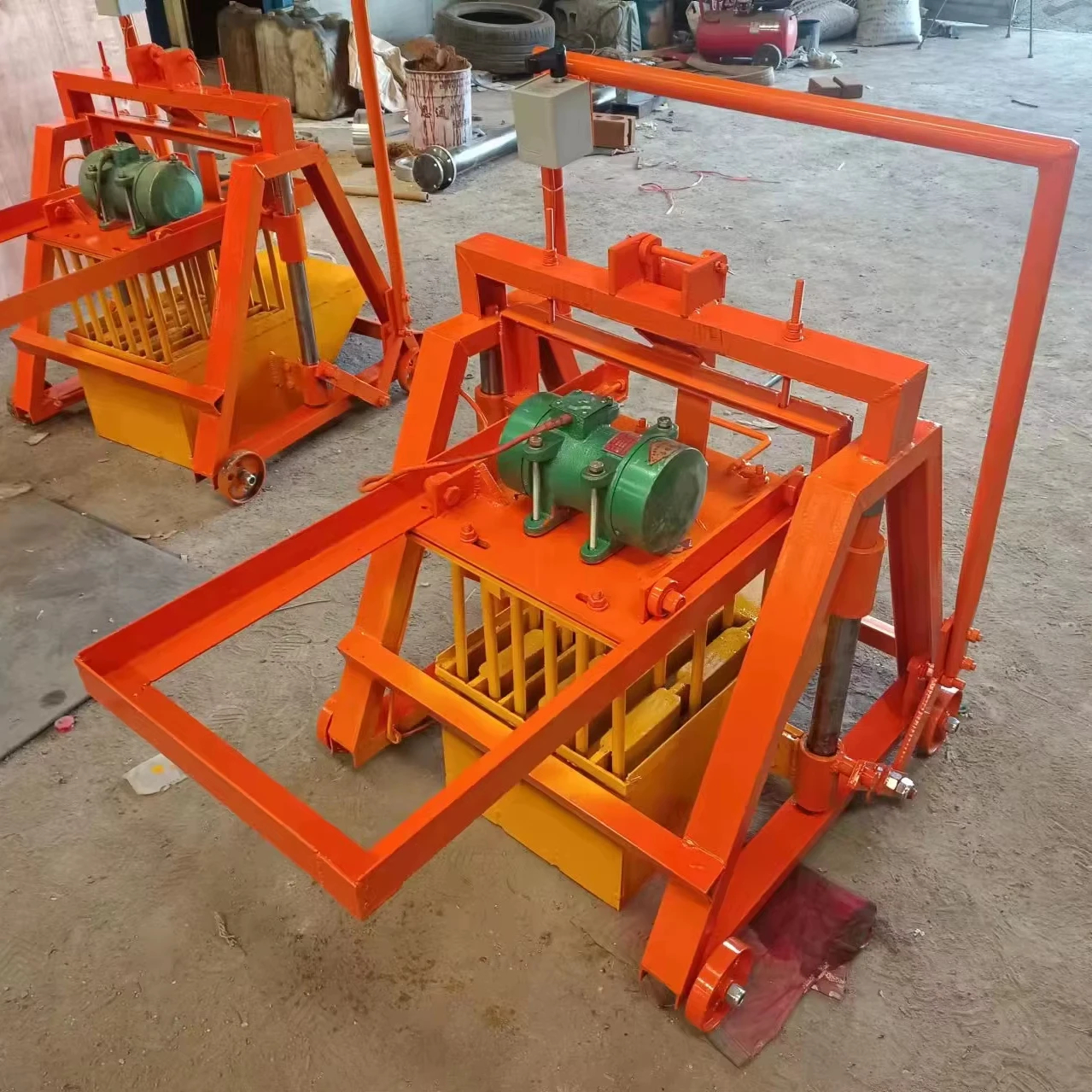
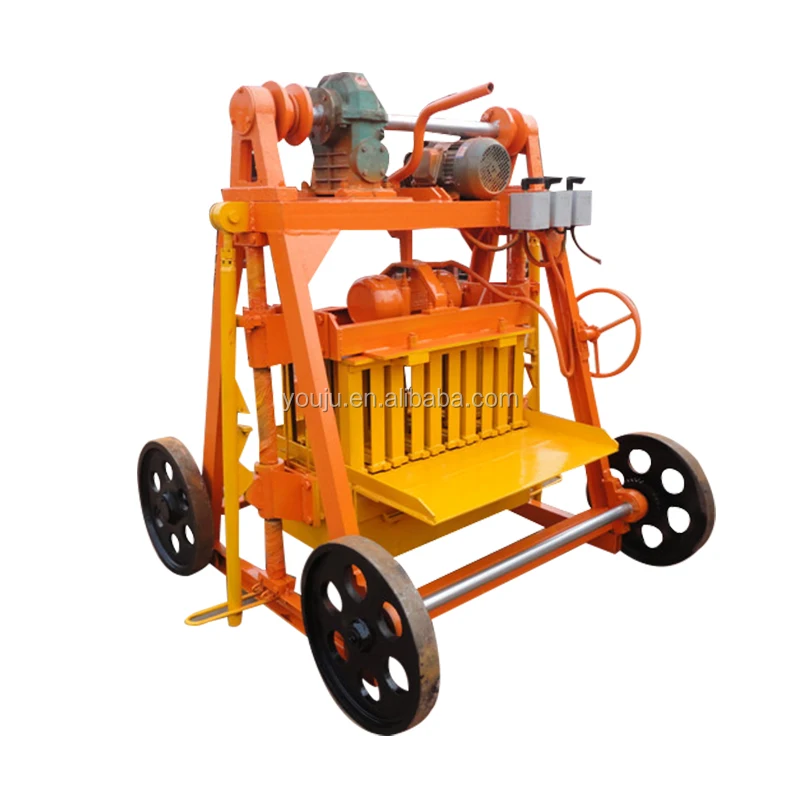
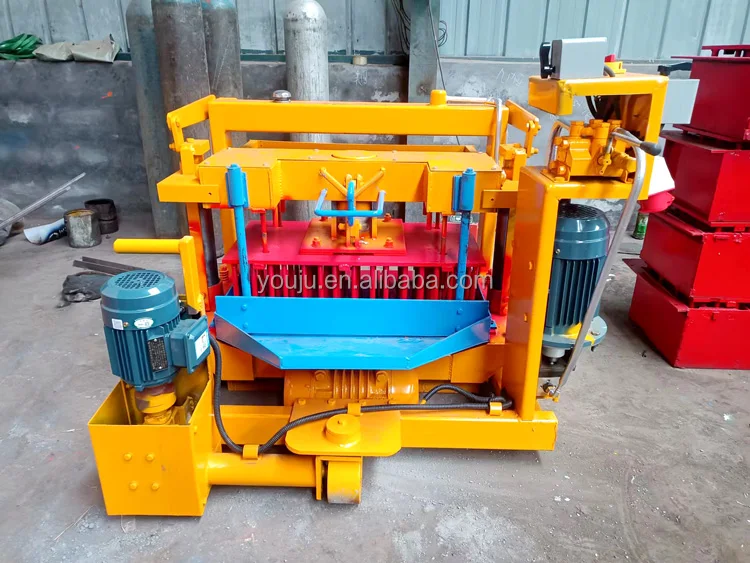
| Product Type | Mobile Concrete Block Making Machine |
| Rated Power | 5 kW |
| Overall Dimensions (L×W×H) | 1200 × 1200 × 1100 mm |
| Net Weight | 950 kg |
| Automation Level | Semi-automatic (mobile egg-laying type) |
| Cycle Time | 30 seconds |
| Mould Format | Hollow block and solid brick |
| Output Capacity | 480 pcs/hour based on 400×200×200 mm hollow block, 4 pcs/mould |
| Output Capacity | 600 pcs/hour based on 400×150×200 mm hollow block, 5 pcs/mould |
| Output Capacity | 840 pcs/hour based on 400×100×200 mm hollow block, 7 pcs/mould |
| Daily Output (8 hours) | 3,840 pcs based on 400×200×200 mm hollow block |
| Daily Output (8 hours) | 4,800 pcs based on 400×150×200 mm hollow block |
| Daily Output (8 hours) | 6,720 pcs based on 400×100×200 mm hollow block |
| Hydraulic Pressure | Not applicable (vibration-based forming) |
| Pallet Size | Not applicable (blocks laid directly on ground) |
| Raw Materials | Cement, sand, crushed stones, slag |
| Assembly State | Single unit, mobile |
Application Suitability
| Application | Material or Output |
|---|---|
| On-site hollow block production for housing projects | Cement, sand, crushed stone mixes laid directly on compacted ground |
| Small-scale solid brick manufacturing for local building markets | Cement and sand blends with slag aggregate where available |
| Entrepreneur-led first block plants with limited capital | Standard 400 mm-series hollow blocks and solid bricks at moderate daily volumes |
| Contractor-run production at remote construction sites | Locally sourced aggregate without dependency on fixed batching infrastructure |
What "Cycles per Hour" Leaves Out About Mobile Block Output
A cycle time means nothing until you know which block size fills that cycle.
Many mobile concrete block making machine specifications quote a single hourly number without revealing the mould cavity count or block dimensions behind it. I have watched contractors arrive at a job site expecting a certain daily tally, only to discover the quoted capacity assumed a small solid brick while their market demands 200 mm hollow blocks. The QMY4-30 completes one cycle every 30 seconds, but the pieces per cycle range from four to seven depending on the format, and that spread changes your daily planning significantly [NEED_CITE: common misalignment between quoted capacity and actual block format in buyer expectations]. Stating output per block size removes that surprise before the machine ships.
Mould Format and the Blocks Your Market Actually Buys
The QMY4-30 ships with moulds for hollow block and solid brick formats, covering the 400 mm-series lengths that dominate wall construction across many regions. Because this is a mobile egg-laying machine, each mould drops blocks directly onto the ground, eliminating the pallet system that adds cost and complexity to stationary plants. Custom mould design is available to buyer drawings, so if your local market uses a non-standard wall thickness or a solid paving format, the cavity layout can be adjusted before production begins.
Matching the Mix to What You Can Source Locally
A mobile concrete block making machine configured for one aggregate type will struggle when fed another. The QMY4-30 works with cement, sand, crushed stones, and slag, but the vibration force and cycle timing need to align with your specific mix design and the gradation of stone available near your site. When the mix and the machine are matched correctly, block strength stays consistent across every batch; when they are not, you end up with crumbling corners or excessive cement usage to compensate [NEED_CITE: relationship between local aggregate gradation and block compressive strength].
Vibration, Cycle Time, and What They Mean on the Ground
The 30-second cycle time governs how fast the machine moves from one lay position to the next, but the vibration force is what actually compacts the mix into a dense, stackable block. Since the QMY4-30 relies on vibration-based forming rather than hydraulic pressure, the amplitude and duration of vibration must suit the stiffness of your mix. A wetter mix may compact faster but produce blocks too soft to handle immediately, while a drier mix requires stronger vibration to fill the mould corners completely. The rated power of 5 kW covers both the vibration motor and the travel mechanism, keeping the electrical demand low enough for a portable generator on a remote site. The overall dimensions of 1200 × 1200 × 1100 mm and a net weight of 950 kg mean the unit can be loaded onto a small flatbed truck and moved between locations without heavy lifting equipment.
The Hidden Cost of Skipping Format Confirmation
When a buyer orders a mobile block machine without confirming which mould formats are included, the machine arrives set up for a block the local market does not buy. I have seen a unit sit for weeks while a replacement mould was manufactured and shipped, turning a fast-start project into a delayed one. The cost is not just the extra mould — it is the idle crew, the missed delivery commitments to a building site, and the lost confidence of the contractor who recommended the purchase [NEED_CITE: financial impact of commissioning delays caused by incorrect mould specification]. Confirming the format list and requesting a mould drawing before production prevents this entirely.
Why Buyers Source This Machine Here
Block machinery is the single focus of this operation, which means the QMY4-30 is specified as a matched system of machine, mould, and handling rather than assembled from unrelated suppliers. Configuration is set against your actual mix design and target block format, not pulled from a catalogue default. Mould design covers the formats your market sells, including custom drawings for non-standard sizes. The automation level is selectable, so a buyer can start with this semi-automatic mobile unit and move to a stationary automatic line later without changing suppliers. Installation guidance and operator training are included so the first production run happens with someone who knows the machine watching the output.
Documentation & Verification
- Capacity calculation document stating the block format assumed for each output figure
- Mould drawing and format list confirming included block sizes before production
- Voltage and frequency confirmation sheet matched to your local power supply
- Factory test record run on your specified block size before dispatch
- Wear parts and mould availability list shipped with the machine
Installation, Commissioning & Support
- Single-unit assembly at 950 kg allows positioning on compacted ground without a poured foundation
- 5 kW rated power suits a standard portable generator or a dedicated 3-phase site supply
- Ground-laying operation means no pallet system to install or align before first run
- Mould change procedure demonstrated during commissioning so operators can switch formats independently
- Wear parts list provided at delivery so first replacement order can be placed before stock runs low
- Operator training covers mix consistency, vibration timing, and machine travel speed
Before You Request a Quote
To size the QMY4-30 correctly, share the block formats your market currently sells, including dimensions and whether hollow or solid. Confirm the raw materials available near your site, particularly the type and gradation of crushed stone or slag. Specify your local voltage and frequency so the electrical system is built to match before the machine leaves the factory.
Frequently Asked Questions
Q: What is the real daily output of the QMY4-30 for my specific block size?
A: Daily output depends on the block format and mould cavity count. For a 400×200×200 mm hollow block at 4 pieces per mould and a 30-second cycle, the machine produces 3,840 pieces in an 8-hour shift. For a 400×100×200 mm block at 7 pieces per mould, the same shift yields 6,720 pieces. Each figure assumes continuous operation without downtime.
Q: Which mould formats are included and can I order custom sizes?
A: The QMY4-30 ships with moulds for hollow block and solid brick formats in the 400 mm series. Custom mould design is available to buyer drawings, so if your local market requires a specific wall thickness, interlocking profile, or non-standard dimension, the cavity layout can be engineered and manufactured before the machine ships.
Q: How should the machine be configured for my local raw materials?
A: Configuration starts with your mix design — the type of cement, sand gradation, and crushed stone or slag available locally. Vibration force and cycle timing are adjusted to match that mix so blocks reach adequate strength without excessive cement consumption. Sharing a sample mix description before production ensures the machine is set correctly from the first run.
Q: What voltage and frequency options are confirmed before shipment?
A: Voltage and frequency are confirmed during the quotation stage based on your local power supply standards. This confirmation is documented before production begins so that the electrical panel, motor wiring, and any control components match your site conditions and avoid commissioning delays upon arrival.
Q: How long does it take to change moulds between block formats?
A: Mould change time depends on the operator’s familiarity with the machine and the specific formats involved. During commissioning and operator training, the procedure is demonstrated so your crew can switch between hollow block and solid brick moulds with standard hand tools. Confirming the required formats up front means the correct mounting hardware is included with the machine.