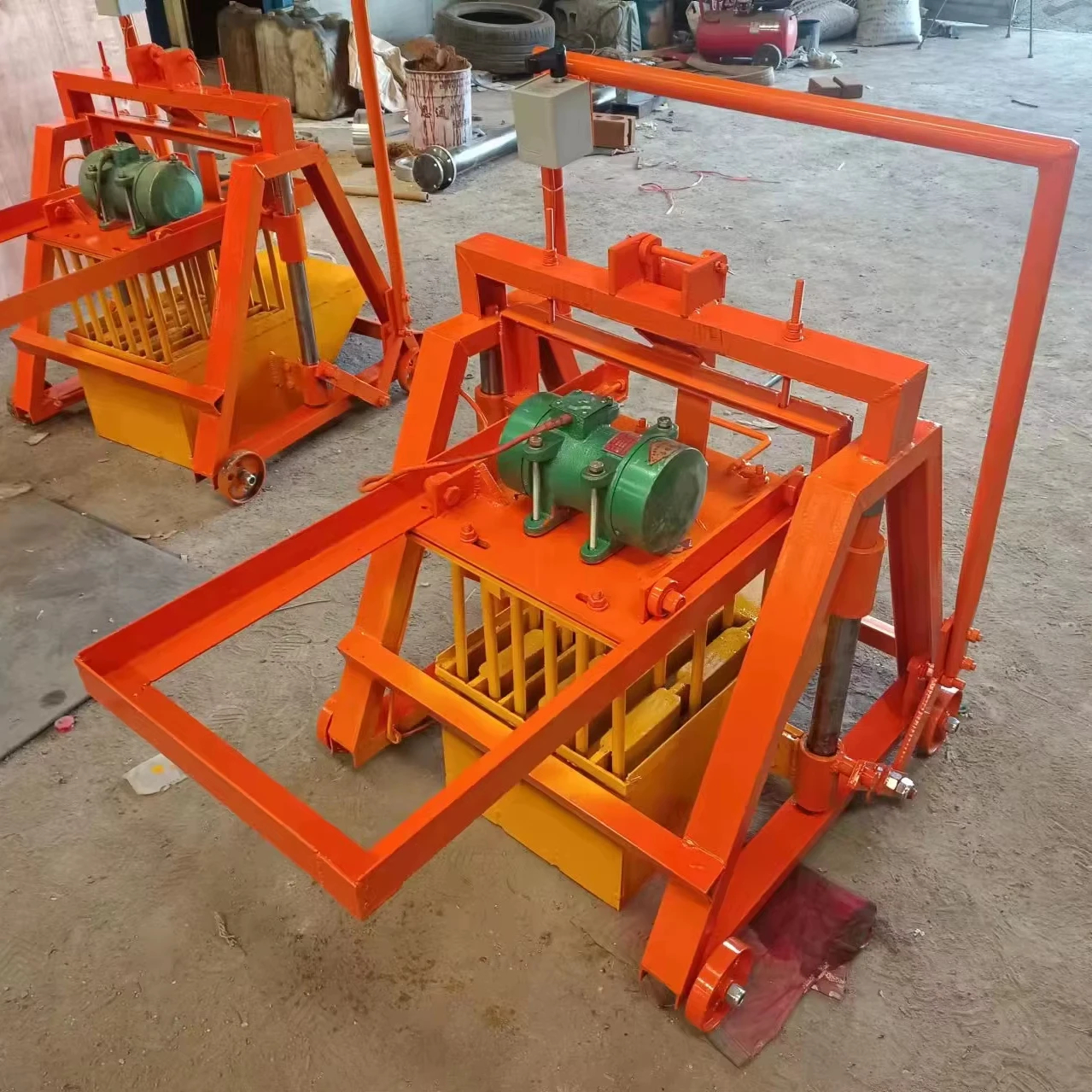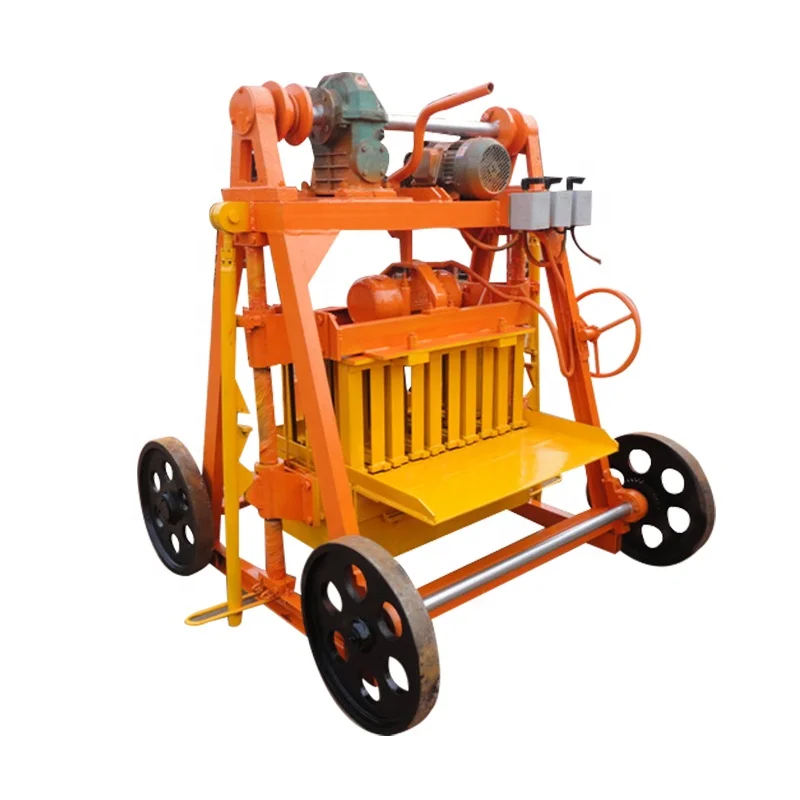



Description
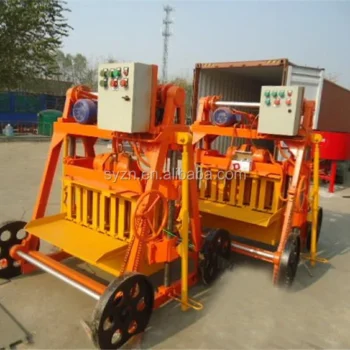
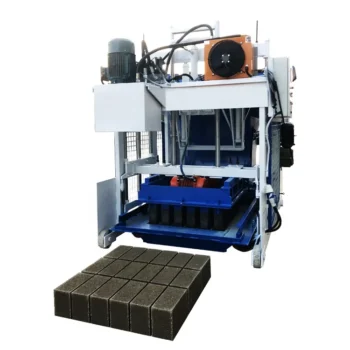
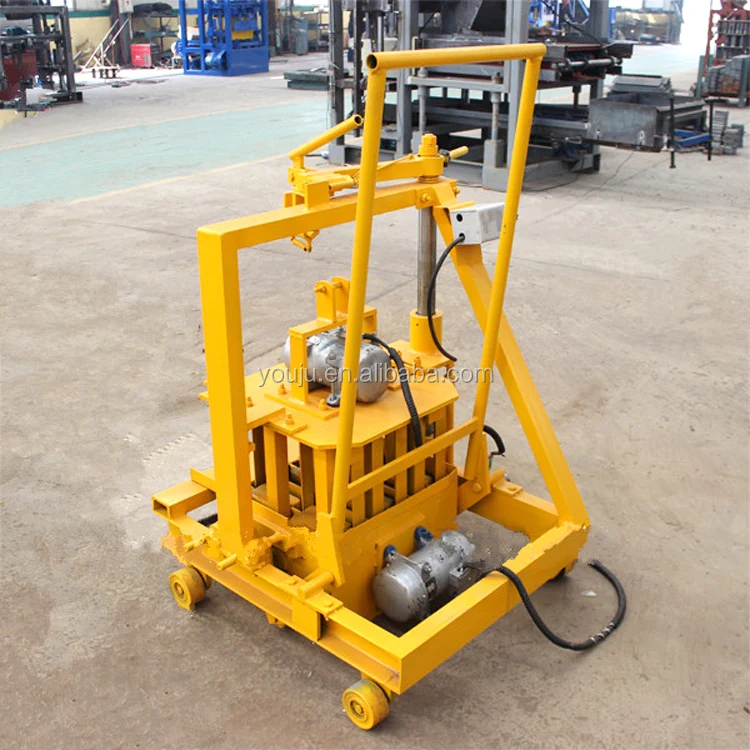
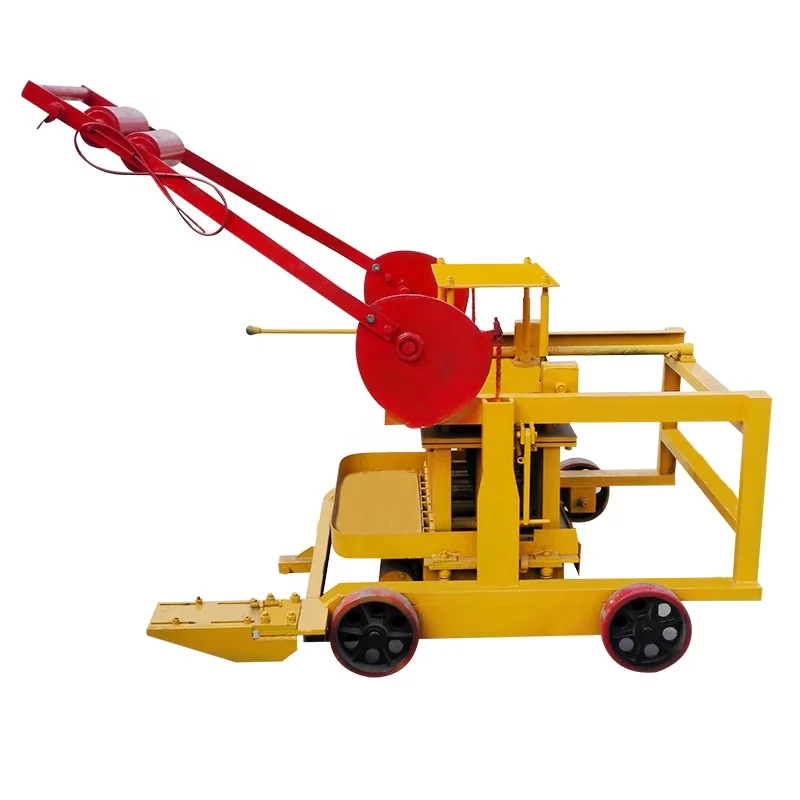
Matched System Design — the QMY4-30 is configured as a single unit where mould format, cycle time and on-ground laying method are evaluated together against your actual block design, not quoted as isolated press figures.
Technical Specifications
| Parameter | Value |
|---|---|
| Model | QMY4-30 |
| Product Type | Mobile Hollow Block Making Machine |
| Rated Power | 5 kW |
| Overall Dimensions (L×W×H) | 1200×1200×1100 mm |
| Net Weight | 950 kg |
| Molding Cycle Time | 30 seconds |
| Output Capacity | 480 pcs/h based on 400×200×200 mm hollow block, 4 pcs/mould |
| Output Capacity | 600 pcs/h based on 400×150×200 mm hollow block, 5 pcs/mould |
| Output Capacity | 840 pcs/h based on 400×100×200 mm hollow block, 7 pcs/mould |
| 8-Hour Shift Output | 3840 pcs (400×200×200 mm) / 4800 pcs (400×150×200 mm) / 6720 pcs (400×100×200 mm) |
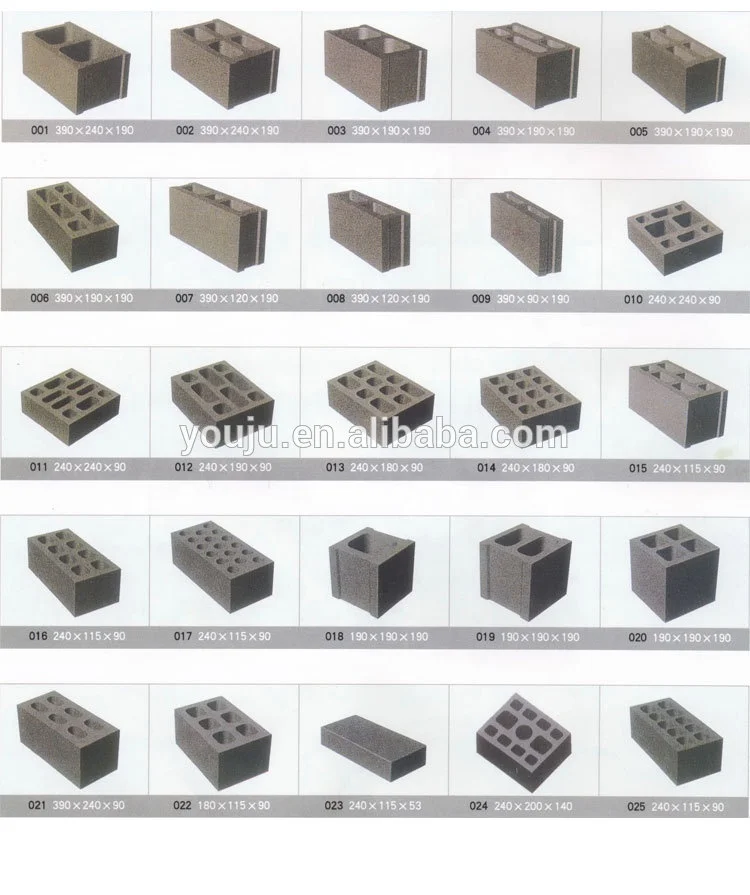
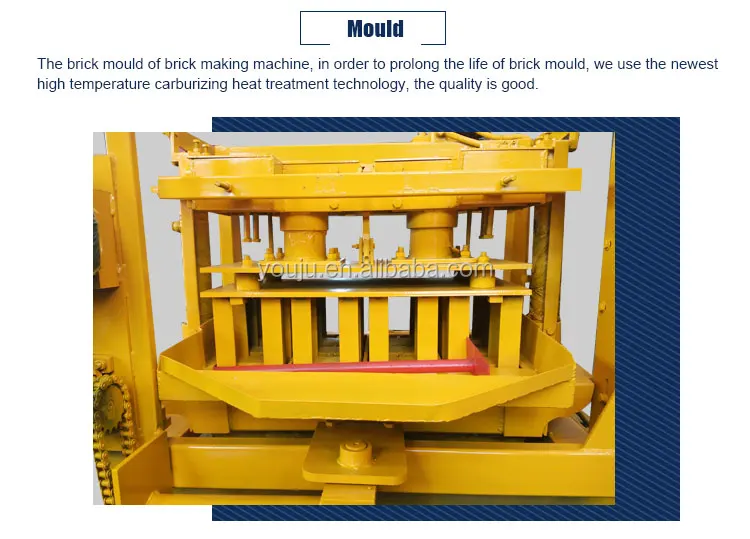
| Mould Format | Hollow block and solid brick, moulds changeable |
| Raw Materials | Cement, sand, crushed stones, slag |
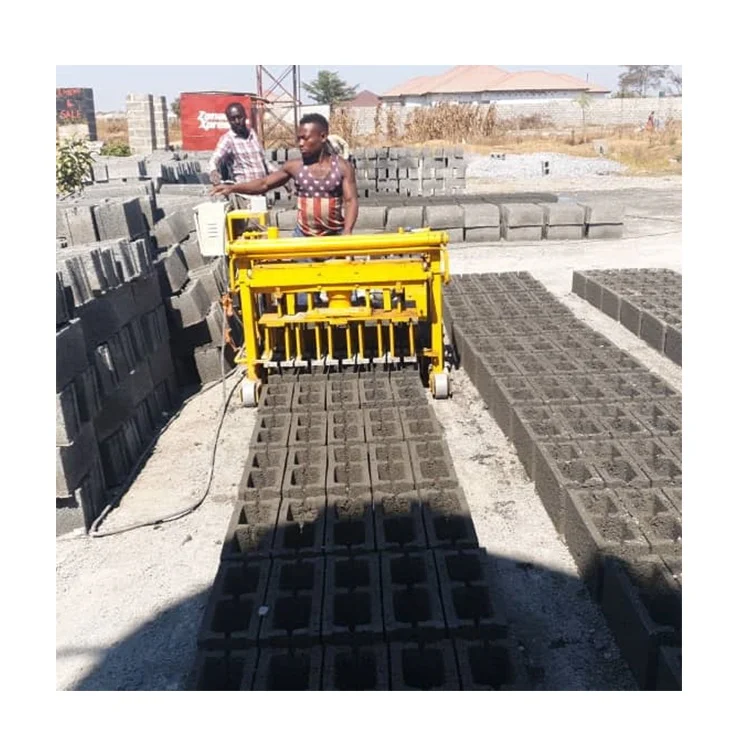
| Automation Level | Mobile / egg-laying type, no fixed plant required |
| Assembly State | Fully assembled, mobile on-site operation |
| Voltage & Frequency | To be confirmed with supplier |
| Control System | To be confirmed with supplier |
| Pallet Size | Not applicable (egg-laying type lays blocks on ground) |
| Hydraulic Pressure | To be confirmed with supplier |
| Vibration Force | To be confirmed with supplier |
Application Suitability
| Application | Material or Output |
|---|---|
| On-site hollow block production for building projects | Crushed stone, sand and cement mix laid directly on ground |
| Solid brick manufacturing at remote construction sites | Local aggregate blended with cement, no pallet logistics required |
| Small-scale start-up block plant with minimal capital | 400×200×200 mm hollow blocks at 3840 pcs per 8-hour shift |
| Contractor-produced blocks matching phase-by-phase demand | Machine repositioned across site as building zones progress |
Why "480 Pieces per Hour" Means Nothing Without the Block Format
Capacity only becomes real when tied to a specific block size and mould cavity count.
I once watched a contractor in West Africa take delivery of a mobile block machine quoted at a single hourly figure. The number assumed the smallest block in the catalogue. His site needed 200 mm wide hollow blocks, and the actual throughput dropped to nearly half what he had planned his labour around. The crew stood idle between cycles because the ground curing area was sized for the higher number. When you review mobile block machine specifications how to choose the right one, the first question is always which format the capacity figure assumes. [NEED_CITE: common misquotation of block machine output without format reference]
Matching the Machine to Your Block Format
The QMY4-30 runs a fixed 30-second moulding cycle regardless of which block size is loaded. That means hourly output shifts entirely based on how many cavities the mould carries. A 400×200×200 mm hollow block mould holds 4 cavities, producing 480 pieces per hour. Switch to a 400×100×200 mm mould with 7 cavities and the same cycle delivers 840 pieces per hour. Understanding this spread is central to reading mobile block machine specifications how to choose a model that fits your market’s dominant format rather than the supplier’s headline number.
Ground Conditions and the Egg-Laying Method
An egg-laying machine deposits wet blocks directly on the ground and moves forward after each cycle. The surface must be level, compacted and free of standing water. Unlike pallet-based systems, there is no pallet return loop to maintain, but the curing area grows with every hour of production. On a typical shift producing 400×200×200 mm blocks, you will cover a significant ground area that must remain undisturbed for initial set. Site planning therefore starts with the shift output figure, not the press spec alone. [NEED_CITE: ground preparation standards for mobile egg-laying block production]
Reading the Power and Weight Numbers Together
At 5 kW rated power the QMY4-30 can run from a portable diesel generator, which matters on sites without grid connection. The 950 kg net weight keeps the machine within the towing capacity of a standard site vehicle, and the 1.2 m × 1.2 m footprint lets it pass through narrow access points between structures. These two figures together define where the machine can realistically operate — a heavier unit would require a dedicated forklift for every reposition, while a higher power draw would force a larger generator that adds cost and fuel logistics.
What Happens When Vibration and Mix Design Do Not Align
Block strength on an egg-laying machine depends on the vibration force compacting the mix against the mould walls before the machine rolls forward. If the local aggregate carries high clay or silt content, the mix becomes sticky and resists compaction, producing blocks that crack during curing. I have seen this exact issue on a project where the quarry sand tested at a clay percentage far above the mix design the machine was originally set for. Adjusting the vibration amplitude and revising the cement-to-aggregate ratio brought compressive results back in line, but only after two weeks of wasted material. Voltage and frequency must also be confirmed before dispatch so the motor delivers its rated vibration force at the site’s actual supply. [NEED_CITE: effect of aggregate clay content on block compressive strength]
Why Procurement Based on Catalogue Defaults Fails on Site
When a mobile machine is ordered without specifying local raw material characteristics, the mould and vibration settings arrive calibrated for a generic mix. The buyer then faces a choice: source expensive imported aggregate to match the default, or re-commission the machine at additional cost and delay. Either path erodes the low-investment advantage that drew them to a mobile unit in the first place. The consequence is not just weaker blocks — it is a production schedule that cannot meet the contractor’s build timeline, with penalty clauses activating on the construction side. [NEED_CITE: project delay costs linked to equipment-material mismatch]
What Makes This Source Different for Mobile Equipment
Block machinery is the single focus here, so the QMY4-30 is not bundled from unrelated suppliers. The mould, vibration settings and ground-laying method are specified as one matched system. Configuration is set against your actual mix design and local aggregate rather than a catalogue default, meaning the machine arrives ready for your material. Mould design covers the formats your market sells, and custom drawings are accepted when standard sizes do not match. The automation level is the mobile egg-laying method itself — simple, low-capital, and upgradable to a pallet-based line later if production volume grows. Installation support includes on-site commissioning and operator training so the crew understands cycle pacing and ground preparation from day one.
Documentation & Verification
- Capacity calculation sheet stating block format, cavity count and shift hours for each output figure
- Mould drawing and format list showing which hollow block sizes ship included and which are custom
- Voltage, frequency and control language confirmation recorded before production begins
- Factory test record run on buyer-specified mix proportions where sample material is provided
- Operation and maintenance manual with ground preparation and curing area planning guidance
- Wear parts list identifying vibration components and mould liners due for periodic replacement
Installation, Commissioning & Support
- Level compacted ground surface required across the full curing area before the 1200×1200 mm machine arrives
- 5 kW power supply on a dedicated circuit, generator sizing confirmed for site altitude and temperature
- Machine ships fully assembled and can be towed into position with standard site transport equipment
- First-cycle test run on your aggregate blend to verify block density and adjust vibration settings on site
- Operator training covers cycle pacing, mould change procedure and daily vibration component inspection
- Mould liner and vibration spring replacement intervals documented in the maintenance manual
Preparing Your Inquiry
To receive a configuration proposal that reflects actual site conditions rather than catalogue defaults, share the block format your market buys most, the daily volume your project schedule demands, and the source of your local aggregate. Include the site voltage and frequency so the motor winding matches your supply. If you have a current mix design or a lab test of your raw material, attach it so the vibration force can be matched before the machine is built.
Frequently Asked Questions
Q: How is realistic daily output calculated for each block format on the QMY4-30?
A: Each output figure starts from the fixed 30-second moulding cycle and the cavity count of the specific mould. For a 400×200×200 mm hollow block with 4 cavities, one cycle produces 4 blocks, giving 480 per hour and 3840 over an 8-hour shift. The same cycle with a 7-cavity 400×100×200 mm mould yields 840 per hour. No figure is quoted without naming the exact format and cavity count it assumes.
Q: Which block sizes and mould formats are available, and can I request a custom mould?
A: Standard moulds cover 400×200×200 mm, 400×150×200 mm and 400×100×200 mm hollow blocks plus solid brick formats. Custom moulds are produced from buyer-supplied drawings when local market dimensions differ. Each mould is tested in the factory before dispatch, and the drawing package ships with the machine so replacement cavities can be ordered later without re-measuring.
Q: What raw materials and mix design does this machine require, and how is it matched to my local aggregate?
A: The QMY4-30 processes cement, sand, crushed stones and slag. Before production, a sample of your local aggregate is tested for clay content and grading. Vibration force and recommended mix proportions are then set to match that material. This step prevents the common situation where blocks crack during curing because the factory default mix did not suit the buyer’s actual sand source.
Q: What voltage, frequency and control language options are confirmed before dispatch?
A: Voltage and frequency are confirmed during the quotation stage and recorded on the production order so the motor winding and control components match the site supply. Control language is agreed at the same point. This avoids commissioning delays caused by a motor wired for a different regional standard or an interface the local operator cannot read.
Q: How long does a mould change take, and what tools are needed on-site?
A: Mould change on the QMY4-30 involves releasing the retaining bolts, lifting the current mould out and lowering the replacement in. Standard hand tools are sufficient. The exact time depends on operator familiarity, but a crew trained during commissioning can complete the swap within a short break, keeping format flexibility practical rather than theoretical.