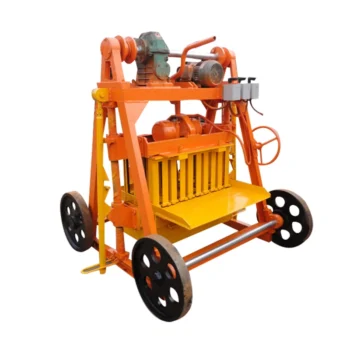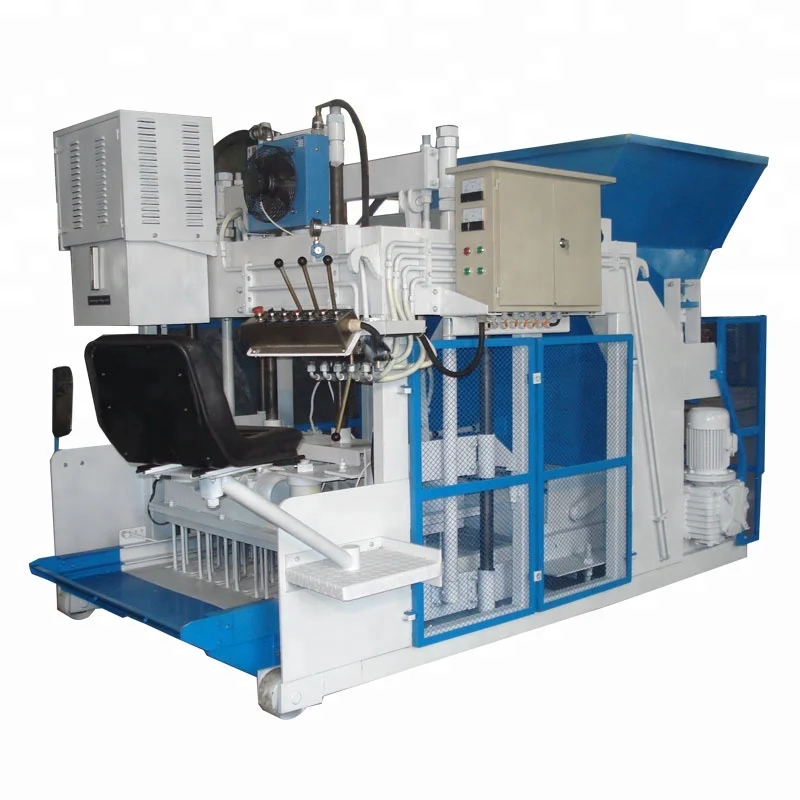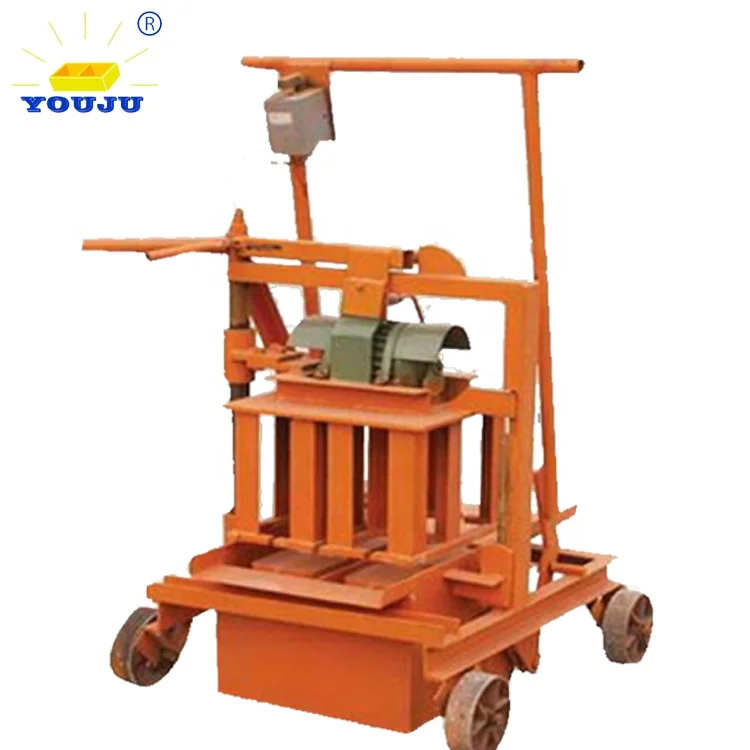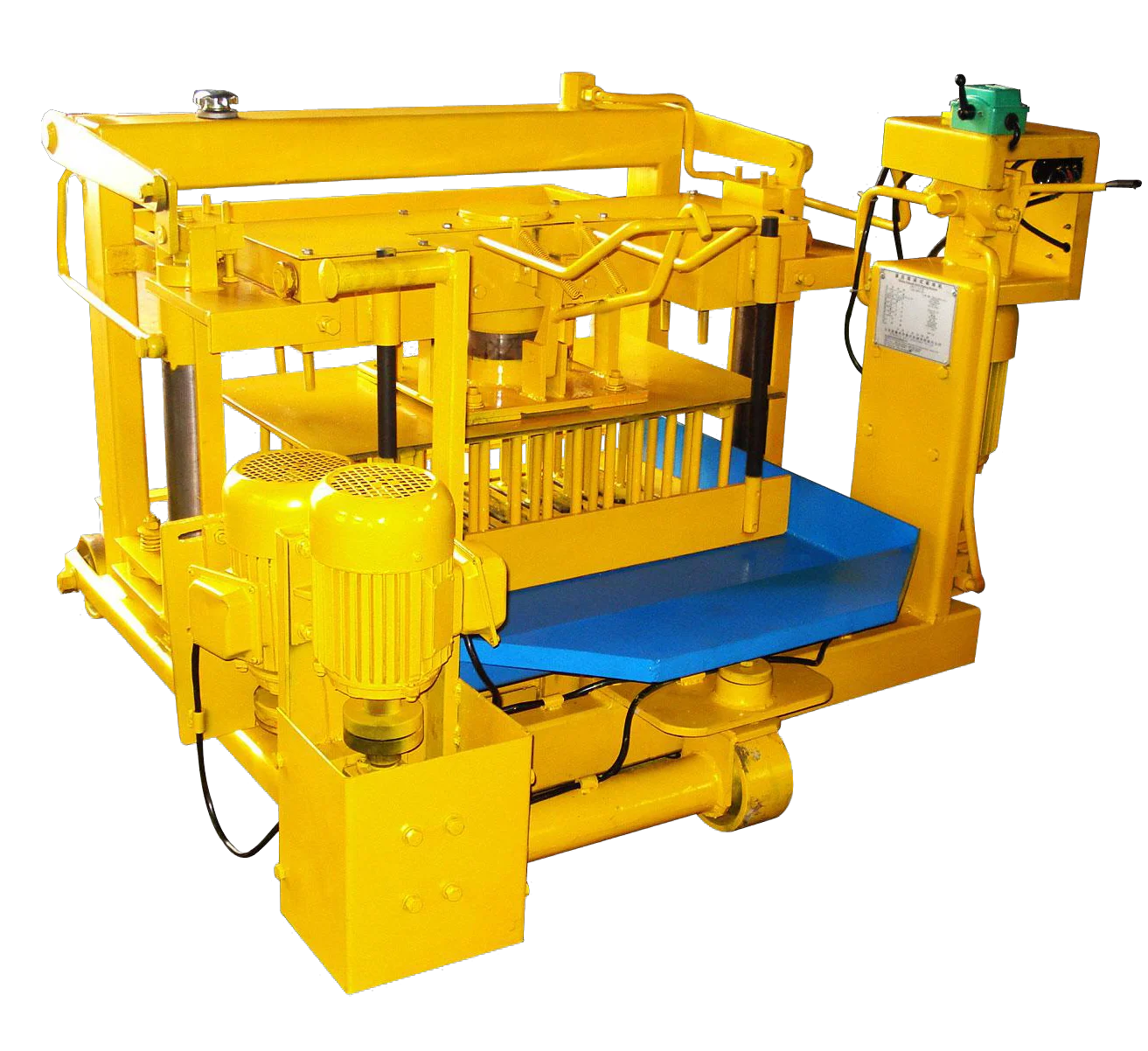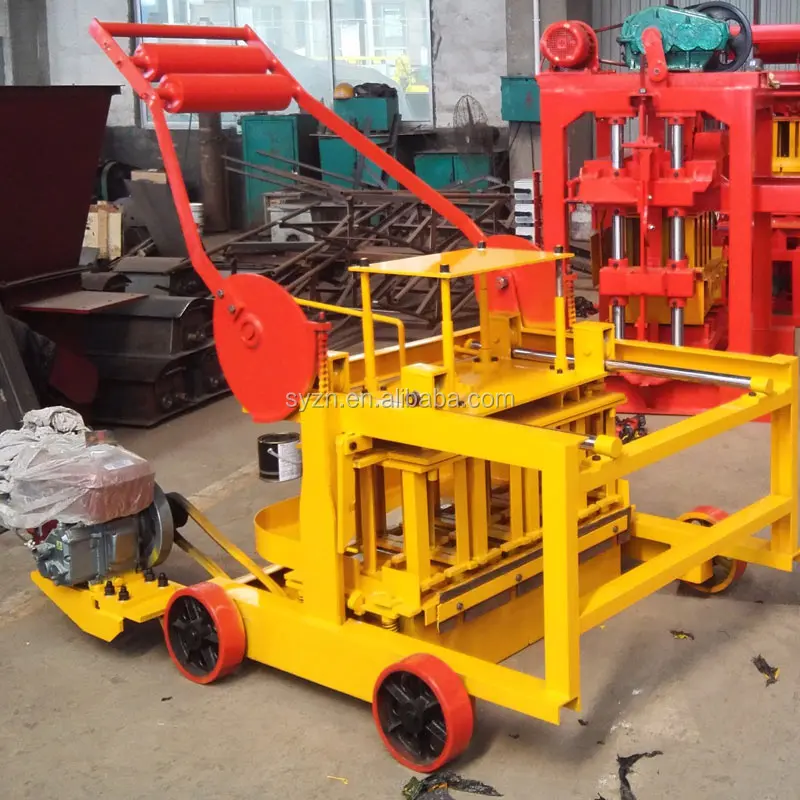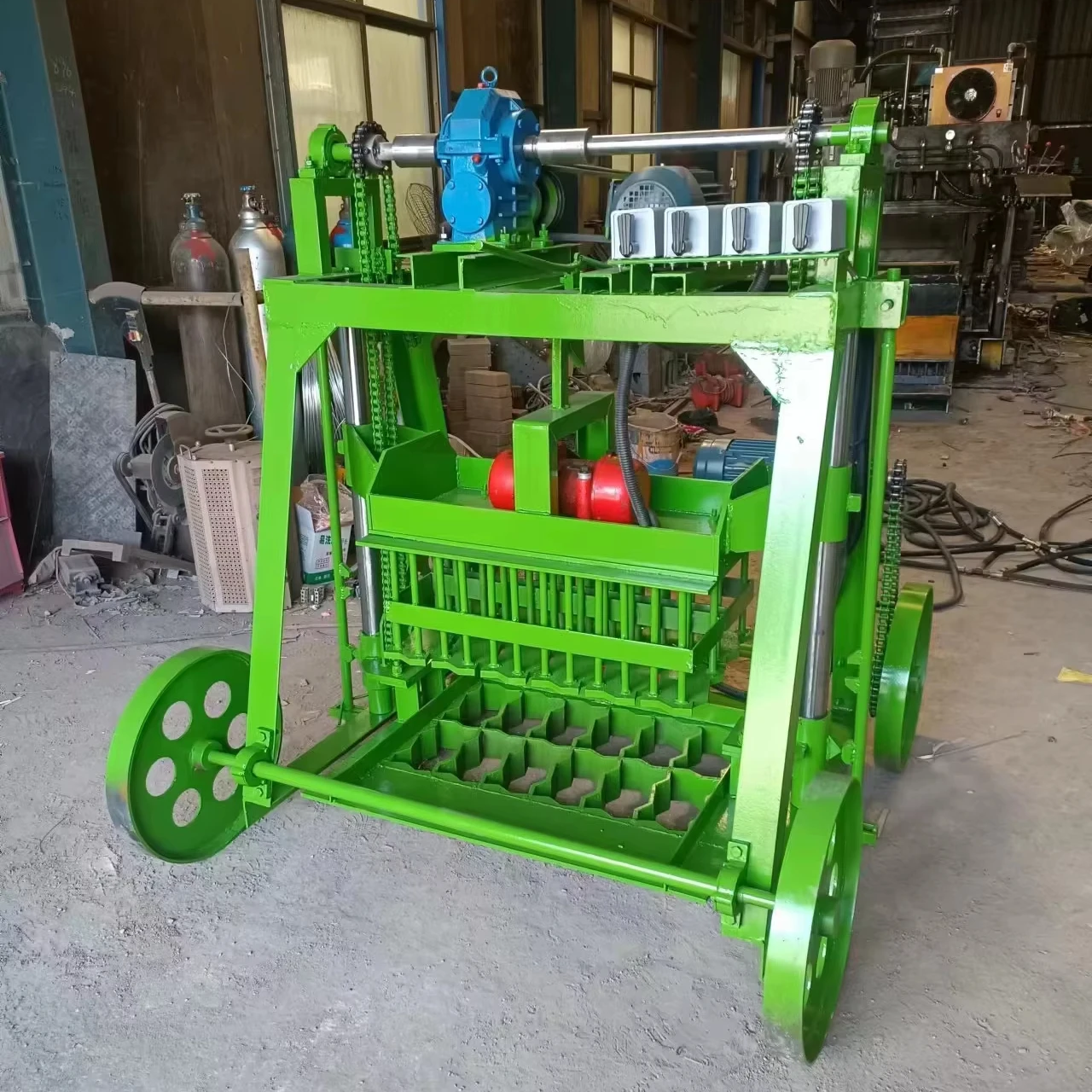
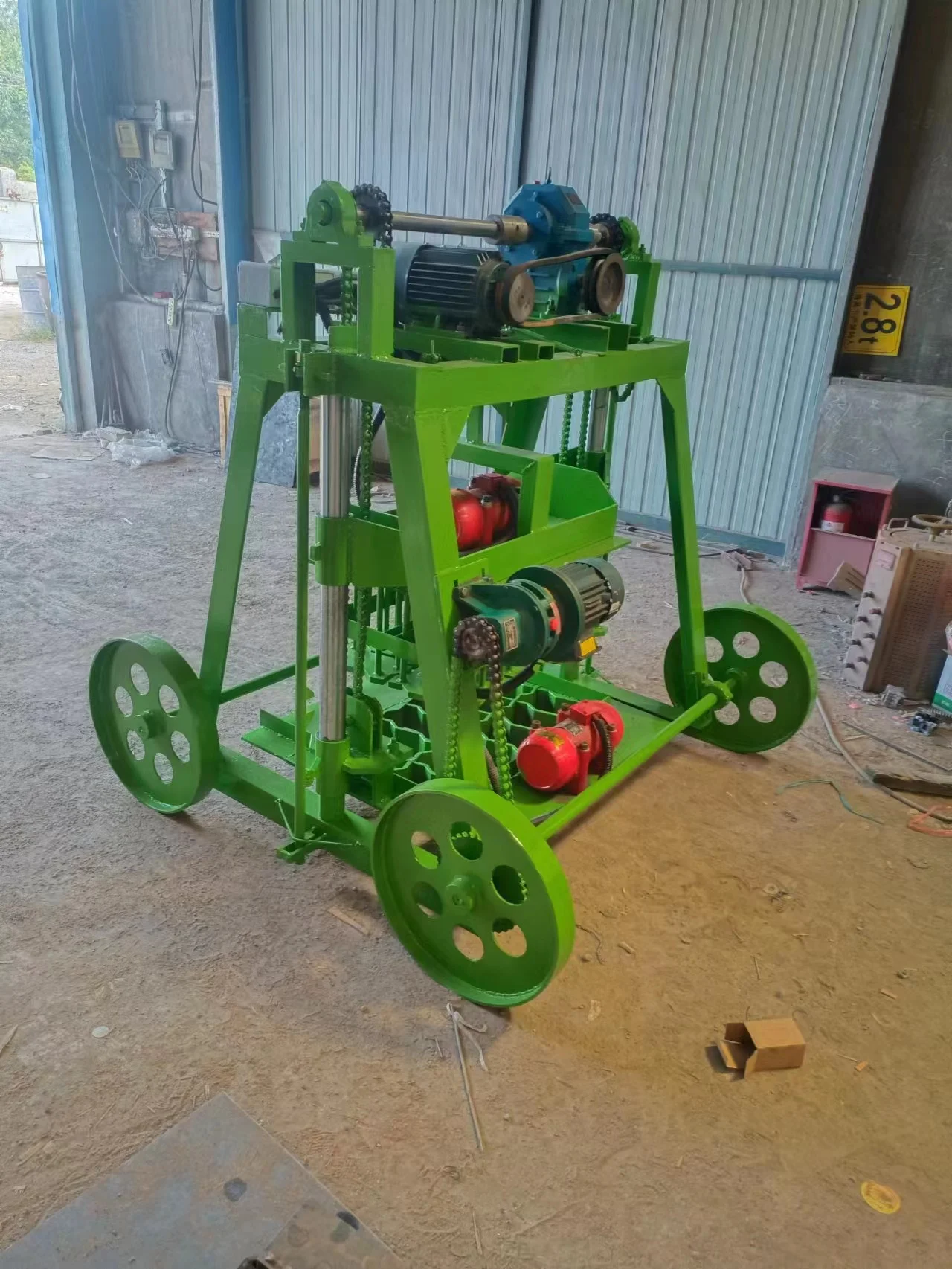


Description
Format-matched vibration tuning — Every QMJ4-45 configuration is tested against the buyer’s submitted aggregate sample before dispatch, so the twice-vibration core system is calibrated to produce consistent hollow block density on local material rather than a generic sand mix.
Technical Specifications
| Parameter | Value |
|---|---|
| Product Type | Mobile Egg Laying Block Making Machine |
| Model | QMJ4-45 |
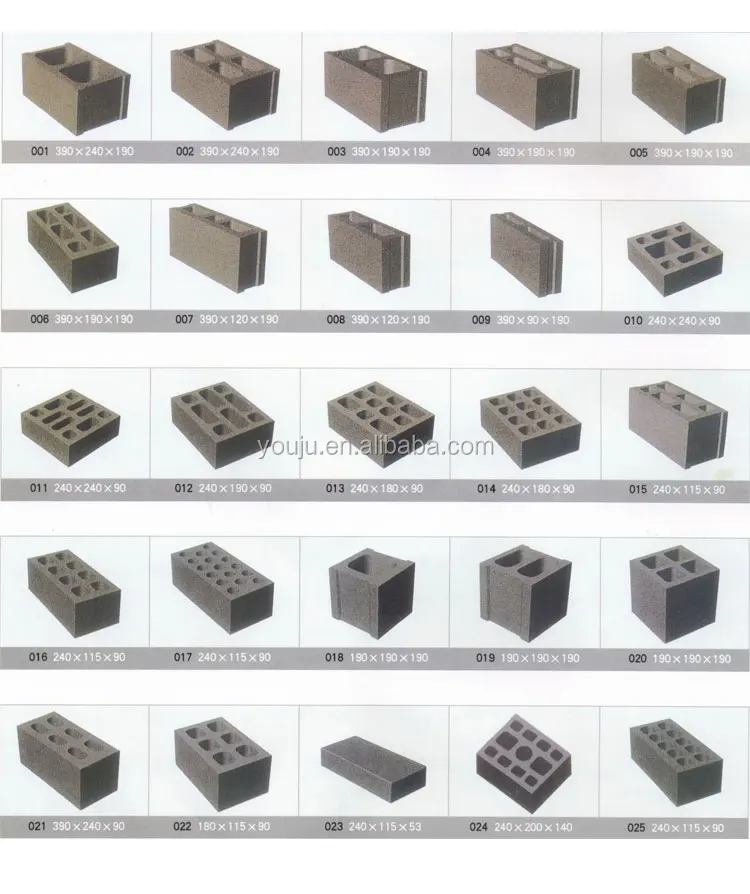
| Molding Capacity | 4 pcs per mould (basis: 400×200×200mm hollow block) |
| Productivity | 3000 pcs/day (basis: 400×200×200mm hollow block, 8-hour shift) |
| Productivity | 3500 pcs/day (basis: 400×150×200mm hollow block, 8-hour shift) |
| Productivity | 4500 pcs/day (basis: 400×120×200mm hollow block, 8-hour shift) |
| Molding Cycle | 40–45 s |
| Vibration Frequency | 2400 r/m |
| Vibration Method | Mold vibration (twice-vibration system on molding core) |
| Demold Method | Manual |
| Turning Method | Manual |
| Total Power | 6 kW |
| Power Source | Diesel/petrol engine or electric motor (selectable) |
| Automation Level | Manual operation, no pallet required (egg-laying type) |
| Pallet Requirement | None — machine lays blocks directly on ground |
| Control System | Manual (no PLC) |
| Voltage & Frequency | Applicable to electric motor variant (configurable per site) |
| Warranty | One year for the whole machine |
Application Suitability
| Application | Material or Output |
|---|---|
| On-site hollow block production for building contractors | Crushed stone, river sand, cement mixes laid directly on compacted ground |
| Low-investment block plant startups | 400×200×200mm, 400×150×200mm, and 400×120×200mm hollow blocks |
| Remote construction sites without grid power | Engine-driven operation producing hollow blocks from locally sourced aggregate |
| Housing project contractors producing blocks locally | Multiple hollow block widths from a single machine with mould change |
What "3000 Blocks Per Day" Actually Means on Your Site
The output number only holds true when tied to a specific hollow block format and shift length.
Most egg laying block machine quotations quote a single daily capacity without disclosing which block size it assumes. In my years commissioning mobile block machines across East Africa and South Asia, I have watched contractors arrive on site expecting a uniform output figure, only to discover that switching from 200mm to 120mm hollow blocks shifts the daily yield by a considerable margin. The QMJ4-45 egg laying block machine specifications listed above tie every productivity number to a defined block dimension and an eight-hour shift, which is the only honest way to plan your production schedule. When a supplier quotes cycles per hour without naming the format, that number is effectively meaningless for your purchasing decision [NEED_CITE: common misrepresentation of block machine capacity in export quotations].
Mould Configuration Dictates Your Real Output Tier
The QMJ4-45 egg laying block machine specifications separate daily productivity into three distinct tiers based on hollow block width. A 200mm-wide block yields approximately 3000 pieces per eight-hour shift, while a narrower 120mm block pushes output toward 4500 pieces in the same window. This is not a marketing range — it reflects the physical volume of concrete placed per mould cycle at a consistent 40–45 second interval. Choosing the right mould is therefore not a secondary decision; it determines the revenue tier your machine operates in from day one.
Why the Power Source Question Comes Before Everything Else
On remote housing projects in regions where grid electricity is unreliable or absent entirely, the diesel or petrol engine option transforms the QMJ4-45 from a workshop machine into a genuinely mobile production unit. I have set up egg-laying machines on sites where the nearest stable power connection was kilometres away, and the engine-driven variant allowed production to begin the week the machine arrived. For sites with reliable grid supply, the electric motor variant at 6 kW total draw is the more economical long-term choice. Confirming your site’s power reality before ordering avoids a situation where the machine sits idle while you source a generator [NEED_CITE: power infrastructure reliability in sub-Saharan construction zones].
Reading the Specs That Actually Matter for Block Strength
The 2400 r/m vibration frequency delivered through the twice-vibration molding core system is the parameter that most directly determines hollow block density and compressive strength. Unlike single-point vibration, the dual-action system compacts the concrete mix from the mould core outward, reducing voids and producing more uniform wall thickness across the block. However, vibration force must be matched to the specific aggregate gradation and cement ratio of your local mix — a frequency that works perfectly with washed river sand may leave red laterite soil under-compacted. This is why we request a sample of the buyer’s intended aggregate before finalising the machine setup. The 4-pcs-per-mould capacity on the standard 400×200×200mm format keeps the mould weight within manual handling limits, which matters when demoulding and turning are both done by hand.
The Cost of Skipping the Aggregate Test
I once commissioned a small mobile block machine for a contractor in Kenya where we ran successful trials on our standard sand at the factory. When the machine arrived on site and they switched to local red soil, the vibration parameters were completely wrong — block strength dropped noticeably and breakage during handling became a daily problem. I spent several days on the ground re-tuning the setup. Since that experience, every QMJ4-45 egg laying block machine we ship goes through a mould and vibration trial on the buyer’s actual submitted aggregate before crating. Skipping this step risks arriving on site with a machine calibrated for a mix you cannot source locally, forcing either a costly material change or weeks of on-site troubleshooting [NEED_CITE: aggregate variability impact on concrete block compressive strength].
Why This Machine Is Specified as a System, Not a Catalogue Line
Block machinery is our single focus, which means the QMJ4-45 is not assembled from a generic press and third-party moulds. The machine, mould, and vibration system are configured together against the buyer’s target block format and local material. Mould design covers the formats your market actually sells, including custom drawings if your region demands a non-standard dimension. The automation level is honest — this is a manual egg-laying machine, and we do not pretend it includes pallet handling or stacking it does not have. Documentation arrives with the machine: hydraulic and electrical schematics, a mould drawing and format list, an operation and maintenance manual, and a wear parts list so you know what to reorder and when. Our sales process starts with your target format, daily output requirement, and local raw material, not a catalogue page.
Documentation & Verification
- Factory test record showing cycle time on your specified hollow block format before dispatch
- Mould drawing and format list covering all ordered block dimensions
- Operation and maintenance manual with illustrated troubleshooting steps
- Wear parts and mould list with reorder part numbers
- Hydraulic and electrical schematic for on-site maintenance teams
- Voltage and control language confirmation sheet for electric motor variants
Installation, Commissioning & Support
- Level compacted ground area required — no fixed foundation or pallet curing racks needed for egg-laying operation
- Electric motor variant requires confirmed voltage and frequency matching site supply before wiring
- Engine-driven variant arrives with fuel line and throttle pre-set; first start-up covers idle and load RPM checks
- Manual demoulding and turning technique demonstrated during commissioning with your local crew
- Mould change procedure walked through on site using your ordered format set
- Wear parts list reviewed with site supervisor, covering vibration springs and mould liner replacement intervals
What to Include in Your Inquiry
To size the QMJ4-45 egg laying block machine correctly for your operation, we need to know which hollow block formats your market currently sells and the daily volume you are targeting. Share a sample or description of your locally available aggregate — sand type, maximum stone size, and whether you plan to use crusher dust or natural gravel. If you are considering the electric motor option, confirm the voltage and frequency at your site so the motor can be wound accordingly before production begins.
Frequently Asked Questions
Q: What is the real daily output of the QMJ4-45 for each hollow block format?
A: The QMJ4-45 egg laying block machine specifications list three verified output tiers based on an eight-hour shift. A 400×200×200mm hollow block yields approximately 3000 pieces per day, the 400×150×200mm format produces around 3500 pieces, and the narrower 400×120×200mm block reaches roughly 4500 pieces. All figures assume a consistent 40–45 second moulding cycle and do not account for breaks or mould changes.
Q: How do I choose between diesel engine and electric motor for my site?
A: If your production site lacks reliable grid electricity or you move the machine between locations frequently, the diesel or petrol engine option provides independence from power infrastructure. For a fixed site with stable grid supply, the 6 kW electric motor is more economical over the machine’s operating life. Confirm local voltage and frequency before ordering the motor variant.
Q: What mix design works best with this machine’s vibration system?
A: The twice-vibration molding core at 2400 r/m performs well with standard crushed stone and sand mixes, but optimal block strength depends on matching vibration force to your specific aggregate gradation. We request a sample of your local material before dispatch to verify that the mix compacts correctly and produces the target density without excessive cement content.
Q: Which mould formats are available and how long does a mould change take?
A: Standard moulds cover 400×200×200mm, 400×150×200mm, and 400×120×200mm hollow blocks. Custom mould dimensions can be produced from buyer drawings. Mould change on the QMJ4-45 is a manual procedure; with practice, an experienced operator completes the swap within a short break period, though first-time changes take longer.
Q: What documentation and spare parts support come with the machine?
A: Every QMJ4-45 ships with a factory test record, mould drawing and format list, operation manual, wear parts list with reorder numbers, and hydraulic and electrical schematics. The one-year warranty covers the whole machine. We supply replacement vibration springs, mould liners, and other wear components on request after the initial sale.