
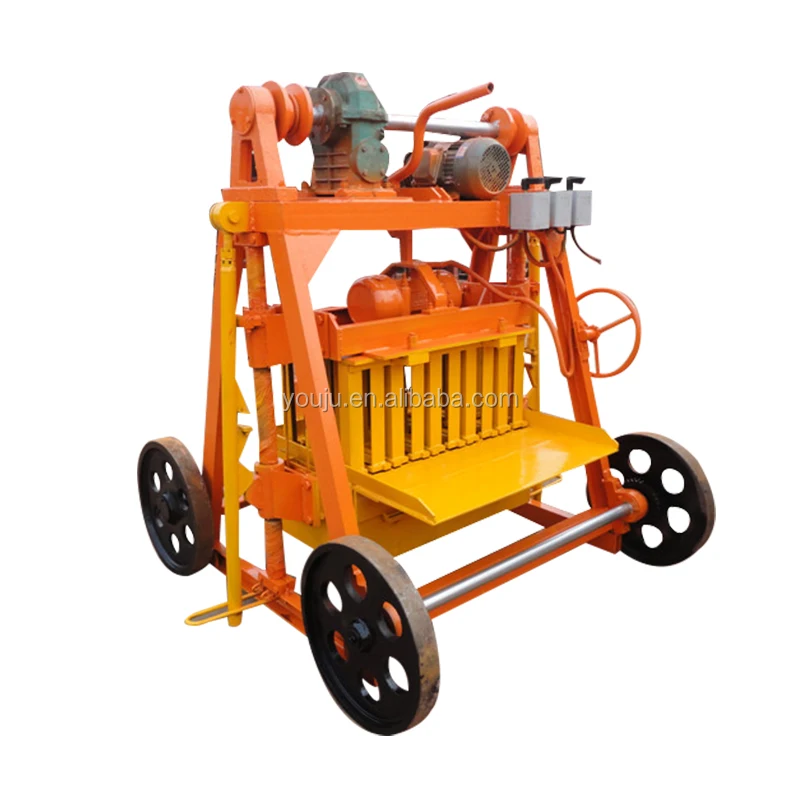


Description
Matched System Sizing — the QMJ4-45 mobile block machine, its mould cavity count, and daily output are calculated together against your local aggregate and target block format, not pulled from a generic catalogue.
Technical Specifications
| Parameter | Value |
|---|---|
| Model | QMJ4-45 |
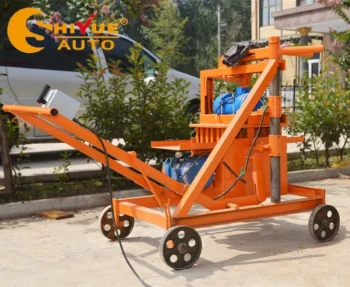
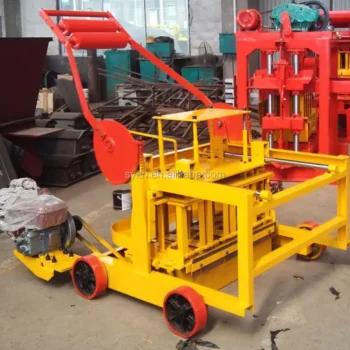
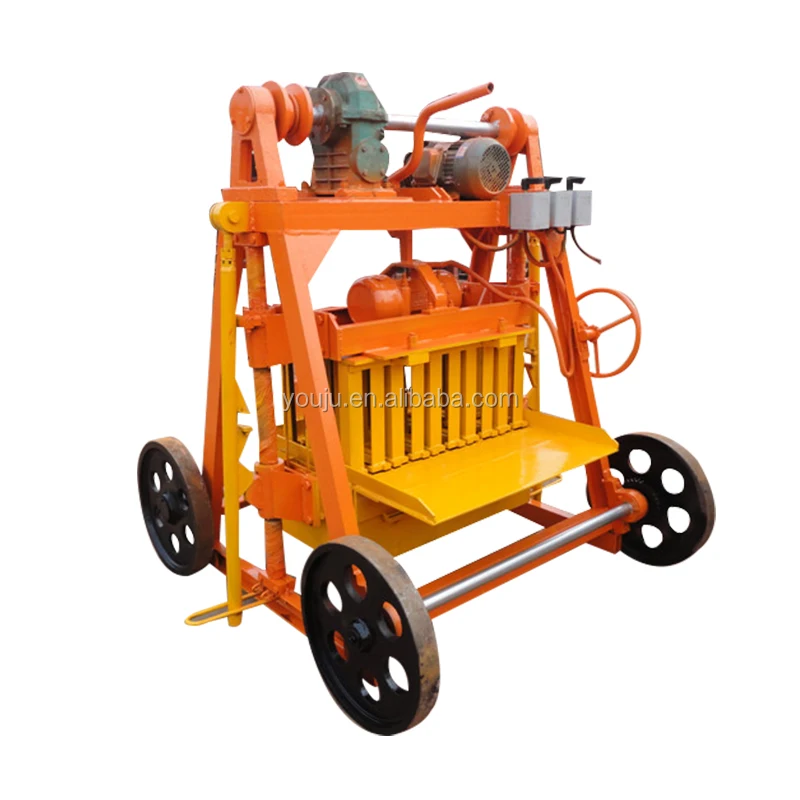
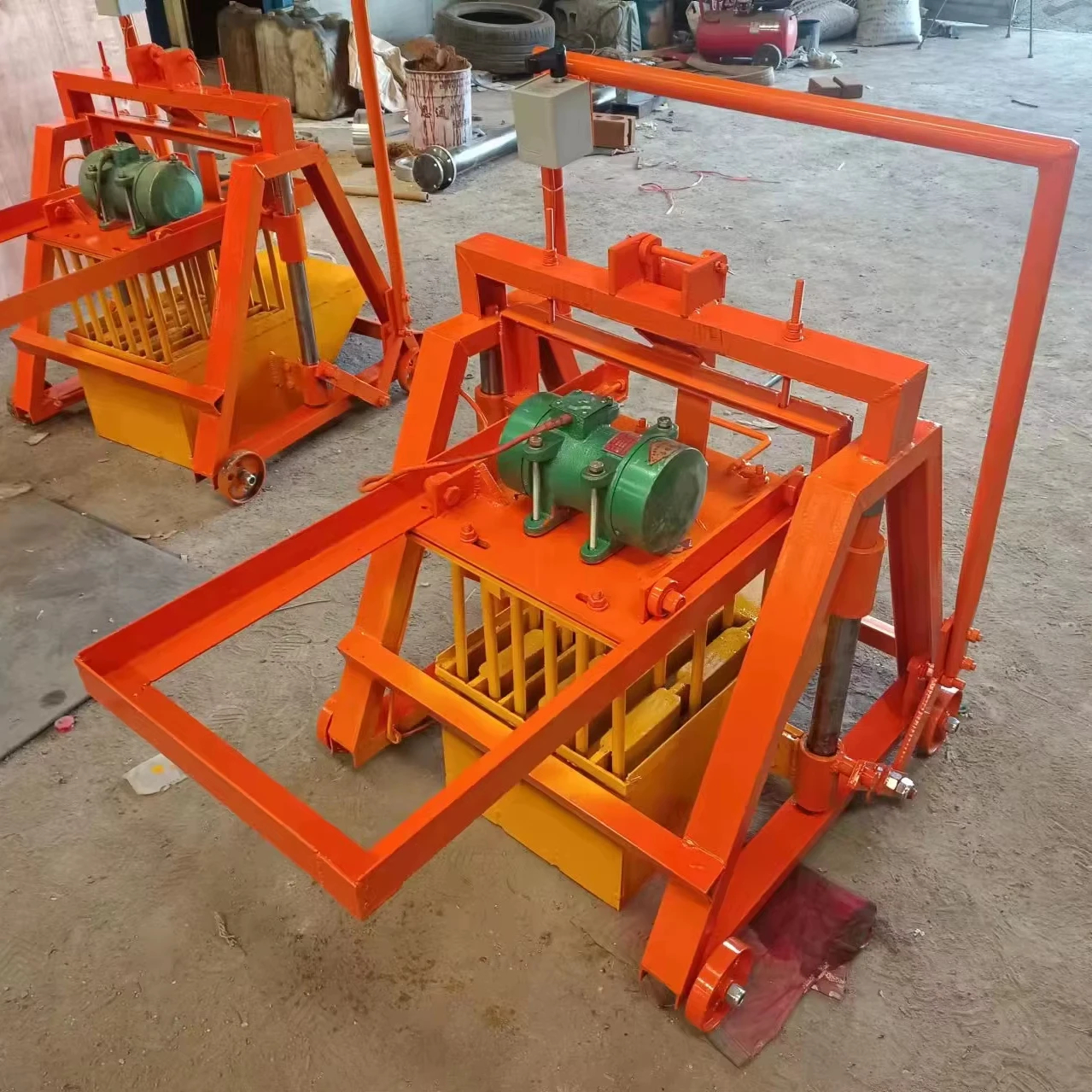
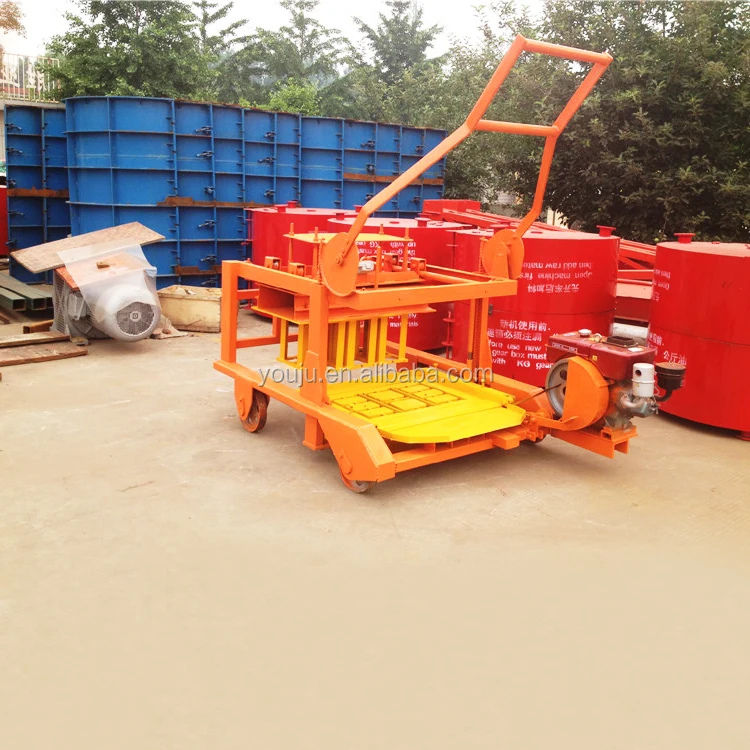
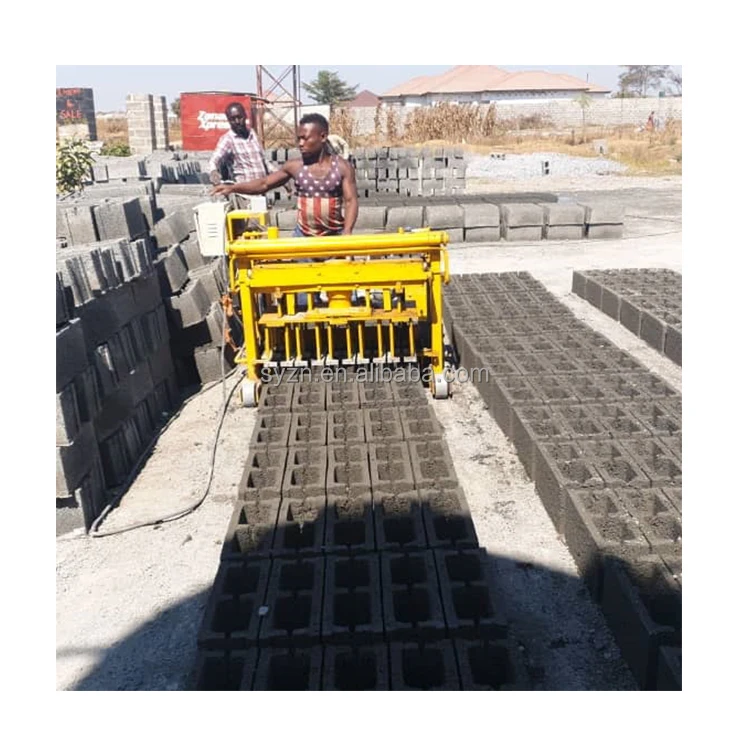
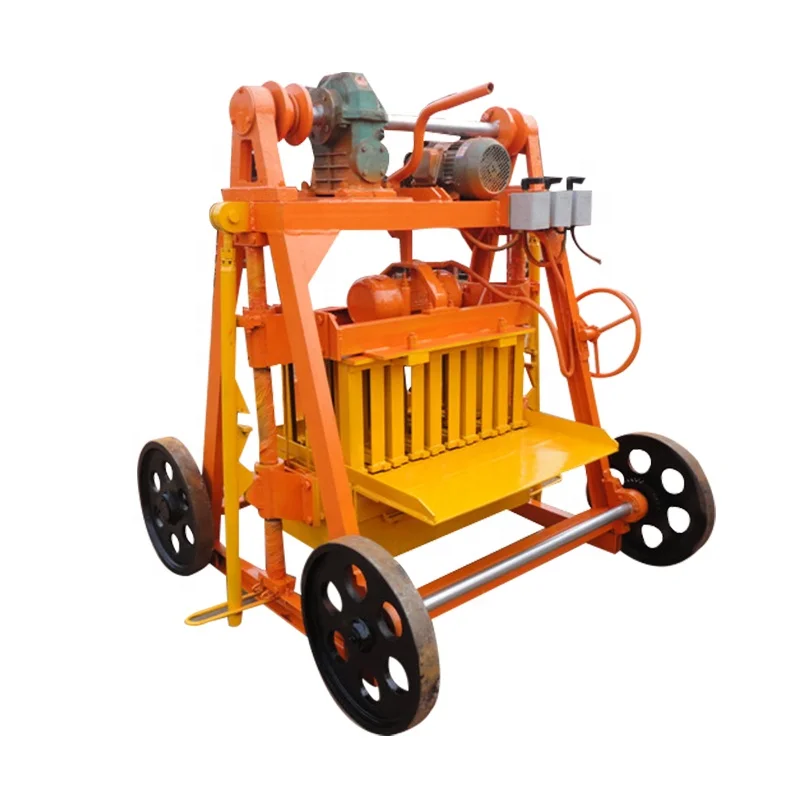
| Product Type | Mobile Egg-Laying Block Making Machine |
| Molding Method | Twice-vibration of molding core |
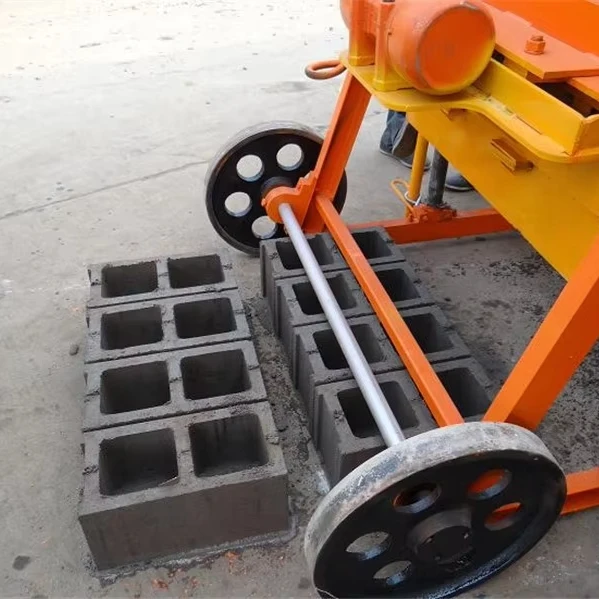
| Molding Capacity | 4 pcs/mould (400×200×200mm hollow block) |
| Vibration Frequency | 2400 r/min |
| Hollow Block Productivity (400×200×200mm) | 3000 pcs/day (4 pcs/mould, 40–45s cycle, 8-hour shift) |
| Hollow Block Productivity (400×150×200mm) | 3500 pcs/day (5 pcs/mould, 40–45s cycle, 8-hour shift) |
| Hollow Block Productivity (400×120×200mm) | 4500 pcs/day (6 pcs/mould, 40–45s cycle, 8-hour shift) |
| Molding Cycle | 40–45 s |
| Total Power | 6 kW |
| Power Source | Diesel / Petrol engine |
| Demold Method | Manual |
| Turning Method | Manual |
| Automation Level | Manual (egg-laying / mobile) |
| Pallet Requirement | None (produces directly on ground) |
| Mould Format Options | Hollow block (multiple sizes); paving block and solid block (source value — verify against manufacturer catalog) |
| Warranty | One year for the whole machine |
| Certification | CE (source image reference — verify against documentation) |
Application Suitability
| Application | Material or Output |
|---|---|
| On-site hollow block production for housing projects | Crushed stone, sand, cement, and water mix laid directly on prepared ground |
| First small-scale block plant with limited capital | Hollow blocks in 400×200×200mm, 400×150×200mm, and 400×120×200mm formats |
| Mobile production across multiple construction zones | Diesel or petrol engine operation independent of grid electricity |
| Cement workshops adding block formats | Interchangeable moulds for hollow blocks and other formats the local market demands |
What "Up to 4500 Pieces per Day" Fails to Tell You
Every output figure here is tied to a named block format, a specific mould cavity count, and a confirmed cycle time.
Buyers often receive a single headline capacity number with no mention of which block size it assumes. A QMJ4-45 mobile block machine quoted at its maximum daily figure may have been calculated using the smallest hollow block in the mould range. Switch to a larger 200mm-wide format and the cavity count drops, which means the real daily output shifts accordingly. I have seen buyers arrive at a job site expecting one production rate, only to discover the machine delivers a different number because their market requires a format the original quote never addressed [NEED_CITE: capacity calculation transparency in block machinery quotations]. The solution is straightforward: request a capacity sheet that lists every block format you plan to produce, with its own cycle time and mould cavity count, before any purchase order is signed.
Mould Cavity Count and Format-Specific Output
The QMJ4-45 mobile block machine specifications include three documented hollow block formats, each with a different cavity count. A 400×200×200mm block uses a 4-cavity mould, yielding approximately 3000 pieces over an 8-hour shift. The narrower 400×150×200mm format fits 5 cavities, raising daily output to around 3500 pieces. The 400×120×200mm wall block uses 6 cavities, reaching approximately 4500 pieces under the same shift conditions. All figures assume the 40–45 second molding cycle holds steady across formats.
Ground Conditions That Decide Block Quality
Egg-laying machines deposit blocks directly onto the ground, which makes surface preparation a production variable, not an afterthought. Uneven or soft ground causes blocks to settle before initial set, leading to dimensional inconsistency across a batch. A compacted, level concrete floor or well-graded gravel bed provides the flat reference surface the QMJ4-45 needs to produce uniform blocks. Curing area planning must also account for the machine’s travel path and the spacing required between freshly laid blocks [NEED_CITE: ground preparation standards for mobile egg-laying block production].
Vibration Frequency and Twice-Vibration Core Design
The 2400 r/min vibration frequency and twice-vibration molding core work together to compact the concrete mix in two stages. Single-vibration systems apply force from one direction, which can leave density variation between the top and bottom of a tall hollow block. The twice-vibration approach addresses this by consolidating the mix from the core outward, producing more even wall density. For buyers working with coarse local aggregate, this matters because uneven compaction shows up as weak points that fail under load testing. Matching vibration frequency to the specific mix design and aggregate gradation is something I always confirm before finalizing a configuration, since a mix that works in one region may behave differently in another.
The Cost of Skipping Format Confirmation Before Order
When a buyer confirms only a total daily output target without specifying which block formats their market actually sells, the machine may arrive with moulds that do not match local demand. Swapping to the correct mould later means additional cost, lead time, and lost production days while the new tooling is manufactured and shipped. In some cases the mould frame itself must be modified if the originally supplied cavities do not align with the buyer’s required block dimensions [NEED_CITE: mould compatibility and interchangeability in egg-laying block machines]. This is entirely preventable if the format list and mould drawings are reviewed and approved before the machine enters production.
Why Sourcing Through a Block-Line Specialist Matters
Block machinery is the single focus here, so the QMJ4-45 is specified alongside its moulds and ground-curing workflow as a matched system rather than a standalone press. Configuration is set against your actual mix design and local aggregate, not a default catalogue setting. Mould design covers the formats your market sells, including custom drawings when standard sizes do not fit. The automation level is selectable, meaning a buyer starting with manual egg-laying operation has a clear path to add pallet-based semi-automatic production later. Installation support includes operator training so the crew understands cycle timing, mould change procedure, and engine maintenance from the first day.
Documentation & Verification
- Factory test record run on your specified hollow block format before dispatch
- Mould drawing and format list confirming cavity count for each block size you will produce
- Capacity calculation sheet stating block format, cycle time, and shift length assumptions
- Engine specification sheet with diesel or petrol type, power rating, and fuel consumption
- Operation and maintenance manual covering mould change, vibration core service, and engine upkeep
Installation, Commissioning & Support
- Level compacted ground or concrete slab required for consistent egg-laying block placement
- Diesel or petrol engine eliminates grid connection needs; confirm fuel type before dispatch
- Manual demold and turning require trained operators; on-site training included at commissioning
- 6 kW total power rating applies to vibration motor; engine sizing covers full load
- Mould change procedure documented step-by-step with estimated time per format switch
- Wear parts list and first replacement mould availability confirmed before shipment
What to Include in Your Inquiry
Provide the hollow block formats your market sells, along with target daily output per format and the number of working hours per shift. Share your local aggregate type and gradation so the vibration frequency can be evaluated against your mix. If the production site has no grid electricity, confirm whether a diesel or petrol engine is preferred and state the ambient temperature range the machine will operate in.
Frequently Asked Questions
Q: How is daily output calculated, and which block format is each figure based on?
A: Each output figure is tied to a specific hollow block size, its mould cavity count, and the 40–45 second cycle time over an 8-hour shift. The 400×200×200mm format uses 4 cavities for approximately 3000 pieces, the 400×150×200mm uses 5 cavities for approximately 3500 pieces, and the 400×120×200mm uses 6 cavities for approximately 4500 pieces. Always confirm which format your quoted figure assumes.
Q: What mould formats are available, and can custom moulds be designed to buyer drawings?
A: Standard moulds cover multiple hollow block sizes. Paving block and solid block moulds are referenced but should be verified against the current manufacturer catalog. Custom mould design to buyer-supplied drawings is available, allowing you to produce the exact block dimensions and wall thicknesses your local construction market requires.
Q: How does the twice-vibration system affect block strength compared to single-vibration machines?
A: The twice-vibration molding core compacts the concrete mix in two stages from the core outward, reducing density variation between the top and bottom of each hollow block. This produces more consistent wall strength across the batch, which is particularly noticeable when working with coarse or unevenly graded local aggregate.
Q: What site conditions are needed for egg-laying operation?
A: The production surface must be compacted and level to prevent blocks from settling unevenly before initial set. A concrete floor or well-graded gravel bed works well. The curing area must be planned around the machine’s travel path, with enough spacing between freshly laid blocks to allow air circulation and prevent contact damage during the early curing period.
Q: What is the mould change procedure, and how long does it take to switch between block formats?
A: Mould change is a manual procedure involving removal of the current mould assembly and installation of the replacement mould matched to the target block format. The specific changeover time depends on operator familiarity and should be confirmed during on-site training. Having the correct mould set and documented procedure ready before production starts minimizes downtime between format switches.