

Description
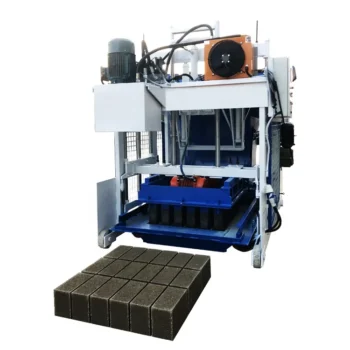
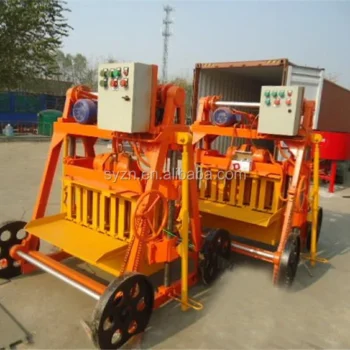
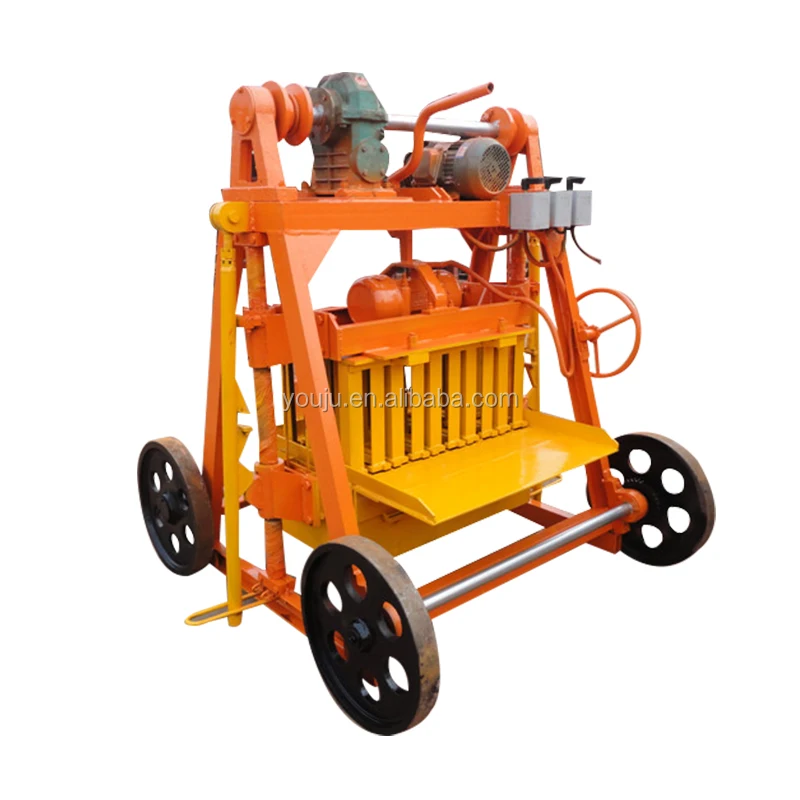
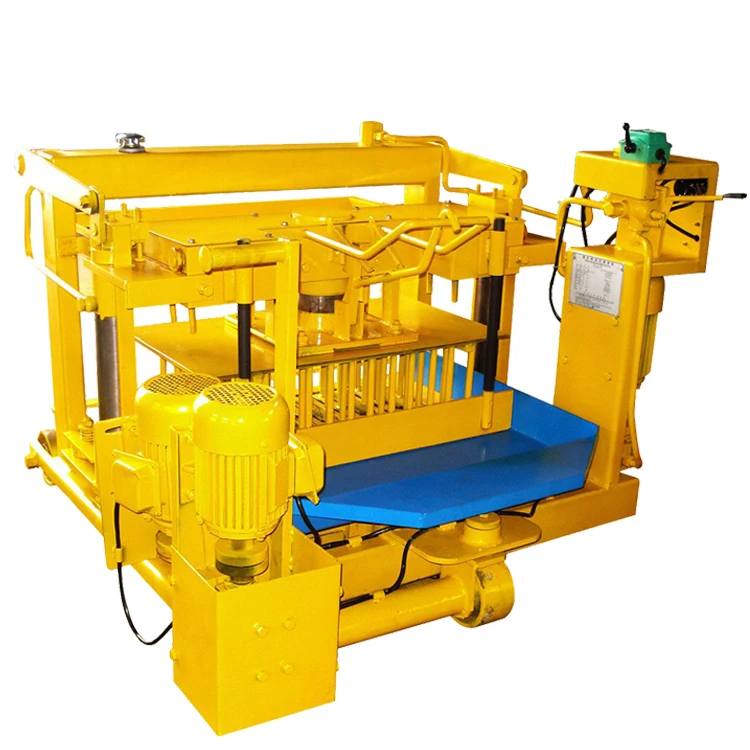
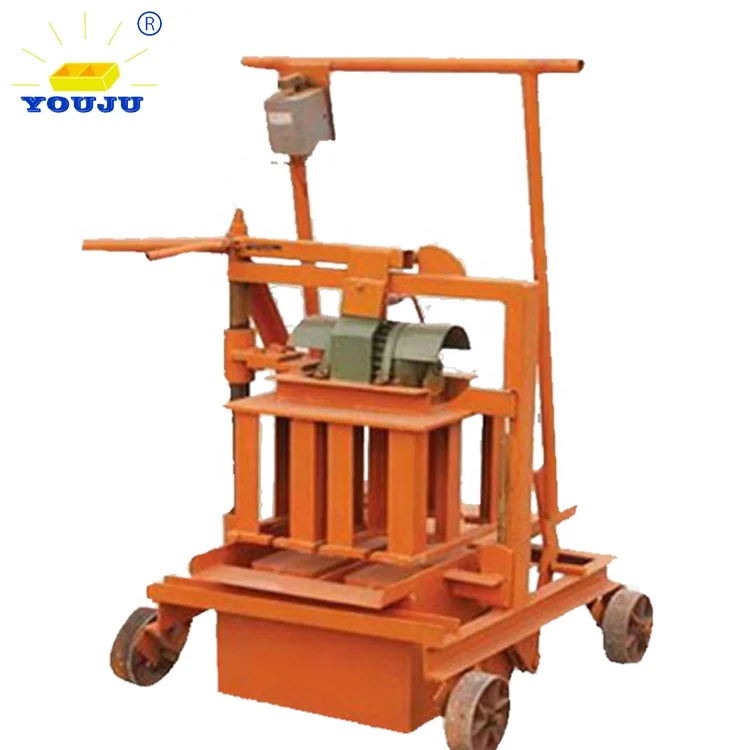
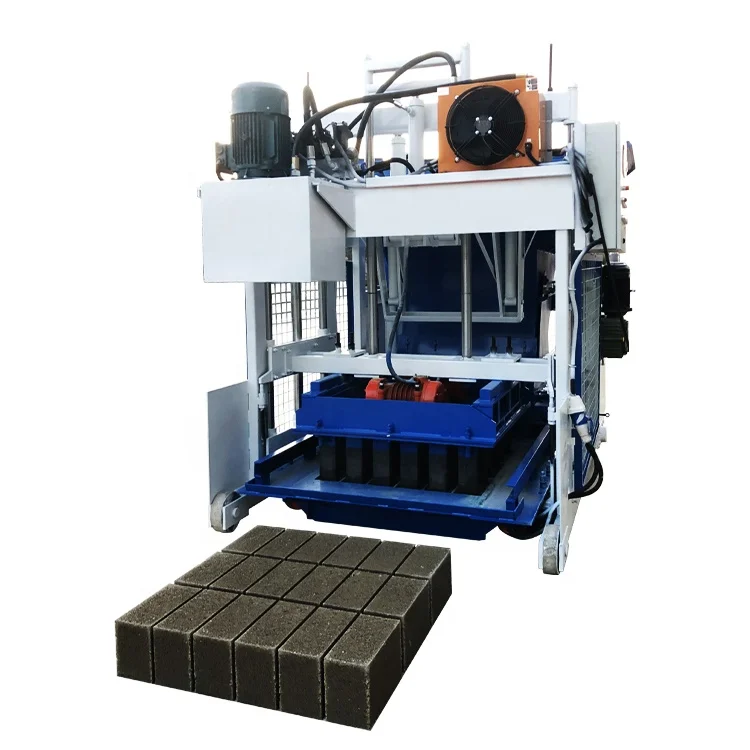
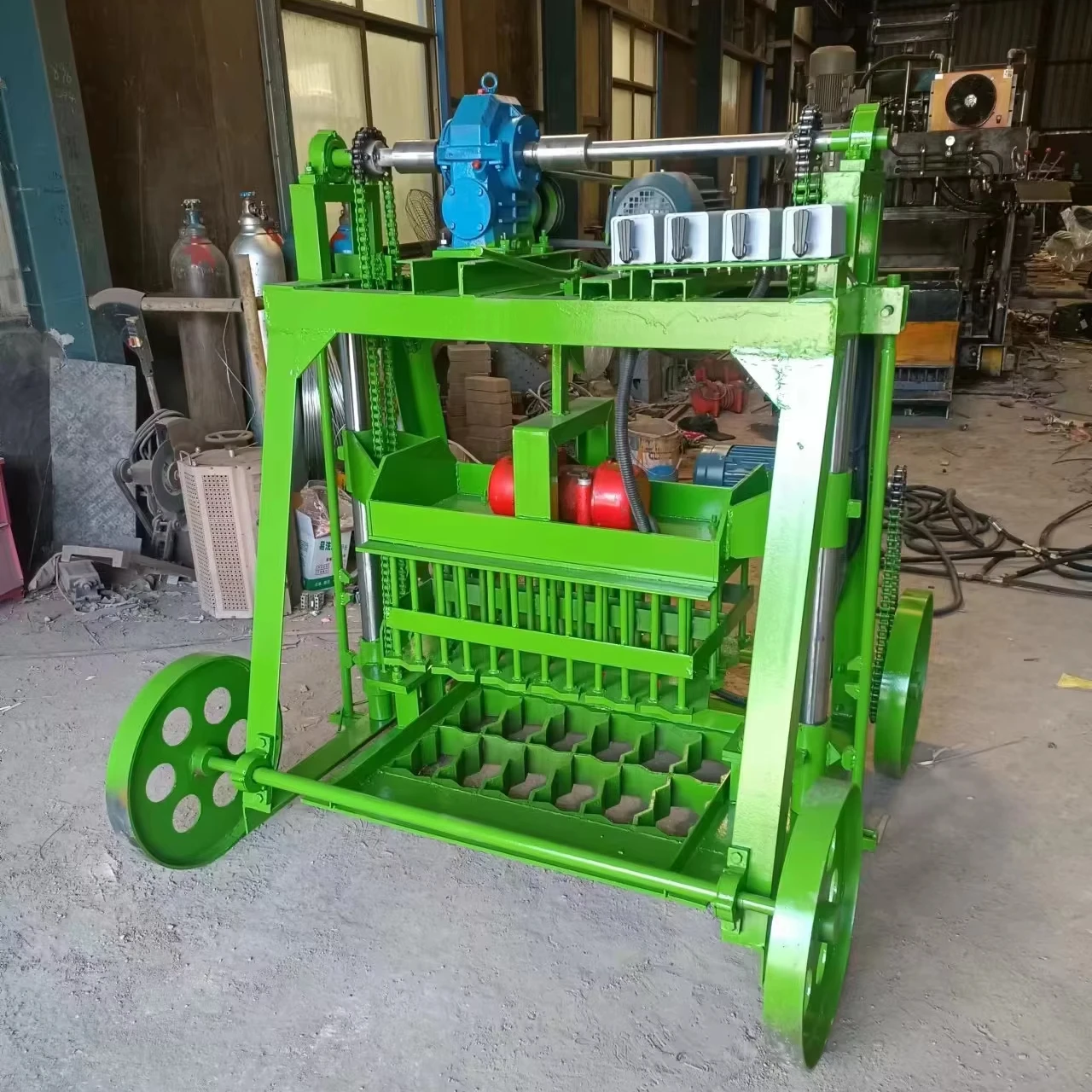
Block machinery as a single focus — The QMJ4-45 egg-laying block machine is specified as a matched system where mold, power source, and cycle time align with your actual block format and local aggregate, not a generic catalog default.
Technical Specifications
| Parameter | Value |
|---|---|
| Model | QMJ4-45 |
| Product Type | Mobile Egg-Laying Block Making Machine |
| Molding Capacity | 4-6 pcs per cycle depending on block format |
| Molding Cycle | 40-45 seconds |
| Productivity (400×200×200mm) | 3000 pcs/day based on an 8-hour shift |
| Productivity (400×150×200mm) | 3500 pcs/day based on an 8-hour shift |
| Productivity (400×120×200mm) | 4500 pcs/day based on an 8-hour shift |
| Vibration Frequency | 2400 r/m |
| Vibration Method | Mold vibration |
| Total Power | 6 kW |
| Power Source | Diesel or petrol engine |
| Demold Method | Manual |
| Turning Method | Manual |
| Pallet Requirement | Reduced / not required |
| Automation Level | Manual operation |
| Warranty | 1 year |
Application Suitability
| Application | Material or Output |
|---|---|
| On-site hollow block production | Cement, crushed stone, river sand, and aggregate mixtures for direct building site manufacturing |
| Small-scale block plants | Low-investment production for entrepreneurs starting a first block manufacturing operation |
| Remote project sites | Diesel or petrol engine-driven production where grid electricity is unavailable or unstable |
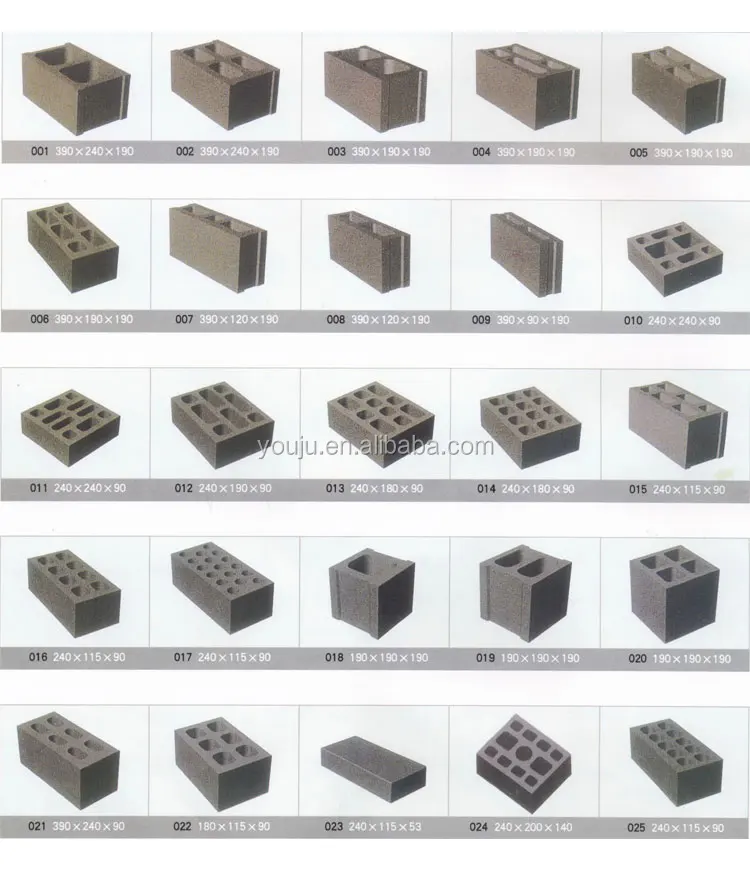
| Construction contractor self-production | Hollow blocks in 400×200×200mm, 400×150×200mm, and 400×120×200mm formats |
What "2600 to 4000 Pieces per Day" Leaves Out About Mobile Egg-Laying Block Machine Specifications
Daily output figures mean nothing without stating which block format and shift length they assume.
Many mobile egg-laying block machine specifications list a single productivity range without clarifying whether that number applies to a 400×200×200mm hollow block, a smaller 400×120×200mm format, or an 8-hour versus 10-hour shift. I once saw a buyer in West Africa place an order based on a sample card showing 4500 pieces daily, only to discover his market demanded the larger 200mm-wide block — cutting actual output to 3000 pieces per day. The machine was not at fault; the specification sheet had simply omitted the format assumption. This gap between quoted capacity and realized output remains one of the most common reasons block plant projects disappoint in their first quarter [NEED_CITE: common causes of capacity shortfalls in small-scale block production].
Engine-Driven Operation Without Grid Dependency
The QMJ4-45 runs on either a diesel or petrol engine, removing the requirement for stable three-phase grid power at the production site. This configuration matters for construction contractors working on remote housing developments or rural infrastructure projects where electrical connections are either unavailable or limited to single-phase lighting circuits. The 6 kW total power requirement is modest enough that standard engine options can sustain continuous operation through an 8-hour shift without excessive fuel consumption.
Egg-Laying Design Eliminating Pallet Consumption
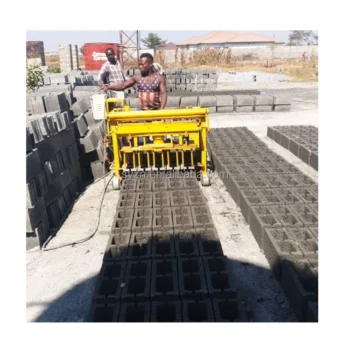
Unlike stationary block presses that deposit wet concrete onto wooden or bamboo pallets, the QMJ4-45 lays blocks directly onto a prepared ground surface. This egg-laying approach removes pallet purchasing, maintenance, and storage from the operational cost structure. For buyers setting up a first production site or running a temporary project, the reduction in material handling complexity is substantial [NEED_CITE: pallet cost as percentage of per-block production expense].
How Vibration Frequency and Cycle Time Interact
The 2400 r/m vibration frequency works through the mold rather than the table, compacting concrete around the mold cavity walls. Combined with a 40-45 second molding cycle, this vibration method gives operators a consistent rhythm: fill, vibrate, demold, move forward. The cycle time stays within the same band whether you are producing 4 pieces of 400×200×200mm blocks or 6 pieces of the narrower 400×120×200mm format, meaning the operator workload does not spike when switching formats.
The Cost of Skipping Mix Design Verification
A mobile egg-laying block machine specifications sheet cannot account for the clay content in your river sand or the grading curve of your local crushed stone. When the mix design does not match what the mold vibration and 45-second cycle can compact effectively, block density drops and breakage during curing rises. I have seen machines blamed for poor block strength when the real issue was a local aggregate supplier delivering material with higher fines content than the original test samples [NEED_CITE: effect of aggregate fines on concrete block compressive strength]. Requesting a raw material sample test before finalizing the order catches this mismatch early.
Why This Machine and Mold Are Specified Together
Block machinery is our single focus, so the QMJ4-45 arrives with molds matched to the hollow block formats your market actually buys — not a random selection from a catalog. The twice-vibration molding core replaces older single-vibration designs, giving better density uniformity across the block face. Configuration is set against your local aggregate and target format rather than a default setting. The manual operation and engine-driven power mean you can start production without waiting for electricians or control system integrators [NEED_CITE: importance of matched mold and machine specification].
Documentation & Verification
- Line layout and capacity calculation stating which hollow block format each daily output figure assumes
- Mold drawing and format list confirming included sizes and any custom tooling requirements
- Operation and maintenance manual covering engine servicing, mold cleaning, and vibration component inspection
- Wear parts list specifying replacement intervals for mold liners and vibration mechanism components
- Factory test record showing actual cycle times and block appearance on your specified mix design
Installation, Commissioning & Support
- Ground preparation requires a flat, cured concrete surface for egg-laying operation; uneven ground causes block deformation during the 40-45 second cycle
- Engine-driven power source eliminates electrical wiring but requires fuel storage and basic engine maintenance capability on-site
- Manual demold and turning means operator training focuses on cycle rhythm and block handling rather than control system programming
- First production run should verify block density against your local strength standard using the actual river sand and aggregate you will source daily
- Mold wear parts and vibration mechanism spares should be ordered with the initial machine to avoid production stops during early replacements
What Information Shapes the Right Configuration
To match the QMJ4-45 to your actual production needs, share the hollow block formats your market demands, your local raw material sources and any available test reports, and whether you need diesel or petrol engine configuration. If you are operating at a remote site, confirm fuel availability and any transport constraints for delivery. Providing a sample of your aggregate and sand allows us to run a trial and confirm the cycle time and block density before the machine ships.
Frequently Asked Questions
Q: How does daily output vary between different hollow block formats on this machine?
A: The QMJ4-45 produces different quantities depending on block size. For 400×200×200mm hollow blocks, expect 3000 pieces per 8-hour shift. The 400×150×200mm format yields 3500 pieces daily, while the narrower 400×120×200mm format reaches 4500 pieces per day. All figures assume a 40-45 second molding cycle sustained throughout the shift.
Q: What site preparation is needed before the machine arrives?
A: The egg-laying design requires a flat, cured concrete or compacted ground surface where blocks can be deposited directly. You need adequate space for the machine to travel forward during each cycle plus a curing area sized for your daily output. No fixed foundation or pallet storage area is necessary, which simplifies setup for temporary project sites.
Q: Can the machine run on local aggregate with high clay or fines content?
A: It can, but block strength and cycle consistency depend on matching the mix to what the mold vibration can compact in 45 seconds. We recommend sending a raw material sample before ordering so we can test molding behavior and adjust expectations for daily output. This step prevents the common problem of capacity falling short because the local sand slows down demolding.
Q: What spare parts should I order with the initial machine?
A: The wear parts list includes mold liners, vibration mechanism components, and engine service items specific to your diesel or petrol configuration. We recommend ordering a first replacement set at the time of purchase so parts arrive with the machine rather than requiring a separate shipment weeks later when the first replacement becomes due.