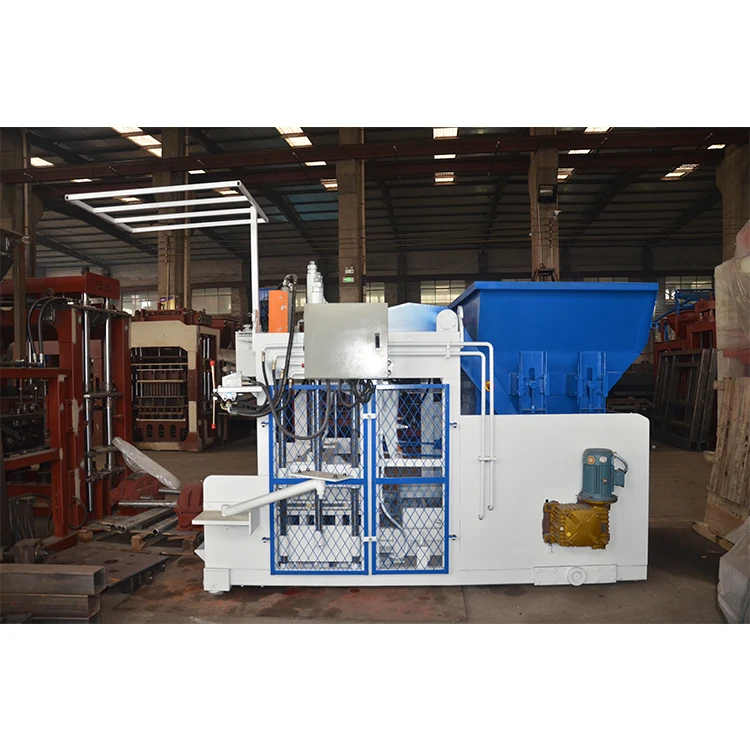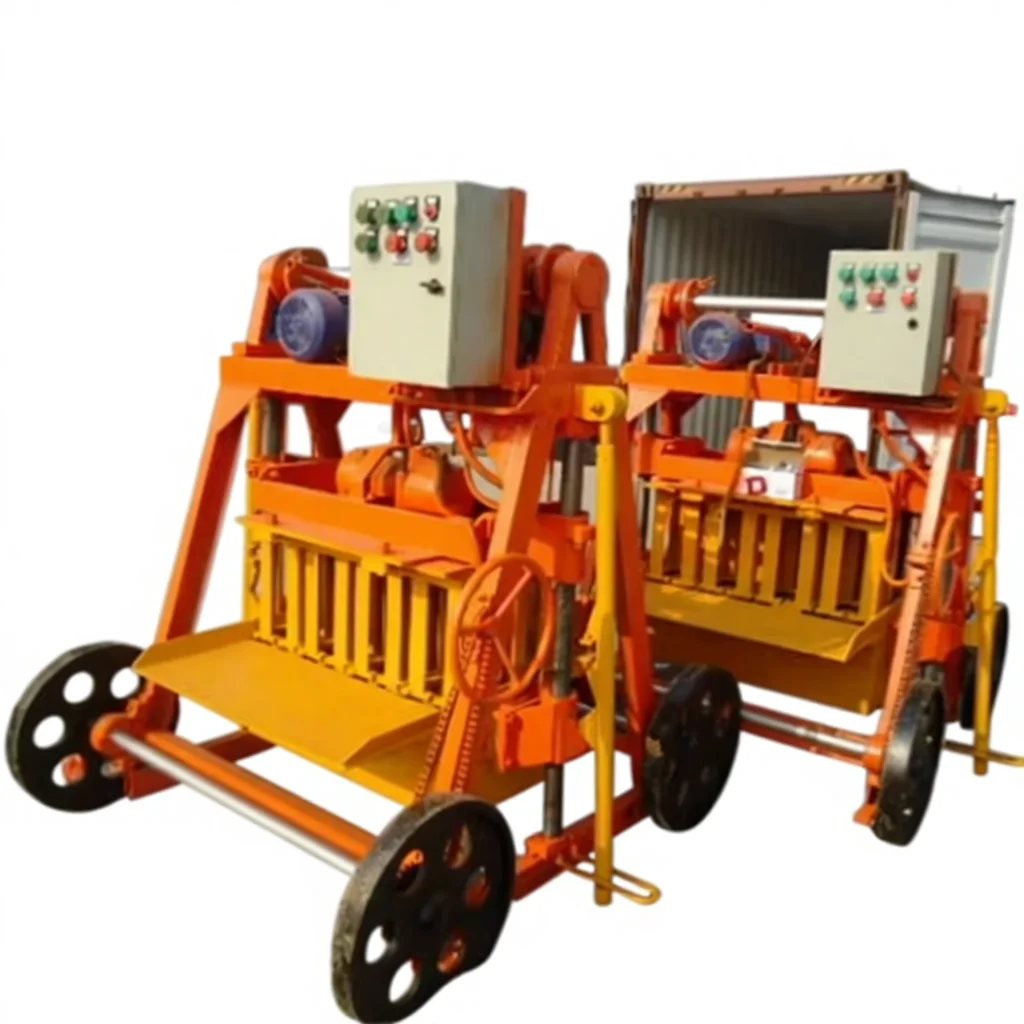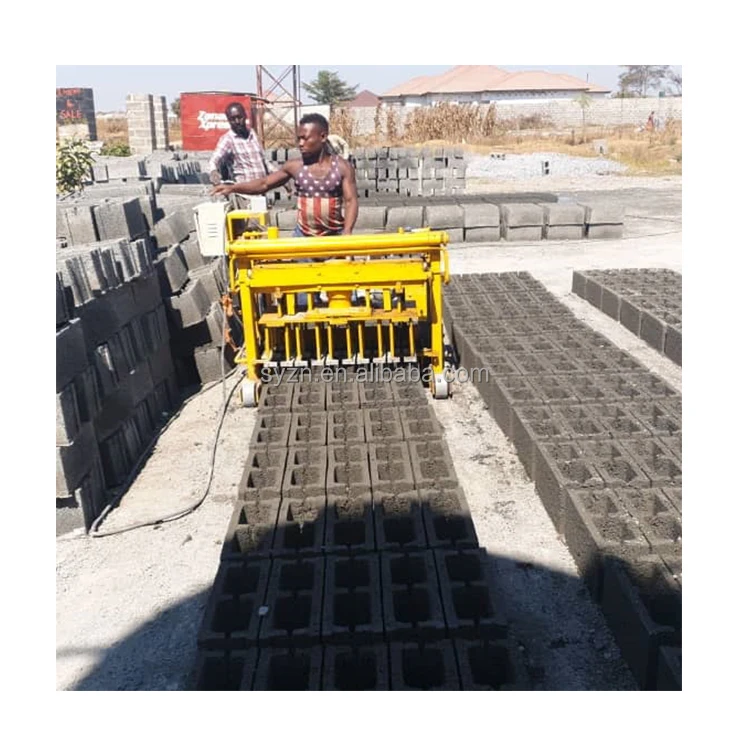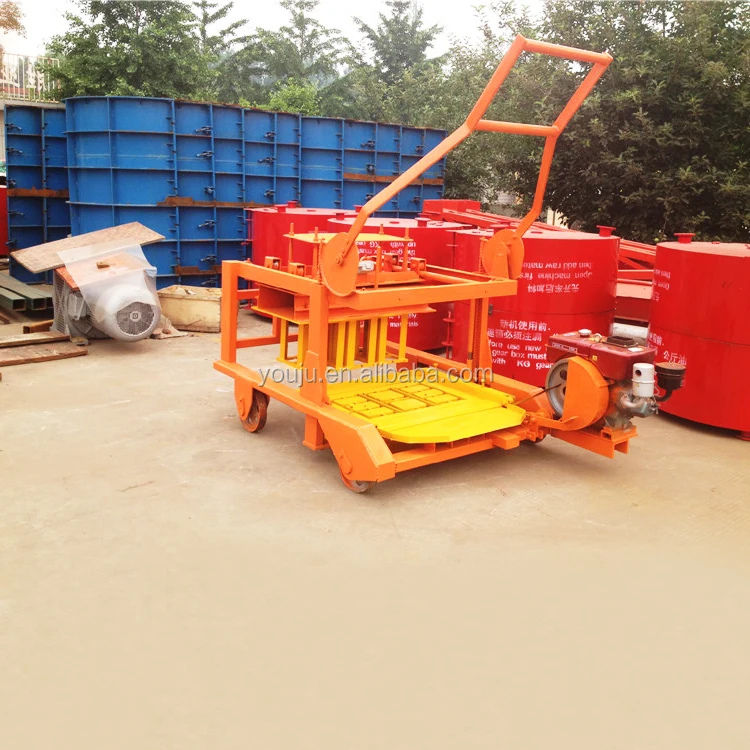

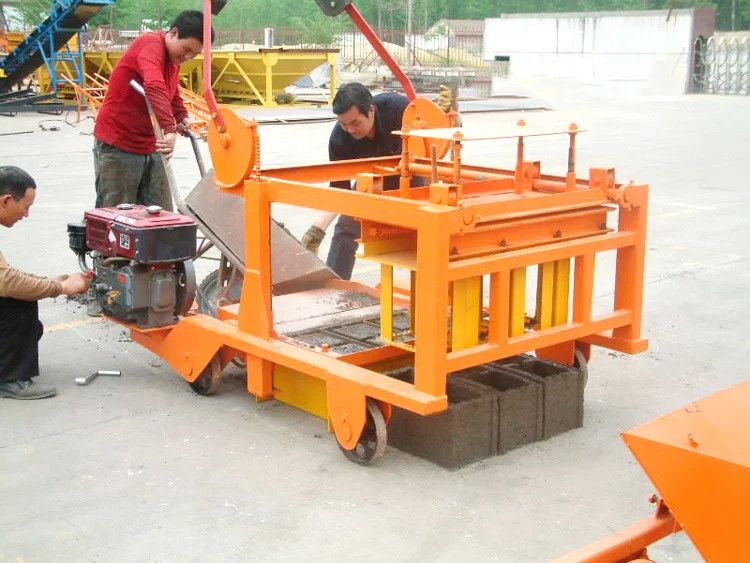

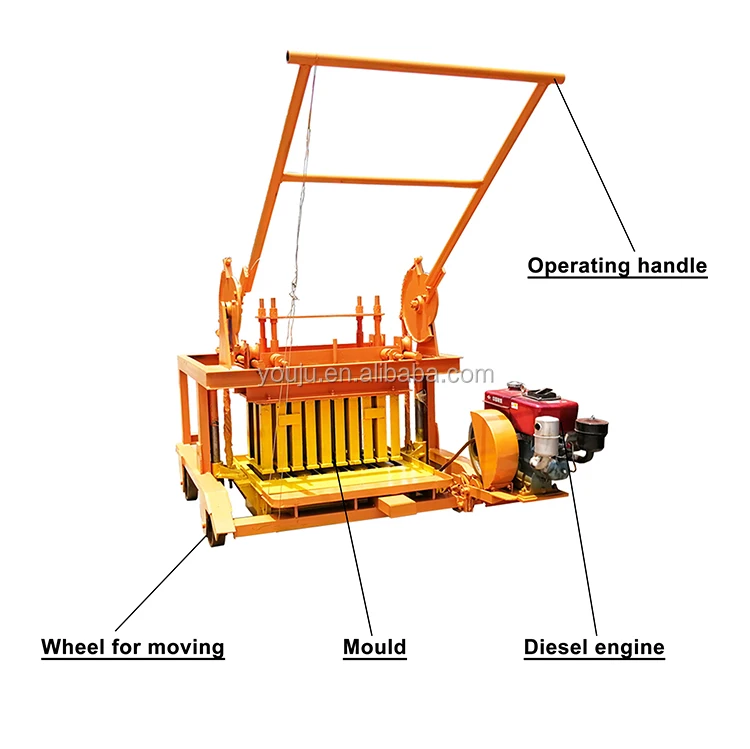
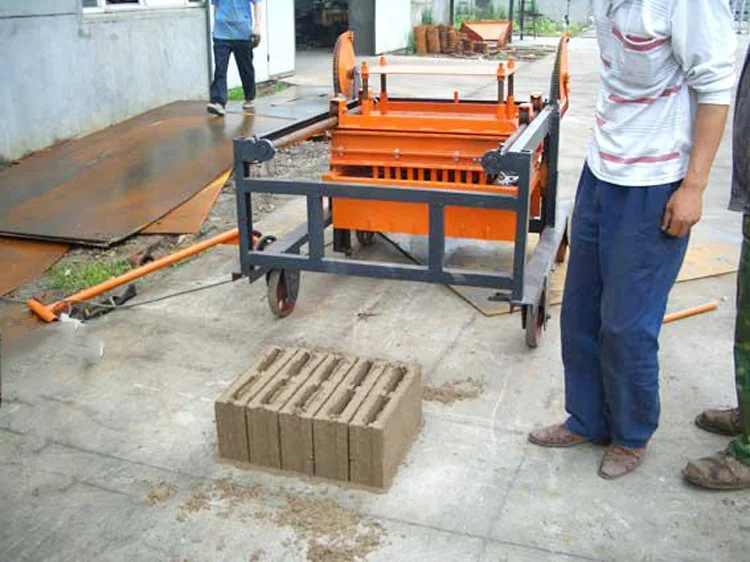
Description
Mould-Matched Output — every capacity figure for the QMR4-45 is tied to a specific block format, cavity count and shift length so you know what you will actually produce on site.
Technical Specifications
| Parameter | Value |
|---|---|
| Model | QMR4-45 |
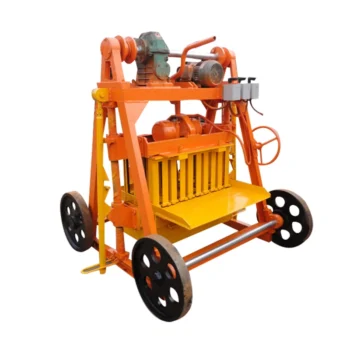
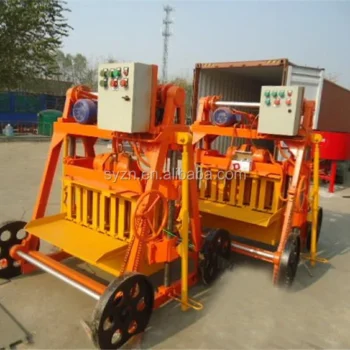
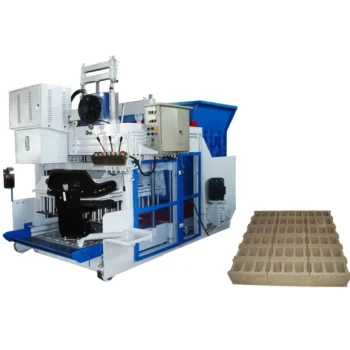
| Product Type | Mobile Egg-Laying Block Making Machine |
| Overall Dimensions (L×W×H) | 2420×1320×1650 mm |
| Net Weight | 810 kg |
| Rated Power | 6 kW |
| Power Source Option | Electric motor or diesel engine (6 kW / 6–8 HP) |
| Voltage & Frequency | 220 V / 380 V or customized (50/60 Hz to be confirmed) |
| Moulding Cycle | 40–45 s |
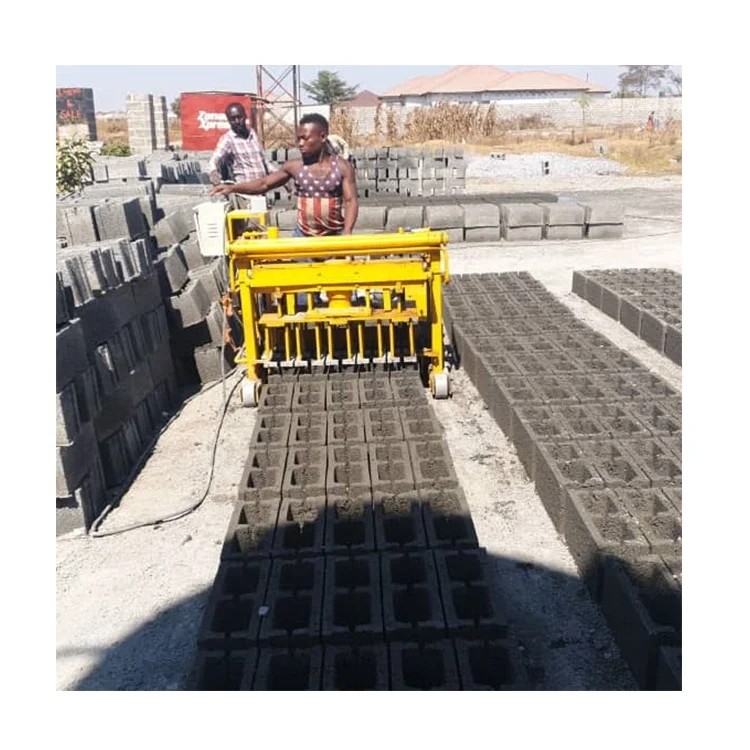
| Pallet Requirement | None — egg-laying / mobile type |
| Output Capacity | 3000 pcs/day based on 400×200×200 mm hollow block, 8-hour shift, 4 pcs/mould |
| Output Capacity | 3500 pcs/day based on 400×150×200 mm hollow block, 8-hour shift, 5 pcs/mould |
| Output Capacity | 4500 pcs/day based on 400×120×200 mm hollow block, 8-hour shift, 6 pcs/mould |
| Mould Change | Supported — multiple block formats via mould swap |
| Automation Level | Semi-automatic |
| Assembly State | Fully assembled, mobile unit |
| Warranty | One year for the whole machine |
Application Suitability
| Application | Material or Output |
|---|---|
| On-site hollow block production for building contractors | Crushed stone, river sand, cement and water mixed on site |
| Remote or off-grid project sites with unreliable grid power | Diesel-powered operation producing hollow blocks where electricity is unavailable |
| Startup block yard with limited capital | 400×200×200 mm or 400×150×200 mm hollow blocks laid directly on ground |
| Small-scale housing and infrastructure projects | Continuous egg-laying production without pallet investment or curing rack systems |
Why "3000 Blocks a Day" Means Nothing Without the Format Attached
A single headline output number hides the block size, mould cavity count and shift hours behind it.
When you ask a supplier what a mobile block machine can produce, the answer is often a round figure that sounds reassuring until the machine arrives and you start running your actual product. I have watched buyers discover this gap the hard way — the number they were quoted assumed a small solid brick, not the 200 mm hollow block their market actually buys. For the QMR4-45, every output figure here states the exact format, cavity count and shift length it assumes, so you can match the machine to your real order book instead of a brochure claim [NEED_CITE: block format and cavity assumptions in capacity quotations].
Honest Capacity Across Three Hollow Block Formats
The QMR4-45 runs a moulding cycle of 40–45 seconds, and that cycle stays consistent whether you are pressing the larger 400×200×200 mm hollow block or the narrower 400×120×200 mm variant. What changes is the cavity count in each mould — four cavities for the 200 mm width, five for 150 mm and six for 120 mm. Over an 8-hour shift, this translates to 3000, 3500 and 4500 pieces respectively. When evaluating mobile block machine specifications, these per-format figures give you a realistic planning base rather than a number that evaporates on the first production day.
Mould Swap and Format Flexibility on One Machine Base
A contractor who needs both 200 mm and 150 mm hollow blocks for different wall sections can run both formats from a single QMR4-45 by changing the mould. The machine accepts different moulds on the same base frame, which means you are not buying separate machines for each product your market demands. This is where understanding how to choose a mobile egg-laying block machine matters — the real question is not whether the machine can make the block, but whether the mould change process fits within your working day and whether the formats match what your customers actually order.
Vibration, Pressure and the Mix Behind Every Block
The vibration force and hydraulic pressure on a mobile egg-laying machine must work together to compact the concrete mix densely enough that the block holds its shape the instant the mould lifts. If the vibration is too weak for the aggregate size in your mix, the block surface stays open and edges crumble. If the pressure is too high for a lightweight mix, the block cracks before curing begins. On the QMR4-45, the rated 6 kW power source drives both the vibration and the mould movement, and matching that power to your local aggregate — whether it is river sand, crushed granite or volcanic pumice — is what determines block strength, not the power rating alone [NEED_CITE: vibration and aggregate matching in mobile block production].
What Happens When Power Source and Site Conditions Mismatch
Choosing electric power for a site where the local grid drops voltage under load can cause the vibration motor to stall mid-cycle, leaving half-compacted blocks scattered across the floor. Choosing diesel without confirming the engine’s continuous output rating against the machine’s 6 kW demand can mean the engine overheats within hours. I have seen a buyer in West Africa lose an entire week because the diesel unit supplied was rated at peak output rather than continuous duty, and the engine could not sustain the vibration cycle [NEED_CITE: continuous versus peak power ratings in diesel-driven construction equipment]. The cost of that mismatch is not the engine swap — it is the idle crew, the delayed build schedule and the reputation hit with the project owner.
Why This Machine Is Specified as a System, Not a Catalogue Line
Every QMR4-45 leaves the factory configured against the buyer’s block format, local aggregate and power supply, not pulled from a standard stock list. The mould drawing and format list are confirmed before production so you know exactly which block sizes are included and which are optional add-ons. Voltage and frequency are locked to your site’s electrical standard before the control panel is wired. The machine, mould and power source are treated as one matched system — this is how block machinery stays focused on what the buyer actually produces rather than what looks good on a specification sheet.
Documentation & Verification
- Per-format capacity sheet stating block size, cavity count and shift hours for the QMR4-45
- Machine specification sheet confirming voltage, frequency and power source matched to your site
- Mould drawing and format list showing included and optional block sizes before production
- Operation and maintenance manual with wear parts list for first replacement scheduling
- Factory test record run on your specified block format before dispatch
Installation, Commissioning & Support
- Machine arrives fully assembled at 810 kg — requires flat, level concrete ground for egg-laying operation
- 6 kW power demand requires dedicated circuit or matched diesel generator with continuous rating confirmation
- First-run parameter adjustment for vibration and cycle timing against your local aggregate sample
- Operator training covers mould swap procedure, daily lubrication points and block quality checks
- Wear parts list and mould maintenance schedule provided for ongoing production planning
What to Prepare Before You Enquire
Tell us which hollow block formats your market buys most — dimensions, wall thickness and daily volume per format. Confirm whether your site has reliable grid power at 220 V or 380 V and at what frequency, or whether diesel is the practical choice. If you have a local aggregate sample, send it so the vibration and pressure settings can be matched before the machine ships.
Frequently Asked Questions
Q: How is the daily output of the QMR4-45 calculated for each block format?
A: Each output figure assumes an 8-hour shift and a specific mould cavity count — four cavities for 400×200×200 mm blocks yielding 3000 pieces, five cavities for 400×150×200 mm yielding 3500 pieces, and six cavities for 400×120×200 mm yielding 4500 pieces. The moulding cycle of 40–45 seconds is the basis for all three calculations.
Q: Should I choose electric or diesel power for my site?
A: If your site has stable grid power at the correct voltage and frequency, the electric motor is simpler to maintain. If grid supply is unreliable or absent, the diesel engine option keeps production running, but the engine must be rated for continuous duty at 6 kW, not just peak output.
Q: What ground surface does the egg-laying machine need to operate on?
A: The QMR4-45 lays blocks directly on the ground without pallets, so a flat, level concrete floor is strongly recommended. Soft or uneven earth causes blocks to tilt or crack as the machine moves forward, affecting both block geometry and the next row of production.
Q: Which block formats can one QMR4-45 produce and how does mould change work?
A: The machine supports multiple hollow block formats through mould swaps on the same base frame. Standard moulds cover 400×200×200, 400×150×200 and 400×120×200 mm. Custom moulds for other formats are available based on buyer drawings, and the format list is confirmed before production begins.