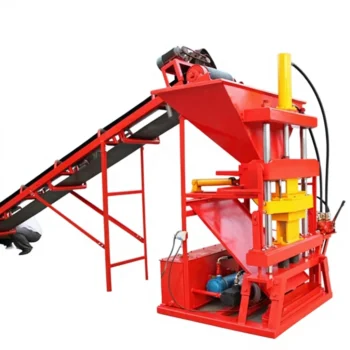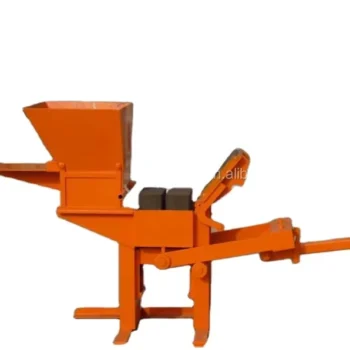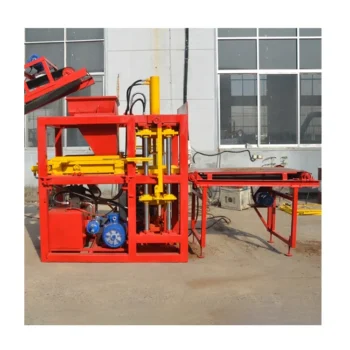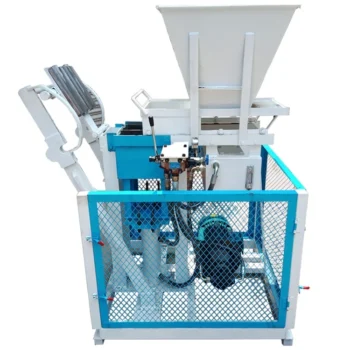
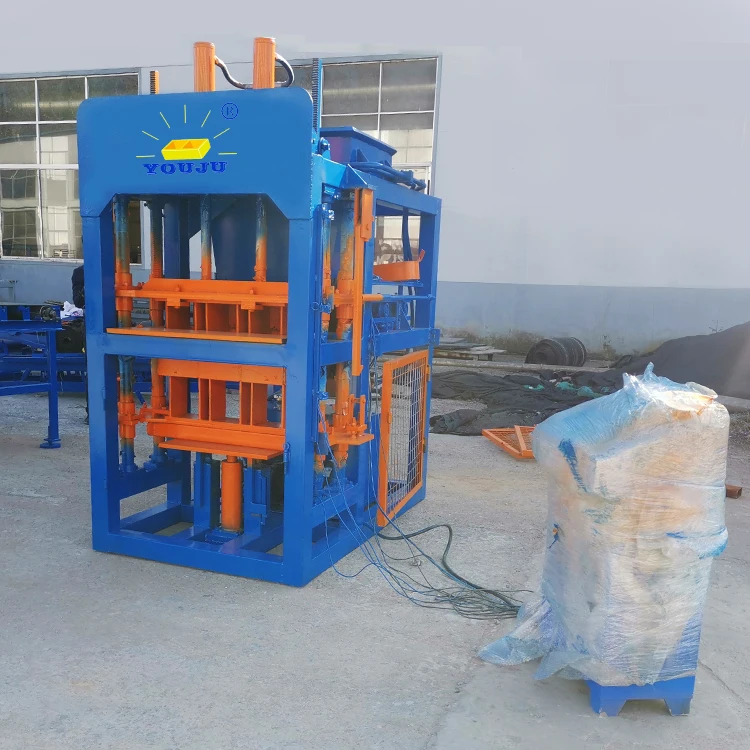
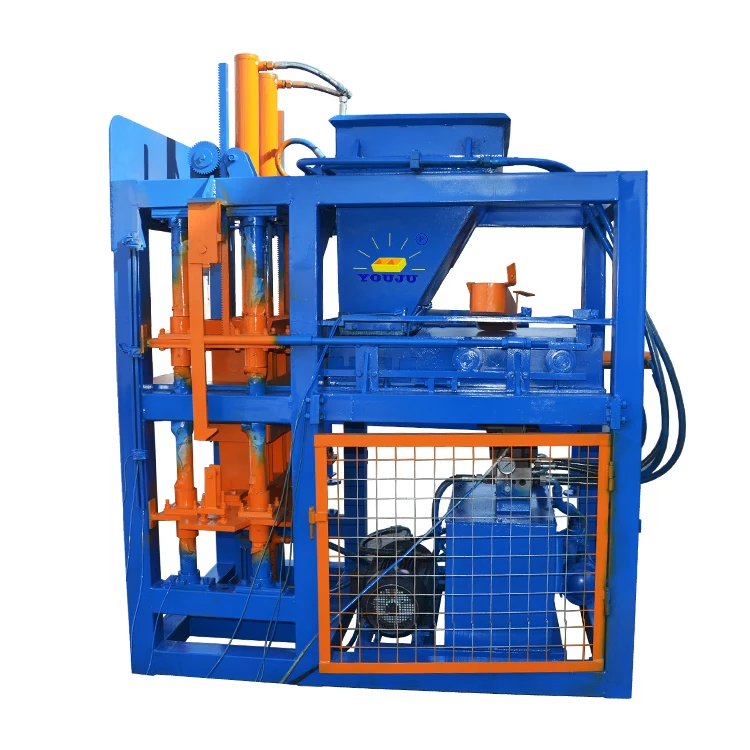
Description
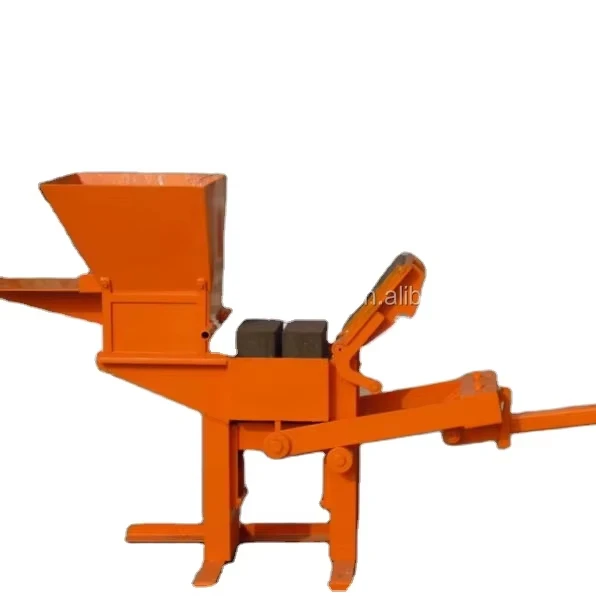
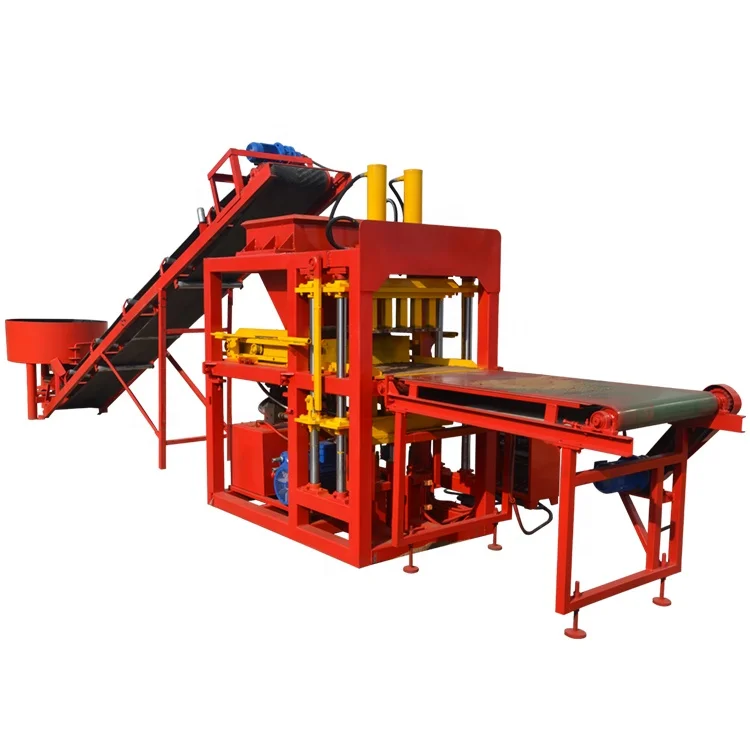
Matched System Sizing — every LY4-10 interlocking clay brick making machine leaves our factory with the mould, mix design, and hydraulic pressure set to your specific soil type, not a generic catalogue default.
Technical Specifications
| Parameter | Value |
|---|---|
| Model | LY4-10 |
| Product Type | Interlocking Clay Brick Making Machine |
| Rated Power | 11 kW |
| Molding Cycle | 10–15 s |
| Output Capacity | 1440 pcs/h (basis: 300×150×100mm interlocking block, 4 pcs/mould) |
| Pcs per Mould | 4 |
| Hydraulic Pressure | 16 MPa |
| Raw Material | Laterite, yellow or red soil, sand, cement, water |
| Machine Weight | 1600 kg |
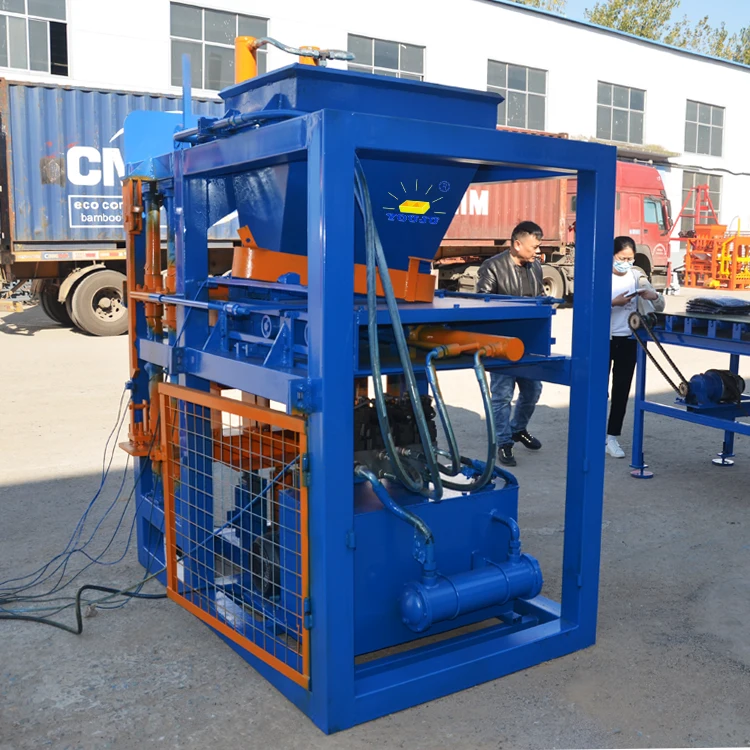
| Overall Dimensions (L×W×H) | 2260 × 1500 × 2380 mm |
| Workers Required | 1–2 |
| Automation Level | Automatic (material feeding, mould pressing, mould lifting) |
| Mix Option 1 (Cement-Clay) | Water 3%, Cement 6–8%, Clay 80–90% |
| Mix Option 2 (Full Clay) | Water 3%, Clay 90–95% |
| Voltage & Frequency | configurable to buyer’s site (confirm before production) |
| Control System | PLC with display language confirmed per order |
| Certification | CE, ISO 9001 |
Application Suitability
| Application | Material or Output |
|---|---|
| On-site housing project production | Laterite or red soil with 6–8% cement binder |
| Block plant adding clay formats | Full-clay or cement-clay interlocking profiles |
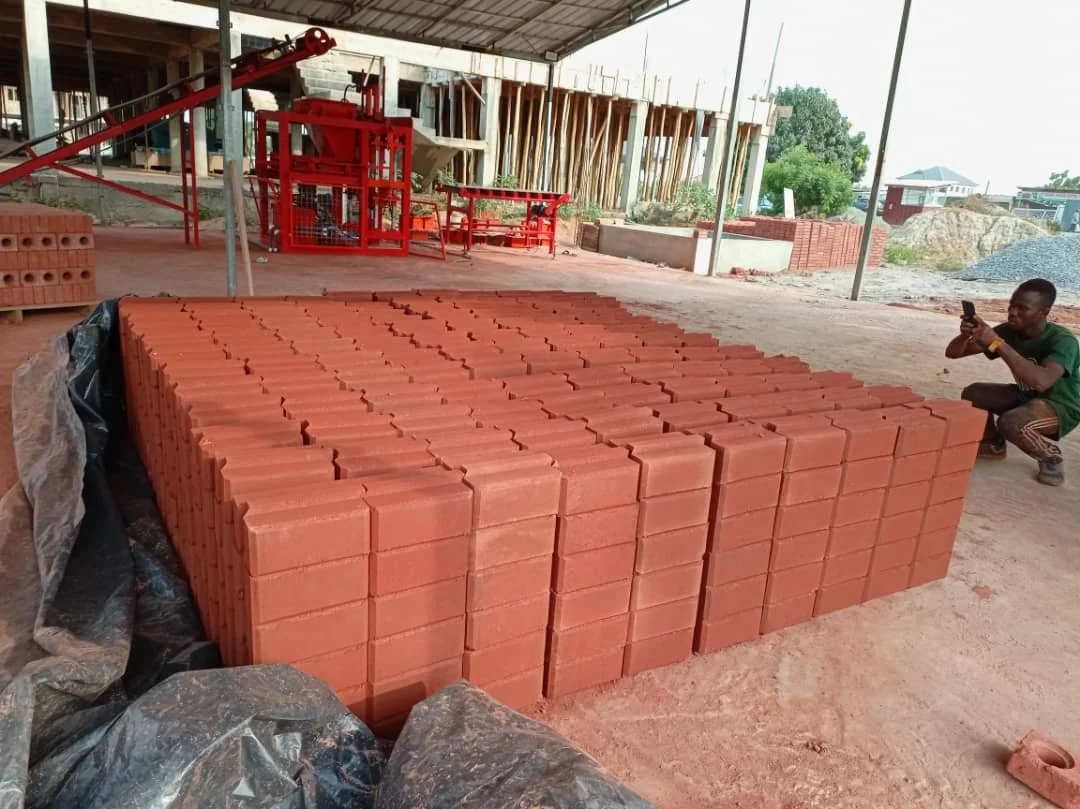
| First brick plant in clay-rich regions | Yellow or red soil, sand-clay blends |
| Landscaping and garden wall units | Soil-cement mix for interlocking kerb and paver formats |
What "14,400 Pieces per Day" Actually Means for Your Interlocking Format
Capacity is only honest when it names the block format behind the number.
Many quotations state a daily output figure without revealing which block size, mould cavity count, or cycle time produced it. A buyer receives the machine, runs a different interlocking profile, and watches real output fall well short of the promised volume. With the LY4-10 interlocking clay brick making machine specifications, we state 1440 pieces per hour based on a 300×150×100mm format at 4 pieces per mould and a 10–15 second cycle — so you can calculate your own daily target against your actual shift length and product mix [NEED_CITE: block capacity calculation methodology].
Mould Format and Cycle Time Define Your Real Output
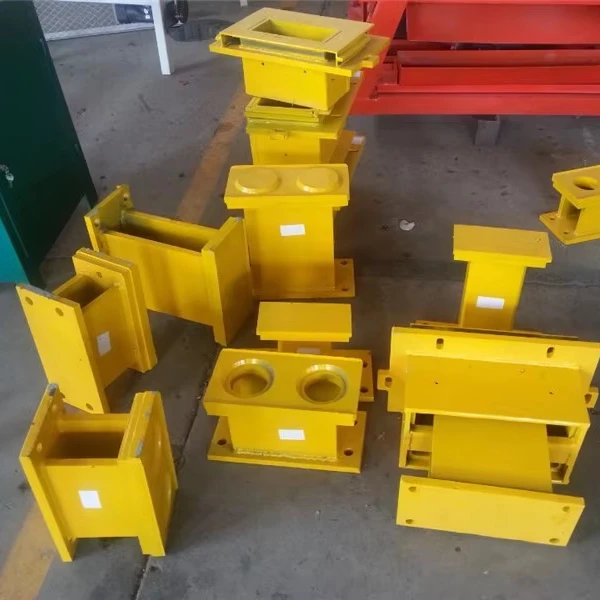
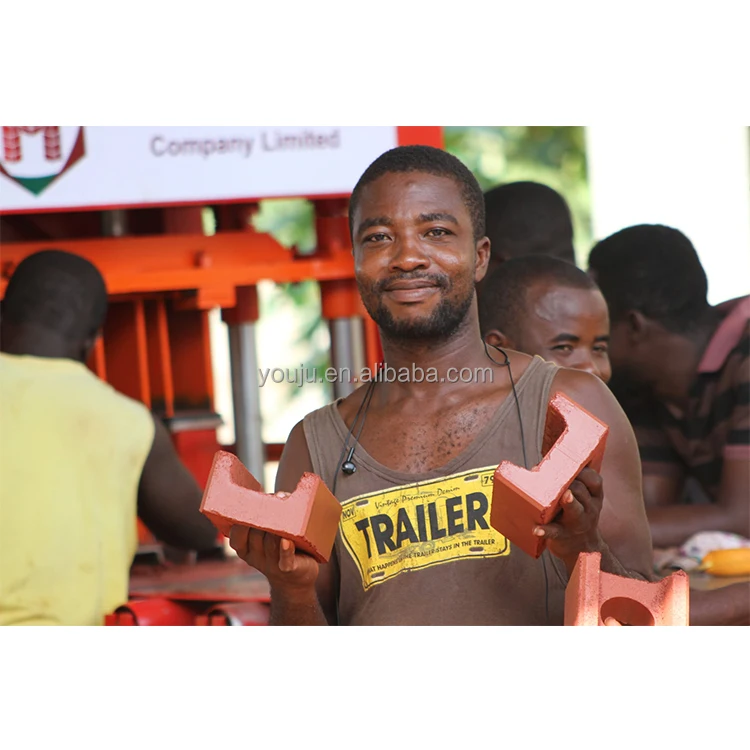
The 300×150×100mm interlocking block is the reference format for the stated 1440 pcs/h rate. Switch to a larger kerbstone or a thinner paving profile and the cycle time, cavity count, and therefore hourly output all shift. Confirming your primary selling format before the mould is machined ensures the interlocking clay brick making machine specifications match the product your market actually buys, not a theoretical maximum.
Hydraulic Pressure Matched to Your Clay Type
At 16 MPa, the hydraulic system is set to compress laterite, red soil, or sand-clay mixes to a density that holds the interlocking edge profile without cracking during demoulding. If your local aggregate is high in silt or has unusual plasticity, the pressure setting is adjusted during commissioning to match. A pressure value on paper only matters when it is validated against the specific soil sample from your site [NEED_CITE: soil plasticity and hydraulic forming pressure].
Reading the Specs That Matter for Clay Interlocking Production
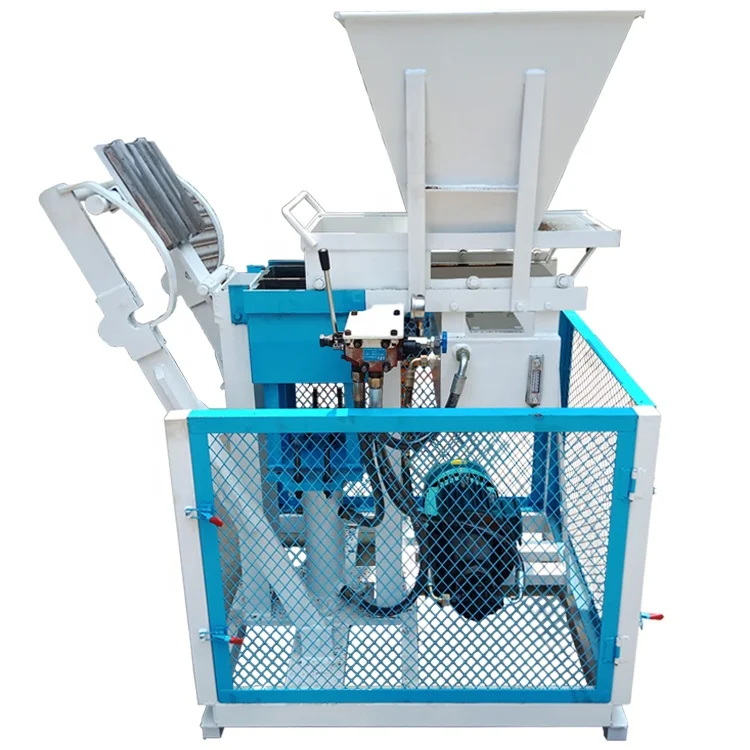
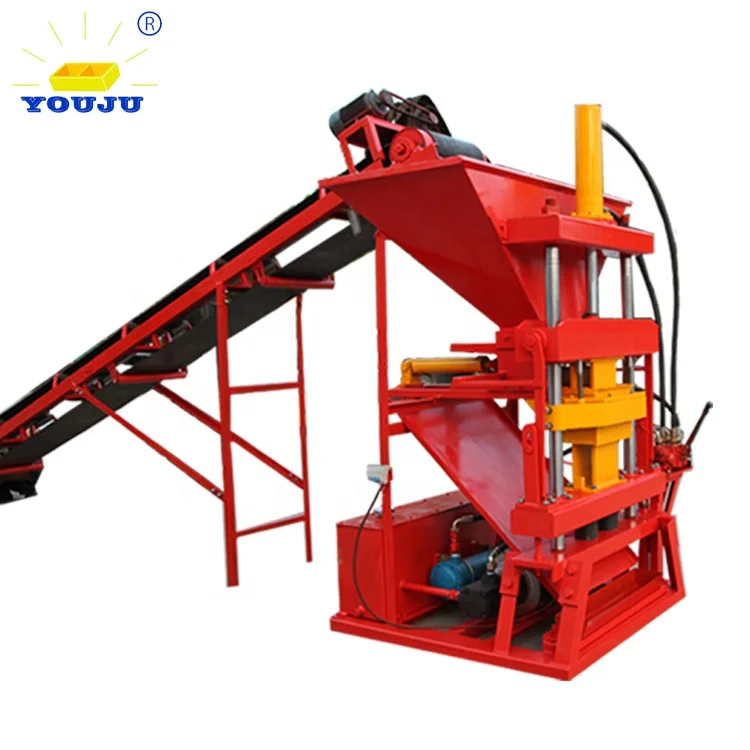
The 11 kW rated power drives the hydraulic pump and vibration system simultaneously, so power supply must accommodate the starting current draw on a dedicated circuit. The 1600 kg machine weight reflects the steel mass in the press frame — lighter frames in this class tend to flex under repeated hydraulic cycles, shortening mould life. Two documented mix options let you choose between a 6–8% cement blend for structural walls and a full-clay blend at 90–95% clay for lighter ecological brick. The automatic material feeding, mould pressing, and mould lifting sequence keeps the 1–2 worker crew focused on pallet handling and quality checks rather than manual lever operation. Pallet size and material are confirmed against your existing curing area and forklift before the machine ships.
The Hidden Cost of Skipping Voltage and Language Confirmation
When voltage, frequency, and PLC display language are not confirmed in writing before production, the machine arrives and cannot power up on the local grid, or the operator cannot read the fault codes. A two-week delay for a replacement transformer or a reprogrammed HMI is a two-week delay in block revenue. We lock these values during the order stage — the interlocking clay brick making machine specifications sheet includes your country’s voltage standard and chosen language before steel is cut [NEED_CITE: voltage and frequency standards by export market].
Why Buyers Spec Their Clay Line Here
Every LY4-10 leaves as a matched system: the mould is designed for the interlocking profile your market sells, the hydraulic pressure is set against your soil sample, and the pallet size fits your curing racks. Configuration is built from your local aggregate and target format, not a catalogue default. Custom mould drawings are reviewed and approved before production begins. Automation is selectable — start with the automatic feeding and pressing cycle now, add pallet stacking later. Installation support includes operator training on the specific mix design your plant will run.
Documentation & Verification
- Line layout and capacity calculation stating the 300×150×100mm format and 10–15 s cycle assumption
- Mould drawing and interlocking profile dimensions approved before production
- Hydraulic and electrical schematic with valve and sensor references
- Voltage, frequency, and PLC display language confirmed in writing before shipment
- Factory test record on your confirmed mix design and block format
- Operation and maintenance manual with wear parts and mould list
Installation, Commissioning & Support
- Dedicated circuit sized for the 11 kW motor starting current and hydraulic pump draw
- Foundation pad levelled to the 2260 × 1500 mm footprint with anchor bolt provisions
- Machine arrives at 1600 kg; forklift capacity and overhead clearance confirmed before delivery
- Hydraulic pressure set to 16 MPa baseline, then adjusted on-site against your soil sample
- PLC display language and fault code legends verified in your operator’s language at startup
- First replacement hydraulic seals and mould wear parts list provided with the manual
Before You Request a Quote
Tell us the interlocking block format your market sells most, the daily output you need to hit, and the type of clay or laterite available at your site. Share your local voltage and frequency, the PLC display language your operators read, and whether you have existing pallets and curing racks the new line must fit.
Frequently Asked Questions
Q: How is the 14,400 pcs/day capacity calculated, and which block format does it assume?
A: The figure is based on a 300×150×100mm interlocking block at 4 pieces per mould, a 10–15 second molding cycle, and a 10-hour production shift yielding 1440 pcs/h. If your primary format differs in size or cavity count, the hourly and daily output change accordingly and are recalculated for your specific mould.
Q: Can the LY4-10 run full-clay mix without cement, and what block strength can I expect?
A: Yes, the full-clay mix option uses 90–95% clay with 3% water and no cement. Block strength is lower than the cement-clay option, making it suitable for non-structural ecological brick and garden walling. We test your soil sample to confirm the achieved compressive strength before finalizing the mix ratio.
Q: What mould formats besides 300×150×100mm interlocking are available, and how long does a mould change take?
A: Moulds are designed to buyer drawings for formats your market sells, including kerbstones, pavers, and hollow profiles. Mould change time depends on the profile complexity and fastener type, and is confirmed during the mould drawing approval stage so you can plan format rotation across your shift schedule.
Q: What voltage, frequency, and PLC language will the machine ship with for my country?
A: These are confirmed in writing before production begins. We match the motor and control panel to your site’s grid specification and set the PLC display to your operators’ language, so commissioning proceeds without electrical modification or reprogramming delays on arrival.
Q: How is hydraulic pressure matched to my local clay type to ensure consistent interlocking edge strength?
A: We request a soil sample from your site and test it at 16 MPa baseline pressure. If the clay has high silt content or unusual plasticity, the pressure is adjusted and the test blocks are measured for compressive strength and edge integrity before the setting is locked into the machine’s hydraulic parameters.