
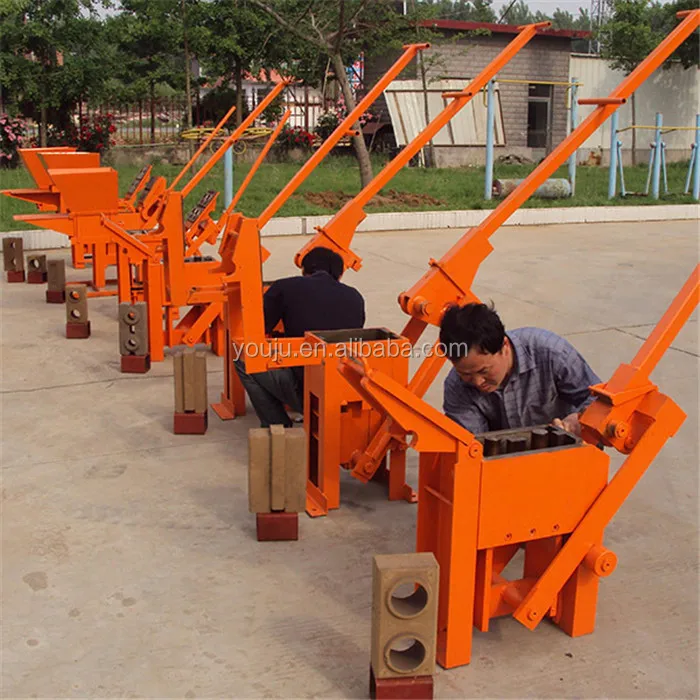
Description
Matched Mould and Mix Design — the LY2-40 is configured against your local soil sample and target interlocking brick format before the machine ships, preventing on-site recommissioning delays.
Technical Specifications
| Parameter | Value |
|---|---|
| Model | LY2-40 |
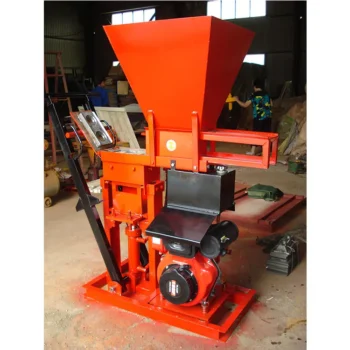
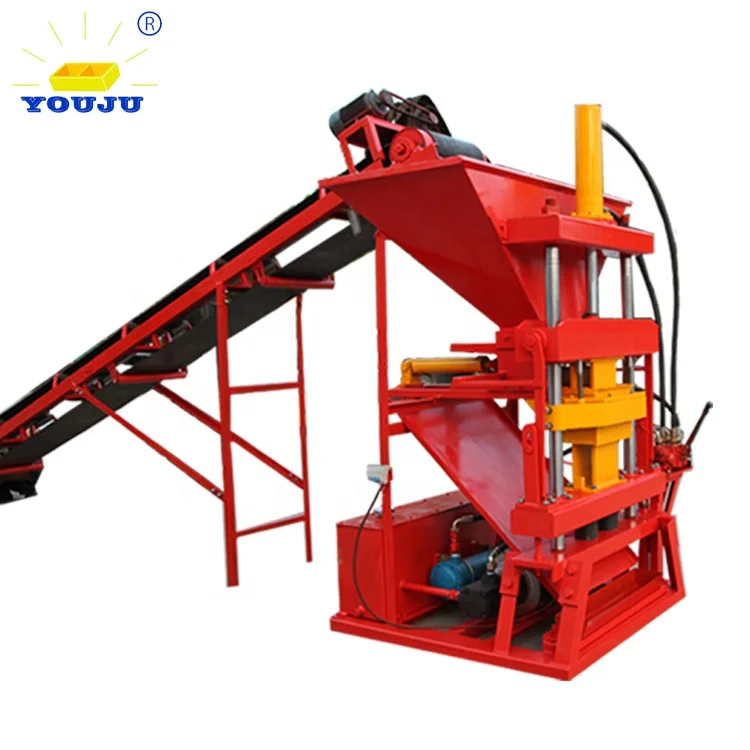
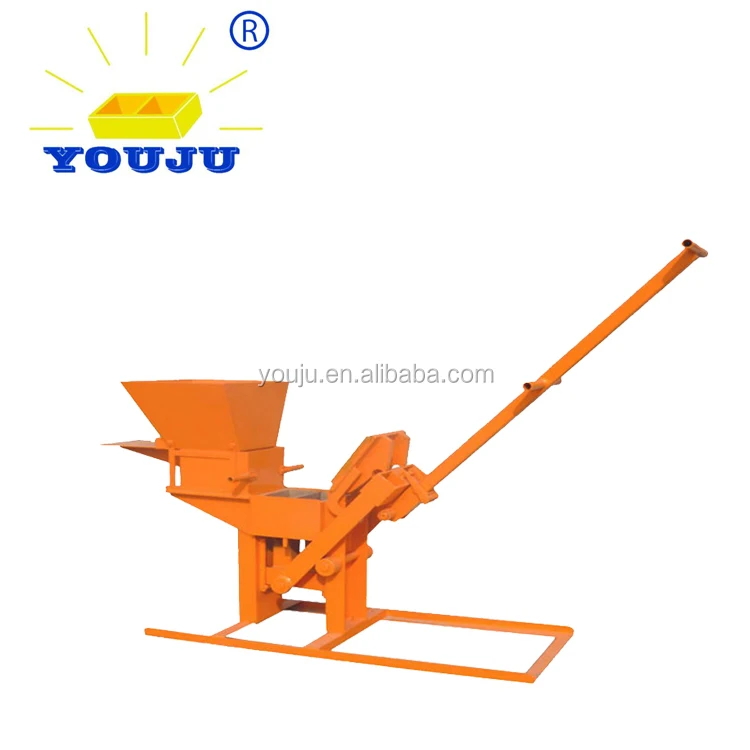
| Product Type | Manual Clay Interlocking Brick Making Machine |
| Power Source | No Power, Completely Manual Operation |
| Lifting System | Manual |
| Mobility | Steel Wheels for Mobile Operation |
| Overall Dimensions (L×W×H) | 1600 x 700 x 1200 mm |
| Net Weight | 200-240 kg |
| Molding Cycle | 30-40 s per press |
| Output Capacity | 400-1000 pcs/day (basis not stated in source — depends on block format, operator rhythm, and mix workability) |
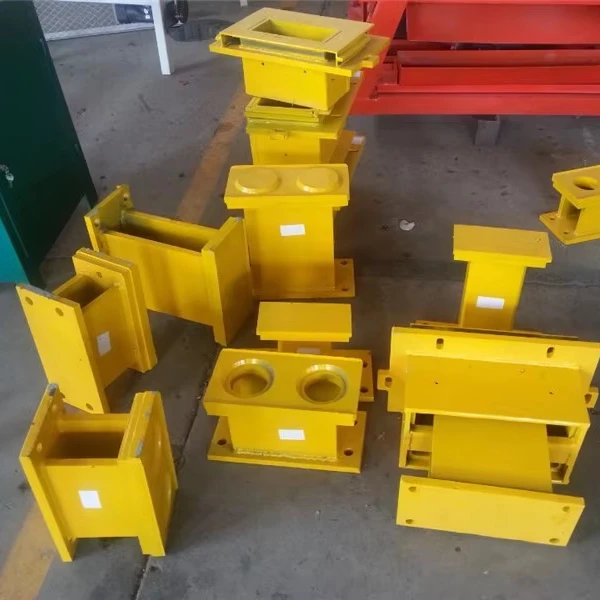
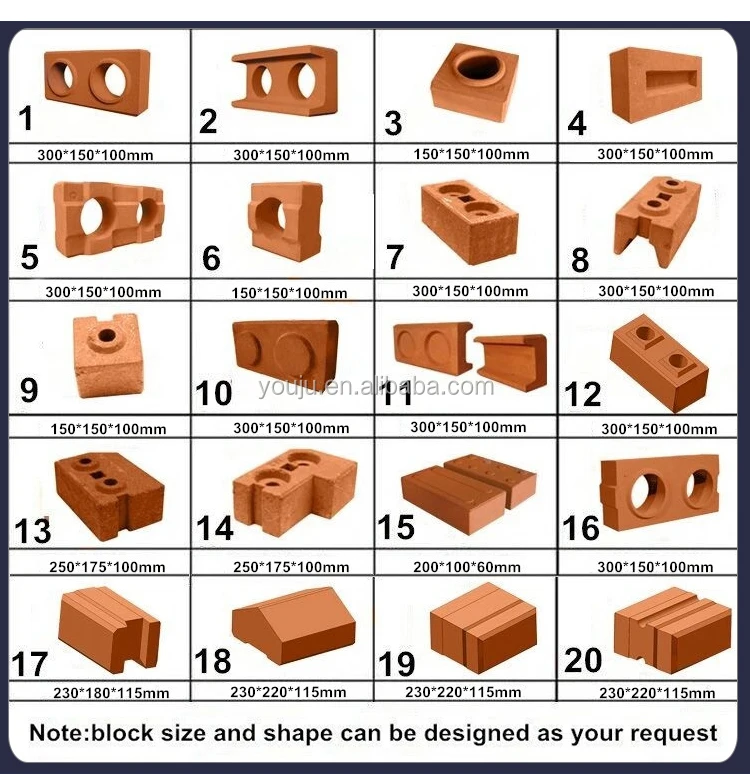
| Mould Options | Changeable Moulds for Various Interlocking Brick Formats |
| Basic Equipment Included | JFA-1 Mixer or JQ350 Mixer |
| Mixing Method | Automated (Eco Mix Force Line Mixer) or Manual Mixing |
| Automation Level | Fully Manual |
| Warranty | 1 Year |
| Voltage & Frequency | N/A (manual machine) |
| Control System | N/A (manual machine) |
Application Suitability
| Application | Material or Output |
|---|---|
| On-site compressed earth interlocking brick production | Locally sourced red soil or laterite blended with cement |
| Rural and off-grid wall construction projects | Clay-soil mixtures where grid electricity is unavailable |
| Low-investment interlocking brick startups | Soil-cement compressed blocks in various interlocking profiles |
| Contractor-led housing developments | Earth blocks produced directly at the building site |
| Community-scale building material supply | Compressed stabilized earth blocks for single-storey and low-rise masonry |
Why "400 to 1000 Pieces per Day" Misleads Most Buyers
The daily output of any manual clay interlocking brick machine depends entirely on the block format being pressed and the operator workflow around it.
When suppliers quote a range like 400 to 1000 pieces without naming the exact interlocking profile, wall thickness, or soil consistency assumed, buyers plan their project timelines around numbers that never materialize on the ground. I have watched contractors order a manual interlocking brick press expecting a thousand units daily, only to find that their chosen interlocking profile requires a longer compaction stroke and a slower demoulding rhythm — cutting realistic output to the lower end of that range. The manual clay interlocking brick machine specifications you evaluate must state capacity per specific format, not a blanket figure [NEED_CITE: capacity disclosure standards for manual block presses].
Cycle Time and Operator Rhythm on the LY2-40
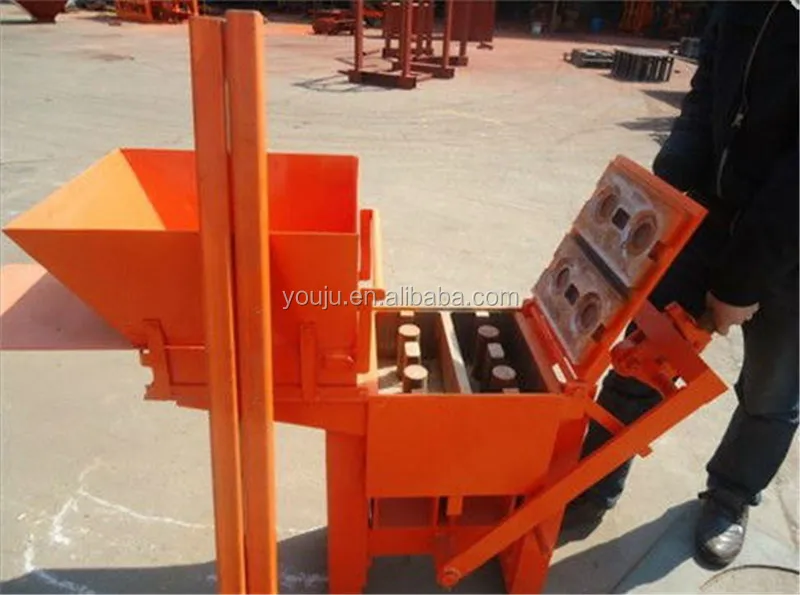
The LY2-40 completes a molding cycle in roughly 30 to 40 seconds, but that figure covers only the press stroke itself. Loading the soil-cement mix, levelling the charge, closing the mould, actuating the manual lever, and extracting the finished brick all add time between cycles. For a standard interlocking brick format, an experienced two-person team can sustain a rhythm that approaches the higher end of the stated daily range, while a thicker or more complex interlocking profile slows the cycle noticeably.
Mould Changeability and Format Flexibility
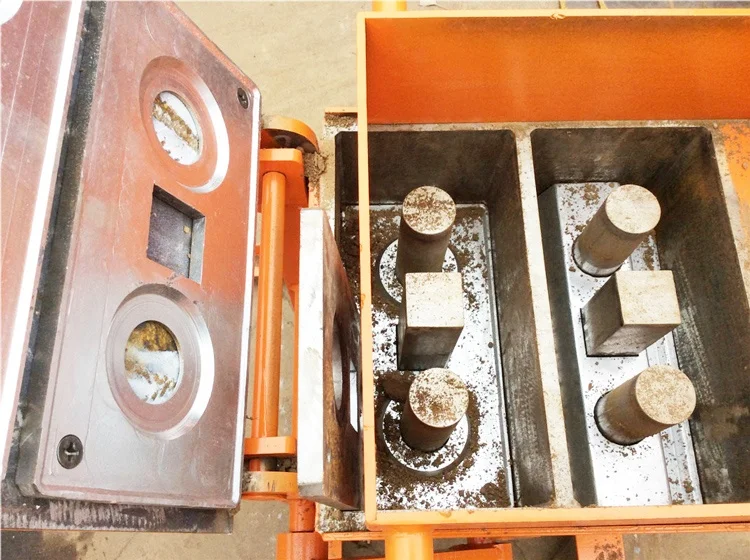
The changeable mould system on the LY2-40 allows a single machine to produce different interlocking brick profiles without purchasing a second press. Mould swaps on manual machines of this class involve unbolting the mould box, lifting it clear, and seating the replacement — a task that is straightforward but takes the press offline for a period each time. Buyers who plan to run two or three different interlocking formats across a production week should factor this changeover time into their scheduling rather than assuming instant switching.
Reading the Specifications That Actually Matter
The overall dimensions of 1600 x 700 x 1200 mm and a net weight of 200 to 240 kg place the LY2-40 firmly in the portable manual press category. Steel wheels allow repositioning across a site without a fixed foundation, which matters when contractors follow the build footprint as walls go up. The absence of any electrical requirement means the manual clay interlocking brick machine can operate in locations where generator fuel is the only alternative. The included JFA-1 or JQ350 mixer determines how consistently the soil-cement blend reaches the press — uneven moisture content causes bricks that crumble during demoulding or crack during curing, regardless of how well the press itself performs [NEED_CITE: soil-cement moisture sensitivity in compressed earth block production].
What Happens When the Mix Does Not Match the Machine
A buyer once shipped a manual interlocking press to a site where the local red soil had a much higher sand fraction than the standard test mix used during factory trials. The bricks looked fine coming out of the mould but lost cohesion within days of sun exposure. Every parameter — compaction force, moisture target, cement ratio — had to be recalibrated on-site, delaying production by weeks. This is why sending a soil sample before the order is confirmed matters more than comparing quoted cycle times across suppliers.
Why Procurement Goes Through Linyi
Shandong Shiyue Intelligent Machinery focuses exclusively on block making machinery, so the press, mould, mixer, and pallet handling are specified as a matched set rather than sourced separately. The LY2-40 configuration is set against the buyer’s actual soil sample and target interlocking format, not a catalogue default. Mould designs are available for the profiles the buyer’s local market sells, including custom drawings. Documentation covers mould drawings, soil-cement mix guidance, and a wear parts list specific to the chosen format. The machine can start fully manual and later integrate into a broader semi-automatic line if production scales.
Documentation & Verification
- Factory test record pressing your specific interlocking brick format before dispatch
- Mould drawing and format list confirming all interchangeable profiles included
- Soil-cement mix design guidance calibrated to your submitted soil sample
- Operation and maintenance manual covering lever mechanism and mould changeover
- Wear parts list with part numbers for the exact mould profile supplied
Installation, Commissioning & Support
- No foundation required — steel wheels let the LY2-40 move across site as building progresses
- Zero electrical hookup needed; only the paired mixer requires power if the JFA-1 is selected
- Machine arrives assembled; operator can begin pressing after a brief lever-and-mould walkthrough
- First-day production supervised remotely or on-site to confirm soil-cement ratio and cycle rhythm
- Mould wear parts stocked against the specific interlocking profile shipped with the machine
- Routine lever pivot and mould surface inspection schedule provided in the operation manual
Before You Request a Quote
To size the LY2-40 correctly, share the interlocking brick format your market demands, the soil type available at your project site, and whether grid electricity exists for the mixer. If you have a target daily output, state which block profile that figure is based on. A soil sample sent before order confirmation lets the mix design be finalized in advance, avoiding weeks of on-site recalibration after arrival.
Frequently Asked Questions
Q: How is daily output calculated for the LY2-40, and which interlocking format does it assume?
A: The 400 to 1000 pieces per day range depends on the specific interlocking brick profile, operator count, and soil-cement mix workability. Thinner, simpler profiles allow faster demoulding and higher throughput, while deeper interlocking shapes extend the cycle. Always request a capacity calculation tied to your exact block format rather than accepting a generic daily figure.
Q: What soil types work with the LY2-40 for consistent brick strength?
A: Laterite, red clay, and sandy loam can all produce viable interlocking bricks when blended with cement at the correct ratio and moisture level. High-sand soils require more cement and careful moisture control to prevent crumbling after curing. Sending a soil sample before ordering allows the mix design to be matched to your local material.
Q: How long does a mould change take, and what formats fit this machine?
A: Mould changeover on the LY2-40 involves unbolting and lifting the mould box, then seating the replacement. The available formats depend on the moulds ordered — standard interlocking profiles are kept in range, and custom profiles can be produced from buyer drawings. Plan changeover time into weekly scheduling if running multiple formats.
Q: What block strength can manual compaction achieve compared to hydraulic pressing?
A: Manual presses like the LY2-40 produce compressed earth blocks suitable for single-storey and low-rise load-bearing walls when the soil-cement mix is correctly proportioned. Hydraulic presses deliver higher compaction force and therefore higher compressive strength, making them necessary for multi-storey structural applications. The LY2-40 fills the off-grid, low-investment segment where electrical or hydraulic power is unavailable.