
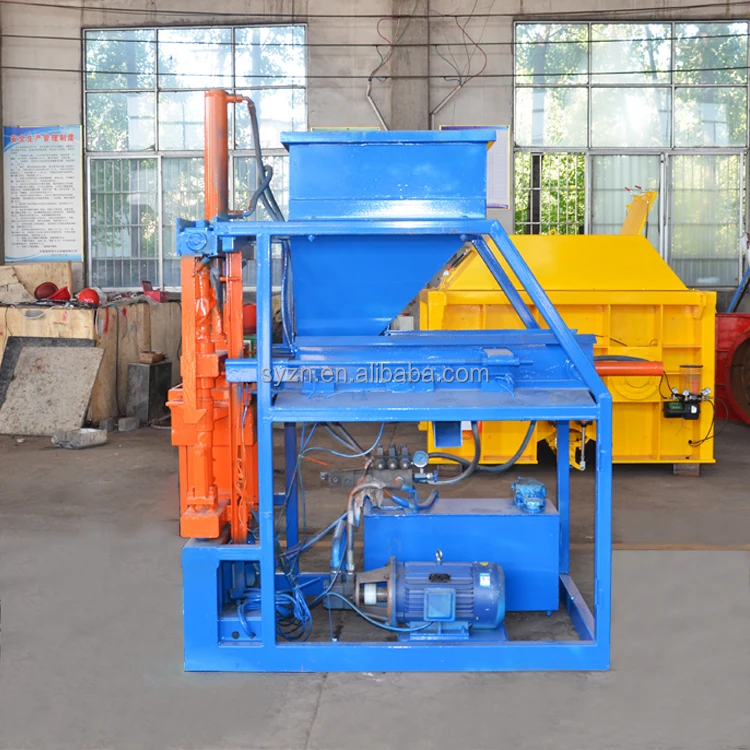
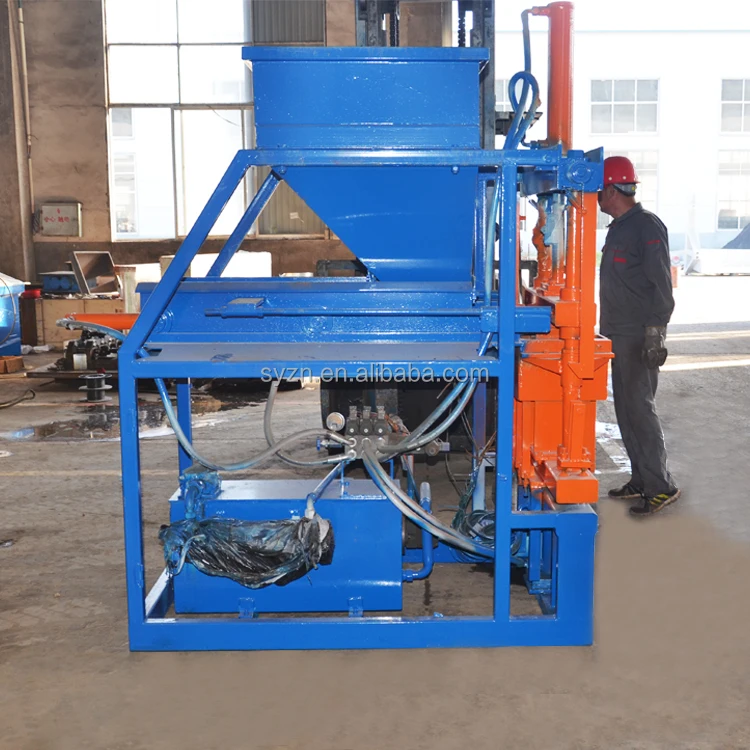
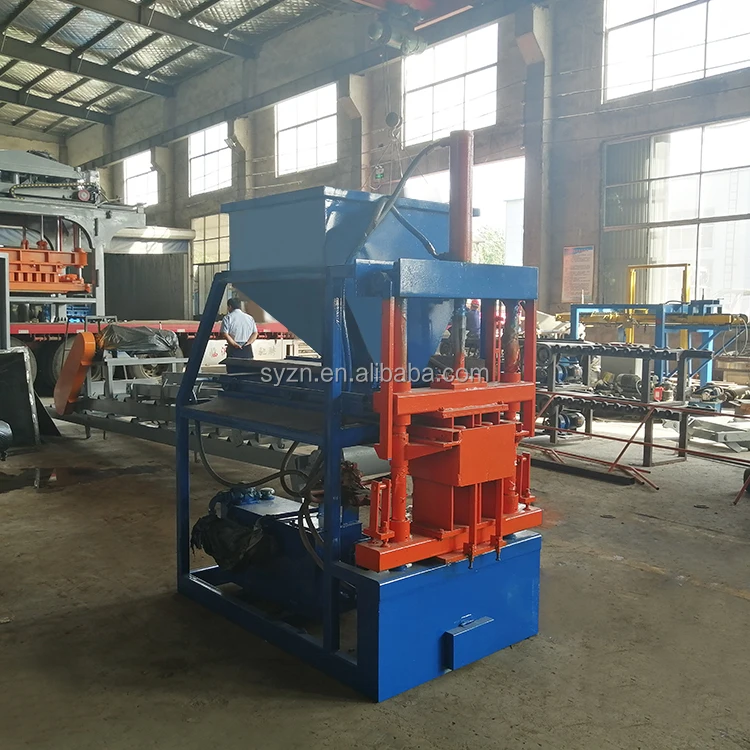
Description
Mould-to-Mix Alignment — every LY2-10 configuration is checked against the buyer’s actual interlocking brick format, local clay or soil composition, and site curing conditions before the quotation is finalized.
Technical Specifications
| Parameter | Value |
|---|---|
| Model | LY2-10 |
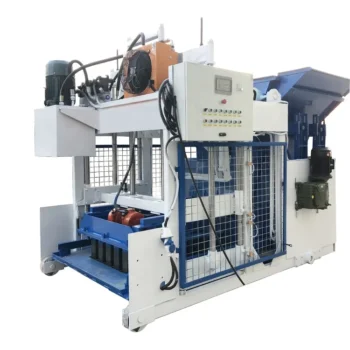
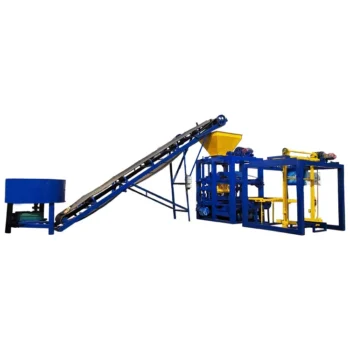
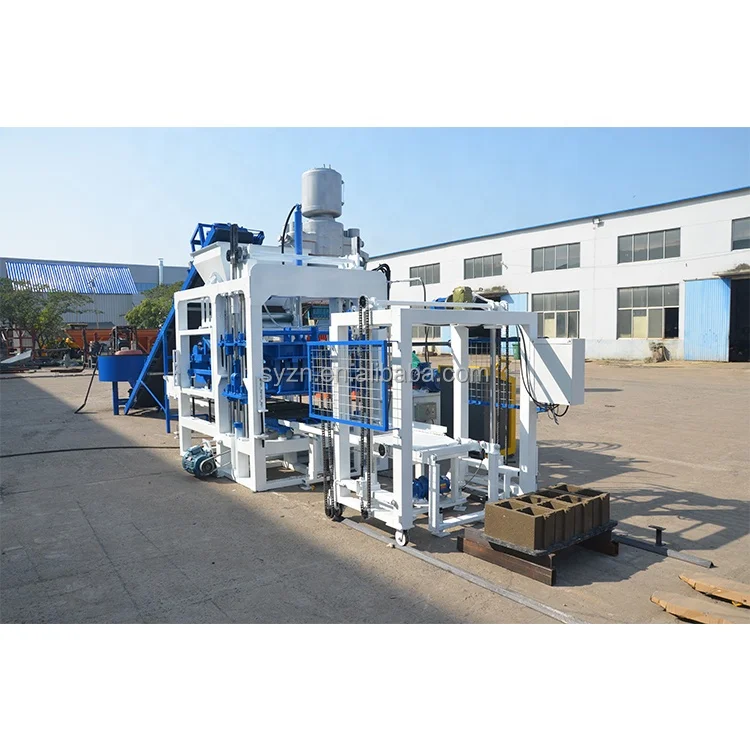
| Product Type | Clay Interlocking Brick Making Machine |
| Machine Power | 7.5 kW |
| Molding Cycle | 10 s |
| Output Capacity | 6000 pcs / 8 hours (basis not stated in source — confirm block format, material, and thickness) |
| Raw Materials | Clay, soil, earth, mud, concrete, cement, fly ash |
| Overall Dimensions (L×W×H) | 1300 × 1800 × 2400 mm |
| Automation Level | Semi-automatic |
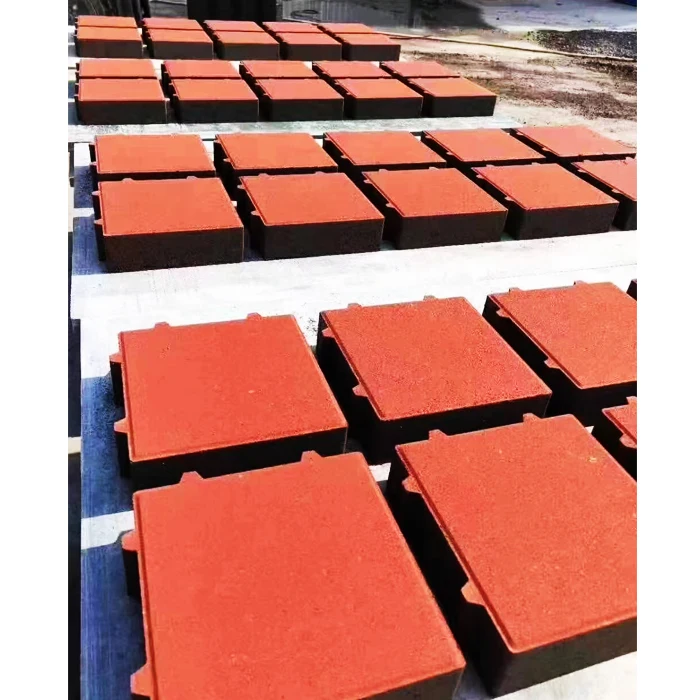
| Mould Format | Interlocking brick (multiple size options per mould change) |
| Bricks per Mould | 1 (for listed formats); up to 2 for other formats |
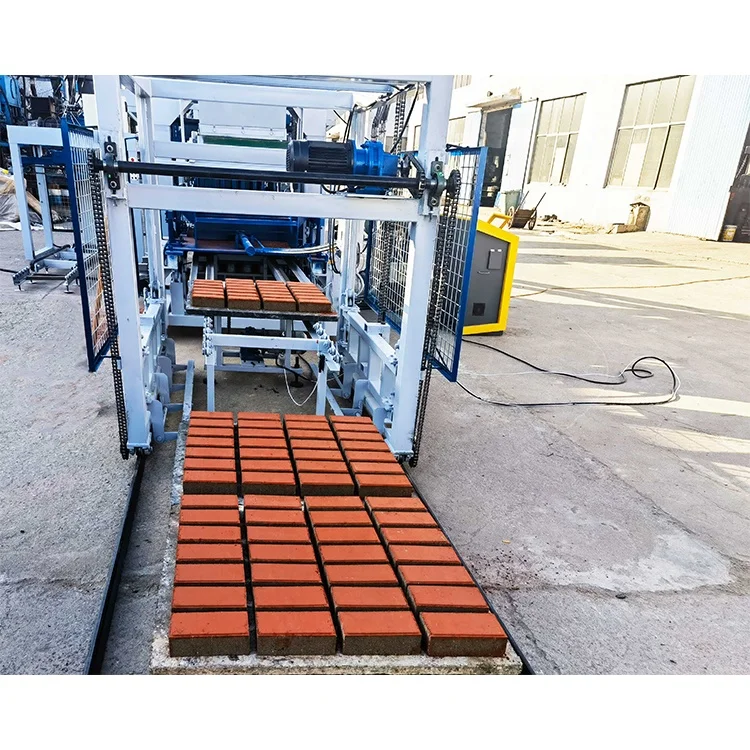
| Stacking Method | Manual |
Application Suitability
| Application | Material or Output |
|---|---|
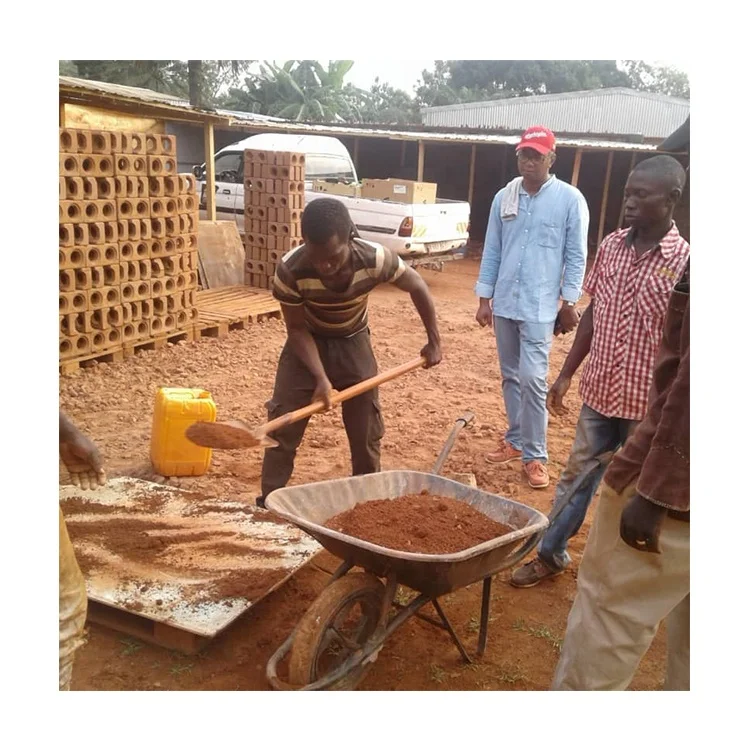
| On-site interlocking brick production for housing projects | Local soil mixed with cement stabilizer |
| Small-plant clay brick manufacturing | Excavated clay or earth with moisture conditioning |
| Fly ash interlocking block production | Fly ash blended with lime and cement |
| Contractor-run mobile block yard | Site-sourced mud and aggregate |
| Format expansion for existing concrete product plants | Interlocking brick added via mould change |
What the "6000 Pieces per 8 Hours" Figure Actually Means
Output is only meaningful when tied to the specific interlocking brick format and wall thickness the buyer intends to sell.
Suppliers often quote a single cycle count without naming the block size, the mould cavity count, or the curing time assumed. A buyer planning around 300×150×100 mm interlock bricks will see a different daily total than one running 250×125×75 mm pavers, even on the same clay interlocking brick making machine specifications sheet. I once watched a contractor in East Africa lose two weeks because the capacity table he relied on was based on a thin-walled format his market never ordered. [NEED_CITE: capacity calculation standards for block making machinery]
Matching Mould Format to the Local Market
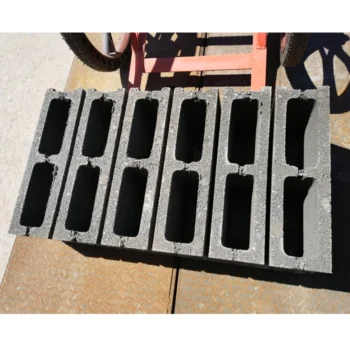
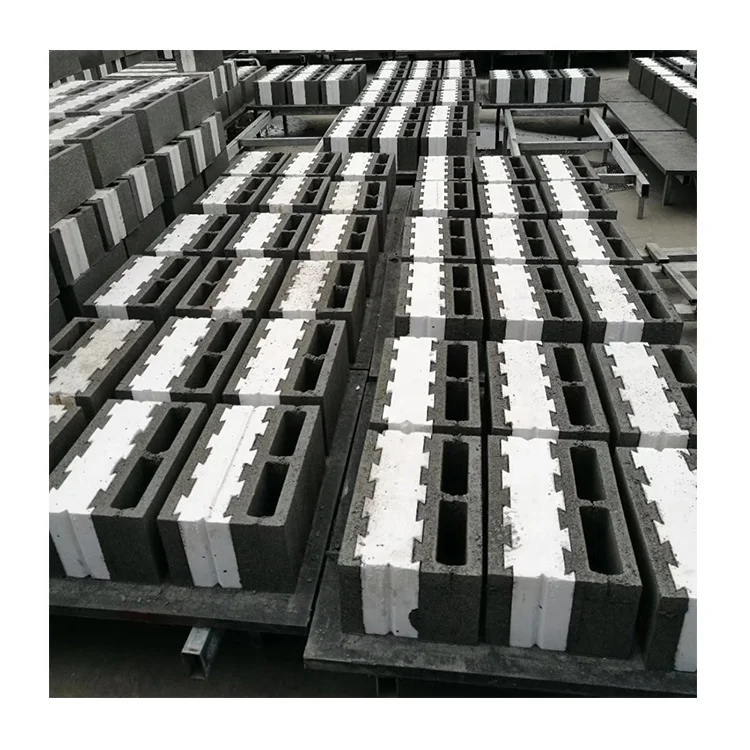
The LY2-10 ships with mould options for 300×150×100 mm, 250×125×75 mm, and 230×220×115 mm interlocking bricks. Each format changes the pieces-per-cycle ratio, so a buyer must confirm which cavity plate matches the block sold in their region before the machine leaves the factory.
Semi-Automatic Operation and Workforce Fit
With semi-automatic control and manual stacking, the clay interlocking brick making machine specifications suit a crew of three to five operators. First-plant entrepreneurs and on-site contractors benefit from the reduced maintenance complexity, while the option to add pallet feeding or a basic stacker later keeps the upgrade path open without replacing the press itself. [NEED_CITE: semi-automatic block machine labour planning]
Reading the Power and Cycle Time Together
A 7.5 kW motor driving a 10-second molding cycle means the press is tuned for lighter clay and soil mixes rather than high-density concrete pavers. Hydraulic pressure and vibration force must both match the chosen aggregate; oversize vibration on a low-cement soil mix cracks the interlock keys, while undersized force leaves the brick too weak for load-bearing walls. Buyers should request the vibration amplitude and hydraulic pressure values calibrated to their specific mix design before accepting a proforma invoice.
The Hidden Cost of Ignoring Mould Change Time
A buyer who orders a single mould to save on the initial invoice often returns six months later for a second format, only to find that the mould change procedure requires a partial teardown and a full shift of lost production. Confirming the changeover procedure and the tooling required for each interlocking format up front prevents that surprise. [NEED_CITE: block machine mould change procedures]
Why Sizing Starts with the Mix, Not the Machine
The LY2-10 accepts clay, soil, earth, mud, concrete, cement, and fly ash — but each material behaves differently under vibration and pressure. A soil-cement mix with 8 % cement needs a different vibration frequency than a fly ash-lime blend at 12 % binder. Configuration begins with a sample of the buyer’s local aggregate, not with a catalogue default, so the finished brick reaches the compressive strength the local building code requires.
Documentation & Verification
- Line layout drawing naming the exact interlocking brick format and cavity count used for capacity calculations
- Mould drawing pack listing all available interlock sizes and the changeover procedure for each
- Factory test record run on the buyer’s confirmed raw material sample before crate closing
- Voltage and frequency confirmation sheet signed off before motor procurement
- Operation and maintenance manual with wear parts list matched to the shipped mould set
Installation, Commissioning & Support
- Foundation plan sized to the LY2-10 footprint of 1300 × 1800 mm with anchor bolt positions
- Power drop rated for 7.5 kW plus starting surge, with isolator and earth leakage protection specified
- Machine arrives as a single skid; mould plate and hopper bolt on at site with hand tools
- First-run commissioning includes vibration tuning to the buyer’s local soil-cement mix
- Operator training covers mould change, daily grease points, and belt tension checks
- Wear parts list identifies the vibration springs, mould liner plates, and hopper scraper blades to stock
Starting the Conversation
Share the exact interlocking brick dimensions your market sells, the clay or soil source you plan to use, and the daily output you need to keep the site supplied. Include your local voltage and frequency so the motor and control panel arrive ready to run. If you already have curing racks or pallets on site, send the dimensions — the pallet spec must match both the press and your existing handling equipment.
Frequently Asked Questions
Q: How is the 6000-piece daily capacity figure calculated for the LY2-10?
A: That number is based on a specific interlocking brick format — likely one of the listed sizes such as 300×150×100 mm — running at a 10-second cycle with one brick per mould. If your market format differs in wall thickness or cavity count, the actual daily output will shift. Request a format-specific capacity table before confirming the order.
Q: Which raw materials can the LY2-10 process for interlocking bricks?
A: The machine handles clay, soil, earth, mud, concrete, cement, and fly ash. The vibration and pressure settings must be adjusted to match the chosen mix. Send a sample of your local aggregate so the factory can tune the parameters to your material before the machine ships.
Q: How long does a mould change take on the LY2-10?
A: Mould changeover involves removing the existing cavity plate and fitting the new one with hand tools. The exact time depends on operator familiarity and whether alignment pins are pre-fitted. Confirm the procedure and the tooling list during the quotation stage so your crew can plan format switches within a single shift.
Q: What voltage and frequency options are available for the LY2-10?
A: Voltage and frequency are configurable to match the buyer’s local grid. The motor, control panel, and any auxiliary drives must all be specified to the same standard before production begins. Confirming these details early avoids commissioning delays once the machine arrives on site.
Q: What pallet size should I plan for the LY2-10’s output?
A: Pallet dimensions must match the mould footprint and the curing rack spacing you already have on site. Undersized pallets waste press area; oversized pallets will not fit standard curing racks. Provide your existing rack dimensions during the inquiry so the correct pallet size is included in the line layout.